
Business
SIP in High Inflation: Still Worth Your Money?


In recent times, rising prices have become a part of everyday life. From groceries and fuel to rent and education, everything seems to be getting more expensive. This constant increase in prices—known as inflation—has made many investors question their financial strategies. One common question that comes up is: “SIP in high inflation economy is still worth it?”
If you are investing through a Systematic Investment Plan (SIP) or planning to start one, understanding how a SIP performs in high inflation is an important concern. Let’s break it down in simple terms and see whether SIPs still make sense in a high inflation environment.
Understanding Inflation and Its Impact
For example, if your monthly expenses were ₹20,000 a few years ago, they might be ₹30,000 today for the same lifestyle.
Why is this a problem for investors?
If your investments are not growing faster than inflation, you are effectively losing money in real terms.
This is where the concept of real return comes in:

Real Return = Investment Return – Inflation
So, if your investment earns 6% annually but inflation is 7%, your real return is actually negative.

Why SIPs Became So Popular
Systematic Investment Plans (SIPs) have gained popularity because they make investing simple and disciplined. Instead of investing a large lump sum, you invest a fixed amount regularly—usually monthly—in mutual funds.
Key benefits of SIPs:
- Discipline: Encourages regular investing
- Rupee Cost Averaging: Buys more units when prices are low and fewer when prices are high
- Compounding: Long-term growth multiplies your wealth over time
Because of these advantages, SIPs are widely recommended for long-term financial needs like retirement, children’s education, and wealth creation.
Can SIPs Beat Inflation?
Now let’s address the main question: Can SIPs help you beat inflation?
The answer is—yes, but with conditions.
SIPs themselves are just a method of investing. What truly matters is where you are investing through SIPs.
Equity Mutual Funds and Inflation
Historically, equity mutual funds have delivered returns that are higher than inflation over the long term. While short-term fluctuations are common, equities have the potential to generate inflation-beating returns over a period of 5–10 years or more.
The catch:
- In the short term, returns may be volatile
- In the long term, they tend to stabilize and grow
So, if your SIP is linked to equity-oriented funds and you stay invested long enough, it can help you preserve and grow your purchasing power.
When SIP Might Not Work Well
While SIPs are effective, they are not foolproof. In a high inflation environment, certain mistakes or conditions can reduce their effectiveness.
1. Short Investment Horizon
If you are investing for just 1–2 years, SIPs may not deliver strong returns. Market volatility can impact short-term performance.
2. Wrong Asset Allocation
If your SIP is entirely in low-return instruments like debt funds or conservative assets, it may struggle to beat inflation.
3. Stopping SIP During Market Volatility
Key takeaway:
It’s not SIP that fails—it’s often the strategy behind it.
How to Make SIP Work in a High Inflation Economy
To ensure your SIP remains effective even when inflation is high, you need to follow a smart approach.
1. Focus on Equity for Long-Term needs
Equity mutual funds are better suited for long-term wealth creation and have the potential to outperform inflation.
2. Increase Your SIP Amount Regularly
As your income grows, your investments should too. A Step-Up SIP (increasing your SIP annually by 10–15%) can significantly boost your final corpus.
3. Stay Consistent During Market Ups and Downs
Market volatility is normal. Continuing your SIP during downturns allows you to benefit from lower prices.
4. Align Investments with needs
Each SIP should have a clear purpose and time horizon. This helps in selecting the right type of fund and staying committed.
5. Review Your Portfolio Periodically
Check your investments once or twice a year to ensure they are aligned with your needs and market conditions.
SIP vs Other Investment Options
In a high inflation environment, it’s important to compare SIPs with other popular investment options.
Fixed Deposits (FDs)
- Safe and stable
- Returns are often lower than inflation
- May result in negative real returns
Gold
- Acts as a hedge during uncertain times
- Returns can be inconsistent
- Not ideal for regular income generation
Real Estate
- Requires large capital
- Limited liquidity
- Not easily accessible for all investors
SIP in Equity Mutual Funds
- Affordable and flexible
- Potential for higher long-term returns
- Suitable for disciplined wealth creation
Conclusion:
Among these options, SIPs in equity mutual funds remain one of the most accessible and effective ways to fight inflation over the long term.
A Simple Example
Let’s consider two investors:
- Investor A saves ₹10,000 monthly in a fixed deposit earning 6%
- Investor B invests ₹10,000 monthly through SIP in an equity mutual fund earning an average of 12% over the long term
Over time, inflation reduces the real value of Investor A’s returns. Meanwhile, Investor B benefits from compounding and higher returns, helping maintain and grow purchasing power.
This example highlights how the right investment choice can make a significant difference.
Conclusion: Is SIP Still Worth It?
So, coming back to the main question:
Is SIP still worth it in a high inflation economy?
The answer is a clear yes—but with the right strategy.
SIPs remain a powerful tool for long-term investing, especially when combined with:
- Equity exposure
- Consistency
- A long-term mindset
Final Thought:
Inflation is not a reason to avoid investing—it is the biggest reason to invest wisely.
If you rely only on low-return options, your money may lose value over time. But with a disciplined SIP approach, you can not only protect your wealth but also grow it.
Author






Cash Only A Modern Approach to Everyday Streetwear
Streetwear has become more than a clothing trend; it is a way for people to express their personality, confidence, and individual style. From relaxed silhouettes to carefully chosen graphics, modern fashion allows everyone to create an appearance that feels authentic. The growing interest in the cash only hoodie reflects the appeal of casual clothing that combines comfort with a distinctive street-inspired identity. For those exploring contemporary fashion, Cash Only offers a starting point for discovering styles that fit naturally into a modern wardrobe.
The Meaning Behind Modern Streetwear
Streetwear draws inspiration from music, skate culture, city life, art, and the everyday experiences of people who prefer clothing that feels personal rather than overly formal. Its appeal comes from the freedom to experiment with different combinations and develop a recognizable look. Some people prefer neutral colors and minimal graphics, while others enjoy oversized fits, bold prints, and statement pieces. The best streetwear outfits leave room for individuality, allowing clothing to reflect the wearer’s interests and attitude without sacrificing practicality.
Cash Only and the Appeal of Casual Fashion
The name Cash Only fits naturally into conversations about contemporary streetwear, where identity, presentation, and cultural influence often shape how a brand is perceived. People looking for a fresh addition to their casual wardrobe may explore the Cash Only to learn more about the available clothing and its overall aesthetic. Rather than treating fashion as a collection of temporary trends, a thoughtful wardrobe focuses on pieces that can be worn in different situations and styled in several ways. This flexible approach helps people develop a personal look without constantly replacing their clothes.
Why Hoodies Remain a Wardrobe Essential
Few garments are as adaptable as a hoodie. It offers warmth on cooler days, a relaxed fit for everyday activities, and enough styling flexibility to work with numerous clothing combinations. Hoodies can be worn during casual outings, weekend trips, study sessions, or relaxed evenings with friends. Their practical design makes them useful throughout changing seasons, especially when layered beneath jackets or over simple T-shirts. A well-chosen hoodie can become one of the most frequently worn items in a wardrobe because it balances comfort, functionality, and personal expression.
Finding the Right Cash Only Hoodie
Choosing a cash only hoodie involves more than looking at its appearance. Fit, fabric, construction, color, and versatility all influence whether a garment becomes a long-term favorite. Some people prefer an oversized silhouette that creates a relaxed urban look, while others choose a regular fit that works easily with straight-leg jeans or tailored casual trousers. Fabric weight also matters, particularly for people who want a hoodie suitable for different temperatures. Checking the product description and sizing information before ordering can help shoppers make a more informed decision and choose an item that suits their preferences.
Comfort and Quality Go Hand in Hand
Comfort is one of the most important factors in everyday clothing. A garment may look appealing in a photograph, but its real value depends on how it feels during regular wear. Soft materials, comfortable seams, suitable proportions, and a practical hood can make a difference to the overall experience. Quality also involves the way a garment holds its shape, the reliability of its stitching, and how well it responds to repeated washing. Shoppers should review available fabric details and care instructions rather than judging construction solely by a product image.
Building Outfits Around Simple Pieces
A strong streetwear outfit does not need to contain numerous expensive items. Often, a few well-selected basics provide enough variety for several different looks. A hoodie can serve as the central piece, with jeans, relaxed trousers, or cargo pants completing the outfit. Clean sneakers keep the combination casual, while a lightweight jacket adds another layer when the weather changes. By choosing compatible colors and balanced proportions, anyone can create outfits that look intentional without appearing overly complicated.
The Importance of Fit and Proportion
Fit influences the overall appearance of streetwear more than many people realize. Oversized clothing can create a relaxed silhouette, but the best results usually come from balancing the proportions of the entire outfit. For example, a loose hoodie can pair well with straight-leg trousers, while a more fitted top may complement wider pants. Neither approach is automatically better; the right choice depends on personal comfort and the desired appearance. Reviewing garment measurements is particularly helpful when shopping online because sizing labels can vary between brands and individual products.
Choosing Colors That Work Together
Color selection can make everyday styling easier. Black, white, grey, navy, and earthy shades tend to coordinate well with a wide range of garments. These colors provide a reliable foundation for people who want to create multiple outfits from a limited collection of clothing. More expressive shades and graphic designs can then add contrast and personality. Someone who prefers understated fashion might combine a neutral hoodie with matching trousers, while someone who enjoys a bolder look may introduce contrasting sneakers or a statement accessory.
Streetwear for Different Everyday Settings
One reason streetwear continues to attract attention is its adaptability. A relaxed outfit can work for meeting friends, visiting local shops, traveling, or spending time around the city. Small adjustments can also change the character of an outfit without requiring an entirely new wardrobe. Sneakers and a simple cap create a casual combination, while a structured outer layer can make the same clothing feel more considered. The goal is to choose pieces that match the setting while preserving the comfort and personality that make streetwear appealing.
Layering for Changing Weather
Layering is a practical way to extend the usefulness of casual clothing throughout the year. During cooler weather, a hoodie can be worn beneath a coat or jacket, providing warmth without requiring an overly formal outfit. In milder conditions, it can be worn over a lightweight T-shirt and removed when temperatures rise. The thickness of each layer should be considered to prevent unnecessary bulk and maintain comfortable movement. Choosing compatible colors and fabrics also helps create a cohesive appearance, even when several garments are worn together.
Making Smarter Online Fashion Purchases
Online shopping provides access to a broad selection of clothing, but it requires careful attention to product information. Before purchasing, shoppers should examine the available photographs, read the descriptions, compare measurements, and check the stated material composition. Shipping costs, delivery estimates, return policies, and payment options are also worth reviewing. These details help set realistic expectations and reduce the likelihood of choosing something unsuitable. A clear understanding of the seller’s policies is especially useful when buying clothing that cannot be tried on before delivery.
Creating a More Versatile Wardrobe
A versatile wardrobe is built around clothing that works together. Instead of buying every new trend, shoppers can focus on items that complement garments they already own. A dependable hoodie, a few well-fitting pairs of trousers, comfortable footwear, and simple outerwear can provide a useful foundation for numerous combinations. This approach encourages more deliberate purchasing and helps reduce the frustration of owning clothes that rarely get worn. Personal style becomes easier to maintain when each new item has a clear purpose within the overall wardrobe.
Caring for Hoodies and Everyday Clothing
Proper care can help clothing remain comfortable and presentable for longer. Reading the care label is the best starting point because washing requirements can differ according to fabric composition and printed details. Turning a garment inside out before washing may help protect its outer surface, while using the recommended water temperature can reduce unnecessary wear. Strong heat may affect certain fabrics or graphics, so the label should guide drying choices. Storing hoodies in a clean, dry place also helps maintain their condition between wears.
Personal Expression Through Fashion
Fashion becomes more meaningful when people use it to express their own preferences rather than simply copying what is popular. One person might prefer minimal clothing with subtle branding, while another enjoys oversized silhouettes and prominent graphics. Both approaches can work when the wearer feels comfortable and confident. Accessories, footwear, layering, and color choices offer additional opportunities to create a distinctive look. The most successful personal style is not necessarily the most expensive or complicated; it is the one that feels natural and remains practical for everyday life.
Understanding Value Beyond the Price Tag
The value of a clothing item depends on several factors, including its construction, comfort, versatility, and expected frequency of use. A lower-priced garment may be useful for occasional wear, while a more durable option might make sense for someone who plans to wear it regularly. Comparing product details and considering how an item fits into an existing wardrobe can help shoppers make balanced decisions. It is also important to avoid assuming that a higher price automatically guarantees superior quality. Clear product information and realistic expectations provide a stronger basis for evaluating a purchase.
Developing a Personal Streetwear Identity
Building a recognizable streetwear identity takes time. It often begins with discovering preferred fits, colors, and garment types, then refining those choices through everyday experience. Inspiration can come from music, creative communities, urban environments, or the style of people whose outfits feel authentic. However, inspiration does not require copying another person’s appearance exactly. Experimenting with familiar basics and occasional statement pieces allows individuals to find combinations that reflect their own tastes. A consistent approach to fit, color, and comfort can make even a simple wardrobe feel distinctive.
What to Consider Before Choosing Your Next Hoodie
Before selecting a hoodie, think about when and where it will be worn. Someone looking for an everyday essential may prioritize softness, easy styling, and straightforward care, while someone interested in statement streetwear may focus more on graphics, silhouette, and visual details. Consider the local climate, preferred layering options, and the clothing already available in your wardrobe. It is also sensible to check the sizing guide and return conditions before placing an order. These simple steps help align the purchase with practical needs rather than relying on appearance alone.
The Lasting Appeal of Cash Only
Contemporary streetwear continues to appeal to people who want clothing that combines relaxed comfort with personal expression. Cash Only sits within this wider fashion conversation, where individual identity and everyday versatility remain important considerations. Exploring a brand’s available styles, understanding garment details, and thinking carefully about fit can help shoppers decide whether particular pieces suit their wardrobe. Rather than chasing every short-lived trend, people can create a more useful collection by selecting clothing that matches their preferences and daily routines.
Conclusion
Streetwear offers a flexible way to bring comfort, creativity, and individuality into everyday dressing. Hoodies remain an important part of this style because they can be layered, paired with different trousers, and adapted to a variety of casual settings. Choosing the right garment requires attention to fit, materials, care instructions, and overall versatility. By making thoughtful decisions and developing a personal approach to styling, shoppers can build outfits that feel both practical and expressive. Exploring Cash Only and its available clothing can be one step toward discovering pieces that complement an individual wardrobe and support a confident, comfortable everyday look.
Author


Brands use custom shaped rigid boxes to present gifts and premium products in distinctive, attractive packaging. Their sturdy construction helps protect delicate items while creating an impressive appearance on retail shelves. Customers appreciate receiving products in packaging that feels special before they even open it. Durable materials and a well-planned structure also help keep items secure during handling and delivery. With the right design, ordinary packaging can become a memorable part of the gifting experience.
Reliable Product Protection
Rigid paperboard provides dependable support for products that need protection during storage, display, and transportation. Strong walls help reduce the risk of damage from everyday handling, while suitable inserts keep individual items in position. Businesses can select different dimensions and internal layouts to accommodate delicate gifts, cosmetics, jewelry, and other valuable products. Well-designed packaging also helps protect contents from dust and surface scratches when stored appropriately. Choosing the right materials and construction allows retailers to present their products professionally while improving protection throughout the customer journey.
Creative Package Shapes
Distinctive packaging shapes help products stand out among conventional square and rectangular containers. Heart-shaped, star-shaped, circular, and other geometric designs can add personality to gift collections and special product lines. Carefully developed Custom Shaped Rigid Boxes allow brands to match packaging with the product, occasion, or visual identity. Smooth edges, precise construction, and attractive finishes contribute to a polished appearance without requiring excessive decorative wrapping. These creative designs can attract attention on crowded retail shelves and help customers recognize a product more easily.
Special Gift Presentation
Thoughtfully designed packaging can turn an ordinary gift into a more meaningful purchase. Premium surfaces, elegant colors, textured finishes, and decorative details help create an appealing presentation for birthdays, anniversaries, holidays, and corporate gifting. Custom shaped rigid boxes offer a distinctive alternative to standard gift packaging by combining a firm structure with a design tailored to the occasion. Opening a carefully assembled box can build anticipation and make the gift feel more personal. When presentation matches product quality, customers are more likely to develop a positive impression of the brand.
Secure Shipping Methods
Protective packaging is particularly important when valuable products travel through multiple distribution stages. Sturdy paperboard walls help the box retain its shape, while reinforced construction and fitted inserts can reduce movement inside the package. Depending on the design, magnetic closures or other secure fastening systems help keep the lid in place during handling. Businesses should also consider appropriate outer shipping cartons and cushioning, as rigid gift boxes alone may not provide sufficient protection against every transit impact. Selecting packaging based on the product’s weight, fragility, and shipping conditions helps reduce the risk of damage and customer complaints.
Build a Strong Brand Identity
Distinctive packaging helps businesses develop a recognizable identity in competitive retail markets. Consistent colors, logos, typography, and finishes make products easier for customers to associate with a particular brand. Minimalist designs can communicate sophistication, while colorful patterns and creative shapes may suit playful or seasonal collections. Customers may also reuse attractive rigid boxes to store jewelry, accessories, keepsakes, and other small belongings. This continued use can keep the packaging and brand visible beyond the original purchase. Thoughtful packaging choices support brand recognition and can contribute to stronger customer relationships over time.Customers may also reuse attractive rigid boxes to store jewelry, accessories, keepsakes, and other small belongings. This continued use can keep the packaging and brand visible beyond the original purchase. Thoughtful packaging choices support brand recognition and can contribute to stronger customer relationships over time.
Smart Packaging Selection
Comparing Custom Rigid Packaging in Bulk options helps businesses evaluate designs that match their products and budgets. Before placing a large order, reviewing samples can reveal important details about board thickness, shape accuracy, closure performance, and overall durability. Brands should also confirm the internal dimensions, protective inserts, printing requirements, and assembly process. Planning production schedules in advance is especially useful for seasonal collections, holiday gifts, and product launches. A well-organized selection process helps businesses choose suitable packaging while maintaining consistent quality and meeting retail deadlines.
Conclusion
Custom shaped rigid boxes combine dependable structure with distinctive presentation, making them a practical choice for gifts and premium retail products. Their creative forms help products stand out, while suitable materials and internal protection support safe handling and delivery. Thoughtful printing and finishing can also strengthen brand identity and make the unboxing experience more memorable. By choosing the right shape, construction, and design, businesses can present their products with greater confidence and give customers packaging that feels as special as the gift inside.Their creative forms help products stand out, while suitable materials and internal protection support safe handling and delivery. Thoughtful printing and finishing can also strengthen brand identity and make the unboxing experience more memorable. By choosing the right shape, construction, and design, businesses can present their products with greater confidence and give customers packaging that feels as special as the gift inside.
Author


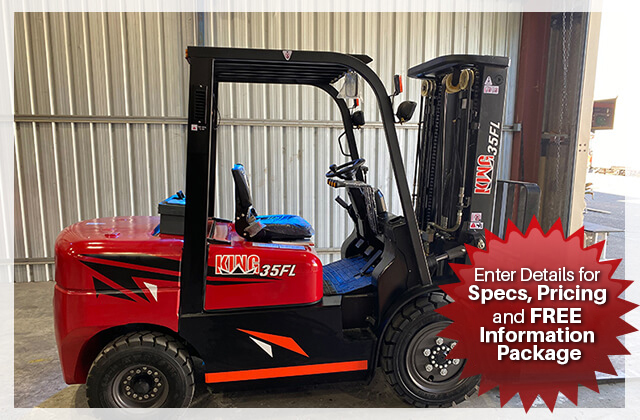
For businesses looking for forklifts in Australia, choosing the right machine starts with understanding the job, not simply comparing prices.
A forklift can become one of the most useful pieces of equipment in a warehouse, construction business, manufacturing facility, agricultural operation, or distribution centre. It can move heavy materials quickly, reduce unnecessary manual handling, improve loading and unloading processes, and make better use of available storage space.
However, not every forklift is suitable for every workplace. A machine that performs well inside a warehouse may not be the best choice for a construction site, while a large outdoor forklift may be impractical in narrow aisles.
The right decision comes from matching the forklift’s capabilities with the real conditions in which it will be used.
Start With the Work You Need to Do
Before looking at individual forklift models, take a step back and examine your daily material-handling requirements.
Ask yourself what the forklift will be expected to move, how often it will be used, where it will operate, and how high materials need to be lifted.
Important considerations include:
- Maximum load weight
- Average load weight
- Load dimensions
- Required lifting height
- Indoor or outdoor operation
- Floor and ground conditions
- Aisle width
- Daily operating hours
- Required travel distance
- Available attachments
- Maintenance requirements
These details can quickly eliminate unsuitable options and help you focus on forklifts that genuinely fit the application.
Forklift Capacity Is More Than a Number
One common mistake is choosing a forklift based only on its advertised lifting capacity.
For example, a forklift rated for a particular weight does not automatically mean it can safely handle every load of that weight at every lifting height. Load centre, attachment configuration, mast height, and the shape of the material can all influence how the machine performs.
Businesses should therefore consider their heaviest realistic loads and discuss the complete application with a knowledgeable supplier.
It is better to choose equipment based on real operating conditions than to discover later that the machine is unsuitable for an important part of the job.
Think About Lifting Height
Lifting height becomes especially important in warehouses and storage facilities.
If pallets are being placed onto high racking, the forklift needs a suitable mast configuration and enough lifting capability to complete the task safely and efficiently.
At the same time, businesses should consider overhead clearance. Doorways, roof structures, lighting, sprinkler systems, racking and other obstacles can influence the practical lifting height available at a particular site.
A forklift should therefore be assessed as part of the complete warehouse layout rather than as an individual machine.
Indoor Forklifts vs Outdoor Forklifts
The operating environment can have a major influence on forklift selection.
Indoor workplaces may prioritise manoeuvrability, compact dimensions, visibility, floor protection, and operating characteristics suitable for enclosed areas.
Outdoor applications can introduce additional challenges such as gravel, uneven surfaces, slopes, dirt, mud and changing weather conditions.
For businesses working across construction sites, farms, yards or other uneven environments, an all-terrain or four-wheel-drive forklift may be worth considering.
The key is to identify the actual terrain rather than selecting equipment based on a general assumption that a more powerful forklift is always better.
Consider Your Warehouse Layout
A forklift needs enough room to operate efficiently.
Before purchasing equipment, measure narrow aisles, loading zones, doorways and turning areas. Think about where pallets are stored and how the forklift will approach them.
A machine with excellent lifting capability can still become frustrating to use if it is too large for the available space.
Manoeuvrability is particularly important in busy warehouses where forklifts operate around racking, pallets, trucks and employees.
Good equipment selection should support the workflow instead of creating additional obstacles.
Diesel Forklifts for Demanding Applications
Diesel forklifts remain an option for businesses that need strong performance in demanding environments.
They can be suitable for applications involving heavy materials, outdoor yards, construction-related work, agriculture and industrial operations.
Forklift King currently lists a range of diesel forklift configurations, including different capacities and all-terrain options. Businesses should compare specifications against their actual requirements rather than choosing purely on engine size or advertised capacity.
Fuel consumption, servicing, operating hours, tyre wear and the working environment should all be included when calculating the long-term cost of ownership.
Attachments Can Make a Big Difference
The basic forks supplied with a forklift may not be enough for every application.
Some businesses need adjustable forks, sideshift systems, rotating forks, specialised attachments or other equipment designed around specific loads.
Attachments can make a forklift much more versatile, but they can also influence the machine’s rated capacity and load centre.
For this reason, businesses should make sure the complete forklift and attachment combination is appropriate for the intended work.
Operators should also be familiar with how the attachment changes the machine’s handling characteristics.
New Forklift or Used Forklift?
Budget is naturally an important part of the purchasing decision.
A new forklift provides the advantage of a known equipment history and access to current specifications and manufacturer support. A used forklift, when properly inspected and maintained, can sometimes offer a practical alternative for businesses with a tighter budget.
When assessing used equipment, don’t judge the machine only by its appearance.
Check the operating hours, service history, tyres, forks, mast, hydraulics, steering, brakes and overall mechanical condition. If possible, have the equipment professionally inspected before committing to the purchase.
Compare Price With Total Value
The cheapest forklift is not necessarily the least expensive option over several years.
A machine that frequently requires repairs or is poorly suited to the application can create downtime and additional costs.
On the other hand, equipment that matches the workload, receives regular maintenance and is operated correctly can provide strong value over its working life.
Businesses should consider purchase price alongside:
- Fuel or energy consumption
- Maintenance
- Replacement parts
- Tyres
- Downtime
- Operator requirements
- Attachments
- Resale value
- Warranty and after-sales support
This broader approach gives a more realistic picture of the investment.
Check Pricing and Specifications Carefully
Once you have identified the type of forklift you need, compare the specifications rather than looking at price alone.
Factors such as mast height, capacity, sideshift, adjustable forks, tyre configuration and lighting can make a meaningful difference to the machine’s usefulness.
For businesses comparing different options, the Forklift Price List provides a useful starting point for reviewing available forklift packages and specifications.
The final decision should still be based on whether the particular configuration matches your workplace and workload.
Don’t Overlook Operator Comfort
Forklift operators can spend many hours in the machine, so comfort and usability should not be ignored.
Seat position, visibility, controls, steering response and access to the operator area can all affect the experience of using the equipment throughout a working day.
A comfortable and well-designed operating environment can also make it easier for operators to maintain concentration during repetitive material-handling tasks.
Businesses should give operators an opportunity to provide feedback when evaluating equipment, particularly when the forklift will be used extensively.
Maintenance Should Be Part of the Buying Decision
Every forklift requires maintenance.
Before buying, find out how servicing is handled, where replacement parts are available and what type of after-sales support is provided.
A good maintenance plan can help identify wear before it develops into a larger mechanical problem.
Regular inspections are also important for workplace safety. Operators should follow the relevant workplace procedures and report defects before using equipment that may not be safe to operate.
Look at Real Customer Experience
Specifications tell you what a forklift is designed to do, but real customer experiences can provide another useful perspective.
When researching equipment, look for genuine feedback about build quality, usability, support, servicing and the ownership experience.
Reading customer feedback can help identify questions that you may not have considered during the initial purchasing process.
Forklift King also provides a dedicated customer reviews section where prospective buyers can explore available customer feedback.
Final Thoughts
Choosing the right forklift is ultimately about matching the machine to the job.
Load capacity, lifting height, operating environment, manoeuvrability, attachments, maintenance, operator requirements and total cost should all be considered before making a decision.
Taking the time to understand these factors can help businesses avoid buying equipment that looks suitable on paper but does not perform well in the real workplace.
A well-matched forklift can become a valuable long-term asset, helping businesses move materials efficiently while supporting a more organised and productive working environment.
Author



Cash Only A Modern Approach to Everyday Streetwear

Kentucky Bourbon Trail Tours What Is Included and How to Plan a Trip

Point Cloud to BIM for Renovation Projects: From 3D Scanning

Malware Protection Solutions for Business Data Security

Balance With Dedicated Oversight From the Best Virtual Psychiatrist

Make Gifts Memorable with Custom Shaped Rigid Boxes

Brooklyn Creativity, Streetwear, Art, and Fashion

CAD vs. BIM: Which Workflow Is Right for Your Project?

Top 25 Podcast Marketing Firms Based in the United States

QuickBooks Bank Feeds Not Working: Expert Fix Guide

Cybersecurity Consulting Company SequelNet Provides Critical IT Support Services to Medical Billing Firm, Medical Optimum

Meet the Megalodon: The Shark Star of ‘Meg 2’

Reduce Video Game Lag: Level Up Your Gaming Performance

Balancing India’s Entertainment: Cricket vs. Bollywood

Jetsetter’s Secrets: Unveiling Our Favorite Travel Hacks for a Seamless Adventure

The 5 Best Live Sports Streaming Sites: Legal and Exciting!

Hollywood Labor Unrest: The Impact of ‘What About Us?’ Strikes

Unveiling the Magic of Dream Fulfillment at the Late NBA Draft

Illuminate Your Skin: Dr. Axe Unveils Natural Remedies for Lightening Knees and Elbows

Bright Choices: Navigating the Pros and Cons of Skin Whitening Creams with Dr. Axe
-

 Business3 years ago
Cybersecurity Consulting Company SequelNet Provides Critical IT Support Services to Medical Billing Firm, Medical Optimum
-
Entertainment3 years ago
Meet the Megalodon: The Shark Star of ‘Meg 2’
-
Entertainment3 years ago
Reduce Video Game Lag: Level Up Your Gaming Performance
-
 Sports3 years ago
Balancing India’s Entertainment: Cricket vs. Bollywood
-
Entertainment3 years ago
Jetsetter’s Secrets: Unveiling Our Favorite Travel Hacks for a Seamless Adventure
-
Productivity3 years ago
The 5 Best Live Sports Streaming Sites: Legal and Exciting!
-
Art /Entertainment3 years ago
Hollywood Labor Unrest: The Impact of ‘What About Us?’ Strikes
-
Sports3 years ago
Unveiling the Magic of Dream Fulfillment at the Late NBA Draft






