
Beauty Fitness
Understanding Hip Fat: The Behind It


Hip fat, a topic that has piqued the interest of researchers and individuals alike, holds intriguing secrets about our bodies. In this in-depth exploration, we delve into the science behind hip fat, unraveling its formation, function, and the factors that contribute to its presence.
**Hip Fat: Unveiling Its Formation and Distribution**
Hip fat, also known as subcutaneous fat, is the layer of fat located beneath the skin in the hip region. This fat deposition is influenced by a combination of genetic factors, hormones, and individual body composition. Understanding how hip fat forms and distributes provides valuable insights into the complexities of human physiology.
**The Role of Hormones and Genetics**
Hormones play a crucial role in determining the distribution of fat throughout the body. In particular, estrogen has been identified as a key hormonal factor that influences the storage of fat in the hips and thighs, giving rise to the classic “pear-shaped” body seen predominantly in women. Genetic factors also contribute to an individual’s predisposition to accumulate fat in specific areas, including the hips.

**Hip Fat as a Storage Reserve and Insulator**
While hip fat may be a concern for some due to its impact on body shape and appearance, it serves important physiological functions. One such function is acting as a storage reserve for energy. Hip fat provides a readily available source of fuel for the body during times of caloric deficit. Additionally, subcutaneous fat acts as an insulator, helping to regulate body temperature and protect vital organs.
**The Relationship Between Hip Fat and Health**
The accumulation of excess hip fat can have implications for health. Research has shown that higher levels of hip fat are associated with an increased risk of cardiovascular diseases, metabolic disorders, and insulin resistance. However, it’s important to note that the overall distribution of fat in the body, along with factors like muscle mass and lifestyle choices, also contribute to an individual’s health status.
**The Myth of Spot Reduction**
Many individuals seek ways to target and reduce fat in specific areas, including the hips. However, it’s crucial to debunk the myth of spot reduction. Engaging in exercises or following diets claiming to exclusively reduce hip fat is not effective. Instead, a comprehensive approach involving regular physical activity, a balanced diet, and overall fat loss is necessary to achieve sustainable changes in body composition.
**Managing Hip Fat through Lifestyle Choices**
Lifestyle choices significantly influence the accumulation and distribution of hip fat. Sedentary behavior, unhealthy dietary habits, and excess calorie consumption contribute to the storage of fat in this region. Adopting a physically active lifestyle, maintaining a well-balanced diet, and managing overall body weight are key to promoting a healthy body composition and reducing excessive hip fat.
**Future Directions in Hip Fat Research**
Advancements in scientific research continue to shed light on the intricacies of hip fat and its impact on health. Scientists are exploring the underlying molecular mechanisms involved in fat storage and investigating potential interventions to manage hip fat accumulation. These research endeavors hold promise for developing personalized strategies to address hip fat-related concerns.
[City], [Date] – As we delve into the science behind hip fat, a complex tapestry of genetics, hormones, and physiological functions begins to unfold. By understanding the formation, function, and health implications of hip fat, we gain valuable knowledge to make informed decisions about our well-being and embrace a holistic approach to body composition and overall health.
Author


Bariatric Surgery in Islamabad is becoming a popular option for individuals struggling with obesity. This procedure not only helps in significant weight loss but also improves overall health. Patients often notice enhanced mobility, better energy levels, and a positive impact on daily activities. The surgery aims to support a healthier lifestyle by reducing excess body weight in a controlled manner.
The first few weeks after Bariatric Surgery in Islamabad are crucial for recovery. Patients are encouraged to follow dietary guidelines strictly and gradually return to normal activities. Most people experience reduced appetite and better portion control naturally. Along with medical supervision, lifestyle adjustments are key to achieving lasting results after the surgery.
Physical Changes and Weight Loss
Bariatric Surgery in Islamabad brings significant physical changes and helps patients achieve sustainable weight loss. One of the first noticeable effects is a reduction in body weight, often visible within weeks after surgery. This initial weight loss boosts energy levels, making daily activities easier and more enjoyable. Many patients report improved mobility, reduced joint pain, and enhanced physical endurance.
Along with weight reduction, changes in body composition occur naturally. Fat stores decrease while muscle mass is preserved through proper diet and light exercise. Clothes fit better, posture improves, and patients often experience a renewed sense of confidence and self-esteem.

The surgery also supports the body in regulating appetite and portion control naturally. Many patients find it easier to follow healthy eating habits without constant cravings or overeating. Cardiovascular health improves as blood pressure and cholesterol levels stabilize, reducing the risk of heart-related complications.
Long-term results depend on lifestyle adjustments. Incorporating regular physical activity and balanced nutrition helps maintain weight loss naturally. With these healthy habits, patients can continue to see gradual improvement in body shape and overall well-being. Bariatric Surgery in Islamabad is not just a medical procedure but a step toward a healthier and more active life.
- Significant reduction in body weight
- Improved mobility and physical activity
- Reduced risk of heart disease and diabetes
- Enhanced mental and emotional well-being
Weight loss continues gradually, and patients must maintain healthy habits to prevent regaining weight. Nutrition, hydration, and exercise are important parts of the post-surgery plan.
Improvement in Health Conditions
Bariatric Surgery in Islamabad not only helps in losing weight but also addresses several health issues. Patients often see a decrease in blood sugar levels, lower blood pressure, and better cholesterol control. Sleep apnea symptoms can also improve naturally after surgery. These health benefits contribute to a better quality of life and longer-term wellness.
The surgery can significantly improve hormonal balance and digestive functions. Many patients notice a reduction in joint pain and fatigue. Regular follow-ups with healthcare providers are recommended to monitor progress and ensure safety.
Recovery Process and Lifestyle Adjustments
Recovery after Bariatric Surgery in Islamabad involves both physical and mental adaptation. Patients are advised to start with light activities and gradually increase movement. Diet plays a critical role during recovery, starting from liquids and soft foods and slowly moving to regular meals. Hydration and protein intake are essential for healing and maintaining muscle mass.
Lifestyle adjustments help maximize results naturally. Incorporating walking, light exercise, and mindful eating are highly recommended. Support groups and counseling can also aid in maintaining motivation and mental wellness during recovery.
Long-Term Maintenance and Natural Ways to Stay Healthy
Maintaining results after Bariatric Surgery in Islamabad requires consistent effort and a focus on natural, healthy habits. Patients who adopt a balanced lifestyle often enjoy lasting weight loss and improved overall wellness. One of the most effective strategies is following a nutrient-rich diet that includes vegetables, lean proteins, whole grains, and healthy fats. Avoiding processed foods and sugary drinks helps control weight naturally and supports better energy levels throughout the day.
Regular physical activity is another key factor for long-term maintenance. Simple exercises like walking, jogging, or yoga can improve metabolism and strengthen muscles while supporting cardiovascular health. Combining cardio with light strength training ensures that the body stays toned and fit.
Hydration is often overlooked but is crucial for maintaining metabolism and supporting digestion. Drinking plenty of water throughout the day helps manage appetite and keeps the body functioning optimally.
Additionally, monitoring weight and health metrics regularly allows patients to make timely adjustments to their routine. Mindful eating, managing stress, and seeking support from healthcare providers or support groups can also enhance long-term success. By following these natural ways, patients of Bariatric Surgery in Islamabad can enjoy a healthier, happier life.
- Eating balanced, nutrient-rich meals
- Staying hydrated throughout the day
- Exercising regularly with a mix of cardio and strength training
- Avoiding processed foods and sugary drinks
- Monitoring weight and health metrics consistently
These natural ways ensure long-term success and prevent complications. A healthy routine helps patients enjoy the full benefits of the surgery.
FAQs About Bariatric Surgery in Islamabad
Q1: How long does it take to see results after surgery?
Most patients notice weight loss within 2–4 weeks, with significant results in the first six months. Full stabilization may take 12–18 months.
Q2: Is the surgery safe for everyone?
Bariatric surgery is safe for eligible patients under medical guidance. Pre-surgery assessments determine suitability based on health conditions and BMI.
Q3: Can I get pregnant after Bariatric Surgery?
It is recommended to wait at least 12–18 months after surgery before planning pregnancy to ensure stable weight and nutrient levels.
Q4: Will I need vitamins after surgery?
Yes, supplementation of vitamins and minerals is often required to prevent deficiencies. Regular blood tests help monitor levels.
Q5: How can I maintain weight loss naturally?
Adopting healthy eating habits, regular exercise, and mindful lifestyle practices are the best natural ways to maintain results.
In conclusion, Bariatric Surgery in Islamabad offers transformative results for individuals struggling with obesity. By following recovery guidelines and adopting natural ways for a healthier lifestyle, patients can achieve sustainable weight loss and improved health. For more information and post-surgery guidance, visit skn cosmetics.
Author

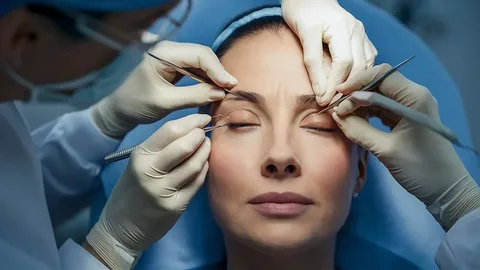
Are you considering eyelid surgery in Islamabad to refresh your appearance or fix heavy, droopy eyelids? Whether you want to look younger or need to resolve a medical issue, choosing the right clinic is the most important decision you will make. Islamabad has become a hub for high-end aesthetic medicine. It is home to some of the finest surgeons who specialize in both cosmetic and functional eyelid procedures. These experts use modern techniques to deliver safe, natural, and life-changing results.
In today’s world, patients in Islamabad prioritize safety, surgical experience, and artistic expertise. The leading clinics in the capital now blend cutting-edge technology with deeply personalized care. This ensures that every patient feels confident and informed from the initial consultation to the final follow-up. This guide explores the top-rated clinics, explains the surgical process, and highlights why this procedure is growing in popularity across Pakistan.

Why Eyelid Surgery is Gaining Popularity in Islamabad
Eyelid surgery, professionally known as blepharoplasty, is a versatile procedure. It can correct sagging upper lids, remove excess skin, and eliminate stubborn puffiness under the eyes. For many people in Islamabad, the benefits go far beyond simple vanity.
Improved Visual Clarity
Sometimes, upper eyelid skin becomes so heavy that it physically hangs over the eyelashes. This can block your peripheral vision or make it difficult to drive at night. Surgery removes this obstruction. It literally opens up your field of view.
Total Facial Rejuvenation
The eyes are the first thing people notice. Droopy lids can make you look tired, angry, or much older than you actually feel. Blepharoplasty restores the youthful contours of your eyes. It gives your entire face a more alert and energetic expression.
A Lasting Confidence Boost
When you look better, you feel better. Many patients report a significant increase in self-esteem after their recovery. They feel more confident in professional meetings and social gatherings.
Minimal Downtime
One of the biggest draws of eyelid surgery in 2026 is the rapid recovery time. Most patients are back to their normal routines within a week or two. The results, however, can last for a decade or more.
Understanding the Surgical Process
Knowing what happens during the procedure can significantly reduce pre-surgery anxiety. Most eyelid surgeries in Islamabad follow a clear, professional protocol.
The Anesthesia Phase
Surgeons usually perform the procedure under local anesthesia with sedation. This means you are relaxed and pain-free, but not fully “under” like in major hospital surgeries. However, general anesthesia is available for those who prefer it.
The Upper Eyelid Procedure
The surgeon makes a tiny incision along the natural crease of the upper lid. They remove excess skin and reposition small amounts of fat. Because the incision sits in the fold, the resulting scar is invisible when your eyes are open.
The Lower Eyelid Procedure
For lower lids, the incision is often made just below the lash line or even inside the eyelid. This targets “bags” and puffiness. The surgeon smooths the area to create a seamless transition between the eye and the cheek.
Closing and Recovery
The incisions are closed with incredibly fine sutures. The entire process usually takes between one and three hours, depending on whether you are treating both the upper and lower lids.
Top Clinics for Eyelid Surgery in Islamabad
Selecting the right facility is crucial for a successful outcome. Here are the top-rated clinics in Islamabad known for their excellence in blepharoplasty:
-
SKN Cosmetics: This clinic is widely recognized for its expert surgeons and high safety standards. They use the latest international techniques to ensure minimal scarring.
-
Islamabad Aesthetic Clinic: They offer comprehensive packages that cover everything from the first consultation to post-operative medication.
-
CosmoCare Islamabad: This facility focuses on “rapid-recovery” methods. They are a favorite for busy professionals who cannot afford long absences from work.
-
Enhance Beauty Clinic: They excel at combining cosmetic improvements with functional corrections for patients with obstructed vision.
-
Elite Skin & Laser Centre: Here, you can find highly personalized care plans. Their surgeons take extra time to align the surgery with your unique facial structure.
Choosing the Right Surgeon: What to Look For
Don’t settle for the first clinic you find. Your face deserves an expert. When researching providers in Islamabad, keep these key factors in mind:
-
Board Certification: Ensure your surgeon has the proper credentials and specialized training in plastic or oculoplastic surgery.
-
A Solid Portfolio: Ask to see “before and after” photos of previous patients. This helps you gauge the surgeon’s aesthetic style.
-
Transparent Communication: A good surgeon will explain the risks as clearly as the benefits. They should never pressure you into a decision.
-
Patient Reviews: Look for testimonials on independent platforms. Genuine feedback from residents in Islamabad is incredibly valuable.
Tips for a Smooth and Fast Recovery
A successful surgery is only half the battle; the other half is how you handle your recovery. To ensure the best results, follow these professional tips:
Keep the Area Clean Your clinic will provide specific eye drops or ointments. Use them exactly as prescribed to prevent any risk of infection.
Manage Swelling with Elevation For the first three to five days, sleep with your head elevated on extra pillows. This uses gravity to move fluid away from the face and significantly reduces morning puffiness.
Protect Your Eyes from the Sun Your skin will be extra sensitive during the healing phase. Wear high-quality, dark sunglasses whenever you go outside. This protects the incision sites from UV damage and prevents dark spots.
Avoid Physical Strain Skip the gym for at least ten days. Heavy lifting or intense cardio can increase blood pressure in the face. This might cause unnecessary bruising or even open a fresh incision.
Final Thoughts on Your Journey
If you are tired of looking “worn out” or if sagging skin is affecting your vision, eyelid surgery in Islamabad is a safe and effective solution. By choosing an established clinic like SKN Cosmetics, you gain access to the best medical talent in the country.
The eyes are the window to the soul, but they are also the primary indicator of aging. Modern blepharoplasty allows you to turn back the clock with precision and grace. Whether your goals are purely cosmetic or functionally necessary, the right surgical team will ensure you walk away with a brighter, clearer, and more confident outlook on life.
Ready to take the next step? Schedule a consultation with a specialist today. Most top-rated clinics offer initial evaluations where you can ask questions and visualize your potential results. Your journey toward a refreshed and rejuvenated appearance starts with a single conversation. Take that step today and see the difference a professional eye-lift can make.
Author
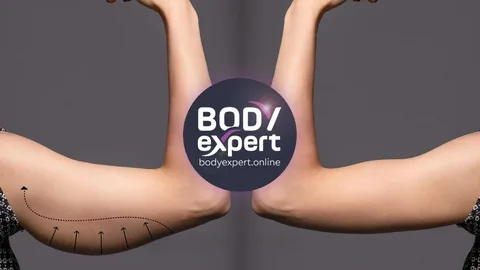
Liposuction in Islamabad is becoming increasingly popular among people looking to achieve a slimmer body. With many clinics offering varying prices, it’s essential to understand the difference between cheap and premium options. Your choice can affect both the results and your safety.
Understanding Cheap Liposuction in Islamabad
Cheap Liposuction in Islamabad is often chosen by patients looking for affordable ways to remove stubborn fat. The lower cost can make the procedure appealing, especially for those on a tight budget. However, it’s important to understand what “cheap” really means in this context. Often, these procedures may use older equipment or be performed in clinics with less experienced staff.
While cheap Liposuction in Islamabad can deliver results, the quality of care and safety may not match premium clinics. There is a higher chance of complications such as uneven fat removal, infection, or longer recovery periods. Patients should carefully research the clinic, check surgeon qualifications, and read patient reviews before deciding.
Natural ways to prepare for surgery, such as maintaining a balanced diet and regular exercise, can improve outcomes regardless of the clinic you choose. Aftercare is equally important, but some budget clinics may not provide comprehensive guidance.
In short, cheap Liposuction in Islamabad can be an option for those mindful of costs, but safety and results should remain a priority. Investing time in research and preparation ensures you achieve better outcomes while minimizing risks.
Premium Liposuction in Islamabad
Premium Liposuction in Islamabad offers advanced technology and highly trained surgeons. Clinics offering premium services provide a safer environment and personalized care. The procedure usually results in smoother outcomes and faster recovery. While more expensive, the long-term benefits are often worth the investment.

Key Differences Between Cheap and Premium Liposuction
Here are some major points to consider when choosing between cheap and premium Liposuction in Islamabad:
- Cost vs Safety: Cheap options save money but may compromise on safety.
- Experience of Surgeons: Premium clinics employ certified, experienced professionals.
- Equipment Quality: Advanced tools in premium clinics ensure better results.
- Aftercare Support: Premium clinics provide structured follow-up for recovery.
- Hospital Standards: Higher-end clinics follow strict hygiene and safety standards.
Why Cost Shouldn’t Be the Only Factor
While affordable Liposuction in Islamabad is tempting, focusing solely on cost can be risky. Quality of care, surgeon expertise, and clinic standards directly impact your results. Natural ways to prepare for surgery, like maintaining a healthy diet and exercise routine, can improve outcomes regardless of the clinic you choose.
Recovery and Aftercare
Recovery and aftercare are crucial steps following Liposuction in Islamabad to ensure safe healing and optimal results. After the procedure, patients may experience swelling, bruising, or mild discomfort. These are normal and usually subside within a few weeks. Following your surgeon’s instructions is essential to minimize complications and achieve the desired outcome.
Most premium clinics recommend wearing compression garments to support the treated areas. These garments help reduce swelling and contour the body shape. Pain management is also important, and your doctor may prescribe mild medications to ease discomfort. Regular check-ups during the first few weeks allow the surgeon to monitor healing progress.
Incorporating natural ways to enhance recovery can be very effective. Eating a balanced diet, staying hydrated, and engaging in light physical activity, such as short walks, can boost circulation and aid in faster healing. Avoiding smoking and alcohol is highly recommended as they can slow down the recovery process.
Proper aftercare also involves maintaining hygiene around the incision sites and promptly reporting any unusual symptoms to your surgeon. Choosing a reputable clinic ensures structured guidance, making your Liposuction in Islamabad experience safer and more satisfying.
Choosing the Right Clinic
Selecting the right clinic for Liposuction in Islamabad requires research. Look for reviews, surgeon credentials, and patient testimonials. Visiting the clinic before surgery helps you understand the environment and professionalism. Investing in a reputable clinic ensures your safety and satisfaction with the results.
FAQs About Liposuction in Islamabad
Q1: Is cheap liposuction safe?
A1: While possible, cheap Liposuction in Islamabad often carries higher risks due to older equipment or less experienced surgeons.
Q2: How long is the recovery time?
A2: Recovery usually takes 2–4 weeks, but premium clinics provide better guidance to speed up healing.
Q3: Can natural ways improve liposuction results?
A3: Yes, healthy diet, light exercise, and hydration help enhance results and reduce complications.
Q4: How do I choose between cheap and premium options?
A4: Evaluate clinic reputation, surgeon experience, equipment quality, and aftercare before deciding.
Q5: Are the results permanent?
A5: Liposuction in Islamabad provides long-lasting results if a stable lifestyle and natural ways of maintaining weight are followed.
Final Thoughts
Choosing between cheap and premium Liposuction in Islamabad is about balancing cost and safety. Prioritizing quality ensures better results, faster recovery, and minimal risk. For those seeking the best care and outcomes, trusted clinics like skn cosmetics offer professional services that meet international standards.
Author


Standardized Reporting: Improve Workplace Safety & Compliance

Luxury Car Rental in Surat: Cars for Weddings, Events & Travel

Bariatric Surgery in Islamabad: Recovery & Long-Term Benefits

Application Modernization Services: For Legacy Systems

Chrome Hearts Hats: Iconic Trucker Caps & Luxury Streetwear

Application Modernization Services: Azure Solutions

Online Embroidery Designs: Tips & Modern Machine Techniques

Biopolymers Market: Trends, Growth & Sustainable Materials

Slice Master Game: Tips, Tricks & High-Score Strategies

Eyelid Surgery in Islamabad: Top Clinics for Blepharoplasty

Cybersecurity Consulting Company SequelNet Provides Critical IT Support Services to Medical Billing Firm, Medical Optimum

Team Communication Software Transforms Operations at Finance Innovate

Project Management Tool Transforms Long Island Business

How Alleviate Poverty Utilized IPPBX’s All-in-One Solution to Transform Lives in New York City

Breast Cancer: The Imperative Role of Mammograms in Screening and Early Detection

Unstoppable Collaboration: D.C.’s Citi Open and Silicon Valley Classic Unite to Propel Women’s Tennis to New Heights

Embracing Renewal: Sizdabedar Celebrations Unite Iranians in New York’s Eisenhower Park

The Benefits of Starting a Side Hustle for Financial Freedom

New Blood Donation Screening Questions What You Need to Know

Stylishly Timeless: The 5 Types of Sandals You Need in Your Closet
-

 Business3 years ago
Cybersecurity Consulting Company SequelNet Provides Critical IT Support Services to Medical Billing Firm, Medical Optimum
-
Business3 years ago
Team Communication Software Transforms Operations at Finance Innovate
-
Business3 years ago
Project Management Tool Transforms Long Island Business
-
Business3 years ago
How Alleviate Poverty Utilized IPPBX’s All-in-One Solution to Transform Lives in New York City
-
health3 years ago
Breast Cancer: The Imperative Role of Mammograms in Screening and Early Detection
-
Sports3 years ago
Unstoppable Collaboration: D.C.’s Citi Open and Silicon Valley Classic Unite to Propel Women’s Tennis to New Heights
-
Art /Entertainment3 years ago
Embracing Renewal: Sizdabedar Celebrations Unite Iranians in New York’s Eisenhower Park
-
Finance3 years ago
The Benefits of Starting a Side Hustle for Financial Freedom







