
Business industrial
Growing a Greener World: How Sustainable Agriculture is Transforming the Food Industry”


As the world grapples with the challenges of climate change and the need for more sustainable practices, sustainable agriculture has emerged as a transformative force in the food industry. By prioritizing environmentally-friendly and socially-responsible practices, sustainable agriculture seeks to minimize the negative impacts of farming on the environment while also producing healthy, nutritious food.
One of the key ways sustainable agriculture is transforming the food industry is through the use of regenerative farming practices. This approach emphasizes soil health, biodiversity, and ecosystem services, and works to rebuild the natural systems that have been disrupted by conventional farming methods. By using cover crops, crop rotations, and other techniques, regenerative farmers are able to improve soil health, reduce erosion, and support the growth of beneficial insects and other wildlife.
Another important aspect of sustainable agriculture is the use of renewable energy and other environmentally-friendly technologies. From solar-powered irrigation systems to electric tractors, farmers are finding innovative ways to reduce their reliance on fossil fuels and minimize their carbon footprint. These technologies not only help farmers to reduce their environmental impact, but also save money and increase efficiency.
At the same time, sustainable agriculture is also transforming the way we think about food production and distribution. Local food systems, which prioritize the use of locally-sourced ingredients and support small-scale farmers, are becoming increasingly popular as consumers seek out more sustainable and ethical food choices. In addition, sustainable agriculture is helping to reduce food waste and increase access to fresh, healthy food in communities that have traditionally been underserved by the food industry.
While sustainable agriculture has made significant strides in recent years, there is still much work to be done to create a truly sustainable food system. Farmers, consumers, and policymakers alike will need to continue working together to develop new technologies, policies, and practices that prioritize sustainability and social responsibility. Only by working together can we create a world where everyone has access to healthy, nutritious food and the planet is protected for future generations.

Author


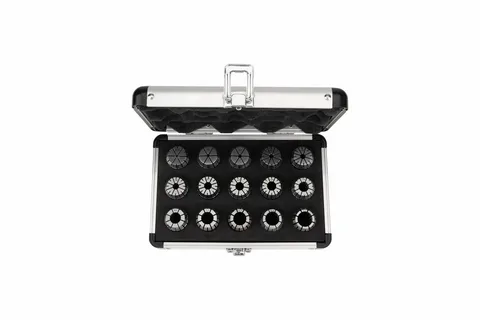
In today’s manufacturing industry, having precision is important to ensure that all products manufactured are of high quality. Any slight error while machining will lead to poor-quality products, wastage of resources, and inefficiencies in production. Tool holding is one of the factors that play a significant role in ensuring that machining operations are done accurately. There are several types of tool holders, but the ER 25 collet is common in CNC machining operations.
This post aims to shed light on how this type of collet contributes to the accuracy, efficiency, and consistency of the machining process.
Overview of Er 25 Collet System
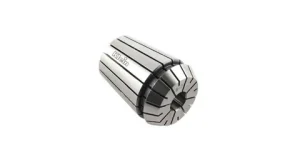
ER collets are mechanical clamps that are used to mount tools in the spindle of a machine tool. They are used to make sure that the tools are securely and correctly fitted in the spindle before the machining process starts. The ER 25 collet belongs to the ER collet category and is renowned for offering a great compromise between size, flexibility, and holding capacity.
The ER 25 collet is used in conjunction with an er 25 collet holder. This holder attaches the collet to the spindle of the CNC machine tool.
Accuracy Matters in CNC Machining
Precision is essential for CNC machining. The following factors are determined by precision:
- Size consistency
- Surface finish
- Tool life
- Machining productivity
Any kind of improper alignment of a CNC tool may lead to vibrations, poor cuts, and high levels of wear and tear. A high-end collet system becomes an important component in this scenario.
ER 25 Collet Improves Machining Precision
1. High Quality Tool Hold
The reason why this particular collet system increases machining precision is that it provides a high level of tool hold and a consistent clamping pressure.
It helps in:
- Minimizing tool slippage
- Improving cutting performance
- Producing accurate machining outcomes
2. Reduced Runout
Runout occurs when a rotating tool becomes misaligned with its intended path. Too much runout will lead to inaccurate machining and quick tool deterioration.
With the use of quality ER 25 collet set, runout will be minimized through the accurate alignment of the tool. The effect includes:
- Improved cutting accuracy
- Excellent surface finish
- Increased tool life
3. Versatility in Tool Holding
One notable advantage of ER tool holders is that it offers great versatility. Only one collet holder can accommodate various tool diameters with a little difference.
This leads to:
- Reduced tool changes
- Increased convenience
- Optimal workflow
This is advantageous for operators who work with varying CNC tool sizes.
4. Balanced Clamping Force
ER collets ensure an even distribution of clamping force throughout the tool.
This reduces:
- Tool bending
- Uneven wear
- Tool deformation
It leads to increased efficiency in machining operations.
5. Compatibility with CNC Tools Machine
The ER 25 tool holders fit many kinds of CNC tools machine applications. This allows operators to perform their activities easily regardless of whether they are performing turning, milling or drilling operations.
These benefits include:
- Easy installation
- High performance
- Accuracy
Role in Improving Surface Finish
The surface finish plays an important role when it comes to quality of machining.
Improper tool holding may result in vibrations, resulting in poor surfaces.
Using a good er 25 collet holder, the following results can be achieved:
- Minimal vibrations
- Smoother cutting
- Improved surface finish
In some industries, smoothness of surfaces is very essential.
Effect on Tool Wear
Tool wear plays a major role in the performance of any machining process. Properly holding tools will enhance their efficiency.
The use of an er 25 collet system has the following impacts:
- Lower tool stresses
- Low heat generation
- Increased tool life
Best Practices for Maximum Accuracy
To make the best use of the ER collet system, you should consider these points:
1. Keep Them Clean
Dust particles may interfere with its precision work. Therefore, it must always be cleaned prior to its use.
2. Use Appropriate Size
Use only the matching size of the collet in respect of diameter of the tool.
3. Do Not Overtighten It
Tightening will affect both collets and tools.
4. Inspect Them Periodically
Inspect for wear or damage and change them accordingly.
5. Use Quality Products
By buying high-quality products such as ER 25, the performance level can be maintained over time.
Applications in CNC Machining
This collet system finds applications in:
- Milling jobs
- Drilling operations
- Tapping processes
- Precision engineering works
The precision factor of this product makes it popular in small shops as well as large manufacturing units.
Choosing the Right ER 25 Collet
- Collet Selection Criteria
- Quality of material
- Accuracy grade
- Compatibility with your CNC machine
- Brand credibility
High-grade collets offer superior performance and lasting benefits.
Key Benefits in Brief
- Superb accuracy and precision
- Less runout
- Better surface finish
- Increased tool life
- Universal tool mounting capability
- Affordable option
Conclusion
In CNC milling operations, precision cannot be taken lightly; it is a necessity. The importance of having a secure tool holding system should never be underestimated. Through the reduction of runout and increasing stability through a high-quality clamping process, the er 25 collet greatly improves precision.
Author


Author


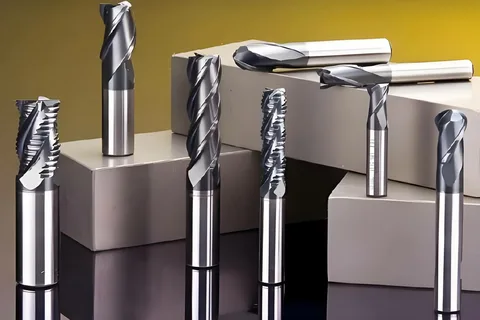
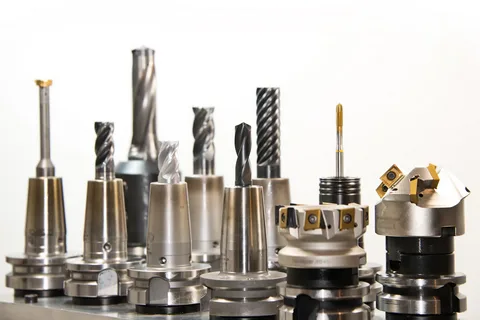
Modern CNC machining demands high precision, faster production speeds, and consistent cutting performance. Whether manufacturing aerospace components, automotive parts, or industrial molds, selecting the right cutting tool plays a major role in machining success. Choosing the Perfect Endmills for complex CNC jobs helps improve surface finish, reduce machining errors, and increase overall productivity.
However, not every cutting tool is suitable for every application. Material hardness, tool geometry, cutting speed, and machining conditions all influence tool performance. This guide explains how machinists can choose the perfect cutting tools for demanding CNC operations while improving efficiency and reducing operational costs.
Tool Selection Matters in CNC Machining
CNC machining involves high-speed and high-precision operations. Using the wrong cutting tool can lead to:
- Poor surface finish
- Excessive vibration
- Tool breakage
- Increased machining time
- Higher production costs
The correct tooling setup ensures smooth machining performance and helps maintain dimensional accuracy in complex parts.
Understanding the Machining Application
Before selecting a cutting tool, machinists should carefully analyze the machining operation.
Important Factors to Consider
- Workpiece material
- Cutting depth
- Machine spindle capability
- Surface finish requirements
- Tool path complexity
- Production volume
Complex machining applications often involve difficult geometries and tight tolerances, which require highly precise tooling solutions.
Perfect Endmills Used in CNC Machining
There are many types of end mills available for different machining tasks. Understanding their applications helps operators choose the right tool for the job.
1. Flat End Mills
These are commonly used for:
- General milling
- Slotting
- Side cutting
They provide sharp edges and efficient material removal.
2. Ball Nose End Mills
Ideal for:
- 3D contouring
- Mold machining
- Curved surface finishing
These tools help create smooth surface finishes on complex parts.
3. Corner Radius End Mills
These tools combine strength and precision by reducing edge chipping during heavy cuts.
4. Roughing End Mills
Designed for aggressive material removal while reducing cutting forces.
Choosing the correct tool geometry improves cutting efficiency and tool life.
Why Carbide Tools Are Popular
Most modern CNC operations rely on carbide endmills because they provide superior durability and cutting performance.
Advantages of Carbide Tools
- Better heat resistance
- Higher cutting speeds
- Improved rigidity
- Longer tool life
Carbide tools maintain sharp cutting edges even during high-temperature machining operations.
Benefits of Solid Carbide Tools
For demanding machining applications, many professionals prefer solid carbide endmills due to their excellent strength and precision.
Key Benefits
- Improved vibration resistance
- Better machining stability
- Increased dimensional accuracy
- Longer operational life
These tools are widely used in industries such as aerospace, automotive, and medical manufacturing, where precision is critical.
Selecting the Correct Tool Diameter
Tool diameter significantly affects machining stability and cutting efficiency.
Smaller Diameter Tools
Suitable for:
- Intricate details
- Tight corners
- Precision work
Larger Diameter Tools
Best for:
- Heavy material removal
- Increased rigidity
- Faster machining
Selecting the correct diameter helps maintain balance between precision and productivity.

Importance of Tool Coatings
Advanced coatings improve cutting efficiency and extend tool durability.
Common CNC Tool Coatings
- TiAlN (Titanium Aluminum Nitride)
- TiCN (Titanium Carbonitride)
- DLC (Diamond-Like Carbon)
These coatings:
- Reduce friction
- Improve heat resistance
- Enhance wear protection
Proper coating selection helps improve performance in difficult machining conditions.
Precision Machining with Micro Tools
For highly detailed and miniature components, micro Perfect Endmills are widely used.
These tools are common in:
- Electronics manufacturing
- Medical devices
- Mold making
- Jewelry production
Advantages
- High precision machining
- Ability to create tiny features
- Better detail accuracy
Because of their small diameter, micro tools require highly stable setups and carefully optimized cutting parameters.
Importance of Speed and Feed Optimization
Even the best cutting tool will fail without proper machining parameters.
Important Cutting Parameters
- Spindle speed
- Feed rate
- Depth of cut
Incorrect settings may cause:
- Tool wear
- Excessive heat
- Poor surface finish
- Tool breakage
Balanced machining conditions improve both cutting performance and tool life.
Chip Evacuation and Cooling
Proper chip evacuation is essential for complex CNC operations.
Poor chip removal can cause:
- Heat buildup
- Surface scratches
- Tool clogging
- Reduced cutting efficiency
Solution
Use proper coolant systems and tools designed for efficient chip evacuation.
Coolant helps reduce friction and maintain cutting stability during high-speed machining.
Tool Holding and Machine Stability
Stable machining setups are necessary for precision cutting.
A Rigid Setup Helps:
- Reduce vibration
- Improve surface finish
- Increase tool life
- Enhance dimensional accuracy
High-quality holders and proper clamping systems improve machining consistency.
Common Mistakes When Selecting CNC Tools
Many machining problems occur because of poor tool selection.
Common Errors
- Using incorrect tool geometry
- Ignoring material hardness
- Running excessive spindle speeds
- Using worn-out tools
- Selecting the wrong flute design
Avoiding these mistakes improves machining performance and reduces operational downtime.
Advanced CNC Machining Strategies
Modern manufacturing industries use advanced machining strategies to improve cutting efficiency.
Popular Techniques
- High-speed machining
- Adaptive toolpaths
- Trochoidal milling
- AI-assisted machining optimization
These methods reduce cutting load and improve overall productivity.
Future Trends in CNC Tooling
The CNC tooling industry continues to evolve with:
- Smart cutting tools
- Advanced coatings
- Real-time tool monitoring
- Automated machining systems
Manufacturers are investing in innovative tooling technologies to achieve better precision and faster production.
Conclusion
Selecting the right cutting tools is one of the most important factors in successful CNC machining. The correct choice of Perfect Endmills helps improve machining accuracy, surface finish, and production efficiency in complex operations. By understanding tool geometry, coatings, cutting parameters, and material compatibility, manufacturers can achieve reliable and cost-effective machining performance.
Careful tool selection not only reduces machining challenges but also improves long-term productivity and operational efficiency.
Author



Private Limited Company Compliances in India

Brand New Apartments in Cobble bank: Gaining Attention

GxP Compliance: Essential for the Modern Biotech Industry

PST to EST Conversion: Traders and Remote Professional

ER 25 Collet: Accuracy and Performance in CNC Machining

CNC Cutting Tool Maintenance: Improve Machining Performance

Cotton Kaftan Sets for Women: Comfortable Ethnic Fashion

Custom Clothing Tags: Brand Identity and Customer Experience

Custom Swing Tags: Brand Identity and Product Presentation

Custom Luggage Tags: Brand Identity and Travel Experience

Cybersecurity Consulting Company SequelNet Provides Critical IT Support Services to Medical Billing Firm, Medical Optimum

Team Communication Software Transforms Operations at Finance Innovate

Project Management Tool Transforms Long Island Business

How Alleviate Poverty Utilized IPPBX’s All-in-One Solution to Transform Lives in New York City

Breast Cancer: The Imperative Role of Mammograms in Screening and Early Detection

Unstoppable Collaboration: D.C.’s Citi Open and Silicon Valley Classic Unite to Propel Women’s Tennis to New Heights

Embracing Renewal: Sizdabedar Celebrations Unite Iranians in New York’s Eisenhower Park

The Benefits of Starting a Side Hustle for Financial Freedom

New Blood Donation Screening Questions What You Need to Know

Stylishly Timeless: The 5 Types of Sandals You Need in Your Closet
-

 Business3 years ago
Cybersecurity Consulting Company SequelNet Provides Critical IT Support Services to Medical Billing Firm, Medical Optimum
-
Business3 years ago
Team Communication Software Transforms Operations at Finance Innovate
-
Business3 years ago
Project Management Tool Transforms Long Island Business
-
Business3 years ago
How Alleviate Poverty Utilized IPPBX’s All-in-One Solution to Transform Lives in New York City
-
health3 years ago
Breast Cancer: The Imperative Role of Mammograms in Screening and Early Detection
-
Sports3 years ago
Unstoppable Collaboration: D.C.’s Citi Open and Silicon Valley Classic Unite to Propel Women’s Tennis to New Heights
-
Art /Entertainment3 years ago
Embracing Renewal: Sizdabedar Celebrations Unite Iranians in New York’s Eisenhower Park
-
Finance3 years ago
The Benefits of Starting a Side Hustle for Financial Freedom







