
Beauty Fitness
Maximizing Results: How to Train Effectively for Your First 5K and Finish Strong

Running a 5K for the first time can be daunting, but with the right training plan and mindset, you’ll be able to cross that finish line strong. Whether you’re an experienced runner or just starting out, maximizing your results requires effective training techniques that will help you build endurance, improve your speed and reduce injury risk. In this post, we’ll share some tips on how to train effectively for your first 5K so that you can push yourself past your limits and achieve your goals. So lace up those running shoes and let’s get started!
Why You Should Train for Your First 5K
When you’re new to running, the thought of completing a 5K can be daunting. But with the right training plan and support, you can cross that finish line with a smile on your face. Here’s why you should give it a try:
1. It’s a great way to get started in running.
If you’re new to the sport of running, a 5K is the perfect distance to start with. It’s not too long or too short, and with the proper training, it’s achievable for most people. Once you complete your first 5K, you’ll have a better idea of what kind of runner you are and what distances are right for you.
2. It can be done in a relatively short amount of time.

Training for a 5K doesn’t require a huge time commitment. If you can dedicate 3-4 days per week to running, you should be able to complete a 5K in 8-10 weeks. And if you need to take it slower, that’s OK too – there’s no need to rush your training. Just focus on gradually building up your mileage and listen to your body along the way.
3. There’s no need to go crazy with the mileage.
One of the biggest mistakes new runners make is trying to do too much too soon. When you’re
How to Train for Your First 5K
If you’re like most people, the thought of running a 5K may seem daunting. But with a little bit of training and preparation, you can be ready to conquer your first 5K in no time! Here are a few tips to help you get started:
1. Start slow and build up your mileage gradually. Don’t try to do too much too soon or you’ll risk injury. Start with a few short runs each week, and gradually increase the distance as you get stronger.
2. Incorporate some hill work into your training. This will help you build strength and stamina for the hills that may come during your race. Find a local park or trail with some gentle inclines, and make sure to warm up before tackling them.
3. Add some speedwork to your training regimen. This will help improve your overall running economy and make those long runs feel easier. Try incorporating some intervals or tempo runs into your weekly workouts.
4. Make sure to cross-train on days when you’re not running. This will help reduce the risk of injury and keep your body balanced. Swimming, cycling, and strength training are all great complementary activities for runners.
5. Finally, don’t forget to focus on nutrition and recovery as part of your training plan. Eating healthy foods will give you the energy you need to fuel your workouts, and proper recovery is essential for avoiding burnout and injuries. Make sure to get enough sleep,
The Different Types of Training Plans
There are three main types of training plans for runners: base, marathon-specific, and race-specific. Base training is the foundation of any runner’s program. It generally includes easy running and builds up a runner’s mileage slowly over time. Marathon-specific training is just what it sounds like: runs and workouts that target the specific demands of the 26.2-mile distance. Race-specific training is the final phase of a runner’s plan and usually lasts 4-6 weeks. It includes faster workouts designed to build speed and sharpen race-day fitness.
What to Eat and Drink During Training
1. When it comes to what to eat and drink during training, there are a few key things to keep in mind.
2. First, you want to make sure you’re staying hydrated. This means drinking plenty of water throughout the day, and even more so when you’re actually working out. Sports drinks can also be helpful in replenishing electrolytes lost through sweat.
3. As for food, it’s important to fuel your body with nutritious meals that will give you sustained energy. A mix of complex carbs and lean protein is a good bet, and eating something before and after your workout can help as well.
4. Lastly, remember that everyone is different and there is no one-size-fits-all approach when it comes to nutrition. Experiment with different foods and drinks to see what works best for you and your body.
The Day of the Race
It’s the day of the race. You’ve been training hard for weeks, and you’re ready to give it your all. Here are a few tips to help you make the most of your race day and finish strong:
1. Get a good night’s sleep before the race. This will help you be well-rested and ready to go on race day.
2. Eat a nutritious breakfast before the race. This will give you energy and help you perform your best.
3. Stay hydrated throughout the race. Drink plenty of water or an electrolyte-rich sports drink to keep your body properly hydrated.
4. Pace yourself throughout the race. If you start out too fast, you’ll likely bonk later on in the race. Start off at a comfortable pace that you can maintain throughout the entire race.
5. Dig deep when things get tough during the race. There will undoubtedly be moments during the race when things get tough and you want to quit. Push through these moments and remember why you’re doing this in the first place.
6. Finish strong! The last few steps of the race are often the most difficult, but it’s important to push through and finish strong!
After the Race
After the race, there are a few things you can do to help your body recover and prepare for your next training session. First, it is important to rehydrate your body by drinking plenty of fluids. You should also consume foods that are rich in electrolytes, such as bananas, to help replenish any that may have been lost during the race. It is also a good idea to take a warm shower or bath, as this can help soothe any muscles that may be sore from the race. Finally, be sure to get plenty of rest so that your body has time to recover and repair any damaged tissues.
Conclusion
Training for a 5K is no easy feat, but it’s definitely achievable. By following the tips outlined in this article, you can make sure that you are maximizing your results by training effectively and finishing strong. With dedication, commitment and proper nutrition, there’s nothing stopping you from reaching your goal of crossing the finish line! So start planning now and get ready to reach new heights in fitness. Good luck!
Author


Author



In the high-stakes world of Saudi Arabia’s corporate and governmental sectors, “Executive Presence” is defined by more than just professional acumen; it is rooted in a foundation of health, confidence, and peak physical vitality. For many of the city’s most influential figures, the P-Shot in Riyadh has become the gold standard for maintaining a competitive edge in their personal lives. As Riyadh continues its ascent as a global financial powerhouse, its leaders are increasingly turning to regenerative medicine to ensure their physical performance matches their professional ambitions. This innovative procedure, utilizing Platelet-Rich Plasma (PRP) therapy, offers a discreet, non-surgical pathway to rejuvenation that aligns perfectly with the fast-paced, high-standards lifestyle of the Kingdom’s capital.
Intersection of Performance and Biology
For an executive in Riyadh, performance is a 24-hour commitment. Whether directing a board meeting at the King Abdullah Financial District (KAFD) or managing intricate global collaborations, the need for ongoing energy and assurance is unyielding. The P-Shot, or Priapus Shot, appeals to this demographic because it treats aging and vitality through the lens of bio-optimization rather than simple symptom management.
By using the patient’s own blood to harvest growth factors, the P-Shot stimulates the repair of vascular tissues and nerve endings. For leaders who prioritize “Sovereign Excellence,” this internal restoration represents a strategic investment. It naturally enhances blood flow and sensitivity. Unlike traditional pharmaceutical interventions, it carries no side effects or “on-demand” limitations.
Why Riyadh’s Elite Choose Regenerative Medicine
Several factors drive the shift toward the P-Shot among Riyadh’s decision-makers. These factors resonate strongly with a professional mindset.
1. Efficiency and Minimal Downtime
Time is the most valuable commodity for any leader. Traditional surgical options for male enhancement or restorative health often require lengthy recovery periods that are incompatible with a demanding schedule. The P-Shot is a “lunch-break” procedure. Lasting approximately 60 minutes from blood draw to final injection, it allows an executive to return to their office or evening engagements without any visible signs of treatment.
2. Discretion and Privacy
In a city where reputation and “Quiet Luxury” are paramount, the P-Shot offers a level of discretion that other treatments cannot match. Top-rated clinics in Riyadh provide private entrances and bilingual staff trained in high-level confidentiality, ensuring that a leader’s health journey remains a private matter.
3. Science-Backed Results
Riyadh’s leaders are analytical by nature. They prefer treatments backed by clinical data and biological logic. The P-Shot’s mechanism—promoting angiogenesis (the formation of new blood vessels)—is a proven medical process. When performed by a specialist utilizing SFDA-approved technology, the results are predictable and evidence-based.
How the P-Shot Works
Understanding the P-Shot is essential for those who demand excellence in every facet of life. The procedure is a masterclass in cellular biology.
The PRP Advantage
The specialist begins by drawing a small sample of the executive’s blood. This sample is processed in a high-speed centrifuge to isolate a concentrated serum of platelets. These platelets are the body’s primary “first responders” for healing. When injected back into targeted areas, they release powerful growth factors that:
-
Increase Circulation: By creating new vascular pathways.
-
Enhance Sensitivity: By repairing and rejuvenating nerve tissue.
-
Promote Tissue Growth: Improving overall health and structural integrity.
This isn’t just about addressing specific concerns like erectile dysfunction or Peyronie’s disease; it is about “Bio-Maintenance”—ensuring the body functions at its highest possible potential as one ages.
Navigating the Comparison of Excellence
In Riyadh, “excellence” is a competitive standard. When leaders look for a clinic to perform their P-Shot, they look for facilities that reflect their own professional standards. The top-rated clinics in Riyadh distinguish themselves through:
-
Global Expertise: Many of the city’s leading specialists hold international certifications and have brought the latest European and American protocols to the Saudi market.
-
Technological Superiority: Premium clinics avoid “basic” PRP kits, instead opting for advanced systems that guarantee a higher concentration of platelets, ensuring the maximum possible regenerative impact.
-
Holistic Men’s Health: The P-Shot is often offered as part of a comprehensive executive health protocol, which may include testosterone optimization, shockwave therapy, and personalized nutritional strategies.
Integrating Wellness into the Executive Lifestyle
For the Riyadh-based leader, the P-Shot is often the catalyst for a broader commitment to health. Following the procedure, many specialists recommend a protocol that complements the regenerative effects of the shot.
Synergy with Shockwave Therapy
Leading clinics often pair the P-Shot with Li-ESWT (Low-Intensity Extracorporeal Shockwave Therapy). This combination is particularly popular among the city’s high-performers, as the shockwaves help break up micro-plaque and prime the tissue to better receive the growth factors from the P-Shot.
Nutrition and Hydration
Sovereign Excellence extends to the plate. Executives are often advised on specific dietary adjustments—rich in antioxidants and nitrates—to support the new blood vessel growth initiated by the P-Shot.
Future of Men’s Vitality in the Kingdom
As Saudi Arabia moves toward its Vision 2030 goals. The focus on health and quality of life has never been higher. The P-Shot in Riyadh represents the future of this movement. A shift away from reactive medicine and toward proactive, regenerative care. For the leaders of today and tomorrow, maintaining physical vitality is no longer seen as a luxury. It is a prerequisite for sustained success.
Conclusion
The P-Shot has earned its place as the executive’s choice because it aligns with the values of Riyadh’s leadership: efficiency, privacy, and uncompromising quality. By choosing a procedure that works in harmony with the body’s own biological systems. Men can address sensitive health concerns while simultaneously enhancing their overall quality of life.
In a city defined by its rapid growth and soaring ambitions. Your personal health should never be the factor that holds you back. Choosing the P-Shot is a statement of intent—a commitment to maintaining your physical sovereignty and ensuring that you remain at the peak of your powers. Both in the boardroom and beyond. For the leaders of Riyadh, excellence is not an act, but a habit; the P-Shot is simply the biological extension of that philosophy.
Author


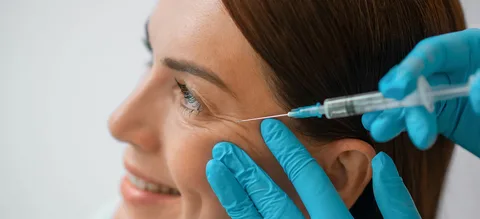
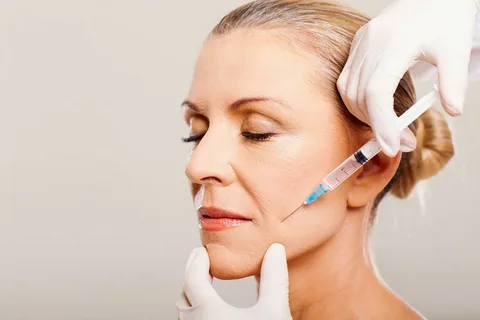
An effective, quick, and incredibly effective way to revitalize your face and eliminate those pesky expression lines, Botox injections in Dubai are the perfect option you can get done in less time than your lunch break. This article provides a comprehensive guide on how to take advantage of this quick procedure smartly and effectively.
Botox the first choice for the practical woman
Botox is known globally as the “lunchtime procedure” for a very good reason: its simplicity and speed are its hallmarks. This procedure requires no general preparation and no incisions, making it the most convenient option for working women, businesswomen, and even mothers who don’t have time to relax at home.
What happens during a 30-minute session?
Despite the short time, the session proceeds through precise and well-thought-out medical steps:
-
Quick consultation: The doctor assesses your facial features and identifies the areas that need injections to ensure a natural appearance.
-
Sterilization and preparation: Cleanse the skin and apply a light topical anesthetic cream to ensure no discomfort, although the injections themselves are almost painless.
-
The injection procedure: The doctor uses very fine needles to inject precisely calculated amounts into the muscles causing the wrinkles.
-
Final advice: The doctor will give you some simple instructions for ideal results, and you’ll be ready to leave!
Benefits that cannot be overlooked
Speed is not the only advantage; Botox delivers tangible results:
-
Smoothing forehead lines: The disappearance of vertical and horizontal wrinkles that give an impression of fatigue.
-
Eye brightening: A simple eyebrow lift gives you a more youthful and wider look.
-
Prevention: Botox not only treats existing wrinkles, but also prevents the formation of new wrinkles by relaxing the muscles that cause them.
Tips before and after “the lunch procedure”
To maximize benefits and avoid any minor side effects such as slight redness:
-
Avoid makeup: It is preferable to leave the skin clean for the first few hours after the procedure.
-
Correct positioning: Try to avoid lying down or bending over too much for several hours after the injection.
-
Drinking water: Keeping the body hydrated helps the skin recover and show results faster.
When will the results be available?
While the procedure is very quick, the results take a few days to fully appear. You’ll start noticing the lines gradually fading within 3 to 5 days, with the results reaching their peak within two weeks. The biggest advantage is that the results look very natural, as if you’ve just returned from a long, refreshing vacation, without anyone discovering the secret to your rejuvenated look.
Medical excellence in Dubai
Dubai offers world-class standards in beauty centers. Thanks to high competitiveness and a focus on the latest technologies, doctors in Dubai have exceptional expertise in performing Botox injections in a way that enhances your features and highlights
How do you choose the right place?
Don’t be swayed by attractive prices alone; beauty is a responsibility. Choose a clinic based on its reputation, the experience of its doctors, and the type of materials used. Proper Botox application requires high technical and medical precision to ensure that natural facial expressions are not affected.
Summary
In closing, remember that investing in yourself doesn’t require a lot of your time if you choose the right procedure at the right clinic. Botox is that magic touch that transforms an ordinary workday into a fresh start with a youthful, confident look. Don’t put off taking care of your beauty; the solution is available and very close to you.
Author



Essentials Hoodie Australia: Summer Sale & Style Guide

Stussy Streetwear: Origins, Iconic Hoodies & Cultural Legacy

New IPO Guide: Trends, Risks and Investment Insights India

Grand Watches: Heritage, Craftsmanship & Mechanical Mastery

Fear of God Essentials Hoodie: Luxury Streetwear Guide

Chrome Hearts Clothing, Jewelry & Luxury Fashion Guide

Spirit Airlines IAD Terminal Guide: Terminal 1 Services & Tips

Labubu Original: Unique Fashion & Beauty Online Store

Kaftan Sets for Women: Stylish and Comfortable Summer Fashion

Korean Co Ord Sets: Celebrity-Inspired Fashion Trends Guide

Cybersecurity Consulting Company SequelNet Provides Critical IT Support Services to Medical Billing Firm, Medical Optimum

Team Communication Software Transforms Operations at Finance Innovate

Project Management Tool Transforms Long Island Business

How Alleviate Poverty Utilized IPPBX’s All-in-One Solution to Transform Lives in New York City

Breast Cancer: The Imperative Role of Mammograms in Screening and Early Detection

Unstoppable Collaboration: D.C.’s Citi Open and Silicon Valley Classic Unite to Propel Women’s Tennis to New Heights

Embracing Renewal: Sizdabedar Celebrations Unite Iranians in New York’s Eisenhower Park

The Benefits of Starting a Side Hustle for Financial Freedom

New Blood Donation Screening Questions What You Need to Know

Stylishly Timeless: The 5 Types of Sandals You Need in Your Closet
-

 Business3 years ago
Cybersecurity Consulting Company SequelNet Provides Critical IT Support Services to Medical Billing Firm, Medical Optimum
-
Business3 years ago
Team Communication Software Transforms Operations at Finance Innovate
-
Business3 years ago
Project Management Tool Transforms Long Island Business
-
Business3 years ago
How Alleviate Poverty Utilized IPPBX’s All-in-One Solution to Transform Lives in New York City
-
health3 years ago
Breast Cancer: The Imperative Role of Mammograms in Screening and Early Detection
-
Sports3 years ago
Unstoppable Collaboration: D.C.’s Citi Open and Silicon Valley Classic Unite to Propel Women’s Tennis to New Heights
-
Art /Entertainment3 years ago
Embracing Renewal: Sizdabedar Celebrations Unite Iranians in New York’s Eisenhower Park
-
Finance3 years ago
The Benefits of Starting a Side Hustle for Financial Freedom







