
health
The Truth About Hydrogen Water Myths

By

Reviewed
By Pamela Irene
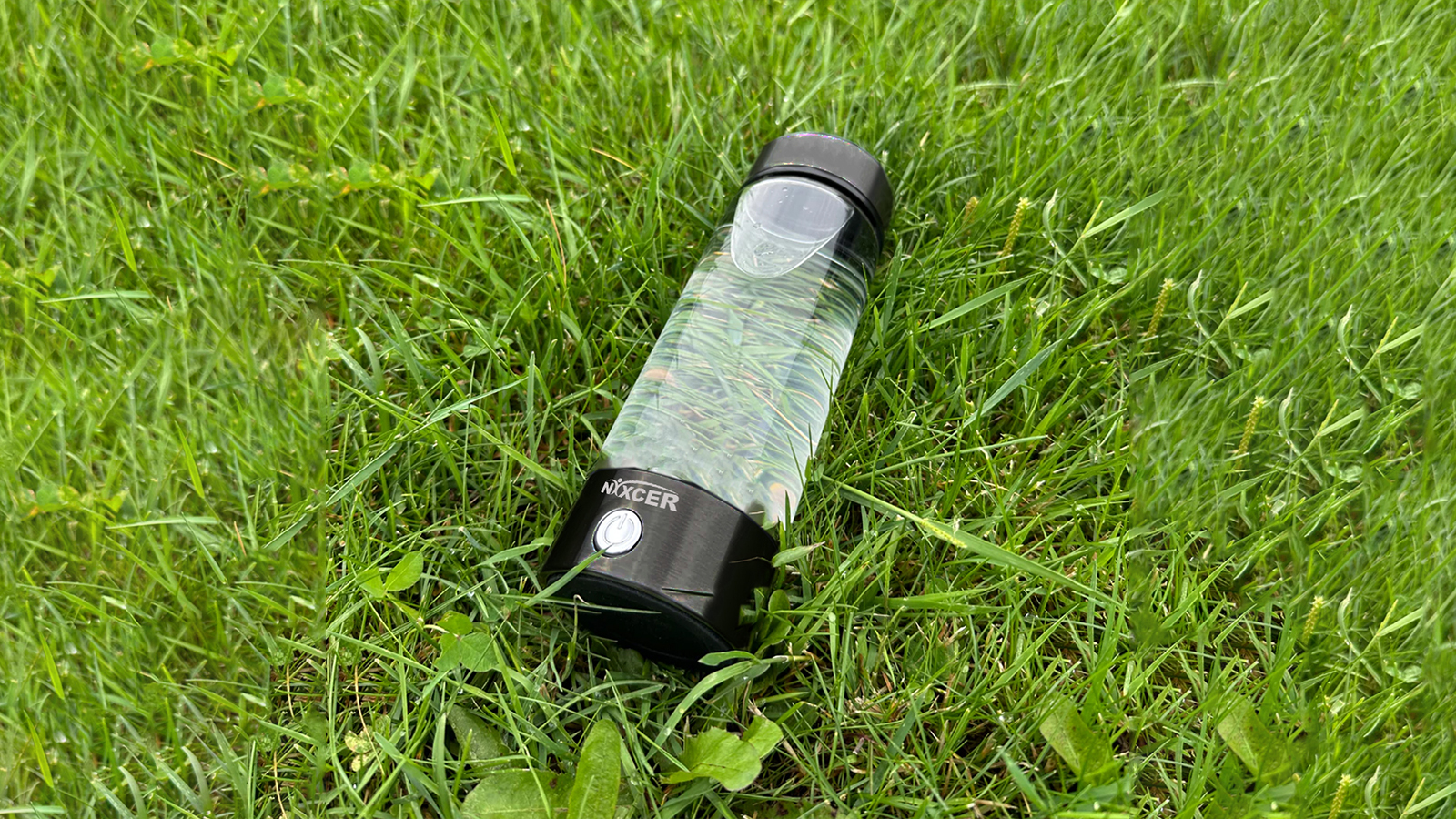
Hydrogen water has taken the health and wellness world by storm, with many touting its benefits for energy, detox, anti-aging, and even improved athletic performance. But as with any trend, this popularity has sparked skepticism, rumors, and misinformation. Many myths now surround hydrogen water, leaving consumers confused and uncertain about whether it’s truly worth the investment.
In this article, we’ll separate fact from fiction, using science to address the most common myths about hydrogen-infused water. We’ll also highlight how using a Portable Hydrogen Water Bottle, like the one from Nixcer, can help you enjoy clean, safe, and effective hydrogen water anytime, anywhere.
What Is Hydrogen Water?
Before busting the myths, let’s clarify what hydrogen water is. Hydrogen water is simply regular H₂O infused with molecular hydrogen (H₂)—a colorless, tasteless gas that’s known for its antioxidant and anti-inflammatory properties. By dissolving this gas into water, you get a beverage that goes beyond basic hydration, potentially offering cellular and metabolic benefits backed by science.
Unlike oxygen, which can contribute to oxidative stress in excess, hydrogen acts as a selective antioxidant, meaning it targets only harmful free radicals while leaving beneficial molecules untouched.
Myth #1: Hydrogen Water Is Just Another Wellness Fad
The Truth: Hydrogen water is grounded in scientific research.
One of the biggest myths about hydrogen water is that it’s a marketing gimmick with no real science behind it. In reality, molecular hydrogen has been studied in over 1,000 scientific papers and peer-reviewed journals. Since 2007, researchers have explored its potential to reduce oxidative stress, improve inflammation markers, and enhance cellular health.

Hydrogen water is used by athletes, wellness professionals, and even medical researchers around the world. Leading studies have shown promising results in areas like:
-
Athletic performance and muscle recovery
-
Brain function and memory
-
Gut health and inflammation
-
Metabolic support (e.g., glucose and lipid balance)
So no—it’s not a baseless trend. It’s a science-backed hydration solution with growing global credibility.
Myth #2: Hydrogen Gas Is Explosive, So Hydrogen Water Must Be Dangerous
The Truth: Hydrogen water is completely safe to drink.
While it’s true that hydrogen gas is flammable in high concentrations in open air, it’s completely safe when dissolved in water at low levels. In fact, hydrogen is naturally produced by the bacteria in your gut and has been found in certain natural spring waters for centuries.
Hydrogen-rich water typically contains less than 1.6 parts per million (ppm) of molecular hydrogen—far below any combustible level. And with the Nixcer Portable Hydrogen Water Bottle, hydrogen is infused in a controlled, measured way using safe, tested technology.
Hydrogen water is non-toxic, non-reactive, and has been classified as Generally Recognized As Safe (GRAS) by the U.S. Food and Drug Administration when used in beverages.
Myth #3: Hydrogen Water Is Just Like Alkaline Water
The Truth: They are fundamentally different.
Alkaline water and hydrogen water are often confused because both are marketed as health-promoting drinks. However, the science behind each is very different.
-
Alkaline water is water with a higher pH, often altered using ionization or mineral additives.
-
Hydrogen water focuses on the addition of molecular hydrogen gas, regardless of pH.
What sets hydrogen water apart is its selective antioxidant activity, which has been studied for its ability to reduce oxidative stress. Alkaline water may raise pH levels temporarily, but it doesn’t necessarily offer the same cellular benefits.
With a Portable Hydrogen Water Bottle like Nixcer, you’re getting a targeted functional drink, not just water with a high pH.
Myth #4: Hydrogen Water Effects Are Immediate or Overstated
The Truth: Benefits may be gradual and vary by individual.
Some skeptics argue that hydrogen water doesn’t “do” anything because they don’t feel an immediate difference. However, just like with other wellness practices—such as taking vitamins, eating healthy, or exercising—the benefits of hydrogen water build over time.
Some users report increased energy or reduced fatigue within days. Others notice skin improvements or better digestion over weeks. Hydrogen water works on a cellular level, which means its effects can be subtle but meaningful over time.
It’s also important to use hydrogen water consistently for best results—and using a convenient solution like the Nixcer Portable Hydrogen Water Bottle makes that easy to integrate into your daily routine.
Myth #5: You Can’t Make Hydrogen Water at Home
The Truth: You absolutely can—with the right tools.
Many people think they have to buy pre-packaged hydrogen water, which can be expensive and lose potency quickly. The reality is, freshly generated hydrogen water is more effective, and you can easily make it at home or on the go with the right bottle.
The Nixcer Portable Hydrogen Water Bottle uses advanced electrolysis technology to infuse water with molecular hydrogen in just a few minutes. You can create fresh hydrogen water anytime, anywhere—at home, at the office, at the gym, or while traveling.
This flexibility makes hydrogen water more accessible, cost-effective, and potent than store-bought versions.
Myth #6: All Hydrogen Bottles Work the Same
The Truth: Not all hydrogen bottles are created equal.
Some hydrogen bottles on the market cut corners—using outdated electrolysis technology, low-quality materials, or generating harmful byproducts like ozone or chlorine. That’s why choosing the right brand matters.
The Nixcer Portable Hydrogen Water Bottle stands out because it uses:
-
SPE/PEM dual-layer electrolysis for pure hydrogen production
-
BPA-free Tritan plastic or stainless steel to ensure clean water
-
USB charging for unmatched portability
-
User-friendly design with one-button operation
With Nixcer, you’re not just buying a gadget—you’re investing in a reliable, safe, and efficient hydrogen delivery system.
Myth #7: Hydrogen Water Isn’t Regulated
The Truth: It’s regulated like other functional beverages and supplements.
Hydrogen water is not classified as a drug, so it doesn’t require FDA “approval” in the same way that medications do. However, hydrogen gas has been granted GRAS status by the FDA when used in food and beverages, meaning it’s safe to consume.
Manufacturers like Nixcer also comply with U.S. regulations regarding materials, labeling, and food-grade safety, ensuring that the device meets quality standards for consumer use.
Why Choose the Nixcer Portable Hydrogen Water Bottle?
Now that we’ve busted the myths, let’s look at why the Nixcer Portable Hydrogen Water Bottle is a smart choice for anyone looking to harness the benefits of hydrogen water.
✅ Portable & Travel-Friendly
Hydrogen water wherever you go—gym, office, travel, or home.
✅ Fast & Efficient
Produces hydrogen-rich water in 3–5 minutes using safe electrolysis.
✅ Safe Materials
BPA-free and built with food-grade stainless steel or Tritan plastic.
✅ Eco-Friendly
Ditch single-use plastic bottles and make your own hydrogen water fresh every time.
✅ Scientifically Aligned
Designed to deliver optimal ORP levels and high hydrogen concentration.
Final Thoughts: Don’t Let Myths Stop You From Better Hydration
Hydrogen water may seem too good to be true—but it’s not. Backed by science, supported by safety research, and made accessible by products like the Nixcer Portable Hydrogen Water Bottle, hydrogen water is a legitimate tool for better wellness.
Myths and misconceptions often arise with any new health trend, but with the facts in hand, you can make an informed choice. If you’re looking for clean, effective hydration with real benefits, hydrogen water deserves a place in your daily routine—and Nixcer makes it easier than ever to start.
Author














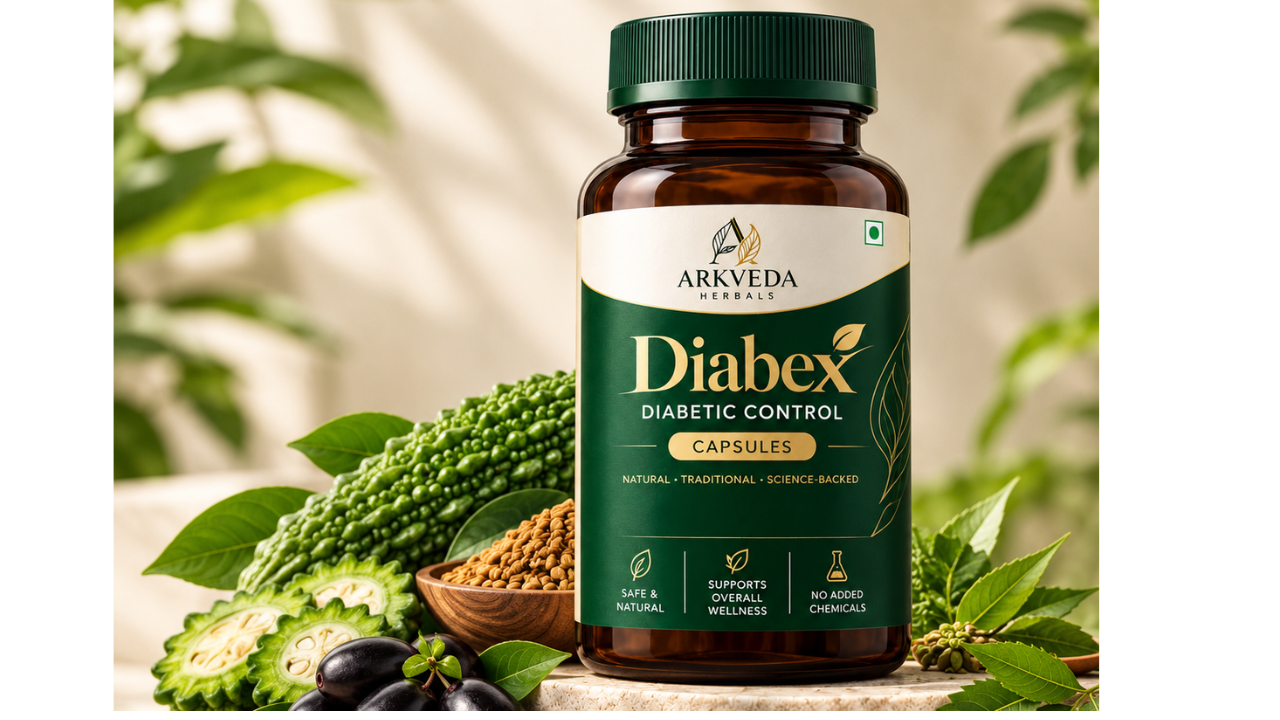
Navigating the constant demands of a busy modern lifestyle often leaves little room for prioritizing core metabolic health, steady digestion, and consistent daily energy. In our fast-paced society, many individuals struggle with mid-day fatigue, irregular eating patterns, and sudden sugar cravings that disrupt their overall sense of physical well-being. While contemporary health crazes and quick-fix dietary trends come and go with changing seasons, ancient Ayurvedic wisdom has relied on time-tested botanicals for thousands of years to maintain natural equilibrium. Among the most revered natural remedies in this holistic healthcare system is the potent combination of Karela (Bitter Gourd) and Jamun (Indian Black Plum). Known for their distinct, sharp taste profiles and rich therapeutic properties, these two traditional ingredients work synergistically to support your body’s overall vitality from the inside out.
The Ayurvedic Perspective: Restoring Internal Harmony
In traditional Ayurvedic philosophy, optimal physical health and mental clarity rely on keeping the body’s three fundamental biological energies—known as the doshas: Vata, Pitta, and Kapha—in complete equilibrium. Every individual possesses a unique constitutional blend of these energetic principles, and maintaining their stability is considered the key to preventing physical disharmony.
Unfortunately, contemporary diets are heavily tilted toward sweet, salty, and heavily processed foods. These modern eating habits can easily throw these natural bio-energies off balance, leading directly to sluggish digestive flow, internal heat accumulation, and metabolic fatigue. When Kapha becomes overly aggravated by heavy or refined foods, the body’s internal fire, or Agni, dims, causing slow food breakdown and an accumulation of unwanted metabolic byproduct known as Ama.
To counteract these pervasive imbalances, foundational Ayurvedic principles highlight the importance of incorporating all six fundamental tastes (Rasas) into daily nutrition:
- Sweet (Madhura)
- Sour (Amla)
- Salty (Lavana)
- Pungent (Katu)
- Bitter (Tikta)
- Astringent (Kashaya)
Most daily modern meals overemphasize the sweet and salty flavors while almost entirely excluding bitter and astringent tones. This is precisely where traditional botanicals step in to bridge the nutritional gap. Karela delivers an intensely bitter note (Tikta), while Jamun adds a cooling, astringent quality (Kashaya). Together, they act as an ideal functional counterweight to modern dietary habits. By reintroducing these crucial flavors into your daily regimen, this powerful herbal pair helps clear metabolic sluggishness, flush out accumulated toxins, soothe excess internal heat, and bring the physical body back into its natural biological rhythm.
Essential Health Benefits of Karela (Bitter Gourd)
While Karela’s sharp bitterness undoubtedly makes it an acquired taste at the dinner table, its functional benefits for overall metabolic wellness are extensively documented in both ancient classical texts and contemporary botanical studies.
- Cellular Glucose Regulation: Karela naturally contains a complex array of active plant compounds, most notably charantin, vicine, and polypeptide-p. The latter is a naturally occurring plant protein that functions similarly to human insulin. These active bio-compounds work together at a cellular level to encourage efficient glucose uptake into tissue cells. Consequently, regular intake helps maintain healthy blood sugar levels already within a normal range.
- Liver Support and Detoxification: Bitter botanicals are celebrated across traditional medicine systems for acting as natural tonics for the liver—the central filtration organ of the human body. Karela gently stimulates liver activity, encouraging smooth bile flow and supporting essential enzymatic activity. This process aids the body’s natural detoxification pathways, clearing metabolic waste and promoting healthy, radiant skin from within.
- Enhanced Digestive Secretions: The intense bitter taste of Karela actively stimulates taste receptors on the tongue, triggering a physiological cascade that increases saliva and gastric juice production. As a result, it helps prevent post-meal bloating, heaviness, and sluggish gastrointestinal movement.
The Unique Therapeutic Strengths of Jamun (Indian Black Plum)
Jamun complements Karela perfectly by providing targeted carbohydrate management and exceptional antioxidant support. Indigenous to the Indian subcontinent, every part of the Jamun tree—including its rich fruit pulp, bark, and nutrient-packed seeds—holds immense therapeutic value in classic Ayurvedic practice.
- Managing Carbohydrate Absorption: The seeds of the Jamun fruit are particularly prized for harboring beneficial plant glycosides, most notably jamboline. This unique bio-compound plays a vital role in slowing down the enzymatic conversion of complex starches into simple sugars within the digestive tract. By moderating this breakdown process, Jamun helps prevent rapid post-meal spikes in blood glucose and supports sustained, even-keeled energy levels throughout the afternoon.
- Potent Antioxidant Protection: The vibrant, deep purple color of the Jamun fruit stems from dense concentrations of anthocyanins and polyphenols. These natural antioxidants effectively neutralize harmful free radicals generated by environmental stress, poor diet, and natural biological processes. Consequently, they help protect tissue cells against oxidative damage and support long-term cellular integrity.
- Pancreatic Health and Endurance: Classical texts frequently reference Jamun for its gentle, restorative action on the pancreas. By supporting the organ responsible for insulin synthesis, Jamun fosters long-term pancreatic resilience and maintains healthy metabolic endurance across every stage of life.
How Their Synergy Enhances Daily Wellness
While each botanical offers remarkable health benefits when used independently, pairing Karela and Jamun creates a multi-targeted, synergistic formula. Their combined activity addresses metabolic and digestive health far more comprehensively than either ingredient can achieve alone.
| Health Focus | Karela (Bitter Gourd) | Jamun (Black Plum) | Combined Synergistic Action |
| Metabolic Care | Facilitates cellular glucose uptake via polypeptide-p | Regulates starch conversion via jamboline | Dual-action approach regulating both absorption and cellular utilization |
| Digestion & Gut | Stimulates digestive enzymes with bitter Tikta taste | Tones intestinal lining with astringent Kashaya taste | Tones gastrointestinal tract, eliminates heaviness, and curbs sugar cravings |
| Energy & Stamina | Prevents rapid glucose accumulation in the bloodstream | Moderates post-meal sugar release | Minimizes afternoon energy slumps and promotes sustained daily stamina |
Dual-Action Metabolic Support: While Karela actively assists your body’s cells with effective glucose utilization, Jamun works upstream in the digestive system to regulate carbohydrate breakdown and starch absorption. This dual mechanism creates a balanced environment for maintaining healthy blood sugar parameters throughout the day.- Improved Digestion and Craving Control: The combination of bitter and astringent properties works like a natural broom for the digestive tract. It tones the mucosal lining of the stomach and intestines, soothes minor digestive discomfort, and helps eliminate accumulated metabolic waste. Furthermore, regularly tasting bitter and astringent flavors naturally recalibrates the palate, making it significantly easier to curb sudden cravings for refined sugars and heavily processed snacks.
- Sustained Energy and Stamina: Fluctuations in blood sugar are often the primary culprit behind feeling exhausted or foggy a few hours after eating. By promoting steady, gradual glucose absorption and efficient cellular fuel delivery, this pairing prevents dramatic mid-afternoon energy slumps, helping you maintain sharp mental clarity and physical vigor all day long.
Simple Ways to Make Karela and Jamun Part of Your Daily Routine
Despite their proven health benefits, preparing fresh Karela and Jamun on a daily basis can be challenging for most people. Fresh Jamun is highly seasonal, available for only a short window during the summer months, while the raw preparation of Karela requires extensive washing, peeling, and juicing to manage its intense taste profile.
Fortunately, modern botanical extractions, organic standardized juices, and pure liquid formulations allow you to experience their full range of therapeutic benefits conveniently every single day without the hassle of manual preparation.
To discover authentic, meticulously crafted wellness solutions made from traditional herbs, explore Arkveda Herbals. Incorporating a single serving of high-quality Karela-Jamun liquid extract or pure juice into your morning routine roughly 20 to 30 minutes before breakfast is one of the simplest, most effective steps you can take toward encouraging lifelong metabolic health. Drinking this functional blend first thing in the morning allows the active bio-compounds to interact directly with your digestive tract, waking up your metabolism and preparing your system for the day ahead.
Embracing Long-Term Botanical Care
Sustainable, long-term health rarely demands complicated lifestyle overhauls, expensive equipment, or extreme diets. More often than not, the simplest habits rooted in nature offer the most meaningful and enduring rewards. By welcoming the functional goodness of Karela and Jamun into your daily routine, you actively nourish your digestive core, support your metabolic vitality, and establish a meaningful connection with centuries of natural herbal care.
Whether you are looking to manage post-meal sluggishness, support healthy blood sugar balance, or simply introduce traditional Ayurvedic principles into your modern lifestyle, this dynamic botanical duo offers a reliable, time-tested foundation. If you have specific questions about integrating these natural remedies into your personal daily schedule or want to discover which herbal formulations best align with your current health goals, visit the Arkveda Herbals Contact Page to reach out for guidance on your personal journey toward natural wellness. Start nurturing your body with the pure power of Ayurveda today!
Author



Sport massage is a type of massage therapy that focuses on the physical demands of exercise, training, and sport. Instead of treating every part of the body in the same way, a therapist can focus on muscle groups that receive the most stress. For example, a runner may need attention around the calves, thighs, hamstrings, and hips. A weightlifter may need more focus on the shoulders, upper back, arms, or legs.
The therapist can also adjust the pressure according to the purpose of the session. A lighter approach may suit someone preparing for an event. A recovery session may allow more focused work. Therefore, sports massage does not always mean an extremely deep or painful treatment.
Who Can Benefit?
Sports massage does not only suit professional athletes. Recreational runners, cyclists, football players, swimmers, gym users, hikers, and fitness enthusiasts may also choose this treatment. People with physically demanding jobs may also experience muscle tension alongside their regular exercise.
However, persistent or unexplained pain needs proper attention. Do not automatically assume that every painful area simply needs massage. A healthcare professional can help identify the cause when symptoms continue or become severe.
Potential Benefits
One of the main reasons active people choose sports massage involves post-workout soreness. Delayed-onset muscle soreness, or DOMS, often appears after unfamiliar or demanding exercise. Massage may help reduce the perception of this soreness in some situations.
Research also suggests that massage may offer small flexibility benefits. It can make certain movements feel more comfortable for a short period. However, massage alone cannot create permanent improvements in mobility. Consistent exercise, mobility work, strength training, and proper rehabilitation play a larger role in long-term movement improvements.
In addition, a massage session can provide a chance to relax after demanding physical activity. Training can create both physical and mental fatigue. Taking time to slow down may help some people feel more comfortable and prepared for their next session.
Massage Techniques
A therapist may combine several techniques during a session. Effleurage uses smooth, gliding movements across the muscles. It can help introduce touch and prepare an area for more focused work.
Petrissage involves kneading, squeezing, or lifting muscle tissue. This technique can help a therapist work across larger muscle groups, such as the thighs, shoulders, or upper back.
Compression involves controlled pressure followed by release. A therapist can adjust this technique according to the client’s comfort and the treatment goal.
Some sessions may also include focused work around areas of muscular tension. The therapist should always control the intensity. Severe pain does not automatically indicate an effective treatment.
Gentle assisted movement or stretching may also form part of a session. The therapist should keep these movements controlled and avoid forcing a joint or muscle through painful ranges.
Pre-Event Massage
A massage before training or competition should have a different purpose from an intensive recovery session. The goal should not involve leaving the muscles tender before activity.
A pre-event treatment may use lighter pressure, shorter techniques, rhythmic movements, and attention to key muscle groups. Athletes should also combine this approach with an appropriate warm-up.
If you plan to try a pre-event massage for the first time, test it during regular training. Avoid experimenting with unfamiliar treatment immediately before an important competition.
Post-Workout Recovery
After demanding exercise, a massage can form part of a wider recovery routine. A therapist may focus on muscles that feel tired or tight. However, massage should work alongside other recovery habits.
Sleep, hydration, nutrition, rest days, and sensible training loads remain essential. Massage cannot make up for repeatedly training beyond your ability to recover.
The same principle applies to soreness. If pain feels severe, appears on only one side, causes weakness, or comes with swelling, seek appropriate medical advice instead of relying only on massage.
Sports Massage for Runners
Running creates repeated movement and loading throughout the body. As a result, some runners regularly notice tension around the calves, hamstrings, quadriceps, glutes, hips, or lower back.
A sport massage session can focus on areas that receive heavy training loads. Some runners prefer treatment during a lighter training week. Others schedule sessions after demanding workouts.
However, new running pain requires more care. A persistent injury may need assessment, rest, rehabilitation, or changes to training. Deeper massage cannot solve every type of running problem.
Sports Massage for Gym Users
Strength training can place significant stress on specific muscle groups. A challenging workout may leave muscles feeling tired or sore during the following days.
For upper-body training, a therapist may focus on the shoulders, upper back, arms, and forearms. For lower-body sessions, attention may shift toward the glutes, quadriceps, hamstrings, calves, and hips.
The treatment should complement your workout programmer. It should not encourage you to ignore serious pain and continue training without addressing the underlying problem.
Sports Massage vs. Deep Tissue Massage
Sports massage and deep tissue massage can overlap, but they do not always have the same purpose. Sports massage considers exercise, training schedules, sporting movements, and recovery goals. Deep tissue massage generally focuses more on deeper muscular tension.
Neither option works best for everyone. Your choice should depend on your reason for seeking treatment, your current condition, and the therapist’s assessment.

Does It Hurt?
A sport massage can feel firm or intense in certain areas. However, it should not become a test of how much pain you can tolerate. Tell your therapist if you experience sharp pain, burning, numbness, tingling, or extreme discomfort. You can also request lighter pressure or a different technique. Good communication helps the therapist provide a more suitable treatment.
What to Expect
A professional session usually begins with a short consultation. The therapist may ask about your exercise routine, recent training, upcoming competitions, previous injuries, current discomfort, medications, and treatment preferences. The therapist can then identify the areas that need attention. You may not need full-body treatment during every appointment.
Throughout the session, communicate openly. If you want less pressure, more attention on a particular area, or no work on a sensitive area, tell the therapist. After treatment, you may feel relaxed, less tense, or mildly tender. Your response can depend on the techniques and pressure used. Severe pain, significant swelling, unusual weakness, or increasing symptoms require proper medical attention.
Aftercare Tips
You do not need an elaborate routine after a massage. Maintain normal hydration and continue gentle movement if it feels comfortable. Walking can provide an easy way to stay active without adding heavy stress.
If your muscles feel tender, consider adjusting your next workout. An intense training session may not feel appropriate immediately after firm treatment.
Most importantly, continue prioritizing sleep, nutrition, hydration, recovery time, and sensible training. These habits provide the foundation for long-term performance.
How Often Should You Get It?
There is no universal schedule. Your ideal frequency depends on your training volume, sport, competition calendar, recovery needs, budget, and personal response.
Some recreational athletes may book occasional sessions after demanding training periods. Competitive athletes may use massage more regularly. However, more treatment does not always mean better results.
If frequent massage leaves you sore or becomes necessary to continue training through pain, review your overall training and recovery strategy.
When Should You Avoid Massage?
Massage may not suit every injury or medical condition. Speak with an appropriate healthcare professional if you have severe unexplained pain, significant swelling, recent surgery, open wounds, suspected blood clots, certain bleeding conditions, or other serious health concerns.
A therapist should also avoid directly treating an area that may have suffered a significant acute injury until you receive an appropriate assessment.
Final Thoughts
Sport massage can complement a balanced recovery routine for active people. It may help with muscle soreness, temporary flexibility, relaxation, and overall comfort. The most useful approach involves realistic expectations. Massage should support good training and recovery habits rather than replace them. With appropriate timing, communication, and professional guidance, it can become a practical addition to an active lifestyle.
Author



A parasite cleanse refers to a wellness routine that may combine dietary changes, herbal supplements, fiber, hydration, and digestive-support products. Many people explore these routines when they experience bloating, changes in bowel habits, stomach discomfort, or unexplained tiredness.
However, you should understand the difference between a wellness routine and medical treatment. A confirmed parasitic infection requires proper testing and treatment based on the specific organism. A supplement routine should never replace professional medical care.
If you experience ongoing digestive symptoms, focus on finding the underlying cause instead of assuming that parasites caused them. Several common conditions can produce similar symptoms, so professional evaluation can provide a clearer answer.
What It Means
There is no single standard formula for a parasite cleanse. Different programs may recommend herbs, whole foods, increased fiber, hydration, or products such as activated charcoal. Some programs last a few days, while others recommend several weeks. Because ingredients and instructions vary, you should review each product carefully before using it. A sensible wellness routine should support adequate nutrition instead of encouraging extreme fasting or severe food restrictions.
Eating vegetables, fruits, whole grains, lean proteins, nuts, seeds, and other nutritious foods can help support normal digestion. In addition, drinking enough fluids can help your body manage changes in fiber intake. Remember that no specific food plan has proven that it can eliminate a diagnosed parasitic infection.
Possible Side Effects
Changing your diet or adding new supplements can cause temporary digestive changes. Some people may experience bloating, nausea, loose stools, constipation, headaches, abdominal discomfort, or changes in appetite. However, these symptoms do not automatically show that parasites are leaving the body. A new supplement, sudden increase in fiber, dehydration, or an unrelated digestive condition may cause similar reactions.
Therefore, do not automatically describe worsening symptoms as a “die-off” effect. If you develop severe abdominal pain, repeated vomiting, persistent diarrhea, blood in your stool, severe weakness, fainting, signs of dehydration, or an allergic reaction, stop the routine and seek medical advice. Persistent or worsening symptoms also deserve professional attention.
How Long It Takes
No universal timeline exists for supplement-based cleansing routines. Some products promote short programs, while others recommend longer periods. The right approach depends on the specific ingredients, product directions, individual tolerance, and reason for use. During the first few days, your body may adjust to changes in food, fiber, fluids, or supplements. Instead of forcing a particular result, monitor how you feel and maintain adequate nutrition.
If you continue the routine for longer, reassess whether it provides a genuine benefit. Never continue a program simply because its instructions tell you that unpleasant symptoms mean it works. Severe or persistent reactions require attention rather than more time.
Foods to Choose
There is no scientifically established food list that can remove intestinal parasites. Instead, focus on nutritious foods that support normal digestive function. Vegetables, fruits, whole grains, lean protein, legumes, nuts, seeds, and other fiber-rich foods can form a balanced diet. Some wellness routines promote foods such as garlic, ginger, pumpkin seeds, and leafy greens.
These foods can provide useful nutrients, but you should not treat them as proven cures for parasitic infections. Fiber can support regular bowel movements, although increasing it too quickly may cause gas and bloating. Increase your intake gradually and drink enough water. Most importantly, avoid turning a wellness routine into an unnecessarily restrictive diet that limits essential calories and nutrients.

Binders and Charcoal
Some cleansing programs include binders or adsorbent products. Activated charcoal represents one commonly discussed option. It can bind certain substances within the digestive tract, which explains its use in specific medical situations. However, this property does not make charcoal a proven treatment for intestinal parasite cleanse.
Activated charcoal can also interfere with the absorption of medications and supplements. Therefore, people who take prescription medicines should discuss its use with a healthcare professional. Do not assume that taking charcoal alongside every supplement improves a cleansing routine. Timing and individual circumstances matter. Follow product instructions carefully and avoid using charcoal as a substitute for appropriate medical treatment.
Fiber and Psyllium
Psyllium husk provides soluble fiber and can support regular bowel movements. It sometimes appears in digestive wellness routines because of its ability to absorb water and increase stool bulk. However, psyllium does not function as an antiparasitic medication. You should also introduce it gradually, especially if your usual diet contains little fiber.
Taking too much at once can cause gas, bloating, abdominal discomfort, or changes in stool consistency. Drink adequate fluids when using psyllium. You can also obtain fiber from foods such as vegetables, fruits, beans, whole grains, nuts, and seeds. A supplement does not automatically provide greater benefits than a balanced diet.
Symptoms Are Not Proof
Bloating, diarrhea, abdominal pain, nausea, fatigue, and changes in bowel movements can have many causes. These symptoms alone cannot confirm a parasitic infection. Some parasites cause noticeable symptoms, while others may cause few or none. Therefore, testing offers a more reliable way to investigate a suspected infection.
Depending on the situation, healthcare professionals may recommend stool tests, blood tests, or other diagnostic methods. Avoid diagnosing yourself based on a list of symptoms found online. If you have persistent digestive problems or a possible exposure to a parasite, discuss your concerns with a qualified healthcare professional.
Unusual Stool Changes
Seeing unusual material in your stool can understandably cause concern. However, not everything that looks like a worm represents a parasite. Mucus, undigested food, fiber, and other intestinal material can sometimes look unusual. A visual inspection cannot reliably identify an infection.
If you genuinely suspect parasites, medical testing provides a more dependable answer. Avoid using internet photographs to diagnose yourself. Also, do not assume that unusual stool proves that a cleanse has removed parasites. Several factors can change the appearance of stool, especially after dietary changes.
Does It Treat Parasites?
A wellness cleanse and medical antiparasitic treatment serve different purposes. Medical treatment begins with an evaluation and, when necessary, diagnostic testing. Once a healthcare professional identifies an infection, they can select treatment according to the specific parasite and individual circumstances.
Commercial herbal routines do not have the same evidence as targeted medical therapy for confirmed infections. Therefore, do not delay appropriate care because you want to try a supplement program first. If a healthcare professional confirms an infection, follow the recommended treatment plan. You can still maintain healthy eating, hydration, sleep, and other supportive habits alongside appropriate medical care.
A Safer Approach
If you decide to explore a supplement-based wellness routine, take a cautious approach. First, consider why you want to start. Do not assume that ordinary digestive symptoms mean you have parasites. Next, review every ingredient and check for possible interactions with medications or other supplements. Avoid extreme fasting and severe calorie restriction.
Maintain adequate fluids and nutrition throughout the routine. Introduce new products gradually instead of starting several supplements at the same time. This approach makes it easier to identify the source of any unwanted reaction. Most importantly, monitor your symptoms honestly. Do not treat worsening symptoms as proof that the routine works.
Final Thoughts
A parasite cleanse can involve many different dietary and supplement practices, so you should evaluate each approach carefully. Focus on balanced nutrition, hydration, sensible fiber intake, and responsible supplement use. At the same time, avoid making medical conclusions based only on digestive symptoms. If you suspect a genuine infection, professional testing and appropriate treatment offer a safer path. A wellness routine can support healthy habits, but it should never replace evidence-based medical care when you need it.
Author



Top 25 Podcast Marketing Firms Based in the United States

QuickBooks Bank Feeds Not Working: Expert Fix Guide

QuickBooks Delivery Server Down Error: Expert Fix Guide

How to Make Every Congratulations Celebration Memorable

Rolls Royce Cullinan Hire: Experience Luxury on Every Journey

How to Choose the Right Forklift for Your Business in Australia

Opus One, New Chandigarh

Singapore Travel Planning: Essential Ideas for a First Visit May, 2026

Righteous Hoodie – Stylish, Comfortable & Everyday Streetwear

Epson Printer Error Code 0x9E? 10 Fixes That Actually Work

Cybersecurity Consulting Company SequelNet Provides Critical IT Support Services to Medical Billing Firm, Medical Optimum

Meet the Megalodon: The Shark Star of ‘Meg 2’

Reduce Video Game Lag: Level Up Your Gaming Performance

Balancing India’s Entertainment: Cricket vs. Bollywood

Jetsetter’s Secrets: Unveiling Our Favorite Travel Hacks for a Seamless Adventure

The 5 Best Live Sports Streaming Sites: Legal and Exciting!

Hollywood Labor Unrest: The Impact of ‘What About Us?’ Strikes

Unveiling the Magic of Dream Fulfillment at the Late NBA Draft

Illuminate Your Skin: Dr. Axe Unveils Natural Remedies for Lightening Knees and Elbows

Bright Choices: Navigating the Pros and Cons of Skin Whitening Creams with Dr. Axe
-

 Business3 years ago
Cybersecurity Consulting Company SequelNet Provides Critical IT Support Services to Medical Billing Firm, Medical Optimum
-
Entertainment3 years ago
Meet the Megalodon: The Shark Star of ‘Meg 2’
-
Entertainment3 years ago
Reduce Video Game Lag: Level Up Your Gaming Performance
-
 Sports3 years ago
Balancing India’s Entertainment: Cricket vs. Bollywood
-
Entertainment3 years ago
Jetsetter’s Secrets: Unveiling Our Favorite Travel Hacks for a Seamless Adventure
-
Productivity3 years ago
The 5 Best Live Sports Streaming Sites: Legal and Exciting!
-
Art /Entertainment3 years ago
Hollywood Labor Unrest: The Impact of ‘What About Us?’ Strikes
-
Sports3 years ago
Unveiling the Magic of Dream Fulfillment at the Late NBA Draft






