
Sports
The Intricate Debate Surrounding Pitch Counts in College Baseball’s June Season
In the realm of college baseball, the discussion surrounding pitch counts during the June season sparks a detailed and complex debate. Determining the appropriate number of pitches a pitcher should throw in a game is a topic that carries significant weight, impacting player performance, injury prevention, and team strategies. In this article, we will dive into the intricate debate surrounding pitch counts in college baseball’s June season, analyzing the various viewpoints and shedding light on this captivating subject.
The Significance of Pitch Counts
Pitch counts play a crucial role in managing a pitcher’s workload and maintaining their overall health and performance. By closely monitoring the number of pitches thrown, coaches and trainers can help prevent arm injuries and combat fatigue. Additionally, pitch counts enable teams to optimize their strategies and make informed decisions regarding when to remove a pitcher from the game. This strategic element is particularly important during the June season in college baseball, as teams compete in high-stakes games with the goal of advancing to prestigious tournaments and championships.
Striking a Balance: Performance vs. Health
One of the primary challenges in determining pitch counts lies in finding the delicate balance between a pitcher’s performance and their long-term health. Pitchers are expected to deliver their best performance on the mound, but pushing them beyond their limits can lead to fatigue, overuse injuries, and a decline in effectiveness. Coaches and trainers must carefully consider factors such as the pitcher’s age, experience, workload, and physical condition to arrive at an optimal pitch count that maximizes performance while minimizing the risk of injury.
Diverse Perspectives
The debate surrounding pitch counts in college baseball’s June season encompasses a wide range of perspectives, each offering unique insights into this multifaceted issue. Let’s explore some of the contrasting viewpoints:
1. The Conservative Approach
Advocates of the conservative approach argue for implementing strict limitations on pitch counts to safeguard player health and prevent overuse injuries. They emphasize the importance of prioritizing long-term player development over short-term game outcomes. By adhering to lower pitch counts, coaches aim to ensure pitchers stay healthy throughout the season and have a greater chance of excelling in their collegiate careers.
2. The Aggressive Strategy
On the other end of the spectrum, proponents of the aggressive strategy believe in pushing pitchers to their limits, extracting every ounce of performance from them during critical moments. They argue that pitch counts are mere guidelines and should not impede a pitcher’s ability to compete at their highest level. This approach often involves relying on experienced and well-conditioned pitchers who have demonstrated their resilience and ability to handle higher pitch counts.
3. The Individualized Approach
Many coaches adopt an individualized approach, tailoring pitch counts to each pitcher’s unique characteristics and circumstances. This approach takes into account factors such as the pitcher’s mechanics, previous injury history, and recovery patterns. By customizing pitch counts, coaches strive to optimize both performance and player health, recognizing that what works for one pitcher may not work for another.
Embracing Data and Technology
In recent years, the integration of data analytics and technology has revolutionized the way pitch counts are approached in college baseball. Pitch tracking systems and advanced algorithms now provide coaches with real-time data on pitch velocity, spin rates, and workload distribution. Armed with this information, coaches can make more informed decisions regarding managing pitch counts, identifying fatigue patterns, and preventing injuries. These technological advancements have introduced a new level of precision to the pitch count debate, significantly impacting coaching strategies.
Conclusion: Navigating Complexity
As the intricate debate on pitch counts in college baseball’s June season continues, it becomes evident that no simple solution exists. Striking a balance between player performance, injury prevention, and strategic considerations necessitates a nuanced approach. Coaches must consider individual player needs while leveraging data and technology to make well-informed decisions. Ultimately, the goal is to create an environment that fosters player development and on-field success.
In conclusion, the discussion surrounding pitch counts in college baseball’s June season is a multifaceted and complex one. While no definitive answer emerges, the ongoing debate showcases the baseball community’s commitment to ensuring the well-being and success of its players. By thoroughly examining diverse perspectives and utilizing data-driven insights, coaches and teams can navigate this intricate landscape, making informed decisions that optimize both performance and health.
Entertainment
The Role of Modern Technologies in Evaluating Golfers’ Performance
Golf has always demanded precision, patience, and attention to detail. For years, golfers relied mainly on their instincts, personal experience, and coaching feedback to assess how well they were playing.
While this approach could yield results, it was often subjective and limited in accuracy. Today, technology is transforming the way golfers evaluate their performance, providing detailed insights, instant feedback, and measurable metrics that were once only available to professional players.
In this article, we’ll explore how modern golf technologies are changing performance evaluation. From high-tech sensors to AI coaching tools and virtual simulators, these innovations are helping golfers understand their game better and improve faster.

Moving from Intuition to Analytics
In the past, golfers gauged performance mostly through observation. They would watch ball flight, rely on a coach’s advice, or depend on personal feeling to judge a swing. While effective to some degree, this method often left gaps in understanding. A swing might “feel right” but still produce inconsistent results on the course.
Now, with modern golf technology, players can rely on precise measurements rather than intuition. Tools track club speed, ball spin, launch angles, shot distance, and swing mechanics, offering an objective view of performance. Golfers can identify areas for improvement, track progress, and make adjustments backed by real data.
This shift from subjective judgment to data-driven analysis is revolutionizing golf. It provides clarity for beginners, guidance for amateurs, and detailed insights for serious players.
Key Technologies Changing Golf Performance
Several technologies are reshaping how golfers evaluate their skills. These tools capture and analyze performance metrics, providing actionable insights for improvement.
Launch Monitors
Launch monitors are among the most essential tools for evaluating performance. Using radar, photometric technology, or high-speed cameras, they capture critical metrics such as ball speed, spin rate, launch angle, carry distance, and shot dispersion.
The advantages are obvious: launch monitors provide a scientific understanding of how your swing translates to ball flight. They allow players to test equipment, analyze consistency, and improve specific aspects of their game. Modern portable and simulator-compatible monitors make it possible to practice anywhere, whether on a driving range or indoors. This data-driven feedback enables golfers to refine their game efficiently, whether focusing on long drives or precise iron shots.

Wearables and Smart Clubs
Understanding swing mechanics is as important as analyzing ball flight. Wearable devices and smart clubs capture detailed swing data, including swing path, tempo, clubface angle, and grip pressure. Some devices attach directly to the club, while others are worn on the body to track posture, rotation, and motion during swings.

These technologies provide instant feedback, allowing golfers to make corrections in real time. Biomechanical insights help players optimize power and efficiency while reducing the risk of injury. Over time, these tools accumulate data to track subtle changes and improvements, giving golfers a comprehensive understanding of their swing.
Mobile Apps and AI Coaching
AI-powered golf coaching apps have brought professional-level analysis to amateur players. These apps can evaluate swing videos, identify flaws, and recommend adjustments—even without specialized sensors. Many apps also consolidate shot data, track performance over multiple rounds, and highlight strengths and weaknesses.
For everyday golfers, this is a game-changer. They can receive expert guidance from a phone or tablet, plan focused practice sessions, and measure progress with precise metrics. Integrating these apps with smart clubs or launch monitors provides a full, data-driven view of a golfer’s performance.
Virtual Reality and Simulators
VR systems and golf simulators are redefining practice and evaluation. Simulators replicate real-world courses, track ball flight with high accuracy, and create immersive practice environments. When combined with launch monitors or wearable sensors, they provide an effective way to measure every aspect of a swing.
The primary advantage of simulators is the ability to practice consistently. Golfers can repeat specific shots, analyze results immediately, and refine technique in a controlled environment. This combination of virtual practice and real data prepares golfers for on-course performance and strategic decision-making.
Benefits for Golfers
The adoption of technology has transformed golf for players at every level:
- Beginners: Access to objective data accelerates learning and builds confidence, eliminating guesswork.
- Amateur players: Tracking metrics helps fine-tune swings, choose equipment, and improve consistency.
- Competitive golfers: Professional-level analysis allows for more refined technique and advanced strategic planning.
- Coaches: Technology enables remote monitoring, accurate assessments, and personalized training programs.
By combining insights from launch monitors, wearables, and AI apps, golfers can measure and improve performance like never before.
Integrating Technology into Practice
Adopting new technology doesn’t mean replacing traditional practice methods. Here’s how golfers can use tech effectively:
- Start with basics: Begin with a simple swing sensor or app to understand core metrics.
- Combine with drills: Use technology to identify weaknesses, then practice targeted drills.
- Track progress: Maintain records of rounds, swings, and performance trends to monitor improvement.
- Balance tech with feel: Use data as guidance, but continue practicing in real conditions to apply improvements effectively.
Following these steps ensures technology enhances your game without replacing fundamental skills.
The Future of Golf Performance Evaluation
The future of golf technology promises even more advanced tools. AI coaching will become more predictive, marker less motion capture will simplify biomechanical analysis, and smart clubs will be increasingly affordable and accessible.
One significant development is the democratization of pro-level tools. Advanced analytics and immersive training systems are no longer restricted to elite athletes. Everyday golfers can now measure every aspect of their swing, ball trajectory, and strategy, allowing them to improve more efficiently and effectively.
As these tools continue to evolve, golfers of all skill levels will gain access to real-time feedback, personalized insights, and data-driven coaching—transforming the sport into a more measurable and precise game.
Conclusion
The way golfers evaluate performance has evolved significantly. What was once a subjective process based on feel and observation is now enhanced by modern golf technologies that deliver accurate, actionable insights.
Launch monitors, wearable sensors, AI-powered apps, and virtual simulators give golfers the ability to measure every swing, understand their game in detail, and track progress over time.
The key is to balance technology with fundamentals. These tools should complement, not replace, traditional skills and instincts. Whether you are a beginner, an amateur, or a competitive player, leveraging modern technology can provide clarity, measurable improvement, and a deeper understanding of your performance.
As you continue improving your skills, using data-driven tools becomes even more important. One helpful starting point is using a golf handicap estimator such as the one offered byParTeeOf18’s online handicap estimator tool, which helps golfers calculate and track their handicap with ease.
Start with one tool—whether it’s a swing sensor, a launch monitor, or a handicap calculator—and experience how technology can transform the way you evaluate and enhance your golf game. The future of golf is data-driven, and now your performance can be too.
Sports
Affordable Volleyball Court Construction by Certified Manufacturers
Introduction
Volleyball is no longer just confined to school playgrounds or seaside leisure spots. Across India this fast-paced team sport is rapidly becoming a preferred activity for schools, colleges, clubs and housing societies. And with that it is growing popularity and a rising demand for durable safe and affordable volleyball courts.
But building a volleyball court that performs well both in terms of playability and lifespan. That depends on one major factor – the quality of the materials and the expertise of the construction team. Thats where certified sports flooring manufacturers like AQS ,Top Flooring , and SLT Sports come in. These Indian brands have revolutionised the way sports infrastructure is built in the country. And offering world class synthetic acrylic surfaces at a fraction of the cost of imported systems.
Global names like Laykold and California Sports Surfaces have long set the bar for court technology. But today Indian manufacturers like Pacecourt and AQS are offering equally high performance flooring. All tailored to Indias specific climate, soil and humidity levels. While keeping volleyball court costs low and easy maintenance.
Why Choosing Certified Volleyball Court Manufacturers?
When it comes to building a volleyball court, certification is more important to check with experience and installed projects. A certified volleyball court manufacturer is all about precision reliability and performance. These manufacturers follow some of the toughest global standards such as ISO ITF ASTM and SGFI. Which ensure that every layer – from the concrete primer to the final colour coat meets world class quality standards.
Certified manufacturers like AQS Pacecourt and Top Flooring bring together cutting-edge material science, skilled engineering, and years of experience to deliver surfaces that last longer perform better and are safer for players.
Here’s what makes certification so valuable:
1. Consistent Quality Control
Certified brands don’t mess around with guesswork. Every batch of acrylic material is put through its paces and tested for viscosity, adhesion strength, and film thickness. Which ensure a consistent texture and finish across the court. This consistency gives you a reliable ball bounce, colours that don’t fade and a surface that will last a long time.
2. Player Safety Comes First
A top-grade volleyball court surface has to strike the perfect balance between grip and comfort. Certified acrylic coatings are designed to give you just the right amount of traction – not too sticky, not too slippery – while also cushioning the impact for your knees, joints and ankles during those intense rallies or dives.
3. Weatherproofing for India’s Extreme Climate
Indias weather can be pretty unforgiving from blistering heat to torrential monsoons to scorching sun. But certified acrylic systems from AQS and Pacecourt are designed to handle it all. They’re made to be resistant to UV light and water. So they don’t peel fade or develop cracks under harsh outdoor conditions.
4. Built to Last
A well built certified acrylic volleyball court can last anywhere from 4 to 7 years with minimal upkeep. And that’s a promise which certified manufacturers can keep. The multi layered coating system is designed to withstand all the wear and tear of regular use and keep on performing year after year.
5. Environmental Responsibility Goes Hand in Hand with Performance
Modern certified coatings are not only low in VOCs solvent free and eco friendly. But also designed to help facilities meet their environmental goals. Brands like AQS and SLT Sports actively promote sustainable production methods. Which reduce waste and offering a high performance court.
Comparing Global and Indian Volleyball Court Brands
For decades, Laykold and California Sports Surfaces have been synonymous with professional-grade courts used in global tournaments. Their technologies inspired a new wave of innovation among Indian manufacturers. Who have successfully localized these systems for Indian climatic and usage conditions.
| Brand | Origin | System Type | Key Strengths |
| Laykold | USA | Acrylic & PU Hybrid | Used in US Open; world-class cushion systems with superior elasticity and finish. |
| California Sports Surfaces | Australia / USA | Acrylic Systems | ITF-approved coatings with UV resistance and consistent play characteristics. |
| Pacecourt | India | Synthetic Acrylic | Engineered for tropical climate; cost-efficient, durable, and multi-sport compatible. |
| AQS (Advanced Quality Solution) | India | Synthetic Acrylic | ISO-certified systems optimized for Indian humidity, heat, and monsoon endurance. |
| Top Flooring | India | Acrylic Multi-Layer | Premium aesthetics, ITF certified system, vibrant colors, and smooth texture ideal for academies and clubs. |
| SLT Sports | India | Acrylic Multi-Layer | Trusted for on-site precision, fast installation, and all-weather outdoor performance. |
Step-by-Step Volleyball Court Construction Process
A professional volleyball court is more than a concrete slab with paint. But it’s a multi-layered engineered surface. Certified manufacturers like AQS follow these systematic steps:
1. Base Preparation
- A stable base is essential typically M20-grade reinforced concrete or asphalt.
- The surface must have a slope of 1:100 for water runoff.
- Unevenness greater than 3 mm over 3 m should be corrected before coating.
2. Acrylic Resurfacer Application
- The resurfacer smooths micro-pores and creates adhesion for top layers.
- It fills minor cracks and ensures the base is completely uniform.
3. Cushion Coat (Optional)
- Used for comfort and shock absorption, especially in training academies.
- Consists of multiple layers of acrylic mixed with fine rubber granules.
- Reduces stress on ankles and knees, improving player endurance.
4. Color Coats
- Two coats of UV-stable acrylic color are applied using squeegees.
- Custom colors (green, blue, terracotta, red) can be chosen for branding or visibility.
- AQS and Top Flooring offer custom shade matching for schools or clubs.
5. Line Marking
- Precision marking ensures correct boundaries and gameplay accuracy.
- Anti-fade acrylic line paint ensures visibility even under sunlight.

Volleyball Court Maintenance Tips to Extend Court Life
Even though synthetic acrylic volleyball courts are known for their durability and low maintenance. Proper care can significantly enhance their lifespan and preserve their professional look. A few small, consistent efforts can make the court perform better and last longer both in terms of appearance and playability.
1. Clean Dust and Debris Weekly
Regular cleaning is the simplest yet most effective way to maintain your court. Use a soft broom or air blower to remove dust, dry leaves, and debris from the surface at least once a week. This prevents dirt accumulation, which can make the surface slippery and affect grip during play.

2. Repaint Lines Every 3–4 Years
Line markings tend to fade over time due to sun exposure and frequent use. Repainting them every three to four years keeps the markings sharp and visible. Which ensuring accurate gameplay and maintaining the professional look of the court.
3. Inspect Drainage Before Monsoon
Before heavy rains, check the drainage around the court. Clear out any clogged outlets or blocked gutters to allow smooth water flow. Good drainage prevents puddles and moisture buildup, which can damage the acrylic coating and lead to surface cracks or peeling.
4. Avoid Heavy Machinery Movement
Never allow vehicles, scaffolding, or heavy equipment to move or rest on the playing surface. The pressure and weight can cause surface dents, cracks, or base damage, affecting both the safety and aesthetics of the court.
5. Re-Coat the Surface Every 4–5 Years
To keep the volleyball surface fresh and playable. Apply a new coat of acrylic paint every four to five years. Re-coating restores the original grip, color brightness, and elasticity. With timely upkeep, a synthetic acrylic volleyball court can deliver 8–10 years of optimal performance with minimal repairs.
Why Indian Brands Rival Global Standards
| Parameter | AQS / Top Flooring / SLT Sports | Laykold / California Sports Surfaces |
| Material Type | Synthetic Acrylic | Acrylic / PU Hybrid |
| Pricing (₹/Court) | 5–8 Lakh | 15–25 Lakh (Export Models) |
| Climate Adaptability | Excellent (Heat + Monsoon) | Temperate Conditions |
| Supply Chain | PAN India | International Export |
| Customization | High | Moderate |
| Maintenance Cost | Low | Moderate |
This comparison shows how Indian manufacturers now match global quality at far lower pricing, making them the smarter choice for schools, clubs, and municipal sports projects.
Conclusion
Affordable volleyball court construction is not about cutting corners it’s about making smart choices. The true value lies in partnering with certified manufacturers who understand how to balance cost, quality, and performance.
Brands like AQS, Top Flooring, and SLT Sports are redefining the sports flooring landscape in India. By combining Pacecourt’s innovation with the technical precision seen in global leaders like Laykold and California Sports Surfaces, these companies deliver international-grade quality at Indian-friendly prices.
From professional academies and schools to community clubs and recreational spaces, these certified manufacturers ensure every project stands for durability, visual appeal, and safe playability.
Sports
The Hidden Costs That Keep Cricket Growing in India
Introduction
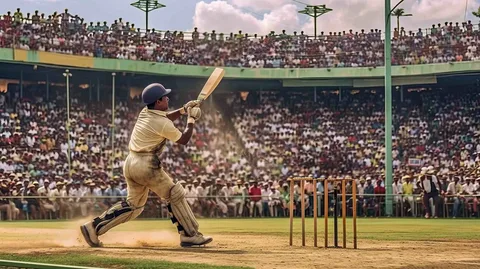
Cricket feels like it lives in the bloodstream of India. Stadiums fill up overnight, broadcast numbers reach new records, and young players dream of wearing the national jersey. From the outside, the sport appears to grow on its own, but behind the scenes, an enormous financial engine keeps it moving. Every tournament, academy, league match, and fan event runs on a foundation of real spending that often goes unnoticed.
Infrastructure Behind the Scenes
Cricket looks effortless on the field, but stadiums require significant spending to stay ready year-round. Large venues depend on skilled groundsmen, lighting systems, and constant repairs. Even when matches are not happening, maintenance work continues. These ongoing costs form the silent foundation that keeps Indian cricket running smoothly.
Investment in Player Development
Every young player who enters an academy depends on a structure built through heavy investment. Quality coaches, strength trainers, nutritionists, and physiotherapists all play a role in shaping talent. Modern training also includes data analysis and wearable tech, which increases expenses but helps produce world-class players.
Technology That Drives Modern Cricket
The viewing experience has improved because of high-end cameras, drones, replay systems, and digital platforms. These upgrades come with long-term costs for broadcasters and cricket boards. Teams also use analytics tools to track performance. Fans enjoy sharp replays and interactive apps without seeing the financial effort behind them.
City Investments and Local Growth
Regional centers work hard to host major events. The upcoming cricket match in Raipur, for example, involves spending on security, traffic plans, stadium preparation, and hospitality. Smaller cities take on these costs to strengthen their presence in the cricket ecosystem and attract more tournaments in the future.
How Fans Share the Financial Load
As expenses rise across infrastructure, training, and technology, some of the cost naturally reaches the fans. Ticket prices, merchandise rates, and streaming subscriptions are shaped by the financial demands of the sport. Cricket continues to grow across India, powered by passion and supported by a network of hidden, essential investments.
Franchise and League Operations
1. IPL team expenses
IPL teams run like big businesses. They invest in star players, training facilities, travel, support staff, and promotional events.
2. State association budgets
Associations handle domestic schedules, junior selections, and infrastructure projects that need continuous funding.
3. Venue fees and logistics
Organizing a match means arranging security, medical services, transport, and hospitality partners.
The Ripple Effect on Local Economies
1. Jobs created
Ticket sellers, caterers, drivers, guards, and event staff find opportunities during cricket seasons.
2. Hospitality and travel impact
Hotels fill up fast, restaurants stay busy, and local transport services earn more.
Sustainability and Modern Challenges
1. Water usage for grounds
Preparing high-quality pitches takes large amounts of water, especially in summer.
2. Energy costs for large venues
Floodlights, scoreboards, and cooling systems raise electricity bills during long tournaments.
Technology Investments
1. Broadcast technology
High-quality broadcasts make cricket accessible to every home. Cameras, drones, slow-motion systems, and commentary setups cost crores each season.
2. Analytics and performance tools
Teams rely on data experts to analyze patterns and shape strategies. This includes software, wearable devices, and specialist staff.
3. Digital fan engagement
Apps, fantasy games, push alerts, and social campaigns keep fans involved. Building and maintaining these systems is an ongoing expense.
Long-Term Vision for Indian Cricket
1. Plans for global dominance
India aims to set world standards in cricket talent, facilities, and competitions.
2. Balancing passion with financial realities
The sport needs steady investment and careful planning to match its growing popularity.
Government and Administrative Costs
1. Public land and tax-related factors
Stadiums often require government land and long-term leases. Taxes on tickets and sporting events add to overall expenses.
2. Security and traffic management for matches
Police, barricades, crowd control measures, and emergency teams are essential for a safe game day.
Regional Growth Aspirations
1. Smaller cities building cricket ecosystems
Cities beyond metros want their share of cricket action. They invest in stadiums, academies, and tournaments to strengthen local sports culture.
2. Example of the upcoming cricket match in raipur boosting local investment
When a major match is announced, cities like Raipur prepare for visitors, promotions, and infrastructure improvements. These events push local businesses and authorities to invest more.
Conclusion
Cricket looks simple when viewed on the field, but the system that supports it is complex and expensive. From stadiums to academies and from marketing to technology, every part of the game depends on continuous financial support. As the sport expands into new cities and new formats, these hidden costs will shape the future of cricket in India for years to come. Also Check Digital marketing raipur services.
FAQs
Q1. Why is cricket so expensive to maintain in India?
It requires large infrastructure, technology, skilled staff, and nationwide logistics.
Q2. What is the biggest hidden cost in Indian cricket?
Stadium maintenance and travel-related expenses are among the largest contributors.
Q3. Does domestic cricket require more funding?
Yes, domestic tournaments involve travel, salaries, equipment, and match operations.
Q4. How do fans contribute to the sport’s growth?
Fans support the game through ticket purchases, merchandise, and streaming services.
Q5. Why are smaller cities investing in cricket?
They want better facilities, bigger tournaments, and local economic growth.
-
Business3 years ago
Cybersecurity Consulting Company SequelNet Provides Critical IT Support Services to Medical Billing Firm, Medical Optimum
-
Business3 years ago
Team Communication Software Transforms Operations at Finance Innovate
-
Business3 years ago
Project Management Tool Transforms Long Island Business
-
Business2 years ago
How Alleviate Poverty Utilized IPPBX’s All-in-One Solution to Transform Lives in New York City
-
health3 years ago
Breast Cancer: The Imperative Role of Mammograms in Screening and Early Detection
-
Sports3 years ago
Unstoppable Collaboration: D.C.’s Citi Open and Silicon Valley Classic Unite to Propel Women’s Tennis to New Heights
-
Art /Entertainment3 years ago
Embracing Renewal: Sizdabedar Celebrations Unite Iranians in New York’s Eisenhower Park
-
Finance3 years ago
The Benefits of Starting a Side Hustle for Financial Freedom