
health
The Future of Nutritional Supplements: Innovations & Research

By

Reviewed
By Mark Leonardo

The Future of Nutritional Supplements: Innovations and Research
In recent years, the landscape of nutritional supplements has evolved significantly, driven by a surge in consumer interest, scientific research, and technological advancements. As the global population becomes increasingly health-conscious, the demand for effective and innovative nutritional supplements continues to rise. This article explores the future of nutritional supplements, highlighting key innovations and research trends that are shaping the industry.
The Growing Importance of Nutritional Supplements
Nutritional supplements have become an integral part of modern health and wellness routines. They are designed to provide essential nutrients that may not be consumed in sufficient quantities through diet alone. These include vitamins, minerals, amino acids, enzymes, and other vital compounds. The primary goal of nutritional supplements is to support overall health, enhance physical performance, and prevent or manage various health conditions.
Innovations in Nutritional Supplements
1. Personalized Nutrition
One of the most promising trends in the future of nutritional supplements is personalized nutrition. Advances in genomics, microbiomics, and artificial intelligence (AI) are enabling the development of tailored supplement regimens based on an individual’s unique genetic makeup, lifestyle, and health status. Personalized nutrition aims to optimize health outcomes by addressing specific nutritional needs and reducing the risk of nutrient deficiencies.
For instance, companies are now offering DNA testing kits that analyze genetic variations related to nutrient metabolism. Based on the results, customized supplements are formulated to meet the individual’s specific requirements. This approach not only enhances the efficacy of supplements but also minimizes the risk of adverse effects.
2. Bioavailability Enhancement
Bioavailability refers to the proportion of a nutrient that is absorbed and utilized by the body. Traditional supplements often face challenges related to poor bioavailability, which can limit their effectiveness. To address this issue, researchers are exploring innovative delivery systems and formulations that enhance the bioavailability of nutrients.

Nanotechnology, for example, is being used to create nano-encapsulated supplements that improve the absorption and stability of nutrients. Liposomal delivery systems, which encapsulate nutrients within lipid vesicles, are also gaining popularity for their ability to enhance bioavailability. These advancements ensure that the body can efficiently absorb and utilize the nutrients provided by supplements.
3. Plant-Based and Sustainable Supplements
As environmental concerns and ethical considerations become more prominent, there is a growing demand for plant-based and sustainable nutritional supplements. Plant-based supplements are derived from natural sources such as fruits, vegetables, herbs, and algae. They are often rich in phytonutrients, antioxidants, and other bioactive compounds that offer a range of health benefits.
Moreover, sustainable practices in the production of supplements are gaining traction. This includes the use of renewable resources, eco-friendly packaging, and ethical sourcing of raw materials. Companies are increasingly adopting sustainable practices to reduce their environmental footprint and meet the expectations of environmentally conscious consumers.
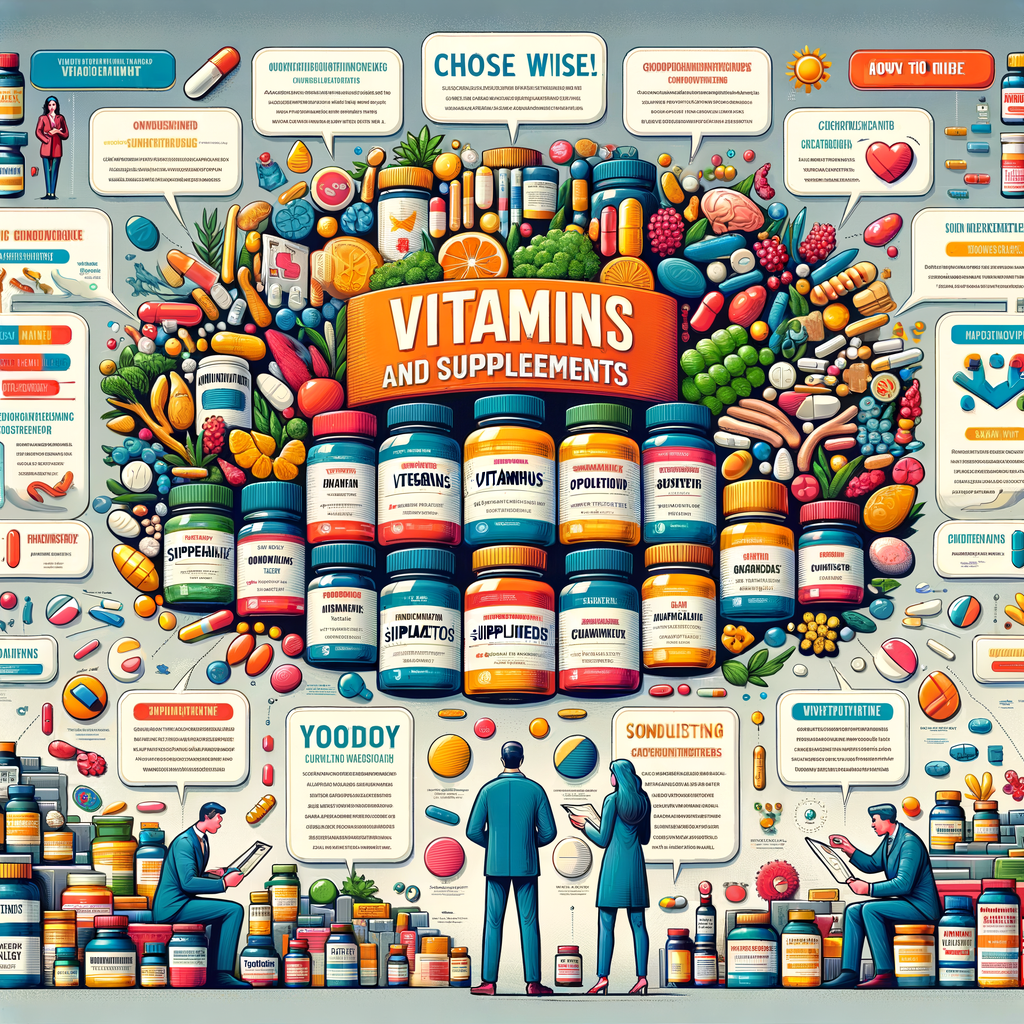
Picture by: Dalle
Cutting-Edge Research in Nutritional Supplements
1. Microbiome and Gut Health
The human microbiome, particularly the gut microbiota, plays a crucial role in overall health and well-being. Research has shown that the gut microbiome influences various aspects of health, including digestion, immune function, and mental health. As a result, there is a growing interest in developing supplements that support gut health by modulating the microbiome.
Probiotics, prebiotics, and synbiotics are at the forefront of this research. Probiotics are live beneficial bacteria that can improve gut health, while prebiotics are non-digestible fibers that feed these beneficial bacteria. Synbiotics combine both probiotics and prebiotics to provide a synergistic effect. Ongoing research is exploring the potential of these supplements to prevent and manage conditions such as irritable bowel syndrome (IBS), inflammatory bowel disease (IBD), and even mental health disorders.
2. Cognitive Health and Nootropics
Cognitive health is another area where nutritional supplements are making significant strides. Nootropics, also known as “smart drugs” or cognitive enhancers, are supplements that aim to improve cognitive function, including memory, focus, and mental clarity. These supplements often contain ingredients such as omega-3 fatty acids, B vitamins, ginkgo biloba, and bacopa monnieri.
Recent research is delving into the potential of nootropics to support brain health and prevent cognitive decline associated with aging and neurodegenerative diseases. For example, studies have shown that omega-3 fatty acids, particularly DHA, play a vital role in brain health and may reduce the risk of Alzheimer’s disease. As the population ages, the demand for cognitive health supplements is expected to grow, driving further research and innovation in this field.
3. Immune Support
The COVID-19 pandemic has underscored the importance of a robust immune system. As a result, there has been a surge in interest in supplements that support immune health. Vitamins C and D, zinc, and elderberry are among the most popular ingredients used in immune-boosting supplements.
Emerging research is investigating the potential of other compounds, such as beta-glucans, medicinal mushrooms, and adaptogens, to enhance immune function. Beta-glucans, found in sources like oats and mushrooms, have been shown to modulate the immune system and improve its response to infections. Medicinal mushrooms, such as reishi and shiitake, contain bioactive compounds that may support immune health. Adaptogens, such as ashwagandha and rhodiola, help the body adapt to stress and may have immune-boosting properties.
The Role of Technology in the Future of Nutritional Supplements
Technological advancements are playing a pivotal role in shaping the future of nutritional supplements. From AI-driven personalized nutrition platforms to blockchain technology for supply chain transparency, technology is revolutionizing the industry.
AI and machine learning algorithms are being used to analyze vast amounts of data, including genetic information, dietary habits, and health metrics, to create personalized supplement recommendations. This data-driven approach ensures that individuals receive the most appropriate supplements for their unique needs.
Blockchain technology is enhancing transparency and traceability in the supplement industry. Consumers can now access detailed information about the sourcing, manufacturing, and quality control processes of their supplements. This transparency builds trust and ensures that consumers are getting high-quality products.
Conclusion
The future of nutritional supplements is bright, with innovations and research paving the way for more effective, personalized, and sustainable solutions. As scientific understanding of nutrition and health continues to evolve, so too will the nutritional supplement industry. Personalized nutrition, bioavailability enhancement, plant-based supplements, and cutting-edge research in gut health, cognitive health, and immune support are just a few of the exciting developments on the horizon.
With technology driving advancements and a growing emphasis on sustainability, the nutritional supplement industry is poised to meet the needs of health-conscious consumers in innovative and impactful ways. The future holds great promise for those seeking to optimize their health and well-being through the power of nutritional supplements.
Author
















Author



Liposuction in Islamabad is becoming increasingly popular among people looking to achieve a slimmer body. With many clinics offering varying prices, it’s essential to understand the difference between cheap and premium options. Your choice can affect both the results and your safety.
Understanding Cheap Liposuction in Islamabad
Cheap Liposuction in Islamabad is often chosen by patients looking for affordable ways to remove stubborn fat. The lower cost can make the procedure appealing, especially for those on a tight budget. However, it’s important to understand what “cheap” really means in this context. Often, these procedures may use older equipment or be performed in clinics with less experienced staff.
While cheap Liposuction in Islamabad can deliver results, the quality of care and safety may not match premium clinics. There is a higher chance of complications such as uneven fat removal, infection, or longer recovery periods. Patients should carefully research the clinic, check surgeon qualifications, and read patient reviews before deciding.
Natural ways to prepare for surgery, such as maintaining a balanced diet and regular exercise, can improve outcomes regardless of the clinic you choose. Aftercare is equally important, but some budget clinics may not provide comprehensive guidance.
In short, cheap Liposuction in Islamabad can be an option for those mindful of costs, but safety and results should remain a priority. Investing time in research and preparation ensures you achieve better outcomes while minimizing risks.
Premium Liposuction in Islamabad
Premium Liposuction in Islamabad offers advanced technology and highly trained surgeons. Clinics offering premium services provide a safer environment and personalized care. The procedure usually results in smoother outcomes and faster recovery. While more expensive, the long-term benefits are often worth the investment.

Key Differences Between Cheap and Premium Liposuction
Here are some major points to consider when choosing between cheap and premium Liposuction in Islamabad:
- Cost vs Safety: Cheap options save money but may compromise on safety.
- Experience of Surgeons: Premium clinics employ certified, experienced professionals.
- Equipment Quality: Advanced tools in premium clinics ensure better results.
- Aftercare Support: Premium clinics provide structured follow-up for recovery.
- Hospital Standards: Higher-end clinics follow strict hygiene and safety standards.
Why Cost Shouldn’t Be the Only Factor
While affordable Liposuction in Islamabad is tempting, focusing solely on cost can be risky. Quality of care, surgeon expertise, and clinic standards directly impact your results. Natural ways to prepare for surgery, like maintaining a healthy diet and exercise routine, can improve outcomes regardless of the clinic you choose.
Recovery and Aftercare
Recovery and aftercare are crucial steps following Liposuction in Islamabad to ensure safe healing and optimal results. After the procedure, patients may experience swelling, bruising, or mild discomfort. These are normal and usually subside within a few weeks. Following your surgeon’s instructions is essential to minimize complications and achieve the desired outcome.
Most premium clinics recommend wearing compression garments to support the treated areas. These garments help reduce swelling and contour the body shape. Pain management is also important, and your doctor may prescribe mild medications to ease discomfort. Regular check-ups during the first few weeks allow the surgeon to monitor healing progress.
Incorporating natural ways to enhance recovery can be very effective. Eating a balanced diet, staying hydrated, and engaging in light physical activity, such as short walks, can boost circulation and aid in faster healing. Avoiding smoking and alcohol is highly recommended as they can slow down the recovery process.
Proper aftercare also involves maintaining hygiene around the incision sites and promptly reporting any unusual symptoms to your surgeon. Choosing a reputable clinic ensures structured guidance, making your Liposuction in Islamabad experience safer and more satisfying.
Choosing the Right Clinic
Selecting the right clinic for Liposuction in Islamabad requires research. Look for reviews, surgeon credentials, and patient testimonials. Visiting the clinic before surgery helps you understand the environment and professionalism. Investing in a reputable clinic ensures your safety and satisfaction with the results.
FAQs About Liposuction in Islamabad
Q1: Is cheap liposuction safe?
A1: While possible, cheap Liposuction in Islamabad often carries higher risks due to older equipment or less experienced surgeons.
Q2: How long is the recovery time?
A2: Recovery usually takes 2–4 weeks, but premium clinics provide better guidance to speed up healing.
Q3: Can natural ways improve liposuction results?
A3: Yes, healthy diet, light exercise, and hydration help enhance results and reduce complications.
Q4: How do I choose between cheap and premium options?
A4: Evaluate clinic reputation, surgeon experience, equipment quality, and aftercare before deciding.
Q5: Are the results permanent?
A5: Liposuction in Islamabad provides long-lasting results if a stable lifestyle and natural ways of maintaining weight are followed.
Final Thoughts
Choosing between cheap and premium Liposuction in Islamabad is about balancing cost and safety. Prioritizing quality ensures better results, faster recovery, and minimal risk. For those seeking the best care and outcomes, trusted clinics like skn cosmetics offer professional services that meet international standards.
Author



Hormone changes are a normal part of aging. As you get older, your body may not produce hormones at the same levels as before. These shifts can affect how you feel day-to-day, including your energy, sleep, mood, and focus. Many adults living in Houston begin to notice these changes and look for ways to better understand what is happening in their bodies.
Some people try to adjust their lifestyle first. They may improve their diet, exercise more, or work on sleep habits. While these steps are helpful, they do not always address hormone-related concerns fully. This is where structured evaluation and care can help.
Hormone-focused services look at your symptoms and lab test results to understand your body more fully. Instead of guessing, you receive information based on measurable data. This helps guide decisions and next steps in a clearer and more practical manner.
Key Reasons Adults Turn to Hormone Replacement in Houston Care
-
Addressing low energy that affects daily life
Many adults feel tired even after enough sleep, which can affect daily tasks and focus. Hormones such as thyroid hormone and testosterone help regulate energy levels. When these hormones are out of balance, you may feel drained without a clear reason.
Testing helps determine whether hormones are the cause, and care plans can then include hormone support, along with routine and nutrition guidance, to address the root issue rather than just the symptoms.
-
Supporting mood changes and mental clarity
Hormones influence brain function, including mood and concentration. When levels shift, you may notice irritability, stress, or difficulty staying focused.
These changes can affect your relationships, work, and overall quality of life. By reviewing hormone levels, a provider can look for patterns that may explain these symptoms. In some cases, adjusting hormone levels may help support more stable mood and clearer thinking.
This process is often combined with lifestyle habits such as regular sleep, balanced meals, and stress management techniques.

-
Managing natural hormone decline with age
Hormone levels change as part of the aging process. This happens in both men and women, although the patterns may differ.
For example, testosterone levels may decrease in men over time, while women may experience changes in estrogen and progesterone. These shifts can bring noticeable symptoms that develop slowly.
Regular evaluation helps track these changes over time. With ongoing monitoring, you and your provider can make informed decisions about whether support is needed and how to adjust care as your body changes.
-
Improving sleep quality and patterns
Sleep issues are often linked to hormone imbalance. Hormones such as cortisol and melatonin help regulate your sleep cycle.
If these hormones are out of balance, you may find it hard to fall asleep or stay asleep through the night. Poor sleep can then affect energy, mood, and overall health.
In cases where sleep problems are linked to hormones, evaluation can help identify the cause. Care may include hormone-related support, along with habits such as maintaining a consistent sleep schedule, limiting screen time before bed, and creating a calm sleep environment.
-
Supporting weight management efforts
Weight changes can be influenced by hormone levels. Hormones help regulate metabolism, appetite, and fat storage.
Some adults follow diet and exercise routines but still find it difficult to manage their weight. In these situations, hormone testing may provide more insight into what is happening inside the body.
A provider may review hormones related to metabolism, such as thyroid hormones and insulin. Based on the results, a plan may include a mix of hormone support, nutrition guidance, and physical activity recommendations.
-
Improving physical performance and recovery
Hormones also play a role in muscle strength, endurance, and recovery after exercise.
If your hormone levels are not balanced, you may notice reduced performance during workouts or longer recovery times. This can make it harder to stay consistent with fitness routines.
By checking hormone levels, providers can identify areas that may be affecting your physical performance. With proper guidance, you may see improvements in strength, stamina, and recovery when combined with regular exercise and proper rest.
-
Personalized care with ongoing monitoring
One main reason adults choose hormone-related services is the structured, personalized approach. Care is not a one-time visit. It usually includes consultation, lab testing, a tailored plan, follow-ups, and adjustments based on progress.
This step-by-step process helps track changes over time and ensures care is updated based on how your body responds. When considering options like hormone replacement in Houston, many adults prefer services that combine testing, guidance, and ongoing support for a clearer path forward.
Summary!
Hormone-related concerns can affect many areas of daily life, including energy, sleep, mood, weight, and physical performance. As these changes develop over time, it can be helpful to look at your health in a structured way that includes both testing and ongoing evaluation.
Choosing hormone-focused care allows you to better understand what is happening inside your body and take informed steps based on real data. With the right approach, you can work toward better balance while maintaining your daily routine and lifestyle.
In Houston, PUUR Health and Wellness offers a care model that focuses on personalized evaluation, monitoring, and guided support. This type of approach helps you move forward with clarity and consistent follow-up as part of your overall wellness plan.
Author



CNC Tools in Modern Manufacturing: Benefits & Future Trends

Avoid Costly Document Mistakes with Professional Notary Services

Mini vs Full Tummy Tuck: Complete Guide Islamabad

Formulation Development in 2026: Drug Delivery Innovations

Luxury RV Resorts Texas vs Standard RV Parks: The Difference?

Best Hair Transplant Clinic in Pakistan – JJ Aesthetics

Essentials Tracksuit UK Guide: Styles, Fits, Colors & Buying Tips

Working Capital Finance: Guide for MSMEs, Types & Benefits

Beard Hair Transplant: Procedure, Benefits And Recovery

Corteiz Cargos Official Store: Streetwear Style & Sustainability

Cybersecurity Consulting Company SequelNet Provides Critical IT Support Services to Medical Billing Firm, Medical Optimum

Team Communication Software Transforms Operations at Finance Innovate

Project Management Tool Transforms Long Island Business

How Alleviate Poverty Utilized IPPBX’s All-in-One Solution to Transform Lives in New York City

Breast Cancer: The Imperative Role of Mammograms in Screening and Early Detection

Unstoppable Collaboration: D.C.’s Citi Open and Silicon Valley Classic Unite to Propel Women’s Tennis to New Heights

Embracing Renewal: Sizdabedar Celebrations Unite Iranians in New York’s Eisenhower Park

The Benefits of Starting a Side Hustle for Financial Freedom

New Blood Donation Screening Questions What You Need to Know

Stylishly Timeless: The 5 Types of Sandals You Need in Your Closet
-

 Business3 years ago
Cybersecurity Consulting Company SequelNet Provides Critical IT Support Services to Medical Billing Firm, Medical Optimum
-
Business3 years ago
Team Communication Software Transforms Operations at Finance Innovate
-
Business3 years ago
Project Management Tool Transforms Long Island Business
-
Business3 years ago
How Alleviate Poverty Utilized IPPBX’s All-in-One Solution to Transform Lives in New York City
-
health3 years ago
Breast Cancer: The Imperative Role of Mammograms in Screening and Early Detection
-
Sports3 years ago
Unstoppable Collaboration: D.C.’s Citi Open and Silicon Valley Classic Unite to Propel Women’s Tennis to New Heights
-
Art /Entertainment3 years ago
Embracing Renewal: Sizdabedar Celebrations Unite Iranians in New York’s Eisenhower Park
-
Finance3 years ago
The Benefits of Starting a Side Hustle for Financial Freedom







