
Art /Entertainment
The Evolution of Audio Dramas in 2024

By

Reviewed
By Hadlee Harmoni

Introduction
Audio dramas, a form of entertainment that has enchanted audiences for over a century, are experiencing a renaissance in 2024. As we navigate through this transformative year, it becomes evident that the landscape of audio dramas is evolving rapidly, driven by technological innovations, creative storytelling, and a growing, engaged audience. This article delves into the various facets of this evolution, offering a comprehensive overview of the current state and future prospects of audio dramas in 2024.
A Brief History of Audio Dramas

Image by: Yandex.com
Before we explore the contemporary scene, it’s essential to understand the origins of audio dramas. The medium began in the early 20th century with radio broadcasts, captivating listeners with serialized stories, plays, and dramatic readings. Iconic productions like “The War of the Worlds” by Orson Welles showcased the power of audio storytelling, creating immersive experiences long before the advent of television.
Audio Dramas as a Platform for Social Issues
Audio dramas in 2024 are being used as a platform to address social issues such as climate change, mental health, and racial equality. By weaving these topics into fictional narratives, creators can provoke thought and inspire action among listeners. The audio format allows for deep emotional connection, which makes it an effective tool for raising awareness and driving conversations around important global and societal challenges.
Collaborations with Other Media
Cross-media collaborations are another exciting development in audio dramas. In 2024, there is a growing trend of audio dramas being adapted into TV shows, movies, and even graphic novels. This cross-pollination allows stories to reach broader audiences across multiple platforms. At the same time, it helps maintain the unique appeal of audio dramas as a standalone art form, while also providing new creative opportunities for expansion and adaptation.
The Role of Audio Dramas in Mental Health and Wellness
In 2024, audio dramas have started to find a place in the mental health and wellness sector. Many creators are producing calming and meditative audio experiences, focusing on themes like mindfulness, relaxation, and emotional well-being. These productions help listeners manage stress and anxiety by offering soothing narratives and immersive soundscapes. This new genre within audio dramas is particularly popular among audiences seeking mental health support in non-traditional formats.
Technological Advancements

Image by: Yandex.com
-
High-Definition Audio
One of the most significant developments in 2024 is the advent of high-definition (HD) audio. Enhanced sound quality, spatial audio, and 3D soundscapes are now standard in audio dramas, providing listeners with an immersive experience that rivals visual media. These advancements allow creators to craft intricate soundscapes, making the narrative more engaging and lifelike.
-
Artificial Intelligence and Machine Learning
Artificial Intelligence (AI) and Machine Learning (ML) are revolutionizing the production of audio dramas. AI-driven tools assist in scriptwriting, sound design, and even voice acting. Text-to-speech technology has advanced to the point where AI-generated voices are nearly indistinguishable from human voices, allowing for more flexible and cost-effective production.
-
Streaming Platforms and Accessibility
The proliferation of streaming platforms has made audio dramas more accessible than ever. Services like Spotify, Audible, and newly emerging platforms dedicated exclusively to audio dramas offer vast libraries of content. These platforms utilize algorithms to recommend shows based on listener preferences, enhancing discoverability and audience engagement.
Independent Creators Thriving
2024 has seen a rise in independent creators producing high-quality audio dramas. Thanks to easier access to affordable technology and distribution platforms, smaller studios and individual creators are finding their place in the market. Many of these creators are funded directly by their fanbases, often using platforms like Patreon, allowing them to maintain creative control and deliver content that resonates with niche audiences.
Innovative Storytelling Techniques

Image by: Yandex.com
-
Interactive Narratives
Interactive audio dramas, where listeners can influence the storyline through choices, are gaining popularity. This format adds a layer of engagement, making the audience an active participant in the narrative. Platforms are experimenting with branching storylines, where different decisions lead to unique outcomes, providing a personalized experience.
-
Cross-Media Integration
Audio dramas are increasingly integrated with other media forms, such as video games, virtual reality (VR), and augmented reality (AR). These cross-media projects offer a multi-sensory experience, blending audio storytelling with visual and interactive elements. For instance, a VR audio drama might allow listeners to explore a virtual environment while following the story.
-
Serialized and Episodic Formats
While traditional serialized formats remain popular, there is a growing trend towards episodic audio dramas. These self-contained episodes offer flexibility for both creators and listeners, making it easier to produce and consume content. Anthology series, where each episode features a different story or theme, are particularly well-received.
Global Reach and Language Diversity
The global appeal of audio dramas has expanded in 2024, with creators producing content in multiple languages and dialects. This diversity is not only increasing listenership but also bringing culturally rich stories to the forefront. Audiences from different regions can now enjoy audio dramas tailored to their language and local experiences, allowing for broader representation and cross-cultural storytelling.
Audience Engagement and Community Building
Image by: Yandex.com

-
Social Media and Fan Interaction
Social media platforms play a crucial role in the evolution of audio dramas in 2024. Creators use these platforms to engage with fans, gather feedback, and build communities around their shows. Fan forums, discussion groups, and live Q&A sessions foster a sense of belonging and enhance the overall experience.
-
Crowdfunding and Independent Production
Crowdfunding platforms like Kickstarter and Patreon have democratized the production of audio dramas. Independent creators can now fund their projects directly through listener contributions, bypassing traditional gatekeepers. This model has led to a surge in diverse and innovative content, as creators have the freedom to explore niche genres and unconventional narratives.
The Role of Education in Audio Dramas
Beyond entertainment, audio dramas in 2024 are being used as powerful educational tools. Schools, universities, and learning platforms have begun incorporating audio dramas into their curriculum to teach complex subjects in an engaging way. The use of narrative and sound to explain historical events, scientific concepts, or literary classics has proven to be an effective way of enhancing learning and retention.
Short-Form Audio Dramas on the Rise
While many traditional audio dramas follow longer, serialized formats, short-form audio dramas are gaining popularity in 2024. These bite-sized episodes, typically 10-15 minutes long, cater to audiences with busy schedules who prefer quick yet impactful storytelling. Streaming platforms and podcast apps have contributed to this trend by promoting short-form content, making it easy for listeners to enjoy stories on the go.
The Future of Audio Dramas
Image by: Yandex.com
-
Global Reach and Cultural Exchange
The global reach of streaming platforms has facilitated cultural exchange and collaboration in audio drama production. Creators from different parts of the world are working together, blending diverse storytelling traditions and perspectives. This cross-cultural collaboration enriches the medium and broadens its appeal.
-
Educational and Therapeutic Applications
Beyond entertainment, audio dramas are finding applications in education and therapy. Educational audio dramas make learning engaging and accessible, while therapeutic audio dramas are used in mental health treatments, providing comfort and support through storytelling.
-
Sustainability and Ethical Considerations
As the industry grows, there is a growing emphasis on sustainability and ethical production practices. Creators are mindful of their environmental impact, opting for digital production and distribution methods that reduce waste. Additionally, there is a focus on fair compensation and representation, ensuring that the industry remains inclusive and equitable.
Analysis Table: Key Trends in Audio Dramas 2024
| Trend | Description | Impact on Industry |
| Immersive Audio Technology | The use of spatial and binaural audio for realistic sound experiences. | Enhances listener engagement and creates cinematic-quality productions. |
| Subscription-Based Platforms | Growth of paid streaming services offering exclusive content. | Increases the commercial viability of audio dramas and attracts high-profile talent. |
| Celebrity Voice Actors | Hollywood stars and notable personalities lending their voices to audio dramas. | Elevates the visibility and appeal of audio dramas to mainstream audiences. |
| Diversity in Storytelling | Inclusion of diverse voices and cultural perspectives. | Expands the genre to include underrepresented communities and reflects broader societal changes. |
| Interactive Narratives | Nonlinear, user-driven storytelling allowing listener choices to shape the narrative. | Introduces a new level of engagement, making audio dramas feel participatory rather than passive. |
| AI and Machine Learning | AI tools for sound design, scriptwriting, and voice modulation. | Reduces production costs and time, empowering independent creators and smaller studios. |
| Cross-Platform Integration | Collaboration between audio dramas and other forms of media like video games or AR/VR experiences. | Opens new storytelling possibilities and appeals to younger, tech-savvy audiences. |
Comparative Table: Audio Dramas in 2024 vs. 2010
| Aspect | 2010 | 2024 |
| Technology | Limited to basic stereo sound and minimal interactive elements. | Advanced spatial audio, immersive soundscapes, and interactive features. |
| Platform Availability | Mostly free-to-access podcasts with ad-supported models. | Widespread on subscription-based streaming services with exclusive content. |
| Talent Involvement | Mostly independent creators or niche actors. | Hollywood stars, professional voice actors, and celebrity involvement. |
| Diversity in Content | Predominantly Western, Eurocentric narratives. | Rich diversity in cultural perspectives, representing various identities. |
| Audience Engagement | Passive listening experiences. | Interactive, nonlinear narratives where listeners can shape the story. |
| Production Quality | Limited by budget constraints and basic sound design tools. | High-quality productions rivaling Hollywood films in sound design and complexity. |
Conclusion
The evolution of audio dramas in 2024 is a testament to the enduring appeal and adaptability of this medium. Technological advancements, innovative storytelling techniques, and a vibrant, engaged audience are driving the resurgence of audio dramas, making them a significant force in contemporary entertainment. As we look to the future, it is clear that audio dramas will continue to evolve, offering new and exciting experiences for listeners around the world.
In conclusion, the landscape of audio dramas in 2024 is rich with possibilities. Whether you are a creator, a listener, or simply a curious observer, there has never been a more exciting time to explore the world of audio storytelling.
Author


You turn a technical subject into an easy-to-follow explainer animation by choosing one main idea, writing for a viewer who knows nothing about the topic, replacing jargon with plain words, and showing one step at a time on screen. You then plan the script and storyboard before any animation starts, so the final video stays simple.
The hard part is rarely the animation. It is the knowledge gap. The people who build a product or understand a process know too much to see where a beginner gets lost. The result is a video that lists features, uses terms nobody defined, and loses the viewer early.
If you are briefing an explainer video company for the first time, this guide shows you what to prepare and what to expect. It covers a step-by-step method, script structure, visual techniques, a worked example, and the mistakes that make technical videos confusing.
What makes a technical subject hard to explain on video?
A technical subject is hard to explain because the viewer is missing background that the expert takes for granted. Psychologists call this the curse of knowledge: once you know something, it is hard to remember what it was like not to know it.
Four problems show up again and again:
- Terms like API, latency, or throughput mean nothing to a first-time viewer.
- Invisible processes. Data moving between servers or a chemical reaction cannot be seen, so the viewer has nothing to hold on to.
- Too many parts. Systems have many components, and showing all of them at once is overwhelming.
- A missing starting point. The video begins at step three because the team forgot steps one and two.
Animation helps with all four. It can make the invisible visible, and it controls the order in which the viewer sees things. Wyzowl’s 2026 State of Video Marketing report found that 93% of video marketers say video has increased people’s understanding of their product or service.
How do you turn a technical subject into an explainer animation?
Use this seven-step method. It works for software, science, engineering, finance, and healthcare topics.
- Choose one audience and one main idea.
- Find out what the viewer already knows.
- Break the subject into three to six steps.
- Replace jargon with plain words.
- Pick a visual comparison for each hard idea.
- Write the script and storyboard together.
- Test the draft with someone outside your team.
The sections below explain each step.
Choose one audience and one main idea
A video for engineers and a video for buyers should not be the same video. Decide who will watch, then finish this sentence: after watching, the viewer will understand that…
If you need two sentences, you probably need two videos. One main idea keeps the script short and gives the animator a clear target.
Find out what the viewer already knows
Talk to a customer, a new hire, or a sales rep who explains the product to beginners. Ask what confuses people most. Their answers show you where the video should start.
Start at the viewer’s level, not yours. If they do not know what a server is, your first scene should show one in simple terms.
Break the subject into three to six steps
Most technical processes can be told in a handful of steps. Write them in order, in plain words. If you reach ten steps, group some together or cut the ones that do not support the main idea.
Leave out details that experts care about but beginners do not need. You can point to a longer guide or technical document for people who want more.
Replace jargon with plain words
Go through the draft and underline every term a beginner might not know. For each one, either swap in a simple word or define it in one short sentence the first time it appears.
Read the script aloud to someone outside your field. Every time they pause or frown, rewrite that line.
Pick a visual comparison for each hard idea
A comparison links something new to something familiar. A firewall can be a security gate. A data pipeline can be a set of pipes. A cell receptor can be a lock that only one key opens.
Choose comparisons that are accurate enough for the purpose. A good analogy simplifies without telling the viewer something false. If the comparison breaks down at an important point, say so or pick another.
Write the script and storyboard together
Do not write the whole script first and then hand it to an animator. Write each line with the matching picture in mind. A storyboard is a set of sketches, one per scene, that shows what the viewer sees while each line is spoken.
This catches problems early. If you cannot picture a line, the viewer will not understand it either. Changes are cheap at this stage and costly once animation starts.
Test the draft with someone outside your team
Show the storyboard, or an animatic, to a person who does not know the topic. An animatic is a rough timed version with sketches and a temporary voiceover. Ask them to explain the idea back in their own words. Where their explanation goes wrong, the video needs work.
What should the script of a technical explainer video include?
A clear structure helps the viewer stay oriented. Most technical explainers follow this order:
- The problem: a situation the viewer recognizes.
- The idea: one sentence that says what the solution or concept is.
- How it works: the three to six steps, one scene each.
- The result: what changes for the viewer.
- The next step: one clear action, such as booking a demo or reading a guide.
Length matters. A 60-second script usually runs about 130 to 160 words at a natural speaking pace. That is a small space, which is why cutting is part of the job.
Write short sentences in active voice, and say one thing per sentence. If a sentence needs a comma and a second clause to make sense, split it.
Which visual techniques make complex ideas easier to follow?
Show one piece at a time
Reveal elements in the order they matter. When everything appears at once, the viewer does not know where to look. Build the diagram step by step, and remove old pieces when they are no longer needed.
Use motion to show cause and effect
Movement can show direction, such as data traveling from a phone to a server. Keep it purposeful. Decoration that moves without meaning pulls attention away from the idea.
Use color and shape consistently
Give each main object the same color and shape every time it appears. If the customer is blue in scene one, keep them blue in scene five. Viewers can then track things without reading labels.
Keep on-screen text short
Use a few words as labels, not full sentences. The voiceover carries the explanation. Text that repeats the narration forces the viewer to read and listen at the same time.
Zoom in and out
Changes of scale help with systems that have layers. Start with the whole system, zoom into one part, then zoom back out so viewers can see where that part fits.
Example: turning a technical sentence into a scene
This is an illustration, not a client project. Say a software company wants to explain how it protects customer data.
The original line from the product team: Our platform encrypts data in transit with TLS and at rest with AES-256.
The plain version for the voiceover: Your files are locked while they travel and while they are stored.
The scene: a file icon leaves a laptop and moves along a line to a server. A padlock appears on the file as it leaves, and it stays on when the file lands on a shelf inside the server. The technical names move to a short on-screen label or to the company’s security page.
The viewer gets the idea in seconds. Accuracy is intact because the padlock shows what the technical terms mean, and the specifics stay available for people who want them.
How should you brief an explainer video company?
A good brief saves weeks. Before you contact an explainer video company, gather these items:
- The audience and the one sentence they should understand after watching.
- The goal of the video, such as more demo requests or fewer support tickets.
- Existing material: documents, diagrams, product demos, and sales decks.
- A subject-matter expert who can answer questions and review the script.
- Where the video will be used, such as a homepage, sales emails, or training.
- Your preferred length, deadline, and brand guide.
- Two or three videos you like, and what you like about them.
What should you look for in a 2D animation company?
2D animation suits technical subjects because it is flexible, quick to revise, and focused on clarity. It can show diagrams, interfaces, characters, and processes in one consistent style. 3D animation is a better fit when you need realistic views of a physical object, such as a machine part or a medical device.
A 2D animation company that handles technical topics well should do the following:
- Ask questions about the subject and the audience before drafting anything.
- Write or edit the script instead of only animating what you send.
- Give you a storyboard to approve before animation begins.
- Show samples that explain complex topics clearly, whatever their style.
- Ask for subject-matter review at the script and storyboard stages.
- Explain how many revision rounds are included and what happens after that.
Many teams also ask for shorter versions of the video for social media and sales emails. Plan for those cutdowns at the start, so they come from the same project.
Common mistakes when explaining technical topics on video
- Trying to explain everything. One video should carry one idea.
- Starting with the company instead of the viewer’s problem.
- Leaving jargon undefined.
- Showing text on screen that repeats the narration word for word.
- Skipping expert review, which leads to errors found after animation is finished.
- Choosing style over clarity. A beautiful video that confuses viewers has failed.
- Making the video too long. Technical topics tempt teams to add one more step.
- Forgetting captions. Many viewers watch with the sound off.
Best practices for technical explainer animations
- Write a one-sentence summary and check every scene against it.
- Introduce a technical term only after the viewer has seen a simple picture of the idea.
- Leave short pauses between steps so viewers can absorb each one.
- Have an expert check the facts at the script and storyboard stages.
- Keep the same style, colors, and characters across scenes, and across videos in a series.
- Check the video on a phone before approving it.
- Split a large subject into a series of short videos, each covering one idea.
- Add captions and plan a short cutdown for social media.
Frequently asked questions
How long should a technical explainer video be?
Between 60 and 120 seconds works for most first videos. If the subject needs more time, split it into a series of shorter videos.
How much technical detail should an explainer include?
Include only what the viewer needs to understand the main idea. Put deeper detail in a linked document, webinar, or product page.
Can animation explain abstract topics like finance or science?
Yes. Animation can turn numbers, flows, and processes into shapes and movement. Use comparisons and keep each scene to one idea.
How long does it take to produce a technical explainer?
Several weeks is common. Technical topics often take longer at the script stage because experts need to review the content. Quick feedback is the biggest time saver.
Should I choose 2D or 3D animation for a technical topic?
2D works well for ideas, processes, and software. 3D fits objects with a physical form where realistic detail matters. Some projects use both.
What do I need to send a studio to get started?
Send your audience, your goal, the main idea, any existing documents or diagrams, a contact for technical questions, and a deadline.
Making technical ideas simple
To make a technical subject easy to follow, pick one main idea, use plain words, give every hard concept a simple comparison, and plan the script and storyboard before animation. Test the draft with someone who does not know the topic, and fix whatever confuses them.
Author


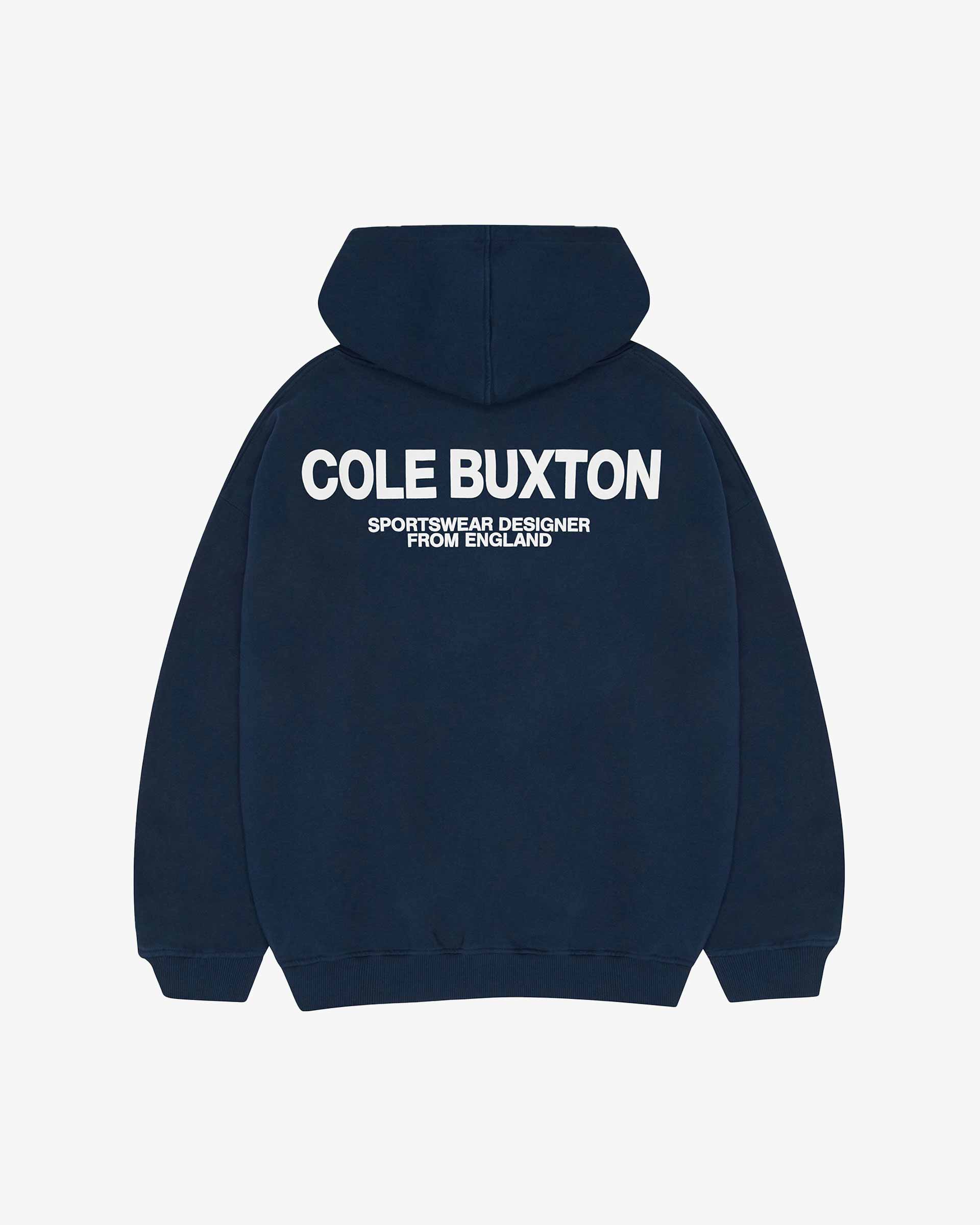
Clothing can become a powerful expression of individuality, especially when personal style is built around pieces that feel authentic rather than temporary. In contemporary fashion, people increasingly look for garments that combine everyday practicality with a recognizable visual character. Cole Buxton Clothing approaches this space through a refined sportswear aesthetic that draws inspiration from vintage athletic clothing while maintaining a modern and understated appearance. The brand describes its foundations around simplicity, quality, authenticity, and durable sportswear, creating a design philosophy where clothing can remain relevant beyond short-lived trends.
The Character Behind Cole Buxton Clothing
A distinctive fashion identity often comes from consistency rather than excessive decoration. Cole Buxton has developed its identity around minimalist sportswear, using athletic references and refined details to create a recognizable direction. Its official brand story explains that the collections were shaped by a desire for clothing that was not loud or aggressively branded, but instead grounded in simplicity and authenticity. This approach gives the garments a considered quality while allowing the wearer to become an important part of the overall visual identity.
Vintage Athletic Inspiration With a Modern Perspective
Sportswear has influenced fashion for decades, but its role continues to evolve. Vintage athletic clothing offers inspiration through practical construction, relaxed silhouettes, and a strong connection to movement and everyday life. Cole Buxton combines these influences with a contemporary perspective, creating clothing that can work within modern wardrobes without feeling overly dependent on nostalgia. The brand specifically references vintage athletic aesthetics and Ivy League sporting cues as influences behind its collections.
The Strength of Minimalist Design
Minimalism can make clothing remarkably versatile. Instead of relying on excessive graphics or complicated visual elements, a minimalist garment allows its shape, fabric, proportions, and subtle branding to establish its character. Cole Buxton’s approach reflects this philosophy through understated sportswear designed to maintain a clear visual identity. The result is clothing that can become a foundation for many different outfits. A simple hoodie, T-shirt, or pair of trousers can be styled in several ways while retaining the distinctive character of the original design.
The Role of the Cole Buxton Hoodie
The hoodie has become one of the defining pieces of contemporary casual fashion because it combines comfort, practicality, and styling flexibility. Cole Buxton’s current collections include several hoodie styles, including sport zipped hoodies and other sweatshirt-focused pieces. A hoodie can become the central element of an outfit or work as part of a layered combination with jackets, trousers, or casual accessories. Its relaxed nature also makes it suitable for everyday wardrobes where comfort and visual consistency need to work together.
Comfort and Everyday Function
Comfort is an important part of modern clothing because garments need to fit naturally into everyday routines. Sportswear has always maintained a connection with movement and practicality, and contemporary interpretations can bring those qualities into casual fashion. Cole Buxton describes its garments as versatile and designed to last, with its core lines including heavyweight cotton hoodies and essential jersey pieces. This combination of practicality and design creates opportunities for people to build outfits that feel comfortable without losing their sense of style.
Building a Wardrobe Around Versatility
A distinctive wardrobe does not necessarily require a large number of different pieces. Versatility can be more useful because individual garments can become part of multiple outfits. Cole Buxton’s current collections include T-shirts, hoodies, trousers, shorts, outerwear, accessories, and footwear, giving wearers different ways to develop a coordinated wardrobe. A neutral T-shirt can become a foundation for layered styling, while a hoodie can add structure and comfort. Trousers or denim can then change the overall character of the outfit without requiring a completely different aesthetic.
Color, Proportion, and Visual Balance
Personal style is influenced heavily by color and proportion. Neutral tones can create an understated appearance, while carefully selected brighter shades can introduce contrast. The shape of clothing also changes how an outfit feels, with relaxed proportions creating a different impression from more tailored silhouettes. Cole Buxton’s collections demonstrate this range through products including tailored trousers, cargo trousers, denim, hoodies, T-shirts, and outerwear in different colors and materials. This variety gives individuals room to interpret the brand according to their own preferences.
Clothing as Personal Expression
Fashion becomes distinctive when people make their own decisions about how garments should be worn. The same piece can communicate something different depending on the surrounding clothing, footwear, and accessories. Cole Buxton’s understated approach gives wearers room to create these combinations without overwhelming the rest of an outfit. A simple garment can provide a clean foundation, allowing personal styling choices to become more visible. In this way, clothing becomes less about following one prescribed look and more about developing an appearance that feels natural to the individual.
Moving Beyond Short-Lived Trends
One of the benefits of a restrained design philosophy is its ability to remain relevant as trends change. Cole Buxton’s brand story specifically Cole Buxton Hoodie emphasizes creating pieces intended to endure beyond trends, with simplicity and minimalism remaining important parts of its identity. This does not mean that contemporary fashion has to remain static. Instead, versatile pieces can evolve as they are combined with different garments and styling ideas. A strong wardrobe can therefore change gradually without losing its underlying character.
The Evolution of Contemporary Sportswear
Sportswear has become an important part of modern fashion because its practical foundations translate naturally into everyday clothing. Cole Buxton occupies an interesting position within this evolution by combining sporting references with a more refined aesthetic. The brand describes its current direction as contemporary luxury while maintaining the simplicity and sporting accents established within its core lines. This balance allows sportswear-inspired garments to move beyond purely athletic settings and become part of broader lifestyle wardrobes.
Developing a Recognizable Personal Style
Personal style develops over time through experimentation and repeated choices. People discover which colors, proportions, materials, and garment categories feel most natural to them. Cole Buxton Clothing can provide a foundation for this process because its minimalist sportswear direction leaves room for individual interpretation. Someone may prefer a monochromatic outfit built around a heavyweight hoodie and relaxed trousers, while another person may introduce contrast through graphic T-shirts, denim, footwear, or accessories. The clothing provides structure, but the wearer ultimately determines the identity of the finished outfit.
A Distinctive Identity Through Cole Buxton Clothing
A distinctive fashion identity is created through the relationship between clothing and the person wearing it. Cole Buxton Clothing provides a foundation built around minimalist sportswear, vintage athletic influences, versatility, and understated design. Its collections extend across everyday categories including hoodies, T-shirts, trousers, denim, outerwear, accessories, and footwear, giving wearers different ways to develop their own interpretation of the aesthetic. By focusing on pieces that can work across changing outfits and personal preferences, Cole Buxton fits into a modern fashion environment where individuality can come through subtle details, thoughtful combinations, and consistent personal choices.
Author



Styling a black essentials hoodie for winter across the United States requires combining heavy organic fleece insulation, structured outer coats, thermal base layers, and weather-ready footwear. Winter conditions across the United States demand functional cold-weather apparel that retains core body heat without sacrificing modern street style aesthetics. Because an authentic black essentials hoodie features a dense 380+ GSM cotton construction, a spacious hood, and a broad boxy drape, it serves as an exceptional middle layer under heavy winter jackets. Exploring insulated coat combinations, winter footwear pairings across the United States, complementary bottom choices, and proper laundering care helps you build sophisticated cold-weather outfits with total ease.
Winter Thermal Dynamics, Heavy Coat Layering, and US Cold-Weather Aesthetics
Mastering cold-weather fashion across snow-prone regions in the United States relies on building a smart three-tier layering system using dense fleece base tops and heavyweight outerwear. Sourcing high-grade winter fleece garments directly from black essentials hoodie arms fashion buyers in the United States with durable, high-density cotton pieces built for severe thermal insulation.
When navigating freezing temperatures in the United States, wearing a solid dark pullover from black essentials hoodie underneath an oversized down puffer jacket, a heavy shearling coat, or a long wool trench provides maximum protection against cold winds. The broad boxy drape of a top from black essentials hoodie allows thermal long-sleeve shirts to sit comfortably underneath while leaving enough room for heavy outer sleeves. For evening events or indoor gatherings, you can transition your outfit smoothly by exploring our nightlife styling guide to maintain a sharp appearance.
Winter Outfit Guidelines, Weatherproof Footwear, and Coordinated Sets for US Buyers
Building a complete winter outfit in the United States involves combining dark, broad-cut fleece uppers with insulated cargo pants, heavyweight denim, waterproof boots, and winter accessories.
Key winter styling recommendations for cold-weather fashion across the United States include:
-
Waterproof Insulated Leather Boots: Pair dark upper fleece layers with rugged leather boots or weather-ready lug-sole boots to navigate snowy city streets in the United States.
-
Heavy Down Puffer Jackets: Layer your pullover under a high-loft down puffer coat to lock in body heat during freezing outdoor excursions.
-
Thick Fleece-Lined Cargo Trousers: Match broad fleece tops with heavy wool-blend or fleece-lined cargo pants to keep your legs warm against bitter winds.
-
Ribbed Wool Beanies and Gloves: Accentuate your winter outfit with thick knit beanies, wool scarves, and insulated leather gloves for maximum coverage.
During indoor winter lounging, heated home office sessions, or casual gym warmups across winter states in the United States, pairing your upper fleece layer with matching black essential shorts creates a balanced indoor lounge set. Wearing high-grade black essential shorts alongside your top layer keeps your legs relaxed inside heated rooms while keeping your upper torso insulated. Coordinating your preferred black essential shorts guarantees exact color matching, uniform fabric weight, and consistent spatial proportions across every indoor setting.
United States Winter Guideline: Layer your dark organic cotton fleece top under heavy puffer coats or wool overcoats, pairing with insulated bottoms and waterproof boots for total cold-weather comfort in the United States.
Garment Preservation Protocols for Heavy Winter Apparel Care
To ensure your luxury organic cotton fleece retains its deep carbon shade, soft interior plushness, and broad spatial shape through heavy winter rotation in the United States, proper laundering care is essential:
-
Inverted Cold Machine Washing: Always turn your black essentials hoodie inside out before washing to protect outer badging, subtle branding, and dark dyes from drum friction.
-
Cold Water Temperature Controls: Wash high-rotation winter fleece using cold water settings (30°C or below) on gentle cycles to preserve fabric fibers and prevent heat shrinkage.
-
Mild Dark Liquid Detergents: Clean heavy cold-weather garments like a black essentials hoodie using gentle liquid detergents formulated specifically for dark clothes to preserve deep carbon depth.
-
Horizontal Mesh Rack Drying: Air-dry heavy cotton fleece flat on an open mesh drying rack in a shaded indoor area across the United States to avoid hanger stretch caused by heavy wet fabric.
By understanding winter insulation needs, choosing a dark black essentials hoodie for severe cold weather, pairing tops with flexible black essential shorts, and using careful cold-water wash methods, you master winter street style. Following these practical styling and care guidelines guarantees your collection retains its broad spatial drape, rich visual appeal, and outstanding comfort across the United States.Shop the Black Essentials Hoodie collection, premium quality streetwear for Unisex Order your perfect essentials hoodie black today!Shop the Black Essentials Hoodie collection, premium quality streetwear for Unisex Order your perfect essentials hoodie black today!Shop the Black Essentials Hoodie collection, premium quality streetwear for Unisex Order your perfect essentials hoodie black today!Shop the Black Essentials Hoodie collection, premium quality streetwear for Unisex Order your perfect essentials hoodie black today!Shop the Black Essentials Hoodie collection, premium quality streetwear for Unisex Order your perfect essentials hoodie black today!
Author



QuickBooks Error H505: 9 Ways to Fix It

QuickBooks Migration Failed Unexpectedly: 9 Fixes That Work

Marriage Green Card Denied? What Happens Next and Can You Reapply?

Phantom Stock in India: Meaning, Benefits, Taxation, and How It Works

How to Choose Sweatpants: A Practical Guide

Are Chrome Hearts Tshirt Still Worth Buying in 2026?

Comme Des Garcons Converse Outfits That Make a Statement

Are Chrome Hearts Hoodies Still Worth Buying in 2026?

The New Parke Hoodie Looks Changing Everyday Streetwear

The Texas Guide to Booking Wellness and Longevity Care Online

Cybersecurity Consulting Company SequelNet Provides Critical IT Support Services to Medical Billing Firm, Medical Optimum

Meet the Megalodon: The Shark Star of ‘Meg 2’

Reduce Video Game Lag: Level Up Your Gaming Performance

Balancing India’s Entertainment: Cricket vs. Bollywood

Jetsetter’s Secrets: Unveiling Our Favorite Travel Hacks for a Seamless Adventure

The 5 Best Live Sports Streaming Sites: Legal and Exciting!

Hollywood Labor Unrest: The Impact of ‘What About Us?’ Strikes

Unveiling the Magic of Dream Fulfillment at the Late NBA Draft

Illuminate Your Skin: Dr. Axe Unveils Natural Remedies for Lightening Knees and Elbows

Bright Choices: Navigating the Pros and Cons of Skin Whitening Creams with Dr. Axe
-

 Business3 years ago
Cybersecurity Consulting Company SequelNet Provides Critical IT Support Services to Medical Billing Firm, Medical Optimum
-
Entertainment3 years ago
Meet the Megalodon: The Shark Star of ‘Meg 2’
-
Entertainment3 years ago
Reduce Video Game Lag: Level Up Your Gaming Performance
-
 Sports3 years ago
Balancing India’s Entertainment: Cricket vs. Bollywood
-
Entertainment3 years ago
Jetsetter’s Secrets: Unveiling Our Favorite Travel Hacks for a Seamless Adventure
-
Productivity3 years ago
The 5 Best Live Sports Streaming Sites: Legal and Exciting!
-
Art /Entertainment3 years ago
Hollywood Labor Unrest: The Impact of ‘What About Us?’ Strikes
-
Sports3 years ago
Unveiling the Magic of Dream Fulfillment at the Late NBA Draft






