
Cars
Taghazout Car Rental: Explore Morocco’s Atlantic Coast


Taghazout was once a quiet fishing village known mainly by surfers and free-spirited travelers. Today, it has become one of Morocco’s most popular coastal destinations. Located near Agadir, this charming village attracts surfers, digital nomads, families, and travelers who want to enjoy a slower lifestyle by the ocean. Although Taghazout itself is small and easy to explore on foot, renting a car can completely change your experience. A car gives you the freedom to discover hidden beaches, mountain landscapes, traditional villages, and breathtaking viewpoints that many visitors never see.
With Taghazout as your base, you can easily explore the surrounding region. Within a short drive, you can leave the busy coastline behind and discover peaceful valleys, untouched beaches, and beautiful Atlantic landscapes.
Why Renting a Car in Taghazout Is Worth It
You can enjoy many relaxing days in Taghazout by drinking Moroccan mint tea, watching surfers, and enjoying ocean views from rooftop cafés. However, staying only in the village means missing some of the best experiences in the region. A rental car allows you to explore at your own pace. You do not have to depend on taxi schedules or limited public transport. Instead, you can create your own daily adventures. For surfers, having a car makes exploring different beaches much easier.
Ocean conditions change often because of tides and wind. With your own vehicle, you can visit famous surf areas such as Anchor Point, Devil’s Rock, and Banana Beach to find the best waves. A car also helps you escape crowded areas. While Taghazout continues to grow as a tourist destination, nearby places like Tamraght and Imsouane still offer a more peaceful atmosphere.
These villages provide authentic coastal experiences away from large crowds. Moreover, a rental car makes mountain trips much easier. Public transportation to areas like Paradise Valley remains limited. Driving gives you the flexibility to stop at scenic locations and enjoy the journey.

Start Your Adventure from Agadir Airport
Many travelers arrive in Morocco through Agadir Al Massira Airport. Renting a car directly from the airport allows you to begin exploring immediately. The drive from Agadir Airport to Taghazout takes around 45 minutes. Along the way, you will enjoy beautiful coastal views and experience the relaxed atmosphere of southern Morocco. Having your own car from the beginning saves time and gives you more opportunities to explore hidden locations.
Discover Taghazout Village
Before exploring the surrounding areas, spend some time enjoying Taghazout itself. The village still maintains its traditional charm despite becoming a popular tourist destination. You can walk through narrow streets filled with surf shops, small cafés, local restaurants, and handmade crafts. The friendly atmosphere makes Taghazout a perfect place to slow down and enjoy every day Moroccan life.
The main beach remains the heart of the village. Visitors can swim in the Atlantic Ocean, watch skilled surfers, take surfing lessons, or simply enjoy peaceful walks along the shore. The sunsets in Taghazout are especially memorable. Watching the sun disappear over the Atlantic creates one of the most beautiful moments of any visit.

Explore the Best Road Trips Around Taghazout
Paradise Valley
One of the most popular day trips from Taghazout is Paradise Valley. Located about 45 minutes inland, this natural paradise offers a completely different landscape from the coast. The journey takes you through mountain roads, argan tree forests, and traditional villages. Once you arrive, you will find palm trees, rocky cliffs, natural pools, and walking trails. Paradise Valley is the perfect destination for swimming, hiking, photography, and enjoying Morocco’s natural beauty. On your way back, you can continue toward Imouzzer and explore the famous Honey Road. Along the route, local sellers offer argan oil, honey, almonds and other regional products.
Tamri Sand Dunes and Flamingo Lagoon
Around 30 minutes north of Taghazout, you will find the beautiful Tamri area. The golden sand dunes meet the Atlantic Ocean, creating a stunning landscape. This location is ideal for peaceful beach walks, photography, and watching the sunset. Nearby, the Tamri estuary attracts different bird species, including flamingos. It is a great stop for travelers who enjoy nature and quiet coastal scenery.
Imsouane Bay
Another unforgettable destination is Imsouane, located about 50 minutes north of Taghazout. This small fishing village is famous for its long waves and relaxed atmosphere. Surfers from around the world visit Imsouane because of its impressive coastline. Besides surfing, visitors can enjoy fresh seafood at the harbor. Local fishermen bring their daily catch, and nearby restaurants prepare simple but delicious meals.
Enjoy Local Food and Culture
A rental car allows you to discover restaurants and cafés outside the main tourist areas. The region offers many traditional Moroccan dishes made with fresh ingredients. You should try grilled fish, seafood tagine, Moroccan salads, chicken tagine with preserved lemon, and traditional mint tea.
The area around Taghazout is also famous for argan oil production. Local cooperatives welcome visitors who want to learn how this traditional product is made. Buying directly from local producers helps support nearby communities and gives you a meaningful souvenir from your trip.
Helpful Driving Tips Around Taghazout
Driving around Taghazout is generally simple, but a few tips can make your journey smoother. Always check your fuel before heading into mountain areas because fuel stations are limited outside main roads. Download offline maps because some remote areas may have weak internet connections. When driving through mountain roads, take your time.
Some routes have narrow sections and sharp turns. Drive carefully and respect local speed limits. In Taghazout village, parking spaces can be limited. Use official parking areas and follow local parking instructions. If you are traveling with surfboards, ask your rental company for roof racks. This makes transportation easier and protects your equipment.
Create Your Own Taghazout Adventure
Many visitors only experience the village itself. However, the true beauty of this region lies beyond the main streets. With a rental car, you can spend the morning surfing at Anchor Point, enjoy lunch near the ocean, explore mountain valleys in the afternoon, and finish the day watching an Atlantic sunset. A car gives you the freedom to change plans and discover places that are not always found in travel guides.
Final Thoughts
Taghazout offers much more than beautiful beaches and world-class surfing. It provides access to mountains, traditional villages, hidden beaches, and unforgettable coastal roads. Renting a car is the best way to experience everything this region has to offer. It allows you to travel comfortably, explore freely, and create memories at your own pace. If you are searching for a reliable car rental option in Agadir, companies like Illi Rent Cars provide convenient rental services for travelers who want to explore Morocco’s Atlantic coast with complete freedom. The real adventure in Taghazout begins when you leave the village behind and discover everything waiting beyond it.
Author


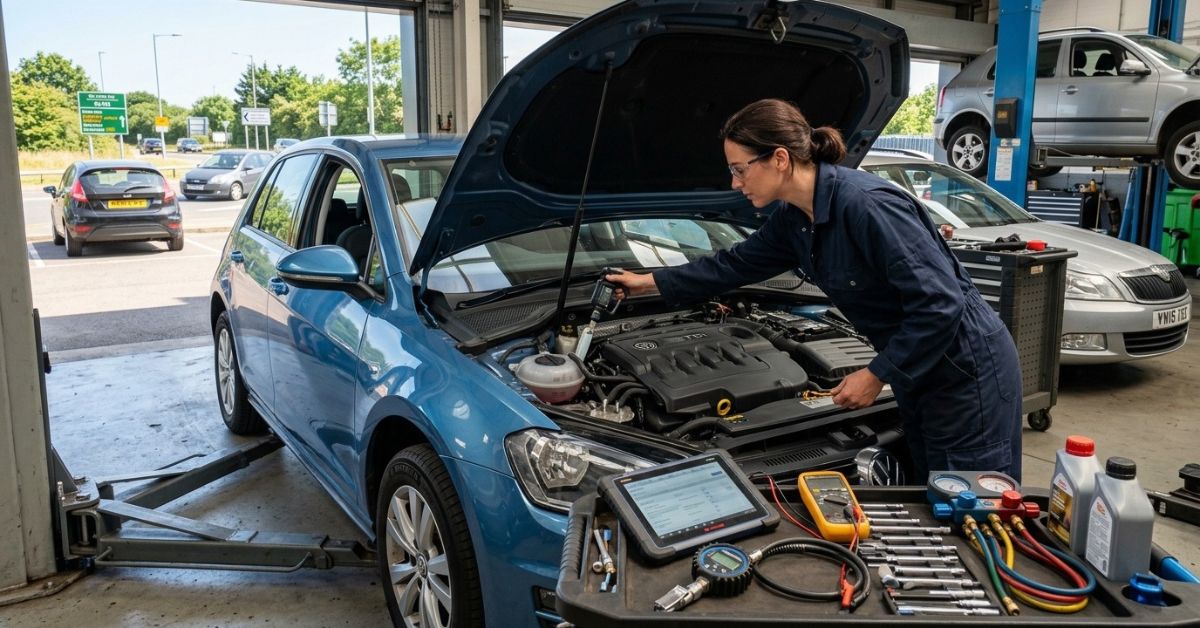
Summer brings longer days, road trips and plenty of time behind the wheel. However, high temperatures can also put extra pressure on your vehicle. The engine, tyres, battery, air conditioning and other components all work harder when the weather gets hot. Most modern cars can handle warm conditions without trouble. Still, extreme heat and long drives can expose problems that might otherwise go unnoticed.
You may notice a cooling fan running more often or water dripping beneath the car after using the air conditioning. These signs can seem worrying, but they often have simple explanations. On the other hand, warning lights, unusual smells or fluid leaks can point to problems that need attention. A few simple checks before a long trip can make a significant difference. Regular Car Maintenance also helps you spot small issues before they become expensive repairs or leave you stranded on the roadside.
Why Does Hot Weather Affect Your Car?
High temperatures affect several vehicle systems at once. The engine needs to manage more heat, while the air-conditioning system works harder to keep the cabin comfortable. Tyre pressure can also rise as temperatures increase.
Traffic can make these effects more noticeable. Slow-moving vehicles receive less airflow than cars travelling at normal road speeds. Long journeys can also place continuous demands on the engine and other components. Therefore, it makes sense to check the key systems before heading out on a summer road trip.
Your Engine May Run Hotter in Traffic
Your engine naturally creates heat while it runs. The radiator, coolant and cooling fans work together to control that temperature. When you sit in slow traffic, less air passes through the radiator. As a result, the cooling fan may switch on more frequently or sound louder than usual. In many cases, this simply means the cooling system is doing its job.
However, you should never ignore signs of overheating. A temperature warning light, steam from under the bonnet or an unusual rise in engine temperature requires immediate attention.
If your vehicle starts overheating, pull over somewhere safe and follow the manufacturer’s instructions. Do not continue driving simply because you need to reach your destination.
You should also check the coolant level as recommended by the manufacturer. If the level keeps dropping, find out why instead of repeatedly topping it up.
Your Air Conditioning Has to Work Harder
Few things feel better than switching on the air conditioning during a hot summer drive. However, high outside temperatures make the system work harder to cool the cabin.
You may also notice clear water underneath your car after parking. This usually comes from condensation created when the air-conditioning system removes moisture from the cabin air. Therefore, a small puddle of clear water does not necessarily indicate a leak.
However, pay attention to unusual signs. Weak cooling, strange smells or coloured fluid underneath the vehicle may indicate a problem. If the air conditioning stops cooling effectively, arrange an inspection. A professional can determine whether the system needs servicing or repairs.
Check Your Tyres Before Travelling
Tyre pressure changes with temperature. As the weather becomes hotter, the air inside your tyres expands and can increase pressure. Before a long journey, check the tyres when they are cold. Follow the pressure figures provided by your vehicle manufacturer rather than relying on a general recommendation.
While checking the pressure, inspect each tyre for cuts, cracks, bulges and uneven tread wear. These quick checks can help identify problems before you begin your journey.
Correct tyre pressure supports safe handling and braking. It can also contribute to better fuel efficiency. If your tyre-pressure warning light appears, do not automatically blame the weather. Check the tyres and investigate the cause if the warning continues.

Hot Weather Can Affect Fuel Economy
You may notice a slight change in fuel consumption during particularly hot weather. Several factors can contribute to this. Air conditioning increases the vehicle’s energy demands. Heavy traffic also forces the engine to deal with frequent stopping and starting. Low tyre pressure, extra luggage and driving habits can further affect fuel economy.
A small change does not necessarily indicate a mechanical fault. However, a sudden or significant difference deserves attention. Pay particular attention if poor fuel economy appears alongside warning lights, unusual noises, reduced performance or other noticeable changes.
Protect Your Battery From Heat
Many drivers associate battery problems with winter. However, extreme summer temperatures can also affect battery performance. High heat can place additional stress on the battery. At the same time, you may use the air conditioning, cooling fans and other electrical equipment more frequently car maintenance
If your car takes longer than usual to start, treat that as a warning sign. Flickering lights, unusual electrical behavior and dashboard warnings also deserve attention. If your battery has already been in use for several years, consider having its condition checked before a long summer trip. A quick inspection could prevent an inconvenient breakdown.
Check Your Essential Fluids
Your vehicle relies on several fluids to operate correctly. Engine oil helps lubricate moving components, while coolant helps control engine temperature.
Before travelling, check both levels according to your vehicle manufacturer’s instructions. You should also make sure the windscreen-washer reservoir contains enough fluid.
Summer driving can cover your windscreen with dust, insects and other debris. Good-quality screen wash and working wiper blades can help maintain clear visibility. Most importantly, investigate unexplained fluid loss. If you regularly need to add oil or coolant, an underlying issue may exist.
Protect Your Car’s Exterior
Hot weather can affect your vehicle’s exterior as well as its mechanical components. Strong sunlight, tree sap, bird droppings and road dirt can gradually damage paintwork if you leave them untreated.
Regular washing helps remove contaminants before they become harder to clean. Deal with bird droppings and tree sap promptly because prolonged exposure can affect the paint surface.
The windscreen also deserves attention. Clean glass improves visibility, especially when sunlight creates glare. Effective wiper blades can also make a difference when sudden summer rain hits.
Summer Vehicle Check Before a Long Trip
Before setting off, take a few minutes to inspect your vehicle. Check the tyre pressure and tread, then look for visible tyre damage. Next, check the engine oil and coolant levels. Make sure the air conditioning cools properly and does not produce unusual smells.
Test the lights, indicators and wipers. Check the screen wash level and make sure your battery starts the vehicle without hesitation. Finally, check your fuel level and plan your stops if you are travelling a long distance.
These basic checks can help you discover potential problems before they disrupt your plans. They also form an important part of sensible Car Maintenance throughout the warmer months.
For year-round advice, you can also explore Contrack’s guide to car care and practical motoring tips. Regular attention to your vehicle can help you spot developing issues before they turn into larger problems.
Final Thoughts
Hot weather does not automatically mean your car will develop problems. However, higher temperatures can place extra demands on important systems. A few simple checks can help you prepare for summer journeys and identify potential problems early. Pay attention to unusual smells, warning lights, fluid loss and sudden changes in performance.
Good Car Maintenance is about knowing what your vehicle normally does and recognizing when something changes. With regular checks and timely professional attention, you can enjoy summer driving with greater confidence.
Author



There are few driving experiences more unsettling than holding the steering wheel tightly just to keep your vehicle moving straight. If your car drifts left or right on a flat road, something needs attention. Ignoring the warning can also turn a small issue into an expensive repair. In Abu Dhabi, extreme summer temperatures, long highway journeys, and sand-covered roads can make these problems worse.
The good news is that most causes are easy to identify and repair. Some checks only take a few minutes at home. Others require professional equipment and an experienced mechanic. If you notice your Car Pull to one side, start by checking these seven common causes.
Uneven Tyre Pressure
Uneven tyre pressure is one of the simplest and most common reasons a vehicle starts drifting. When one tyre has noticeably less air than the others, its rolling resistance changes. As a result, the vehicle may move toward the softer tyre.
Abu Dhabi’s intense heat can make tyre pressure changes more noticeable. Moving between an air-conditioned garage and a 45°C road surface can affect pressure throughout the day. Therefore, check your tyre pressure when the tyres are cold. Do this at least once a month.
Always follow the recommended PSI listed on the sticker inside the driver’s door. If one tyre repeatedly loses air, you may have a slow puncture. In that situation, visit a reliable Tyre shop in abudhabi for a proper inspection.
Uneven Tyre Wear or Tyre Conicity
Correct tyre pressure does not always prevent handling problems. Unevenly worn tyres can also cause your vehicle to move toward one side. When one tyre has less tread than the others, its effective diameter changes. This difference can affect how the vehicle tracks on the road.
Another possibility is tyre conicity. This issue occurs when a tyre develops a slight cone-like shape. It can happen because of manufacturing variation or uneven wear. The result is often a consistent pull in one direction.
A technician can test the tyres to confirm the problem. In some cases, switching the front tyres from one side to the other can help identify the faulty tyre. Regular tyre rotation also helps reduce uneven wear. Most drivers should consider rotation every 8,000 to 10,000 kilometres, depending on the vehicle and tyre manufacturer’s recommendations.
Wheel Misalignment
Wheel alignment controls the angles at which the tyres contact the road. Even a small change can affect handling. When the wheels move outside their recommended specifications, your car may begin drifting to one side.
Potholes, kerbs, damaged roads, and hard impacts can knock the alignment out of place. Abu Dhabi drivers can encounter these issues during daily commutes or long highway trips. You may also notice a steering wheel that sits crooked while the vehicle travels straight.
Uneven wear on the inner or outer edges of the tyres can provide another warning. A professional alignment check can identify the exact problem. It also helps protect your tyres from premature wear.
Worn Suspension Components
Your suspension keeps the wheels properly positioned while you drive. Components such as control arms, bushings, ball joints, and struts can wear over time. When that happens, the wheels may move more than they should.
A Car Pull can appear alongside other symptoms. You might hear clunking sounds when driving over bumps. The vehicle may also feel unusually bouncy or loose. Steering can become less precise as well.
Speed bumps, kerbs, rough surfaces, and desert driving can place additional stress on suspension components. Once a suspension part develops excessive wear, an alignment adjustment cannot solve the underlying issue. The damaged component needs proper repair or replacement.
Sticking Brake Caliper
If the vehicle pulls mainly when you apply the brakes, check the braking system. A sticking brake caliper can keep the brake pad pressed against the rotor. This creates friction and can pull the vehicle toward one side.
You may notice several warning signs. These include a burning smell, excessive heat around one wheel, uneven brake pad wear, or reduced fuel economy. In serious cases, excessive heat can damage the brake rotor.
Do not ignore this problem. A damaged or seized caliper can affect braking performance and cause additional damage to other brake components. Have the braking system inspected as soon as possible if you experience these symptoms.

Damaged Wheel Bearings
Wheel bearings allow the wheels to rotate smoothly. Over time, they can wear out because of age, impacts, contaminated grease, or damaged seals. Sand and dust can also create harsh conditions for vehicle components in the UAE.
A failing bearing often produces a humming, grinding, or rumbling sound. The noise may become louder as your speed increases. In some cases, the affected wheel can develop noticeable play.
A professional can inspect the bearing and determine whether it needs replacement. Because wheel bearings affect wheel stability, drivers should not postpone repairs after noticing clear symptoms.
Steering Problems and Road Crown
Problems within the steering system can also make your vehicle drift. Worn tie-rod ends, damaged steering components, or loose mounting points can affect steering control. You may also notice heavy, vague, or inconsistent steering.
However, not every Car Pull means something has failed. Road crown can create a natural drift. Many roads have a slight slope toward the shoulder to help rainwater drain away. As a result, your vehicle may gently move toward the lower side of the road.
Pay attention to when the pulling occurs. If it happens only on certain roads, the road surface may be responsible. If your vehicle pulls consistently on different roads, arrange a professional steering and alignment inspection.
When Should You Get It Checked?
A vehicle that pulls to one side gives you an important warning. Sometimes, the solution only requires adjusting tyre pressure. In other cases, the problem may involve brakes, suspension, steering, wheel bearings, or alignment.
Therefore, do not assume the issue will disappear on its own. Visit an experienced Tyre shop in abudhabi or a qualified workshop for a complete inspection. A technician can check tyre condition, measure wheel alignment, examine suspension parts, and inspect the braking system.
Early action can also save money. A small alignment problem can quickly damage a new set of tyres. A worn suspension component can create additional handling issues. Likewise, a sticking brake caliper can cause expensive brake damage if you continue driving.
Most importantly, take handling problems seriously on UAE highways. High speeds leave less room for mistakes, especially when you need to stop suddenly. If your vehicle starts drifting unexpectedly, reduce your speed and arrange an inspection.
A Car Pull may seem minor at first, but it can signal a problem that affects safety and vehicle control. Identifying the cause early gives you a better chance of fixing the issue before it becomes dangerous or expensive.
Final Thoughts
A car that pulls to one side may seem like a minor inconvenience, but it can point to a bigger problem. Uneven tyre pressure, worn tyres, poor wheel alignment, suspension damage, brake issues, and steering faults can all affect how your vehicle handles.
Fortunately, early action can prevent most of these problems from becoming serious. Check your tyre pressure regularly and pay attention to unusual steering behavior, strange noises, or uneven tyre wear. If the issue continues, get your vehicle inspected by a qualified professional.
For Abu Dhabi drivers, regular maintenance matters even more. Extreme heat, long journeys, rough surfaces, and sand can place extra stress on tyres and mechanical components. A timely inspection can protect your tyres, improve handling, and help you stay safer on the road.
So, do not ignore a Car Pull. What starts as a small steering issue could eventually affect your vehicle’s safety and performance. Getting the problem checked early can save you both money and unnecessary trouble in the long run.
Author

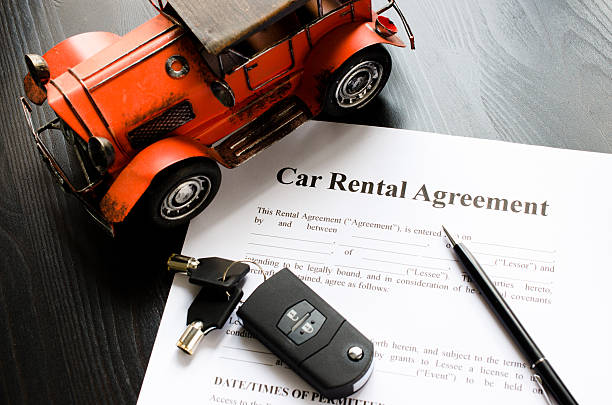
Car Hire can make a trip easier and more flexible. It gives you the freedom to travel on your own schedule. You can also reach places that public transport may not serve conveniently. However, the price you see in an advertisement may not always match the final amount you pay. Insurance, deposits, fuel, mileage limits, and additional services can all affect the total cost.
If you are looking at different rental options, take time to understand what each deal includes. A low daily rate can look attractive at first. However, extra fees can make the final price much higher. This guide explains the rental process and highlights the key details you should check before booking.
How Does Car Hire Work?
The rental process usually follows a few simple steps. First, choose your travel dates and preferred pickup location. Then, compare the vehicles available for those dates. Once you find a suitable option, read the rental conditions carefully.
After that, you can make the booking and provide the required information. At collection, the rental company will check your documents and give you the vehicle. Before leaving, inspect the car carefully and report any existing damage.
Finally, return the vehicle at the agreed time and location. Follow the fuel and mileage conditions stated in your agreement. Keeping the process simple starts with understanding the terms before you make a payment.
Look Beyond the Advertised Rental Price
The cheapest advertised rate does not always represent the cheapest overall option. Rental companies may display a basic price that excludes certain services or charges. Therefore, check the full cost before making your decision.
Start by checking whether taxes and mandatory fees appear in the quoted price. Next, consider the type and size of the vehicle. A small car may work well for two passengers, while a larger group may need additional space for luggage.
Mileage also deserves attention. Some agreements include unlimited mileage, while others set a daily or overall limit. Exceeding that allowance can result in extra charges.
The fuel policy matters too. Some companies require you to return the vehicle with a full tank. Others use different arrangements. Understanding the policy in advance can help you avoid unnecessary costs.
You should also check the deposit, cancellation conditions, additional-driver fees, and age requirements. These details can vary between providers and locations.
Understand Insurance and Excess
Rental insurance can seem complicated because providers use different terms for their protection options. Basic cover may include third-party liability. Additional protection may cover damage to the rental vehicle or theft, although exclusions and conditions can apply.
Collision Damage Waiver, often called CDW, commonly relates to damage to the rental vehicle. However, you should not assume that it covers every possible situation. Read the specific terms attached to the agreement.
The excess is another important point. If the rental vehicle suffers covered damage, you may still need to pay an amount up to the stated excess. The exact amount depends on your agreement and the circumstances of the incident.
Some renters consider separate excess reimbursement insurance. Whether this suits you depends on your circumstances and the protection already included in the rental agreement.
Most importantly, never assume that a cheap rental automatically includes extensive insurance. Check the cover, exclusions, excess, and conditions before collecting the vehicle.
What Documents Do You Need?
Car Hire documents required for a rental can vary by company and destination. However, you will generally need a valid driving license and your booking information. You may also need a passport or another accepted form of identification.
Some drivers may need to provide additional license information. International visitors may also require an International Driving Permit in certain countries or situations.
Always check the rental company’s requirements before your journey. Missing documentation can delay collection. In some cases, the company may refuse to release the vehicle if you cannot provide the required documents.
It is also worth checking the payment-card requirements. Some providers require a particular type of card for the security deposit. Confirm this before travelling to avoid problems at the collection desk.

Inspect the Vehicle Before Driving Away
A careful inspection can protect you from disputes later. Before leaving the rental location, walk around the entire vehicle. Look for scratches, dents, paint damage, and other marks.
Check the wheels and tyres as well. Inspect the windscreen and windows for chips or cracks. Inside the vehicle, look for stains, damage, or missing items.
You should also check the mileage and fuel level. Make sure the information matches the rental agreement. If you notice warning lights or anything unusual, tell the rental provider before driving away.
Take clear photographs or a short video of the vehicle. Capture existing damage from several angles. If possible, ask the rental company to record any significant issues in the inspection report.
Keep these records until the rental period ends and any final charges have been settled. They can provide useful evidence if questions arise about the vehicle’s condition.
How to Prevent Unexpected Charges
Understanding the agreement can help you avoid many additional costs. Start by checking the deposit amount and the conditions for its release. Also, follow the agreed fuel policy and remain within the permitted mileage.
If someone else plans to drive the vehicle, confirm whether the company charges for an additional driver. Avoid optional extras unless you genuinely need them. For example, some customers may prefer to bring their own compatible equipment instead of paying for an unnecessary rental add-on.
Late returns can also lead to extra charges. Plan your journey carefully and allow enough time to return the vehicle. If you intend to cross an international border, check the provider’s rules first. Some companies restrict cross-border travel or require additional permission and fees.
Keep your booking confirmation, rental agreement, receipts, and vehicle photographs throughout the rental. These records can make it easier to address billing questions later.
Return the Vehicle Correctly
Return the vehicle at the agreed time and location. Before returning it, check the fuel level and follow the stated fuel policy. If you need to refuel, keep the receipt when appropriate.
Take another set of photographs before handing over the keys. Capture the exterior, interior, mileage, and fuel level. If the location offers a return inspection, allow enough time for it.
Ask for confirmation that the vehicle has been returned successfully. After the rental ends, monitor your payment account or card statement. Make sure the expected deposit refund arrives and check for any unexpected charges.
Final Thoughts
A successful rental experience starts with more than finding a low daily rate. Take time to understand the complete price, insurance, excess, deposit, mileage, fuel policy, and return requirements. Before collecting the vehicle, inspect it carefully and record its condition. During the rental, follow the agreed terms. When you return the car hire, document its condition again and keep your records. In short, read the rental agreement before you book. Do not wait until you reach the collection desk to discover important conditions.
Author


Haffele Kitchen Dealer in Thrissur: Upgrade Your Home in Style

Project Capri Clothing: Hoodies, Jorts & Modern Streetwear 2026

Why Continuous Learning Matters for Business Leaders

Accurate As-Built Drawings Are the Foundation of Successful Commercial

The Best Asset Management System in UAE

Kentucky Bourbon Trail Tours What Is Included and How to Plan a Trip

Point Cloud to BIM for Renovation Projects: From 3D Scanning

Cash Only A Modern Approach to Everyday Streetwear

Balance With Dedicated Oversight From the Best Virtual Psychiatrist

Malware Protection Solutions for Business Data Security

Cybersecurity Consulting Company SequelNet Provides Critical IT Support Services to Medical Billing Firm, Medical Optimum

Meet the Megalodon: The Shark Star of ‘Meg 2’

Reduce Video Game Lag: Level Up Your Gaming Performance

Balancing India’s Entertainment: Cricket vs. Bollywood

Jetsetter’s Secrets: Unveiling Our Favorite Travel Hacks for a Seamless Adventure

The 5 Best Live Sports Streaming Sites: Legal and Exciting!

Hollywood Labor Unrest: The Impact of ‘What About Us?’ Strikes

Unveiling the Magic of Dream Fulfillment at the Late NBA Draft

Illuminate Your Skin: Dr. Axe Unveils Natural Remedies for Lightening Knees and Elbows

Bright Choices: Navigating the Pros and Cons of Skin Whitening Creams with Dr. Axe
-

 Business3 years ago
Cybersecurity Consulting Company SequelNet Provides Critical IT Support Services to Medical Billing Firm, Medical Optimum
-
Entertainment3 years ago
Meet the Megalodon: The Shark Star of ‘Meg 2’
-
Entertainment3 years ago
Reduce Video Game Lag: Level Up Your Gaming Performance
-
 Sports3 years ago
Balancing India’s Entertainment: Cricket vs. Bollywood
-
Entertainment3 years ago
Jetsetter’s Secrets: Unveiling Our Favorite Travel Hacks for a Seamless Adventure
-
Productivity3 years ago
The 5 Best Live Sports Streaming Sites: Legal and Exciting!
-
Art /Entertainment3 years ago
Hollywood Labor Unrest: The Impact of ‘What About Us?’ Strikes
-
Sports3 years ago
Unveiling the Magic of Dream Fulfillment at the Late NBA Draft






