
Finance
Swiss Authorities Crack Down on Corruption: Ex-Petro Saudi Executives Charged in 1MDB Case


Corruption has been a major issue for many countries around the world, and it’s something that authorities are constantly trying to crack down on. Recently, Swiss authorities have taken a significant step in this ongoing battle by charging several former executives of Petro Saudi with corruption related to the 1MDB case. The charges highlight how global players can be held accountable for their actions when they engage in corrupt practices. In this blog post, we will explore what led to these charges and what implications they could have going forward.
Swiss authorities charge ex-Petro Saudi executives in 1MDB case
Swiss authorities have charged three former executives of Petro Saudi, a privately owned oil company, for their alleged involvement in the 1MDB scandal. The individuals were accused of failing to disclose that $700 million sent to 1MDB from Petro Saudi was funnelled into shell companies and used for personal gain.
The charges are part of an ongoing investigation by Swiss prosecutors into the money laundering and embezzlement activities surrounding 1MDB, a state investment fund in Malaysia. This latest development shows how international authorities are working together to hold accountable those who engage in corrupt practices.
According to reports, one of the indicted executives has been arrested in London following Switzerland’s request for extradition. The other two individuals remain at large and have yet to comment on the charges against them.
This move by Swiss authorities sends a strong message that corruption will not be tolerated anywhere in the world, regardless of where it takes place or who is involved. It also highlights how important it is for corporations and individuals to conduct themselves ethically and transparently when engaging with foreign entities or investments.

What is the 1MDB case?
The 1MDB case refers to a financial scandal that rocked Malaysia in 2015. The issue centered around the country’s state investment fund, called the 1Malaysia Development Berhad (1MDB), which was set up by former Prime Minister Najib Razak in 2009.
The controversy began when reports emerged that $4.5 billion had gone missing from the fund and allegations arose of corruption, money laundering, and embezzlement. Investigations into the matter revealed that various individuals linked to the fund had siphoned off millions of dollars for personal gain.
The scandal sent shockwaves across Malaysia and led to protests calling for Razak’s resignation. Eventually, investigations were launched by authorities across multiple countries including Switzerland, Singapore, and the United States.
The fallout from this case has been far-reaching with several high-ranking officials implicated in wrongdoing including Jho Low – a Malaysian businessman who is believed to have masterminded much of the fraud – as well as Goldman Sachs executives who helped raise billions for 1MDB through bond sales.
This case highlights how corruption can undermine public trust in institutions while also demonstrating how international cooperation can help bring perpetrators of financial crimes to justice.
The role of Swiss authorities in the 1MDB case
Swiss authorities have played a crucial role in the investigation of the 1MDB corruption scandal. The Swiss Attorney General’s Office launched its own criminal probe into the case in April 2016, following reports that funds linked to 1MDB had been laundered through Swiss banks.
The investigation has led to charges against several individuals and financial institutions, including two former executives of Petro Saudi International Ltd., who are accused of accepting bribes and engaging in money laundering activities. The charges were filed by Swiss prosecutors after they uncovered evidence linking the executives to suspicious transactions involving funds from Malaysia’s sovereign wealth fund.
Switzerland has also frozen millions of dollars worth of assets related to the case and provided assistance to other countries involved in investigating the scandal. In addition, Switzerland has enacted new laws aimed at preventing money laundering and improving transparency in financial transactions.
It is clear that Swiss authorities have played an important role in uncovering wrongdoing related to the 1MDB case. Their efforts have helped expose corruption on a global scale and send a message that such behavior will not be tolerated.
The response of the Petro Saudi executives
Upon hearing the news of their charges in the 1MDB case, the Petro Saudi executives have not remained silent. In fact, they vehemently deny any wrongdoing and are prepared to fight the charges in court.
One of the executives released a statement expressing his disappointment with Swiss authorities for charging him without evidence. He claims that he has always acted within legal boundaries and is confident that he will be vindicated.
Another executive has reportedly hired a top-notch legal team to defend himself against these charges. He maintains his innocence and argues that there is no concrete evidence linking him to any illegal activities related to 1MDB or otherwise.
Despite their protests, it remains to be seen what evidence Swiss authorities have gathered against them. The 1MDB scandal has already caused significant damage on multiple fronts – from Malaysia’s economy to global financial institutions – so it’s important that justice is served swiftly and accurately.
As this case moves forward, we can only hope for transparency and accountability from all parties involved.
The implications of the charges
The charges against the ex-Petro Saudi executives in the 1MDB case have significant implications for both the individuals involved and the wider business community. Firstly, it sends a strong message that corruption will not be tolerated by authorities worldwide. This is particularly important given the complex global financial systems which can facilitate such illegal activities.
The charges also highlight the importance of due diligence when engaging with foreign entities, especially those located in high-risk jurisdictions. The Petro Saudi executives are accused of facilitating money laundering and bribery on behalf of 1MDB, which could have been prevented if proper checks had been conducted.
Additionally, these charges may lead to increased scrutiny of other companies operating in similar circumstances or industries. Companies who fail to adhere to strict compliance policies may find themselves facing legal action from authorities keen to root out corruption and uphold justice.
There may be reputational damage for both Petro Saudi and its former employees as well as potential impacts on their future careers or business opportunities. The accusations made against them serve as a warning to others that corrupt behavior will ultimately come at a cost – whether financial or otherwise – making them an example for everyone else who thinks about breaking laws.
While these charges are only one step towards accountability and transparency within global finance industry but this sends an important signal that no company or individual is above law enforcement agencies’ reach when they engage in fraudulent activities benefiting from tax havens like Switzerland leading more effectively fight against offshore accounts being used for corrupt purposes around world.s
Conclusion
The Swiss authorities’ crackdown on corruption is a significant step towards holding those responsible for the 1MDB scandal accountable. The charges against ex-Petro Saudi executives show that no one is above the law and that financial crimes will not go unnoticed or unpunished.
The collaboration between different countries, including Switzerland, in tackling corruption has proved to be fruitful. It sends a powerful message to corrupt individuals and organizations worldwide that their actions will not go unchecked.
As more investigations continue into the 1MDB case, we can only hope that justice prevails and all those involved are held accountable for their actions. The world needs more transparency in financial transactions to prevent such scandals from happening again.
It is essential to remember that fighting corruption requires everyone’s participation- individuals, corporations, governments, and regulatory bodies must all work together to create a fairer society where everyone plays by the same rules. Only then can we hope for true accountability and transparency in our global financial systems.
Author


Running a business is not just about making profits. It is also about managing daily expenses smoothly. Many businesses in India face cash flow issues, even when they are doing well on paper. Payments from customers may get delayed, but expenses like salaries, rent, and supplier payments cannot wait.
This is where working capital finance becomes important. It helps businesses manage short-term financial needs and keeps operations running without interruption.
In today’s fast-moving business environment, especially for MSMEs, having access to quick and flexible funding is no longer optional. It is a necessity. This guide explains everything businesses need to know about working capital finance in India in a simple and practical way.
What Is Working Capital Finance?
Working capital finance refers to the funds that businesses use to manage their day-to-day operations. It helps cover short-term expenses and ensures that there is no gap between incoming and outgoing cash.
In simple terms, it is the money a business uses to run its daily activities.
These activities include:
- Paying employee salaries
- Purchasing raw materials
- Managing inventory
- Paying suppliers
- Handling operational expenses
For example, if a business sells goods but receives payment after 30–60 days, it may face a temporary shortage of funds. Working capital finance helps bridge this gap.

Why Working Capital Finance Is Important for Businesses
Maintains Smooth Cash Flow
Cash flow is the backbone of any business. Even profitable businesses can struggle if cash is not available when needed. Working capital finance ensures there is always enough liquidity to run operations.
Helps Manage Short-Term Expenses
Daily expenses cannot be delayed. Businesses need immediate funds to pay vendors, employees, and other costs. This type of financing helps manage these needs easily.
Supports Business Growth
When businesses have access to funds, they can take on more orders, expand operations, and invest in growth opportunities without worrying about cash shortages.
Reduces Financial Stress
Uncertain cash flow can create pressure on business owners. With proper financing, businesses can focus on growth instead of worrying about payments.
Types of Working Capital Finance in India
Understanding the types of working capital finance helps businesses choose the right option.
Fund-Based Working Capital Finance
This involves direct funding from financial institutions.
Common types include:
- Cash Credit: Businesses can withdraw funds up to a set limit
- Overdraft: Allows withdrawal beyond account balance
- Short-Term Loans: Fixed amount borrowed for a short period
These are widely used but may involve collateral and longer approval times.
Non-Fund Based Working Capital Finance
In this case, banks do not provide direct funds but offer financial guarantees.
Examples:
- Letter of Credit (LC): Assures payment to suppliers
- Bank Guarantee: Ensures commitment fulfilment
These are useful for trade and large transactions.
Invoice Discounting
Invoice discounting is one of the most effective ways to manage cash flow.
In this method:
- Businesses sell their unpaid invoices
- They receive funds immediately instead of waiting for customer payment
This improves liquidity without taking traditional loans. It is especially useful for MSMEs dealing with delayed payments.
How Working Capital Finance Works
The process of working capital finance is simple and practical.
- Identify Requirement
The business identifies a need for funds to manage operations - Apply for Financing
The business applies through a bank, NBFC, or digital platform - Approval Process
Based on eligibility, documents, and credit profile - Disbursement of Funds
Funds are provided or credit limit is assigned - Repayment
Repayment is done as per agreed terms
In digital platforms, this process is much faster and involves less paperwork.
Key Sources of Working Capital Finance in India
Businesses in India can access working capital finance from different sources.
Traditional Banks
Banks are the most common source. They offer loans, overdrafts, and credit facilities. However, they often have strict eligibility criteria and slower approval processes.
NBFCs (Non-Banking Financial Companies)
NBFCs offer faster processing compared to banks. They are more flexible but may have slightly higher interest rates.
TReDS Platforms
TReDS (Trade Receivables Discounting System) platforms are designed to help MSMEs get quick access to funds.
They allow businesses to:
- Upload invoices
- Get them financed by multiple lenders
- Receive funds quickly
This is a digital and efficient way to access working capital finance without traditional hurdles.
Benefits of Working Capital Finance
Working capital finance offers several advantages to businesses.
- Improves Liquidity: Ensures availability of funds when needed
- Faster Operations: No delays in production or delivery
- Flexible Options: Businesses can choose suitable financing methods
- Better Credit Management: Helps maintain a healthy payment cycle
- Supports Expansion: Businesses can grow without financial stress
Eligibility Criteria for Working Capital Finance
Eligibility depends on the lender and financing type, but common factors include:
- Business should be operational for a certain period
- Minimum turnover requirement
- Good credit history
- Strong financial records
- Valid invoices (for invoice discounting)
MSMEs with consistent business activity have better chances of approval.
Documents Required
Businesses usually need to submit the following documents:
- KYC documents (PAN, Aadhaar, etc.)
- Business registration proof
- Financial statements
- GST returns
- Bank statements
- Invoices (for invoice-based financing)
Digital platforms often reduce documentation and simplify the process.
Challenges Businesses Face Without Working Capital Finance
Without proper funding, businesses may face several issues:
- Cash Flow Gaps: Difficulty in managing daily expenses
- Delayed Payments: Unable to pay suppliers on time
- Limited Growth: Missed opportunities due to lack of funds
- Dependence on Loans: Over-reliance on high-interest borrowing
These challenges can slow down business performance and growth.
How to Choose the Right Working Capital Finance Option
Choosing the right option depends on business needs.
Consider the following factors:
- Business Size: Small businesses may prefer flexible options
- Industry Type: Different industries have different cash cycles
- Urgency: Immediate needs require faster solutions
- Cost: Compare interest rates and fees
- Repayment Terms: Choose what suits cash flow
It is important to pick a solution that supports operations without creating financial pressure.
Role of Digital Platforms in Working Capital Finance
Digital platforms are changing how businesses access finance in India.
They offer:
- Quick approvals
- Minimal paperwork
- Transparent processes
- Access to multiple lenders
- Faster disbursement
For MSMEs, digital platforms have made working capital finance more accessible and efficient. They reduce dependency on traditional banking systems and provide better control over finances.
Conclusion
Working capital finance plays a crucial role in keeping businesses running smoothly. It helps manage daily expenses, maintain cash flow, and support growth.
In India, especially for MSMEs, access to timely funding can make a big difference. Traditional financing methods are still relevant, but digital solutions are making the process faster and more convenient.
Businesses that understand and use working capital finance wisely can avoid cash flow problems and focus on long-term success.
Author



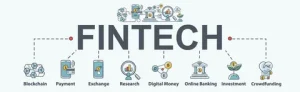
The digital ecosystem is evolving rapidly, and businesses are no longer confined to a single domain. Many companies that began their journey in financial technology are now expanding into mobility solutions such as ride-sharing, logistics, and smart transportation apps. This shift from fintech to mobility is not just a trend—it’s a strategic move driven by changing user expectations, technological advancements, and the growing demand for integrated services.
However, entering a new domain requires careful planning and execution. Choosing the right app development strategy is critical to ensure scalability, security, and long-term success.
Understanding the Shift: Fintech to Mobility
Fintech applications are primarily focused on secure transactions, data protection, and compliance. Mobility apps, on the other hand, emphasize real-time tracking, user experience, and operational efficiency. While these domains differ in functionality, they share common technological foundations such as cloud computing, APIs, and mobile-first design.
Businesses already working with fintech app development companies often have an advantage. They are familiar with building secure, scalable systems—skills that are equally valuable in mobility app development.
Why Businesses Are Expanding into Mobility
1. Growing Demand for On-Demand Services
Users today expect convenience at their fingertips. Whether it’s booking a ride or tracking a delivery, mobility apps fulfill real-time needs, making them highly profitable.
2. Opportunity for Integration
Fintech apps can integrate seamlessly with mobility platforms. For example, digital wallets, payment gateways, and subscription billing systems enhance the user experience in ride-hailing or logistics apps.
3. Diversification of Revenue Streams
Expanding into mobility allows businesses to tap into new markets and create additional revenue channels.
Key Differences in Development Strategy
Before transitioning, it’s essential to understand how fintech and mobility app strategies differ:
| Aspect | Fintech Apps | Mobility Apps |
|---|---|---|
| Core Focus | Security & compliance | Real-time operations |
| User Experience | Trust & reliability | Speed & convenience |
| Technology | Encryption, APIs | GPS, IoT, real-time data |
| Scalability | Transaction volume | User & fleet management |
A successful transition requires combining the strengths of both domains.
Choosing the Right Development Approach
1. Define Your Business Goals
Start by identifying what you want to achieve. Are you building a ride-hailing platform, a fleet management system, or a logistics solution? Your goals will determine the features, technology stack, and development timeline.
2. Select the Right Technology Stack
Mobility apps require technologies like:
- GPS and geolocation services
- Real-time data processing
- Cloud infrastructure
- AI for route optimization
If you’re already using fintech app development services, you can reuse certain backend components like payment systems and user authentication.
3. Focus on User Experience (UX)
In mobility apps, user experience is everything. A delay of even a few seconds can impact user satisfaction. Ensure:
- Fast load times
- Intuitive navigation
- Real-time updates
4. Ensure Security and Compliance
While mobility apps are less regulated than fintech apps, they still handle sensitive user data. Implement:
- Data encryption
- Secure payment gateways
- Compliance with local regulations
Your experience working with fintech app development companies will be valuable here.
5. Build a Scalable Architecture
Mobility apps often experience rapid growth. A scalable architecture ensures your app can handle increasing users and data without performance issues.
The Role of Fintech Expertise in Mobility Apps
Fintech expertise plays a crucial role in mobility applications, especially in areas like:
- Payments: Seamless in-app transactions
- Subscriptions: Monthly ride or delivery plans
- Fraud Detection: Preventing misuse of services
- Analytics: Understanding user behavior
Businesses that hire fintech software developers gain a competitive edge by integrating robust financial systems into mobility platforms.
Development Models to Consider
1. In-House Development
Best for companies with strong technical teams. Offers full control but requires significant investment.
2. Outsourcing to Experts
Partnering with fintech app development companies or mobility specialists ensures faster development and access to experienced professionals.
3. Hybrid Model
A combination of in-house and outsourced software development provides flexibility and cost efficiency.
Cost Considerations
The cost of developing a mobility app depends on several factors:
- App complexity
- Features and integrations
- Development team location
- Technology stack
On average, a basic mobility app can cost between $25,000 to $80,000, while advanced solutions may exceed $150,000.
Leveraging existing fintech infrastructure can help reduce costs significantly.
Common Challenges and How to Overcome Them
1. Real-Time Data Management
Mobility apps rely heavily on real-time updates. Use cloud-based solutions and efficient APIs to handle large data volumes.
2. User Retention
Offer features like loyalty programs, discounts, and seamless payments to keep users engaged.
3. Integration Complexity
Integrating fintech features into mobility apps can be challenging. Working with experienced fintech app development services providers can simplify the process.
Future Trends in Fintech and Mobility Integration
1. AI and Machine Learning
AI will play a major role in route optimization, demand prediction, and fraud detection.
2. Blockchain Technology
Blockchain can enhance transparency and security in payments and data sharing.
3. IoT Integration
Connected devices will improve fleet management and real-time tracking.
4. Super Apps
The future lies in super apps that combine fintech, mobility, and other services into a single platform.
Best Practices for Success
- Start with a minimum viable product (MVP)
- Focus on scalability from day one
- Prioritize user experience
- Ensure strong security measures
- Continuously update and improve your app
Conclusion
Transitioning from fintech to mobility is a strategic move that can unlock new growth opportunities. By leveraging existing fintech expertise and adopting the right app development strategy, businesses can build innovative, scalable, and user-friendly mobility solutions.
Whether you choose to work with fintech app development companies or build an in-house team, the key lies in aligning your technology, goals, and user expectations. Investing in the right approach today will ensure long-term success in this rapidly evolving digital landscape.
Author




Author



CNC Tools in Modern Manufacturing: Benefits & Future Trends

Avoid Costly Document Mistakes with Professional Notary Services

Mini vs Full Tummy Tuck: Complete Guide Islamabad

Formulation Development in 2026: Drug Delivery Innovations

Luxury RV Resorts Texas vs Standard RV Parks: The Difference?

Best Hair Transplant Clinic in Pakistan – JJ Aesthetics

Essentials Tracksuit UK Guide: Styles, Fits, Colors & Buying Tips

Working Capital Finance: Guide for MSMEs, Types & Benefits

Beard Hair Transplant: Procedure, Benefits And Recovery

Corteiz Cargos Official Store: Streetwear Style & Sustainability

Cybersecurity Consulting Company SequelNet Provides Critical IT Support Services to Medical Billing Firm, Medical Optimum

Team Communication Software Transforms Operations at Finance Innovate

Project Management Tool Transforms Long Island Business

How Alleviate Poverty Utilized IPPBX’s All-in-One Solution to Transform Lives in New York City

Breast Cancer: The Imperative Role of Mammograms in Screening and Early Detection

Unstoppable Collaboration: D.C.’s Citi Open and Silicon Valley Classic Unite to Propel Women’s Tennis to New Heights

Embracing Renewal: Sizdabedar Celebrations Unite Iranians in New York’s Eisenhower Park

The Benefits of Starting a Side Hustle for Financial Freedom

New Blood Donation Screening Questions What You Need to Know

Stylishly Timeless: The 5 Types of Sandals You Need in Your Closet
-

 Business3 years ago
Cybersecurity Consulting Company SequelNet Provides Critical IT Support Services to Medical Billing Firm, Medical Optimum
-
Business3 years ago
Team Communication Software Transforms Operations at Finance Innovate
-
Business3 years ago
Project Management Tool Transforms Long Island Business
-
Business3 years ago
How Alleviate Poverty Utilized IPPBX’s All-in-One Solution to Transform Lives in New York City
-
health3 years ago
Breast Cancer: The Imperative Role of Mammograms in Screening and Early Detection
-
Sports3 years ago
Unstoppable Collaboration: D.C.’s Citi Open and Silicon Valley Classic Unite to Propel Women’s Tennis to New Heights
-
Art /Entertainment3 years ago
Embracing Renewal: Sizdabedar Celebrations Unite Iranians in New York’s Eisenhower Park
-
Finance3 years ago
The Benefits of Starting a Side Hustle for Financial Freedom







