
Law Government
House Effort Extend Surveillance Law Ends in Unexpected Failure


Law Government
Marriage Green Card Denied? What Happens Next and Can You Reapply?


Receiving a marriage-based green card denial from U.S. Citizenship and Immigration Services (USCIS) can be stressful, especially when you and your spouse have built your life around the immigration process.
But a denial does not always mean you have lost every opportunity to obtain a green card.
Your next steps depend on why USCIS denied the case, which application was rejected, and whether you remain eligible for another immigration option.
Before filing another application or leaving the United States, understand what the denial actually means.
What Should You Do After a Marriage Green Card Denial?
- Read the denial notice and identify the exact reason.
- Determine whether USCIS denied Form I-130, Form I-485, or both.
- Check whether an appeal or motion is available.
- Consider refiling only after addressing the original problem.
- Review your immigration status, work authorization, and travel options before taking action.
Important: An I-130 denial and an I-485 denial have different legal consequences and different review procedures.
Why Does USCIS Deny Marriage-Based Green Card Applications?
USCIS may deny a marriage-based green card application for several reasons.

| Common reason | What USCIS may question |
|---|---|
| Insufficient marriage evidence | Whether the marriage was entered into in good faith |
| Inconsistent information | Differences in dates, addresses, or statements |
| Missing documents | Required forms or supporting evidence |
| Interview concerns | Conflicting answers or unresolved questions |
| Immigration history | Previous violations or inadmissibility |
| Adjustment eligibility | Whether the applicant qualifies to apply for a green card inside the United States |
A genuine marriage does not automatically establish eligibility for adjustment of status. The applicant must also meet the applicable immigration requirements.
Form I-130 Denied vs. Form I-485 Denied: What Is the Difference?
This is one of the most important distinctions after a marriage green card denial.
Form I-130: Petition for Alien Relative
The I-130 establishes the qualifying family relationship. If USCIS denies it, the underlying marriage-based immigrant petition has not been approved.
The U.S. citizen or permanent resident petitioner may generally have the right to appeal an eligible I-130 denial to the Board of Immigration Appeals (BIA), or seek review through an appropriate motion.
Form I-485: Application to Register Permanent Residence or Adjust Status
The I-485 determines whether the applicant qualifies to receive permanent residence from within the United States.
A denied I-485 generally cannot be administratively appealed, although a motion to reopen or reconsider may be available. A new application or another immigration proceeding may also be possible depending on the circumstances.
If both applications were filed together, the denial of the I-130 may also result in the denial of the I-485.
Can You Reapply After a Marriage Green Card Denial?
In some cases, yes.
However, submitting the same application with the same evidence may lead to another denial.
Consider these situations:
- Insufficient marriage evidence: You may be able to submit a new petition with stronger, genuine evidence of your marital relationship.
- Missing documents: A new filing may be possible after correcting the documentation problems.
- Adjustment of status problems: You may need to evaluate whether you qualify under a different immigration pathway.
- Previous immigration violations: Additional legal review may be necessary before deciding whether to refile.
Some legal findings, particularly a determination involving marriage fraud under Section 204(c) of the Immigration and Nationality Act, can have serious consequences for future family-based petitions. Such findings should not be treated as ordinary paperwork problems.
Appeal, Motion or Refiling: Which Option Is Right?
Your options depend on the type of denial and the reason USCIS gave.
| Option | When it may be appropriate |
|---|---|
| Appeal | When the particular petition or decision is appealable and the petitioner has appeal rights |
| Motion to reopen | When new facts or evidence may change the decision |
| Motion to reconsider | When USCIS may have incorrectly applied the law or policy |
| New application | When the applicant remains eligible and the original issue can be corrected |
For motions, Form I-290B is commonly used where applicable. The filing deadline and eligibility requirements must be checked against the specific decision notice.
Do not assume that every denial can be appealed or that refiling automatically resolves an earlier adverse finding.
What Happens to Your Work Permit and Immigration Status?
This is an issue applicants should not overlook.
If your employment authorization was based on a pending Form I-485, a denial can affect your ability to continue working under that authorization.
Your options may depend on whether you have another valid immigration status, a timely motion or appeal where permitted, or another pending immigration application.
A denial can also create removal-related concerns if you no longer have lawful status. Do not assume that filing a new petition automatically protects you from removal.
Before traveling outside the United States, obtain legal advice about the consequences of the denial and your immigration history.
When Should You Contact a Marriage Green Card Lawyer?
An attorney review is particularly important when:
- USCIS questions whether your marriage is genuine.
- Your I-130 and I-485 were both denied.
- You received a denial involving fraud or misrepresentation.
- You have previous removal proceedings or immigration violations.
- Your work authorization or lawful status may be affected.
- You are deciding between an appeal, motion, or new filing.
The Law Office of Abhisha Parikh’s marriage-based green card legal services help couples navigate complex family immigration matters and USCIS application concerns.
You can also read our guide on responding to a marriage green card RFE or NOID to understand how addressing USCIS concerns before a final decision can matter.
Frequently Asked Questions
1. Can I apply again after my marriage green card is denied?
Possibly. You must first identify the reason for denial and determine whether you remain eligible. Some findings may create serious obstacles to a new application.
2. Can I appeal a denied marriage-based I-130?
Generally, the petitioner may appeal an eligible I-130 denial to the BIA. The denial notice explains the applicable appeal procedure and deadline.
3. Can I appeal a denied marriage-based I-485?
Generally, there is no administrative appeal from an ordinary adjustment-of-status denial. A motion to reopen or reconsider may be available, depending on the circumstances.
4. Does a denied marriage green card mean my marriage is considered fraudulent?
No. A denial does not automatically establish marriage fraud. USCIS may deny an application because of insufficient evidence, eligibility problems, or other legal concerns.
5. Can I stay in the United States after my green card application is denied?
That depends on your immigration status and individual circumstances. A pending or denied I-485 does not automatically give you lawful immigration status.
Get Legal Guidance Before Your Next Immigration Filing
A marriage green card denial should be evaluated carefully before you decide whether to appeal, file a motion, or submit a new application.
The Law Office of Abhisha Parikh focuses exclusively on U.S. immigration law and assists individuals and families with marriage-based immigration matters.
If USCIS has denied your marriage green card application, schedule an immigration consultation with Immigration Vision to discuss your circumstances and possible next steps.
This article provides general immigration information and is not a substitute for individual legal advice.
Author


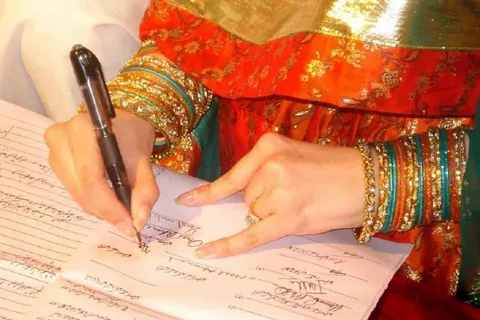
Getting married is a major milestone, but completing the legal paperwork is equally important. In Pakistan, couples need proper marriage registration to establish their marital status in official records. A Marriage serves as important evidence of a legally registered marriage and can become necessary for immigration, visa applications, family registration, banking, inheritance, and other legal matters.
Many people also search for terms such as NADRA Marriage Certificate, Online or Marriage Registration Certificate. However, the process can seem confusing when you do not know which authority handles each step. This guide explains the registration process, required documents, eligibility, overseas procedures, and common issues in simple language.
What Is a Marriage Certificate in Pakistan?
A Certificate is an official document that confirms that a marriage has been registered with the appropriate local authority in Pakistan. The marriage itself takes place through the Nikah process, while registration records the marriage with the relevant government authority.
This document can help couples when they need to:
- Apply for a visa or immigration
- Sponsor a spouse or family member
- Update government records
- Complete banking or insurance requirements
- Deal with inheritance or property matters
- Provide proof of marital status to an embassy
- Handle legal matters in Pakistan or another country
Proper registration gives couples an official record that can support their legal and administrative needs.
What Does NADRA Have to Do With Marriage Registration?
The term NADRA Marriage Certificate often causes confusion. NADRA maintains national identity records, but the original marriage registration does not normally begin with NADRA. Instead, an authorized Nikah Registrar records the marriage, and the relevant Union Council or local government authority handles the registration.
Once the marriage information enters the official system, couples may need related documentation for NADRA records or other government services. Therefore, it is important to understand which document you need before starting the application.
Nikah Nama vs. Marriage Registration Certificate
A Nikah Nama and a Marriage Registration Certificate are related, but they are not the same document.
The Nikah Nama records the details and conditions agreed upon during the Nikah. It contains information about the bride, groom, witnesses, marriage terms, and other relevant details. The authorized Nikah Registrar completes and processes it.
The Marriage Registration Certificate confirms that the marriage has been officially registered with the relevant authority. Government departments, embassies, and immigration offices may request this certificate when they need formal proof of a registered marriage. Keeping both documents safe is therefore a wise decision.
Who Can Apply?
A legally married couple could seek registration if the marriage took place according to the applicable legal requirements. Pakistani citizens can complete the process through the relevant local authority. Overseas Pakistanis may also arrange registration or documentation through an authorized representative, depending on their circumstances.
People commonly need a Marriage Certificate when they are applying for immigration, sponsoring a spouse, updating official records, or completing documentation for use abroad.
Before applying, confirm the requirements of the authority responsible for your marriage registration. Requirements can vary depending on the location and circumstances of the applicants.
Documents You May Need
Preparing your documents before starting the process can save time. Commonly requested documents include:
- Original Nikah Nama
- CNIC copies of both spouses
- CNIC copies of witnesses, where required
- Passport copies for overseas applicants
- Recent photographs, if requested
- Existing marriage registration records
- Supporting documents requested by the relevant authority
Make sure the names, CNIC numbers, dates, and other personal details match across your documents. Even a small spelling difference can create problems during verification.
Marriage Certificate Procedure in Pakistan
The registration process generally follows several important stages.
Complete the Nikah
First, the marriage must take place through an authorized Nikah Registrar. The bride, groom, witnesses, and other relevant parties provide the required information and signatures.
Register the Marriage
The Nikah Registrar submits the marriage details to the appropriate Union Council or local authority. The authority then records the marriage according to the applicable procedure.
Verify the Information
Officials review the submitted information and supporting documents. They may check personal details and registration records before moving forward.
Receive the Certificate
After completing the required verification, the authority issues the official registration document. Applicants can then use it for legal and administrative purposes. The exact procedure can vary by location. For that reason, applicants should confirm current requirements before submitting their documents.

Can You Get a Marriage Certificate Online?
Online services have made document assistance more convenient, particularly for people who live outside Pakistan. However, an online application does not necessarily mean that every official step happens entirely online.
Depending on the service and authority, professional providers may help with document checking, application preparation, submission guidance, verification, and delivery.
A Marriage Certificate application can therefore become easier to manage remotely when you work with a reliable service provider. Still, applicants should verify what the government authority actually offers online and what steps require physical documentation.
Process for Overseas Pakistanis
Living abroad does not always prevent you from obtaining marriage-related documents from Pakistan. Overseas Pakistanis may need these documents for immigration, spouse sponsorship, residence applications, embassy requirements, or other international matters.
In some cases, an authorized person in Pakistan can assist with document submission and collection. The exact requirements depend on the couple’s situation and the authority handling the registration. If you live overseas, check the document requirements carefully before giving someone authority to act on your behalf.
How Long Does Registration Take?
Processing time can differ from one case to another. The relevant authority, availability of records, document accuracy, verification requirements, and workload can all affect the timeline. You can reduce unnecessary delays by submitting complete documents and checking every detail before filing the application.
Common Problems That Cause Delays
Several simple mistakes can slow down the registration process. These may include incorrect CNIC information, missing documents, spelling differences, incomplete forms, or problems with the original Nikah Nama. An unregistered marriage can also require additional steps before the official record becomes available. Review your paperwork carefully before submission. If you find an error, address it through the appropriate legal channel instead of submitting conflicting information.
Why Is a Certificate Important?
A Certificate can provide valuable legal and practical support throughout married life. Couples may need it when dealing with immigration offices, embassies, banks, insurance companies, courts, inheritance matters, and government departments. It also provides an official record that can help establish the couple’s marital relationship when another organization requests documentary evidence.
Get Professional Assistance
Marriage registration involves important legal documents, so small mistakes can create unnecessary complications. Professional assistance can help you understand the requirements, organize your paperwork, and navigate the registration process more confidently. Whether you live in Pakistan or abroad, make sure you use a legitimate service and verify the current requirements of the relevant authority. A properly registered Marriage can make future legal, immigration, and administrative matters much easier to handle.
Final Thoughts
Obtaining a Marriage Certificate in Pakistan is an important step toward keeping your marital records legally recognized and properly documented. The process may seem complicated at first, especially when you need the certificate for immigration, visa applications, family registration, or use abroad. However, understanding the required documents and registration steps can make the process much easier.
Start by ensuring that your Nikah Nama and identification documents contain accurate information. Then, follow the registration requirements of the relevant Union Council or local authority. If you live overseas or cannot manage the process yourself, professional assistance may also help you handle the paperwork and verification more smoothly.
Most importantly, keep your marriage documents safe after registration. You may need them unexpectedly for legal, financial, immigration, or family-related matters. Taking care of the process properly today can save you significant time and stress in the future.
Author


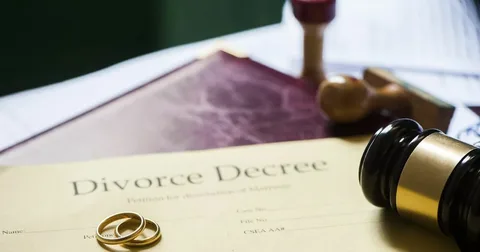
A Union Council Divorce Certificate is an important legal document that confirms the end of a marriage in Pakistan. It provides official evidence that the marriage has ended through the applicable legal process. This document can become essential for government records, immigration matters, remarriage, and other legal requirements.
Many people misunderstand the role of the Union Council or assume that a divorce notice immediately ends the marriage. However, the process involves several legal steps. The requirements can also differ depending on whether the divorce takes place through Talaq or Khula.
This guide explains the process in simple terms. It covers the required documents, Union Council procedure, Khula cases, online services, verification, and common mistakes.
What Is a Union Council Divorce Certificate?
The Union Council issues a Certificate after the relevant legal requirements have been completed. The document confirms that the marriage has legally ended under the applicable family laws of Pakistan.
The certificate can help people deal with various official matters. For example, applicants may need it for government procedures, immigration applications, embassy requirements, remarriage registration, or legal proceedings.
It also helps create a clear record of the marriage’s dissolution. Therefore, people should keep the original document safe and obtain additional copies when necessary.
Why Is This Certificate Important?
A divorce creates several legal and administrative responsibilities. Once the marriage ends, individuals may need to update their marital status in different records. They may also need evidence of the divorce when applying for certain services. The document can support matters such as:
- Proof of the end of a marriage
- Registration of a subsequent marriage
- Visa and immigration applications
- Embassy and foreign documentation
- Family-related legal proceedings
- Property and inheritance matters
- Updates to official records
- Document attestation requirements
For this reason, applicants should not treat the certificate as a minor formality. It can play an important role long after the divorce process ends.
Who Can Apply?
People can seek a Divorce Certificate after completing the relevant legal process. Common situations include Talaq initiated by the husband and Khula obtained through the Family Court.
In some circumstances, spouses may also proceed through a mutually agreed divorce arrangement. However, the exact procedure depends on the circumstances and applicable law.
The Union Council reviews the relevant documents before issuing the final certificate. Applicants should therefore make sure that their paperwork contains accurate and consistent information.
Documents Usually Required
The Union Council may request different documents depending on the case. However, applicants commonly need several basic records, including:
- CNIC copies of both spouses
- Copy of the Nikah Nama
- Written divorce notice, where applicable
- Family Court decree in Khula cases
- Relevant court documents
- Arbitration or reconciliation records, where required
- Application form
- Passport-size photographs, if requested
- Authorization or Power of Attorney documents for representatives
Requirements can vary between cases and jurisdictions. Therefore, applicants should confirm the current requirements with the relevant Union Council before submitting their application.
Divorce Certificate Process in Pakistan
The process usually follows several stages. Understanding each stage can help applicants prepare their documents and avoid unnecessary delays.
Submission of Divorce Notice
In a Talaq case, the husband submits a written divorce notice to the relevant Union Council. The notice allows the local authority to begin the required legal procedure.
Notification of the Spouse
The Union Council notifies the other spouse about the divorce proceedings. This step helps ensure that both parties receive the required information.
Reconciliation Proceedings
The Union Council may establish an Arbitration Council to attempt reconciliation between the spouses. The purpose of this stage is to give both parties an opportunity to resolve the dispute and continue the marriage.
Completion of the Legal Period
If reconciliation does not succeed, the process continues according to the applicable legal requirements. The relevant waiting period and other formalities must finish before the authorities complete the divorce record.
Issuance of the Certificate
After completing the required procedure and checking the relevant records, the Union Council issues the official certificate.

Khula and the Union Council
Khula follows a different route because the wife generally seeks dissolution through the Family Court. The court issues the relevant decree after completing the case. However, the court decree does not replace the Union Council’s role in documenting the divorce. The applicant must provide the required court documents to the relevant Union Council so it can complete the necessary formalities. Therefore, anyone dealing with Khula should keep the original court decree and other important documents secure.
Can You Apply for a Divorce Certificate Online?
Digital legal services have made the process more convenient, especially for people who cannot easily visit Pakistan. Applicants may receive assistance with document preparation, consultations, application procedures, and communication with legal representatives.
However, online assistance does not mean that every part of the legal process happens digitally. The relevant Union Council still handles the official documentation according to its applicable procedure.
Overseas Pakistanis can also authorize representatives in Pakistan through appropriate legal arrangements. This option can reduce the need for repeated international travel.
Does NADRA Issue a Certificate?
People often search for a “NADRA Divorce Certificate,” but this phrase can cause confusion. NADRA handles national identity and related records, while the Union Council handles the official divorce documentation.
The divorce record may later connect with other government records through the applicable update procedures. However, applicants should distinguish between updating a government record and obtaining the official Union Council document.
If an embassy, court, or foreign authority asks for proof of divorce, applicants should confirm exactly which document that authority requires.
How Can You Verify the Certificate?
Verification can become important when you use the document outside Pakistan. For example, an embassy or immigration authority may want confirmation that the document is genuine. Verification may involve checking:
- Certificate number
- Union Council records
- Official stamps
- Authorized signatures
- Names and CNIC details
- Relevant dates and case information
The verification method can differ between authorities. Therefore, applicants should follow the instructions provided by the organization requesting the document.
Common Mistakes to Avoid
Simple mistakes can create unnecessary delays. Applicants should review every document before submission.
Common problems include incorrect CNIC numbers, missing pages, inconsistent names, incomplete applications, and incorrect Union Council jurisdiction. Khula applicants should also make sure they submit the required court decree.
In addition, applicants who use representatives should prepare proper authorization documents. Accurate paperwork can make the overall process much smoother.
Support for Overseas Pakistanis
Living abroad can make legal paperwork more challenging. Applicants may struggle to visit the Union Council, arrange documents, or communicate with local authorities.
An authorized representative can help handle these tasks in Pakistan when the law and relevant authority allow it. Overseas applicants should prepare a valid Power of Attorney and provide all required documents.
Before starting the process, they should also check whether the foreign authority requires attestation, translation, legalization, or another form of verification.
Final Thoughts
Obtaining a Divorce Certificate provides an important record of the legal end of a marriage in Pakistan. The process can involve several stages, especially when the divorce follows Talaq or Khula.
Applicants should prepare their documents carefully and follow the procedure of the relevant Union Council. They should also keep their original documents secure and check whether any additional verification or attestation is necessary.
For overseas Pakistanis, professional legal assistance can simplify communication, paperwork, and representation in Pakistan. With proper preparation and accurate documentation, applicants can reduce avoidable delays and complete the process more efficiently.
Author



QuickBooks Error H505: 9 Ways to Fix It

QuickBooks Migration Failed Unexpectedly: 9 Fixes That Work

Marriage Green Card Denied? What Happens Next and Can You Reapply?

Phantom Stock in India: Meaning, Benefits, Taxation, and How It Works

How to Choose Sweatpants: A Practical Guide

Are Chrome Hearts Tshirt Still Worth Buying in 2026?

Comme Des Garcons Converse Outfits That Make a Statement

Are Chrome Hearts Hoodies Still Worth Buying in 2026?

The New Parke Hoodie Looks Changing Everyday Streetwear

The Texas Guide to Booking Wellness and Longevity Care Online

Cybersecurity Consulting Company SequelNet Provides Critical IT Support Services to Medical Billing Firm, Medical Optimum

Meet the Megalodon: The Shark Star of ‘Meg 2’

Reduce Video Game Lag: Level Up Your Gaming Performance

Balancing India’s Entertainment: Cricket vs. Bollywood

Jetsetter’s Secrets: Unveiling Our Favorite Travel Hacks for a Seamless Adventure

The 5 Best Live Sports Streaming Sites: Legal and Exciting!

Hollywood Labor Unrest: The Impact of ‘What About Us?’ Strikes

Unveiling the Magic of Dream Fulfillment at the Late NBA Draft

Illuminate Your Skin: Dr. Axe Unveils Natural Remedies for Lightening Knees and Elbows

Bright Choices: Navigating the Pros and Cons of Skin Whitening Creams with Dr. Axe
-

 Business3 years ago
Cybersecurity Consulting Company SequelNet Provides Critical IT Support Services to Medical Billing Firm, Medical Optimum
-
Entertainment3 years ago
Meet the Megalodon: The Shark Star of ‘Meg 2’
-
Entertainment3 years ago
Reduce Video Game Lag: Level Up Your Gaming Performance
-
 Sports3 years ago
Balancing India’s Entertainment: Cricket vs. Bollywood
-
Entertainment3 years ago
Jetsetter’s Secrets: Unveiling Our Favorite Travel Hacks for a Seamless Adventure
-
Productivity3 years ago
The 5 Best Live Sports Streaming Sites: Legal and Exciting!
-
Art /Entertainment3 years ago
Hollywood Labor Unrest: The Impact of ‘What About Us?’ Strikes
-
Sports3 years ago
Unveiling the Magic of Dream Fulfillment at the Late NBA Draft






