
Uncategorized
Streetwear Style in 2026: Building a Distinctive Everyday Wardrobe

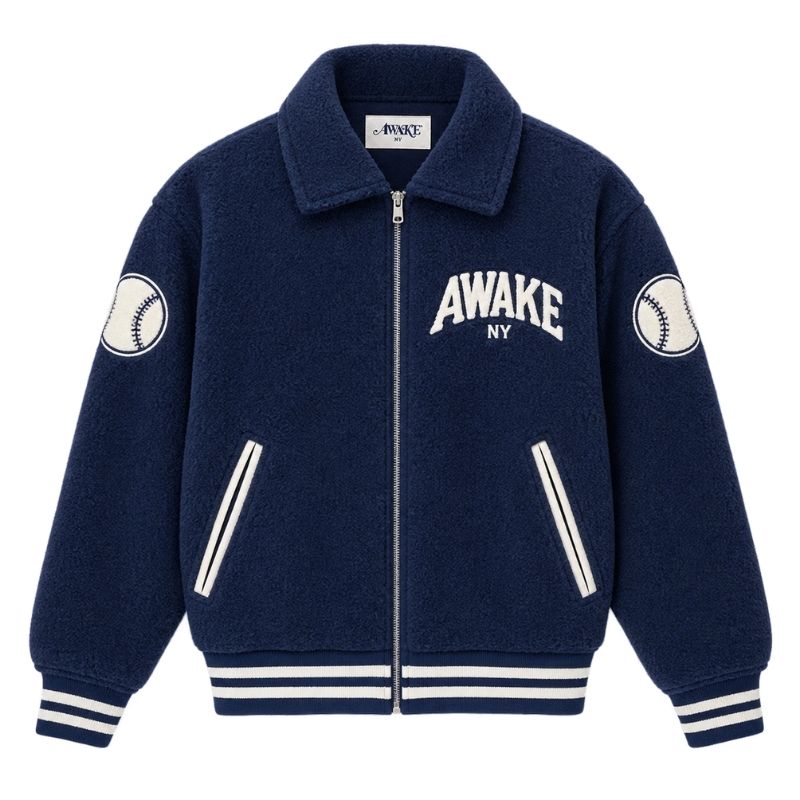
Awakeny represents a broader idea in modern streetwear: clothing can be comfortable, practical, expressive, and connected to everyday culture at the same time. For many people in the US, streetwear is no longer limited to a particular scene or age group. It has become part of everyday dressing, combining relaxed silhouettes, functional layers, graphic details, and versatile basics.
The appeal of streetwear comes partly from its flexibility. A hoodie can work with relaxed trousers, denim, or shorts. A jacket can become the centerpiece of a simple outfit or an extra layer when temperatures change. Rather than following every trend, today’s approach often focuses on creating outfits that feel personal and wearable.
Building that kind of wardrobe does not require dozens of pieces. It starts with understanding fit, fabric, color, layering, and proportion. The goal is to choose clothing that works together while leaving enough room for individual expression.
This guide explores practical ways to create a more versatile streetwear wardrobe and explains how pieces such as an Awakeny Hoodie or Awakeny Jacket can fit into different everyday looks.

Understanding the Modern Streetwear Wardrobe
Streetwear has developed from a collection of influences into a broad style category. Contemporary outfits can borrow from skate culture, sportswear, workwear, vintage fashion, music, and minimalist dressing.
One reason the style remains popular is its ability to combine visual identity with comfort. Instead of treating those qualities as separate, streetwear often brings them together.
A useful wardrobe usually contains a mixture of:
- Relaxed and regular-fit tops
- Hoodies and sweatshirts
- Lightweight and heavyweight jackets
- Straight-leg or relaxed trousers
- Denim
- Casual sneakers
- Simple accessories
- Layering pieces for changing weather
The important point is coordination. Individual pieces should have enough versatility to work in several combinations.
Choosing the Right Fit
Fit can completely change the appearance of an outfit. Two garments made from similar materials can create very different results depending on their proportions.
Relaxed Does Not Mean Oversized Everywhere
A relaxed hoodie can look balanced with straight-leg pants. An oversized top, however, may require a cleaner or more structured bottom to prevent the outfit from appearing shapeless.
Consider these combinations:
- Relaxed hoodie + straight-leg pants: balanced and easygoing.
- Boxy jacket + tapered trousers: creates contrast between upper and lower proportions.
- Regular-fit T-shirt + relaxed jeans: simple and versatile.
- Oversized outerwear + minimal base layer: keeps the overall look focused.
When choosing a size, pay attention to shoulder placement, sleeve length, body length, and how the garment sits when layered.
Making an Awakeny Hoodie Work Across Seasons
A hoodie is one of the most adaptable pieces in casual streetwear. Its versatility comes from its ability to function as both a primary top and a mid-layer.
During cooler months, it can be worn beneath a jacket or heavier coat. In milder weather, it may work on its own with denim, cargo trousers, or relaxed pants.
Everyday Styling Ideas
Try a simple formula such as:
- Hoodie
- Straight-leg denim
- Low-profile sneakers
- Minimal accessories
For a more layered appearance, add a lightweight jacket over the hoodie. Keeping the colors relatively controlled allows the silhouette and textures to become more noticeable.
A hoodie can also create contrast within an outfit. For example, a substantial fleece or cotton layer can be paired with smoother technical trousers. Similarly, a neutral hoodie can provide a quiet foundation for more distinctive footwear or accessories.
Why a Good Jacket Matters
Outerwear has a major influence on streetwear because it often becomes the most visible layer of an outfit. A jacket can add structure, texture, and protection from changing weather while also defining the overall silhouette.
An Awakeny Jacket can be approached as a versatile layering piece rather than something reserved for a particular outfit.
Consider the Jacket’s Role
Before styling a jacket, think about what you want it to do.
A lightweight jacket can work well during transitional seasons. A more substantial outer layer may be useful during colder conditions. A relaxed silhouette can complement casual clothing, while a cleaner cut may create a sharper appearance.
Look at:
- Fabric weight
- Length
- Shoulder width
- Pocket placement
- Closure type
- Layering space
- Color compatibility
These details affect both comfort and styling possibilities.
Building Outfits Around Neutral Colors
Color coordination does not need to be complicated. Neutral shades such as black, white, gray, navy, beige, olive, and brown can provide a reliable foundation.
A simple three-color approach can make outfit planning easier.
For example:
- Base: white T-shirt
- Middle layer: dark hoodie
- Bottom: relaxed beige trousers
- Shoes: neutral sneakers
Another approach is to keep most of the outfit subdued and introduce one stronger color through outerwear, footwear, or an accessory.
Use Contrast Thoughtfully
Contrast can come from more than color. Texture and proportion also create visual interest.
A smooth T-shirt beneath a textured sweatshirt, or a structured jacket over soft knitwear, can give an outfit depth without requiring loud graphics.
This is especially useful for people who want expressive streetwear without wearing several statement pieces at once.
Creating a Practical Layering System
Layering is one of the most useful techniques in streetwear because it combines styling with practical comfort.
A basic three-layer system can include:
- Base layer: T-shirt or lightweight long-sleeve top.
- Middle layer: hoodie, sweatshirt, or overshirt.
- Outer layer: jacket or coat.
Not every outfit needs all three. The idea is to have enough options to adapt to temperature and setting.
For example, a T-shirt and lightweight jacket may be sufficient during a mild afternoon. When the temperature drops, a hoodie can become the middle layer.
Layering also allows one wardrobe to produce many different outfits. Instead of buying a completely new look for every season, you can change the combinations.
Choosing Streetwear Pieces That Work Together
A common wardrobe mistake is purchasing individual items without considering how they fit into the existing collection.
Before buying something new, ask:
- Can I style it with at least three pieces I already own?
- Does the fit complement my current trousers?
- Can I layer it comfortably?
- Is the material suitable for how I plan to wear it?
- Does the color work with my usual palette?
- Will I still want to wear it beyond one trend cycle?
These questions encourage more intentional shopping.
A strong wardrobe is not necessarily a large wardrobe. A smaller collection of compatible pieces can provide considerably more outfit combinations.
Sneakers and Accessories in Streetwear
Footwear often determines the final direction of an outfit. Classic sneakers can keep an outfit understated, while more distinctive footwear can make the same clothing feel more fashion-focused.
Accessories should support the overall look rather than overwhelm it.
Useful options include:
- Caps
- Beanies
- Crossbody bags
- Simple watches
- Sunglasses
- Minimal jewelry
The right accessory can also improve practicality. A crossbody bag, for instance, can add visual interest while providing convenient storage.
The key is consistency. If an outfit already includes several noticeable elements, simpler accessories may create better balance.
Dressing for Different Everyday Settings
Streetwear can be adapted to many casual situations, but the level of refinement should match the environment.
Weekend Outfit
A relaxed hoodie, straight-leg jeans, and sneakers can create an uncomplicated weekend combination.
Casual Social Plans
Try a clean T-shirt beneath a jacket with relaxed trousers and understated footwear. The jacket adds structure without making the outfit feel formal.
Travel
Comfort becomes especially important when traveling. Flexible trousers, breathable layers, and a hoodie can make long journeys easier. An outer layer can also provide useful storage and protection from changing temperatures.
Cooler Weather
Combine a substantial hoodie with a jacket, heavier trousers, and suitable footwear. Keeping the base layers relatively simple prevents the outfit from becoming visually crowded.
Shopping More Intentionally
Fashion moves quickly, but personal style does not have to. Instead of buying something because it is currently popular, consider whether it supports the way you actually dress.
Quality, fit, versatility, and comfort are useful factors to evaluate.
A practical shopping checklist might look like this:
- Fit: Does it sit correctly on your body?
- Material: Is the fabric appropriate for the intended use?
- Construction: Do the seams, closures, and finishing appear dependable?
- Versatility: Can it be worn in multiple outfits?
- Care: Is it practical to wash and maintain?
- Longevity: Does the design have value beyond a single trend?
This approach can help reduce unnecessary purchases while creating a wardrobe that feels more coherent.
Personal Style Matters More Than Following Every Trend
Trends can provide inspiration, but they are only one part of personal style. The strongest wardrobes usually reflect the wearer’s lifestyle, preferences, and daily needs.
Streetwear provides plenty of room for experimentation. You can combine vintage-inspired pieces with contemporary basics, use contrasting proportions, or keep everything minimal.
For those exploring contemporary streetwear, Awakeny can be one reference point when considering how hoodies, jackets, and other casual pieces fit into a modern wardrobe.
The objective is not to recreate someone else’s outfit exactly. Instead, use different ideas as starting points and adapt them to your own proportions, comfort preferences, and routine.
Conclusion
A modern streetwear wardrobe does not need to be complicated. The most useful approach is to build around versatile clothing, understand proportion, and choose pieces that can move between different outfits and situations. Hoodies, jackets, relaxed trousers, denim, sneakers, and simple accessories can provide a strong foundation without requiring an oversized collection.
An Awakeny Hoodie can serve as a comfortable everyday layer, while an Awakeny Jacket can add structure and adaptability to an outfit. The important consideration is not simply owning individual pieces but understanding how they interact with everything else in the wardrobe.
Good styling also comes from paying attention to details such as color, fabric, fit, and layering. Small adjustments can significantly change how an outfit looks and feels.
Ultimately, streetwear works best when it supports real life. Choose clothing that fits your routine, feels comfortable, and gives you enough flexibility to express your personality. That balance between practicality and individuality is what makes everyday streetwear so adaptable.
FAQs
1. What makes a streetwear wardrobe versatile?
A versatile streetwear wardrobe contains pieces that can be combined in multiple ways. Neutral colors, adaptable fits, and practical layers make outfit planning easier.
2. How should I style an Awakeny Hoodie?
An Awakeny Hoodie can be paired with relaxed or straight-leg trousers, denim, and sneakers. For colder conditions, layer it beneath a jacket.
3. What should I look for in a streetwear jacket?
Consider fit, fabric weight, construction, length, pocket design, and layering space. Choose a jacket that suits both your climate and everyday activities.
4. Can streetwear be minimalist?
Yes. Minimalist streetwear can focus on simple silhouettes, neutral colors, subtle details, and carefully chosen layers rather than bold graphics.
5. How many colors should an outfit contain?
There is no fixed rule, but using two or three coordinated colors can make an outfit easier to balance, particularly when experimenting with different proportions.
6. Are oversized clothes necessary for streetwear?
No. Streetwear includes relaxed, regular, boxy, and oversized silhouettes. The best choice depends on personal preference and how different pieces work together.
7. What are useful streetwear accessories?
Caps, beanies, crossbody bags, watches, sunglasses, and understated jewelry can complement casual outfits without dominating the overall look.
8. How can I make my streetwear wardrobe more sustainable?
Buy fewer pieces with greater versatility, consider fabric and construction, follow care instructions, repair clothing when practical, and avoid unnecessary trend-driven purchases.
Author


I Only Wanted to Play for Five Minutes
I opened Snow Rider thinking it would be a quick little break from my usual routine. Nothing serious, just a few minutes of sliding down a snowy mountain and enjoying a simple browser game. I expected to crash a couple of times, laugh at my terrible steering, and move on with my day.
Well, that plan did not last very long.
Before I knew it, I was sitting at my computer, completely focused on the screen, trying to avoid another tree that seemed to appear at the worst possible moment. Every time I thought I had finally mastered the course, something else got in my way. A rock, a snowman, a fence, or a perfectly placed obstacle that made my next move look like a terrible decision.
That is what makes Snow Rider surprisingly entertaining. It looks simple when you first start playing, but staying on your sled for a decent amount of time requires attention, timing, and a little patience. Sometimes, it also requires accepting that you are not nearly as good at steering as you imagined.
What Makes Snow Rider So Much Fun?
Snow Rider is a winter themed endless runner game where you travel downhill on a sled while trying to avoid obstacles along the route. The objective is straightforward. Keep moving, dodge whatever appears in front of you, and survive for as long as possible.
There is no complicated story to remember and no lengthy tutorial to work through before you can start enjoying yourself. You can jump into the action and learn the controls as you play. That simplicity is one of the biggest reasons I keep returning to it.
The snowy environment also gives the game a distinctive atmosphere. The slopes, trees, rocks, and winter scenery make each run feel like a little adventure. The view is cheerful enough to make you relax, but the obstacles quickly remind you that you still need to pay attention.
I particularly enjoy how the game balances accessibility with challenge. Beginners can understand the basic idea almost immediately, while experienced players can focus on improving their reactions and lasting longer. You do not need to spend hours learning complicated mechanics to have fun.
Of course, understanding the rules and actually following them are two completely different things. I learned that lesson several times after steering directly into an obstacle I had noticed only a second too late.
My Biggest Problem Was Always Looking Too Late
At first, I thought surviving in Snow Rider was mostly about reacting quickly. If a tree appeared, I would move away from it. If a rock blocked the path, I would try to steer around it. Simple enough.
Unfortunately, I quickly discovered that waiting until the last possible second was not a particularly brilliant strategy.
The more I played, the more I realized that paying attention to the path ahead was just as important as reacting to the obstacle directly in front of me. Looking farther down the slope gives you more time to recognize what is coming and choose a direction before the situation becomes uncomfortable.
Another mistake I made was moving too aggressively. Whenever I saw an obstacle, I sometimes steered so sharply that I created a new problem for myself. I might avoid one tree only to find myself heading straight toward a rock a moment later.
Now I try to make smaller, more deliberate movements whenever possible. I also pay attention to the available space rather than focusing entirely on the nearest obstacle. It sounds obvious, but remembering to do it consistently is harder than it seems when the sled is moving quickly.
My advice is simple. Stay calm, watch the route ahead, and avoid making unnecessary movements. You will still crash occasionally, but at least you will have a better explanation than blaming every tree on the mountain.
The Little Details That Keep Me Playing
One feature I appreciate about Snow Rider is the sense of progression that comes from trying to improve each run. Even when a session ends earlier than expected, I usually find myself thinking about what I could have done differently.
Perhaps I reacted too late to a fence. Maybe I chose the wrong direction around a group of trees. Sometimes I simply became overconfident after surviving a difficult section and immediately made a mistake in an easier one.
Collectible gift boxes add another reason to pay attention to the surroundings. They can make a run more rewarding, but going after them without considering nearby obstacles is not always worth the risk. I have learned that surviving is more important than chasing every tempting item on the screen.
The game is also convenient because it runs in a browser. I do not have to turn a short break into a complicated setup process. I can visit the Snow Rider and get started whenever I want to enjoy a quick winter themed challenge.
That accessibility makes Snow Rider suitable for short gaming sessions. A single run can provide a little entertainment between other activities, although I would not recommend trusting yourself when you say you will play only once. Somehow, one attempt can easily become several more.
Why Snow Rider Works So Well as a Browser Game
Not every enjoyable game needs an enormous world, a complicated inventory, or a long list of missions. Sometimes, a clear objective and responsive controls are enough to create an experience that feels satisfying.
Snow Rider understands that idea. The goal is easy to understand, the winter setting is appealing, and the obstacles create constant little challenges. Each run gives you another opportunity to improve your reactions and see whether you can travel farther than before.
It is also the kind of game that makes failure feel relatively lighthearted. When I crash, I am usually more annoyed with my own decision than with the game itself. I can recognize the mistake, start another run, and try a different approach.
If you enjoy discovering casual games and reading about online entertainment, you can also explore Contrank for additional web content and articles.
What I like most is that Snow Rider does not demand a huge commitment. You can enjoy it casually, or you can challenge yourself to improve your performance over time. Both approaches work, depending on your mood.
Final Thoughts: One More Run Never Hurts
Snow Rider turned out to be much more entertaining than I expected from a game with such a straightforward concept. Its combination of snowy scenery, downhill movement, unexpected obstacles, and simple controls makes it easy to understand but surprisingly challenging to master.
I still make silly mistakes. I still occasionally steer into something that I clearly saw coming. And I still catch myself thinking that the next run will definitely be the one where everything goes perfectly.
That confidence usually lasts until the next tree.
If you want a casual browser game that combines quick reactions with a little strategy, Snow Rider is worth trying. Take your time learning the controls, look ahead instead of focusing on a single obstacle, and remember that collecting every gift box is not worth sacrificing a perfectly good run.
Most importantly, enjoy the ride. You might begin with the intention of playing for five minutes, but do not be surprised if the snowy slopes convince you to stay a little longer.
Author


Psychology conference season isn’t over for 2026. Ten major U.S. events still lie ahead between October 8 and December 9, spanning hybrid research meetings, psychopathology, neuropsychology, CBT, ADHD, child and adolescent mental health, neuroscience, cognitive science and psychotherapy training. For clinicians, researchers and students, these are the meetings where you can still earn continuing education, present your work and meet colleagues before the year ends.
This guide covers only upcoming events. Details come from organizer materials or named reference sources, checked as of September 30, 2026. Recommendations on which to attend follow the list.
Why a Psychology Conference 2026 Matters: The Data Behind the Demand
To see why attending a psychology conference 2026 is worth the time and budget, start with the scale of need.
The prevalence and treatment gap. According to NAMI’s summary of federal data, 61.5 million adults experienced mental illness in 2024, more than 1 in 5 adults, and 14.6 million experienced serious mental illness, about 1 in 20. SAMHSA’s 2024 survey found that 52.1% of adults with any mental illness received treatment, as did 70.8% of adults with serious mental illness. Young adults carry the heaviest load: 33.2% of adults aged 18–25 (11.6 million) had any mental illness in 2024, the highest of any adult age band. NAMI also reports that the average delay between symptom onset and treatment is 11 years.
The workforce picture. The U.S. Bureau of Labor Statistics reports that psychologists held about 204,300 jobs in 2024. Employment is projected to grow 6 percent from 2024 to 2034, faster than average for all occupations, with a median annual wage of $94,310 in May 2024. Growth is strongest in clinical work: clinical and counseling psychologists are projected to grow 11.2%, from 76,300 to 84,800 jobs.
Demand for care outpaces access, the workforce is growing, and the science keeps moving. A well-chosen event is one of the most efficient ways to keep pace with evidence-based practice and meet the people you will later refer to, collaborate with or hire.
Upcoming 2026 U.S. Psychology Conferences at a Glance
| # | Event | Focus | Dates (2026) | Location | Days from Sept 30 |
| 1 | PubScholars International Psychology Conference | Mental health, neuroscience, AI | Nov 20–21 | Boston (hybrid) | 51 |
| 2 | ABCT Annual Convention | CBT / clinical science | Nov 12–15 | Baltimore | 43 |
| 3 | International Conference on ADHD | ADHD | Dec 3–5 | Baltimore | 64 |
| 4 | Evolution of Psychotherapy | Psychotherapy | Dec 7–9 | Orlando | 68 |
| 5 | AACAP Annual Meeting | Child and adolescent | Oct 26–31 | Atlanta | 26 |
| 6 | NAN Annual Conference | Neuropsychology | Oct 14–17 | Chicago | 14 |
| 7 | SfN Neuroscience 2026 | Neuroscience | Nov 14–18 | Washington, DC | 45 |
| 8 | SRP Annual Meeting | Psychopathology research | Oct 8–11 | Columbus, OH | 8 |
| 9 | Psychonomic Society Annual Meeting | Cognitive psychology | Nov 19–22 | San Diego | 50 |
| 10 | SJDM Annual Meeting | Judgment and decision making | Nov 20–22 | San Diego | 51 |
The Top 10 Psychology Conferences in the USA Still Ahead in 2026
For anyone searching for the best psychology conference 2026 USA options that remain open, here are the ten events, grouped by focus.
Best Hybrid Event
- PubScholars International Psychology Conference 2026 (Boston, November 20–21)
Organized by PubScholars Group, this International Psychology Conference 2026 is a hybrid event on 20–21 November 2026 in Boston, with the option to join virtually from anywhere. Its theme, listed on the event’s ticketing page, covers next-generation neuropsychiatry and mental health, exploring advances in clinical psychology, neuroscience, mental health and emerging technologies like artificial intelligence in psychological research and practice.
The organizer’s About page lists live and on-demand sessions, oral and poster research presentations, practical workshops and global networking. Abstract submission is available through the conference website, which makes this one of the few events on the list where you can still present your own work this year.
Two practical notes. First, the venue is listed inconsistently: the conference website names the Hilton Garden Inn Boston Canton, while ticketing pages list the Aloft by Marriott Boston Seaport District. Confirm the location with the organizer at info@pubscholars.org before booking travel. Second, I found no independent confirmation of attendance figures or CE/CME accreditation, so check credit eligibility with your licensing board if credits matter to you.
Best for: researchers and early-career professionals who want to present, clinicians who prefer a virtual option, and anyone seeking an interdisciplinary meeting with an AI and neuroscience angle.
Clinical and Psychotherapy-Focused Events
- ABCT 60th Annual Convention (Baltimore, November 12–15)
The Association for Behavioral and Cognitive Therapies celebrates its 60th convention at the Hilton Baltimore Inner Harbor and the Baltimore Convention Center. The theme ties compassion to evidence-based collective action. Poster sessions run Friday through Sunday and special sessions Thursday through Sunday. The program is organized around 40+ Special Interest Groups, so it is easy to find sessions in anxiety, OCD, trauma or youth treatment.
Best for: CBT clinicians, clinical scientists and graduate trainees.
- International Conference on ADHD (Baltimore, December 3–5)
Co-hosted by ACO, ADDA and CHADD, this meeting is described by its organizers as the largest annual multidisciplinary ADHD conference in North America. It takes place at the Hilton Baltimore Inner Harbor under the theme Connect, Learn & Thrive. Thursday, December 3 is a Professional Day aimed at therapists, prescribers, coaches, researchers and other ADHD service providers, with sessions on clinical updates, advanced research and treatment strategies. Registration for that day covers Thursday only, and the General Conference runs from Thursday afternoon through Saturday.
Best for: clinicians treating ADHD across the lifespan, coaches, and educators.
- Evolution of Psychotherapy (Orlando, December 7–9)
The event page lists December 7–9, 2026 at the Walt Disney World Swan & Dolphin Resort, with a new one-track main-stage format (one metadata field shows Dec 6–9, so confirm the schedule before booking). The page says the conference has brought together leading psychotherapy voices for over 40 years, and this year promotes discussion of how AI, integrative mental health, psychedelics and GLP-1s are shaping practice. Featured faculty include Jeff Zeig, PhD, William Miller, PhD, and Lynn Lyons, LICSW. The page advertises 18+ CE credits approved by bodies including APA, ASWB and NBCC, plus group discounts for five or more and student rates. At the time of writing, the registration widget showed a $649 licensed-clinical rate through early November, rising to $749 afterward, so check the rates page for current pricing.
Best for: therapists who want a single-stage format and CE credits in one trip.
Child and Adolescent Mental Health
- AACAP 73rd Annual Meeting (Atlanta, October 26–31)
The American Academy of Child and Adolescent Psychiatry meets at the Hyatt Regency Atlanta and Atlanta Marriott Marquis. AACAP requires all presenters to attend in person, and it offers a virtual alternative, CAP@Home, with selected programming including plenary sessions and institutes and up to 90 CMEs. The 2027 meeting moves to New York (October 25–30).
There is a timely reason to attend. Youth (12–17) major depressive episode rates fell to 15.4% in 2024 from 20.8% in 2021, a shift that raises real questions about what is working. Peer discussion of that trend is exactly what a meeting like this offers.
Best for: child and adolescent psychologists, and clinicians collaborating with psychiatrists in integrated settings.
Neuropsychology and Neuroscience
- NAN Annual Conference (Chicago, October 14–17)
The National Academy of Neuropsychology meets at the Hilton Chicago, with the last day to register listed as October 17. NAN was founded in 1975 and marked its 50th anniversary in 2025. The program includes workshops, poster sessions, a keynote, adult grand rounds and a dedicated trainee track, and NAN positions the conference as a place to earn continuing education while networking with leading researchers and clinicians.
Best for: neuropsychologists, clinicians assessing brain injury and disorders, and trainees.
- SfN Neuroscience 2026 (Washington, DC, November 14–18)
The Society for Neuroscience holds its 56th annual meeting at the Walter E. Washington Convention Center, with an advance registration deadline of October 5. Late-breaking abstract submission ran September 8–15, and networking events can be submitted until October 22. The society’s meetings page lists 2027 in Chicago (October 23–27), 2028 in San Diego and 2029 back in Washington.
Best for: cognitive and affective neuroscientists, neuropsychologists and translational researchers.
Research Science Meetings
- SRP 39th Annual Meeting (Columbus, October 8–11)
The Society for Research in Psychopathology, formed in 1985, meets at the Hyatt Regency Columbus. It describes itself as an organization of established psychopathology researchers and invites leading scientists to present their latest findings while students and established professionals connect. The society gives awards for outstanding student posters, which makes it a strong fit for graduate trainees. It is the closest event on the calendar, so decide quickly.
Best for: psychopathology researchers, clinical scientists and doctoral students.
- Psychonomic Society 67th Annual Meeting (San Diego, November 19–22)
The Psychonomic Society describes its meeting as the most important international gathering of cognitive psychologists. It is held at the Marriott Marquis San Diego Marina and draws nearly 2,000 scientists, with over 1,000 research presentations. Registration includes more than 300 spoken presentations, five symposia and 1,000+ posters. The society encourages registering by October 31 to avoid late fees, and online registration remains open until December 1. The 2027 meeting is in New Orleans (November 18–21).
Best for: cognitive and experimental psychologists, and graduate students in basic behavioral science.
- SJDM Annual Meeting (San Diego, November 20–22)
The Society for Judgment and Decision Making is an interdisciplinary academic organization studying how people make judgments and decisions. It meets November 20–22 at the Marriott Marquis San Diego Marina, and its meetings are typically held in tandem with the Psychonomic Society, so one trip can cover both. From this year onward SJDM runs Friday through Sunday, with added sessions on Friday afternoon. The 2027 meeting is planned for New Orleans (November 18–20).
Best for: behavioral scientists, organizational and health-decision researchers.
Key Trends Across the 2026 Psychology Conference Calendar
Artificial intelligence and mental health. In November 2025 the American Psychological Association advised that generative AI chatbots and wellness apps currently lack the scientific evidence and regulation needed to ensure users’ safety. The advisory calls for evaluation through randomized clinical trials and longitudinal studies, and for clinicians to proactively ask patients about their use of these tools. That conversation runs through the PubScholars theme and the Evolution of Psychotherapy agenda.
Emerging treatments. Psychedelic-assisted approaches and GLP-1 medications now appear in mainstream psychotherapy programming.
Workforce growth. With BLS projecting faster-than-average growth for psychologists, and 11.2% for clinical and counseling roles, professional development and networking carry more weight than ever.
Hybrid access. PubScholars is hybrid and AACAP offers a virtual CME track, so remote participation is available for some events.
A crowded November. Six events fall in November, and several overlap: ABCT and SfN both run on November 14–15, and PubScholars, Psychonomic and SJDM overlap on November 20–21. Pick your priority meeting early.
Recommendations: Which Psychology Conference Should You Attend?
Our top pick for attending this fall: PubScholars International Psychology Conference (Boston, November 20–21). It is the most flexible entry point on the list. You can attend in person or online, submit an abstract to present, and follow a program built around AI, neuroscience and mental health. It suits researchers, students and clinicians who want interdisciplinary exposure in a shorter, two-day format. Before you commit, confirm the venue and ask the organizer about CE/CME eligibility.
If you are a CBT or evidence-based therapy clinician: ABCT (November 12–15, Baltimore).
If you treat ADHD: the International Conference on ADHD (December 3–5, Baltimore), starting with Professional Day.
If you want practical, CE-focused psychotherapy training: Evolution of Psychotherapy (December 7–9, Orlando).
If you treat children and adolescents: AACAP (October 26–31, Atlanta), with its virtual CME option.
If you work in neuropsychology or brain science: NAN (October 14–17, Chicago) for clinical practice, or SfN (November 14–18, Washington, DC) for research. Watch SfN’s October 5 advance deadline.
If you are a researcher or doctoral student: SRP (October 8–11) for psychopathology, and Psychonomic plus SJDM (November 19–22) if you can combine the two in San Diego.
How to Get the Most Out of Any Psychology Conference
- Match your specialty. Choose the event whose sessions map to your caseload or research questions.
- Check accreditation early. Credits vary widely, and your state board decides what counts. Get written confirmation where accreditation is unclear.
- Compare formats. In-person maximizes networking, and hybrid or virtual reduces travel costs and time away from clients.
- Watch deadlines. Registration tiers rise as events approach, and some, like NAN, close on the final day of the meeting.
- Plan your networking. Identify a few speakers or poster presenters in advance, and follow up within a week.
- Use student and group rates. Several events offer discounts for trainees and teams.
Frequently Asked Questions
Which psychology conferences can I still attend in 2026?
As of September 30: SRP (Oct 8–11), NAN (Oct 14–17), AACAP (Oct 26–31), ABCT (Nov 12–15), SfN (Nov 14–18), Psychonomic (Nov 19–22), PubScholars (Nov 20–21), SJDM (Nov 20–22), the International Conference on ADHD (Dec 3–5) and Evolution of Psychotherapy (Dec 7–9).
Is there a hybrid psychology conference in 2026?
Yes. PubScholars (Boston) is hybrid, and AACAP offers a virtual CME option through CAP@Home.
Can I present my research at a psychology conference this fall?
The PubScholars conference lists abstract submission with oral and poster options. Confirm current deadlines on its website. Other societies’ submission windows have largely closed for 2026.
Can attending a psychology conference earn continuing education credits?
Many can, including AACAP (CME) and Evolution of Psychotherapy (CE). Always verify the accrediting body against your license type.
Conclusion: Register Before the Year Ends
The best psychology conference 2026 USA and psychiatry conferences events share three traits: they match your specialty, offer credits that count for your license, and give you a real chance to meet peers. With ten events still ahead, and PubScholars in Boston offering the most flexible way to present or join remotely, there is still time to build a strong professional development plan before year-end. Verify dates, venues and prices on each organizer’s site before booking, because schedules and rates change.
Sources Used
- PubScholars: psychologyconference.pubscholars.org (home and About pages); Eventbrite and BOOM ticketing listings
- ABCT: abct.org/2026-convention
- International Conference on ADHD: theadhdconference.org and add.org/conference
- Evolution of Psychotherapy: hmpglobalevents.com/evolutionofpsychotherapy
- AACAP: aacap.org and aacap.confex.com/aacap/2026
- NAN: nanonline.org (NAN2026 event and annual conference pages)
- SfN: sfn.org/meetings
- SRP: psychopathology.org
- Psychonomic Society: psychonomic.org (annual meeting, registration and future meetings pages)
- SJDM: sjdm.org
- BLS: bls.gov Occupational Outlook Handbook and Monthly Labor Review
- NAMI: nami.org/mental-health-by-the-numbers (SAMHSA 2024 data)
- APA AI advisory: apa.org/news/press/releases/2025/11/ai-wellness-apps-mental-health
Author


In commercial construction, custom millwork leaving the factory must install flawlessly on-site. Whether outfitting a corporate headquarters, healthcare facility, boutique hotel, or high-end retail space, precision cabinetry leaves zero allowance for error. Achieving this accuracy requires rigorous technical drafting long before raw materials meet the CNC machine. Detailed commercial cabinet shop drawings act as the master blueprint, converting design intent into unambiguous, production-ready manufacturing instructions.
Without complete submittal drawings, shop crews risk material waste, misaligned joints, and costly field modifications that disrupt project timelines. Leading millwork contractors depend on accurate cabinet shop drawings to connect design vision with shop-floor execution, ensuring every cabinet box, panel, and trim component conforms to strict engineering tolerances.
The Vital Role of Shop Drawings in Commercial Millwork Projects
Architectural drawings outline overall design intent—specifying materials, general dimensions, and finish callouts. However, they lack the granular construction specifications required for shop fabrication. Comprehensive shop submittals bridge this gap by defining exact joinery details, structural fastenings, reveal allowances, and substrate selections.
When general contractors, architects, and fabricators align through specialized Shop Drawing Services, potential design conflicts are resolved during the drafting review stage rather than during installation. This proactive coordination avoids scope gaps, minimizes expensive change orders, and keeps installation crews on schedule.
Essential Technical Information Required in Cabinet Fabrication Drawings
To ensure seamless production and efficient field installation, commercial drafting packages must integrate several critical technical elements:
1. Accurate Field Verification and Architectural Tolerances
Jobsite conditions in commercial buildings rarely feature perfectly level floors or plumb walls. Drafters must cross-reference contract plans with precise field dimensions, clearly noting critical clearances, expansion gaps, and scribing tolerances around adjacent drywall, masonry, or glazing.
2. Complete Substrate Specifications and Finish Schedules
Every cabinet assembly requires clear component-by-component material breakdowns. Drawings must specify core substrates (such as industrial particleboard, MDF, or exterior-grade plywood), surface laminates, wood veneers, edge banding specifications, and protective finish details.
3. Detailed Cabinet Elevations and Sectional Views
Elevations reveal front views of doors, drawer configurations, and open shelving banks, while cross-sections disclose internal structural mechanics. Detailed section cuts illustrate:
- Joinery methods (dado, rabbet, dowel, or pocket-screw fasteners)
- Internal frame reinforcements and mounting hardware points
- Drawer runner clearances and adjustable shelf mechanisms
- Scribing details against adjacent walls, soffits, and floor bases
Adhering to professional Millwork shop drawing standards ensures complex architectural features—such as integrated valance lighting, wall paneling, and custom trim profiles—are thoroughly documented for shop personnel.
4. Hardware Callouts and Equipment Coordination
Commercial cabinetry endures high daily traffic, necessitating commercial-grade architectural hardware. Shop drawings must include complete hardware schedules detailing concealed hinges, heavy-duty drawer slides, locks, pulls, and levelers. In specialized spaces like breakrooms or commercial food service hubs, utilizing precise kitchen shop drawings ensures plumbing cutouts, sink locations, and appliance clearances are fully coordinated prior to fabrication.
Managing MEP Integration and Structural Blocking
Developing drafting sets for commercial projects requires close coordination with mechanical, electrical, and plumbing (MEP) systems. Commercial casework often houses concealed electrical conduits, LED transformers, plumbing lines, or access hatches for building controls.
Shop submittals must explicitly detail backboard cutouts, junction box access points, and wall-blocking requirements. Missing these details forces intrusive field modifications that undermine structural strength and visual appearance. Third-party AEC support providers like McLine Studios assist commercial millwork firms by coordinating CAD submittals and BIM models across trades, resolving mechanical and structural conflicts before release to the shop floor.
Best Practices for a Streamlined Submittal and Approval Process
A systematic drafting workflow minimizes submittal revisions and prevents manufacturing delays. Millwork companies can streamline production by following these proven practices:
- Conduct Early Site Surveys: Verify actual field dimensions early to identify variances between architectural plans and jobsite realities before drafting begins.
- Standardize Symbol Libraries and CAD Guidelines: Maintain uniform layering rules, title blocks, and hardware block libraries to accelerate turnaround times.
- Track Revisions Rigorously: Clearly annotate and cloud all client or architect design revisions in updated submittals to avoid confusion in shop manufacturing.
- Coordinate Cross-Trade Cutouts Early: Share preliminary shop drawings with MEP subcontractors to confirm rough-in dimensions before final approval.
Elevating Commercial Construction Quality Through Precision Drafting
In today’s fast-paced and competitive commercial construction landscape, true fabrication accuracy begins long before materials hit the shop floor—it starts with absolute drafting clarity. High-quality commercial cabinet shop drawings serve as the vital link between conceptual design and physical execution, removing guesswork, protecting profit margins, and significantly reducing material waste. By prioritizing comprehensive section views, explicit substrate and hardware schedules, and early coordination with mechanical, electrical, and plumbing (MEP) trades, millwork fabricators can prevent costly field modifications and accelerate installation timelines. Ultimately, investing in precise technical submittals allows shop crews and general contractors to build with complete confidence, ensuring seamless trade integration, flawless fit and finish, and superior architectural craftsmanship on every commercial build.
Call to Action
Ready to streamline your millwork fabrication and eliminate costly jobsite rework? Partnering with experienced CAD and BIM drafting specialists ensures your shop submittals meet demanding commercial standards. Contact an expert drafting team today to optimize your submittal workflow and keep your projects running smoothly on schedule and budget.
Author



How Trusted Air Duct Cleaners Help Prevent Dangerous Blockages

How to Choose Quality Ayurvedic Herbal Products

Garage Door Repair Las Vegas: Red Flags When Hiring a Contractor

My Simple Snow Ride Turned Into Chaos

Herbal Ingredient Sourcing: From Farm to Formulation

How to Build a Low-Maintenance Balcony Garden

How to Buy Bulk Smoking Accessories for Retail Stores

Amazon Conversion Rate Optimization: 8 Ways to Get More Sales

Top 10 Psychology Conferences 2026 in the USA

Commercial Cabinet Shop Drawings: Key Details for Accurate Fabrication

Cybersecurity Consulting Company SequelNet Provides Critical IT Support Services to Medical Billing Firm, Medical Optimum

Meet the Megalodon: The Shark Star of ‘Meg 2’

Reduce Video Game Lag: Level Up Your Gaming Performance

Balancing India’s Entertainment: Cricket vs. Bollywood

Jetsetter’s Secrets: Unveiling Our Favorite Travel Hacks for a Seamless Adventure

The 5 Best Live Sports Streaming Sites: Legal and Exciting!

Hollywood Labor Unrest: The Impact of ‘What About Us?’ Strikes

Unveiling the Magic of Dream Fulfillment at the Late NBA Draft

Illuminate Your Skin: Dr. Axe Unveils Natural Remedies for Lightening Knees and Elbows

Bright Choices: Navigating the Pros and Cons of Skin Whitening Creams with Dr. Axe
-

 Business3 years ago
Cybersecurity Consulting Company SequelNet Provides Critical IT Support Services to Medical Billing Firm, Medical Optimum
-
Entertainment3 years ago
Meet the Megalodon: The Shark Star of ‘Meg 2’
-
Entertainment3 years ago
Reduce Video Game Lag: Level Up Your Gaming Performance
-
 Sports3 years ago
Balancing India’s Entertainment: Cricket vs. Bollywood
-
Entertainment3 years ago
Jetsetter’s Secrets: Unveiling Our Favorite Travel Hacks for a Seamless Adventure
-
Productivity3 years ago
The 5 Best Live Sports Streaming Sites: Legal and Exciting!
-
Art /Entertainment3 years ago
Hollywood Labor Unrest: The Impact of ‘What About Us?’ Strikes
-
Sports3 years ago
Unveiling the Magic of Dream Fulfillment at the Late NBA Draft