
Care
Shade Sail Canopies for Homes & Businesses: Design & Install


Outdoor spaces have become an essential extension of homes and commercial properties. Whether it’s a private garden, school playground, restaurant terrace, or retail forecourt, creating comfortable shaded areas is more important than ever. Among all shading solutions available today, shade sail canopies stand out as one of the most versatile, affordable, and visually striking options.
This comprehensive guide explores everything you need to know about shade sail canopies — from design and materials to installation, durability, and long-term value.
What Are Shade Sail Canopies?
Shade sail canopies are tensioned fabric structures designed to provide protection from the sun while enhancing outdoor aesthetics. Inspired by the sails of ships, these canopies are stretched between anchor points to create dynamic geometric shapes.
They are typically made from:
- High-Density Polyethylene (HDPE) – breathable and UV resistant
- PVC-coated polyester – waterproof and durable
Available in triangular, square, and rectangular designs, shade sails can be installed individually or combined to form layered architectural features.

Why Shade Sail Canopies Are So Popular
1. Excellent UV Protection
One of the primary reasons homeowners and businesses invest in shade sail canopies is protection from harmful UV rays. High-quality fabrics can block up to 95% of UV radiation, helping to reduce skin exposure and create safer outdoor environments.

This is particularly important for:
- Children’s play areas
- School playgrounds
- Outdoor seating areas
- Poolside zones
2. Significant Temperature Reduction
Direct sunlight can make patios and open areas unbearably hot. Shade sails reduce surface temperatures and create cooler, more comfortable spaces. Shaded areas can feel 10–15°C cooler compared to direct sun exposure.
3. Modern Architectural Appeal
Unlike bulky pergolas or fixed roof systems, shade sail canopies create sleek, floating forms that add contemporary elegance. Their tensioned curves and overlapping designs produce attractive shadow patterns throughout the day.
4. Cost-Effective Shading Solution
Compared to traditional roofing structures, shade sail installations require:
- Less construction
- Fewer materials
- Shorter installation time
This makes them a budget-friendly option without compromising on style.
Residential Applications of Shade Sail Canopies
Shade sails are incredibly popular in residential settings because they transform outdoor living spaces into functional areas.
Patios and Decks
Installing a shade sail over a patio creates a comfortable dining or lounging area. It protects outdoor furniture from UV damage while enhancing visual appeal.
Swimming Pools
Poolside shade sail canopies reduce glare, keep surrounding surfaces cooler, and provide protection for swimmers.
Driveways and Carports
Gardens and Courtyards
Even small gardens can benefit from strategically positioned shade sails that create cozy relaxation zones.
Commercial Applications of Shade Sail Canopies
Commercial properties benefit significantly from professionally installed shade sail systems.
Restaurants and Cafés
Outdoor seating areas become more attractive when shaded. Comfortable customers are more likely to stay longer, increasing potential revenue.
Schools and Nurseries
Protecting children from excessive sun exposure is critical. Shade sail canopies provide safe and durable coverage for playgrounds.
Car Parks
Large-scale shade sails can protect vehicles and improve the overall appearance of parking areas.
Retail and Public Spaces
Shopping centres, parks, and event venues use shade sail installations to enhance comfort and aesthetics.
Design Considerations for Maximum Performance
Proper design is crucial to ensure durability and effectiveness.
1. Correct Tensioning
Shade sails must be tightly tensioned to prevent sagging and fabric movement. Loose sails are more prone to wear and wind damage.
2. Adequate Slope for Drainage
Waterproof shade sail canopies require a slope to prevent rainwater pooling. At least one corner should be installed lower to encourage runoff.
3. Strong Anchor Points
Anchor points may include:
- Steel posts set in concrete
- Reinforced timber beams
- Structural walls
The larger the sail, the stronger the support required.
4. Wind Considerations
Wind uplift forces can be significant. Professional installers calculate wind loads to ensure safe installation.
Fabric Types Explained
Choosing the right material is essential.
HDPE (Breathable Fabric)
- Allows airflow
- Blocks UV rays
- Prevents heat buildup
- Not fully waterproof
Ideal for hot climates where ventilation is important.
PVC (Waterproof Fabric)
- Provides rain protection
- Strong and durable
- Requires proper slope
Suitable for areas where weather protection is a priority.
Installation: DIY vs Professional
Smaller shade sail canopies can be installed as DIY projects. However, larger or commercial systems should always be professionally installed.
Professional installation ensures:
- Accurate measurements
- Proper tension
- Safe anchor placement
- Compliance with building regulations
Incorrect installation can lead to premature wear or structural failure.
Maintenance and Longevity
Shade sail canopies are low-maintenance but still require periodic care.
Maintenance Checklist:
- Clean with mild soap and water annually
- Inspect hardware every 6–12 months
- Tighten loose fittings
- Check for fabric wear
With proper care, high-quality shade sails can last 10–15 years or more.
Energy Efficiency Benefits
Strategically placed shade sail canopies can reduce heat entering buildings. When installed near windows and glass doors, they help minimize solar heat gain, lowering indoor cooling costs.
This passive cooling effect makes them an environmentally friendly shading solution.
Author


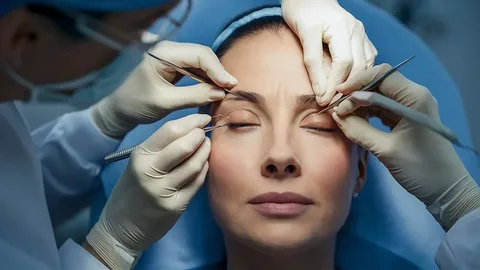
Are you considering eyelid surgery in Islamabad to refresh your appearance or fix heavy, droopy eyelids? Whether you want to look younger or need to resolve a medical issue, choosing the right clinic is the most important decision you will make. Islamabad has become a hub for high-end aesthetic medicine. It is home to some of the finest surgeons who specialize in both cosmetic and functional eyelid procedures. These experts use modern techniques to deliver safe, natural, and life-changing results.
In today’s world, patients in Islamabad prioritize safety, surgical experience, and artistic expertise. The leading clinics in the capital now blend cutting-edge technology with deeply personalized care. This ensures that every patient feels confident and informed from the initial consultation to the final follow-up. This guide explores the top-rated clinics, explains the surgical process, and highlights why this procedure is growing in popularity across Pakistan.

Why Eyelid Surgery is Gaining Popularity in Islamabad
Eyelid surgery, professionally known as blepharoplasty, is a versatile procedure. It can correct sagging upper lids, remove excess skin, and eliminate stubborn puffiness under the eyes. For many people in Islamabad, the benefits go far beyond simple vanity.
Improved Visual Clarity
Sometimes, upper eyelid skin becomes so heavy that it physically hangs over the eyelashes. This can block your peripheral vision or make it difficult to drive at night. Surgery removes this obstruction. It literally opens up your field of view.
Total Facial Rejuvenation
The eyes are the first thing people notice. Droopy lids can make you look tired, angry, or much older than you actually feel. Blepharoplasty restores the youthful contours of your eyes. It gives your entire face a more alert and energetic expression.
A Lasting Confidence Boost
When you look better, you feel better. Many patients report a significant increase in self-esteem after their recovery. They feel more confident in professional meetings and social gatherings.
Minimal Downtime
One of the biggest draws of eyelid surgery in 2026 is the rapid recovery time. Most patients are back to their normal routines within a week or two. The results, however, can last for a decade or more.
Understanding the Surgical Process
Knowing what happens during the procedure can significantly reduce pre-surgery anxiety. Most eyelid surgeries in Islamabad follow a clear, professional protocol.
The Anesthesia Phase
Surgeons usually perform the procedure under local anesthesia with sedation. This means you are relaxed and pain-free, but not fully “under” like in major hospital surgeries. However, general anesthesia is available for those who prefer it.
The Upper Eyelid Procedure
The surgeon makes a tiny incision along the natural crease of the upper lid. They remove excess skin and reposition small amounts of fat. Because the incision sits in the fold, the resulting scar is invisible when your eyes are open.
The Lower Eyelid Procedure
For lower lids, the incision is often made just below the lash line or even inside the eyelid. This targets “bags” and puffiness. The surgeon smooths the area to create a seamless transition between the eye and the cheek.
Closing and Recovery
The incisions are closed with incredibly fine sutures. The entire process usually takes between one and three hours, depending on whether you are treating both the upper and lower lids.
Top Clinics for Eyelid Surgery in Islamabad
Selecting the right facility is crucial for a successful outcome. Here are the top-rated clinics in Islamabad known for their excellence in blepharoplasty:
-
SKN Cosmetics: This clinic is widely recognized for its expert surgeons and high safety standards. They use the latest international techniques to ensure minimal scarring.
-
Islamabad Aesthetic Clinic: They offer comprehensive packages that cover everything from the first consultation to post-operative medication.
-
CosmoCare Islamabad: This facility focuses on “rapid-recovery” methods. They are a favorite for busy professionals who cannot afford long absences from work.
-
Enhance Beauty Clinic: They excel at combining cosmetic improvements with functional corrections for patients with obstructed vision.
-
Elite Skin & Laser Centre: Here, you can find highly personalized care plans. Their surgeons take extra time to align the surgery with your unique facial structure.
Choosing the Right Surgeon: What to Look For
Don’t settle for the first clinic you find. Your face deserves an expert. When researching providers in Islamabad, keep these key factors in mind:
-
Board Certification: Ensure your surgeon has the proper credentials and specialized training in plastic or oculoplastic surgery.
-
A Solid Portfolio: Ask to see “before and after” photos of previous patients. This helps you gauge the surgeon’s aesthetic style.
-
Transparent Communication: A good surgeon will explain the risks as clearly as the benefits. They should never pressure you into a decision.
-
Patient Reviews: Look for testimonials on independent platforms. Genuine feedback from residents in Islamabad is incredibly valuable.
Tips for a Smooth and Fast Recovery
A successful surgery is only half the battle; the other half is how you handle your recovery. To ensure the best results, follow these professional tips:
Keep the Area Clean Your clinic will provide specific eye drops or ointments. Use them exactly as prescribed to prevent any risk of infection.
Manage Swelling with Elevation For the first three to five days, sleep with your head elevated on extra pillows. This uses gravity to move fluid away from the face and significantly reduces morning puffiness.
Protect Your Eyes from the Sun Your skin will be extra sensitive during the healing phase. Wear high-quality, dark sunglasses whenever you go outside. This protects the incision sites from UV damage and prevents dark spots.
Avoid Physical Strain Skip the gym for at least ten days. Heavy lifting or intense cardio can increase blood pressure in the face. This might cause unnecessary bruising or even open a fresh incision.
Final Thoughts on Your Journey
If you are tired of looking “worn out” or if sagging skin is affecting your vision, eyelid surgery in Islamabad is a safe and effective solution. By choosing an established clinic like SKN Cosmetics, you gain access to the best medical talent in the country.
The eyes are the window to the soul, but they are also the primary indicator of aging. Modern blepharoplasty allows you to turn back the clock with precision and grace. Whether your goals are purely cosmetic or functionally necessary, the right surgical team will ensure you walk away with a brighter, clearer, and more confident outlook on life.
Ready to take the next step? Schedule a consultation with a specialist today. Most top-rated clinics offer initial evaluations where you can ask questions and visualize your potential results. Your journey toward a refreshed and rejuvenated appearance starts with a single conversation. Take that step today and see the difference a professional eye-lift can make.
Author



Hormone changes are a normal part of aging. As you get older, your body may not produce hormones at the same levels as before. These shifts can affect how you feel day-to-day, including your energy, sleep, mood, and focus. Many adults living in Houston begin to notice these changes and look for ways to better understand what is happening in their bodies.
Some people try to adjust their lifestyle first. They may improve their diet, exercise more, or work on sleep habits. While these steps are helpful, they do not always address hormone-related concerns fully. This is where structured evaluation and care can help.
Hormone-focused services look at your symptoms and lab test results to understand your body more fully. Instead of guessing, you receive information based on measurable data. This helps guide decisions and next steps in a clearer and more practical manner.
Key Reasons Adults Turn to Hormone Replacement in Houston Care
-
Addressing low energy that affects daily life
Many adults feel tired even after enough sleep, which can affect daily tasks and focus. Hormones such as thyroid hormone and testosterone help regulate energy levels. When these hormones are out of balance, you may feel drained without a clear reason.
Testing helps determine whether hormones are the cause, and care plans can then include hormone support, along with routine and nutrition guidance, to address the root issue rather than just the symptoms.
-
Supporting mood changes and mental clarity
Hormones influence brain function, including mood and concentration. When levels shift, you may notice irritability, stress, or difficulty staying focused.
These changes can affect your relationships, work, and overall quality of life. By reviewing hormone levels, a provider can look for patterns that may explain these symptoms. In some cases, adjusting hormone levels may help support more stable mood and clearer thinking.
This process is often combined with lifestyle habits such as regular sleep, balanced meals, and stress management techniques.

-
Managing natural hormone decline with age
Hormone levels change as part of the aging process. This happens in both men and women, although the patterns may differ.
For example, testosterone levels may decrease in men over time, while women may experience changes in estrogen and progesterone. These shifts can bring noticeable symptoms that develop slowly.
Regular evaluation helps track these changes over time. With ongoing monitoring, you and your provider can make informed decisions about whether support is needed and how to adjust care as your body changes.
-
Improving sleep quality and patterns
Sleep issues are often linked to hormone imbalance. Hormones such as cortisol and melatonin help regulate your sleep cycle.
If these hormones are out of balance, you may find it hard to fall asleep or stay asleep through the night. Poor sleep can then affect energy, mood, and overall health.
In cases where sleep problems are linked to hormones, evaluation can help identify the cause. Care may include hormone-related support, along with habits such as maintaining a consistent sleep schedule, limiting screen time before bed, and creating a calm sleep environment.
-
Supporting weight management efforts
Weight changes can be influenced by hormone levels. Hormones help regulate metabolism, appetite, and fat storage.
Some adults follow diet and exercise routines but still find it difficult to manage their weight. In these situations, hormone testing may provide more insight into what is happening inside the body.
A provider may review hormones related to metabolism, such as thyroid hormones and insulin. Based on the results, a plan may include a mix of hormone support, nutrition guidance, and physical activity recommendations.
-
Improving physical performance and recovery
Hormones also play a role in muscle strength, endurance, and recovery after exercise.
If your hormone levels are not balanced, you may notice reduced performance during workouts or longer recovery times. This can make it harder to stay consistent with fitness routines.
By checking hormone levels, providers can identify areas that may be affecting your physical performance. With proper guidance, you may see improvements in strength, stamina, and recovery when combined with regular exercise and proper rest.
-
Personalized care with ongoing monitoring
One main reason adults choose hormone-related services is the structured, personalized approach. Care is not a one-time visit. It usually includes consultation, lab testing, a tailored plan, follow-ups, and adjustments based on progress.
This step-by-step process helps track changes over time and ensures care is updated based on how your body responds. When considering options like hormone replacement in Houston, many adults prefer services that combine testing, guidance, and ongoing support for a clearer path forward.
Summary!
Hormone-related concerns can affect many areas of daily life, including energy, sleep, mood, weight, and physical performance. As these changes develop over time, it can be helpful to look at your health in a structured way that includes both testing and ongoing evaluation.
Choosing hormone-focused care allows you to better understand what is happening inside your body and take informed steps based on real data. With the right approach, you can work toward better balance while maintaining your daily routine and lifestyle.
In Houston, PUUR Health and Wellness offers a care model that focuses on personalized evaluation, monitoring, and guided support. This type of approach helps you move forward with clarity and consistent follow-up as part of your overall wellness plan.
Author



Living with retinitis pigmentosa (RP) can feel like an uphill battle. Everyday tasks that once seemed simple slowly become more challenging. You might struggle to see in dim light or notice that your peripheral vision is narrowing. These changes often create a significant amount of stress and anxiety. It is perfectly natural to feel overwhelmed when you are unsure about what the future holds for your sight.
In the United States, many people with RP are searching for ways to manage their condition beyond standard clinical care. While modern medicine excels at tracking the progression of the disease, it does not always provide long-term solutions to slow it down. This gap in care is why Ayurveda is gaining so much attention as a supportive option.
Ayurveda focuses on creating balance within your body and your daily habits. Instead of looking for a “quick fix,” this ancient system emphasizes steady and consistent care. In this comprehensive guide, we will explore how Ayurvedic principles can fit into your life as you manage the complexities of RP.
Understanding Your Condition and Setting Realistic Goals
Before you begin any new health regimen, you must understand exactly what RP is. It is a genetic condition that affects the retina’s ability to respond to light. Because it is hereditary, its effects vary wildly from person to person. Some individuals experience a very slow decline over decades. Others may see faster changes in their visual field.
Ayurveda encourages you to set realistic expectations from the start. You should not view this as an instant cure. Instead, you are working toward sustainable goals. These include maintaining your current level of vision, reducing daily ocular discomfort, and supporting the long-term health of your eye tissues. When you adopt this mindset, staying consistent with your care plan becomes much easier. It also helps lower your anxiety because you are focusing on what you can control today.

Supporting Your Body as a Complete System
Ayurveda does not view your eyes as isolated organs. Instead, it connects your vision to the overall balance of your entire body. According to this philosophy, your eyes depend on healthy digestion, efficient circulation, and strong nerve function. If one part of the system falters, the eyes feel the impact.
This is why an Ayurvedic approach to retinitis pigmentosa treatment often includes:
-
Herbal Supplements: These formulas support specific bodily functions like blood flow and cellular repair.
-
Gentle Detoxification: This process removes metabolic waste that might hinder your systemic health.
-
Customized Diet Plans: A specialized diet helps improve your “digestive fire,” ensuring your eyes get the nutrients they need.
Many people in the U.S. are now exploring this holistic approach. They appreciate that it looks at long-term wellness rather than just masking symptoms. By helping your body function better as a whole, you provide your eyes with a much stronger foundation for health.
Using Targeted Ayurvedic Eye Therapies
Ayurveda also offers specific treatments that focus directly on the ocular area. You should always undergo these therapies under the supervision of a trained professional. These methods aim to nourish the delicate tissues of the eye and soothe the optic nerve.
One commonly used method is Netra Tarpana. In this therapy, a practitioner applies medicated ghee (clarified butter) around the eyes for a set period. This process deeply hydrates the area and helps reduce the strain of constant squinting. Other techniques include gentle herbal cleansing to remove surface irritants and external herbal poultices.
While these therapies cannot reverse the genetic coding of RP, they can significantly improve how your eyes feel on a daily basis. They help reduce dryness, itching, and redness. Consistency is the secret to success here. You might not see a change after one session, but a structured plan often yields noticeable results over several months.
Making Simple Lifestyle Changes for Maximum Impact
Your daily routine plays a massive role in how you manage a chronic condition like RP. Ayurveda places heavy importance on simple, grounding habits. These small steps may seem basic, but they create a cumulative effect on your well-being.
You can start by auditing your kitchen. Prioritize fresh, home-cooked meals over processed or packaged foods. Processed items often contain preservatives that can cause systemic inflammation. Additionally, try to sleep at the same time every night. A regular sleep schedule allows your body to enter a deep state of repair.
Furthermore, you should limit your screen time whenever possible. Blue light from phones and computers can strain already sensitive retinas. You can also incorporate light eye exercises and relaxation techniques. Simple breathing exercises and daily meditation help reduce cortisol levels. Lowering stress is vital because high stress can negatively impact your overall immune response and eye health.
Combining Ayurveda with Modern Eye Care
You do not have to choose between ancient wisdom and modern science. In fact, many people find the most success when they combine both. This “integrative” approach allows you to get the best of both worlds. You can use modern technology to monitor the physical changes in your retina while using Ayurveda to support your body naturally.
With this balanced combination, you can:
-
Track Progress: Continue regular check-ups with your ophthalmologist to monitor vision changes accurately.
-
Follow a Plan: Stick to a structured Ayurvedic routine to keep your internal systems balanced.
-
Adjust as Needed: Work with both your doctor and your Ayurvedic practitioner to tweak your treatments based on your actual progress.
This proactive stance helps you feel more in control of your health. It moves you from a passive observer of your condition to an active participant in your care.
Conclusion: A Path Toward Consistent Care
Living with retinitis pigmentosa can certainly feel overwhelming at times. However, having a structured and compassionate approach can make a world of difference. Ayurveda offers a unique way to support your body through steady and intentional care. It prioritizes balance, routine, and long-term vitality over temporary results.
By understanding your condition deeply, making simple lifestyle adjustments, and exploring guided therapies, you can manage your daily life more effectively. Thousands of people are now adding Ayurveda to their care plans to improve their comfort and support their overall ocular health.
Organizations like the Netra Eye Institute are leading the way in this field. They provide structured programs that combine traditional Ayurvedic methods with a modern understanding of eye diseases. This type of comprehensive support helps you navigate the challenges of RP with more confidence and peace of mind. Remember, the goal is not to find a miracle but to build a lifestyle that protects and nourishes your vision for as long as possible. Starting today with small, consistent changes can lead to a much brighter future for your eye health.
Author



CNC Tools in Modern Manufacturing: Benefits & Future Trends

Avoid Costly Document Mistakes with Professional Notary Services

Mini vs Full Tummy Tuck: Complete Guide Islamabad

Formulation Development in 2026: Drug Delivery Innovations

Luxury RV Resorts Texas vs Standard RV Parks: The Difference?

Best Hair Transplant Clinic in Pakistan – JJ Aesthetics

Essentials Tracksuit UK Guide: Styles, Fits, Colors & Buying Tips

Working Capital Finance: Guide for MSMEs, Types & Benefits

Beard Hair Transplant: Procedure, Benefits And Recovery

Corteiz Cargos Official Store: Streetwear Style & Sustainability

Cybersecurity Consulting Company SequelNet Provides Critical IT Support Services to Medical Billing Firm, Medical Optimum

Team Communication Software Transforms Operations at Finance Innovate

Project Management Tool Transforms Long Island Business

How Alleviate Poverty Utilized IPPBX’s All-in-One Solution to Transform Lives in New York City

Breast Cancer: The Imperative Role of Mammograms in Screening and Early Detection

Unstoppable Collaboration: D.C.’s Citi Open and Silicon Valley Classic Unite to Propel Women’s Tennis to New Heights

Embracing Renewal: Sizdabedar Celebrations Unite Iranians in New York’s Eisenhower Park

The Benefits of Starting a Side Hustle for Financial Freedom

New Blood Donation Screening Questions What You Need to Know

Stylishly Timeless: The 5 Types of Sandals You Need in Your Closet
-

 Business3 years ago
Cybersecurity Consulting Company SequelNet Provides Critical IT Support Services to Medical Billing Firm, Medical Optimum
-
Business3 years ago
Team Communication Software Transforms Operations at Finance Innovate
-
Business3 years ago
Project Management Tool Transforms Long Island Business
-
Business3 years ago
How Alleviate Poverty Utilized IPPBX’s All-in-One Solution to Transform Lives in New York City
-
health3 years ago
Breast Cancer: The Imperative Role of Mammograms in Screening and Early Detection
-
Sports3 years ago
Unstoppable Collaboration: D.C.’s Citi Open and Silicon Valley Classic Unite to Propel Women’s Tennis to New Heights
-
Art /Entertainment3 years ago
Embracing Renewal: Sizdabedar Celebrations Unite Iranians in New York’s Eisenhower Park
-
Finance3 years ago
The Benefits of Starting a Side Hustle for Financial Freedom







