
Real Estate
Renting vs. Buying: What You Need to Know Before Signing on the Dotted Line

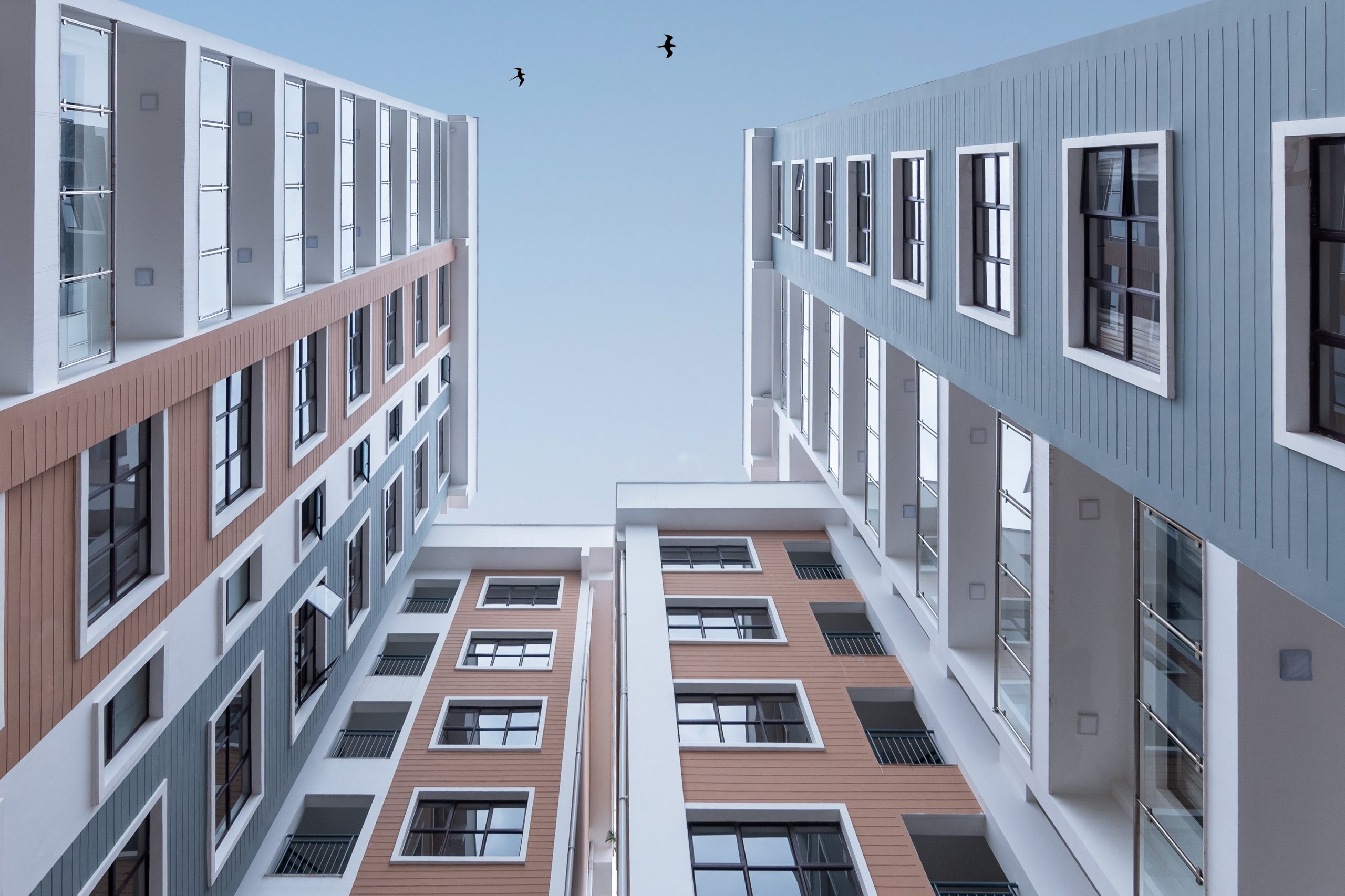
Are you torn between renting and buying a house? With the skyrocketing housing prices, this has become an increasingly common dilemma for many. While owning a home may seem like the ultimate American dream, it’s not always the best option for everyone. On the other hand, renting offers flexibility and freedom without being tethered to a mortgage. So which one’s right for you? In this blog post, we’ll provide you with all the essential information on renting vs. buying so that you can make an informed decision before signing on the dotted line!
The Process of Renting vs. Buying
When it comes to making the decision of whether to rent or buy, there are a lot of factors to consider. Here is a detailed look at the process of renting vs. buying:
Renting:
– generally requires first and last month’s rent, as well as a security deposit
– monthly rent payments are typically lower than mortgage payments
– if something breaks, it is the landlord’s responsibility to fix it
– can be easier to move if your job or lifestyle changes require it
Buying:
– requires a down payment, which can range from 3.5% – 20% of the purchase price depending on the type of loan you get
– monthly mortgage payments will be higher than monthly rent payments, but you will also build equity in the property each month that you make a payment
– if something breaks, it is your responsibility to fix it (although some home warranty plans can help with this)
– usually means committing to living in one place for several years
The Pros and Cons of Renting vs. Buying
When it comes to the question of renting vs. buying, there is no easy answer. There are pros and cons to both options that need to be weighed before making a decision.

The biggest pro of buying a home is that you build equity over time. As your mortgage is paid off, the value of your home rises, and you eventually own the property outright. This gives you a valuable asset to pass on to your children or sell for a profit later in life. Another big pro of buying is that you have more control over your living space. You can make renovations and changes as you see fit, without having to go through a landlord or get permission from anyone else.
On the other hand, there are some big drawbacks to buying a home as well. For one thing, it’s a much larger financial investment than renting, and it ties up all of your savings in one place. If you need to move for any reason, it can be difficult to sell your home quickly or for top dollar – meaning you may end up losing money on the deal. Additionally, if something goes wrong with the property – like major repairs being needed – you’re solely responsible for taking care of those costs yourself.
Renting has its own set of pros and cons as well. The biggest advantage is that it requires much less upfront cost than buying does. You also have more flexibility when it comes to moving – if your job takes you out of state or you
How to Decide if Renting or Buying is Right for You
There’s no simple answer to the question of whether renting or buying is right for you. The best way to make a decision is to sit down and weigh the pros and cons of each option, based on your unique circumstances.
Renting has some clear advantages. It’s usually cheaper than buying, and you don’t have to worry about maintenance or repairs. If you’re not ready to commit to a long-term home, renting can give you the flexibility to move around as your needs change.
Buying has its own set of advantages. Once you’ve bought a home, it’s yours – you can do whatever you want with it, without having to get permission from a landlord. And over time, your home will likely appreciate in value, giving you a nice nest egg down the road.
Of course, there are also some downsides to both options. Renting can feel like throwing money away, since you’re not building any equity in a property that isn’t yours. And buying can be a big financial commitment, with all the associated risks (like job loss or market fluctuations) that come along with it.
Only you can decide if renting or buying is right for you. But taking the time to think through all the factors involved will help ensure that you make the best decision for your individual situation.
Where to Look for Apartments or Homes for Sale
There are a number of factors to consider when trying to decide whether to rent or buy a home. One important factor is money. How much can you afford to spend each month on housing? Do you have enough saved up for a down payment on a mortgage?
Another factor to consider is your lifestyle. Do you like the idea of having a stable, long-term home? Or do you prefer the flexibility that comes with renting?
Once you’ve considered these factors, you can start looking for apartments or homes for sale. There are a few different places to look:
-The internet: You can use sites like Zillow or Trulia to find homes or apartments for sale in your area.
-Real estate agents: You can contact a real estate agent in your area and they will help you find potential homes or apartments that fit your needs.
-For Sale by Owner (FSBO): You can find FSBO listings online or in newspapers. This is when an owner sells their home without using a real estate agent.
-Classified ads: You can find classified ads for homes or apartments for sale in newspapers or online.
Tips for Saving Money When Renting or Buying
There’s no right or wrong answer when it comes to renting vs. buying – it all depends on your personal circumstances. However, if you’re looking to save money, there are a few things to keep in mind.
If you’re renting, try to find a place that’s all inclusive – utilities, internet, etc. – so you don’t have any unexpected expenses. And, if you can, get a shorter lease so you’re not locked into one place for too long.
When buying, be realistic about what you can afford and look for ways to save – like getting a fixer-upper instead of a brand new home. Also, be sure to factor in all the costs associated with ownership – like property taxes and maintenance fees – so there are no nasty surprises down the road.
Conclusion
When it comes to renting versus buying, there are pros and cons to both. Ultimately, the decision should come down to your individual needs and preferences. Consider all of the factors involved, such as cost comparison over time, lifestyle changes that could be necessary when owning a home, and personal preference before signing on the dotted line. Doing this research will help you make an informed decision that is right for you in the long run.
Author

Author

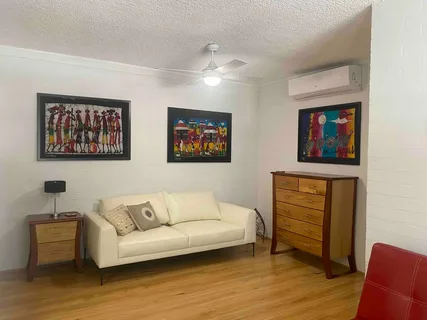
There’s a quiet confidence that comes with living in a suburb that has figured itself out. Carnegie, tucked neatly into Melbourne’s inner-south-east, is one of those places. It doesn’t shout. It doesn’t need to. With its leafy streets, buzzing café culture, and rock-solid transport links, Carnegie has steadily built a reputation as one of the most live able postcodes in the 3163 zone — and the wave of brand new apartments now arriving here is giving even more people the chance to experience it.
Whether you’re a first-time buyer, a downsizer ready for a low-maintenance lifestyle, or an investor with a sharp eye for long-term value, brand new apartments in Carnegie, VIC, 3163 deserve a serious look.
A Suburb That Delivers on Every Front
Carnegie’s appeal isn’t built on a single selling point — it’s the combination that makes it so compelling.
Sit on the Cranbourne or Pakenham lines and you’re looking at a roughly 15-minute journey into Melbourne’s CBD from Carnegie Station. For professionals who want to be close to the city without being in it, that commute is genuinely life-changing. Add trams running along Dandenong Road and you have the kind of connectivity that takes years off your daily travel grind.
Then there’s the lifestyle. Koornang Road is Carnegie’s social heart — a strip of independent cafés, restaurants, grocers, and specialty stores that has resisted the blandness of chain-store homogeny. On a Saturday morning, it hums. Locals know their barista by name. Weekend farmers’ markets, the Carnegie Library, and the lush expanse of Koornang Park round out a suburb that doesn’t ask residents to travel far for a full and enjoyable life.
Families are well catered for too, with a strong selection of primary and secondary schools within easy reach, including Malvern Central School, Carnegie Primary School, and numerous Catholic and independent options scattered through the surrounding suburbs.

What “Brand New” Actually Means in Carnegie
When people talk about brand new apartments in Carnegie, VIC, 3163, they’re talking about a genuine step-change in quality compared to older apartment stock. Modern builds here are responding to what buyers and renters actually want — not what developers could get away with a decade ago.
Expect open-plan living areas designed to maximize natural light, stone benchtops, integrated appliances, and ducted heating and cooling as standard rather than optional extras. Bathroom finishes that would have been considered luxury a few years ago now appear in many of Carnegie’s newest developments. Developers install floor-to-ceiling tiling, frameless shower screens, and freestanding baths in higher-end units as standard features.
Importantly, new builds also provide reassurance through structural warranties, energy ratings that lower utility bills, and full compliance with current building codes. Buyers who have experienced hidden maintenance costs in older apartments now value this peace of mind, and it saves them real money.
Many of the latest Carnegie developments also reflect the suburb’s community-focused character. Developers include rooftop terraces, communal gardens, secure bike storage, and EV charging infrastructure. These features show that they design buildings for how people live today, not for how apartment living worked twenty years ago.
The Investment Case Is Compelling
Carnegie’s fundamentals make it one of the more defensible places to invest in Melbourne’s inner-south-east corridor.
Rental demand in and around the 3163 postcode remains consistently strong. The suburb draws a diverse tenant pool — young professionals working in the CBD or Caulfield’s growing healthcare and education precinct, international students attending Monash University’s Caulfield Campus just one stop away, and downsizing locals who want to stay in the neighborhood they love but in a more manageable home.
Low vacancy rates are a product of that demand. Carnegie doesn’t suffer the oversupply concerns that have affected some inner-city postcodes, partly because large development sites are genuinely limited in an established suburb where much of the land is already built out. The apartment blocks going up here are typically boutique in scale — 20 to 80 dwellings rather than 300-unit towers — which preserves the neighborhood feel and keeps supply measured.
For long-term holders, Carnegie’s proximity to the broader Glen Waverley and Caulfield growth corridors, combined with its own ongoing café and retail evolution, suggests steady capital growth rather than the boom-and-bust volatility associated with speculative markets.
Who Is Carnegie For?
Honestly? A wide range of people find their fit here.
First-home buyers are discovering that a brand new apartment in Carnegie can deliver quality and location that would have been out of reach in neighboring Glen Huntly or Caulfield just a few years ago. The suburb offers a genuine entry point into Melbourne’s inner-south-east without the compromise.
Downsizers from Carnegie and its surrounds are choosing to stay local. Why uproot yourself from the coffee shop you’ve been going to for fifteen years, the walking routes you know by heart, the neighbors whose names you know? A brand new apartment in the same postcode offers a fresh chapter without a complete change of scene.
And for investors, the metrics — yield, vacancy, tenant quality, infrastructure — stack up in a way that requires less wishful thinking and more straightforward analysis.
The Right Time to Pay Attention
Carnegie has never been a secret, exactly — locals have known its value for years. But the arrival of genuinely high-quality new apartment stock is broadening its audience, bringing in buyers and investors who might once have defaulted to better-marketed suburbs without looking south.
Brand new apartments in Carnegie, VIC, 3163 represent something increasingly rare in Melbourne: a suburb that is already established and live able, with new stock that actually meets modern standards. That combination doesn’t stay overlooked for long.
If Carnegie isn’t already on your shortlist, it probably should be.
Author

Carlingford has always been one of those suburbs that people quietly love. Not flashy, not overexposed — just genuinely good. Tree-lined streets, strong schools, a tight-knit community feel, and enough green space to remind you that Sydney isn’t just concrete and traffic. For decades, it was largely a suburb of family homes and long-term residents. That picture is shifting now, and brand new apartments in Carlingford are at the center of that change.
What’s happening here isn’t a sudden transformation. It’s more like a suburb finally stepping into a version of itself that was always possible. And for buyers — whether you’re starting out, scaling down, or simply looking for a smarter way to live in Sydney — Carlingford in 2024 deserves your full attention.
The Suburb Behind the Address
Before talking about the apartments themselves, it’s worth understanding what makes Carlingford the address it is. Located in Sydney’s north-west, the suburb sits where Parramatta City and The Hills Shire meet — a geographic sweet spot that gives residents access to two of Western Sydney’s most dynamic areas.
The Hills District brings parklands, prestige schooling, and a slower, more spacious pace of life. Parramatta brings commerce, culture, dining, and genuine economic energy. Carlingford sits right between them, drawing from both without being overwhelmed by either. For families, that balance is everything. For professionals, it means keeping a foot in two worlds at once.
The suburb’s reputation for education is particularly strong. James Ruse Agricultural High School — consistently ranked among the top performing schools in New South Wales — calls this part of Sydney home. Carlingford High School is another well-regarded option, and the surrounding area is well served by quality primary schools and private colleges. For families making long-term decisions, this matters enormously.

The Light Rail Effect
No conversation about Carlingford’s recent evolution is complete without mentioning the Parramatta Light Rail. This infrastructure investment has quietly reshaped the way people think about the suburb. Where once the appeal was primarily residential and community-driven, there’s now a compelling commuter story to tell as well.
Parramatta is one of Sydney’s most significant CBDs outside the city Centre. It’s a place where careers are built, businesses are headquartered, and investment continues to pour in. Being connected to it via light rail — rather than fighting through traffic or navigating indirect bus routes — is a genuine quality of life upgrade. It has also changed how younger buyers and renters assess Carlingford as a location, bringing a new wave of interest to an already well-loved suburb.
What “Brand New” Actually Means Here
Brand new apartments in Carlingford are arriving at a time when buyer expectations are higher than they’ve ever been. Developers who want to succeed in this market know they can’t cut corners. The result is a generation of apartments that are genuinely impressive in their finishes and functionality.
Walk into one of these new builds and you’ll notice the difference immediately. Stone benchtops and quality appliances in the kitchen. Bathrooms with floor-to-ceiling tiles, frameless glass, and vanities that wouldn’t look out of place in a boutique hotel. Bedrooms with built-in wardrobes that are actually designed for real wardrobes. Living areas with high ceilings and large windows that let the north-western light do its best work.
Beyond the individual apartments, communal spaces are being taken seriously too. Rooftop terraces, landscaped gardens, secure basement parking, and in some developments, concierge services and co-working spaces. These additions reflect how people actually want to live — with flexibility, comfort, and a sense of community built into the building itself.
Who Is Buying — and Why
The buyers drawn to brand new apartments in Carlingford are a genuinely varied group. First-home buyers make up a significant portion. For this group, a new apartment in Carlingford offers something rare in Sydney: a quality home in a well-connected, high-amenity suburb without the stress of buying into an established market where every property needs work and every inspection surfaces a new surprise. New is new. Nothing to fix, nothing to inherit.
Downsizers are another strong cohort. Many have lived in Carlingford for twenty or thirty years. They raised families here, built friendships, found their rhythms. The idea of leaving all that to downsize somewhere more affordable elsewhere doesn’t appeal. A beautifully appointed new apartment in the suburb they already love? That’s a very different conversation.
Investors, too, are paying close attention — drawn by the suburb’s fundamentals, its transport links, and the growing rental demand from professionals working in the Parramatta corridor.
A Suburb Worth Watching Closely
Carlingford has earned its reputation over many years. The arrival of brand new apartments In CarlingFord isn’t changing what makes it special — it’s making those qualities accessible to more people, in more ways, than ever before. If you’ve been watching this suburb from the sidelines, now is the time to look a little closer.
Author


Turkish Airlines Check-In: Mobile, Airport & Self-Service Options

Raspberry Hills Clothing: Streetwear Hoodies, Shirts & Shorts

AI Products for Business: Trends, Tools & Future Innovations

Korean Co Ord Sets for Clean Girl Aesthetic: Outfit Ideas

Tool Coatings for Endmills: Types, Benefits & Improve Tool Life

Endmills Break in CNC Machining & How to Prevent Tool Failure

ER 25 Collet: Sizes, Uses, Benefits & Buying Tips

New Apartments in CITY, ACT 2601: Urban Living in Canberra

Feeler Gauge for Valve Adjustment: Guide for Engine Precision

Rhinoplasty for Men: Trends, Techniques, and Masculine Results

Cybersecurity Consulting Company SequelNet Provides Critical IT Support Services to Medical Billing Firm, Medical Optimum

Team Communication Software Transforms Operations at Finance Innovate

Project Management Tool Transforms Long Island Business

How Alleviate Poverty Utilized IPPBX’s All-in-One Solution to Transform Lives in New York City

Breast Cancer: The Imperative Role of Mammograms in Screening and Early Detection

Unstoppable Collaboration: D.C.’s Citi Open and Silicon Valley Classic Unite to Propel Women’s Tennis to New Heights

Embracing Renewal: Sizdabedar Celebrations Unite Iranians in New York’s Eisenhower Park

The Benefits of Starting a Side Hustle for Financial Freedom

New Blood Donation Screening Questions What You Need to Know

Stylishly Timeless: The 5 Types of Sandals You Need in Your Closet
-

 Business3 years ago
Cybersecurity Consulting Company SequelNet Provides Critical IT Support Services to Medical Billing Firm, Medical Optimum
-
Business3 years ago
Team Communication Software Transforms Operations at Finance Innovate
-
Business3 years ago
Project Management Tool Transforms Long Island Business
-
Business3 years ago
How Alleviate Poverty Utilized IPPBX’s All-in-One Solution to Transform Lives in New York City
-
health3 years ago
Breast Cancer: The Imperative Role of Mammograms in Screening and Early Detection
-
Sports3 years ago
Unstoppable Collaboration: D.C.’s Citi Open and Silicon Valley Classic Unite to Propel Women’s Tennis to New Heights
-
Art /Entertainment3 years ago
Embracing Renewal: Sizdabedar Celebrations Unite Iranians in New York’s Eisenhower Park
-
Finance3 years ago
The Benefits of Starting a Side Hustle for Financial Freedom







