
Technology
Oracle’s NetSuite Mandates Office Return, Reflecting Tech Industry’s Remote Work Shift


As the world continues to grapple with the COVID-19 pandemic, the tech industry is rethinking its approach to remote work. For months, many companies have embraced telecommuting, allowing their employees to work from home. But now, some companies are beginning to mandate a return to the office. Oracle’s NetSuite is one of those companies.
NetSuite is a cloud-based business software company that was acquired by Oracle in 2016. The company is mandating that its employees return to the office starting in October, despite the ongoing pandemic. This move comes as Oracle and other tech giants are reevaluating their remote work policies.
NetSuite’s decision has raised questions about whether other tech companies will follow suit. Some experts believe that the shift toward remote work in the tech industry may have been overstated and that a return to the office was always inevitable.
“NetSuite’s decision to mandate a return to the office is a reflection of the industry’s shift away from remote work,” said David Touhill, a technology industry analyst. “We may see more companies follow suit in the coming months.”
NetSuite’s decision has been met with mixed reactions. Some employees have expressed concern about returning to the office amid the ongoing pandemic, while others welcome the return to normalcy.

“The pandemic has been hard on everyone, and I think many of us are ready to return to the office,” said one NetSuite employee who wished to remain anonymous. “But it’s also important to ensure that we’re doing it safely and taking all necessary precautions.”
NetSuite’s decision also raises questions about the future of remote work in the tech industry. Many companies have announced plans to adopt hybrid work models, which allow employees to work from home some of the time and come into the office for the rest. But NetSuite’s decision to mandate a return to the office suggests that not all companies will embrace this approach.
“I think we’ll see a divide between companies that mandate a return to the office and those that adopt hybrid work models,” said Touhill. “It’s going to be interesting to see how this plays out over the next few months.”
NetSuite’s decision is also a reminder of the challenges that companies face as they navigate the ongoing pandemic. While many companies have embraced remote work, the pandemic has also highlighted the importance of in-person collaboration and the challenges of maintaining a strong company culture when employees are working from home.
As the tech industry continues to evolve, it’s clear that remote work will remain a key issue. Companies will need to find a balance between allowing employees to work from home and ensuring that they’re able to collaborate effectively and maintain a strong company culture. NetSuite’s decision is just the latest example of how the tech industry is grappling with these challenges.
Author



At Effective Lab India, we recognize that environmental failures represent a silent thief of corporate profits. Every year, issues like corrosion, premature aging, and weathering cost manufacturers millions in warranty claims, product recalls, and damaged reputations. However, the most successful companies don’t just react to these problems after they occur. Instead, they embrace proactive testing. By using specialized laboratory equipment for salt spray, ozone aging, and xenon arc weathering, your quality control team can simulate years of environmental stress in just a few days. This strategic approach allows you to identify weak points before your product ever reaches a customer.
This guide explores the three essential pillars of accelerated environmental testing. We will explain how this equipment works, which industries rely on it, and why sourcing your tools from a dedicated manufacturer like Effective Lab India gives your lab a distinct edge.
1. Mastering Accelerated Corrosion Testing
Corrosion remains the single greatest threat to the lifespan of metal components, automotive parts, and industrial coatings. To address this, engineers utilize a salt spray chamber. This machine, often called a salt fog or salt mist chamber, replicates the destructive effects of coastal air and road salt. It works by exposing test samples to a continuous, controlled mist of sodium chloride at high temperatures.
How a Salt Spray Chamber Operates
Initially, the chamber creates a stable environment by maintaining a temperature of exactly 35°C. Next, the system atomizes a 5% salt solution into a fine fog. This fog settles uniformly over the test specimens to stimulate the oxidation process. Depending on the material, operators can choose between continuous fog, cyclic corrosion, or copper-accelerated tests (CASS).
Our chambers utilize fiber-reinforced plastic (FRP) to resist chemical damage over long periods. Furthermore, we include a transparent lid so your team can view the specimens without interrupting the test. Digital displays allow for constant monitoring of the fog collection rate, ensuring that every test remains scientifically valid.
Industry Applications and Global Standards
Many diverse sectors rely on salt spray testing to validate their products. Specifically, automotive manufacturers test fasteners and body panels to ensure vehicles don’t rust on salted winter roads. The aerospace industry uses it for structural alloys, while electronics companies test the durability of PCB surface finishes.
To remain compliant, these tests must follow international benchmarks. Our equipment meets the following standards:
-
ASTM B117: The gold standard for salt spray apparatus operation.
-
ISO 9227: International guidelines for corrosion in artificial atmospheres.
-
IS 11864: The Indian standard specifically for paints and varnishes.

2. Combatting Ozone Degradation in Polymers
Rubber and elastomeric materials—such as seals, tires, and hoses—face a unique threat from the atmosphere. Even tiny amounts of ozone can attack the chemical bonds in unsaturated rubber. This leads to surface cracking, loss of flexibility, and eventual mechanical failure. An ozone test chamber accelerates this natural degradation, providing results in days that would normally take years of outdoor exposure.
The Mechanics of Ozone Testing
First, our chambers generate ozone internally using either a UV lamp or a corona discharge generator. Then, the system maintains a precise concentration of ozone, typically between 25 and 200 parts per hundred million. The chamber stays at a stable 40°C to simulate warm, high-ozone environments.
To get the most accurate results, technicians mount specimens on a rotating holder. Some tests require the rubber to stay under static or dynamic strain. This method exposes the specific points where cracking is most likely to occur. A built-in sensor monitors the air quality constantly, so the machine requires very little human intervention during a run.
Vital Sectors for Ozone Testing
Many critical industries cannot function without these tests. In the automotive world, door seals and fuel hoses must resist ozone to prevent leaks. Cable manufacturers test EPDM and neoprene jackets to ensure electrical safety. Even the medical field uses these chambers to test the integrity of silicone seals and diaphragms.
We build our ozone chambers with high-grade stainless steel to ensure longevity. Additionally, we include safety interlocks that vent all residual ozone before an operator can open the door. This keeps your staff safe and ensures you meet all Indian factory health regulations.
3. Simulating Sunlight with Xenon Arc Weathering
Sunlight, moisture, and heat are a destructive trio for plastics, textiles, and adhesives. Over time, colors fade, surfaces turn chalky, and mechanical strength drops. A xenon arc test chamber acts as a “weatherometer.” It reproduces the full spectrum of sunlight—including UV, visible, and infrared light—alongside moisture cycles to simulate rain and dew.
How Xenon Weathering Works
The heart of the machine is a xenon arc lamp. When filtered through quartz glass, it produces a light spectrum that almost perfectly matches natural solar radiation. During a test, the machine cycles between dry periods of light and wet periods of water spray.
Furthermore, a digital PLC (Programmable Logic Controller) manages key variables like irradiance levels and relative humidity. This precision ensures that the test environment remains consistent. Whether you use a flat array or a rotating rack configuration, the goal is to provide uniform exposure to every square inch of the sample.
Broad Industry Reach
From dashboards to solar panels, xenon testing is everywhere. The textile industry uses it to check color fastness in outdoor fabrics. Construction companies test window sealants and architectural coatings to ensure they won’t fail after a few years in the sun. Crucially, our equipment complies with standards like ISO 4892-2 and ASTM G155. Every chamber we sell includes automatic irradiance control. This feature compensates for the natural aging of the lamp, keeping your dose levels stable for the duration of the test.
Why Partner with Effective Lab India?
Choosing a manufacturer is just as important as choosing the equipment itself. Effective Lab India is a premier manufacturer and exporter based in Faridabad. We have spent over 15 years perfecting the science of environmental testing. When you choose us, you are not just buying a machine; you are investing in a partnership.
We offer several distinct advantages:
-
Direct Manufacturer Pricing: By skipping the distributor, we pass the savings directly to your budget.
-
NABL-Traceable Calibration: We supply every instrument with a certificate that meets strict laboratory standards.
-
Total Support: Our team provides on-site installation and comprehensive operator training with every order.
-
Long-Term Reliability: We offer Annual Maintenance Contracts (AMC) with a 48-hour response guarantee to keep your lab running.
Ultimately, our engineering team is here to advise you on the best chamber size and test methods for your specific product. Whether you are building a new lab or seeking NABL accreditation, we provide the tools you need to succeed. Contact Effective Lab India today to secure your product’s future in an unpredictable world.
Author


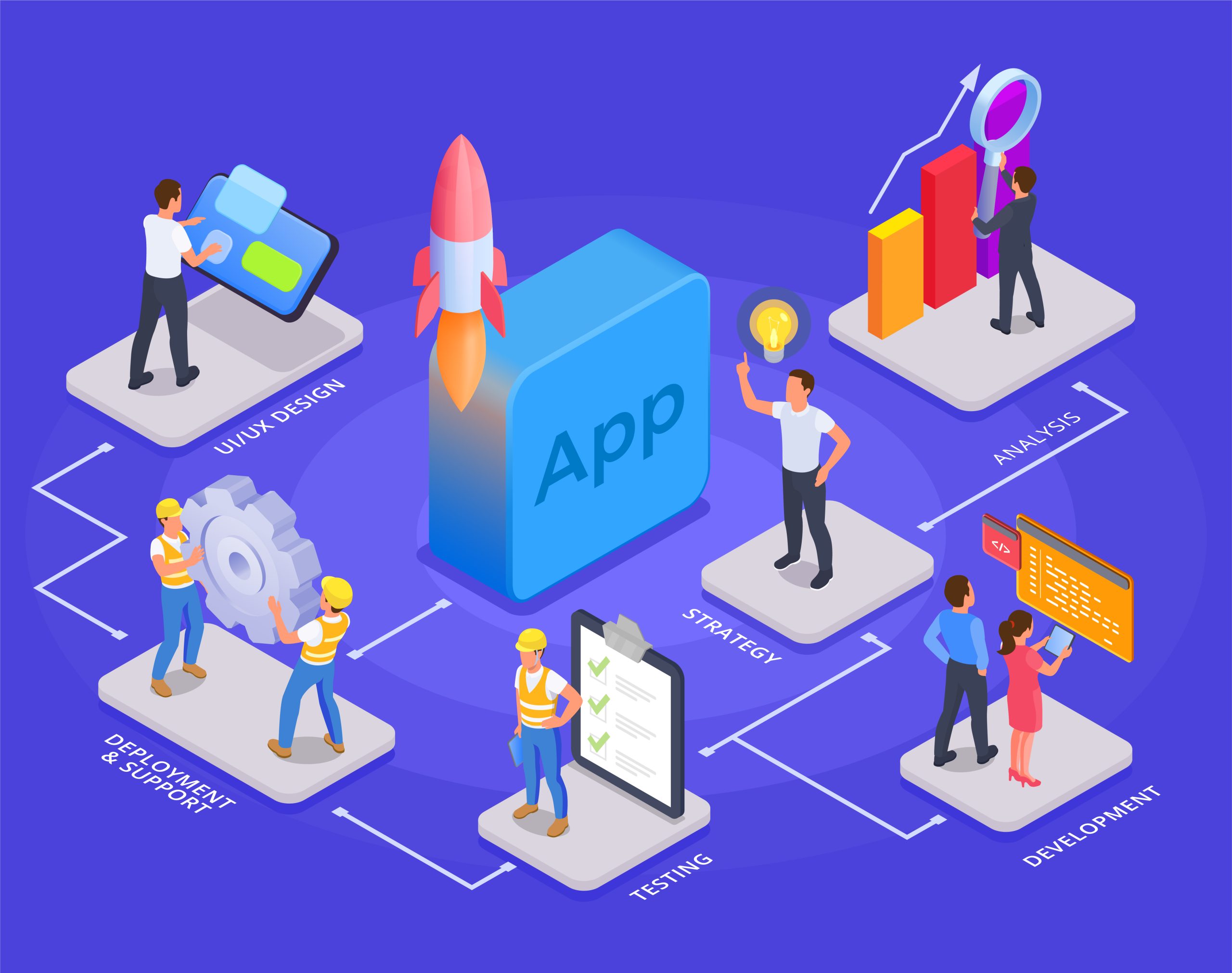
In 2026, the global business landscape is moving faster than ever. To remain competitive, organizations must innovate at the speed of thought. However, many companies find themselves held back by a silent enemy: legacy systems. These aging applications are often the backbone of an enterprise, yet they act as anchors. They limit scalability, drain budgets, and create massive security risks. This is why application modernization services have become a strategic necessity for survival.
Modernization is not just a simple software update. It is a comprehensive reimagining of how your business software functions, integrates, and delivers value. By transforming outdated code into agile, cloud-ready solutions, you can finally unlock the true power of your digital assets.
Understanding Application Modernization Services
At its core, application modernization involves updating legacy software to align with contemporary infrastructure and business needs. This process often focuses on moving monolithic applications toward microservices and cloud environments like Microsoft Azure.
In the past, companies viewed modernization as a “technical chore.” Today, it is a business driver. It allows you to adopt Agentic AI, real-time data analytics, and high-performance edge computing. Without a modern foundation, these advanced tools remain out of reach.
Why Modernization is a Mechanical Necessity
The “if it isn’t broken, don’t fix it” mentality is dangerous in 2026. Legacy systems are often “broken” in ways that aren’t immediately visible. Here is why you must prioritize modernization today:
-
Eliminating Performance Bottlenecks: Older systems cannot handle the massive data loads required by modern users. Modernized apps can scale dynamically, ensuring a smooth experience during peak traffic.
-
Hardening Security: Hackers target legacy systems because they often lack modern encryption and “Zero Trust” protocols. Modernizing your stack allows you to implement the latest security standards.
-
Cost Realignment: Maintaining “on-premise” servers is expensive. Cloud solutions like app modernization Azure allow you to pay only for what you use, drastically reducing hardware overhead.
-
Accelerating Time-to-Market: Modern architectures support DevOps and continuous delivery. This means you can release new features in days rather than months.
The Four Pillars of Modernization Strategy
Not every application requires a total rewrite. Depending on your goals and budget, you can choose from four primary approaches:
1. Rehosting (Lift and Shift) This is the fastest path to the cloud. You move your application to a new environment with minimal changes. While it doesn’t solve internal code issues, it reduces immediate hardware costs.
2. Replatforming In this scenario, you make small code adjustments so the application can better utilize cloud features. For example, you might move a local database to a managed service like Azure SQL.
3. Refactoring Refactoring involves modifying the application’s internal structure to improve performance. This is the “sweet spot” for many businesses. It allows you to take full advantage of cloud-native features without rebuilding everything from scratch.
4. Rebuilding If an application is too far gone, you must rebuild it. By using microservices and containerization, you create a modular system that is easy to update and scale for the next decade.
The Role of Microsoft Azure in 2026
Microsoft Azure has become the preferred ecosystem for enterprise modernization. Its flexibility and enterprise-grade security make it a natural fit for complex transformations. Solutions like Azure app and data modernization allow companies to update their software and their databases simultaneously.
Azure provides a suite of high-performance tools, including:
-
Azure Kubernetes Service (AKS): The industry standard for managing containers.
-
Azure DevOps: A platform that automates the software development lifecycle.
-
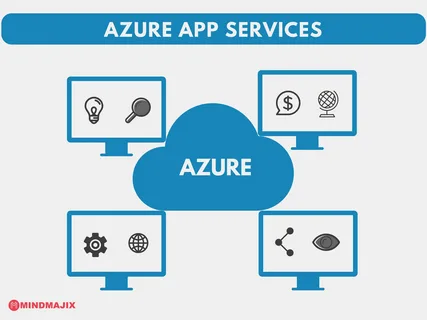
Azure App Services: A managed environment that lets developers focus on code instead of servers.
By using these tools, organizations in the USA and across the globe are turning brittle legacy apps into resilient, cloud-native powerhouses.
Data Modernization: Feeding the AI Engine
An application is only as good as the data it processes. Therefore, data modernization is a critical, yet often overlooked, component of the process. Legacy databases are often siloed, making it impossible to gain a “single view” of the customer.
Azure data modernization involves migrating these isolated databases to unified cloud platforms. This shift enables real-time insights and advanced business intelligence. In the era of AI, having clean, accessible data is the difference between leading the market and falling behind.
Overcoming the Challenges of Change
Modernization is rewarding, but it is not without hurdles. Organizations must prepare for several common challenges:
-
Complex Dependencies: Legacy apps are often “spaghetti code.” Untangling these connections requires expert guidance and thorough planning.
-
Skill Gaps: Your team may be experts in old languages but lack experience in cloud-native practices. Training or partnering with specialists is essential.
-
Data Integrity Risks: Moving massive amounts of data is risky. You must ensure that no information is lost or corrupted during the migration.
This is why partnering with experienced providers of application modernization services is vital. They provide the roadmap and the safety net needed for a successful transition.
Best Practices for a Successful Journey
To maximize your return on investment, follow these industry-standard best practices:
-
Start with an Assessment: Audit your entire portfolio. Determine which apps provide the most value and modernize those first.
-
Define Clear KPIs: What does success look like? Whether it is 20% faster load times or a 30% reduction in hosting costs, set measurable goals.
-
Choose the Right Approach: Don’t rebuild every app. Use “lift and shift” for simple apps and save “refactoring” for your core business tools.
-
Prioritize Security: Do not treat security as an afterthought. Build it into the architecture from day one.
-
Implement Automation: Use CI/CD pipelines to ensure that every update is tested and deployed automatically.
The Future: AI and Beyond
Looking ahead, application modernization will continue to evolve. We are already seeing the integration of AI agents directly into modernized architectures. These agents can self-heal code, optimize resource usage, and provide proactive support to users. Organizations that embrace modernization today will be the first to benefit from these future innovations.
With platforms like Azure leading the way, the possibilities are endless. You can build resilient, intelligent, and scalable applications that don’t just “keep up”—they lead.
Conclusion: Break Free from the Past
Application modernization services empower your organization to break free from the limitations of the past. By moving away from legacy debt and embracing the cloud, you create a more agile and efficient future.
Whether you are adopting Azure application modernization or a full Azure app and data modernization plan, the goal is the same: continuous innovation. The cloud offers a level of security and performance that on-premise systems simply cannot match.
If you are ready to transform your legacy systems and accelerate your digital journey, now is the time to act. Partner with experts who understand the complexities of Azure and can guide you through a smooth, successful transition. Your legacy systems served you well in the past—but your future belongs in the cloud.
Author

In today’s high-velocity digital economy, standing still is the same as moving backward. While many organizations strive for innovation, they often find themselves tethered to legacy systems that act like anchors. These outdated structures limit scalability, drain budgets through high maintenance costs, and slow down the ability to react to market changes.
This is where application modernization services become a mechanical necessity. Modernization isn’t just a technical “patch-up.” It is a strategic transformation. It involves taking your existing software and reimagining it for a cloud-native world. By converting monolithic, aging applications into agile, cloud-ready solutions, businesses can finally unlock the true potential of their digital assets.
Understanding Application Modernization
Application modernization is the process of updating legacy software to align with contemporary infrastructure, such as the cloud. In 2026, this usually means moving away from on-premise servers and toward ecosystems like Microsoft Azure.
The goal is to change how applications function and integrate. Whether it involves re-hosting, refactoring, or a complete rebuild, the objective remains the same: to deliver more value to the end-user with less operational friction.
Why Modernization is No Longer Optional
The risks of maintaining legacy systems are growing every year. Organizations that delay modernization face several critical disadvantages:
-
Performance Bottlenecks: Older systems simply cannot handle the massive data loads and high user concurrency of the modern web.
-
Security Vulnerabilities: Legacy apps often lack the “security-by-design” principles required to fight 2026’s sophisticated cyber threats.
-
Prohibitive Costs: The “technical debt” of maintaining old hardware and patching ancient code often exceeds the cost of a full cloud migration.
-
Stagnant Innovation: You cannot implement AI, machine learning, or real-time analytics on a system that was built before these technologies existed.
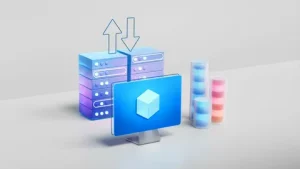
Strategic Approaches to Transformation
Not every application requires the same level of intervention. Experts generally categorize modernization into four primary strategies:
1. Rehosting (Lift and Shift)
This is the fastest route to the cloud. You move the application to a cloud environment with minimal changes to the code. It is an excellent starting point for businesses looking to reduce immediate hardware costs.
2. Replatforming
In this approach, you make small optimizations so the application can better utilize cloud features without a massive overhaul. Think of it as “tuning” the engine rather than replacing it.
3. Refactoring
This is the most popular choice for Azure application modernization. Developers modify the internal code to improve scalability and performance. This allows the app to take full advantage of cloud-native features like auto-scaling and managed databases.
4. Rebuilding
When an application is too far gone, it is often better to start fresh. Rebuilding involves using microservices and containerization to create a modular, future-proof solution from the ground up.
The Dominance of Microsoft Azure in 2026
Microsoft Azure has solidified its place as the premier platform for enterprise transformation. Its flexibility and deep integration with existing Microsoft tools make it a natural fit for most organizations.
Key services driving Azure app modernization include:
-
Azure Kubernetes Service (AKS): The gold standard for managing containers, allowing for seamless deployment and scaling.
-
Azure DevOps: Provides the CI/CD pipelines necessary for rapid, automated software releases.
-
Azure App Services: A fully managed platform that removes the burden of managing infrastructure, allowing developers to focus solely on code.
By leveraging these tools, businesses in the USA and globally are turning clunky legacy apps into resilient, high-performance assets.
Data Modernization: The Invisible Half
An application is only as good as the data that powers it. This is why data modernization must happen alongside application updates. Legacy databases are often siloed and slow, creating bottlenecks that hinder the entire system.
Azure data modernization focuses on migrating these databases to managed cloud environments like Azure SQL or Cosmos DB. This shift enables real-time analytics and breaks down data silos. Without a modern data architecture, your applications will never truly be agile.
Overcoming the Hurdles of Transition
While the benefits are clear, the path to a modernized stack has its challenges. Organizations must be prepared to navigate:
-
Complex Dependencies: Legacy apps are often “spaghetti code” with hidden connections that make migration tricky.
-
Skill Gaps: Moving to the cloud requires a team fluent in DevOps, containerization, and cloud security.
-
Migration Risks: Data integrity must be protected at all costs during the transfer process.
Partnering with experienced providers is often the best way to mitigate these risks. Experts can conduct thorough assessments to ensure the right strategy is applied to the right application, preventing “cloud sprawl” and runaway costs.
Best Practices for Success
To ensure your modernization efforts yield a high return on investment, follow these core principles:
-
Assess First: Don’t modernize for the sake of it. Audit your entire portfolio to identify which apps will provide the most value once updated.
-
Prioritize Security: Implement a “Zero Trust” architecture from day one.
-
Automate Everything: Use CI/CD pipelines to ensure that updates are frequent, safe, and efficient.
-
Monitor and Optimize: The cloud is not a “set it and forget it” environment. Continuous monitoring is required to manage costs and performance.
Final Thoughts: Preparing for the Decade Ahead
Application modernization is the engine of digital transformation. In 2026, the gap between “modernized” and “legacy” companies is wider than ever. Organizations that embrace platforms like Azure to transform their applications and data systems are seeing faster innovation, lower costs, and much higher resilience.
The future belongs to the agile. By breaking free from the constraints of the past, your business can finally build the scalable, intelligent, and secure applications required to lead in the years to come. If you are ready to start your journey, the time to assess your legacy stack is now. The cloud is waiting, and the competitive advantages are too significant to ignore.
Author


Corrosion Testing For Salt Spray Checklist in Lab Equipment

Injectable Anesthetics Market 2026–2031: Global Growth & Trends

As-Built Drawing Services and Why They Matter in Construction

Luxury RV Resorts: Comfort, and Premium Travel Experiences

Working Capital Finance in India: A Complete Guide for MSMEs

The Reason for Preventive Pediatric Care in Sterling Heights

Master’s in Biomedical Engineering at JNU Jaipur: Top Choice

Solar Battery Melbourne 2026: Costs, Incentives & Top Brands

Secondary Research: Transform Data into Strategic Business

Market Intelligence Services: Drive Data-Driven Business Growth

Cybersecurity Consulting Company SequelNet Provides Critical IT Support Services to Medical Billing Firm, Medical Optimum

Team Communication Software Transforms Operations at Finance Innovate

Project Management Tool Transforms Long Island Business

How Alleviate Poverty Utilized IPPBX’s All-in-One Solution to Transform Lives in New York City

Breast Cancer: The Imperative Role of Mammograms in Screening and Early Detection

Unstoppable Collaboration: D.C.’s Citi Open and Silicon Valley Classic Unite to Propel Women’s Tennis to New Heights

Embracing Renewal: Sizdabedar Celebrations Unite Iranians in New York’s Eisenhower Park

The Benefits of Starting a Side Hustle for Financial Freedom

New Blood Donation Screening Questions What You Need to Know

Stylishly Timeless: The 5 Types of Sandals You Need in Your Closet
-

 Business3 years ago
Cybersecurity Consulting Company SequelNet Provides Critical IT Support Services to Medical Billing Firm, Medical Optimum
-
Business3 years ago
Team Communication Software Transforms Operations at Finance Innovate
-
Business3 years ago
Project Management Tool Transforms Long Island Business
-
Business3 years ago
How Alleviate Poverty Utilized IPPBX’s All-in-One Solution to Transform Lives in New York City
-
health3 years ago
Breast Cancer: The Imperative Role of Mammograms in Screening and Early Detection
-
Sports3 years ago
Unstoppable Collaboration: D.C.’s Citi Open and Silicon Valley Classic Unite to Propel Women’s Tennis to New Heights
-
Art /Entertainment3 years ago
Embracing Renewal: Sizdabedar Celebrations Unite Iranians in New York’s Eisenhower Park
-
Finance3 years ago
The Benefits of Starting a Side Hustle for Financial Freedom







