
Studies
Master’s in Biomedical Engineering at JNU Jaipur: Top Choice

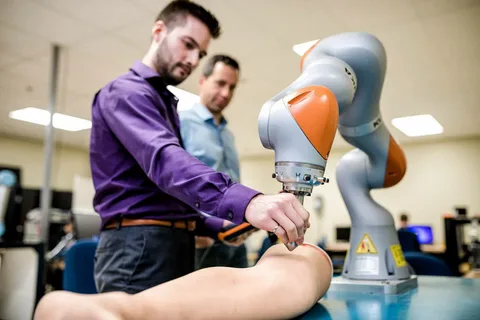
The field of biomedical engineering is currently spearheading a revolution in global healthcare. By blending advanced technological principles with the complexities of medical science, this discipline creates life-saving innovations. Rajasthan has established itself as a premier destination for this study, offering several high-ranking institutions that provide Master’s students with rigorous coursework and high-tech facilities. Among these, Jaipur National University (JNU) Jaipur stands out as a top-tier choice for aspiring engineers. This guide explores the growing importance of the field and explains why JNU Jaipur is the ideal setting for your postgraduate journey in 2026.
The Rising Importance of Biomedical Engineering
In 2026, the intersection of engineering and medicine is more critical than ever. We no longer rely solely on traditional medicine; instead, we use robotic-assisted surgeries, AI-driven diagnostics, and smart prosthetics. Biomedical engineering is the engine driving these changes. It applies the problem-solving skills of an engineer to the biological challenges of the human body.
Rajasthan has recognized this shift by investing heavily in higher education. The state now hosts some of the most sophisticated biomedical engineering colleges in India. these programs focus on practical applications and innovative developments rather than just theoretical lectures.
Core Pillars of a Modern Curriculum
To remain competitive in 2026, a Master’s degree must cover a diverse range of subjects. Students at elite Rajasthan colleges engage with:
-
Medical Device Design: Learning to build the hardware that saves lives, from pacemakers to ventilators.
-
Biomaterials and Biomechanics: Understanding how synthetic materials interact with human tissue and how the body moves.
-
Medical Signal Processing: Analyzing the data from MRIs, EEGs, and EKGs to detect diseases earlier.
- Healthcare Artificial Intelligence: Navigating the ethical and technical challenges of using AI to manage patient care.
Why JNU Jaipur is a Premier Choice
Jaipur National University (JNU) has earned a reputation for excellence through its School of Engineering & Technology. The university understands that a Master’s in Biomedical Engineering requires a delicate balance of academic rigor and industry exposure.

1. State-of-the-Art Infrastructure
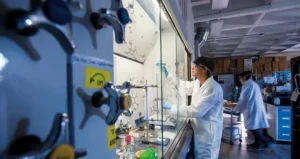
One of the primary reasons students flock to JNU Jaipur is the quality of its facilities. The university boasts over 60 specialized engineering labs. For biomedical students, this means access to high-end instrumentation that mirrors what is used in the professional world. These labs allow students to transition from “knowing” a concept to “doing” it.
2. Industry-Driven Collaborations
JNU Jaipur does not operate in a vacuum. The university maintains strong ties with renowned medical and engineering corporations. These partnerships lead to strategic alliances that benefit the students directly. Whether through guest lectures from industry veterans or internship opportunities at top-tier hospitals, students gain an “inside look” at the professional landscape before they even graduate.
3. Expert Faculty and Mentorship
The faculty at JNU consists of highly qualified instructors and industry experts. These mentors guide students through the complexities of bio-robotics, nanotechnology, and clinical engineering. This personalized mentorship ensures that every student can handle the demanding nature of the 2026 medical tech sector.
Career Paths in 2026: Where Can You Go?
Graduating with a Master’s in Biomedical Engineering opens doors to both the public and private sectors. As technology becomes more integrated into every hospital and clinic, the demand for specialists is reaching an all-time high.
High-Demand Career Roles:
-
Medical Device Designer: Working with manufacturing giants to create the next generation of surgical tools.
-
Research Scientist: Leading clinical trials and developing new materials for tissue engineering.
-
Regulatory Affairs Specialist: Ensuring that new medical technologies comply with strict 2026 safety standards.
-
Rehabilitation Engineer: Designing specialized tech to help patients recover mobility after injury or surgery.
-
Clinical Engineer: Managing the high-tech ecosystems within modern hospital environments.
The JNU Jaipur Advantage: Research and Innovation
What truly sets JNU Jaipur apart from other colleges in Rajasthan is its unwavering focus on research. The university encourages students to take on original research projects that tackle real-world medical problems.
In 2026, the university’s research initiatives often focus on Sustainable Healthcare and Low-Cost Medical Tech. These projects aim to make advanced medical care more accessible to underserved populations. Students aren’t just earning a degree; they are contributing to the global body of medical knowledge.
Career Support and Placement
The university offers comprehensive career planning services. The dedicated placement cell helps students secure positions at world-class research centers and healthcare organizations. Because JNU graduates are known for their practical skills, they are often the first choice for recruiters in the biomedical sector.
Why Choose Rajasthan for Your Master’s?
Rajasthan is no longer just a land of history; it is a land of the future. The state government has streamlined the educational sector to foster innovation. By choosing a college in Jaipur, you are positioning yourself in a city that is rapidly becoming a tech hub. The cost of living is manageable, and the proximity to major medical centers in North India provides a wealth of clinical data for your research.
Conclusion: Engineering the Future of Health
A Master’s degree in Biomedical Engineering is more than just a qualification; it is a ticket to a career that changes lives. Institutions like JNU Jaipur provide the perfect environment for this journey. By offering a curriculum that meets international standards, access to cutting-edge labs, and strong industry connections, JNU ensures its graduates are ready for the challenges of 2026.
If you are a promising engineer looking to excel both intellectually and professionally, JNU Jaipur offers the ideal conditions to grow. You will graduate not just with a diploma, but with the skills, confidence, and network needed to thrive in the constantly evolving world of medical technology.
Author



Studying abroad is a dream for many Indian students, and Poland is quickly becoming one of the most attractive destinations in Europe. With affordable tuition fees, globally recognized universities, and a safe environment, Poland offers a perfect opportunity for students who want international exposure without high costs. If you are planning to study mbbs in Poland for Indian students, this guide will help you understand every important aspect.
Why Choose Poland for Higher Education
Poland stands out because it provides high-quality education at a much lower cost compared to countries like the UK, USA, or Australia. Many universities offer English-taught programs, making it easier for Indian students to adapt. Being a part of the European Union also allows students to travel across Europe. The country is safe, culturally rich, and student-friendly, which makes it ideal for international education.
Top Universities in Poland
Poland is home to several prestigious universities that offer world-class education. Some of the top institutions include the University of Warsaw, Jagiellonian University, Warsaw University of Technology, and the Medical University of Warsaw. These universities are known for their academic excellence, research facilities, and international recognition. Studying at these institutions can open doors to global career opportunities.

Popular Courses for Indian Students
Poland offers a wide variety of courses in English. Indian students often choose programs such as medicine, engineering, business, computer science, and hospitality. Medical and engineering courses are particularly popular due to their strong curriculum and career scope. These programs are designed to meet international standards, ensuring students receive quality education.
Eligibility Criteria
To study in Poland, Indian students must meet certain academic and language requirements. Students should have completed their 12th grade with at least 50 to 70 percent marks, depending on the course. For medical and engineering programs, a science background is necessary. Most universities require an IELTS score of around 6.0 to 6.5, although some institutions may offer admission without IELTS.
Admission Process
The admission process in Poland is simple and student-friendly. First, students need to select a course and university. After that, they must fill out the online application form and submit required documents such as academic transcripts, passport copy, and proof of English proficiency. Once the application is accepted, students receive an offer letter. After paying the tuition fees, they can proceed with the visa application.
Tuition Fees in Poland
One of the biggest advantages of studying in Poland is its affordability. Tuition fees vary depending on the course. Medical programs usually cost between 10,000 to 15,000 euros per year, while engineering and business courses range from 2,000 to 5,000 euros per year. This makes Poland a cost-effective option for Indian students.
Cost of Living
The cost of living in Poland is quite reasonable compared to other European countries. On average, students spend between 300 to 700 euros per month. This includes accommodation, food, transportation, and other daily expenses. Students can manage their budgets effectively while enjoying a comfortable lifestyle.
Student Visa Process
Indian students need a student visa to study in Poland. The visa process requires an admission letter from a recognized university, proof of financial support, health insurance, and a valid passport. Once all documents are submitted correctly, the visa approval process is generally smooth.
Work Opportunities for Students
Poland allows international students to work part-time during their studies. Students can work up to 20 hours per week and full-time during holidays. This helps them gain work experience and manage their expenses. Common job opportunities are available in sectors like retail, hospitality, and IT.
Post-Study Opportunities
After completing their degree, students can apply for a temporary residence permit to stay and work in Poland. The country offers growing career opportunities, especially in fields like technology, healthcare, and business. Students can also explore job options in other European Union countries.
Advantages of Studying in Poland
Studying in Poland offers many benefits, including affordable education, internationally recognized degrees, a safe environment, and an easy admission process. There are no donation or capitation fees, which makes it accessible for many students.
Challenges to Consider
While Poland has many advantages, students may face some challenges such as cold weather and language barriers in daily life. However, these can be managed with time and adaptation.
Choosing to study in Poland for Indian students is a smart decision for those looking for quality education at an affordable cost. With excellent universities, diverse courses, and strong career opportunities, Poland is becoming a preferred destination for higher education. With proper planning and preparation, students can build a successful future while studying in this beautiful European country. visit at education vibes for more information
Author


Author



Every year, many young people in Pakistan dream about studying in Europe. They imagine walking in beautiful cities, studying in modern universities, and building a bright future. One great opportunity that helps make this dream real is the ROMANIA Government Scholarship.
The ROMANIA Government Scholarship is a special program offered by the Government of Romania for international students. It is also a valuable Scholarship For Pakistani Students who want quality education with financial support. In 2026, this opportunity is expected to continue, giving talented students a chance to study in Europe without heavy tuition costs.
What Is the ROMANIA Government Scholarship?
The ROMANIA Government Scholarship is a fully funded or highly supported scholarship program. It is offered through the Romanian Ministry of Foreign Affairs to students from many non-European countries, including Pakistan.
This Scholarship For Pakistani Students supports higher education at different levels:
- Bachelor’s degree
- Master’s degree
- PhD programs
Students selected under the ROMANIA Government Scholarship can study at public universities in Romania in different academic fields.

Why Romania Is a Good Choice for Pakistani Students
Romania is a European country known for:
- Affordable living costs
- Recognized universities
- Safe environment
- Rich culture and history
For those searching for a Scholarship For Pakistani Students, Romania offers a balance between quality education and manageable expenses. The ROMANIA Government Scholarship makes studying there even more accessible.
Romanian universities provide modern classrooms, research facilities, and international exposure. Students also get a chance to experience European culture and meet people from around the world.
Study Levels Covered
The ROMANIA Government Scholarship covers three main study levels:
Bachelor’s Degree
For students who have completed their higher secondary education (Intermediate or A-Levels).
Master’s Degree
For students who already hold a bachelor’s degree.
PhD Programs
For students interested in research and advanced studies.
This Scholarship For Pakistani Students allows learners to continue their education step by step in a structured and supportive system.
Fields of Study Available
Under the ROMANIA Government Scholarship, students can apply in many academic areas such as:
- Engineering
- Computer Science
- Social Sciences
- Business and Economics
- Agriculture
- Architecture
- Political Science
Some programs are taught in Romanian. In that case, the scholarship may include a preparatory language year so students can learn Romanian before starting their main degree.
Benefits of the ROMANIA Government Scholarship
The ROMANIA Government Scholarship provides several important benefits.
1. Tuition Fee Coverage
Students usually do not have to pay tuition fees at public universities.
2. Monthly Stipend
A monthly allowance is provided to help with living expenses.
3. Accommodation Support
Students may receive space in university dormitories, depending on availability.
4. Preparatory Language Course
If required, a Romanian language course is included.
This makes it an excellent Scholarship For Pakistani Students who want to reduce financial pressure while studying abroad.
Eligibility Criteria
To apply for the ROMANIA Government Scholarship, Pakistani students must:
- Have a strong academic record
- Hold a valid passport
- Meet educational requirements for the chosen degree
- Submit complete documents before the deadline
- Not hold Romanian or EU citizenship
This Scholarship For Pakistani Students is competitive, so good grades and proper documentation are very important.
Required Documents
Students applying for the ROMANIA Government Scholarship usually need:
- Academic certificates and transcripts
- Passport copy
- Birth certificate
- Curriculum Vitae
- Medical certificate
- Recommendation letters
- Completed application form
All documents must be clear, correct, and properly translated if required. Any missing document can affect the selection process.
Application Process Step by Step
Applying for the ROMANIA Government Scholarship involves several stages.
Step 1: Online Registration
Students fill out the official scholarship application form.
Step 2: Document Upload
All required documents must be uploaded correctly.
Step 3: Evaluation
Authorities review applications based on academic merit and eligibility.
Step 4: Selection Results
Selected candidates receive official confirmation.
This Scholarship For Pakistani Students requires careful attention to detail during every step.
Student Visa Process After Selection
After being selected for the ROMANIA Government Scholarship, students must apply for a Romanian student visa.
The visa process usually includes:
- Scholarship award letter
- University acceptance letter
- Medical insurance
- Police clearance certificate
- Visa application form
It is important to follow embassy instructions carefully to avoid delays.
Living in Romania as a Student
Romania offers a peaceful and welcoming environment for international students. The cost of living is generally lower compared to many Western European countries.
Students under the ROMANIA Government Scholarship can enjoy:
- Historical cities
- Beautiful landscapes
- Cultural festivals
- Friendly student communities
For many, this Scholarship For Pakistani Students is not just about education but also about personal growth and international exposure.
Important Tips for Applicants
To increase your chances of success in the ROMANIA Government Scholarship, follow these tips:
Maintain Good Academic Scores
Strong grades improve your application.
Prepare Documents Early
Do not wait until the last moment.
Follow Official Guidelines
Read instructions carefully before applying.
Meet Deadlines
Late applications are usually not accepted.
This Scholarship For Pakistani Students rewards careful preparation and academic dedication.
Common Questions
Is the ROMANIA Government Scholarship fully funded?
It generally covers tuition fees and provides a monthly stipend.
Is IELTS required?
Language requirements depend on the program and university.
Can Pakistani students apply every year?
Yes, as long as they meet eligibility criteria and apply within the deadline.
Final Thoughts
The ROMANIA Government Scholarship is a valuable opportunity for ambitious students who want to study in Europe. It offers financial support, quality education, and international experience.
As a leading Scholarship For Pakistani Students, it allows talented individuals to grow academically and professionally without heavy financial burden. With proper preparation, complete documents, and timely submission, Pakistani students can make the most of this opportunity in 2026.
Studying abroad can change your life. With the help of the ROMANIA Government Scholarship, your dream of European education can become a strong and successful reality.
Author



Apartments in Victoria (VIC) : Investment Opportunities

Apartments in NSW: Sustainability & Investment Opportunities

Brisbane 2026: Riverfront Luxury & Real Estate Trends

Tallow Fatty Acid Price History, Index, and Forecast Insights

Global Bioprocess Containers Market 2026: Single-Use Systems

Cheap Storage: Affordable Self-Storage Solutions

Top 10 Business Loan Alternatives for MSMEs in India 2026

NAD+ IV Drip Dubai – Boost Professional Energy & Focus

Carsicko Streetwear Trends from London Fashion Week 2026

Locksmith West Sussex: 24/7 Residential & Commercial Services

Cybersecurity Consulting Company SequelNet Provides Critical IT Support Services to Medical Billing Firm, Medical Optimum

Team Communication Software Transforms Operations at Finance Innovate

Project Management Tool Transforms Long Island Business

How Alleviate Poverty Utilized IPPBX’s All-in-One Solution to Transform Lives in New York City

Breast Cancer: The Imperative Role of Mammograms in Screening and Early Detection

Unstoppable Collaboration: D.C.’s Citi Open and Silicon Valley Classic Unite to Propel Women’s Tennis to New Heights

Embracing Renewal: Sizdabedar Celebrations Unite Iranians in New York’s Eisenhower Park

The Benefits of Starting a Side Hustle for Financial Freedom

New Blood Donation Screening Questions What You Need to Know

Stylishly Timeless: The 5 Types of Sandals You Need in Your Closet
-

 Business3 years ago
Cybersecurity Consulting Company SequelNet Provides Critical IT Support Services to Medical Billing Firm, Medical Optimum
-
Business3 years ago
Team Communication Software Transforms Operations at Finance Innovate
-
Business3 years ago
Project Management Tool Transforms Long Island Business
-
Business3 years ago
How Alleviate Poverty Utilized IPPBX’s All-in-One Solution to Transform Lives in New York City
-
health3 years ago
Breast Cancer: The Imperative Role of Mammograms in Screening and Early Detection
-
Sports3 years ago
Unstoppable Collaboration: D.C.’s Citi Open and Silicon Valley Classic Unite to Propel Women’s Tennis to New Heights
-
Art /Entertainment3 years ago
Embracing Renewal: Sizdabedar Celebrations Unite Iranians in New York’s Eisenhower Park
-
Finance3 years ago
The Benefits of Starting a Side Hustle for Financial Freedom







