Real Estate
Brisbane 2026: Riverfront Luxury & Real Estate Trends

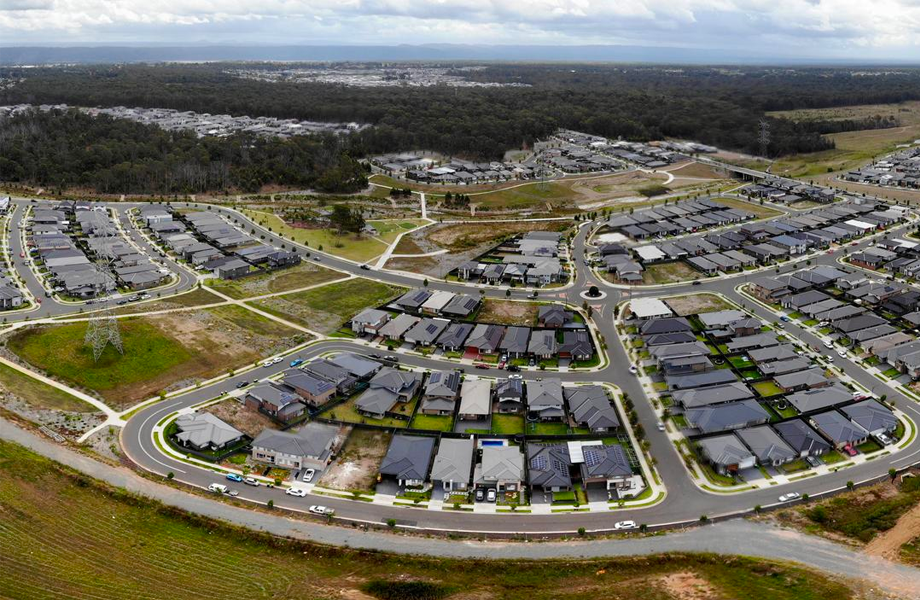
Brisbane is no longer just a “big country town.” For decades, the Queensland capital lived in the shadow of its southern siblings, but 2026 marks a definitive turning point. Today, Brisbane is maturing into a dense, village-style metropolis. This transformation stems from shifting lifestyle expectations and the high-energy countdown to the 2032 Olympic and Paralympic Games. The city is witnessing a surge in master planned communities and boutique developments that are completely redefining modern urban living. From the southern growth corridors to the iconic riverfront, Brisbane is establishing a new gold standard for connected, high-amenity residential life.
A Skyline in Transition: Moving Beyond the CBD
While Brisbane’s skyline continues to climb, the most impactful changes are occurring within its established suburbs. These areas are transitioning from traditional low-density layouts to vibrant, medium-density hubs. This shift reflects a broader desire for “walkable” neighborhoods where work, play, and rest coexist.
Rochedale: The New Face of the South
In the southern growth corridor, the Florian Rise development introduces a new era of medium-density living. Traditionally, Rochedale was an area defined by sprawling acreage and large family estates. However, this new project caters to those wanting a low-maintenance lifestyle without sacrificing luxury.
Initially, residents in these areas had to drive for every basic need. Now, these master planned communities offer resort-style pools and dedicated work-from-home spaces. By integrating professional hubs into residential zones, developers ensure that residents don’t have to leave their community to find a modern life balance.
Teneriffe: The Social Landmark
In contrast to the suburban spread, Teneriffe remains the peak of inner-city sophistication. A new eight-story landmark is currently taking shape, designed specifically for the urban socialite. It features a 25-meter rooftop pool with breathtaking views of the CBD and Fortitude Valley. Furthermore, this project places residents at the absolute center of Brisbane’s most celebrated dining and shopping precincts. It represents the “village” aspect of the new Brisbane—where high-density living meets high-end culture.

Redefining Riverfront Luxury
The Brisbane River remains the city’s crown jewel. In 2026, it continues to spark architectural innovation that prioritizes environmental harmony. Developers are focusing on “absolute riverfront” positions that maximize the connection between indoor living and the water.
Toowong’s Curved Innovation
A boutique riverfront tower in Toowong is currently nearing completion, and it is already turning heads. Its unique, curved facade mimics and reflects the flow of the nearby river. Consequently, the building feels like a natural extension of the landscape rather than a concrete intrusion. Residents here enjoy uninterrupted views that stretch across the water from St. Lucia to South Brisbane. This development marks a new peak for suburban riverfront luxury, proving that high-rise living can still feel organic.
Bulimba’s Boutique Heritage
Across the river in Bulimba, a new project is rising on the historic site of a former boat yard. This development honors its maritime location by reserving direct riverfront access for the residences below. Meanwhile, the rooftop serves as a communal sanctuary for all owners. This shared space includes an infinity-edge pool, a spa, and an outdoor kitchen. All of these amenities offer elevated views back toward the city skyline, blending the charm of a riverside village with the glitter of a modern city.
The Rise of the Suburban Sanctuary
Innovation isn’t limited to the inner city or the river’s edge. In the northern suburb of Taigum, a masterplanned terrace community is introducing a level of amenity rarely seen in the outer suburbs. This “suburban sanctuary” features a private wellness retreat designed to compete with five-star hotels.
Specifically, the retreat includes:
-
Heated swimming pools for year-round fitness.
-
Hot and cold plunge pools to aid in muscle recovery.
-
Private saunas and a fully equipped, professional-grade gymnasium.
This development proves that the “wellness” trend has moved beyond the CBD. People in the northern suburbs now expect the same high-tier facilities that were once exclusive to the most expensive postcodes in the city.
The Economic Forces Driving Change
Brisbane’s transformation is not accidental. It is supported by aggressive urban planning and strong economic indicators. The city is shifting toward a “contained neighborhood” model that prioritizes walkability and professional services.
The Population Surge and Urban Density
The numbers tell a compelling story. Brisbane’s population is projected to grow by 17% by 2032. This makes it the fastest-growing capital in Australia. To handle this influx, the Brisbane City Council has pivoted to a strategy known as “Tall Over Sprawl.” This strategy favors vertical growth over the endless expansion of suburban fringes. Experts predict that detached housing will drop from 60% to 46% of total dwellings by 2046.
The “Asian-Style” Metro
Recent urban reports compare Brisbane’s future to an Asian-style metropolis. This doesn’t mean overcrowded streets; instead, it means more self-contained neighborhoods. In this model, high-quality apartment blocks are surrounded by village-style shops and essential professional services. Essentially, the city is becoming a collection of interconnected villages where everything you need is just a ten-minute walk away.
Market Dynamics: A Tight Squeeze
The residential market in 2026 is exceptionally competitive, which presents both a challenge for buyers and an opportunity for investors. As of February, the vacancy rate sat at a record low of 0.8%. This is one of the tightest markets in the nation’s history.
Moreover, this scarcity has driven an 8.0% annual rise in rents. The chronic supply shortage continues to drive demand for quality housing. For those looking to enter the property market, the focus has shifted toward “resilient assets”—homes in areas with high connectivity and superior lifestyle amenities.
A Smart Outlook for the Future
For both investors and residents, the long-term fundamentals of the Brisbane market remain incredibly robust. While unit values have climbed significantly, the lack of new stock means competition remains intense. The city’s economy is also on an upward trajectory, with exports expected to outpace the rest of Australia.
Ultimately, the road to the 2032 Olympics is creating a city that is more resilient and globally connected. Brisbane is no longer just a gateway to the Gold Coast or the Sunshine Coast. It is a destination in its own right. Whether you prefer a boutique riverfront retreat in Bulimba or a wellness-focused terrace in Taigum, Brisbane in 2026 offers a standard of living that perfectly meets the global stage.
In conclusion, it is an era of immense promise for a city that is finally finding its true identity. Brisbane is standing tall, inviting the world to see what a modern, sustainable, and lifestyle-focused city can truly look like. The journey has only just begun.
Author











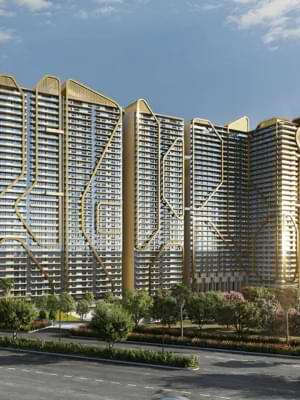
Opus One by GB Realty is an ultra-luxury residential address located in Eco City Phase 2, Mullanpur (New Chandigarh). Designed for low-density, high-privacy living, the high-rise development brings together five-star amenities, advanced structural engineering, and panoramic views of the Shivalik range.
Structural Highlights
- Gated Campus: Spread over 8.75 acres, dedicating a major portion of the footprint to open landscapes.
- Vertical Scale: Comprises 11 high-rise towers rising 29 to 33 storeys, forming one of the tallest residential silhouettes in New Chandigarh.
- Low-Density Privacy: Formatted with only 2 to 3 apartments per floor/lobby to reduce common-area traffic and ensure fast elevator access.
- Construction & Craftsmanship: Built with Mivan formwork shuttering for superior structural integrity. Interiors for show residences showcase collaboration with Hirsch Bedner Associates (HBA), incorporating Italian marble, onyx accents, teakwood veneer finishes, and smart automation systems.
Living Formats & RERA Details
- Spacious Residences: Includes 3 BHK, 4 BHK, 5 BHK, and top-tier 6 BHK penthouse floor plans starting from approximately ~3,300 sq. ft.
- Buyer Payment Structures: Offers staggered, construction-linked builder payment schedules.
- Regulatory Approval: Fully compliant under Punjab RERA (PBRERA-SAS81-PR1267).
Clubhouse & Recreation
Houses over 70 lifestyle, fitness, and outdoor facilities inside the complex:
- Leisure & Community: Multi-level clubhouse, private home theater, banquet hall, and resident lounges.
- Sports & Wellness: Temperature-controlled infinity pool, modern fitness center, yoga zone, and outdoor sports courts.
- Green Spaces: Zen gardens, children’s play zones, and dedicated walking loops.opus-one-new-chandigarh-modern-architectural-luxury-in-eco-city-phase-2
Location & Infrastructure Access
Situated inside Eco City Phase 2 with quick connections across the Chandigarh Capital Region:
- Airport Corridor: Direct reach via the PR-7 Airport Road for smooth transit to Chandigarh International Airport.
- Institutional Proximity: Located minutes away from Medicity Hospital, PGIMER, Punjab University, and main access corridors leading into central Chandigarh and Mohali.
Situated in Eco City Phase 2, New Chandigarh (Mullanpur), Opus One by GB Realty is positioning itself as one of the most ambitious ultra-luxury high-rise residential landmarks in the Chandigarh Capital Region. Designed to offer seven-star hospitality-style living, the development sets a new standard for design, engineering, and architectural scale in North India.
Project Overview & Architecture
- Land Area: Spans 8.75 acres of low-density landscape.
- Towers & Heights: Features 11 iconic high-rise towers rising 29 to 33 storeys—planned to be among the tallest residential structures in New Chandigarh.
- Low-Density Layout: Built with only 2 to 3 apartments per lobby/floor, ensuring enhanced privacy, exclusivity, and quiet living.
- Construction Quality: Utilizes advanced Mivan shuttering technology for seismic resistance, durability, and smooth finishes.
- Design Credentials: Interior styling for the show residences is handled in collaboration with world-renowned design firm Hirsch Bedner Associates (HBA), featuring Italian marble flooring, onyx kitchen finishes, teakwood veneer doors, and smart home automation.
Residences & Pricing Framework
The project offers expansive layout configurations ranging from modern family spaces to penthouse-level floor plans:
- Configurations: 3 BHK, 4 BHK, 5 BHK, and ultra-premium 6 BHK penthouse residences (ranging from ~3,300 sq. ft. upwards).
- Sample Payment Structure: Features flexible builder payment plans (e.g., 19% booking amount, monthly installment models, and balance on possession).
- RERA Approved: Registered under Punjab RERA (PBRERA-SAS81-PR1267).
World-Class Amenities
Opus One hosts over 70 lifestyle and wellness amenities within its gated ecosystem:
- Clubhouse & Leisure: Grand multi-level clubhouse, private home theater/mini-theater, banquet hall, and sports lounge.
- Wellness & Sports: Temperature-controlled/infinity swimming pool, fully equipped fitness center, dedicated yoga studio, sports courts, and jogging/cycling tracks.
- Green Spaces: Landscaped Zen gardens, children’s play zones, and open vistas looking towards the Shivalik hills.
Located in Eco City Phase 2, Opus One benefits from New Chandigarh’s master-planned infrastructure:
- Connectivity: Quick access to the PR-7 Airport Road, connecting seamlessly to the Chandigarh International Airport.
- Proximity: Minutes away from Medicity Hospital, PGIMER, Punjab University, Omaxe World Street, and major arterial routes into Chandigarh (Sectors 17/11) and Mohali.
Nestled in Eco City Phase 2, New Chandigarh (Mullanpur), Opus One by GB Realty brings resort-style, ultra-luxury high-rise living to the Chandigarh Capital Region. Blending sophisticated architecture with expansive green landscapes, the development is engineered for high-end privacy, scale, and modern elegance.
Master Plan
- Spacious Footprint: Set across 8.75 acres with a focus on open space and low-density planning.
- Striking Skyline: Comprises 11 high-rise towers standing 29 to 33 storeys tall—making them among the tallest in the region.
- Maximum Privacy: Designed with just 2 to 3 apartments per floor/lobby to maintain quiet, uncrowded common areas.
- Engineering & Finishes: Built using Mivan concrete technology for superior structural strength. Interiors feature Italian marble, teakwood veneer accents, onyx finishes, and smart home systems styled in collaboration with Hirsch Bedner Associates (HBA).
- Apartment Options: Offers expansive 3 BHK, 4 BHK, 5 BHK, and top-tier 6 BHK penthouse layouts starting at ~3,300 sq. ft.
- Payment Plans: Provides structured buyer payment options (such as initial booking percentages with staggered construction-linked installments).
- RERA Compliance: Fully registered under Punjab RERA (PBRERA-SAS81-PR1267).
Lifestyle
The property packs over 70 dedicated wellness and recreational facilities inside its gated community:
- Clubhouse & Entertainment: Multi-level clubhouse, private mini-theater, sports lounge, and grand event space.
- Fitness & Recreation: Temperature-controlled infinity pool, modern gym, yoga deck, and multi-sport courts.
- Outdoors: Zen gardens, children’s play parks, walking trails, and open views toward the Shivalik range.
connectivity
Situated directly in Eco City Phase 2, Opus One links quickly to key regional hubs:
- Transport: Direct access via the PR-7 Airport Road toward Chandigarh International Airport.
- Key Landmarks: Minutes from Medicity, PGIMER, Punjab University, and seamless routes into main-town Chandigarh and Mohali.
Author


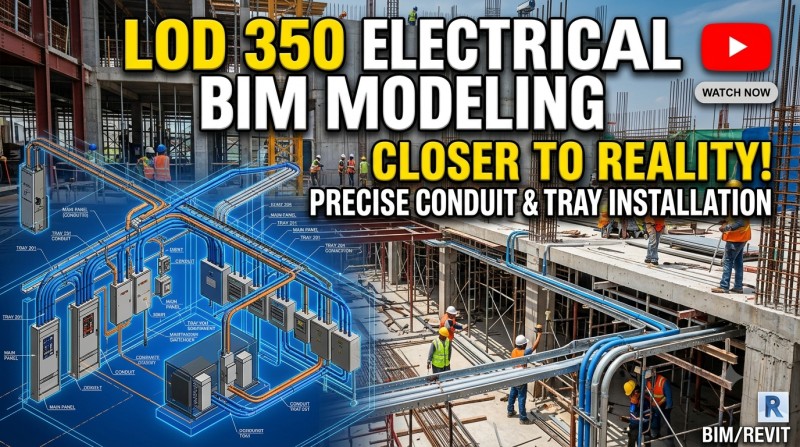
Electrical design becomes more demanding as a building moves closer to construction. At this stage, drawings need to communicate more than the general location of electrical components. LOD 350 BIM Electrical Modelling Services helps develop the electrical system with greater geometric and coordination detail so that designers, engineers, contractors, and site teams have a clearer understanding of how the system is expected to fit within the actual building environment.
Moving Beyond Basic Electrical Design
Early-stage electrical models are often focused on design intent. They may show equipment locations, circuits, major pathways, and general system layouts without representing every physical relationship with surrounding building elements.
As the project progresses, these broad representations may not be enough. Electrical equipment, cable trays, conduits, panels, lighting systems, and other components need to fit around architectural and structural elements. The closer the project gets to construction, the more important this physical relationship becomes.
This is where LOD 350 development can provide additional value. The model begins to represent not only the electrical components but also their relationship with relevant building elements and other disciplines.
Understanding LOD 350 Electrical Development
LOD 350 is generally associated with a level of development where model elements contain more detailed information about their relationships and interfaces with other building components. In an electrical BIM workflow, this can mean better representation of equipment, supports, pathways, penetrations, and connections where required by the project’s scope.
The exact content of an LOD 350 model depends on the BIM execution requirements and project standards. It should not be treated as a fixed checklist that is identical for every project.
The objective is to develop enough reliable information to support coordination and construction-related decisions without unnecessarily modeling details that are outside the project’s requirements.
Electrical Systems Become Easier to Coordinate
One of the major advantages of LOD 350 BIM Electrical Modelling is improved coordination between electrical systems and other disciplines.
Electrical components often compete for limited space. Cable trays may pass through areas occupied by HVAC ducts. Conduits may approach structural beams. Electrical panels require suitable clearance, while lighting fixtures need to work with ceiling layouts and architectural elements.
When these relationships are represented clearly in the BIM environment, coordination teams can identify potential issues earlier. This allows design teams to discuss adjustments before the same issue reaches the construction site.
Better Representation of Equipment and Pathways
Electrical equipment needs more than a simple symbol on a plan when construction is approaching. Panels, transformers, switchgear, distribution equipment, cable trays, conduits, and other components can require physical consideration within the building.
A detailed model can help communicate where these components are positioned and how their pathways relate to the surrounding environment. This gives contractors and installers a clearer digital reference when planning installation activities.
The model also becomes more useful during coordination meetings because different teams can review the same spatial environment instead of interpreting separate two-dimensional drawings independently.
Supporting Clash Detection
Clash detection is another important application of detailed electrical BIM modeling. Electrical services can create conflicts with almost every other building discipline because they require routes through ceilings, walls, shafts, plant rooms, service corridors, and other constrained spaces.
A properly developed model can be reviewed against architectural, structural, mechanical, and plumbing models. Conflicts involving cable trays, conduits, equipment, ceilings, ducts, beams, columns, or other elements can then be investigated before installation.
However, clash detection is only useful when the model contains appropriate and reliable information. Adding unnecessary detail without maintaining accuracy does not automatically create a better coordination model.
Improving Construction Planning
Construction teams often need to understand how different systems will occupy the same physical space. Electrical BIM models developed to an appropriate level can support this planning by providing a more realistic view of system locations and interfaces.
For example, an electrical contractor may need to coordinate tray routes with mechanical services before installation begins. The model can provide a common reference for reviewing these routes and discussing required adjustments.
This can reduce dependence on assumptions made directly at the site and give project participants more information before installation work starts.
Helping Fabrication and Installation Workflows
Depending on the project requirements, electrical BIM models may also support downstream detailing and fabrication-related workflows. Accurate pathways and equipment locations can help teams develop more detailed installation information.
For projects involving prefabricated electrical assemblies or coordinated service modules, model accuracy becomes particularly important. Fabrication decisions depend on dimensions, locations, clearances, connections, and coordination with surrounding systems.
The BIM model does not replace fabrication drawings or installation expertise, but it can provide an organized digital foundation for producing and reviewing those deliverables.
Supporting Design Changes
Electrical designs frequently change as projects develop. Equipment selections may be updated, room layouts may change, or coordination with other services may require a route to be modified.
A structured BIM model makes these changes easier to track across the digital environment. When a component or pathway changes, related views and documentation can be updated as part of the BIM workflow, subject to proper model management.
This is particularly useful on large projects where manual changes across multiple independent drawings can increase the possibility of inconsistencies.
The Importance of Project Standards
LOD 350 does not mean that every electrical element should be modeled to maximum possible detail. The level of information should be based on the project’s requirements, BIM execution plan, client standards, and intended model uses.
Before modeling begins, the project team should establish what needs to be represented, how elements should be named, which parameters are required, and what level of graphical detail is expected.
Clear standards help prevent both under-modeling and unnecessary modeling. They also make it easier for different project participants to work with the same model.
Quality Control Makes the Model More Useful
A detailed electrical model still needs careful quality checking. Model reviews should consider equipment locations, system routes, connectivity where required, clearances, naming, parameters, views, and coordination with other disciplines.
Quality control is particularly important before issuing models for construction coordination. An inaccurate model can create the same type of confusion as an inaccurate drawing, even if the model appears visually detailed.
The value of LOD 350 BIM Electrical Modelling therefore comes from combining appropriate detail with accuracy, coordination, and reliable project information.
Bringing Electrical BIM Closer to Site Requirements
As a project moves from design toward construction, the gap between a conceptual representation and physical installation becomes increasingly important. Electrical systems need to occupy real spaces, pass around structural elements, coordinate with mechanical services, and remain accessible for installation and maintenance.
LOD 350 modeling helps address this transition by representing electrical systems with greater consideration of their physical relationships. It provides project teams with a more detailed environment for coordination and construction planning without confusing the model’s purpose with higher levels of fabrication detail.
For architecture, engineering, and construction teams working on complex building projects, Archdraw Outsourcing provides BIM modeling and electrical documentation support based on project requirements, coordination needs, and established modeling standards. When properly planned and checked, LOD 350 BIM Electrical Modelling can turn an electrical design into a more construction-oriented digital representation, helping project teams understand how the system is intended to work within the actual building.
Author


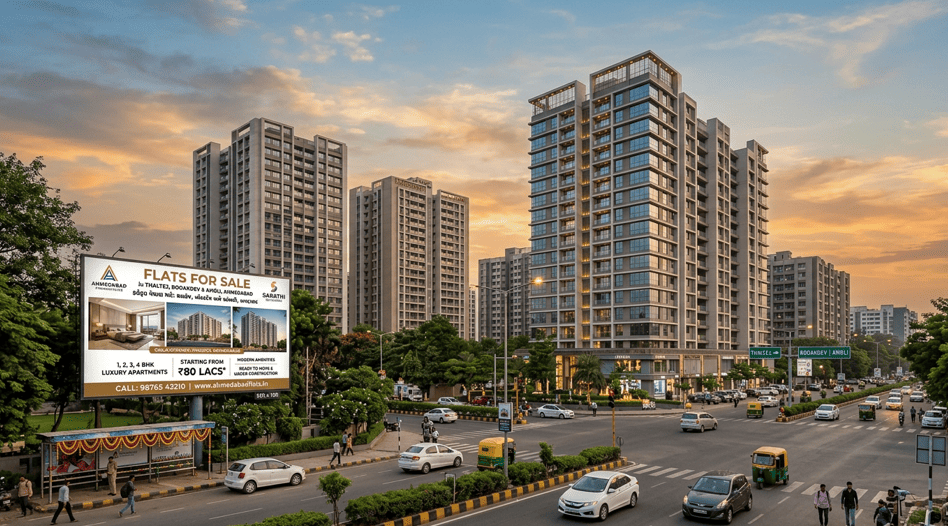
Thaltej, Bodakdev and Ambli are all on the western side of Ahmedabad, and they sit fairly close to one another. But spend some time around these areas and they don’t really feel the same. The roads change, the surroundings change, and so does the kind of housing you come across.
There are plenty of apartment projects in all three localities, though the mix is different. Some buyers look at one area first and then end up checking the other two as well. It usually comes down to the type of home, budget, road access and the kind of neighbourhood they prefer.
Prices can move quite a bit from one property to another. Project, apartment size, age, exact location and the overall level of development all make a difference. Across these three localities, apartments can start around the ₹1 crore range and go well beyond ₹10 crore for larger luxury homes.
Flats for Sale in Thaltej
Thaltej has a fairly mixed residential market. There are older, established societies, newer apartment projects and some much larger premium homes. You don’t have to look only at one type of property here.
Flats for Sale In Thaltej include spacious family apartments as well as larger 3 and 4 BHK homes, penthouses and luxury residences. The locality also has a practical advantage because of its location. SG Highway is nearby, Thaltej Metro Station provides another way to travel, and places such as Sola, Bodakdev and Shilaj are within easy reach.
There are several residential developments around the locality, including Maple Tree Garden Homes, Sharanya Skyvue, Anantara Alpines and Shaligram Plush.
The area has its busy stretches, quieter residential pockets and a mix of both old and new development. That’s something you notice more clearly when visiting than when looking at a property listing online.
Another thing about Thaltej is that the character of the area can change within a relatively short distance. Some roads have a more developed urban feel, while other pockets still have a quieter residential atmosphere. For families, this difference can matter because daily travel, traffic and the immediate surroundings are not always the same across the locality. Looking at the individual project and its immediate surroundings gives a clearer picture than judging the whole area by its name.
Flats for Sale in Bodakdev
Bodakdev has a more established premium residential feel. It is close to Sindhu Bhavan Road and a number of commercial, dining and lifestyle destinations, so people living here have quite a lot happening around them.
Flats for Sale In Bodakdev include spacious 3, 4 and 5 BHK apartments. Prices vary according to the project, floor, size, construction and exact location, so two apartments in the same broad locality can still be priced very differently.
Celestial Living, Shreeya Antilia and Nebula Tower are among the developments associated with the premium apartment segment here.
Bodakdev is also not only about large apartments. The established surroundings are part of what attracts buyers. Restaurants, retail destinations, schools and healthcare facilities are already present around the locality, which makes the area feel fairly complete.
For someone who prefers an established part of west Ahmedabad, the surrounding development can be as relevant as the apartment itself. Older residential pockets sit alongside newer premium projects, so there is some variation in the housing stock. The approach road, parking, building maintenance and the amount of activity around the property are worth noticing when visiting a particular flat.
Flats for Sale in Ambli
Ambli has taken a different direction over the years. A lot of the residential development here is newer and sits towards the premium end of the market, particularly around Iscon-Ambli Road.
The homes are often larger too.
Flats for Sale In Ambli can range from around ₹2.50 crore to well above ₹10 crore for larger luxury residences, depending on the project, size and specifications.
Projects such as Skydeck Select by Saanvi Nirman, Eternity by Ratnaakar and Parshwa Luxuria are examples of developments associated with this part of Ahmedabad.
The surroundings are relatively quieter in some pockets, while the major roads and nearby commercial areas keep the locality connected with the rest of west Ahmedabad. For buyers looking for a larger apartment, this is one of the reasons Ambli tends to come into the conversation.
Ambli’s newer development also means that the appearance of the area can feel quite different from established localities such as Bodakdev. Large residential projects, wider roads in some stretches and ongoing development are noticeable around parts of the locality. At the same time, the exact experience depends heavily on where the property is located and which road it connects to.
Choosing Between the Three Localities
The differences are easier to understand once you actually drive through all three areas.
Thaltej has a combination of established societies and newer residential projects. Bodakdev feels more settled, with established commercial and lifestyle areas around it. Ambli, meanwhile, has seen a lot of newer premium residential development and larger apartment projects.
Still, the locality name alone doesn’t tell you everything about a property.
The exact project matters. So does the road outside it.
Look at the actual carpet area, parking arrangement, construction quality, maintenance and surrounding development. Check the approach road too, especially if you visit during a quieter part of the day. A property can look quite different in person than it does in a listing.
For new projects, RERA registration and the stated possession schedule are worth checking as well.
It can also help to look at nearby localities rather than keeping the search limited to one neighbourhood from the beginning. For example, readers researching Ahmedabad’s residential market can visit Contrank for more real-estate and property-related information. Looking at the wider market can give useful context when different areas start to look similar on a property search.
Whether you’re looking for a family apartment, a larger 4 BHK or a luxury home, comparing Thaltej, Bodakdev and Ambli gives you a better sense of the different residential options available across west Ahmedabad. The three areas are close geographically, but the residential experience, project types and surrounding development can vary quite a bit. Spending some time understanding those differences can make the property search more focused and help you shortlist homes that actually match what you are looking for.
Author



Cash Only A Modern Approach to Everyday Streetwear

Kentucky Bourbon Trail Tours What Is Included and How to Plan a Trip

Point Cloud to BIM for Renovation Projects: From 3D Scanning

Malware Protection Solutions for Business Data Security

Balance With Dedicated Oversight From the Best Virtual Psychiatrist

Make Gifts Memorable with Custom Shaped Rigid Boxes

Brooklyn Creativity, Streetwear, Art, and Fashion

CAD vs. BIM: Which Workflow Is Right for Your Project?

Top 25 Podcast Marketing Firms Based in the United States

QuickBooks Bank Feeds Not Working: Expert Fix Guide

Cybersecurity Consulting Company SequelNet Provides Critical IT Support Services to Medical Billing Firm, Medical Optimum

Meet the Megalodon: The Shark Star of ‘Meg 2’

Reduce Video Game Lag: Level Up Your Gaming Performance

Balancing India’s Entertainment: Cricket vs. Bollywood

Jetsetter’s Secrets: Unveiling Our Favorite Travel Hacks for a Seamless Adventure

The 5 Best Live Sports Streaming Sites: Legal and Exciting!

Hollywood Labor Unrest: The Impact of ‘What About Us?’ Strikes

Unveiling the Magic of Dream Fulfillment at the Late NBA Draft

Illuminate Your Skin: Dr. Axe Unveils Natural Remedies for Lightening Knees and Elbows

Bright Choices: Navigating the Pros and Cons of Skin Whitening Creams with Dr. Axe
-

 Business3 years ago
Cybersecurity Consulting Company SequelNet Provides Critical IT Support Services to Medical Billing Firm, Medical Optimum
-
Entertainment3 years ago
Meet the Megalodon: The Shark Star of ‘Meg 2’
-
Entertainment3 years ago
Reduce Video Game Lag: Level Up Your Gaming Performance
-
 Sports3 years ago
Balancing India’s Entertainment: Cricket vs. Bollywood
-
Entertainment3 years ago
Jetsetter’s Secrets: Unveiling Our Favorite Travel Hacks for a Seamless Adventure
-
Productivity3 years ago
The 5 Best Live Sports Streaming Sites: Legal and Exciting!
-
Art /Entertainment3 years ago
Hollywood Labor Unrest: The Impact of ‘What About Us?’ Strikes
-
Sports3 years ago
Unveiling the Magic of Dream Fulfillment at the Late NBA Draft