
Housing
Bed Bug Treatment Dubai: Tips to Prevent Apartment Infestations


Apartment living offers many benefits. You enjoy shared amenities, easy access to city life, and lower maintenance responsibilities. However, apartments also create unique challenges when it comes to pest control. One of the biggest concerns is bed bugs. These tiny insects can travel between neighboring units through small cracks, wall openings, electrical outlets, and shared hallways. As a result, even a spotless apartment can become vulnerable to an infestation.
Bed bugs feed on human blood and usually stay close to sleeping areas. They hide inside mattresses, bed frames, furniture, carpets, and other narrow spaces during the day. They often enter homes through luggage, second-hand furniture, clothing, or personal belongings. Once they settle in, they multiply quickly and become difficult to remove. Fortunately, a few smart habits can lower the risk and help keep your apartment protected.
Why Bed Bugs Are Common in Apartment Buildings
Apartment buildings have connected walls, ceilings, and floors. Because of this design, bed bugs can move from one unit to another without much difficulty. They do not appear because a home is dirty. Instead, they look for places where people sleep and rest.
Several factors increase the chances of bed bugs entering an apartment. Used furniture can carry hidden insects or eggs. Travelers may unknowingly bring them home inside luggage. Visitors can also transport bed bugs on bags or clothing. In addition, infestations in neighboring apartments may spread if the issue goes untreated. Since bed bugs reproduce quickly, preventing them is much easier than removing them after they become established.
Inspect Used Furniture Carefully
Second-hand furniture remains one of the most common sources of bed bug infestations. Therefore, inspect every item before bringing it inside your apartment. Pay close attention to sofas, mattresses, chairs, bed frames, cabinets and wooden furniture. Check seams, corners, and hidden joints for dark spots, tiny insects, shed skins, white eggs, or unusual odors. Even furniture that looks clean may hide bed bugs in small cracks. A careful inspection can save you from a costly infestation later.

Inspect Your Apartment on a Regular Basis
Routine inspections help you spot problems before they become serious. The sooner you identify bed bugs, the easier they are to control. Focus on mattress seams, bed frames, headboards, furniture joints, curtains, baseboards and cracks along walls. Also, inspect areas around your bed where bed bugs often hide during the day. Regular checks improve your chances of finding early warning signs before the insects spread throughout the apartment.
Keep Your Bedroom Organized
Although cleanliness alone cannot prevent bed bugs, a neat and organized bedroom makes inspections much easier. It also reduces the number of hiding places available to pests. Vacuum your bedroom regularly and clean beneath furniture whenever possible. Wash your bedding often according to the care instructions. Remove unnecessary clutter from the floor and avoid storing extra items near your bed. These simple habits help you notice signs of bed bugs much sooner.
Take Precautions After Traveling
Travel remains one of the leading ways people accidentally bring bed bug’s home. Hotels, vacation rentals, airports, buses, and trains can all expose your belongings to these unwanted pests. When you return home, inspect your luggage before bringing it into your bedroom. Wash your clothes immediately and dry them on high heat if the fabric allows.
Vacuum your suitcase carefully, especially around seams and pockets. Also, avoid placing luggage directly on your bed while unpacking. These small precautions can significantly reduce the risk of introducing bed bugs into your apartment.
Protect Your Mattress
A high-quality mattress encasement adds another layer of defense against bed bugs. These protective covers seal the mattress completely and make inspections much simpler. Mattress covers prevent bed bugs from hiding deep inside the mattress. They also trap any insects that may already be present inside the sealed cover. In apartment buildings where nearby units may have pest problems, mattress protectors offer valuable peace of mind.

Seal Small Cracks and Openings
Bed bugs can squeeze through surprisingly small gaps. In apartment buildings, they often move between units through tiny openings in walls and floors. Inspect your apartment carefully for cracks near baseboards, wall corners, plumbing pipes, electrical outlets, and window frames. Seal these openings whenever possible. While this step cannot eliminate every entry point, it helps reduce the chances of bed bugs traveling into your living space.
Keep Personal Belongings Off the Bed
Many people place handbags, backpacks, shopping bags, coats or luggage on their beds without thinking about the risk. Unfortunately, these items can carry bed bugs from outside locations. Instead, store bags on shelves, hooks or hard surfaces away from your sleeping area. Developing this simple habit helps prevent accidental transfers and keeps your bed better protected.
Work With Building Management
Because apartments share walls and utilities, communication plays an important role in controlling bed bugs. If you notice any signs of an infestation, notify your property manager immediately. Do not ignore the problem or hope it disappears on its own. Ask for a professional inspection and cooperate with any scheduled treatments. Treating only one apartment rarely solves the issue if nearby units also contain bed bugs. A coordinated response produces much better results.
Schedule Professional Inspections
Even careful homeowners can miss the early signs of bed bugs. Professional pest control specialists know where to look and how to detect hidden infestations. They inspect mattresses, furniture, wall voids, and other difficult-to-reach areas. They can also identify eggs, active insects and potential entry points before the infestation becomes severe. Regular inspections provide extra protection, especially for apartment residents who face a higher risk due to shared living spaces.
Know the Warning Signs
Recognizing bed bug activity early allows you to respond before the infestation grows. Common signs include itchy bites that appear after sleeping, small blood spots on sheets, dark stains on mattresses, live insects, shed skins, empty eggshells and a musty odor near sleeping areas. If you notice any of these warning signs, arrange a professional inspection as soon as possible.
Why Professional Treatment Matters
Many people try to solve bed bug problems with household sprays or basic cleaning. While these methods may kill a few visible insects, they rarely eliminate the entire infestation. Bed bugs often hide deep inside furniture, wall cracks, electrical outlets, and mattress seams. Their eggs remain protected in places that ordinary cleaning cannot reach. Professional pest control specialists use targeted treatments that address both visible and hidden infestations. This approach delivers more reliable and long-lasting results.
How Safe Horizon Can Help
Protecting an apartment from bed bugs requires experience, careful inspections, and effective treatment methods. Safe Horizon offers professional pest control services for residential and commercial properties across Dubai. Their trained technicians inspect affected areas, locate the source of infestations and apply proven solutions that deliver lasting protection.
Whether you need preventive inspections or complete bed bug treatment, Safe Horizon focuses on helping residents maintain clean, safe and comfortable living spaces.
Conclusion
Preventing bed bugs starts with awareness and consistent habits. Inspect second-hand furniture, keep your apartment organized, protect your mattress and check your luggage after every trip. In addition, seal cracks, avoid placing bags on your bed and report any warning signs without delay. These practical steps greatly reduce the risk of an infestation. However, if bed bugs become established, professional treatment offers the most effective solution. Safe Horizon provides dependable pest control services that help homeowners and tenants eliminate bed bugs and prevent future infestations. Choosing experienced professionals gives you greater confidence and helps keep your apartment comfortable, healthy and free from unwanted pests.
Author


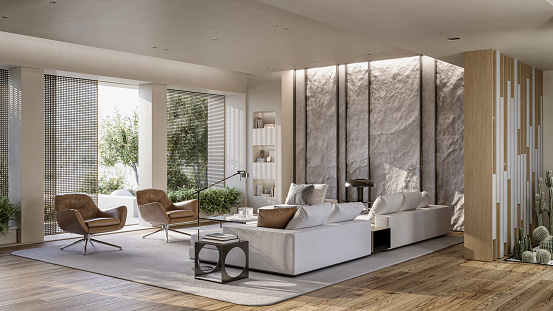
A well-designed space does more than look attractive. It shapes how people move, work, relax, and interact with their surroundings. When you enter a thoughtfully planned room, you often notice a sense of balance right away. The furniture feels purposeful, the lighting works naturally, and every area serves a clear function.
For that reason, professional interior design plays an important role in residential and commercial projects. Experienced designers combine creativity with practical planning. They consider the size of the space, daily activities, materials, lighting, safety, and long-term usability. As a result, they can turn an ordinary interior into a comfortable and inspiring environment.
Turning Ideas Into Practical Designs
Every successful project starts with an idea. However, a concept alone cannot create a finished interior. Designers must turn that vision into a practical plan that contractors and other professionals can follow.
This process starts with understanding the client’s goals. Designers discuss preferences, lifestyle needs, project budgets, and functional requirements. They then study the existing structure and identify opportunities for improvement.
Next, they develop preliminary layouts and visual concepts. These plans help everyone understand how the finished space could look and function. Designers can also test different furniture arrangements, color combinations, lighting options, and material choices before construction begins.
This early planning makes a major difference. It helps identify potential problems before they become expensive construction issues. Furthermore, clear documentation gives contractors reliable information throughout the project.
Creating a Strong Foundation With Spatial Planning
Good spatial planning forms the foundation of any successful interior. Designers first study how people will use the room. They consider walking paths, furniture placement, storage requirements, natural light, and access points.
For example, a busy office needs clear circulation areas. A family kitchen needs practical work zones and enough storage. Similarly, a luxury bedroom may require a careful balance between comfort, privacy, and visual appeal.
Once designers understand these requirements, they develop initial floor plans. They may create several options before selecting the strongest solution. This approach gives clients an opportunity to compare ideas and make informed decisions.
Afterward, designers refine the selected concept. They choose finishes, fixtures, furniture, lighting, and decorative elements that support the overall vision. Therefore, every decision contributes to a cohesive interior rather than creating a collection of unrelated features.
The Importance of Accurate Technical Drawings
Interior design involves much more than colors and furniture. Construction teams need precise technical information before they can build complex features correctly.
Design drafting services provide detailed drawings that communicate important dimensions and construction requirements. These documents can show wall layouts, ceiling details, electrical locations, cabinetry dimensions, and other essential information.
Accurate drawings also help reduce misunderstandings between designers, contractors, and fabricators. Everyone can work from the same information. Consequently, the project can move forward with fewer interruptions.
Existing buildings create another challenge. Renovation projects often involve walls, pipes, electrical systems, and structural elements that differ from original plans. As-built drawings services can document the current conditions of a property. Designers can then create new plans that work with the existing structure.
Modern CAD drafting also makes coordination easier. Teams can identify potential conflicts before construction begins. For instance, a planned cabinet might interfere with an existing electrical outlet. Designers can spot the issue in the drawings and adjust the design before workers begin installation.
Using 3D Rendering to Visualize the Result
Traditional drawings can explain a design, but 3D rendering takes visualization much further. Realistic digital models allow clients to see how materials, colors, furniture, and lighting could work together.
This technology gives clients greater confidence before they commit to expensive materials or construction work. They can explore different finishes and make changes early in the process.
For example, a designer might create two versions of a living room. One could feature warm wood tones, while another could use lighter finishes. Clients can compare both options and choose the one that better matches their preferences.
Commercial projects benefit from this approach as well. Businesses can review reception areas, offices, restaurants, hotels, and other spaces before construction begins. As a result, 3D visualization can make complex design decisions easier to understand.

Bringing Custom Features to Life
Custom furniture and architectural details can give an interior a unique identity. However, custom fabrication requires accurate information. Millworkers and fabricators need exact dimensions and clear specifications before they start production.
Interior shop drawing services provide this essential information. These drawings can detail custom cabinets, wall panels, reception desks, shelving, doors, and other built-in features.
Clear shop drawings also improve coordination. Fabricators can produce components accurately in their workshops. Then, installation teams can place those components on-site with greater confidence.
This process saves time and reduces unnecessary adjustments. Instead of cutting and modifying materials repeatedly at the construction site, workers can follow precise specifications from the beginning.
The Value of Professional Interior Design
Professional design offers benefits that extend well beyond appearance. A carefully planned interior can improve comfort, productivity, and property value.
In homes, thoughtful layouts can make daily routines easier. Better storage reduces clutter, while effective lighting can create a more comfortable atmosphere. Durable materials can also reduce maintenance requirements over time.
Commercial spaces gain similar advantages. An efficient office layout can support employee collaboration and productivity. A well-planned retail environment can guide customers through the space naturally. Likewise, hospitality interiors can create memorable experiences that encourage visitors to return.
Professional designers also help clients spend their budgets wisely. They understand how materials, dimensions, and construction decisions affect overall costs. Instead of making expensive changes later, clients can resolve many decisions during the planning stage.
Transforming Spaces With a Balanced Approach
Transforming Spaces requires both creativity and technical knowledge. A beautiful concept means little if people cannot use the space comfortably. Likewise, a highly functional room may feel uninspiring without thoughtful visual design.
Professional designers bring these two elements together. They balance aesthetics, practicality, safety, and budget throughout the project. They also coordinate with contractors, engineers, fabricators, and other specialists to keep the project moving smoothly.
This collaboration creates a stronger connection between the original concept and the finished interior. Each stage supports the next, from initial sketches to technical drawings, digital visualization, fabrication, and installation.
Making Your Interior Vision a Reality
Transforming Spaces starts with understanding how people want to live or work within an environment. From there, professional designers develop solutions that combine purpose with personality.
Whether you are planning a residential renovation, corporate office, hospitality project, or commercial development, careful design can make a significant difference. Accurate documentation reduces construction problems. 3D visualization improves decision-making. Custom fabrication adds individuality by interior design. Most importantly, professional planning helps create an interior that continues to serve its purpose long after construction ends.
Transforming Spaces does not simply mean changing the appearance of a room. It means creating environments that support real people and real activities. With the right design team, technical expertise, and clear project strategy, an ordinary structure can become a functional and memorable place. Ultimately, Spaces means bringing creative ideas and practical solutions together. When every detail has a purpose, the finished environment can feel natural, efficient, and inspiring for years to come.
Final Thoughts
Professional interior design brings creativity, functionality, and technical planning together. Transforming Spaces becomes easier when every detail supports how people live, work, and interact with their environment. With careful planning, accurate documentation, and thoughtful design choices, any interior can become more comfortable, practical, and visually appealing.
Author



Buying a home is a major financial decision. It also carries an emotional value because a home often represents stability, comfort, and future security. For many buyers in the NCR region, Noida Extension, also known as Greater Noida West, has emerged as an appealing residential destination.
The area offers modern housing societies, improving infrastructure, and access to essential facilities. At the same time, property prices can remain more approachable than those in several established parts of Noida.
So, is a 2 BHK Flat in Noida Extension a smart investment? The answer depends on your budget, purpose, preferred location, and investment timeline. Before making a decision, you should understand both the opportunities and the risks.
Why Noida Extension Continues to Attract Buyers
Noida Extension has experienced significant residential development over the years. Developers have introduced apartments, gated communities, and projects with modern lifestyle amenities. As a result, buyers now have several housing options to consider.
The location also appeals to people who want better connectivity without paying the prices associated with some mature NCR markets. Residents can access Noida, Greater Noida, Ghaziabad, and other parts of the region.
Moreover, the growth of schools, healthcare facilities, retail outlets, and daily conveniences can support future residential demand. These factors can make the area relevant for both homebuyers and property investors.
Why Choose a 2 BHK Home?
A 2 BHK configuration often provides a practical middle ground. It gives buyers more space than a one-bedroom home without the higher cost that often comes with a larger three-bedroom property.
This format can suit couples, small families, working professionals, and first-time buyers. Investors can also consider it because a wider group of tenants may find this type of home suitable.
For example, families may need an additional bedroom for children or guests. Working professionals may prefer the extra space for a home office. Therefore, a 2 BHK can serve different requirements and may offer greater flexibility.
Consider the Complete Cost Before Buying
Affordability often attracts buyers to Noida Extension. However, you should never judge a property only by its advertised price. The final cost can include stamp duty, registration fees, applicable taxes, maintenance deposits, parking charges, club-related expenses, loan interest, and interior costs. These expenses can significantly affect your overall budget.
Therefore, prepare a complete financial plan before booking a property. Also, keep an emergency fund instead of using every available rupee for the purchase.
Rental Demand Can Be an Important Factor
Investors often consider rental income when evaluating residential property. A well-positioned 2 BHK Flat in Noida Extension may appeal to families and professionals working across Noida, Greater Noida, and nearby employment hubs.
However, rental income does not depend on the apartment alone. Several factors can influence tenant demand.
These include the society’s location, transportation options, nearby workplaces, schools, hospitals, security, maintenance, and available amenities. Furnished or semi-furnished homes may also attract a different tenant segment.
Consequently, investors should research actual rental demand in the specific neighborhood. Do not rely only on general claims about the area’s growth.
Think About Long-Term Appreciation
Property appreciation can provide attractive returns, but no location can guarantee future price growth. Market conditions, infrastructure projects, demand, supply, and economic changes can all influence property values.
Before investing, examine the area’s development plans and current infrastructure. Check road connectivity, public transportation, commercial growth, educational facilities, and healthcare services.
You should also study the supply of new housing projects. If several similar properties enter the market at the same time, competition among sellers and landlords can increase. A sensible investor looks at the complete picture instead of depending on promotional promises.

Ready-to-Move or Under-Construction?
Both options have advantages. A ready-to-move property lets you inspect the actual apartment, construction quality, society, and surrounding neighborhood. You can also assess traffic, accessibility, and nearby facilities before making your decision. In some cases, buyers can start using or renting the property soon after completing the purchase.
On the other hand, an under-construction project may provide more unit choices and different payment options. It may also offer potential for value growth during the development period.
However, buyers must examine the developer’s delivery record, approvals, project status, and applicable regulatory details. A lower initial price does not automatically make an under-construction property a better investment.
Location Should Guide Your Decision
Two projects can offer similar apartments but deliver very different investment results. The reason is simple: location affects convenience, rental demand, resale interest, and everyday living.
Before purchasing, visit the project personally. Check the approach roads and observe traffic during different times of the day. Also, identify nearby schools, hospitals, markets, banks, offices, and transportation options.
Pay attention to the neighborhood as well. Existing development matters, but realistic future development can also influence long-term value. In short, never choose a property solely because its brochure looks impressive.
What Business Owners Should Consider
Business owners may view residential property as part of a broader asset-building strategy. A 2 BHK can potentially support personal use, family accommodation, or rental income, depending on the buyer’s circumstances and applicable rules. However, real estate can tie up a substantial amount of capital. Business owners should therefore consider liquidity before investing.
If the business may require funds for expansion, working capital, or emergencies, putting too much money into one property could create financial pressure. A property investment should complement your financial strategy rather than weaken it.
Complete Due Diligence Before Booking
Before purchasing, research the developer and its previous projects. Look at construction quality, delivery history, customer experiences, and overall reputation.
Next, verify the property’s legal documents and applicable approvals. Where relevant, check the project details with the appropriate real estate regulatory authority.
You should also understand the actual carpet area. The super built-up area can look attractive in advertisements, but the carpet area gives you a clearer idea of the usable living space.
Finally, 2 BHK Flat compare several projects. Evaluate their prices, carpet areas, construction quality, amenities, maintenance charges, connectivity, and developer credibility.
Understand the Possible Risks
Real estate investments carry risks. Some areas may have a large supply of similar apartments. Under-construction projects may face delays. Market conditions can also change, which may affect rental income and resale prices.
Maintenance costs can rise as societies mature. Furthermore, property sales can take time when market liquidity falls. For this reason, buyers should avoid assuming that every property will generate quick profits. A realistic approach can help you manage expectations and make better financial decisions.
Who Can Consider Buying?
A 2 BHK Flat in Noida Extension can suit end users who want practical living space and access to modern amenities. It can also work for families planning to stay in the property for several years.
Long-term investors may consider the area if they find a property with strong fundamentals and a reasonable purchase price. Rental-focused investors should prioritize locations with convenient access to employment hubs and everyday facilities. The right choice ultimately depends on your personal financial situation and investment objective.
Final Thoughts
A 2 BHK Flat in Noida Extension can offer a practical combination of affordability, space, amenities, and connectivity. The area’s continued residential development may also create opportunities for rental demand and long-term appreciation.
However, location alone does not guarantee a successful investment. You need to evaluate the exact project, purchase price, developer, legal status, construction quality, rental demand, maintenance costs, financing expenses, and expected holding period.
Therefore, take your time, compare multiple properties, visit shortlisted projects, and complete proper financial and legal checks. With careful research and realistic expectations, buying a 2 BHK can become a sensible part of your long-term property strategy.
Author


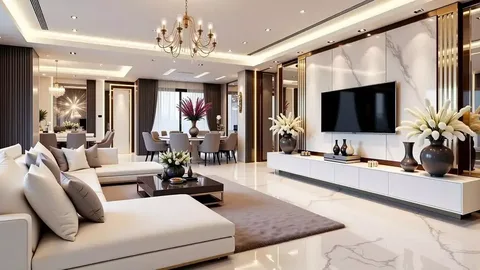
A well-designed home is not only about appearance; it is about creating a space that improves comfort, reflects personal style, and supports everyday living. Whether you are moving into a new apartment, designing a villa, or renovating an existing property, the right interior planning can completely transform your experience. Professional interior designers bring together creativity, functionality, and practical solutions to make every corner of your home more valuable.
Many homeowners believe that hiring an interior designer requires a large budget. However, modern interior design has become more accessible because professional companies now provide customized solutions for different price ranges. If you are searching for the Best home interior designers in Hyderabad, choosing a team that understands your requirements can help you achieve a stylish and functional home without unnecessary expenses.
Why Interior Design Matters for Modern Homes
Interior design involves much more than selecting furniture, paint colors, or decorative items. It focuses on creating a balanced environment where every element works together to improve comfort and usability. A professionally designed home considers space planning, storage requirements, lighting, materials, and lifestyle needs before creating the final layout.
Every room has a different purpose, and good design ensures that each area supports its function effectively. Designers carefully plan furniture placement, color combinations, lighting arrangements, and storage solutions to create a home that feels organized and comfortable. This thoughtful approach helps homeowners use their available space efficiently while maintaining a visually appealing atmosphere.
Growing Demand for Interior Designers in Hyderabad
Hyderabad has experienced significant residential growth in recent years. The city continues to develop with modern apartments, luxury villas, gated communities, and independent homes. As more people invest in new properties, the demand for professional interior design services has increased rapidly.
Today’s homeowners want more than basic decoration. They look for personalized interiors that match their lifestyle, preferences, and long-term needs. This growing demand has made finding the Best home interior designers in Hyderabad an important decision for property owners who want quality results without facing expensive mistakes during the design process.
What Makes the Best Home Interior Designers in Hyderabad?
Selecting an interior designer requires more than comparing service costs. A reliable design company should provide complete support from the initial consultation to the final installation. Experienced professionals understand how to combine creativity with practical execution to deliver successful projects.
Important qualities to consider include:
- Customized design planning
- Experienced design professionals
- Clear and transparent pricing
- Quality materials and finishes
- Timely project delivery
- Functional and modern layouts
- Strong customer communication
- Complete turnkey solutions
The best designers begin by understanding your lifestyle, preferences, budget, and expectations. This allows them to create interiors that feel personal rather than using a standard design approach.
Affordable Interior Designers in Hyderabad Can Create Premium Spaces
Many homeowners assume affordable interior services mean lower-quality results. However, experienced Affordable interior designers in Hyderabad focus on smart planning and efficient execution to provide maximum value. They help clients achieve elegant interiors by selecting suitable materials, improving space usage, and prioritizing features that offer long-term benefits.
Affordable design is not about reducing quality; it is about making better decisions. Professional designers understand where to invest and where to save, ensuring that important areas receive attention without unnecessary spending. This approach allows homeowners to create attractive interiors while staying within their planned budget.
Complete Interior Design Services for Homes
Professional interior designers offer a wide range of services to meet different residential requirements. From individual rooms to complete home transformations, experienced teams manage every stage of the design process.
Living Room Interior Design
The living room often represents the personality of a home because it is where families relax and guests spend time. Designers carefully select furniture layouts, lighting, wall treatments, TV units, and decorative elements to create a welcoming environment.
A well-planned living room balances comfort with visual appeal. Proper furniture placement improves movement, while suitable colors and lighting create a warm and attractive atmosphere.
Modular Kitchen Design
The kitchen is one of the most important areas of any home. Modern modular kitchen designs focus on improving efficiency through organized storage, functional layouts, and stylish finishes.
Professional designers consider cabinet placement, countertops, appliances, lighting, and workflow before creating the final design. A well-designed kitchen makes daily activities easier while adding significant value to the home.
Bedroom Interior Design
Bedrooms should provide comfort, privacy, and relaxation. Designers focus on creating peaceful spaces through thoughtful furniture arrangements, suitable lighting, storage solutions, and calming color themes.
Customized wardrobes, bedside units, and space-saving furniture help maximize functionality without making the room feel crowded. The result is a comfortable environment that supports rest and personal well-being.
Customized Wardrobe Design
Storage plays an important role in maintaining an organized home. Customized wardrobes allow homeowners to maximize available space while maintaining a clean and stylish appearance.
Modern wardrobe options include sliding wardrobes, modular storage systems, and walk-in closet designs. Professional planning ensures that storage solutions match the room layout and daily requirements.
False Ceiling and Lighting Design
False ceilings add elegance while improving the functionality of interior spaces. They can hide electrical wiring, support modern lighting arrangements, and create a more refined appearance.
Designers use different ceiling patterns, lighting combinations, and materials to enhance the overall look of living rooms, bedrooms, and other areas. Proper lighting design can also influence the mood and comfort of a space.
Dining Area and Home Office Design
Dining spaces should encourage comfortable family interactions while maintaining harmony with nearby rooms. Designers create layouts that improve movement and create a pleasant dining experience.
With remote work becoming more common, home offices have also become essential. Interior professionals design productive workspaces with suitable furniture, lighting, storage, and layouts that support focus and comfort.
Benefits of Hiring Professional Interior Designers
Working with experienced interior designers provides several advantages beyond attractive decoration. Professional guidance helps homeowners make better decisions throughout the entire project.
Better Space Planning
Designers analyze available space and create layouts that improve movement, storage, and functionality. This prevents wasted areas and ensures every part of the home serves a useful purpose.
Better Budget Control
Professional designers help manage expenses by recommending suitable materials and avoiding unnecessary purchases. Their experience allows homeowners to achieve better results while staying within budget.
Access to Quality Materials
Reliable interior companies understand material selection and recommend products that provide durability, style, and long-term performance. This helps homeowners avoid low-quality choices that may create future maintenance problems.
Faster Project Completion
Interior projects involve multiple stages, including planning, purchasing, installation, and coordination. Experienced professionals manage these tasks efficiently and reduce unnecessary delays.
Latest Home Interior Design Trends in Hyderabad
Modern homeowners are increasingly choosing designs that combine beauty with practicality. Popular interior trends in Hyderabad include:
- Minimalist home designs
- Neutral color combinations
- Wooden finishes
- Smart home technology
- Modular furniture
- Sustainable materials
- Open kitchen layouts
- Space-saving storage solutions
- Glass partitions
- Decorative lighting designs
These trends create homes that feel modern while maintaining long-term visual appeal. The focus is shifting toward comfortable spaces that support changing lifestyles.
How to Choose the Right Interior Designer
Choosing the right company is one of the most important steps in any interior project. Homeowners should carefully evaluate experience, design quality, communication style, and pricing before making a decision.
Consider the following points:
- Review previous design projects and portfolios.
- Understand the complete design process.
- Compare services and pricing details.
- Ask about expected completion timelines.
- Check material quality and warranty options.
- Read customer feedback.
- Maintain clear communication throughout the project.
A trusted interior designer should make the process transparent and guide you through every important decision.
Why Affordable Interior Designers Are Becoming Popular
Affordable interior design has become increasingly popular because homeowners want premium-looking spaces without unnecessary financial pressure. Professional designers now offer flexible packages that suit different property types, including apartments, villas, and independent houses.
The goal of affordable design is to achieve maximum value through smart decisions. By combining creative ideas, efficient planning, and durable materials, designers can create beautiful interiors that remain practical for years. Cost-effective design does not limit creativity; instead, it focuses on using resources wisely.
Final Thoughts
A thoughtfully designed home improves comfort, functionality, and everyday experiences. Whether you want a modern apartment, a luxurious villa, or a practical family residence, professional interior designers can help transform your ideas into reality.
The Best home interior designers in Hyderabad combine creativity, technical expertise, and customer-focused service to create personalized spaces. Meanwhile, Affordable interior designers in Hyderabad make stylish and functional interiors accessible to homeowners with different budgets.
By choosing a trusted interior design company that understands your vision, uses quality materials, and follows a professional approach, you can create a home that remains beautiful, comfortable, and valuable for many years.
Author



Top 10 Psychology Conferences 2026 in the USA

Commercial Cabinet Shop Drawings: Key Details for Accurate Fabrication

AI Development Trends Businesses Should Watch in 2026

Colour Plane: Inspiring Better Design Through Colour and Creativity

Cole Buxton Clothing | Free Shipping | Shop Now

How 3D Interior Rendering Transforms Architectural Design

Traditional Ayurvedic Herbs and Their Place in Modern Wellness

Why a Good Bassinet Makes Life Easier for NZ Parents

Why take Private tour of Gibbston Valley

Work Visas, Job Changes, and the Details That Decide NZ Visa

Cybersecurity Consulting Company SequelNet Provides Critical IT Support Services to Medical Billing Firm, Medical Optimum

Meet the Megalodon: The Shark Star of ‘Meg 2’

Reduce Video Game Lag: Level Up Your Gaming Performance

Balancing India’s Entertainment: Cricket vs. Bollywood

Jetsetter’s Secrets: Unveiling Our Favorite Travel Hacks for a Seamless Adventure

The 5 Best Live Sports Streaming Sites: Legal and Exciting!

Hollywood Labor Unrest: The Impact of ‘What About Us?’ Strikes

Unveiling the Magic of Dream Fulfillment at the Late NBA Draft

Illuminate Your Skin: Dr. Axe Unveils Natural Remedies for Lightening Knees and Elbows

Bright Choices: Navigating the Pros and Cons of Skin Whitening Creams with Dr. Axe
-

 Business3 years ago
Cybersecurity Consulting Company SequelNet Provides Critical IT Support Services to Medical Billing Firm, Medical Optimum
-
Entertainment3 years ago
Meet the Megalodon: The Shark Star of ‘Meg 2’
-
Entertainment3 years ago
Reduce Video Game Lag: Level Up Your Gaming Performance
-
 Sports3 years ago
Balancing India’s Entertainment: Cricket vs. Bollywood
-
Entertainment3 years ago
Jetsetter’s Secrets: Unveiling Our Favorite Travel Hacks for a Seamless Adventure
-
Productivity3 years ago
The 5 Best Live Sports Streaming Sites: Legal and Exciting!
-
Art /Entertainment3 years ago
Hollywood Labor Unrest: The Impact of ‘What About Us?’ Strikes
-
Sports3 years ago
Unveiling the Magic of Dream Fulfillment at the Late NBA Draft






