
Gardening
How Plants Transport Water: Water Potential and Xylem Explained

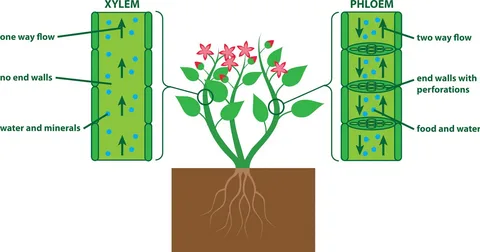
Water is the absolute lifeblood of every plant on Earth. It does far more than just “hydrate” a stem; it powers photosynthesis, maintains rigid structure, and acts as a delivery vehicle for essential nutrients. Yet, if you look closely at a tree, you will notice it lacks a mechanical pump like the human heart. Instead, plants move massive amounts of water against the relentless pull of gravity using a sophisticated system driven by pure physics and environmental cues. To truly grasp this biological feat, we must explore two fundamental concepts: water potential and the intricate mechanics of transport.
Decoding Water Potential
Water potential is a scientific measure of the potential energy held by water within a specific system. In simpler terms, it acts as a compass that tells us exactly where water will travel next. In the natural world, water always flows from regions of higher water potential to regions of lower water potential.
In the context of botany, several distinct factors influence this potential, which scientists represent with the Greek letter psi:
- Solute Concentration: When a plant adds solutes like salts or sugars to its cells, it effectively lowers the water potential.
- Physical Pressure: Just like squeezing a sponge, applying physical pressure can push or pull water, thereby altering its potential energy.
- Gravity: While minor in small shrubs, gravity plays a significant role in the water potential of towering redwoods or oaks.
Pure water at standard pressure sits at the top of the scale with a potential of zero. As soon as you introduce solutes or apply tension, that value drops into the negatives. Consequently, the “thirstier” a tissue is, the lower its water potential becomes.
The Silent Flow: Why Water Potential Matters
Plants utilize these energy gradients to move water from the damp soil, through the roots, up the stems, and finally out into the dry air. This entire journey happens without the plant expending a single unit of metabolic energy. Instead, it relies on a continuous downward slope of potential energy.
The general flow follows a predictable path:

- The Soil: Typically holds the highest water potential.
- Root Cells: Maintain a slightly lower potential to draw water inward.
- The Xylem: Acts as the highway with even lower potential.
- The Leaves: Reach very low potential as they prepare to release moisture.
- The Atmosphere: Usually extremely dry, representing the lowest potential in the cycle.
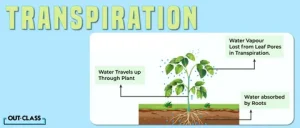
Because the air is almost always drier than the interior of a plant, it acts like a giant vacuum. This natural pull ensures that water moves upward and evaporates through the leaves in a process we call transpiration.
How Water Bridges the Gap into Roots
The journey begins in the soil. Water enters the plant roots through a fascinating process known as osmosis. Because root cells concentrate more solutes than the surrounding dirt, they create a “low energy” zone. This difference forces soil water to cross the cell membrane to balance the concentration.
Once inside the root, water chooses between two primary pathways to reach the center:
- The Apoplastic Pathway: Here, water travels through the porous cell walls and the tiny spaces between cells. It is a fast, unregulated route.
- The Symplastic Pathway: In this lane, water moves through the living cytoplasm of the cells. It passes through microscopic connections called plasmodesmata, allowing the plant to monitor the fluid.
Eventually, the water hits a roadblock called the endodermis. Within this layer lies the Casparian strip, a waxy, waterproof band. This strip blocks the apoplastic route and forces all water to enter the symplastic pathway. This serves as a critical biological filter, preventing toxic substances from entering the plant’s main vascular system.
The Xylem: Nature’s High-Pressure Pipeline
After passing the filter, water enters the xylem. These are not living cells; rather, they are hollow, dead tubes that form a continuous “straw” from the deepest root tip to the highest leaf. Moving water up a hundred-foot tree requires immense force. To explain this, scientists rely on the Cohesion-Tension Theory.
This theory rests on three pillars: Transpiration Pull, Cohesion, and Adhesion. Together, they allow water to defy gravity with ease.
1. Transpiration: The Engine of Ascent
Transpiration occurs when water evaporates from the leaf surface through tiny pores called stomata. As a molecule of water leaves the leaf and enters the air, it creates a massive negative pressure—essentially a “tug”—inside the xylem. This tension pulls the entire water column upward, much like a person drinking through a straw.
2. Cohesion: The Internal Bond
Water molecules are incredibly “sticky.” Because of their chemical structure, they form strong hydrogen bonds with one another. This property, known as cohesion, ensures that the water column stays intact. When the top molecule is pulled by transpiration, it tugs the molecule below it, and so on, all the way down to the roots.
3. Adhesion: Defying Gravity
Water molecules also stick to the cellulose walls of the xylem vessels. This attraction, called adhesion, prevents the water column from sliding back down toward the ground. Without this “grip” on the walls, the weight of the water would eventually break the chain.
Managing the Balance: Stomatal Control
While transpiration is the engine that moves water, it is also a major risk. If a plant loses too much water, it will wilt. Therefore, plants must act as master accountants, balancing water loss with nutrient gain.
They achieve this balance through their stomata. These pores are flanked by two “guard cells” that act like gates.
- During the Day: When light is available, the guard cells swell with water, curve outward, and open the gates for photosynthesis.
- During Stress: If the plant detects high heat or drought, the guard cells lose pressure and collapse. This seals the pore, trapping moisture inside and stopping the upward pull of water until conditions improve.
Adapting to the Extremes
Nature has refined these systems for every environment on Earth. Consider the Xerophytes, or desert plants. They often have thick waxy cuticles and sunken stomata to hide their water from the scorching sun. Some even store water in their fleshy tissues for months at a time.
In contrast, Hydrophytes, or aquatic plants, live in abundance. Their vascular systems are often less developed because they don’t need to fight for every drop. Meanwhile, temperate plants in our backyards adjust their activity based on the changing seasons, shedding leaves in winter to prevent water loss when the ground is frozen.
The True Power of Water Transport
Efficient water transport is the invisible foundation of our world’s greenery. It performs four vital functions:
- It delivers life-sustaining minerals from the soil to the leaves.
- It generates turgor pressure, which keeps stems upright and leaves expanded.
- It provides the raw materials needed for photosynthesis.
- It cools the plant through evaporation, effectively acting as an air-conditioning system.
Final Thoughts
Plants manage their water through a finely tuned, automatic system based on physical laws. From the moment a drop enters a root hair to the second it escapes into the clouds, every step is a testament to the power of molecular interactions. Understanding water potential does more than just explain how a tree survives; it helps us modernize agriculture and protect our crops against an unpredictable climate. By respecting the elegant efficiency of plant life, we can better safeguard the natural world that sustains us.
Author




Best Plants for Self-Watering Pots: 12 Plants That Thrive With Consistent Moisture
Choosing the right plant is only half the equation when you want an easy-care indoor or outdoor garden. The container and watering method matter just as much
Self-watering pots can make plant care easier by maintaining a more consistent supply of moisture around the root zone. But that does not mean every plant is a good match. Some plants prefer evenly moist soil, while others need the soil to dry out between waterings.
So, what are the best plants for self-watering pots?
In general, plants that naturally prefer consistent moisture tend to perform especially well in self-watering containers. Pothos, peace lilies, ferns, spider plants, many herbs, and several tropical houseplants are excellent choices.
In this guide, we’ll cover the best plants to grow in self-watering pots, which plants to avoid, and how to choose the right self-watering setup for each plant.
What Makes a Plant Good for a Self-Watering Pot?
Before choosing a plant, it helps to understand what a self-watering container actually does.
A self-watering system is designed to provide moisture gradually rather than relying entirely on occasional top watering. Many systems use a reservoir, wick, or porous material to move water toward the soil as it becomes drier.
This creates a more consistent moisture environment around the roots.
SmartiLiving explains that self-watering systems work largely through capillary action: as the soil becomes drier, it can draw moisture toward the root zone. This makes the system particularly useful for plants that dislike repeated cycles of completely dry soil followed by heavy watering.
For a deeper explanation, see SmartiLiving’s [guide to how self-watering planters work].
The best candidates generally have one or more of these characteristics:
- They prefer consistently moist soil.
- They grow actively in warm conditions.
- They are sensitive to drought stress.
- They benefit from steady moisture rather than occasional soaking.
- They are commonly grown in containers.
However, a self-watering pot does not mean you can ignore drainage, soil quality, light, or the plant’s natural watering requirements.
12 Best Plants for Self-Watering Pots
1. Pothos
Pothos is one of the easiest houseplants for beginners and an excellent candidate for a self-watering container.
It tolerates a range of indoor conditions and generally appreciates consistent moisture during active growth. Allowing the soil to become completely dry for extended periods can cause drooping and stress, particularly in warm or bright environments.
A self-watering setup can help maintain a more stable moisture level without requiring you to check the plant every day.
Best for: Indoor pots, shelves, offices, hanging planters, and low-maintenance plant collections.
2. Peace Lily
Peace lilies are famous for letting you know when they need water. Their leaves can droop dramatically when the soil becomes too dry.
While a temporary droop is usually recoverable, repeatedly allowing the plant to move between very dry and very wet conditions can make care more difficult.
A properly sized self-watering pot can provide the consistent moisture peace lilies prefer.
Best for: Bright indirect light indoors, bedrooms, offices, and living rooms.
Tip: Don’t assume a self-watering pot means the reservoir should always be completely full. Monitor the plant and soil, especially when first setting up the system.
3. Spider Plant
Spider plants are another beginner-friendly option that can work well with consistent moisture.
They grow quickly under good conditions and can produce long leaves and baby plantlets when healthy. Because they are commonly grown in containers, they are also easy to pair with passive watering systems.
A self-watering container can be particularly useful if you frequently forget watering days.
Best for: Hanging baskets, shelves, offices, kitchens, and bright indoor spaces.
4. Boston Fern
Ferns are among the plants that can benefit significantly from consistent moisture.
Boston ferns dislike being allowed to dry out completely. Their delicate foliage can quickly show signs of stress when humidity and soil moisture are too low.
A self-watering setup can help maintain moisture around the root zone while reducing the need for frequent manual watering.
Best for: Humid rooms, bathrooms with suitable light, covered patios, and indoor plant displays.
Important: Moist soil does not mean permanently saturated soil. Good drainage is still essential.
5. Fittonia
Fittonia, also known as the nerve plant, is a small tropical plant with colorful veined leaves.
It generally prefers evenly moist soil and higher humidity, making it a good candidate for a carefully managed self-watering setup.
Because Fittonia is relatively small, choose a watering system appropriate for the size of the container. An oversized reservoir or watering device can provide more moisture than the small amount of soil needs.
6. Calathea
Calatheas are beautiful but can be demanding when watering conditions fluctuate.
Many Calathea varieties prefer consistent moisture and humidity. Allowing the root zone to become excessively dry can result in curled, drooping, or damaged foliage.
A self-watering container can make maintaining consistent moisture easier, particularly for plant owners who struggle with irregular watering schedules.
However, avoid keeping the soil permanently saturated. The goal is consistent moisture, not waterlogged soil.
7. Herbs
Many common culinary herbs can perform well in containers with an appropriately designed self-watering setup.
Examples include:
- Basil
- Mint
- Parsley
- Cilantro
- Chives
Basil and mint, in particular, can appreciate regular moisture during active growth.
Growing herbs in self-watering containers can also be convenient because kitchen plants are often placed in sunny locations where evaporation can happen quickly.
For outdoor container plants, watering requirements can increase significantly during hot weather. SmartiLiving’s [guide to keeping outdoor planters watered in summer] explains why containers dry faster and how to manage moisture more effectively.
8. Coleus
Coleus is grown primarily for its colorful foliage and can make an attractive container plant.
It generally performs best when the soil does not remain bone dry for long periods. Consistent moisture can support healthy growth, particularly during warm weather.
A self-watering container can be useful for coleus grown on patios, balconies, or bright indoor areas.
9. Baby’s Tears
Baby’s tears is a low-growing plant with tiny leaves that can struggle when its growing medium dries out too much.
Its small root system and moisture preference make it an interesting candidate for controlled self-watering.
Because the plant is delicate, avoid using a watering device that releases excessive moisture too quickly.
10. English Ivy
English ivy can be grown in containers and generally appreciates regular watering during active growth.
A self-watering container can help prevent the large swings between dry and heavily watered soil that often happen when plants are watered only when they visibly wilt.
Ivy also works well in hanging arrangements, where regular manual watering can become inconvenient.
11. African Violet
African violets can benefit from careful, consistent moisture management.
They are relatively small, making container size particularly important. A self-watering setup designed for small pots can help provide moisture without requiring frequent top watering.
Keep water away from the leaves whenever possible, as wet foliage can create additional problems.
For small indoor containers, SmartiLiving has a dedicated guide explaining why [small pots require different terracotta watering strategies].
12. Tropical Foliage Plants
Many tropical foliage plants can be good candidates for self-watering containers because they evolved in environments where moisture availability is relatively consistent.
Depending on the species, examples can include:
- Philodendron
- Alocasia
- Syngonium
- Maranta
- Certain types of Dracaena
The important point is that “tropical” does not automatically mean “keep the soil wet.” Always check the individual plant’s requirements before choosing a watering setup.
Best Plants for Self-Watering Pots at a Glance
| Plant | Moisture Preference | Self-Watering Suitability | Best Use |
|---|---|---|---|
| Pothos | Moderate/consistent | Excellent | Indoor houseplant |
| Peace Lily | Consistently moist | Excellent | Indoor |
| Spider Plant | Moderate | Excellent | Indoor/hanging |
| Boston Fern | Moist | Excellent | Indoor/humid areas |
| Fittonia | Consistently moist | Excellent | Small indoor pots |
| Calathea | Consistent moisture | Very good | Indoor |
| Basil | Regular moisture | Very good | Kitchen/outdoor |
| Mint | Moist | Very good | Herb container |
| Coleus | Moderate/consistent | Very good | Patio/indoor |
| Baby’s Tears | Moist | Good | Small containers |
| English Ivy | Moderate | Good | Hanging containers |
| African Violet | Controlled moisture | Good | Small indoor pots |
Plants You Should Be Careful With in Self-Watering Pots
Self-watering systems are useful, but they aren’t ideal for every plant.
Plants that naturally prefer dry conditions may struggle if their soil stays consistently moist.
Succulents
Succulents store water in their leaves and stems and generally prefer their growing medium to dry between waterings.
A continuously moist root zone can increase the risk of root problems.
Cacti
Cacti are another poor match for constantly moist conditions.
They are adapted to environments where water availability is intermittent. A traditional well-draining container with controlled watering is usually more appropriate.
Snake Plants
Snake plants are drought-tolerant and store moisture in their leaves. They generally do not require frequent watering.
If you use a self-watering system with a snake plant, the system must be carefully matched to the plant and growing medium rather than providing continuous moisture without monitoring.
ZZ Plants
ZZ plants are also highly tolerant of dry conditions. They are often better suited to a watering schedule that allows the growing medium to dry significantly between waterings.
The lesson is simple: self-watering does not mean every plant should receive constant moisture.
How to Choose the Right Self-Watering System
Once you’ve selected your plant, the next step is choosing a watering method that matches its size and watering requirements.
SmartiLiving’s [self-watering system collection] includes terracotta watering solutions designed for indoor and outdoor plants, hanging plants, herbs, and container gardens.
Match the System to the Pot Size
A small four-inch pot does not need the same watering capacity as a large patio planter.
Using an oversized water reservoir with a small pot can keep the soil wetter than necessary.
Likewise, a small reservoir may empty too quickly when paired with a large, thirsty plant.
Consider the Plant’s Water Requirements
Ask yourself:
Does this plant like consistently moist soil?
If yes, a self-watering system can be particularly useful.
Does this plant prefer the soil to dry between watering?
If yes, use extra caution or choose conventional watering instead.
Consider Light and Temperature
A plant sitting beside a sunny window can lose moisture much faster than the same plant in a dim room.
Outdoor containers can dry even faster because of direct sunlight, wind, and high temperatures.
That means the same plant may require different watering strategies depending on where it is growing.
Can You Use a Terracotta Watering Spike Instead of a Self-Watering Pot?
Absolutely.
You don’t necessarily need to replace your existing pots to make plant care easier.
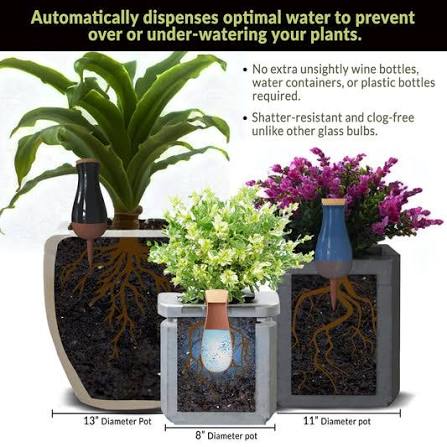
A terracotta watering spike can turn a standard container into a passive watering setup. Water is stored in a reservoir and gradually moves through the porous terracotta toward the surrounding soil.
This approach is especially useful when you already have decorative pots that you want to keep.
SmartiLiving’s [terracotta self-watering spikes] are designed for indoor and outdoor container plants and use porous terracotta to gradually deliver moisture to the soil.
The advantage is flexibility: instead of buying an entirely new planter, you can add a watering solution to many existing containers.
How to Use a Self-Watering Pot Correctly
Even the best self-watering system works better when it is set up correctly.
1. Use Well-Draining Soil
Self-watering does not eliminate the need for proper drainage.
Choose a growing medium appropriate for your plant and avoid heavy soil that holds excessive amounts of water.
2. Start Conservatively
When using a new self-watering system, observe how quickly the plant and soil use water.
Do not assume the reservoir needs to be refilled immediately every time it becomes partially empty.
3. Watch the Plant
Look at the leaves, soil, growth, and overall condition.
A self-watering system is a tool—not a replacement for understanding your plant.
4. Adjust for the Season
Plants often use more water during periods of active growth and hot weather.
During cooler or darker periods, their water consumption may decrease.
This is especially important for outdoor containers, which can experience major changes in evaporation throughout the year.
Are Self-Watering Pots Good for Beginners?
Yes—especially for beginners who struggle with inconsistent watering.
The biggest benefit isn’t that a self-watering system completely eliminates plant care. Instead, it reduces one of the most common sources of plant stress: inconsistent moisture.
If you frequently forget to water, travel often, or have several container plants to manage, a passive watering system can make your routine much easier.
SmartiLiving’s [complete self-watering plant systems guide] explains the different types of systems and how they work.
Final Thoughts
The best plants for self-watering pots are generally plants that appreciate steady moisture rather than extreme swings between drought and heavy watering.
Pothos, peace lilies, spider plants, ferns, Fittonia, Calathea, herbs, coleus, and many tropical foliage plants are strong candidates.
At the same time, drought-tolerant plants such as cacti, many succulents, snake plants, and ZZ plants require more caution because they naturally prefer longer dry periods.
The key isn’t simply buying a self-watering pot. It’s matching the plant, container size, soil, light, and watering system to one another.
When those pieces work together, self-watering can make plant care easier, more consistent, and much less stressful.
Frequently Asked Questions
What are the best plants for self-watering pots?
Some of the best choices include pothos, peace lilies, spider plants, Boston ferns, Fittonia, Calathea, basil, mint, coleus, and other plants that prefer relatively consistent moisture.
Can succulents grow in self-watering pots?
They can, but they are generally not the easiest match. Succulents prefer their growing medium to dry between waterings, so a self-watering system must be carefully controlled to avoid excessive moisture.
Are self-watering pots good for indoor plants?
Yes. They can be particularly useful for indoor plants that prefer consistent moisture, including pothos, peace lilies, spider plants, and many tropical plants.
Do self-watering pots prevent overwatering?
Not automatically. A self-watering system can provide more consistent moisture, but the wrong system, poor drainage, unsuitable soil, or an inappropriate plant can still create overly wet conditions.
Can I use a self-watering spike with a normal pot?
Yes. Terracotta watering spikes are designed to add passive watering to many existing containers, allowing you to keep your current pots while improving watering consistency.
How often should I refill a self-watering pot?
There is no universal schedule. Refill frequency depends on the plant, pot size, reservoir capacity, temperature, humidity, light, and season. Monitor the reservoir and plant rather than following a fixed schedule.
What plants should not be put in self-watering pots?
Plants that strongly prefer dry conditions, including many cacti and succulents, may not be ideal for continuously moist self-watering setups. Snake plants and ZZ plants also generally tolerate—and often prefer—less frequent watering.
Author


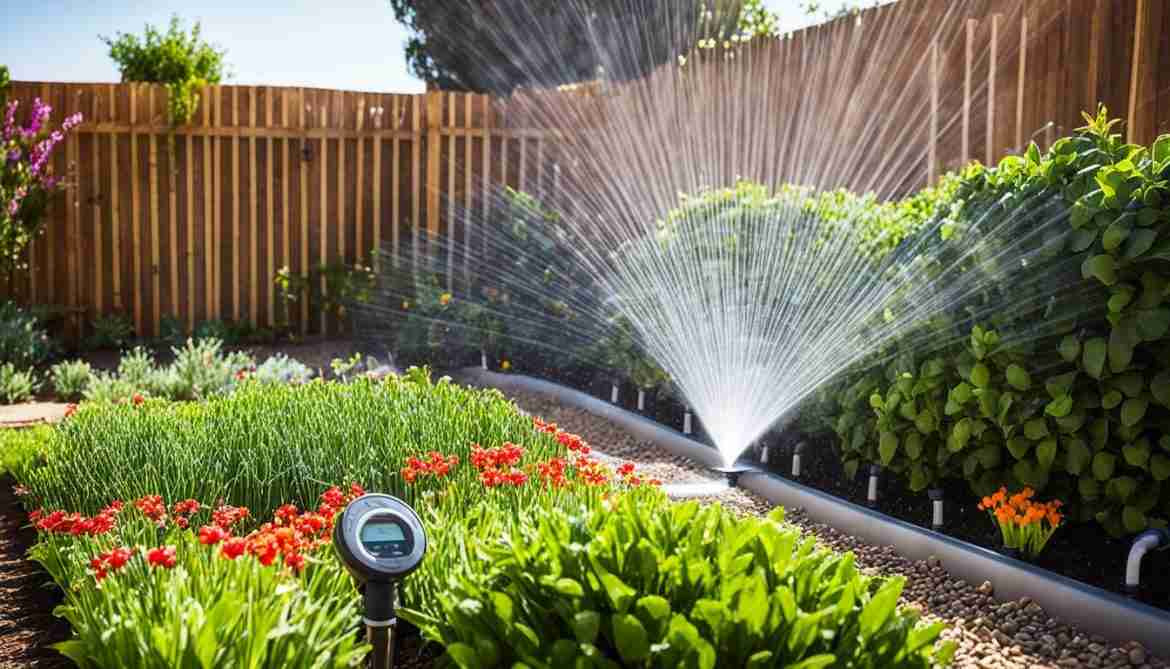
A healthy lawn and thriving garden need more than a basic sprinkler. Effective watering depends on using the right equipment, choosing suitable accessories, and following smart watering habits. The right Irrigation Tools can improve water distribution, reduce waste, and make everyday garden care much easier.
Whether you manage a small backyard garden, flower beds, vegetable patches, or a large landscape, a well-planned watering setup can make a noticeable difference. With the right accessories, you can deliver water where plants need it most. You can also reduce runoff, prevent leaks, and spend less time adjusting your equipment.
Why Sprinkling Accessories Matter
Many homeowners spend considerable time choosing a sprinkler but overlook the smaller accessories that support the entire watering system. These components may seem simple, yet they can have a major effect on irrigation performance.
Good-quality accessories can help you distribute water more evenly and reduce unnecessary waste. They can also prevent leaks, improve coverage, and make your watering routine more convenient. In addition, dependable components can protect your equipment from unnecessary wear.
Smart watering also matters. Instead of soaking plant leaves, direct water toward the root zone whenever possible. This approach helps plants absorb moisture more effectively. It also reduces evaporation and unnecessary runoff.
Essential Sprinkling Accessories for Every Garden
Adjustable Spray Nozzles
Adjustable spray nozzles give you better control over water direction, distance, and intensity. You can change the spray pattern according to the area you want to water.
For example, delicate flowers may need a softer spray. Meanwhile, a lawn may require broader and stronger coverage. Adjustable nozzles make these changes simple.
They also help reduce overspray. As a result, you can keep water on the intended planting area instead of wasting it on sidewalks, patios, or other unwanted spaces.
Hose Connectors and Couplings
Reliable hose connectors create secure connections between hoses, sprinklers, and other watering equipment. A loose connection can cause leaks and reduce water pressure.
Quality couplings make setup faster and more dependable. They also allow you to switch between different Irrigation Tools without repeatedly replacing the entire setup. Look for durable fittings that resist cracking and maintain a tight connection during regular use.
Sprinkler Stakes
Sprinkler stakes help keep sprinklers firmly in place. They work especially well in flower beds, vegetable gardens, newly planted areas, and uneven sections of a yard.
A stable sprinkler stays pointed toward the intended area. Therefore, it provides more consistent coverage and prevents water from spraying in the wrong direction.
Garden Hose Splitters
A hose splitter allows you to connect multiple watering devices to one outdoor faucet. This setup can save time when you need to water several areas. For instance, you can connect a sprinkler to one outlet while using another outlet for a garden hose. This flexibility makes regular lawn and garden maintenance more convenient.
Automatic Water Timers
An automatic water timer can simplify your watering schedule. You can set specific watering times and avoid relying on memory. Timers can also help prevent overwatering. They provide consistent watering and can reduce unnecessary water consumption.
Early morning often works well for watering because temperatures remain cooler. Plants have more time to absorb moisture before the day’s heat increases evaporation.
Filters and Pressure Regulators
Water pressure and water quality can directly affect sprinkler performance. Excessive pressure may damage some components, while low pressure can reduce coverage. A pressure regulator helps maintain a suitable flow. Meanwhile, a filter can reduce the amount of dirt and debris reaching small nozzles. These components can reduce clogs and help your Irrigation Tools perform more consistently throughout the growing season.

Choosing the Right Accessories
Start by considering the size of your garden. Larger landscapes may need longer hoses, additional connectors, multiple sprinklers, and separate watering zones. Smaller gardens usually require fewer components, but efficient accessories can still improve performance.
Next, check your home’s water pressure. Not every sprinkler or nozzle works the same way. Choosing compatible equipment helps you avoid weak coverage or excessive water flow.
You should also consider your plants. Lawns generally need broad and even coverage. Vegetable gardens often benefit from more targeted watering. Flower beds may need a gentle spray that protects delicate plants. Matching your equipment to your landscape can make your watering system much more effective.
Maintaining Your Watering Equipment
Regular maintenance keeps your system working properly. Start by cleaning spray nozzles and checking connectors for leaks. Replace damaged washers before small leaks become bigger problems.
You should also flush hoses occasionally to remove debris. During freezing weather, store removable accessories in a protected location. Water left inside equipment can freeze and cause cracks.
A few minutes of maintenance can prevent equipment failures. It can also extend the useful life of your Irrigation Tools.
Water Conservation Through Smart Irrigation
Efficient watering benefits your garden and the environment. You can reduce water consumption by watering deeply rather than giving plants small amounts of water too often.
Direct water toward the roots instead of spraying entire areas unnecessarily. Repair leaks as soon as you notice them. Also, use timers when possible, to prevent accidental overwatering. Deep and less frequent watering can encourage stronger root growth. It can also help plants handle dry conditions more effectively.
Common Watering Mistakes to Avoid
Several simple mistakes can reduce irrigation efficiency. Avoid watering during the hottest part of the day because excessive heat can increase evaporation. Do not ignore leaking connections or damaged hoses. Also, avoid using a spray pattern that does not suit your plants.
Overwatering can cause problems just as easily as underwatering. Furthermore, poorly positioned sprinklers can leave some areas dry while soaking others. Take a few moments to inspect your setup. Small adjustments can improve coverage and reduce waste.
Benefits of Quality Irrigation Equipment
Investing in dependable watering equipment offers long-term benefits. Quality components can provide better coverage, reduce maintenance, and improve the overall reliability of your system.
They can also make daily garden care easier. Instead of constantly adjusting hoses or repositioning sprinklers, you can create a setup that works more efficiently. The right Irrigation Tools can support healthier plants while helping you use water more responsibly.
Conclusion
Creating an efficient watering system does not require complicated equipment. The right sprinkling accessories can make a simple setup more reliable and easier to manage. Adjustable nozzles, hose connectors, sprinkler stakes, splitters, timers, filters, and pressure regulators all have useful roles.
Choose accessories based on your garden size, water pressure, and plant requirements. Then, maintain your equipment regularly and follow efficient watering practices. With the right approach, you can maintain a greener lawn, healthier plants, and a more water-efficient outdoor space throughout the year.
Author


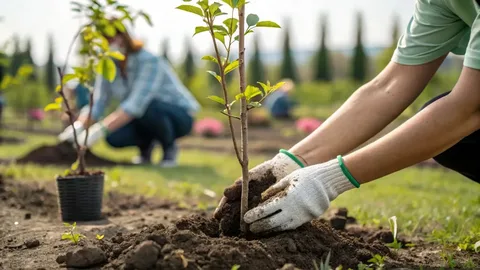
Trees are one of the most valuable assets for any property. They improve air quality, provide natural shade, enhance biodiversity, reduce soil erosion, and create attractive outdoor spaces. Whether you want to improve the appearance of your garden, increase your property’s value, or contribute to a healthier environment, investing in professional tree planting services is a smart decision. At Arborscape, we offer expert tree planting services for residential, commercial, and public sector clients. Our experienced arborists understand that successful tree planting involves much more than placing a tree in the ground. Every project begins with careful planning, proper species selection, expert installation, and ongoing care to ensure healthy growth for many years.
From planting a single ornamental tree to managing large-scale planting schemes, Arborscape delivers reliable solutions tailored to your property’s needs.
Why Professional Tree Planting Services Are Important
Planting a tree correctly is essential for its long-term health and survival. Incorrect planting depth, poor soil preparation, or choosing the wrong species can lead to slow growth, disease, weak roots, or premature tree failure. Professional tree planting services ensure that every tree is planted in the right location using proven techniques that promote healthy root development and long-lasting growth.
When you choose Arborscape, you benefit from:
- Expert tree selection
- Professional planting techniques
- Improved tree survival rates
- Healthy root establishment
- Reduced maintenance costs
- Better landscape design
- Long-term environmental benefits
Our team combines technical knowledge with practical experience to ensure every planting project is completed to the highest standard.
Our Comprehensive Tree Planting Services
Arborscape provides complete tree planting services for projects of every size. Whether you’re a homeowner, developer, business owner, or local authority, we offer tailored planting solutions that meet your specific requirements.
Tree Selection and Consultation
Every successful planting project starts with selecting the right tree. Different tree species thrive under different environmental conditions, so choosing wisely is essential.
Our experts assess your property and recommend trees based on:
- Soil type
- Climate conditions
- Sunlight availability
- Drainage
- Available space
- Landscape objectives
- Maintenance requirements
Whether you prefer native trees, ornamental varieties, flowering trees, evergreen species, or shade trees, Arborscape helps you make the best choice for your landscape.
Site Assessment and Preparation
Before planting begins, we carefully inspect the proposed site.
Our assessment includes:
- Soil testing
- Drainage evaluation
- Underground utility checks
- Space planning
- Root zone analysis
- Environmental considerations
Proper preparation ensures the soil provides the nutrients and conditions required for healthy root development.
Professional Tree Installation
Correct planting techniques significantly improve the survival and growth of young trees.
Our professional tree planting services include:
- Digging appropriately sized planting holes
- Soil improvement where necessary
- Correct tree positioning
- Root protection
- Tree staking when required
- Mulching around the base
- Initial watering
Every tree is planted according to recognized arboricultural best practices.
Tree Aftercare and Maintenance
Tree care does not end after planting. Newly planted trees require ongoing attention during the first few years to establish strong roots.
Arborscape provides aftercare guidance covering:
- Watering schedules
- Seasonal fertilizations
- Mulching
- Weed control
- Tree inspections
- Corrective pruning
- Pest and disease monitoring
Our ongoing support helps maximize tree health and longevity.
Benefits of Professional Tree Planting Services
Hiring professionals for tree planting services offers many long-term advantages.
Healthier Trees
Proper planting methods encourage stronger root systems, allowing trees to grow faster and remain healthier throughout their lifespan.
Increased Property Value
Well-designed landscapes featuring mature trees can significantly improve curb appeal and increase residential and commercial property values.
Improved Air Quality
Trees naturally absorb carbon dioxide while releasing oxygen, helping create cleaner and healthier environments.
Energy Efficiency
Strategically positioned trees provide natural shade during summer while acting as windbreaks in winter, reducing heating and cooling costs.
Environmental Sustainability
Trees support wildlife, improve biodiversity, reduce pollution, prevent soil erosion, and contribute to healthier ecosystems.
Professional tree planting services are an investment that benefits both your property and the wider environment.
Residential Tree Planting Services
Homeowners trust Arborscape to create beautiful and functional outdoor spaces.
Our residential tree planting services include:
- Garden tree planting
- Feature trees
- Fruit tree installation
- Privacy screening
- Shade trees
- Native tree planting
- Boundary planting
Whether you’re redesigning your garden or creating a peaceful outdoor retreat, we deliver personalized planting solutions designed to complement your landscape.
Commercial Tree Planting Services
Businesses increasingly recognize the value of professionally landscaped outdoor spaces.
Our commercial tree planting services support:
- Property developers
- Schools
- Hotels
- Retail centers
- Business parks
- Industrial estates
- Housing developments
- Public spaces
- Local authorities
Beautiful green spaces create welcoming environments while supporting sustainability initiatives and improving the appearance of commercial properties.
Why Choose Arborscape?
Arborscape has earned a reputation for delivering professional tree care and landscaping solutions across a wide range of projects.
Experienced Arborists
Our skilled team possesses extensive knowledge of tree biology, planting methods, and long-term maintenance.
High-Quality Trees
We source healthy trees from reputable nurseries, ensuring excellent establishment and strong future growth.
Tailored Planting Solutions
Every landscape is different. We design customized planting plans based on your property’s unique conditions and your long-term goals.
Modern Equipment
We use professional tools and equipment that allow us to complete projects efficiently while protecting both your property and newly planted trees.
Sustainable Practices
Environmental responsibility is central to everything we do. We encourage biodiversity, minimize waste, recycle organic materials where possible, and promote sustainable landscaping.
Outstanding Customer Service
From your initial consultation through to project completion, our team provides honest advice, clear communication, and dependable service.
Our Tree Planting Process
At Arborscape, we follow a proven process that delivers excellent results on every project.
Initial Consultation
We begin by discussing your objectives, preferred tree species, budget, and overall landscape vision.
Site Survey
Our arborists inspect the property to assess soil quality, drainage, sunlight exposure, and available planting space.
Planting Plan
A customized planting plan is created to maximize tree health, visual appeal, and long-term sustainability.
Professional Installation
Our experienced team carefully plants each tree using industry-approved methods that encourage healthy root establishment.
Ongoing Support
We provide expert aftercare advice and maintenance recommendations to ensure your investment continues to thrive.
Why Early Tree Planting Makes a Difference
Planting trees at the right time of year greatly improves establishment and long-term growth.
Autumn and early spring are generally ideal seasons because cooler temperatures and higher soil moisture encourage healthy root development before periods of rapid growth.
Our specialists recommend the most suitable planting schedule based on your chosen tree species and local environmental conditions.
Environmental Benefits of Tree Planting
Professional tree planting services contribute significantly to environmental conservation.
Trees help to:
- Absorb harmful carbon dioxide
- Produce oxygen
- Improve local biodiversity
- Reduce urban heat
- Prevent flooding
- Stabilize soil
- Filter pollutants
- Support birds and wildlife
- Improve mental wellbeing through greener spaces
By planting trees today, you help create healthier communities for future generations.
Contact Arborscape for Professional Tree Planting Services
If you’re searching for reliable tree planting services, Arborscape is your trusted partner. Our experienced arborists provide expert advice, professional planting, and ongoing support for projects of every size.
Whether you require a single tree for your garden or a large commercial planting programme, we deliver quality workmanship, environmentally responsible solutions, and exceptional customer service.
Conclusion
Professional tree planting services are one of the best investments you can make for your property and the environment. Correct tree selection, expert installation, and proper aftercare ensure healthy growth, improved landscapes, and long-lasting environmental benefits.
At Arborscape, we are committed to providing premium tree planting services that combine expert knowledge, sustainable practices, and exceptional workmanship. From consultation and planning to planting and maintenance, our experienced team delivers reliable solutions that help your trees flourish for decades. Contact Arborscape today to discuss your project and discover how our professional tree planting services can transform your outdoor space into a greener, healthier, and more valuable environment.
Author



Cash Only A Modern Approach to Everyday Streetwear

Kentucky Bourbon Trail Tours What Is Included and How to Plan a Trip

Point Cloud to BIM for Renovation Projects: From 3D Scanning

Malware Protection Solutions for Business Data Security

Balance With Dedicated Oversight From the Best Virtual Psychiatrist

Make Gifts Memorable with Custom Shaped Rigid Boxes

Brooklyn Creativity, Streetwear, Art, and Fashion

CAD vs. BIM: Which Workflow Is Right for Your Project?

Top 25 Podcast Marketing Firms Based in the United States

QuickBooks Bank Feeds Not Working: Expert Fix Guide

Cybersecurity Consulting Company SequelNet Provides Critical IT Support Services to Medical Billing Firm, Medical Optimum

Meet the Megalodon: The Shark Star of ‘Meg 2’

Reduce Video Game Lag: Level Up Your Gaming Performance

Balancing India’s Entertainment: Cricket vs. Bollywood

Jetsetter’s Secrets: Unveiling Our Favorite Travel Hacks for a Seamless Adventure

The 5 Best Live Sports Streaming Sites: Legal and Exciting!

Hollywood Labor Unrest: The Impact of ‘What About Us?’ Strikes

Unveiling the Magic of Dream Fulfillment at the Late NBA Draft

Illuminate Your Skin: Dr. Axe Unveils Natural Remedies for Lightening Knees and Elbows

Bright Choices: Navigating the Pros and Cons of Skin Whitening Creams with Dr. Axe
-

 Business3 years ago
Cybersecurity Consulting Company SequelNet Provides Critical IT Support Services to Medical Billing Firm, Medical Optimum
-
Entertainment3 years ago
Meet the Megalodon: The Shark Star of ‘Meg 2’
-
Entertainment3 years ago
Reduce Video Game Lag: Level Up Your Gaming Performance
-
 Sports3 years ago
Balancing India’s Entertainment: Cricket vs. Bollywood
-
Entertainment3 years ago
Jetsetter’s Secrets: Unveiling Our Favorite Travel Hacks for a Seamless Adventure
-
Productivity3 years ago
The 5 Best Live Sports Streaming Sites: Legal and Exciting!
-
Art /Entertainment3 years ago
Hollywood Labor Unrest: The Impact of ‘What About Us?’ Strikes
-
Sports3 years ago
Unveiling the Magic of Dream Fulfillment at the Late NBA Draft






