
Accessories
Office Desk Ergonomics: Boost Productivity and Reduce Strain

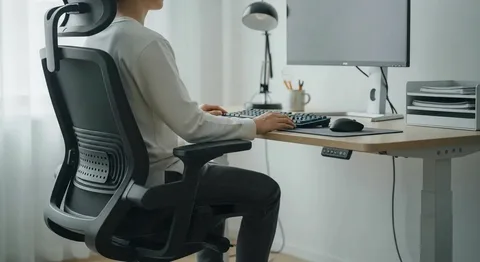
A bad desk doesn’t announce itself on day one. It shows up three weeks later as a dull ache between your shoulder blades. It shows up as the 3 p.m. slump that arrives earlier every week and shows up in a sick-day request that has nothing to do with a virus and everything to do with eight hours a day spent hunched over a surface that was never designed for the work happening on it.
Most businesses budget carefully for software, equipment, and salaries, then treat furniture as an afterthought: whatever’s cheapest, fastest to ship, or already sitting in a supply closet. That decision is more expensive than it looks, and the cost shows up in places no one thinks to check.
The Productivity Cost Is Measurable, Not Anecdotal
Discomfort doesn’t just feel bad, it actively interrupts work. A chair without proper lumbar support forces small, constant postural adjustments throughout the day. A desk at the wrong height causes shoulder tension that makes typing and mousing less efficient. None of these are dramatic injuries. They’re micro-interruptions, repeated hundreds of times a day, that quietly erode focus.
Occupational health research has consistently linked poor ergonomic conditions to reduced task accuracy and slower recovery from interruptions, the kind of friction that doesn’t show up in a single bad day but compounds across a quarter. A team working from desks that don’t fit their bodies isn’t operating at the productivity level their headcount suggests; they’re operating at headcount minus the energy spent compensating for bad furniture.
The Real Cost Driver Is Turnover, Not Just Discomfort
Discomfort that persists for months has a second-order effect: it becomes a reason people leave. Physical strain from a poor workspace is rarely the headline reason someone quits, but it compounds with other frustrations and shows up in exit interviews as “the environment” or “wasn’t sustainable long-term.” Replacing an employee costs far more than the furniture that might have kept them comfortable enough to stay. Recruiting, onboarding, and lost institutional knowledge dwarf the price difference between a basic desk and one actually built for daily use.

This is the calculation that’s easy to miss: furniture isn’t a one-time capital expense, it’s an ongoing variable in retention. A well-designed office desk that fits the way someone actually works is cheap insurance against a much larger cost. Retailers like Creative Studios Store build their catalog around that idea: furniture sized and specified for daily, sustained use rather than a one-time sale.
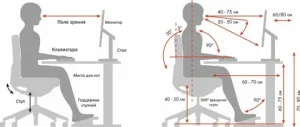
Musculoskeletal Strain Is the Slow-Building Liability
Repetitive strain injuries, chronic back pain, and wrist issues from poor desk ergonomics don’t appear overnight. They build over months of accumulated bad posture, and by the time they’re reported, they’re often serious enough to require medical attention, modified duties, or extended time off. For employers, this translates directly into healthcare costs, workers’ compensation exposure, and lost productive hours, all stemming from a furniture decision made to save a few dollars per unit.
The fix isn’t expensive ergonomic theater. It’s straightforward: a desk at the correct height for the people using it, adequate surface space to avoid awkward equipment placement, and a chair with genuine, not cosmetic, adjustability. The cost of getting this right up front is consistently lower than the cost of treating the consequences later.
Desk Height and Layout Affect More Than Comfort
A desk that’s too low forces a hunched posture that compresses breathing and reduces alertness. One that’s too high causes shoulder elevation that leads to neck tension within hours. Surface space matters just as much: a cramped desk forces awkward monitor placement and keyboard angles that create strain regardless of how good the chair is.
This is where furniture choices start to function less like office decor and more like infrastructure. The right desk height, paired with enough surface area to keep monitors at eye level and keyboards at a neutral wrist angle, removes an entire category of physical stress before it has a chance to accumulate. It’s a structural fix, not a behavioral one, which is exactly why it’s more reliable than asking people to “remember to sit up straight.”
What to Actually Look for When Furnishing a Team
Most of the productivity and health cost of bad furniture traces back to a handful of overlooked specifications:
- Height and adjustability. A fixed-height desk works only for the average body in the room, and most teams don’t have an “average” body. Adjustable or correctly-matched height options reduce the number of people quietly working in discomfort.
- Surface area. Enough room for a monitor, keyboard, and reference materials without crowding prevents the postural compromises that come from a cramped layout.
- Build stability. A wobbly desk surface, however minor, adds a small but constant distraction that compounds across a workday.
- Material durability. Furniture replaced every 18 months because it wore out costs more over time than furniture built to last, even at a higher upfront price.
None of these require luxury pricing. They require treating the desk as a piece of operational infrastructure rather than a line item to minimize.
Furniture as a Business Decision, Not a Decor Decision
The framing that gets this wrong is thinking of desks and chairs as aesthetic choices, something to match the office’s look rather than something that directly affects how well people work and how long they stay. The framing that gets it right treats furniture procurement the same way a business treats any other tool that affects output: evaluated on fit, durability, and the cost of getting it wrong.
A team furnished with desks that match how they actually work, correct height, sufficient surface space, stable construction, isn’t getting a perk. It’s getting the baseline conditions required to do the job without the slow accumulation of strain, distraction, and discomfort that eventually shows up as a productivity gap or a resignation letter. The upfront cost difference between a desk that does this and one that doesn’t is small. The downstream cost of skipping it isn’t.
Author





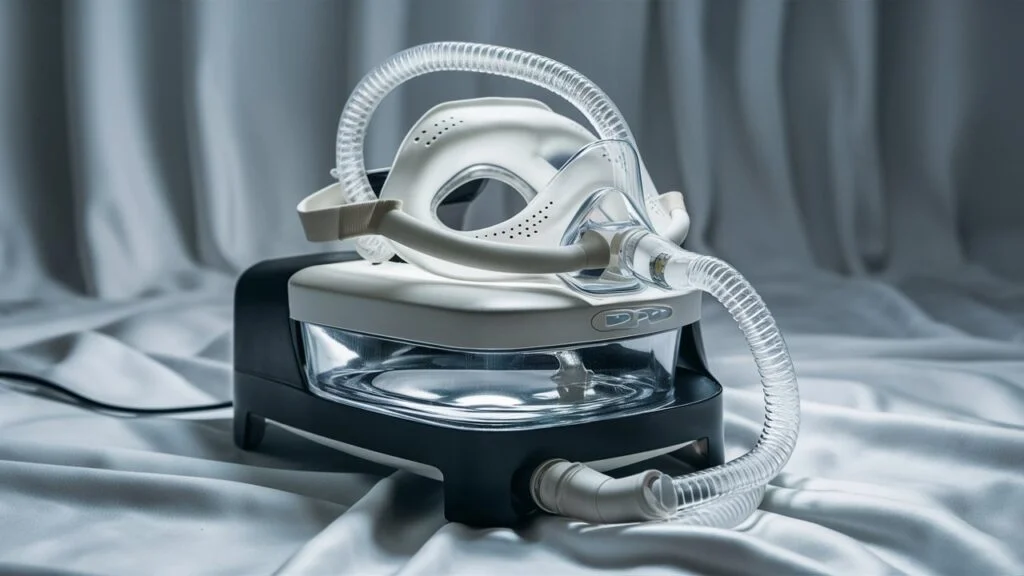
If you have received a diagnosis of Sleep Apnea, or you think you may have it, choosing the right equipment can feel confusing. You may come across machines, masks, hoses, humidifiers, filters, and other accessories. Each item has a different purpose, so knowing where to begin can save you time and frustration.
The right setup should make your nightly routine easier. It must also be comfortable enough for regular use. This guide explains the main types of equipment, how they work, and what you should consider before choosing your setup.
What Is Sleep Apnea Equipment?
Sleep apnea equipment includes the devices and accessories that support positive airway pressure therapy for obstructive. A typical setup contains several important components.
- CPAP machines provide a steady flow of pressurized air. This airflow helps keep the airway open while you sleep.
- CPAP masks connect you to the machine. You can choose from nasal masks, nasal pillow masks, and full-face masks. Every style provides varying degrees of comfort and coverage.
- Tubing and hoses transport air from the machine to your mask. Some models include heated tubing. This option can help reduce condensation and make the airflow more comfortable.
- Humidifiers add moisture to the air. They can help reduce common problems such as a dry mouth, dry nose, or irritated throat.
- Filters, cushions, and headgear also play an important role. These parts need regular cleaning or replacement to maintain comfort and proper performance.
You can also find batteries and travel accessories for people who travel frequently or need backup power during an outage.
Why Equipment Choice Matters
Many people underestimate how much equipment affects their experience with therapy. A machine may work effectively, but discomfort can make it difficult to use every night.
For example, a poorly fitted mask can leak air. Tight headgear can leave marks on your face. A noisy machine may disturb your sleep. Even a hose that gets tangled when you turn over can become a nightly annoyance.
These small problems can add up quickly. As a result, some people stop using their equipment before they have had enough time to adjust.
That is why choosing your equipment should not feel like an afterthought. Your comfort matters. Your sleeping position, breathing habits, facial structure, and personal preferences should all influence your choices.
Choosing a CPAP Machine
The Sleep Apnea machine sits at the center of your setup. Modern machines offer several features designed to make therapy easier than it was in the past.
Many current models operate quietly and provide useful therapy data. Some also connect with smartphone apps, allowing users and healthcare professionals to review information about their treatment.
When comparing different machines, look beyond appearance and price. Consider factors such as pressure adjustment, noise level, data tracking, portability, and available accessories.
Your prescribed pressure settings also matter. Never change pressure settings on your own without guidance from an appropriate healthcare professional. The goal is to find equipment that supports your prescribed treatment while fitting naturally into your nightly routine.
Finding the Right CPAP Mask
For many users, the mask becomes the most important comfort decision. Fortunately, you have several styles to consider.
- Nasal pillow masks rest around the nostrils. They have a lightweight design and leave most of the face uncovered. This style may appeal to people who prefer minimal facial contact.
- Nasal masks cover the nose. They offer more coverage than nasal pillows while still keeping the mouth uncovered. They can work well for people who primarily breathe through their nose.
- Full-face masks cover both the nose and mouth. They may suit people who breathe through their mouth during sleep or need a mask that accommodates both breathing routes.
There is no single mask that works perfectly for everyone. Your sleep position and breathing habits can influence your choice. You may also need to try more than one style before you find a comfortable fit. That process is normal.

Maintaining Your Equipment
Proper maintenance can help your equipment remain comfortable and functional. Start by following the cleaning and replacement instructions provided by the manufacturer.
Clean your tubing, mask components, and water chamber regularly. Regular cleaning can help reduce the buildup of dirt and other unwanted material.
Replace filters and mask cushions according to manufacturer recommendations. Worn cushions may affect the seal and create more leaks. A clogged filter can also interfere with airflow.
If you travel often, keep an eye on your backup power options. A suitable battery can provide extra peace of mind during travel or unexpected power interruptions.
You should also stay informed about manufacturer safety notices and recalls. If a manufacturer issues a recall for a particular machine or component, follow the recommended steps promptly.
Equipment Is Only One Part of Treatment
Buying a machine does not automatically solve every challenge. Successful therapy also depends on proper diagnosis, appropriate settings, mask fit, regular use, and ongoing support.
You may experience dryness, leaks, discomfort, or difficulty adjusting to the airflow. Instead of abandoning therapy, discuss these issues with a qualified healthcare professional or sleep specialist. Small adjustments can sometimes make a major difference. Personal guidance Sleep Apnea can also help you understand your equipment and develop a routine that feels manageable.
A More Personalized Approach to Equipment
At CPAP Rx, equipment does not have to feel like a simple product purchase. The company combines equipment recommendations with access to sleep coaching. This approach can help users understand their options and work through common comfort or adjustment concerns.
If you are unsure where to begin, resources such as a sleep quiz or AHI calculator may help you prepare questions for a healthcare professional. However, these tools should not replace professional diagnosis or medical advice.
The best setup is not necessarily the most expensive one. Instead, it should match your needs and make consistent therapy easier.
Choosing the right equipment can make your therapy more comfortable and manageable. Take time to understand your options and maintain your supplies properly. Also, seek professional guidance whenever you experience problems with your equipment or treatment.
Most importantly, focus on creating a setup that fits naturally into your lifestyle. When your mask feels comfortable, your machine suits your needs, and your routine feels manageable, you have a better chance of staying consistent with therapy. With the right equipment and appropriate support, nightly treatment can become a simpler part of your daily routine rather than another source of frustration.
Final Thoughts
Choosing the right equipment can make a significant difference in your therapy experience. You do not need to find the perfect setup on your first try. Instead, focus on comfort, proper fit, reliable performance, and equipment that suits your daily routine.
Start with the basics and give yourself time to adjust. If you notice mask leaks, dryness, discomfort, or other problems, do not ignore them. Speak with a qualified healthcare professional or sleep specialist who can help you find practical solutions.
Most importantly, remember that successful therapy involves more than simply owning a machine. Consistent use, proper maintenance, and ongoing support all matter. When your equipment fits your needs and feels comfortable, following your treatment routine can become much easier.
A thoughtful approach to choosing and maintaining your equipment can help you feel more confident about your nightly routine. Take the time to understand your options, ask questions, and choose equipment that works with your lifestyle rather than against it.
Author


Let’s be honest — buying electronics online sounds convenient until you actually need to buy something big. A washing machine. A refrigerator. A television for your living room. Suddenly you have a hundred questions. Will it fit in my kitchen corner? Is the sound quality actually good, or does it just look good in the photos? What happens if something goes wrong after a month?
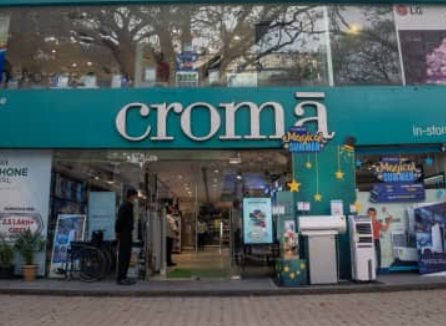
This is exactly why so many people in the city still prefer walking into a proper store before spending their hard-earned money. And if you’re looking for a reliable place to do that, croma ahmedabad is worth your time.
Why a Physical Store Still Makes Sense in 2026
We live in a world where you can order almost anything with one tap. So why bother visiting a store at all?
Here’s the thing — screens can’t tell you everything. You can’t feel how heavy a mixer grinder is, or how a laptop keyboard actually types under your fingers, or how bright a TV screen really looks in daylight, just by scrolling through pictures. A store lets you touch, test, and compare products side by side, in real life, before you commit.
At croma ahmedabad, you get exactly this kind of hands-on experience. You can walk around, try out different models, ask a staff member “which one is better for my needs,” and actually get a real answer — not a generic chatbot reply.
What You’ll Actually Find There
Think of it less like a single-category shop and more like a one-stop destination for anything electronic or home-related. Here’s a quick sense of what’s usually available:
- Mobile phones and tablets — from budget-friendly options to the latest flagship models
- Laptops and computers — for work, gaming, or everyday browsing
- Televisions — different screen sizes and technologies to match your room and budget
- Home appliances — refrigerators, washing machines, microwaves, air conditioners, and more
- Small kitchen appliances — mixers, induction cooktops, air fryers, and other everyday helpers
- Audio devices — headphones, speakers, and soundbars for music lovers
Whether you’re setting up a new home, replacing an old appliance that’s finally given up, or just upgrading your phone, chances are it’s all under one roof.

The Part Everyone Loves: EMI Options
Now let’s talk about something that actually matters when you’re planning a big purchase — your budget.
Nobody wants to spend their entire month’s savings on one appliance in a single shot. That’s where buying croma products on emi becomes genuinely useful. Instead of paying the full amount upfront, you can split the cost into smaller, manageable monthly payments. This makes it much easier to bring home that new refrigerator or television without putting a dent in your monthly finances all at once.
If you’re someone who plans purchases carefully (and honestly, who doesn’t these days?), asking about EMI options when you visit is a smart move. It’s worth checking the store directly for current EMI plans, interest rates, and any ongoing offers, since these details tend to change from time to time.
Real Help From Real People
One thing that genuinely makes a difference is having someone knowledgeable to talk to. When you’re comparing two washing machines that look almost identical on paper, a store representative who actually understands the products can explain the real differences — energy efficiency, noise levels, durability, warranty coverage — things that aren’t always obvious from a spec sheet.
This kind of guidance is especially helpful for elderly family members or anyone who isn’t very comfortable with online shopping. Sometimes, just having a conversation with someone in person builds a level of trust that a website simply can’t.
A Few Tips Before You Go
If you’re planning your visit, here are a few small things that can make the trip smoother:
- Make a rough list beforehand — knowing what you need (like “a 6kg washing machine” instead of just “a washing machine”) saves time.
- Set a budget range — this helps the staff guide you better and avoids overspending.
- Ask about ongoing offers — festive seasons and weekends often bring extra discounts or exchange deals.
- Carry your ID and payment details — especially if you’re planning to go for croma products on emi, since documentation is usually required.
- Check warranty and after-sales service — this is easy to forget in the excitement of a new purchase, but it matters a lot later.
Final Thoughts
At the end of the day, shopping for electronics and home appliances isn’t just about the product — it’s about feeling confident in your choice. Whether you’re upgrading your kitchen, replacing an old TV, or buying your first smartphone for a family member, having a trusted store nearby makes the whole process a lot less stressful.
So, if you’ve been putting off that purchase because you weren’t sure where to go or how to manage the cost, this might be your sign. Visit croma ahmedabad, explore the options in person, ask all the questions you want, and if the budget feels tight, remember that croma products on emi can make it a whole lot easier to bring home what you actually need — without the financial stress.
Author



Fashion is all about expressing your personality, and nothing says confidence quite like a sparkling cowboy hat. Whether you are dressing up for a country concert, music festival, birthday celebration, disco party, or themed event, a disco cowboy hat instantly becomes the highlight of your outfit. Combining classic Western fashion with glamorous shine, these hats are designed for people who love to stand out.
If you are searching for a stylish accessory that brings fun, confidence, and unforgettable style, it’s time to shop disco cowboy hats. Available in a wide range of colors, materials, and sparkling finishes, these hats are perfect for both casual fashion lovers and trendsetters.
Why Disco Cowboy Hats Are So Popular
Disco cowboy hats have become one of the biggest fashion trends in recent years. Social media influencers, country music fans, festival-goers, and party lovers have all embraced this exciting blend of Western charm and disco glamour.
Unlike traditional cowboy hats, disco versions feature glitter, sequins, metallic finishes, rhinestones, mirror tiles, and eye-catching colors. These details make them perfect for anyone who wants to add sparkle to their outfit without sacrificing comfort.
From Nashville-inspired fashion to modern festival looks, disco cowboy hats fit into almost every stylish occasion.
The Perfect Accessory for Every Event
One of the biggest reasons people love disco cowboy hats is their versatility. They can completely transform a simple outfit into something exciting.
These hats are ideal for:
- Country music concerts
- Music festivals
- Birthday celebrations
- Bachelorette parties
- Halloween costumes
- Rodeo events
- Disco-themed parties
- Fashion photoshoots
- Carnival celebrations
- Holiday events
Whether you’re dancing all night or taking memorable photos with friends, a glitter cowboy hat helps you shine in every moment.
Choose the Style That Matches Your Personality
Every person has a unique fashion sense, and disco cowboy hats come in styles that suit everyone. Silver disco cowboy hats create a classic glamorous appearance. Gold hats offer a luxurious touch, while pink cowboy hats add playful energy. Black glitter hats provide a bold and elegant look, and colorful metallic hats bring excitement to festivals and parties.
Some hats are covered with sparkling rhinestones, while others feature shimmering sequins or reflective mirror pieces. No matter your style, there’s a perfect option waiting for you.
Comfort Meets Fashion
Looking great is important, but comfort matters too.
Modern disco cowboy hats are made using lightweight materials that make them easy to wear for hours. Many designs include adjustable inner bands for a better fit, breathable construction, and durable materials that maintain their sparkle even after multiple uses.
Whether you’re attending an outdoor festival in the sun or dancing indoors all evening, these hats stay comfortable throughout the event.
Perfect for Men and Women
Disco cowboy hats are no longer limited to one type of fashion. Designers now create stylish options for everyone.
Men often choose bold metallic finishes, black rhinestone hats, or silver glitter styles that pair perfectly with denim jackets, boots, and Western shirts. If you’re looking for stylish masculine designs, it’s worth exploring shop disco cowboy hats for men to find fashionable options that combine rugged Western style with modern sparkle.
Women enjoy an even wider variety of fashionable designs. Pink, white, rose gold, rainbow glitter, and crystal-covered hats complement dresses, skirts, denim outfits, jumpsuits, and festival clothing beautifully. Many shoppers also love browsing shop disco cowboy hat for women to discover elegant and trendy styles that suit every celebration.
Because of their universal appeal, disco cowboy hats have become one of today’s most loved fashion accessories.
Easy Ways to Style Your Disco Cowboy Hat
Styling a disco cowboy hat doesn’t require expensive clothing. Even simple outfits can become eye-catching with the right accessories. Pair a silver glitter cowboy hat with denim jeans and a white shirt for a classic country-inspired appearance. Match a gold hat with a black outfit for elegant evening parties. Pink hats look fantastic with colorful festival clothing, while rhinestone hats complement dresses for birthday celebrations and bridal events.
Complete your outfit with cowboy boots, statement jewelry, stylish sunglasses, or fringe jackets for a complete Western glam look.

Why Quality Makes a Difference
When shopping for a disco cowboy hat, quality should always come first.
A well-made hat keeps its shape, maintains its sparkle, and feels comfortable throughout the day. Premium materials also reduce shedding of glitter or rhinestones, allowing you to enjoy your favorite accessory for years.
Before purchasing, look for features such as:
- Strong stitching
- Lightweight construction
- Comfortable inner lining
- Durable glitter or rhinestone finish
- Secure decorative details
Investing in a quality hat gives you better value and a more polished appearance.
Popular Colors That Never Go Out of Style
Color plays a huge role in creating the perfect fashion statement. Some of today’s most popular disco cowboy hat colors include silver, gold, pink, white, black, holographic rainbow, rose gold, blue, red, and purple.
Silver remains one of the best-selling choices because it matches nearly every outfit. Gold offers luxury and elegance, while holographic designs create colorful reflections under party lights. Choosing the right color depends on your event, outfit, and personal style.
A Great Gift for Fashion Lovers
Disco cowboy hats also make wonderful gifts. Whether you’re shopping for birthdays, bridal showers, graduations, holiday celebrations, or music festival lovers, these sparkling hats bring excitement and creativity. They’re especially popular among friends who enjoy country concerts, costume parties, dance events, and themed celebrations. A stylish disco cowboy hat is both fashionable and memorable, making it a gift that people genuinely enjoy wearing.
Caring for Your Disco Cowboy Hat
Proper care helps your hat stay beautiful for years. Store it in a cool, dry place away from direct sunlight. Avoid crushing it under heavy items, and gently clean dust using a soft cloth. If your hat includes rhinestones or mirror decorations, handle it carefully during transport. Keeping your hat protected ensures it remains ready for every future celebration.
Why Disco Cowboy Hats Continue to Trend
Fashion trends constantly change, but disco cowboy hats continue growing in popularity because they combine timeless Western style with modern glamour. People love accessories that help express confidence and individuality. Whether you’re attending a festival, country concert, wedding reception, costume event, or simply creating fun social media content, these sparkling hats instantly elevate your appearance.
With endless designs, comfortable materials, and stylish colors available, disco cowboy hats remain one of the easiest ways to make a bold fashion statement.
Final Thoughts
A disco cowboy hat is much more than a fashion accessory—it’s a celebration of confidence, creativity, and fun. From glitter finishes and sparkling rhinestones to bold metallic colors, these hats bring excitement to every outfit and every event.
Whether you’re preparing for a music festival, country concert, themed party, or special celebration, choosing the right disco cowboy hat allows your personality to shine. With stylish designs available for every age and fashion preference, there’s never been a better time to embrace this exciting trend. Add sparkle to your wardrobe, enjoy unforgettable moments, and let your unique style shine wherever you go with the perfect disco cowboy hat.
Author



Cash Only A Modern Approach to Everyday Streetwear

Kentucky Bourbon Trail Tours What Is Included and How to Plan a Trip

Point Cloud to BIM for Renovation Projects: From 3D Scanning

Malware Protection Solutions for Business Data Security

Balance With Dedicated Oversight From the Best Virtual Psychiatrist

Make Gifts Memorable with Custom Shaped Rigid Boxes

Brooklyn Creativity, Streetwear, Art, and Fashion

CAD vs. BIM: Which Workflow Is Right for Your Project?

Top 25 Podcast Marketing Firms Based in the United States

QuickBooks Bank Feeds Not Working: Expert Fix Guide

Cybersecurity Consulting Company SequelNet Provides Critical IT Support Services to Medical Billing Firm, Medical Optimum

Meet the Megalodon: The Shark Star of ‘Meg 2’

Reduce Video Game Lag: Level Up Your Gaming Performance

Balancing India’s Entertainment: Cricket vs. Bollywood

Jetsetter’s Secrets: Unveiling Our Favorite Travel Hacks for a Seamless Adventure

The 5 Best Live Sports Streaming Sites: Legal and Exciting!

Hollywood Labor Unrest: The Impact of ‘What About Us?’ Strikes

Unveiling the Magic of Dream Fulfillment at the Late NBA Draft

Illuminate Your Skin: Dr. Axe Unveils Natural Remedies for Lightening Knees and Elbows

Bright Choices: Navigating the Pros and Cons of Skin Whitening Creams with Dr. Axe
-

 Business3 years ago
Cybersecurity Consulting Company SequelNet Provides Critical IT Support Services to Medical Billing Firm, Medical Optimum
-
Entertainment3 years ago
Meet the Megalodon: The Shark Star of ‘Meg 2’
-
Entertainment3 years ago
Reduce Video Game Lag: Level Up Your Gaming Performance
-
 Sports3 years ago
Balancing India’s Entertainment: Cricket vs. Bollywood
-
Entertainment3 years ago
Jetsetter’s Secrets: Unveiling Our Favorite Travel Hacks for a Seamless Adventure
-
Productivity3 years ago
The 5 Best Live Sports Streaming Sites: Legal and Exciting!
-
Art /Entertainment3 years ago
Hollywood Labor Unrest: The Impact of ‘What About Us?’ Strikes
-
Sports3 years ago
Unveiling the Magic of Dream Fulfillment at the Late NBA Draft






