
health
Navigating the Challenges of Nursing While Pregnant

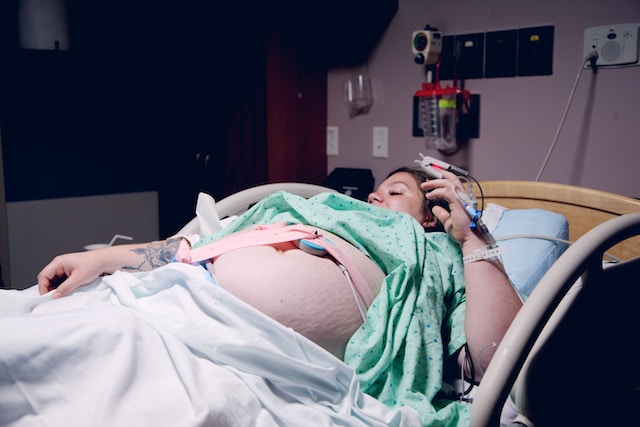
Introduction: The healthcare profession demands unwavering dedication, compassion, and resilience from its practitioners. For nurses who find themselves expecting, the challenges of balancing their career and pregnancy can be daunting. In this article, we delve into the unique experiences and obstacles faced by nurses who navigate the demanding world of healthcare while pregnant.
- Physical Demands and Safety Precautions: Nursing is renowned for its physically demanding nature, requiring long hours on one’s feet, lifting and moving patients, and performing various medical procedures. These tasks can become more challenging for pregnant nurses as their bodies undergo significant changes. To ensure the safety of both the nurse and the patients, healthcare institutions should implement safety protocols, provide ergonomic equipment, and offer additional assistance for lifting and transferring patients. Regular breaks and modified work assignments can also alleviate physical strain during pregnancy.
- Emotional and Mental Well-being: Nursing while pregnant brings forth a unique blend of emotions. Pregnant nurses must not only fulfill their professional responsibilities but also navigate the emotional journey of pregnancy. Hormonal changes, fatigue, and the constant pressure of patient care can take a toll on their emotional well-being. It is crucial for healthcare organizations to provide support systems such as counseling services, peer support groups, and flexible scheduling options to ensure the emotional well-being of pregnant nurses. Open communication channels with supervisors and colleagues can also foster an empathetic and understanding work environment.
- Workplace Policies and Accommodations: To create an inclusive and supportive work environment, healthcare institutions need to have clear policies and accommodations for pregnant nurses. These policies may include modified work schedules, reduced lifting requirements, and appropriate uniforms. By acknowledging the unique needs of pregnant nurses, organizations can empower them to continue their vital work while ensuring their health and safety. It is imperative for employers to maintain open lines of communication to address concerns and provide necessary accommodations promptly.
- Striking a Work-Life Balance: The juggling act of managing a nursing career and pregnancy requires careful consideration of work-life balance. Pregnant nurses often face the challenge of managing fatigue, prenatal appointments, and the need for self-care while fulfilling their professional duties. Open communication with supervisors and colleagues can help create a supportive environment where pregnant nurses can discuss their needs and explore flexible work arrangements. Balancing rest, nutrition, and engaging in stress-relieving activities becomes paramount during this time.
- Personal Choices and Support Networks: Ultimately, each pregnant nurse must make decisions based on her personal circumstances and medical advice. It is crucial for nurses to have access to supportive networks, both at work and in their personal lives. Sharing experiences with fellow nurses who have gone through similar situations can provide guidance, reassurance, and a sense of camaraderie. Employers should also encourage the formation of support networks and offer resources to assist pregnant nurses in navigating their journey successfully.
Conclusion: Nursing while pregnant is a complex journey that requires careful consideration of both professional and personal needs. Healthcare organizations must recognize and address the unique challenges faced by pregnant nurses by implementing supportive policies, providing accommodations, and fostering open communication. By doing so, they can create an environment where pregnant nurses can thrive both professionally and personally. Ultimately, with understanding, empathy, and the right support systems in place, nurses can continue to make a significant impact in patient care while embracing the transformative experience of motherhood.
Author


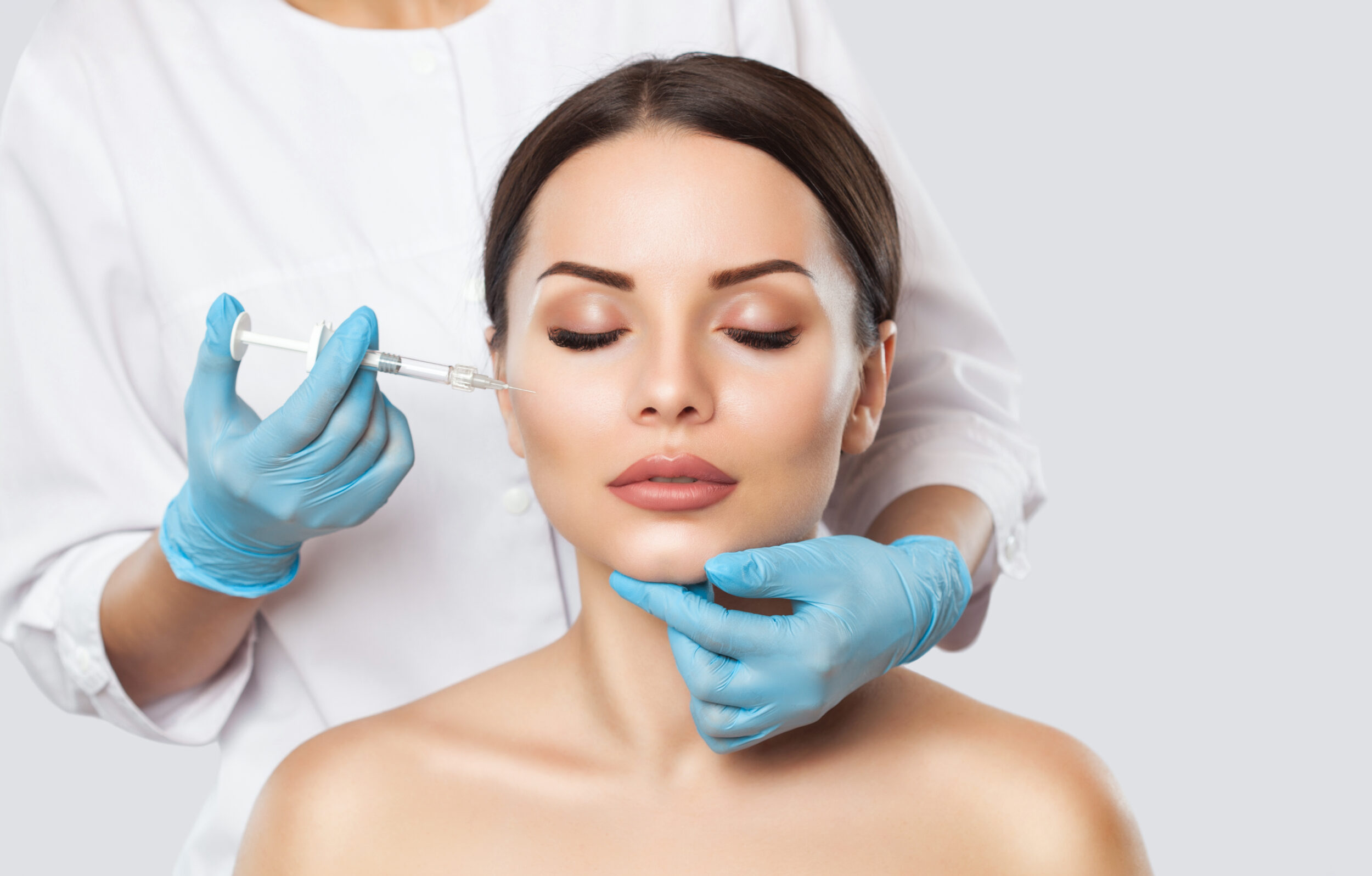
How Do Prp Injections Improve Skin Texture? is a question increasingly search by individuals seeking natural skin rejuvenation solutions without invasive procedures. PRP (Platelet-Rich Plasma) therapy has gain attention for its ability to refresh dull skin, refine uneven texture, and support long-term collagen production.
It is often discuss alongside Cosmetic injections in Dubai because it falls within modern aesthetic enhancement methods that rely on the body’s natural healing ability. Unlike temporary surface treatments, PRP works beneath the skin to encourage regeneration from within, making it a preferred option for those looking to improve overall skin quality. Many user queries also focus on how quickly results appear, how long improvements last, and whether it suits different skin types, all of which depend on individual skin response and treatment consistency.
What Is Treatment And How It Works Importance Of Treatment:
PRP injections involve drawing a small amount of blood, processing it to concentrate platelets, and reintroducing it into targeted skin areas. These platelets release growth factors that stimulate collagen and elastin production, which are essential for smoother and firmer skin. The importance of this treatment lies in its regenerative approach rather than artificial enhancement.
It supports skin repair at a cellular level, helping reduce fine lines, acne scars, and uneven texture over time. This makes it a popular part of non-surgical aesthetic care routines, especially for individuals seeking gradual and natural-looking improvements. The treatment also encourages better blood circulation, which enhances skin radiance and elasticity, making the complexion appear healthier and more balanced.
Types Of Treatment And Key Benefits:
PRP therapy can be applied in different ways depending on skin goals and conditions. The most common forms include traditional PRP injections, micro-needling combined with PRP, and topical PRP application after skin procedures. Each method targets skin texture improvement differently, with micro-needling enhancing absorption and injections delivering deeper stimulation.
The benefits are wide-ranging, including smoother skin surface, reduced acne scarring, improved hydration retention, and more even tone. It is often compared with other aesthetic procedures under the broader category of Cosmetic injections (الحقن التجميلية), although PRP stands out due to its natural composition. Many people also ask whether PRP can replace fillers or Botox; however, its role is more focused on skin quality improvement rather than volume enhancement or muscle relaxation.
Preparation, Aftercare, And Ideal Candidate:
Preparation Before PRP Treatment:
Proper preparation is essential to ensure effective results from PRP therapy and to support healthy skin response. Before the procedure, individuals are usually advised to stay well-hydrated, as good hydration helps improve blood quality for platelet extraction. It is also important to avoid alcohol and smoking for a few days, as these can affect circulation and slow down the body’s natural healing process.
Certain medications such as anti-inflammatory drugs or blood-thinning supplements may also need to be paused after professional guidance. The skin should be kept clean, free from heavy makeup, and protected from irritation before the session. These simple steps help prepare the body for optimal regeneration and smoother treatment outcomes.
Aftercare Following PRP Injections:
After PRP injections, the skin enters a natural healing phase where collagen production is activated. During this time, gentle care is essential. It is recommended to avoid direct sun exposure, heat treatments, and intense physical activities for at least a short period. Using mild skincare products helps prevent irritation and supports recovery.
Patients are also encouraged not to touch or press the treated areas unnecessarily, as this can disturb the healing process. Mild redness or swelling may appear but typically subsides quickly as the skin begins to repair itself. Following proper aftercare guidelines significantly enhances the effectiveness of the treatment and helps maintain long-lasting improvements in skin texture.
Ideal Candidate For PRP Therapy:
The ideal candidate for PRP therapy is someone looking for natural improvement in skin texture, tone, and overall radiance without undergoing invasive procedures. It is especially suitable for individuals experiencing early signs of aging, mild acne scarring, fine lines, or dull and uneven skin. Because PRP uses the patient’s own blood components, it is generally safe for most skin types and carries a low risk of allergic reaction.
People seeking gradual, natural-looking results often benefit the most from this treatment approach. However, individuals with blood disorders, active infections, or certain chronic medical conditions may not be suitable candidates and should consider alternative options after proper evaluation.
Choosing The Right Approach:
Selecting the right approach for PRP injections plays a crucial role in achieving safe and effective skin texture improvement. The decision should always be based on individual skin concerns, expected results, and overall skin health rather than trends or assumptions. Since PRP works by stimulating natural regeneration, understanding your skin’s current condition helps determine whether it is the most suitable option or if it should be combined with other supportive therapies.
The right approach is one that balances realistic expectations with personalized care. When properly planned, PRP injections can significantly improve skin texture and overall appearance, making the process both safe and rewarding while complementing modern regenerative aesthetics and natural skin rejuvenation goals.
FAQs:
What Is PRP And How Does It Improve Skin Texture?
PRP (Platelet-Rich Plasma) is a regenerative treatment that uses concentrated platelets from your own blood to stimulate collagen production. It improves skin texture by repairing damaged cells, smoothing rough areas, and enhancing overall skin quality over time.
How Many PRP Sessions Are Need For Visible Results?
Most individuals notice improvement after a few sessions, but optimal results usually require multiple treatments. The exact number depends on skin condition, age, and desired outcome, as PRP works gradually by boosting natural regeneration.
Is PRP Painful?
PRP injections may cause mild discomfort, but most people tolerate the procedure well. A numbing agent is often use to reduce sensitivity, making the experience more comfortable during treatment.
Conclusion:
PRP therapy of Cosmetic injections in Dubai (الحقن التجميلية في دبي) offers a scientifically supported method for enhancing skin quality by improving texture, tone, and elasticity through natural regeneration. Understanding How Do Prp Injections Improve Skin Texture? helps individuals make informed decisions about whether this treatment aligns with their skincare goals.
By stimulating collagen production and supporting internal skin repair, PRP provides gradual yet noticeable improvements without artificial additives. As part of modern aesthetic care approaches, it continues to gain popularity among those seeking long-term skin health and natural radiance, making it a valuable option in the evolving world of cosmetic skin treatments.
Author




Author



Author



Cole Buxton | Premium Streetwear, Hoodies & Sportswear

1977 Essentials Tracksuit UK: Fear of God Streetwear Guide

How PRP Injections Improve Skin Texture | Cosmetic Injections

Corrosion Testing For Salt Spray Checklist in Lab Equipment

Injectable Anesthetics Market 2026–2031: Global Growth & Trends

As-Built Drawing Services and Why They Matter in Construction

Luxury RV Resorts: Comfort, and Premium Travel Experiences

Working Capital Finance in India: A Complete Guide for MSMEs

The Reason for Preventive Pediatric Care in Sterling Heights

Master’s in Biomedical Engineering at JNU Jaipur: Top Choice

Cybersecurity Consulting Company SequelNet Provides Critical IT Support Services to Medical Billing Firm, Medical Optimum

Team Communication Software Transforms Operations at Finance Innovate

Project Management Tool Transforms Long Island Business

How Alleviate Poverty Utilized IPPBX’s All-in-One Solution to Transform Lives in New York City

Breast Cancer: The Imperative Role of Mammograms in Screening and Early Detection

Unstoppable Collaboration: D.C.’s Citi Open and Silicon Valley Classic Unite to Propel Women’s Tennis to New Heights

Embracing Renewal: Sizdabedar Celebrations Unite Iranians in New York’s Eisenhower Park

The Benefits of Starting a Side Hustle for Financial Freedom

New Blood Donation Screening Questions What You Need to Know

Stylishly Timeless: The 5 Types of Sandals You Need in Your Closet
-

 Business3 years ago
Cybersecurity Consulting Company SequelNet Provides Critical IT Support Services to Medical Billing Firm, Medical Optimum
-
Business3 years ago
Team Communication Software Transforms Operations at Finance Innovate
-
Business3 years ago
Project Management Tool Transforms Long Island Business
-
Business3 years ago
How Alleviate Poverty Utilized IPPBX’s All-in-One Solution to Transform Lives in New York City
-
health3 years ago
Breast Cancer: The Imperative Role of Mammograms in Screening and Early Detection
-
Sports3 years ago
Unstoppable Collaboration: D.C.’s Citi Open and Silicon Valley Classic Unite to Propel Women’s Tennis to New Heights
-
Art /Entertainment3 years ago
Embracing Renewal: Sizdabedar Celebrations Unite Iranians in New York’s Eisenhower Park
-
Finance3 years ago
The Benefits of Starting a Side Hustle for Financial Freedom







