
Autos & Vehicles
MERA: Mercedes-Benz Unveils Revolutionary AI Assistant at CES 2025

By

Reviewed
By Keyla Core

Introduction
In January 2025, Mercedes-Benz amazed crowds at CES with MERA, its brand-new AI assistant. Designed to learn from drivers and adapt to their needs, MERA promises to transform the way we interact with our cars. Imagine a virtual partner that guides you through traffic, adjusts comfort settings, and even suggests the best driving routes. With simple voice commands and smart features, MERA makes every journey safer, easier, and more enjoyable. In this article, we’ll explore what MERA is, how it works, and why it marks a major leap forward in automotive artificial intelligence.
What Is MERA?
MERA stands for Mercedes-Benz Enhanced Response Assistant. It is a cloud-based AI system built into new Mercedes models. Unlike basic voice tools, MERA uses deep learning to understand natural speech. It recognizes context, remembers preferences, and improves over time. Whether you ask MERA to dim the lights, play your favorite song, or find a nearby charging station, it responds in a clear, human-like voice.
Key points about MERA:
- Learns driver habits
- Adapts to different voices
- Works offline for critical safety functions
CES 2025 Unveiling
At CES 2025 in Las Vegas, Mercedes staged a live demo on a custom stage. Attendees saw MERA handle real-world tasks under bright lights and loud crowds. When the host asked MERA to “find the quickest route home avoiding traffic,” the car’s screens glowed as the route appeared in seconds. Next, the assistant adjusted cabin temperature when the host said, “I feel cold.” Guests could not believe how fast and accurate the response was. This confident debut showed that MERA is more than a concept—it’s ready for the road.
Key Features of MERA
1. Natural Conversation
MERA understands full sentences, not just keywords. You can say, “I’m hungry—find me a pizza place open now,” and MERA will list nearby pizzerias with hours and ratings.
2. Personalized Profiles
Each driver can set up a profile. MERA learns your favorite radio stations, seating position, and even how you like the climate controls. Profiles switch automatically when different keys or phones connect.

3. Predictive Assistance
Using real-time data from traffic, weather, and maps, MERA can suggest when to leave for appointments. It can warn about heavy rain ahead or tolls on your route.
4. Safety Alerts
If you show signs of drowsy driving—such as drifting lane markers or long eye closures—MERA will prompt you to take a break or suggest nearby rest stops.
How MERA Works Behind the Scenes
MERA relies on three core technologies:
- Cloud Computing: Heavy tasks like language processing run on secure servers.
- Edge AI: Critical safety checks and simple commands are handled locally in the car’s computer.
- Over-the-Air Updates: Mercedes can add new skills and improve voice models without visiting a dealer.
This hybrid design keeps MERA responsive and secure. By balancing cloud power with in-car processing, Mercedes ensures that critical functions remain fast even when network signals drop.
Integration with Mercedes Vehicles
MERA is built into the latest Mercedes S-Class, E-Class, and EQ electric models. Installation is seamless: the car’s microphone array picks up speech, and the central screen displays responses and suggestions. A dedicated MERA button on the steering wheel lets you summon the assistant at any time. For earlier models, Mercedes plans a retrofit kit that adds MERA capabilities through a software upgrade and a new microphone module.
Benefits for Everyday Drivers
MERA offers real value on daily drives:
- Hands-Free Control: Keep your hands on the wheel and eyes on the road.
- Less Distracted Driving: Voice prompts cut down on fiddling with screens.
- Stress Reduction: Let MERA handle navigation and comfort settings.
- Improved Efficiency: Real-time route updates save time and fuel.
These benefits combine to make rides smoother and safer. Whether you commute to work or take long road trips, MERA turns your car into a smarter companion.
Addressing Security and Privacy
Advanced AI can spark privacy worries. Mercedes built SecureMERA, a suite of protections:
- Data Encryption: All voice data is encrypted in transit and at rest.
- Local Control: You choose what to share—voice recordings can be deleted at any time.
- Firewall Isolation: MERA’s systems are separated from critical vehicle controls to block hacking.
MERA also follows strict data-use policies. Personal profiles stay on your car unless you opt in to share anonymous data for broad improvements.
Challenges and Solutions
No technology is perfect at launch. Mercedes faced issues in testing:
- Background Noise: Crowded streets made voice pickup tricky. Mercedes improved microphone arrays and noise-cancel algorithms.
- Language Variations: Regional accents and slang posed hurdles. Mercedes added support for 20 languages and local dialects at launch.
- Connectivity Gaps: In areas with poor cell coverage, cloud functions slowed. The edge AI fallback now handles critical commands offline.
By solving these challenges, Mercedes ensured MERA works reliably in many real-world conditions.
The Road Ahead: Future Updates

Image by: Yandex.com
Mercedes plans to expand MERA’s abilities through updates:
- Smart Parking: MERA will guide you to open parking spots and recall where you parked.
- Health Monitoring: Future sensors may track stress levels and suggest relaxation exercises.
- Virtual Co-Pilot: MERA could pair with autonomous driving features to manage more complex driving tasks.
Over the next two years, owners will see new features added automatically—keeping their cars current without extra cost or effort.
Impact on the Automotive Industry
MERA’s launch at CES 2025 signals a shift. Other automakers will race to build smarter assistants. Tech firms may partner more with car brands, creating a blend of auto expertise and software know-how. Subscription models could grow, with MERA features offered in tiers—basic voice control for free, advanced predictive tools in paid plans. For consumers, this competition promises faster innovation and richer in-car experiences.
How to Get MERA in Your Car
If you’re shopping for a new Mercedes in 2025, look for models labeled “MERA-Ready.” For existing owners, Mercedes dealers will offer retrofit kits starting summer 2025. The kit includes a new microphone, software license, and an optional on-board hotspot for improved cloud connectivity. Pricing varies by model but starts at $799, including installation.
Tips for Using MERA Effectively
- Train MERA Early: Spend a few minutes teaching MERA your voice and preferences.
- Use Clear Commands: Speak naturally, but keep sentences short.
- Explore Menus: The central display shows hidden features—take time to browse.
- Update Regularly: Allow over-the-air updates to install so you always have the latest tools.
Following these tips helps you get the most from your AI assistant from day one.
Conclusion
With MERA, Mercedes-Benz unveiled more than an AI assistant at CES 2025—it revealed a new era of automotive artificial intelligence. MERA combines cloud power, edge computing, and over-the-air updates to deliver natural conversation, predictive safety, and personalized comfort. It learns from you, adapts to changing road conditions, and respects your privacy through robust security measures. As Mercedes rolls out MERA across its lineup and refines it via regular updates, drivers stand to benefit from smarter, safer, and more connected journeys. Embracing MERA today means stepping into the future of driving—a future where your car is truly intelligent and always by your side.
Author



Knowing what your car is worth can make the selling process much easier. It can help you choose a sensible asking price, negotiate with confidence, and decide whether a part-exchange offer is fair.
However, no single figure applies to every vehicle. Several factors can affect its market value. These include age, mileage, condition, service history, specification, and current demand. Even two cars of the same make and model can have noticeably different values.
If you plan to sell or part-exchange your vehicle, a Car Valuation can give you a useful starting point. It can help you understand where your car sits in the current market before you speak to buyers or dealers.
What Does a Car Valuation Mean?
A Valuation provides an estimated figure for what your vehicle may be worth in the current market. The amount can change depending on how you plan to sell the car.
For instance, a dealer may offer less than the advertised price of a similar vehicle. Dealers need to cover several costs before reselling a car. These can include preparation, repairs, warranty coverage, staff costs, and their expected profit margin.
A private seller may achieve a different price because they sell directly to another consumer. However, private sales can take more time and require more effort from the seller.
It is also important to understand the difference between an advertised price and the final selling price. A vehicle might appear online at a certain price, but that does not mean it will actually sell for that amount. Therefore, treat a valuation as an informed estimate rather than a guaranteed final figure.
What Can Affect Your Car’s Value?
A Car Valuation considers several factors when determining a vehicle’s worth. Age, mileage, condition, service history, specification, and current market demand can all influence the final price.
Age and Mileage
Age and mileage often provide the first indication of a vehicle’s value. In general, newer cars tend to command higher prices. As a vehicle gets older, depreciation usually reduces its market value.
Mileage also matters because it shows how much use the car has had. However, you should not look at mileage on its own. A higher-mileage vehicle with excellent maintenance records may attract more interest than a low-mileage car that has received little care.
Overall Condition
Your car’s physical and mechanical condition can make a significant difference. Scratches, dents, worn tyres, damaged wheels, interior marks, and dashboard warning lights can all affect what buyers are willing to pay.
Be honest when describing your vehicle. Overstating its condition may produce an unrealistic estimate. It could also lead to a lower offer after a dealer or buyer inspects the car.
Service and MOT History
A complete service history can give potential buyers greater confidence. It shows that you have maintained the vehicle and kept up with important servicing requirements.
Keep service invoices, digital records, and maintenance receipts wherever possible. These documents can support your car’s condition and maintenance history.
Your MOT record can also provide useful information. Frequent failures or serious advisories may make buyers more cautious. On the other hand, a clean and well-maintained history can make your vehicle more attractive.
Specification and Market Demand
Your car’s specification can also influence its value. The trim level, engine, gearbox, colour, and optional equipment can affect demand.
Certain features may appeal strongly to buyers. These can include automatic transmission, parking sensors, reversing cameras, upgraded infotainment systems, and other desirable technology.
Market demand matters as well. A popular model with plenty of interested buyers may hold its value better than a less desirable vehicle.

Why Can Online Valuations Differ?
You may receive different estimates from different websites. That does not necessarily mean one service has made a mistake. Each valuation provider can use different data sources and calculation methods. Some may also make different assumptions about mileage, condition, specification, and local market demand.
Online tools usually rely on information such as your registration number, mileage, model, and specification. However, they cannot always identify smaller details. They may not know about a damaged alloy wheel, worn interior, new tyres, or a complete set of service records.
For that reason, an online Car Valuation should serve as a guide. It gives you an approximate idea of your vehicle’s market position, but it cannot guarantee the exact amount you will receive.
How to Prepare for a Valuation
Accurate information can help you get a more realistic estimate. Before requesting a valuation, take a few minutes to check your vehicle’s details.
Confirm the current mileage and check the MOT history. Gather your service records, maintenance receipts, and important vehicle documents. Also, make a note of the exact trim level, engine, gearbox, and optional features.
Next, inspect the vehicle carefully. Check the tyres, wheels, bodywork, lights, and interior. Make a note of any cosmetic or mechanical issues that could affect the final offer.
It can also help to clean your car before an inspection. Cleaning will not change the underlying market value, but it can make the vehicle look better and create a stronger first impression.
Is an Online Valuation Worth Using?
An online valuation offers a quick and convenient way to estimate your car’s worth. It can give you a starting point before you decide how to sell the vehicle.
However, accuracy depends on the information you provide. Entering the wrong mileage or leaving out important details can affect the result. Likewise, describing the vehicle as being in better condition than it really can create unrealistic expectations.
For a better understanding of your car’s potential selling price, compare the estimate with similar vehicles currently advertised. Look at differences in age, mileage, specification, condition, and location.
Final Thoughts
A Car Valuation involves more than entering a registration number and accepting the first estimate you receive. Your vehicle’s age, mileage, condition, history, specification, and current demand all play a role.
Therefore, use an online estimate as a starting point. Provide accurate information and compare the result with similar cars on the market. Most importantly, understand why your vehicle has a particular value. That knowledge can help you negotiate more effectively and make a confident decision when selling or part-exchanging your car.
Author


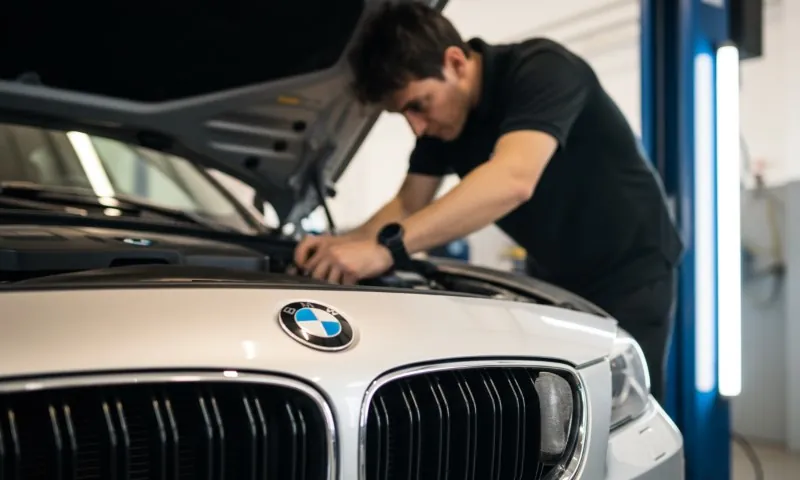
A BMW Headlight system does much more than brighten the road ahead. It helps you spot hazards, follow the road clearly, and stay visible to other drivers. Modern BMW models also use advanced lighting technology, including LED, xenon, and adaptive systems. These features improve visibility, but they also contain delicate electronic components that can develop faults over time.
That is why professional headlight repair London services can make a real difference. A small lighting problem may seem harmless at first. However, ignoring it can allow moisture, electrical faults, or damaged components to cause more serious problems. Getting an issue checked early can protect your vehicle and help you avoid unnecessary costs.
Why Healthy Headlights Matter
Good headlights play an important role in safe driving, especially after sunset. They help you see bends, pedestrians, road signs, parked vehicles, and unexpected obstacles. They also help other road users notice your BMW from a safe distance.
Furthermore, clear lighting becomes even more important during rain, fog, and poor weather. Dirty, dim, or poorly aligned lights can reduce visibility when you need it most. As a result, a properly working lighting system gives you better awareness and more confidence behind the wheel.
Your Headlight also needs to produce a consistent beam. If one side looks noticeably brighter than the other, you may have an underlying fault. A professional inspection can identify the cause before the issue affects your daily driving.
What Causes BMW Headlight Problems?
BMW lighting systems contain several electronic and mechanical components. These parts work together every time you switch on your lights. Over the years, regular use, weather conditions, and road debris can affect their performance. Several common problems can lead to lighting faults, including:
- Water entering the headlight housing
- Damaged or worn seals
- Cracked or scratched lenses
- Faulty wiring or electrical connections
- Failing LED components
- Problems with xenon lighting systems
- Damaged daytime running lights
- Impact from stones or other road debris
- Electrical faults that trigger dashboard warnings
In many cases, the problem starts with one small component. For example, a damaged seal can allow moisture to enter the housing. That moisture can then affect electrical connections and create further problems.
Common Warning Signs You Should Not Ignore
Headlight faults often show warning signs before the system stops working completely. Paying attention to these signs can help you deal with the problem while the repair remains manageable.
Watch for condensation or visible water inside the housing. You should also take note if your lights flicker, appear unusually dim, or produce an uneven beam. A dashboard warning can also indicate an electrical or lighting fault.
Other signs include cracked lenses, broken daytime running lights, and headlights that switch off unexpectedly. If you notice any of these problems, arrange an inspection instead of waiting for the system to fail completely.
Why Moisture Can Cause Serious Damage
Condensation inside a headlight may look like a simple cosmetic issue. In reality, repeated moisture exposure can create much bigger problems. Water can reach wiring, connectors, control modules, and other sensitive components. Over time, it can encourage corrosion and affect electrical performance. The lighting system may then become dim, flicker, or stop working correctly.
A small amount of condensation may sometimes disappear after normal use. However, persistent moisture deserves attention. If water keeps returning, a technician should inspect the housing, seals, and surrounding components to find the source.
When Should You Repair Your BMW Headlights?
Many drivers wait until a light stops working before they seek help. Unfortunately, this approach can turn a relatively simple fault into a more expensive repair.
You should consider professional assistance if you notice repeated condensation, dim lighting, flickering beams, cracked lenses, or dashboard warning messages. You should also arrange an inspection if one light behaves differently from the other.
Early action can prevent secondary damage. It may also allow a technician to repair the affected component instead of replacing the complete unit.

Repair or Replacement: Which Option Makes Sense?
Not every lighting fault requires a complete replacement. A skilled technician can inspect the unit and determine whether repair makes sense.
Damaged seals, certain wiring faults, moisture problems, and some electronic issues may respond well to professional repair. Minor lens damage may also have repair options, depending on its condition and location.
Replacement may become necessary when the housing has severe damage or when important internal components have suffered extensive failure. Therefore, a proper diagnosis should come before you decide to buy a new unit.
Repairing the original BMW Headlight can often provide better value when the main components remain in good condition. It can also help you retain the original fit and appearance of your vehicle.
Why Professional Repairs Matter
Modern BMW lighting systems can contain complex electronics and precisely designed components. For that reason, repairs require suitable equipment, technical knowledge, and careful handling.
An experienced technician can diagnose the fault before starting the repair. This approach reduces the risk of replacing parts that still work. It also helps protect the surrounding electrical system from unnecessary damage.
Professional servicing can address the actual cause of the problem rather than simply treating the visible symptom. That difference can improve reliability and help prevent the same issue from returning.
Benefits of Early Headlight Repairs
Dealing with lighting problems early offers several practical advantages. First, it restores clear visibility and helps you see the road more effectively. Second, it can reduce the risk of further damage inside the lighting unit.
Early repairs can also help maintain correct beam alignment. Proper alignment matters because an incorrectly positioned beam can reduce your visibility or disturb other drivers.
In addition, timely maintenance may extend the useful life of your lighting components. It can also reduce the chance of facing a larger and more expensive repair later.
Keep Your BMW Lighting in Good Condition
Regular inspections can help identify developing faults before they become major problems. During routine checks, look for cracks, condensation, unusual brightness, flickering, or warning messages.
If you notice a change in lighting performance, do not ignore it. A quick professional inspection can often identify the cause and give you clear repair options.
A reliable BMW Headlight repair service can restore visibility, protect valuable components, and help your vehicle perform as it should. Home of Headlights provides headlight restoration, maintenance, and bespoke lighting enhancements for different makes and models across London. Its technicians focus on practical repairs that improve visibility and help drivers avoid unnecessary replacement costs.
Whether you have condensation, dim bulbs, faulty LED or xenon lighting, broken daytime running lights, flickering, or dashboard warnings, early attention can make a significant difference. Taking action at the first sign of trouble can protect your lighting system and make every journey safer and more comfortable.
Final Thoughts
A BMW Headlight plays an important role in both visibility and road safety. Small issues such as condensation, flickering, dim lighting, cracked lenses, or dashboard warnings can quickly become bigger problems if you ignore them.
Therefore, it makes sense to address headlight faults as soon as you notice them. Early repairs can protect electrical components, improve visibility, and help you avoid unnecessary replacement costs. Professional inspection also ensures that technicians identify the actual cause instead of simply treating the visible symptom.
If your BMW headlights are showing signs of trouble, do not wait for complete failure. Choosing a reliable BMW repair London service can help restore proper lighting performance and keep your vehicle ready for every journey. Regular checks and timely repairs will also help your lighting system remain dependable for longer.
Author



Author



Cash Only A Modern Approach to Everyday Streetwear

Kentucky Bourbon Trail Tours What Is Included and How to Plan a Trip

Point Cloud to BIM for Renovation Projects: From 3D Scanning

Malware Protection Solutions for Business Data Security

Balance With Dedicated Oversight From the Best Virtual Psychiatrist

Make Gifts Memorable with Custom Shaped Rigid Boxes

Brooklyn Creativity, Streetwear, Art, and Fashion

CAD vs. BIM: Which Workflow Is Right for Your Project?

Top 25 Podcast Marketing Firms Based in the United States

QuickBooks Bank Feeds Not Working: Expert Fix Guide

Cybersecurity Consulting Company SequelNet Provides Critical IT Support Services to Medical Billing Firm, Medical Optimum

Meet the Megalodon: The Shark Star of ‘Meg 2’

Reduce Video Game Lag: Level Up Your Gaming Performance

Balancing India’s Entertainment: Cricket vs. Bollywood

Jetsetter’s Secrets: Unveiling Our Favorite Travel Hacks for a Seamless Adventure

The 5 Best Live Sports Streaming Sites: Legal and Exciting!

Hollywood Labor Unrest: The Impact of ‘What About Us?’ Strikes

Unveiling the Magic of Dream Fulfillment at the Late NBA Draft

Illuminate Your Skin: Dr. Axe Unveils Natural Remedies for Lightening Knees and Elbows

Bright Choices: Navigating the Pros and Cons of Skin Whitening Creams with Dr. Axe
-

 Business3 years ago
Cybersecurity Consulting Company SequelNet Provides Critical IT Support Services to Medical Billing Firm, Medical Optimum
-
Entertainment3 years ago
Meet the Megalodon: The Shark Star of ‘Meg 2’
-
Entertainment3 years ago
Reduce Video Game Lag: Level Up Your Gaming Performance
-
 Sports3 years ago
Balancing India’s Entertainment: Cricket vs. Bollywood
-
Entertainment3 years ago
Jetsetter’s Secrets: Unveiling Our Favorite Travel Hacks for a Seamless Adventure
-
Productivity3 years ago
The 5 Best Live Sports Streaming Sites: Legal and Exciting!
-
Art /Entertainment3 years ago
Hollywood Labor Unrest: The Impact of ‘What About Us?’ Strikes
-
Sports3 years ago
Unveiling the Magic of Dream Fulfillment at the Late NBA Draft






