
Fashion
KAWS Art Explained: Companion Figures, Style & Global Impact

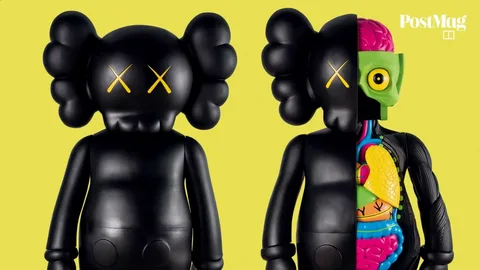
In today’s art world, very few artists have changed visual culture as much as KAWS. Known for his playful characters, bold colors, and creative designs, KAWS has built a unique identity that connects fine art, street art, fashion, and popular culture. His artwork is loved by collectors, museums, fashion brands, and millions of fans around the world.
What makes KAWS different is his ability to turn simple cartoon-inspired characters into meaningful works of art. His famous Companion figure, eye-catching sculptures, and limited-edition collectibles have become symbols of modern creativity. Whether displayed in museums or shared on social media, KAWS continues to inspire people across different generations.
This article explores the journey of KAWS Playeras, his artistic style, major collaborations, global success, and why he remains one of the most influential contemporary artists today.
Who Is KAWS?
KAWS is the professional name of Brian Donnelly, an American artist and designer born in Jersey City, New Jersey, in 1974. From a young age, he loved drawing cartoons and experimenting with creative ideas. After graduating from the School of Visual Arts in New York, he started working as a freelance illustrator.
During the early years of his career, KAWS became known for creating graffiti and modifying public advertisements. Instead of simply painting on walls, he transformed billboards and posters by adding his own cartoon-style characters. This creative approach quickly gained attention and helped him develop his unique artistic identity.

Today, KAWS is recognized as one of the world’s most successful contemporary artists.
The Meaning Behind the Name KAWS
Many people wonder where the name “KAWS” came from. Interestingly, the artist has explained that he simply liked how the letters looked together. The name has no hidden meaning, but over time it has become one of the most recognized names in modern art.
Today, the word KAWS represents creativity, originality, and a fresh approach to visual storytelling.
A Unique Artistic Style
One reason KAWS stands out is his instantly recognizable style. His artwork combines elements of pop art, street art, graphic design, and modern illustration.
Some of the key features of his work include:
- Cartoon-inspired characters
- X-shaped eyes
- Bright and bold colors
- Clean lines and simple shapes
- Emotional expressions despite minimal facial details
His famous Companion character often appears sitting, standing, or covering its face. Although the design looks playful, many viewers believe it represents emotions like loneliness, hope, reflection, and human connection.
This balance between simplicity and emotional depth has made KAWS popular with both casual fans and serious art collectors.
From Street Art to Global Fame
KAWS did not become famous overnight. His success came through years of creative work and experimentation.
In the 1990s, he began altering bus stop advertisements and billboards around New York City. Instead of damaging them, he transformed them into artistic pieces by adding his signature characters.
As his reputation grew, galleries started exhibiting his work. Soon, collectors from around the world began purchasing his paintings, sculptures, and limited-edition vinyl toys.
His ability to move between street culture and fine art helped him reach audiences that traditional artists often could not.
The Famous Companion Character
Among all of KAWS’ creations, the Companion is by far the most iconic.
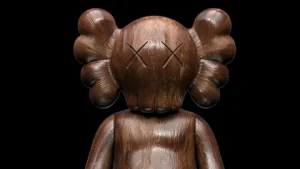
The Companion resembles a cartoon figure with round ears, gloves, and crossed-out eyes. While inspired by familiar animated characters, it has developed its own unique personality.
Over the years, Companion has appeared in many forms:
Standing sculptures
Large public installations
Inflatable artworks
Paintings
Collectible figures
Different color variations
Despite its simple appearance, the Companion often reflects universal emotions that people from different cultures easily understand.
Major Collaborations That Changed Pop Culture
KAWS has successfully worked with some of the world’s biggest fashion and lifestyle brands. These partnerships helped introduce his artwork to audiences far beyond museums.
Some of his most popular collaborations include fashion collections, sneakers, clothing, furniture, accessories, and designer toys.
His partnerships have shown that art can exist everywhere—not only inside galleries but also in everyday life.
These collaborations also helped bridge the gap between luxury fashion, streetwear, and contemporary art.
KAWS Sculptures Around the World
Large-scale sculptures are another important part of KAWS’ artistic career.
His massive Companion sculptures have appeared in cities across Asia, Europe, North America, and Australia. Some installations float on lakes or rivers, while others stand in public parks or museum spaces.
These impressive artworks attract thousands of visitors because they combine playful design with powerful emotional storytelling.
Many people who have never visited an art museum have discovered KAWS through these public exhibitions.
Why Art Collectors Love KAWS
KAWS has become one of the most collected living artists.
Several reasons explain his popularity among collectors:
His works are visually unique.
Many pieces are produced in limited numbers.
His career continues to grow internationally.
His artwork appeals to both experienced collectors and first-time buyers.
Auction prices for original paintings and sculptures have increased significantly over the years, making KAWS one of the most valuable names in contemporary art.
However, many fans appreciate his work not because of its price but because of the emotions and creativity it represents.
The Influence of KAWS on Modern Design
The influence of KAWS extends far beyond traditional art.
Today, his style can be seen in:
Fashion design
Graphic design
Toy design
Interior decoration
Advertising
Digital media
Street culture
Young designers often study his work to understand how simple visual elements can create strong emotional connections.
His ability to mix commercial design with artistic expression has inspired countless creative professionals worldwide.
Social Media and Global Recognition
Social media has played a major role in the worldwide success of KAWS.
Photos of his sculptures, exhibitions, and collectibles are shared by millions of people online. His visually striking artwork naturally attracts attention on platforms where images spread quickly.
This digital exposure has introduced KAWS to younger audiences who may not normally follow the art world.
As a result, his fan base continues to grow across different countries and cultures.
What Makes KAWS Different from Other Artists?
Many artists create beautiful paintings, but KAWS has built an entire creative universe around his characters.
His success comes from combining several creative fields into one artistic vision:
Fine art
Street art
Fashion
Graphic design
Product design
Public installations
Digital culture
Instead of limiting himself to one style, he constantly explores new ways to connect with audiences.
His work proves that modern art can be meaningful, accessible, and enjoyable at the same time.
The Lasting Legacy of KAWS
As the art world continues to evolve, KAWS remains one of its most influential voices. His creative journey shows that originality, imagination, and consistency can transform simple ideas into global cultural icons.
From painting over advertisements on city streets to exhibiting giant sculptures around the world, KAWS has completely redefined how people experience contemporary art.
His work reminds us that creativity has no boundaries. Whether someone is an art expert, a fashion enthusiast, or simply curious about modern culture, KAWS offers something that speaks to everyone.
Conclusion
KAWS has successfully changed the way people think about art in the 21st century. By blending street art, pop culture, contemporary design, and emotional storytelling, he has created a visual language recognized across the globe.
His famous Companion character, groundbreaking collaborations, and impressive public sculptures continue to inspire millions. More importantly, KAWS has shown that art does not have to stay inside museums—it can become part of everyday life.
As his influence continues to grow, KAWS remains a powerful example of how creativity, innovation, and imagination can shape global culture for generations to come.
Author


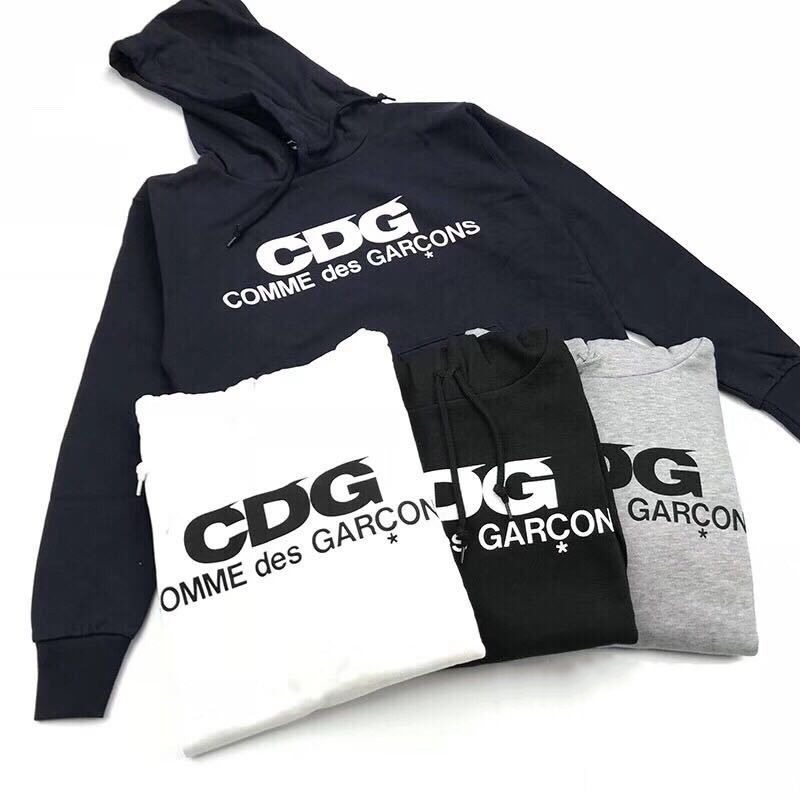
Finding a genuine designer hoodie at a reduced price can be a great way to expand your streetwear wardrobe without paying the highest listed price. A Comme Des Garcons hoodie sale can include different colors, heart-logo designs, zip-up styles, and seasonal pieces, but discounts can vary considerably between retailers. Current listings show that some PLAY hoodies remain at regular retail prices, while selected marketplace listings can appear below previous or listed prices. A Comme Des Garcons hoodie should therefore be compared across several sellers before you decide to buy. Price is only one part of finding a worthwhile deal because authenticity, condition, size availability, shipping costs, and return policies also matter. Some discounts may apply only to specific colors or sizes, while other offers can disappear quickly. Understanding how sales work can help shoppers recognize genuine savings and avoid listings that look attractive but provide limited information about the product.
Check Current Prices Before Shopping
The first step when searching for a Comme Des Garcons hoodie sale is to establish the normal price of the exact model you want. Current Dover Street Market London listings show PLAY hoodies at different regular prices, including a Single Heart Hoodie at £169 and several other hooded sweatshirts ranging from £177 to £222. A Comme Des Garcons hoodie may therefore have a different sale value depending on its design, color, and construction. Comparing the original price with the current selling price gives you a clearer idea of whether a discount is meaningful. Do not assume that every product carrying a “sale” label represents the same level of savings. Marketplace prices can also change frequently, as demonstrated by current price-history data for a PLAY zip-up hoodie. Checking several sources before purchasing can help you understand the normal range and identify unusually high or low listings. This simple step can make online shopping more transparent and reduce the chance of being influenced by an attractive-looking discount.
Look for Discounts on Different Styles
A Comme Des Garcons hoodie sale may feature several designs rather than one standard product. PLAY collections currently include single-heart hoodies, zip hoodies, big-heart designs, double-heart versions, and other variations. A Comme Des Garcons hoodie with a classic single-heart design may have different pricing from a zip-up or a style featuring multiple heart graphics. This means shoppers should search by specific model instead of simply looking for the cheapest item carrying the brand name. Color can also affect availability, with certain shades sometimes remaining in stock after others sell out. Size is another important factor because a discount is less useful if the available size does not suit you. Compare the product name, photographs, material information, and measurements before deciding that one listing is a genuine bargain. By checking several versions of the same collection, you may find a lower-priced option that still matches the fit and design you originally wanted.
Compare Official and Marketplace Prices
When searching for a Comme Des Garcons hoodie sale, compare established retailers with reputable marketplaces instead of relying on one website. Dover Street Market currently lists a range of PLAY products and provides product names, available sizes, and regular prices, giving shoppers a useful reference point. A Comme Des Garcons hoodie from a marketplace may be cheaper, but the lower price should be considered alongside seller reputation, product condition, return terms, and authenticity information. Current Editorialist price-history data shows how the price of one PLAY zip-up hoodie has moved considerably during 2026, with recorded prices ranging from $205 to $566 and a current figure of $314 on that listing. This demonstrates why comparing current prices rather than relying on an old discount claim is important. Always check whether a listed reduction applies to the exact size and color you want. A careful comparison can help you distinguish a genuine price difference from a listing that simply uses a high previous price to make the current amount look cheaper.
Watch Sizes and Color Availability
A discounted Comme Des Garcons hoodie is only useful if the right size and color are available. Retail listings can show different size ranges depending on the specific design, with some current PLAY hoodies offering women’s XS–L and men’s S–XXL sizing. A Comme Des Garcons hoodie can also fit differently depending on the model, so shoppers should not choose a size simply because it is discounted. Check the measurements and compare them with a hoodie you already own that fits well. Color availability should receive similar attention. Black, navy, grey, and white designs can have different stock levels, while less common shades may disappear faster during promotions. If only one unusual size remains, the discount may reflect limited stock rather than a broad sale. Before ordering, confirm that the size shown on the product page is actually available for selection. Taking a few minutes to check these details can prevent disappointment and make the shopping process much easier.
How to Identify a Real Deal
A real Comme De Garcons hoodie sale should be evaluated using more than the percentage displayed beside the product. Look at the current price, previous price when available, seller reputation, condition, size, shipping charges, and return policy. A Comme Des Garcons hoodie listed for less than its usual price can be attractive, but a very low price should encourage additional research rather than an immediate purchase. Current marketplace data shows significant historical price variation for some PLAY hoodie listings, which means a product can move up or down in price over time. Also check whether the item is new, pre-owned, or described as having minor imperfections. A lower price may be completely reasonable when the condition is different from a brand-new retail product. Read the full product description instead of judging the offer from the headline alone. A genuine bargain should make sense after all costs and product details are considered, not simply because the advertised discount percentage looks impressive.
Avoid Suspiciously Cheap Listings
Extremely low prices deserve extra attention when searching for a Comme Des Garcons hoodie sale. A legitimate clearance price can happen, but an unusually cheap designer hoodie may also come with risks involving authenticity, condition, incomplete product information, or unreliable sellers. A Comme Des Garcons hoodie should be compared against established retail prices before you assume that a dramatically reduced listing is genuine. Current Dover Street Market listings provide useful retail benchmarks for PLAY hoodies, with several current styles listed between £169 and £222. If another seller offers the same supposed new product for a fraction of that price, investigate why the difference exists. Look for detailed photographs, accurate product information, seller reviews, and a clear return policy. Avoid sellers who refuse to answer basic questions or use copied photographs without providing product-specific images. A discount should make the purchase more affordable, not remove the normal protections that help buyers verify what they are receiving.
Consider Shipping and Return Costs
The advertised price is not always the final amount you will pay for a Comme Des Garcons hoodie. Shipping, taxes, duties, marketplace fees, and other charges can increase the total cost, particularly when ordering internationally. A Comme Des Garcons hoodie that looks cheaper at checkout may become less attractive once delivery charges are added. Before purchasing, calculate the complete amount rather than comparing product prices alone. The return policy is equally important because sizing can vary between hoodie designs. If the retailer does not accept returns or charges expensive international return shipping, a small discount may not provide much practical value. Check whether the seller clearly explains delivery times, return conditions, refund procedures, and any restrictions on sale merchandise. You should also confirm that the product page describes the exact item being shipped. These checks are especially useful when buying from marketplaces where different sellers can offer similar-looking products at very different prices.
Smart Tips for Buying During a Sale
The smartest way to shop for a Comme Des Garcons hoodie sale is to decide what you want before focusing on the discount. Choose your preferred style, color, size, and budget first, then compare available listings. A Comme Des Garcons hoodie should fit your wardrobe rather than being purchased only because the price appears attractive. Check current retailer prices, compare marketplace offers, review seller information, and calculate the final delivered cost. Current listings demonstrate that prices can differ by design and retailer, while historical pricing can also fluctuate over time. Save product pages when possible so you can compare changes instead of relying on memory. If an offer disappears, another listing may become available later. Most importantly, do not sacrifice authenticity or return protection simply to save a small amount. A well-researched purchase gives you a better chance of finding a legitimate discount while still getting the design, fit, and quality you actually want.
FAQs
Are CDG hoodies currently on sale?
Some listings show reduced or changing prices, but discounts vary by retailer, model, size, and color.
Where should I check CDG hoodie prices?
Compare established retailers with reputable marketplaces and check the exact product before buying.
Is a very cheap CDG hoodie a good deal?
Not necessarily. Check authenticity, condition, seller reputation, shipping, and return terms first.
Author


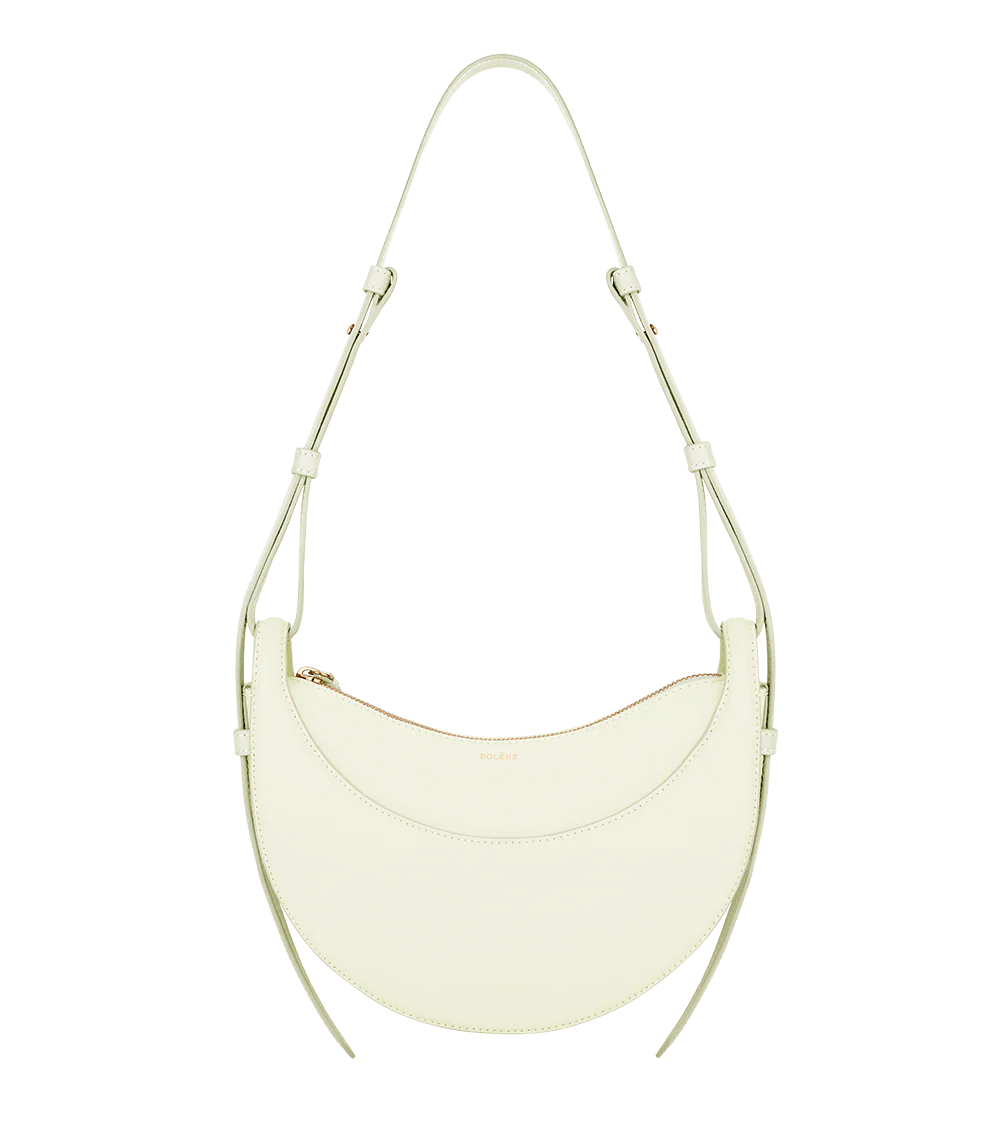
In einer Epoche, in der die Modeindustrie von lautstarken Kampagnen, viralen TikTok-Trends und omnipräsenten Influencern angetrieben wird, existiert in der Pariser Rue Saint-Honoré ein Ort, an dem die Zeit stillzustehen scheint. Maison Goyard, gegründet im Jahr 1853, verweigert sich konsequent allen Regeln des modernen Marketings. Das Haus schaltet keine Werbeanzeigen, veranstaltet keine spektakulären Runway-Shows und betreibt bewusst keinen Online-Shop für seine begehrten Handtaschen. https://goyardshop.de/ Dennoch erzeugt kaum eine andere Marke weltweit eine so intensive Faszination und Kaufbegierde. Das Geheimnis hinter dieser beispiellosen Strahlkraft liegt in einem Konzept, das in unserer modernen Gesellschaft fast vollständig verloren gegangen ist: radikale Diskretion gepaart mit kompromissloser Handwerkskunst.
Das Erbe der Holzflößer: Die Wurzeln einer Pariser Legende
Um die Philosophie von Goyard zu verstehen, muss man den Blick weit über die Modewelt hinaus auf die flussreichen Landschaften von Burgund richten. Bevor die Familie Goyard in Paris Fuß fasste und sich dem Bau von Luxusreisegepäck widmete, waren ihre Vorfahren als Compagnons de Rivière tätig. Ihre tägliche Arbeit bestand darin, Holzstämme auf den Flüssen nach Paris zu flößen. Diese Arbeit erforderte ein tiefes Verständnis für die Elemente, absolute Präzision beim Binden des Holzes und ein Wissen darüber, wie Materialien gegen Wasser, Kälte und Abnutzung geschützt werden müssen.
Als François Morel 1792 das Kofferbaugeschäft gründete, das später von Edmond Goyard im Jahr 1853 übernommen werden sollte, flossen genau diese handwerklichen Prinzipien in die Entwurfsprozesse ein. Das Reisegepäck von Goyard war von Beginn an nicht als flüchtiges Mode-Accessoire gedacht, sondern als hochfunktionaler, extrem widerstandsfähiger Schutz für das Hab und Gut reisender Aristokraten. Dieses Erbe bildet bis heute das Fundament jeder einzelnen Tasche.
Goyardine: Ein Material voller Symbolik und Funktion
Das visuelle Herzstück des Hauses ist das weltbekannte Goyardine-Muster. Während viele Menschen fälschlicherweise annehmen, es handele sich dabei um schwere Lederwaren, basiert das Gewebe in Wahrheit auf einer traditionellen Mischung aus Hanf, Leinen und Baumwolle.
-
Die Optik des Chevron-Musters: Das charakteristische Y-Muster entsteht aus unzähligen feinen Punkten. Es symbolisiert nicht nur den Buchstaben ‘Y’ im Namen der Familie, sondern ist eine direkte künstlerische Anspielung auf aufeinandergestapelte Baumstämme – das historische Symbol der Burgund-Flößer.
-
Extreme Widerstandsfähigkeit: Das Gewebe wird mit einer speziellen, natürlichen Harzbeschichtung veredelt. Dadurch wird das Material extrem leicht, vollständig wasserabweisend, geschmeidig und über Jahrzehnte hinweg haltbar.
-
Der haptische Unterschied: Im Gegensatz zu synthetischen Drucken fühlt sich Goyardine strukturiert und lebendig an. Die Oberfläche widersteht dem Abrieb des Alltags und bewahrt selbst nach Jahren intensiver Nutzung ihre Farbbrillanz.
Saint-Sulpice Kartenetui: Schlank, praktisch und hochfunktional. Es fasst die wichtigsten Karten und Geldscheine, ohne in der Hosentasche aufzutragen.
Meisterwerke der Kollektion: Funktionale Architektur im Alltag
Obwohl das Haus auf flüchtige Trends verzichtet, haben sich im Laufe der Jahrzehnte verschiedene Modelle entwickelt, die heute als Meilensteine des zeitgenössischen Taschendesigns gelten:
Die Saint Louis Tote: Das Leichtgewicht für jeden Tag
Ursprünglich als funktionale Strandtasche konzipiert, ist die Saint Louis heute der unangefochtene Klassiker der Marke. Sie ist vollständig wendbar, wiegt im unbefüllten Zustand nur wenige Gramm und lässt sich extrem kompakt zusammenfalten. Ihr geräumiges Innenleben macht sie zum perfekten Begleiter im Großstadtalltag oder auf Reisen.
Die Saïgon Bag: Die perfekte Synthese aus Holz und Leder
Die Saïgon ist eine Hommage an die glamouröse Reisekultur der 1930er Jahre. Sie kombiniert das weiche Goyardine-Gewebe mit massiven, von Hand geschliffenen Holzleisten am Griff und auf der Vorderseite. Dieses Modell zeigt wie kein zweites, wie nahtlos die Historie des Kofferbaus in die moderne Damenhandtasche übersetzt werden kann.
| Modell | Besonderes Designmerkmal | Hauptnutzen |
| Saint Louis | Wendbares Canvas, extrem geringes Eigengewicht | Perfekte Alltagstasche & Reisebegleiter |
| Anjou | Eine Seite Goyardine, eine Seite edles Leder | Vielseitige Eleganz durch Wendefunktion |
| Saïgon | Handgeschnitzte Holzelemente & strukturierte Form | Elegantes Statement für besondere Anlässe |
| Cap-Vert | Kompakte Form mit Reißverschluss & Schulterriemen | Sportliche Funktionalität für unterwegs |
Marquage: Die Renaissance der persönlichen Veredelung
In einer Zeit der anonymen Massenproduktion legt Goyard größten Wert auf Individualität. Die Kunst des Marquage – die persönliche Bemalung von Taschen und Koffern – hat im Haus eine jahrhundertealte Tradition. Ursprünglich diente das Aufmalen von Initialen und Farbstreifen auf Schiffs- und Zugreisen dazu, das eigene Gepäck auf den ersten Blick zu identifizieren.
Heute wird diese Tradition von spezialisierten Kunsthandwerkern in den Ateliers fortgeführt. Kunden können ihre Initialen, traditionelle Streifenmuster oder individuelle Symbole in einer breiten Farbpalette wählen. Jeder Pinselstrich wird von Hand aufgetragen, wodurch jedes Stück zu einem unverkennbaren Unikat wird.
Kleinlederwaren: Der perfekte Einstieg in die Welt von Goyard
Nicht jeder Liebhaber steigt direkt mit einer Handtasche oder einem Reisekoffer ein. Die Kleinlederwaren des Hauses gelten als idealer Einstieg, um die Qualität und Ästhetik des Goyardine-Materials im Alltag zu erleben
Fazit: Die ewige Faszination des stummen Luxus
Maison Goyard beweist eindrucksvoll, dass echter Luxus keine lautstarke Aufmerksamkeit benötigt. Während die Welt um sie herum immer schneller und digitaler wird, bleibt die Marke ihren Werten treu: erlesene Materialien, handwerkliche Perfektion und eine künstliche Verknappung, die den Besitz einer Goyard-Tasche zu einem Privileg macht. Wer eine Goyard trägt, entscheidet sich nicht gegen Trends, sondern für zeitlose Beständigkeit – und besitzt ein Stück Pariser Kulturgeschichte.
Author


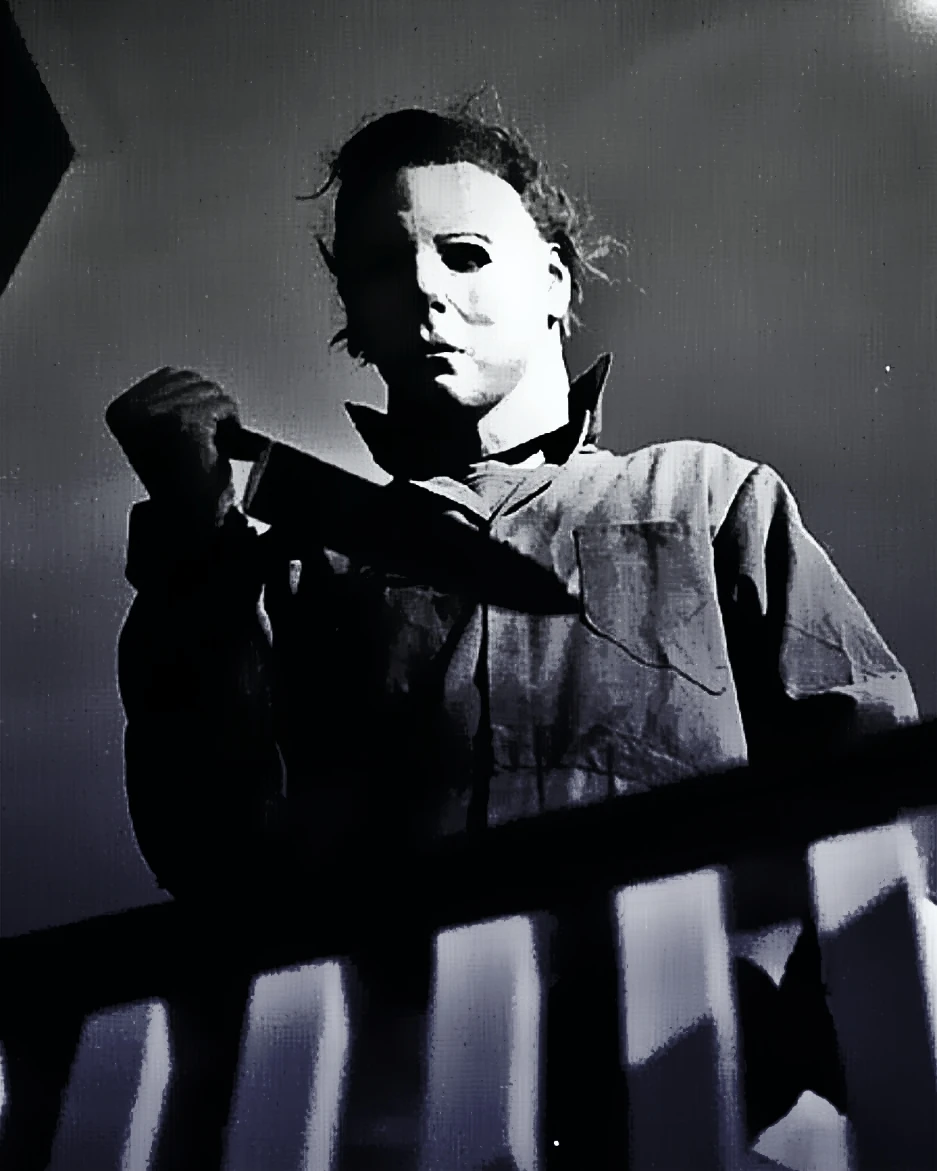
Michael Myers: Ultimate Halloween Costume & Animatronic
Few horror characters are as instantly recognizable as Michael Myers. The pale mask, dark hair, blue work clothes, slow movements, and silent presence have made him one of the defining figures of the Halloween franchise. That recognizable look also makes him especially useful for Halloween fans who want a character that can work both as a costume and as part of a larger display.
Today, the Michael Myers theme goes beyond watching the movies. Fans can recreate the character through a Michael Myers costume, add the famous mask, or build a complete horror scene around a moving prop. With modern Halloween animatronics adding motion and sound, the character can become the centerpiece of a front porch, haunted display, or indoor Halloween setup.
Why Is Michael Myers So Popular for Halloween?
Michael Myers has a simple visual identity that is easy to recognize. Unlike characters who need elaborate accessories to establish who they are, the combination of the white mask, workwear, dark boots, and knife immediately connects the look with the Halloween franchise.
That simplicity is one reason the character works so well during October. A fan can create a complete look with a few recognizable pieces, while a decorator can use the same visual elements to build a themed scene. The result can feel connected without requiring dozens of unrelated Halloween props.
What Makes a Michael Myers Animatronic Different?
A traditional figure stays in one position throughout the night. An animated version can introduce movement and sound, giving visitors something to notice when they approach the display. That difference can make a familiar character feel much more dramatic.
The 2026 Spirit Halloween version features head-scanning movement and a twisting knife-lift action, accompanied by the original 1978 Halloween theme audio. Trick or Treat Studios also lists a licensed six-foot version with a moving head, knife movement, two tracks from the film score, and Michael’s signature breathing.
Benefit 1: It Creates a Strong Halloween Focal Point
Large Halloween displays can sometimes look crowded when too many characters compete for attention. A Michael Myers figure gives the scene one obvious centerpiece, allowing the rest of the setup to support the main character rather than compete with it.
This works particularly well for a classic horror theme. Place the character where visitors can see the mask clearly, then build the surrounding scene with darker lighting, autumn details, fog effects, or simple props. The display can remain relatively restrained while still having a strong visual identity.
Benefit 2: Movement Makes the Display More Engaging
Movement changes how people experience a decoration. A stationary figure can be noticed once and then become part of the background, while an activated prop can create a new moment when someone walks past.
That is particularly effective for a character like Michael, whose horror comes from his slow, controlled presence. A head movement or raised knife can make the display feel less like an ordinary decoration and more like a character waiting in the shadows.
Benefit 3: Film Audio Adds Authentic Atmosphere
Sound can completely change a Halloween scene. Even when visitors cannot immediately see the source, music or breathing can create tension and encourage them to look toward the display.
The current licensed versions use audio connected with the original Halloween film, including the recognizable 1978 theme and Michael’s breathing. These details help establish the character without requiring additional narration or complicated effects.
Benefit 4: It Works With Different Halloween Decorations
A Michael Myers display does not need to look like a movie set. The character can be surrounded by simple Halloween decoration such as pumpkins, leaves, dark lighting, fake cobwebs, tombstones, or weathered signs.
For a more classic horror appearance, keep the color palette muted and allow the mask and clothing to remain the most recognizable elements. This approach can make the display feel intentional instead of turning the yard into a collection of unrelated props.
Benefit 5: It Can Build a Complete Horror Scene
The character becomes even more effective when the surrounding environment tells a story. A quiet walkway, dim porch, shadowed doorway, or foggy corner can provide the setting without needing expensive scenery.
You can also recreate the atmosphere of Haddonfield without attempting to reproduce an entire movie scene. Simple suburban details combined with the character can create a familiar Halloween feeling while leaving enough room for your own decorating style.
Benefit 6: It Connects Naturally With Halloween Costumes
One advantage of choosing a recognizable horror character is that the display and the people attending the event can share the same theme. A person wearing a Michael Myers outfit can stand beside the animated figure, creating a simple character-based Halloween setup.
This is where Halloween costumes become part of the decorating idea rather than a separate topic. The same mask, clothing style, and visual details used for the prop can inspire a costume, making the entire Halloween scene feel more coordinated.
What Does a Michael Myers Costume Include?
The classic look is intentionally simple. A typical Michael Myers costume centers on work-style clothing and the character’s famous pale mask. Depending on the version being recreated, fans may add dark footwear and other understated details.
Official costume kits can also make the process easier. For example, Spirit Halloween currently lists an officially licensed adult kit containing a Michael Myers work shirt and mask.
Why Is the Michael Myers Mask So Important?
The mask is arguably the most recognizable part of the character’s appearance. Its expression is deliberately minimal, which creates the emotionless look associated with Michael throughout the franchise.
That also makes the Michael Myers mask useful for people who already have suitable clothing. Instead of purchasing a complete outfit, someone can build the rest of the appearance around the mask with a plain work shirt, matching trousers, and appropriate footwear.
How to Create a Classic Michael Myers Look
Start with the clothing rather than adding lots of accessories. A simple workwear-inspired outfit creates the basic silhouette, while the mask provides the character identity.
Keep the rest of the look understated. Michael’s appearance is effective partly because it does not rely on bright colors or elaborate costume pieces. A clean silhouette and recognizable mask can therefore be more convincing than an overloaded outfit.
Michael Myers Costume Ideas for Halloween
Fans can approach the costume in several ways. Someone attending a Halloween party might choose a complete licensed outfit, while another person may prefer a DIY interpretation using workwear and a character-inspired mask.
The simplicity also makes the idea suitable for different Halloween events. It can work at a house party, haunted attraction, neighborhood event, or casual trick-or-treat setting, depending on how closely the wearer wants to recreate the movie character.
How to Use a Michael Myers Animatronic With a Costume
One creative option is to use the character in both forms. Put the Michael Myers animatronic in the main display while another person wears the costume nearby. Visitors may initially assume there is only one Michael before noticing the second figure.
For a party or haunted setup, the two can also be positioned separately. The animated prop can act as the main visual feature while the costumed person appears somewhere else in the scene, creating a simple surprise without needing a large collection of props.
Building a Michael Myers Halloween Display
Start by choosing the location. A porch, entryway, covered walkway, or dedicated Halloween scene can all work, depending on the model and its placement requirements. Make sure visitors can move around the display safely and that cords or other equipment do not become trip hazards.
Then build outward from the character. Add a few background elements, low lighting, pumpkins, autumn foliage, fog, or classic horror props. The goal is to give the character a setting while keeping the mask and movement easy to see.
What Halloween Decorations Go With Michael Myers?
Classic Halloween props are often enough. Pumpkins, tombstones, spider webs, bare branches, dark fabric, lantern-style lighting, and subtle fog can all complement the character.
You can also use scary Halloween decorations if you want a more intense atmosphere. Just avoid covering the main figure with too many objects. A clean background can actually make the white mask stand out more strongly after dark.
Can Michael Myers Work With Other Halloween Animatronics?
Yes, but balance is important. A yard containing several moving characters can become visually and audibly chaotic if every prop activates at the same time.
If Michael is the centerpiece, use other animatronics as supporting characters. A skeleton, ghost, zombie, or other horror prop can fill empty areas while the main figure remains the most recognizable element of the scene.
What Makes Michael Myers a Strong Halloween Costume Search?
The character sits at the intersection of several established Halloween searches. Published keyword research lists Michael Myers at around 1 million global monthly searches, Michael Myers mask at about 110,000, and Michael Myers costume at about 90,500. The same dataset places Halloween costumes at roughly 1.83 million and Halloween decorations at about 368,000 global monthly searches. These figures are third-party keyword estimates rather than Google-published exact counts, so they should be treated as directional rather than guaranteed traffic.
That search relationship is useful from a content perspective because the topics naturally connect. Someone searching for the character may next want the mask, costume, Halloween outfit, decoration ideas, or an animated prop. A helpful article can answer those related needs without repeating the same phrase in every paragraph.
Michael Myers Mask, Costume and Animatronic: How They Work Together
The three elements serve different purposes. The mask establishes the character visually, the costume recreates his appearance on a person, and the animatronic turns the character into part of the physical Halloween environment.
Together, they can create a much more cohesive setup. A person can dress as Michael, while a second version stands in the yard, surrounded by carefully selected Halloween decoration. The connection is obvious without needing to cover every surface with franchise branding.
Where Should You Place the Animatronic?
Positioning can change how effective the character feels. Near an entrance, the figure can become the first major sight visitors encounter. Farther along a walkway, it can function as a surprise element that becomes visible as people approach.
Always follow the instructions for the specific model and its intended environment. The current products differ in construction and availability, so placement should be based on the manufacturer’s guidance rather than assuming every Halloween animatronic is suitable for exposed outdoor use.
How Can You Make the Display Look More Realistic?
Lighting is one of the easiest ways to improve the atmosphere. Instead of brightly lighting every decoration, use controlled illumination that leaves some areas darker. This can make the mask and moving parts stand out more naturally.
Sound can also be used carefully. The goal is not to make everything loud at once. A recognizable theme track, breathing effect, or occasional activation can create a stronger atmosphere than constant noise, especially when the rest of the yard is relatively quiet.
Is Michael Myers Good for Halloween Costumes and Decorations?
The character works particularly well because the costume and decoration sides naturally reinforce one another. The mask and workwear provide a recognizable outfit, while the same character can become the centerpiece of a Halloween display.
That flexibility also means the theme can be scaled. A small setup might need only a costume and a few pumpkins, while a larger property can add an animatronic, lighting, fog, and additional props. The basic visual identity remains the same.
Frequently Asked Questions
What does a Michael Myers animatronic do?
Features depend on the model. The 2026 Spirit version has head-scanning motion and a knife-lift action with the original 1978 Halloween theme audio. Another officially licensed version from Trick or Treat Studios includes head movement, knife movement, breathing, and two tracks from the film score.
What does Michael Myers wear?
His classic appearance is based on workwear, dark footwear, and the famous pale mask. The simple clothing is an important part of why the character’s silhouette is so recognizable.
What mask does Michael Myers wear?
The character is associated with a pale, expressionless mask that became one of the defining visual elements of the Halloween franchise. Different licensed products can reproduce the mask with variations based on particular films.
Is Michael Myers a good Halloween costume?
Yes, particularly for people who want a recognizable horror character without an extremely complicated outfit. The mask and workwear create most of the visual identity.
Can I make a Michael Myers costume myself?
Yes. A simple workwear-style outfit combined with a suitable character mask can create the basic look. Additional details can be adjusted depending on which version of Michael you want to recreate.
What decorations go with Michael Myers?
Pumpkins, dark lighting, fog, autumn foliage, tombstones, spider webs, and other horror-themed props can complement the character. Keeping the surrounding scene relatively simple can help the white mask remain the focal point.
Are Michael Myers animatronics suitable for outdoor displays?
It depends on the individual product. Always check the manufacturer’s instructions for weather exposure and placement before using one outdoors. Product specifications can vary considerably between models.
Can I use a Michael Myers costume with the animatronic?
Absolutely. Having one person wear the costume while another version of the character appears as an animated prop can create a cohesive Halloween scene. It can work particularly well for parties, haunted displays, and trick-or-treat setups.
Final Thoughts
Michael Myers remains a strong Halloween character because his identity is built around a few unforgettable details rather than an overly complicated design. The mask, workwear, slow movement, and connection to the Halloween films give decorators and costume fans plenty to work with.
A well-planned setup does not need hundreds of props. A Michael Myers animatronic, a recognizable Michael Myers costume, the right mask, and a carefully selected collection of Halloween decorations can create a complete horror scene. Add thoughtful lighting and sound, and the display can feel much more immersive while still keeping the character at its center. contrank.com
Author



Cash Only A Modern Approach to Everyday Streetwear

Kentucky Bourbon Trail Tours What Is Included and How to Plan a Trip

Point Cloud to BIM for Renovation Projects: From 3D Scanning

Malware Protection Solutions for Business Data Security

Balance With Dedicated Oversight From the Best Virtual Psychiatrist

Make Gifts Memorable with Custom Shaped Rigid Boxes

Brooklyn Creativity, Streetwear, Art, and Fashion

CAD vs. BIM: Which Workflow Is Right for Your Project?

Top 25 Podcast Marketing Firms Based in the United States

QuickBooks Bank Feeds Not Working: Expert Fix Guide

Cybersecurity Consulting Company SequelNet Provides Critical IT Support Services to Medical Billing Firm, Medical Optimum

Meet the Megalodon: The Shark Star of ‘Meg 2’

Reduce Video Game Lag: Level Up Your Gaming Performance

Balancing India’s Entertainment: Cricket vs. Bollywood

Jetsetter’s Secrets: Unveiling Our Favorite Travel Hacks for a Seamless Adventure

The 5 Best Live Sports Streaming Sites: Legal and Exciting!

Hollywood Labor Unrest: The Impact of ‘What About Us?’ Strikes

Unveiling the Magic of Dream Fulfillment at the Late NBA Draft

Illuminate Your Skin: Dr. Axe Unveils Natural Remedies for Lightening Knees and Elbows

Bright Choices: Navigating the Pros and Cons of Skin Whitening Creams with Dr. Axe
-

 Business3 years ago
Cybersecurity Consulting Company SequelNet Provides Critical IT Support Services to Medical Billing Firm, Medical Optimum
-
Entertainment3 years ago
Meet the Megalodon: The Shark Star of ‘Meg 2’
-
Entertainment3 years ago
Reduce Video Game Lag: Level Up Your Gaming Performance
-
 Sports3 years ago
Balancing India’s Entertainment: Cricket vs. Bollywood
-
Entertainment3 years ago
Jetsetter’s Secrets: Unveiling Our Favorite Travel Hacks for a Seamless Adventure
-
Productivity3 years ago
The 5 Best Live Sports Streaming Sites: Legal and Exciting!
-
Art /Entertainment3 years ago
Hollywood Labor Unrest: The Impact of ‘What About Us?’ Strikes
-
Sports3 years ago
Unveiling the Magic of Dream Fulfillment at the Late NBA Draft






