
Finance
Is Investing in Treasury Securities Right for You? Here’s What to Consider.


Are you looking for a low-risk investment option that can provide steady returns? Look no further than treasury securities! These government-issued bonds are considered one of the safest investments available, but is investing in them right for you? In this post, we’ll explore the pros and cons of investing in treasury securities, how to decide if they’re a good fit for your portfolio, and where to buy them. So sit back, relax, and let’s dive into everything you need to know about investing in treasury securities.
What are treasury securities?
Treasury securities are debt instruments issued by the United States government to finance its operations and projects. They come in different forms, including bills, notes, bonds, and TIPS (Treasury Inflation-Protected Securities), each with varying maturities ranging from a few days to as long as 30 years.
Bills have the shortest maturity period of one year or less and are typically sold at a discount to their face value. Notes have maturities ranging from two to ten years and pay interest every six months. Bonds have longer maturities of up to 30 years and also pay interest semi-annually.
TIPS adjust for inflation, which means that their principal values increase or decrease based on changes in consumer price index (CPI). This makes them an excellent hedge against inflation.
In general, treasury securities carry very low default risk since they are backed by the full faith and credit of the U.

S. government. As such, these investments offer lower returns compared to other higher-risk assets but provide investors with a reliable source of income over time.
Pros and cons of investing in treasury securities
Investing in treasury securities can be a good option for those looking to add a low-risk investment to their portfolio. One of the biggest pros of investing in treasury securities is that they are backed by the US government, making them one of the safest investments available. This means that even if the economy experiences a downturn or recession, your investment is still secure.
Another advantage of investing in treasury securities is their liquidity. These securities can easily be bought and sold on secondary markets without much hassle, providing investors with flexibility when it comes to managing their portfolios.
However, there are also some cons to consider before investing in treasury securities. Firstly, due to their low-risk nature, these investments typically have lower returns compared to riskier options such as stocks or mutual funds.
Additionally, inflation can erode the value of your investment over time. While this may not pose an immediate threat for short-term investors, long-term holders may experience decreased purchasing power as inflation outpaces the interest earned from these investments.
It’s important to weigh both the pros and cons before deciding if investing in treasury securities is right for you. Ultimately it will come down to individual financial goals and risk tolerance levels.
How to decide if treasury securities are right for you
When considering investing in treasury securities, it’s important to evaluate your financial goals and risk tolerance. First, determine the purpose of your investment. Are you looking for a low-risk way to preserve capital or earn steady income? Treasury securities are generally considered safe investments but typically offer lower returns than other assets.
Next, consider your overall portfolio diversification strategy. If you’re already heavily invested in stocks or higher-risk assets, adding treasury securities can help balance out your portfolio and reduce overall risk. Additionally, if you’re nearing retirement or need funds in the near future, treasury securities may be a good option as they provide a reliable source of income.
Your personal tax situation should also be considered when evaluating whether to invest in treasury securities. Interest earned on these bonds is federal tax-free but may still be subject to state taxes depending on where you live.
Ultimately, before investing in any asset class including treasury securities always do proper research and consult with qualified professionals such as financial advisors who can guide you through the process based on your individual circumstances and needs.
Where to buy treasury securities
If you have decided that investing in treasury securities is the right move for your portfolio, the next question is where to buy them. Luckily, there are several options available.
One option is to purchase treasuries directly from the U.
S. Treasury through their website, TreasuryDirect.gov. This option allows investors to purchase and manage their treasuries online without any fees or commissions.
Another option is to use a brokerage firm that offers treasury securities as part of their investment offerings. Many popular brokers like Fidelity and Charles Schwab allow individuals to purchase treasuries through their platform.
Institutional investors can also participate in treasury auctions which are held regularly by the U.
S. Treasury Department. These auctions give institutions direct access to purchasing newly issued treasuries at competitive rates.
It’s important for individuals interested in buying treasury securities to consider all three options before making a decision on where to purchase them based on fees, accessibility and convenience factors.
How to diversify your portfolio with treasury securities
Diversifying your portfolio is a crucial aspect of investing that helps to reduce risk and increase potential returns. Treasury securities are an excellent way to diversify your portfolio, as they offer stability and security while providing a steady income stream.
One way to diversify with treasury securities is by investing in different maturities. Treasury bills have short-term maturities of less than one year, while notes have medium-term maturities between one and ten years. Bonds, on the other hand, have long-term maturities of more than ten years. By investing in a combination of these securities with varying maturity dates, you can balance the risk-reward tradeoff.
Another method for diversification is through inflation-protected securities (TIPS). TIPS provide protection against inflation by adjusting their principal value based on changes in the Consumer Price Index (CPI).
Investors can also consider bond funds or exchange-traded funds (ETFs) that hold treasury securities. These options allow investors to access a diversified pool of bonds without having to purchase individual treasuries.
Adding treasury securities to your investment portfolio can help mitigate risks while offering stable returns over time. It’s essential always to consult with a financial advisor before making any significant investment decisions.
Conclusion
Treasury securities can be a great investment option for those looking for low-risk and relatively stable returns. They are backed by the government, making them one of the safest investments available in the market.
However, it’s important to keep in mind that investing solely in treasury securities may not provide you with enough diversification to meet your financial goals. It’s essential to have a well-diversified portfolio that includes other asset classes such as stocks and bonds.
Before investing in treasury securities, take into account your risk tolerance, investment objectives and time horizon. Consult with a financial advisor if necessary to determine whether or not they fit into your overall investment strategy.
Remember that no single type of investment is suitable for everyone. Therefore, it’s crucial to do thorough research on various types of investments before making any decisions about where you would like to invest your money.
Author


Running a business is not just about making profits. It is also about managing daily expenses smoothly. Many businesses in India face cash flow issues, even when they are doing well on paper. Payments from customers may get delayed, but expenses like salaries, rent, and supplier payments cannot wait.
This is where working capital finance becomes important. It helps businesses manage short-term financial needs and keeps operations running without interruption.
In today’s fast-moving business environment, especially for MSMEs, having access to quick and flexible funding is no longer optional. It is a necessity. This guide explains everything businesses need to know about working capital finance in India in a simple and practical way.
What Is Working Capital Finance?
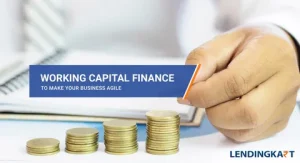
Working capital finance refers to the funds that businesses use to manage their day-to-day operations. It helps cover short-term expenses and ensures that there is no gap between incoming and outgoing cash.
In simple terms, it is the money a business uses to run its daily activities.
These activities include:
- Paying employee salaries
- Purchasing raw materials
- Managing inventory
- Paying suppliers
- Handling operational expenses
For example, if a business sells goods but receives payment after 30–60 days, it may face a temporary shortage of funds. Working capital finance helps bridge this gap.
Why Working Capital Finance Is Important for Businesses
Maintains Smooth Cash Flow
Cash flow is the backbone of any business. Even profitable businesses can struggle if cash is not available when needed. Working capital finance ensures there is always enough liquidity to run operations.
Helps Manage Short-Term Expenses
Daily expenses cannot be delayed. Businesses need immediate funds to pay vendors, employees, and other costs. This type of financing helps manage these needs easily.
Supports Business Growth
When businesses have access to funds, they can take on more orders, expand operations, and invest in growth opportunities without worrying about cash shortages.
Reduces Financial Stress
Uncertain cash flow can create pressure on business owners. With proper financing, businesses can focus on growth instead of worrying about payments.
Types of Working Capital Finance in India
Understanding the types of working capital finance helps businesses choose the right option.
Fund-Based Working Capital Finance
This involves direct funding from financial institutions.
Common types include:
- Cash Credit: Businesses can withdraw funds up to a set limit
- Overdraft: Allows withdrawal beyond account balance
- Short-Term Loans: Fixed amount borrowed for a short period
These are widely used but may involve collateral and longer approval times.
Non-Fund Based Working Capital Finance
In this case, banks do not provide direct funds but offer financial guarantees.
Examples:
- Letter of Credit (LC): Assures payment to suppliers
- Bank Guarantee: Ensures commitment fulfilment
These are useful for trade and large transactions.
Invoice Discounting
Invoice discounting is one of the most effective ways to manage cash flow.
In this method:
- Businesses sell their unpaid invoices
- They receive funds immediately instead of waiting for customer payment
This improves liquidity without taking traditional loans. It is especially useful for MSMEs dealing with delayed payments.
How Working Capital Finance Works
The process of working capital finance is simple and practical.
- Identify Requirement
The business identifies a need for funds to manage operations - Apply for Financing
The business applies through a bank, NBFC, or digital platform - Approval Process
Based on eligibility, documents, and credit profile - Disbursement of Funds
Funds are provided or credit limit is assigned - Repayment
Repayment is done as per agreed terms
In digital platforms, this process is much faster and involves less paperwork.
Key Sources of Working Capital Finance in India
Businesses in India can access working capital finance from different sources.
Traditional Banks
Banks are the most common source. They offer loans, overdrafts, and credit facilities. However, they often have strict eligibility criteria and slower approval processes.
NBFCs (Non-Banking Financial Companies)
NBFCs offer faster processing compared to banks. They are more flexible but may have slightly higher interest rates.
TReDS Platforms
TReDS (Trade Receivables Discounting System) platforms are designed to help MSMEs get quick access to funds.
They allow businesses to:
- Upload invoices
- Get them financed by multiple lenders
- Receive funds quickly
This is a digital and efficient way to access working capital finance without traditional hurdles.
Benefits of Working Capital Finance
Working capital finance offers several advantages to businesses.
- Improves Liquidity: Ensures availability of funds when needed
- Faster Operations: No delays in production or delivery
- Flexible Options: Businesses can choose suitable financing methods
- Better Credit Management: Helps maintain a healthy payment cycle
- Supports Expansion: Businesses can grow without financial stress
Eligibility Criteria for Working Capital Finance
Eligibility depends on the lender and financing type, but common factors include:
- Business should be operational for a certain period
- Minimum turnover requirement
- Good credit history
- Strong financial records
- Valid invoices (for invoice discounting)
MSMEs with consistent business activity have better chances of approval.
Documents Required
Businesses usually need to submit the following documents:
- KYC documents (PAN, Aadhaar, etc.)
- Business registration proof
- Financial statements
- GST returns
- Bank statements
- Invoices (for invoice-based financing)
Digital platforms often reduce documentation and simplify the process.
Challenges Businesses Face Without Working Capital Finance
Without proper funding, businesses may face several issues:
- Cash Flow Gaps: Difficulty in managing daily expenses
- Delayed Payments: Unable to pay suppliers on time
- Limited Growth: Missed opportunities due to lack of funds
- Dependence on Loans: Over-reliance on high-interest borrowing
These challenges can slow down business performance and growth.
How to Choose the Right Working Capital Finance Option
Choosing the right option depends on business needs.
Consider the following factors:
- Business Size: Small businesses may prefer flexible options
- Industry Type: Different industries have different cash cycles
- Urgency: Immediate needs require faster solutions
- Cost: Compare interest rates and fees
- Repayment Terms: Choose what suits cash flow
It is important to pick a solution that supports operations without creating financial pressure.
Role of Digital Platforms in Working Capital Finance
Digital platforms are changing how businesses access finance in India.
They offer:
- Quick approvals
- Minimal paperwork
- Transparent processes
- Access to multiple lenders
- Faster disbursement
For MSMEs, digital platforms have made working capital finance more accessible and efficient. They reduce dependency on traditional banking systems and provide better control over finances.
Conclusion
Working capital finance plays a crucial role in keeping businesses running smoothly. It helps manage daily expenses, maintain cash flow, and support growth.
In India, especially for MSMEs, access to timely funding can make a big difference. Traditional financing methods are still relevant, but digital solutions are making the process faster and more convenient.
Businesses that understand and use working capital finance wisely can avoid cash flow problems and focus on long-term success.
Author



The digital ecosystem is evolving rapidly, and businesses are no longer confined to a single domain. Many companies that began their journey in financial technology are now expanding into mobility solutions such as ride-sharing, logistics, and smart transportation apps. This shift from fintech to mobility is not just a trend—it’s a strategic move driven by changing user expectations, technological advancements, and the growing demand for integrated services.
However, entering a new domain requires careful planning and execution. Choosing the right app development strategy is critical to ensure scalability, security, and long-term success.
Understanding the Shift: Fintech to Mobility
Fintech applications are primarily focused on secure transactions, data protection, and compliance. Mobility apps, on the other hand, emphasize real-time tracking, user experience, and operational efficiency. While these domains differ in functionality, they share common technological foundations such as cloud computing, APIs, and mobile-first design.
Businesses already working with fintech app development companies often have an advantage. They are familiar with building secure, scalable systems—skills that are equally valuable in mobility app development.
Why Businesses Are Expanding into Mobility
1. Growing Demand for On-Demand Services
Users today expect convenience at their fingertips. Whether it’s booking a ride or tracking a delivery, mobility apps fulfill real-time needs, making them highly profitable.
2. Opportunity for Integration
Fintech apps can integrate seamlessly with mobility platforms. For example, digital wallets, payment gateways, and subscription billing systems enhance the user experience in ride-hailing or logistics apps.
3. Diversification of Revenue Streams
Expanding into mobility allows businesses to tap into new markets and create additional revenue channels.
Key Differences in Development Strategy
Before transitioning, it’s essential to understand how fintech and mobility app strategies differ:
| Aspect | Fintech Apps | Mobility Apps |
|---|---|---|
| Core Focus | Security & compliance | Real-time operations |
| User Experience | Trust & reliability | Speed & convenience |
| Technology | Encryption, APIs | GPS, IoT, real-time data |
| Scalability | Transaction volume | User & fleet management |
A successful transition requires combining the strengths of both domains.
Choosing the Right Development Approach
1. Define Your Business Goals
Start by identifying what you want to achieve. Are you building a ride-hailing platform, a fleet management system, or a logistics solution? Your goals will determine the features, technology stack, and development timeline.
2. Select the Right Technology Stack
Mobility apps require technologies like:
- GPS and geolocation services
- Real-time data processing
- Cloud infrastructure
- AI for route optimization
If you’re already using fintech app development services, you can reuse certain backend components like payment systems and user authentication.
3. Focus on User Experience (UX)
In mobility apps, user experience is everything. A delay of even a few seconds can impact user satisfaction. Ensure:
- Fast load times
- Intuitive navigation
- Real-time updates
4. Ensure Security and Compliance
While mobility apps are less regulated than fintech apps, they still handle sensitive user data. Implement:
- Data encryption
- Secure payment gateways
- Compliance with local regulations
Your experience working with fintech app development companies will be valuable here.
5. Build a Scalable Architecture
Mobility apps often experience rapid growth. A scalable architecture ensures your app can handle increasing users and data without performance issues.
The Role of Fintech Expertise in Mobility Apps
Fintech expertise plays a crucial role in mobility applications, especially in areas like:
- Payments: Seamless in-app transactions
- Subscriptions: Monthly ride or delivery plans
- Fraud Detection: Preventing misuse of services
- Analytics: Understanding user behavior
Businesses that hire fintech software developers gain a competitive edge by integrating robust financial systems into mobility platforms.
Development Models to Consider
1. In-House Development
Best for companies with strong technical teams. Offers full control but requires significant investment.
2. Outsourcing to Experts
Partnering with fintech app development companies or mobility specialists ensures faster development and access to experienced professionals.
3. Hybrid Model
A combination of in-house and outsourced software development provides flexibility and cost efficiency.
Cost Considerations
The cost of developing a mobility app depends on several factors:
- App complexity
- Features and integrations
- Development team location
- Technology stack
On average, a basic mobility app can cost between $25,000 to $80,000, while advanced solutions may exceed $150,000.
Leveraging existing fintech infrastructure can help reduce costs significantly.
Common Challenges and How to Overcome Them
1. Real-Time Data Management
Mobility apps rely heavily on real-time updates. Use cloud-based solutions and efficient APIs to handle large data volumes.
2. User Retention
Offer features like loyalty programs, discounts, and seamless payments to keep users engaged.
3. Integration Complexity
Integrating fintech features into mobility apps can be challenging. Working with experienced fintech app development services providers can simplify the process.
Future Trends in Fintech and Mobility Integration
1. AI and Machine Learning
AI will play a major role in route optimization, demand prediction, and fraud detection.
2. Blockchain Technology
Blockchain can enhance transparency and security in payments and data sharing.
3. IoT Integration
Connected devices will improve fleet management and real-time tracking.
4. Super Apps
The future lies in super apps that combine fintech, mobility, and other services into a single platform.
Best Practices for Success
- Start with a minimum viable product (MVP)
- Focus on scalability from day one
- Prioritize user experience
- Ensure strong security measures
- Continuously update and improve your app
Conclusion
Transitioning from fintech to mobility is a strategic move that can unlock new growth opportunities. By leveraging existing fintech expertise and adopting the right app development strategy, businesses can build innovative, scalable, and user-friendly mobility solutions.
Whether you choose to work with fintech app development companies or build an in-house team, the key lies in aligning your technology, goals, and user expectations. Investing in the right approach today will ensure long-term success in this rapidly evolving digital landscape.
Author



Author



CNC Tools in Modern Manufacturing: Benefits & Future Trends

Avoid Costly Document Mistakes with Professional Notary Services

Mini vs Full Tummy Tuck: Complete Guide Islamabad

Formulation Development in 2026: Drug Delivery Innovations

Luxury RV Resorts Texas vs Standard RV Parks: The Difference?

Best Hair Transplant Clinic in Pakistan – JJ Aesthetics

Essentials Tracksuit UK Guide: Styles, Fits, Colors & Buying Tips

Working Capital Finance: Guide for MSMEs, Types & Benefits

Beard Hair Transplant: Procedure, Benefits And Recovery

Corteiz Cargos Official Store: Streetwear Style & Sustainability

Cybersecurity Consulting Company SequelNet Provides Critical IT Support Services to Medical Billing Firm, Medical Optimum

Team Communication Software Transforms Operations at Finance Innovate

Project Management Tool Transforms Long Island Business

How Alleviate Poverty Utilized IPPBX’s All-in-One Solution to Transform Lives in New York City

Breast Cancer: The Imperative Role of Mammograms in Screening and Early Detection

Unstoppable Collaboration: D.C.’s Citi Open and Silicon Valley Classic Unite to Propel Women’s Tennis to New Heights

Embracing Renewal: Sizdabedar Celebrations Unite Iranians in New York’s Eisenhower Park

The Benefits of Starting a Side Hustle for Financial Freedom

New Blood Donation Screening Questions What You Need to Know

Stylishly Timeless: The 5 Types of Sandals You Need in Your Closet
-

 Business3 years ago
Cybersecurity Consulting Company SequelNet Provides Critical IT Support Services to Medical Billing Firm, Medical Optimum
-
Business3 years ago
Team Communication Software Transforms Operations at Finance Innovate
-
Business3 years ago
Project Management Tool Transforms Long Island Business
-
Business3 years ago
How Alleviate Poverty Utilized IPPBX’s All-in-One Solution to Transform Lives in New York City
-
health3 years ago
Breast Cancer: The Imperative Role of Mammograms in Screening and Early Detection
-
Sports3 years ago
Unstoppable Collaboration: D.C.’s Citi Open and Silicon Valley Classic Unite to Propel Women’s Tennis to New Heights
-
Art /Entertainment3 years ago
Embracing Renewal: Sizdabedar Celebrations Unite Iranians in New York’s Eisenhower Park
-
Finance3 years ago
The Benefits of Starting a Side Hustle for Financial Freedom







