
Business
How to Select an Exhibition Stand Builder for a Trade Fair


The right exhibition stand builder does more than create an attractive booth. They turn your event goals into a workable design, explain the full cost, meet venue requirements, and hand over a finished stand before visitors arrive. Choose by comparing delivered projects, detailed proposals, production responsibilities, and responses to practical problems—not renders alone.
A booth might look excellent on a laptop yet fail on the floor: a blocked demo counter, missing storage, or an electrical connection nobody arranged.
Here’s what to check before signing.

1. Write the Brief Before Contacting Builders
Start with your exhibition, not a supplier’s gallery. Give every shortlisted company the event, venue, stand dimensions, open sides, move-in dates, products, and budget.

A machinery manufacturer needs a different layout from a software company running private demos. State your objective, staffing, display requirements, and need for storage or meetings.
Include the organiser’s technical manual if you have it; it settles more practical questions than a mood board.
Give everyone the same brief. Otherwise, you are comparing different projects.
2. Choose the Stand Type That Fits Your Exhibition Plan
Custom stands suit unusual layouts and product launches. Modular stands make sense when you exhibit repeatedly and need reconfigurable components.
Don’t assume custom means better. A small, well-planned modular booth can serve its purpose more effectively than an expensive structure with nowhere to hold a conversation.
Ask why a particular format fits and which parts are reusable.
Read about custom exhibition stand design and modular exhibition stands.
3. Inspect Finished Work, Not Just Attractive Renders
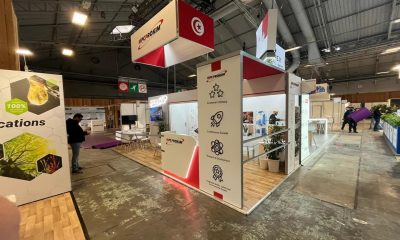
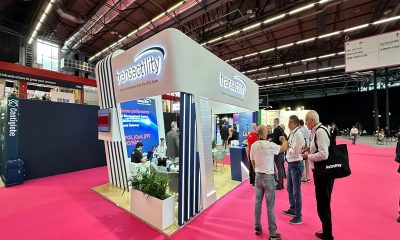
Request photographs of completed booths comparable to yours, preferably beside the approved 3D design. Inspect graphics, lighting, joints, furniture, and product displays.
Ask for the event name and stand size in each example. A beautiful photograph without context says little about whether the supplier can handle your project.
Then ask an awkward question: who actually built and installed that stand?
External installation partners aren’t automatically a problem. Missing accountability is. You need someone responsible for design, fabrication, transport, and installation—not vendors passing problems around.
Browse the Booth Fabricators portfolio and ask for a relevant client reference before committing.
4. Make the Builder Defend Their Floor Plan
The layout should explain itself without a sales presentation.
Picture two visitors arriving while your sales team is demonstrating a product. Can newcomers enter comfortably? Does the demonstration block the main aisle? Can a customer step into a meeting area without walking through staff storage?
Request a floor plan marking entry points, displays, seating, storage, and electrical positions. Check the view from the aisle, not just the designer’s preferred angle.
The design also has to respect the organiser’s rules on height, rigging, accessibility, and approved materials. Get those requirements checked before signing off the visuals.
See how stall design and fabrication fit together.
5. Compare the Scope of Work, Not Just the Total Price
Two quotations with the same stand dimensions can cover very different services. Request an itemised proposal covering materials, graphics, lighting, flooring, furniture, screens, freight, installation, dismantling, and storage.
Identify what the venue charges separately. Power connections, internet, rigging, material handling, and contractor access are not automatically part of the builder’s price.
If an item is marked “provisional”, ask when its cost will be confirmed and who must approve an increase.
Confirm design revisions, artwork-change charges, payment milestones, taxes, and cancellation terms in writing.
A lower quote is useful only when you’re buying the same deliverables.
6. Find Out Who Controls the Installation Schedule
Work backwards from the venue’s permitted handover time. The builder should give you dates for design approval, final artwork, production checks, dispatch, move-in, installation, and your own inspection.
Ask who submits drawings for organiser approval. Overseas, clarify local labour, freight documentation, and venue coordination. An international portfolio isn’t a substitute for a plan.
Get the site project manager’s name and contact details. You need a decision-maker, not a generic inbox.
7. Test Their Response to a Problem
Here’s a question worth asking every shortlisted supplier: “The organiser rejects our planned stand height after the drawings are submitted. What happens next?”
Listen for a clear sequence. Who speaks to the venue? Who updates the drawings? How are cost and schedule changes approved? When will you receive a revised plan?
Try a second scenario involving a damaged graphic on installation day. A credible response names an owner and a workable fallback. “Don’t worry, we’ll manage” is not a plan.
[YOUR EXAMPLE: a real approval or on-site issue and how the team resolved it.]
8. Agree on What ‘Finished’ Means
Before production starts, define the handover checklist: correct branding, working screens and lights, stable counters, usable storage, clean finishes, and the furniture specified in the quote.
Schedule inspection and agree how defects will be recorded and fixed. Confirm repair support, dismantling, and, for reusable stands, ownership and storage.
Mistakes to Avoid Before You Sign
Don’t choose on price alone. Don’t approve a layout without checking visitor movement. And don’t rely on a promise of “complete service” without checking what is excluded.
The next step is straightforward: send the same brief and two problem scenarios to your shortlisted exhibition stand builders. Compare their answers alongside the quotation and finished-project evidence. If you’re planning a trade fair in India or overseas, contact Booth Fabricators to discuss your stand size, goals, and installation requirements.
Author









Introduction
Ajman is an increasingly attractive destination for entrepreneurs who want to establish a company in the United Arab Emirates (UAE). With opportunities in trading, e-commerce, consultancy, professional services, and manufacturing, the emirate offers several options for investors with different budgets.
One of the most common questions entrepreneurs ask is, how much is a business license in Ajman? The total cost depends on your business activity, licensing authority, office requirements, company structure, and visa needs.
At Business Setup Consultancy, we help entrepreneurs understand their company formation options, compare licensing requirements, and plan their business setup expenses. In this guide, we explain the main costs, available license types, and steps to obtain an Ajman business license in 2026.
How Much Is a Business License in Ajman in 2026?
The cost of a business license in Ajman varies depending on whether you choose mainland company formation or a free zone setup. There is no single price that applies to every business.
Some free zone packages have been advertised from approximately AED 5,555, but current pricing depends on the selected package and eligibility. Ajman Free Zone provides an official cost calculator rather than one universal price for every business.
For mainland companies, Ajman Department of Economic Development (Ajman DED) charges prescribed licensing and registration fees, while other costs depend on the application and business requirements.
Your total budget may include:
- Business license issuance and registration fees
- Trade name reservation
- Office rent or workspace charges
- Commercial registration and documentation
- External approvals, where applicable
- Immigration and residence visa expenses
- Annual license renewal and facility costs
For an estimate tailored to your business, consult the Ajman DED fee calculator or the Ajman Free Zone cost calculator.
Ajman Mainland vs. Ajman Free Zone Business License Cost
Choosing the right jurisdiction is an important part of managing your company formation budget.
1. Ajman Mainland Business License
An Ajman mainland business license is issued through Ajman DED for approved economic activities. This option may suit businesses that want to serve customers in the UAE domestic market, subject to the applicable regulations.
Mainland businesses can include retail shops, trading companies, service providers, and other eligible commercial activities.
The total cost depends on the legal structure, selected activity, office lease, registration requirements, and any additional approvals. For some company structures, further documentation or publication charges may also apply.
Ajman DED lists individual service fees, including AED 600 for economic license issuance or renewal, AED 50 for an administrative services application, and AED 200 for commercial register registration. These are individual fee components, not the complete cost of setting up every type of company.
2. Ajman Free Zone Business License
An Ajman Free Zone business license may be suitable for entrepreneurs interested in trading, e-commerce, consultancy, or other eligible activities.
Free zone packages can vary according to the business activity, number of shareholders, office arrangement, and number of residence visas required. Some packages offer flexible workspace solutions, while other businesses may need dedicated premises.
An advertised starting price should not be treated as the final setup cost. Always check whether the quotation includes registration, the license, office facilities, visa processing, and other applicable charges.
You should also confirm the rules for serving mainland UAE customers before selecting a free zone structure.
What Factors Affect the Cost of an Ajman Business License?
Understanding the main cost factors can help you prepare a more realistic startup budget.
Business Activity
The type of activity you choose directly affects the licensing process. Commercial trading, professional services, industrial operations, and specialized activities may have different requirements.
Certain regulated businesses also need approvals from relevant government authorities, which can increase the total expense.
Office and Workspace
Some businesses can qualify for shared workspaces or flexible office arrangements. Others may need a dedicated office, retail shop, warehouse, or industrial facility.
The type and location of your premises can significantly affect your initial and recurring costs.
Number of Residence Visas
If you plan to obtain UAE residence visas for yourself or employees, you should budget for applicable immigration services, establishment registration, medical examinations, Emirates ID, and other related charges.
Visa eligibility and quotas depend on the licensing authority, package, and facility arrangements.
Company Structure
Your chosen legal structure influences the documents, approvals, and registration steps required. A sole establishment, limited liability company, or branch may have different requirements.
Additional Government Fees
Trade name registration, commercial registration, documentation, external approvals, and other administrative charges may contribute to the final amount. Ask for an itemized quotation to understand which expenses are included.
Types of Business Licenses Available in Ajman
The right license depends on the activities you intend to carry out.
- Commercial license: For approved trading and commercial activities.
- Professional license: For eligible professional and service-based businesses.
- Industrial license: For approved manufacturing and industrial operations.
- E-commerce license: For eligible online business activities.
- Freelance or professional service license: For qualifying independent professionals under the relevant authority’s rules.
Not every activity is available under every license or jurisdiction. Confirm your intended activities before submitting your application.
How to Get a Business License in Ajman
Although the exact process depends on your business, the general steps are straightforward.
Step 1: Choose your business activity. Identify the products or services your company will provide and check the relevant licensing conditions.
Step 2: Select your jurisdiction. Compare Ajman mainland and free zone options based on your target market, office needs, and budget.
Step 3: Select a legal structure and trade name. Choose an appropriate company structure and reserve a compliant business name.
Step 4: Prepare your documents. Depending on the application, you may need passport copies, application forms, identification documents, and company formation paperwork.
Step 5: Arrange the required workspace. Obtain an appropriate office, facility, or workspace if required by the licensing authority.
Step 6: Apply for your license. Submit the application, obtain any additional approvals, and pay the applicable fees.
Step 7: Complete the remaining formalities. Depending on your setup, you may need to arrange immigration registration, banking, and applicable tax registrations.
Careful preparation can help reduce delays and avoid unnecessary changes during the application process.
How to Reduce Your Business Setup Cost in Ajman
Starting a company does not mean choosing the cheapest advertised license package. Instead, focus on getting the right license at a reasonable overall cost.
Here are some practical ways to manage your expenses:
- Compare mainland and free zone options before applying.
- Select only the business activities you need.
- Choose a workspace that matches your operational requirements.
- Check visa eligibility and related charges in advance.
- Ask for a breakdown of initial costs and annual renewal fees.
- Confirm whether additional permits or approvals are required.
- Avoid paying for services that your business does not need.
Comparing complete quotations can help you understand the actual investment required and prevent unexpected expenses.
Why Choose Business Setup Consultancy?
Setting up a company involves several decisions, from choosing the right jurisdiction to understanding license costs and documentation requirements.
Business Setup Consultancy helps entrepreneurs explore suitable company formation options, understand licensing procedures, compare mainland and free zone setups, and plan their business registration.
Whether you are starting a trading company, an online business, a consultancy, or another eligible enterprise, our goal is to help you make informed decisions based on your budget and business objectives.
With the right guidance, you can better understand the requirements and prepare for a smoother business setup process in Ajman.
Frequently Asked Questions
How much does an Ajman business license cost?
The price depends on the activity, jurisdiction, package, workspace, and visa requirements. Some free zone packages have been advertised from around AED 5,555, but you should confirm current pricing directly with the relevant authority.
Is an Ajman Free Zone license cheaper than a mainland license?
Some free zone packages may have lower entry costs, particularly for businesses that do not require a dedicated office or residence visa. However, the most suitable and economical option depends on your business activity and operating requirements.
Can foreigners start a business in Ajman?
Foreign entrepreneurs can establish eligible businesses in Ajman, subject to the applicable ownership, licensing, and regulatory requirements.
Does a business license include a residence visa?
Not always. Visa eligibility and costs depend on the selected package and licensing authority. Confirm the included services and budget separately for any additional immigration expenses.
How can I check the exact cost of my license?
Use the official Ajman DED fee calculator for mainland licensing or the Ajman Free Zone cost calculator for free zone options.
Conclusion
Understanding how much a business license costs in Ajman is an essential step toward launching a company in the UAE. The total investment depends on your business activity, jurisdiction, office requirements, legal structure, and visa needs.
Ajman mainland and free zone setups offer different advantages, so it is important to compare the complete costs before making a decision.
Business Setup Consultancy can help you explore company formation options, understand licensing requirements, and plan your next steps. With proper research and professional guidance, you can establish a business structure that supports your goals and future growth.
Author


Every building needs two kinds of water management that most people don’t think about until something goes wrong: a drainage system that carries waste water away safely, and a reliable way to water gardens, lawns and terraces. For the first, SWR pipes are the standard choice in modern Indian construction. For the second, a good garden hose or irrigation pipe makes daily watering easy and efficient.
This guide explains how both work, what affects their price and how to choose the right products for your home, building or farm.
What Are SWR Pipes?
SWR stands for Soil, Waste and Rain water. SWR pipes are made from uPVC and are designed for non-pressure drainage applications. They carry:
- Soil water from toilets
- Waste water from kitchens, bathrooms and washing areas
- Rain water from rooftops and balconies
Unlike old cast iron or asbestos pipes, uPVC SWR pipes are lightweight, rust-free, chemical-resistant and easy to install. Their smooth inner surface allows waste to flow freely and reduces the chances of blockage.
Why Choose PVC SWR Pipes and Fittings
A complete drainage system needs more than just pipes. Bends, tees, Y-tees, reducers, couplers, door elbows, cleaning pipes and nahani traps all work together to direct waste water in the right direction. Using PVC SWR pipes and fittings from the same manufacturer ensures a proper fit, consistent quality and leak-free joints.
SWR systems are usually joined in one of two ways:
- Ring-fit (rubber ring) joints: allow for thermal expansion and are easy to assemble and replace
- Solvent-cement joints: create a permanent, fully sealed connection
Ring-fit systems are often preferred for vertical stacks in multi-storey buildings, while solvent-cement joints are common for smaller connections.
What Affects the SWR Pipes Price List?
Buyers often look for a fixed SWR pipes price list, but prices vary depending on several factors:
- Pipe diameter: Common sizes are 75 mm, 110 mm and 160 mm. Larger diameters cost more.
- Pipe type: Type A pipes are used for ventilation and rain water, while Type B pipes have thicker walls for soil and waste discharge.
- Length: Pipes are usually available in 3 m and 6 m lengths.
- Joint type: Ring-fit and self-fit pipes are priced differently.
- Raw material prices: PVC resin rates change throughout the year and affect final prices.
- Location and dealer: Transport and local taxes can make prices differ from city to city.
Similarly, SWR pipe fittings price depends on the fitting type, size and whether it is ring-fit or solvent-fit. A door bend or Y-tee costs more than a simple coupler, for example. The best way to get accurate rates is to ask the manufacturer or an authorised dealer for the latest price list.
Choosing the Right SWR Drainage Pipe Manufacturer
Drainage pipes are hidden inside walls and floors, so replacing them later is expensive and messy. That makes choosing the right brand important. When comparing SWR drainage pipes manufacturers, check:
- Compliance with BIS standards
- Wall thickness and pipe weight
- Availability of a complete fittings range
- UV resistance for outdoor use
- Dealer network and after-sales support
Garden Hose Pipes: Simple but Important
Moving from drainage to gardening, a good hose pipe is one of the most useful tools for any home. Whether you have a small balcony garden, a large lawn or a terrace farm, the right pipe makes watering faster and easier.
A quality flexible garden water pipe India buyers can rely on should be:
- Soft and easy to coil, without kinking
- Strong enough to handle tap water pressure
- UV-stabilised so it doesn’t crack in the sun
- Lightweight for easy handling
What Affects Garden Hose Pipe Price in India?
Just like SWR pipes, garden hose pipe price India depends on several factors:
- Diameter: Common sizes are ½ inch, ¾ inch and 1 inch
- Length: Usually sold in rolls of 15 m, 30 m or longer
- Wall thickness and layers: Braided or reinforced pipes cost more but last longer
- Material quality: Virgin PVC lasts longer than recycled material
You can check available sizes and types on the garden hose pipe page before buying.
Choosing PVC Garden Pipe Manufacturers
Cheap hose pipes often crack, fade or leak within one season. Trusted PVC garden pipe manufacturers use quality raw material, consistent wall thickness and UV protection, so the pipe lasts for years. Look for brands with a strong dealer network, so replacements and accessories are easy to find.
Garden Irrigation Pipe for Larger Areas
For large gardens, farmhouses, orchards and nurseries, a single hose is not enough. A planned garden irrigation pipe India system, such as sprinkler or drip lines, waters plants evenly and saves a lot of water.
- Sprinkler systems work well for lawns and open garden areas
- Drip systems deliver water directly to the roots of plants, trees and vegetables, reducing wastage
Using a proper irrigation setup can cut water use significantly compared to manual watering. For more practical tips on home improvement and running a business smarter, explore the business section of Contrank.
About Texmo Pipes & Products
Texmo Pipes & Products Ltd., based in Burhanpur, Madhya Pradesh, manufactures a wide range of piping solutions for plumbing, drainage, agriculture, borewell, industrial and water storage applications. Its range includes SWR pipes and fittings, CPVC and uPVC plumbing pipes, garden hose pipes, rigid PVC pipes, HDPE coils, drip and sprinkler systems and water tanks. With an ISO-certified setup and a dealer network of 500+ partners across India, Texmo serves homeowners, builders, farmers and infrastructure projects.
Conclusion
SWR pipes keep your building clean and hygienic by carrying waste water away safely, while good garden and irrigation pipes keep your plants healthy with less effort and less water. In both cases, quality matters more than the lowest price. Choosing a trusted manufacturer and the right size and type for your needs will save money on repairs and replacements for years to come.
Author


lanning a new factory, warehouse or industrial shed is a major investment. One of the first decisions every business owner faces is how to build it. Should you go with conventional RCC and brick construction, or choose a pre-engineered steel building? Both options have their place, but for most industrial projects in India today, the answer is becoming increasingly clear.
This guide compares the two approaches on cost, speed, strength, flexibility and long-term value, so you can make an informed decision for your next project.
What Is Conventional Construction?
Conventional construction uses reinforced concrete columns and beams, brick or block walls and either an RCC slab or a steel truss roof. Most of the work happens on site: shuttering, steel binding, concrete pouring, curing and masonry.
This method has been used in India for decades and is well understood by local contractors. However, it is slow, labour-intensive and heavily dependent on weather. Monsoon delays, labour shortages and curing time can stretch an industrial project by several months.
What Is a Pre-Engineered Building?
A pre-engineered building (PEB) is a complete steel structure designed as a single system. Main frames, purlins, roofing, wall cladding and accessories are all designed for the exact size, location and load requirements of the building. Components are manufactured in a factory and then bolted together on site.
Because almost all fabrication happens in controlled conditions, quality is more consistent and on-site work is minimal. Businesses looking for reliable pre engineered building manufacturers in Maharashtra often choose this route for warehouses, factories, logistics hubs and cold storage units.
Speed of Construction
This is where PEBs clearly win. A conventional industrial building of moderate size can take 8 to 12 months or more. A PEB of similar size can often be completed in a much shorter time, because design, manufacturing and site foundation work can happen at the same time.
For businesses, faster completion means production starts earlier, rental costs end sooner and the return on investment begins faster.
Cost Comparison
At first glance, conventional construction may seem cheaper per square foot. But when the full picture is considered, PEBs are often more economical:
- Lighter foundations: Steel structures are much lighter than RCC, reducing foundation size and cost.
- Less material waste: Every component is designed to size, so very little material is wasted.
- Lower labour costs: Fewer workers are needed on site, and for a shorter period.
- Faster completion: Shorter project timelines reduce interest costs and overheads.
Over the life of the building, lower maintenance needs add further savings.
Column-Free Space
Industrial operations need large, open floor areas for machinery, storage racks and vehicle movement. Conventional construction requires columns at regular intervals, which limits layout flexibility.
PEBs can provide wide clear spans without internal columns. This gives more usable floor area and makes it easier to rearrange production lines or storage layouts in the future.
Strength and Durability
Modern PEBs are designed to handle wind loads, seismic forces and heavy roof loads, including industrial solar structures mounted on the roof. High-strength steel, proper galvanisation and corrosion-resistant coatings ensure long service life even in humid and coastal climates.
Roofing and wall cladding are equally important. Color-coated steel sheets protect the building from rain and heat, while steel sheets for walls offer quick installation and a clean, uniform look. For buildings where appearance matters, such as offices or showrooms attached to factories, terracotta roofing sheets and sheet tile roofing give a traditional look with the strength of steel.
Mezzanine Floors and Multi-Level Use
Many factories and warehouses need additional office space or storage without expanding the building footprint. In PEBs, mezzanine floors can be added easily using steel beams and decking sheets. Decking sheets act as permanent formwork for concrete and reduce slab construction time significantly.
Ready for Solar
Industrial rooftops are ideal for solar power plants. PEB roofs are designed with consistent purlin spacing and known load capacity, which makes it easier to install customizable solar structures later. Many businesses now plan their factory roof and solar plant together, so the roof structure is designed to carry the solar load from day one.
Future Expansion
Business needs change. A conventional building is difficult and expensive to extend. With a PEB, end walls can be removed and new bays added with relatively little disruption. Some components can even be dismantled and reused if the building needs to be relocated.
When Conventional Construction Still Makes Sense
PEBs are not the answer for every project. Conventional construction may still be preferred for multi-storey residential buildings, small structures where steel economics don’t work, or projects where local regulations favour RCC. For most single-storey industrial and warehouse projects, however, PEBs offer clear advantages.
You can find more practical insights on running and growing a business in the business section of Contrank.
Choosing the Right PEB Partner
The quality of a PEB depends heavily on the manufacturer. Before finalising a supplier, check:
- In-house design and engineering capability
- Manufacturing facilities and quality standards
- Experience with similar building sizes and industries
- Ability to supply roofing, cladding, purlins and decking as one package
- Delivery reach and installation support
About Nuvo Steelcraft
Nuvo Steelcraft is a steel structure manufacturer based in Jalgaon, Maharashtra, with more than 15 years of industry experience. The company manufactures pre-engineered buildings, solar mounting structures under its NUVO Prime series, color-coated roofing sheets, tile roofing sheets, Z and C purlins and deck sheets. With in-house roll-forming lines, a dedicated engineering team and pan-India supply, Nuvo Steelcraft serves manufacturing units, warehousing companies, commercial builders, institutions and solar EPC firms.
Conclusion
For most industrial projects, pre-engineered buildings offer faster construction, better cost efficiency, more usable space and easier future expansion than conventional construction. They are also better suited for modern needs such as rooftop solar and mezzanine floors. With the right design and the right manufacturing partner, a PEB can serve your business reliably for decades.
Author



Vescartes: A Modern Expression of Style, Comfort, and Creativity

Millwork Shop Drawings Support Complex Custom Woodwork Projects

How Much Does an Ajman Free Zone License Cost?

QuickBooks Error PSXXX: Causes, Fixes, and Safe Solutions

Traditional Indian Herbs and Their Uses in Everyday Cooking

How to Select an Exhibition Stand Builder for a Trade Fair

Video Conferencing Solutions and Smart Home Automation Guide

SWR Pipes and Garden Hose Pipes: Price Factors and Buying Tips

What Is Cricbet99.page? Website Information and Online Safety

PEB vs Conventional Construction: Which Is Better for Your Factory?

Cybersecurity Consulting Company SequelNet Provides Critical IT Support Services to Medical Billing Firm, Medical Optimum

Meet the Megalodon: The Shark Star of ‘Meg 2’

Reduce Video Game Lag: Level Up Your Gaming Performance

Balancing India’s Entertainment: Cricket vs. Bollywood

Jetsetter’s Secrets: Unveiling Our Favorite Travel Hacks for a Seamless Adventure

The 5 Best Live Sports Streaming Sites: Legal and Exciting!

Hollywood Labor Unrest: The Impact of ‘What About Us?’ Strikes

Unveiling the Magic of Dream Fulfillment at the Late NBA Draft

Illuminate Your Skin: Dr. Axe Unveils Natural Remedies for Lightening Knees and Elbows

Bright Choices: Navigating the Pros and Cons of Skin Whitening Creams with Dr. Axe
-

 Business3 years ago
Cybersecurity Consulting Company SequelNet Provides Critical IT Support Services to Medical Billing Firm, Medical Optimum
-
Entertainment3 years ago
Meet the Megalodon: The Shark Star of ‘Meg 2’
-
Entertainment3 years ago
Reduce Video Game Lag: Level Up Your Gaming Performance
-
 Sports3 years ago
Balancing India’s Entertainment: Cricket vs. Bollywood
-
Entertainment3 years ago
Jetsetter’s Secrets: Unveiling Our Favorite Travel Hacks for a Seamless Adventure
-
Productivity3 years ago
The 5 Best Live Sports Streaming Sites: Legal and Exciting!
-
Art /Entertainment3 years ago
Hollywood Labor Unrest: The Impact of ‘What About Us?’ Strikes
-
Sports3 years ago
Unveiling the Magic of Dream Fulfillment at the Late NBA Draft






