
Uncategorized
How to Maintain a 4R70W Transmission for Longevity

By

Reviewed
By Oliva Mckenna
Introduction
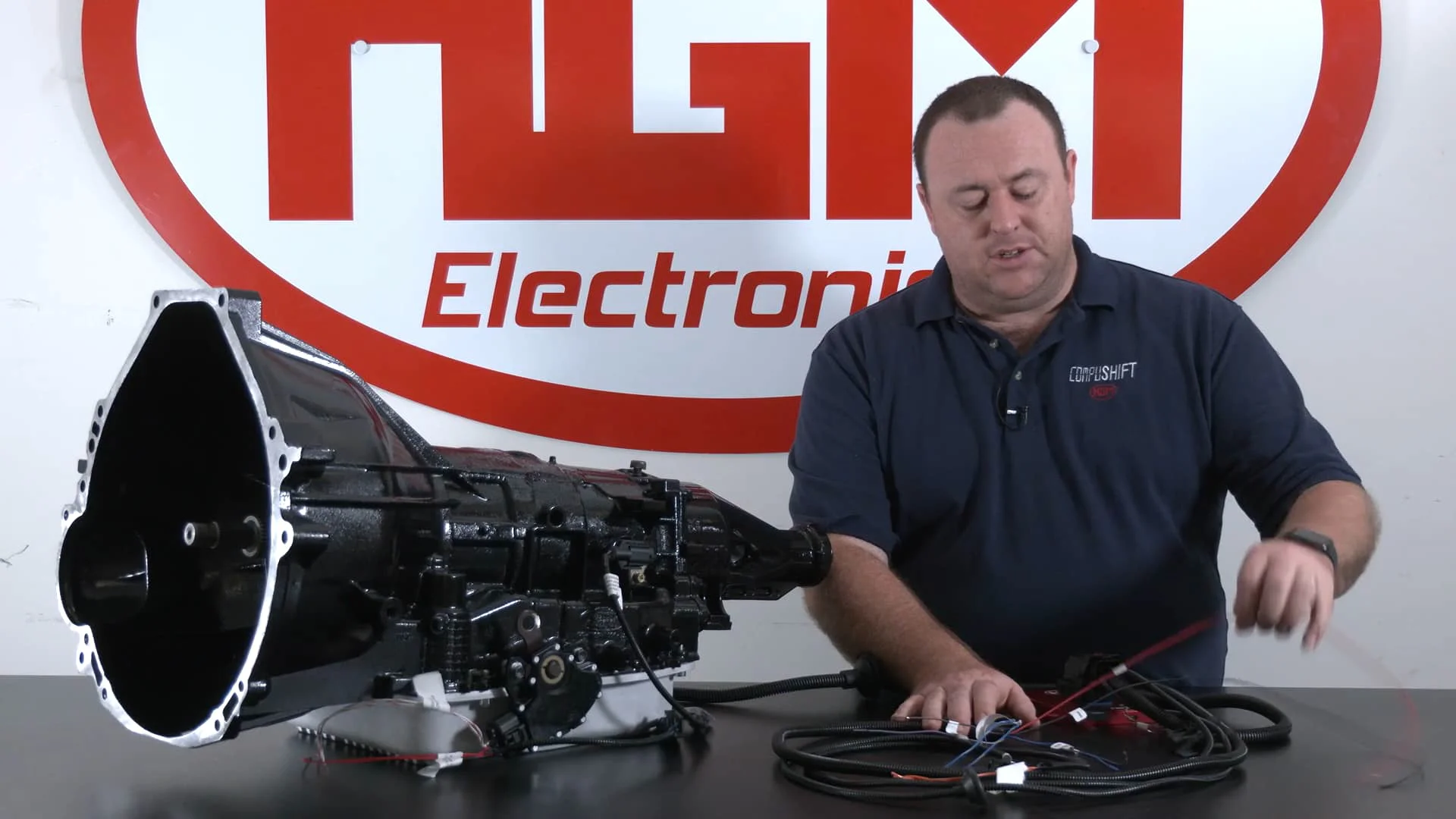
The 4R70W transmission is a popular automatic transmission used in many Ford vehicles. Known for its durability and performance, it can last for hundreds of thousands of miles if properly maintained. However, neglecting maintenance can lead to slipping gears, overheating, or complete transmission failure. Maintaining a 4R70W transmission requires regular fluid checks, proper servicing, and understanding common issues. This guide will help you learn practical steps to keep your 4R70W transmission running smoothly for years, saving money and avoiding costly repairs.
Understanding the 4R70W Transmission
The 4R70W is a four-speed automatic transmission with electronic controls. It is used in various Ford models, including the Mustang, Explorer, and F-Series trucks. The “W” in the name stands for “wide ratio,” which provides better acceleration and fuel efficiency.
Key features include:
- Electronically controlled shifting for smoother gear changes
- Wide gear ratios for balanced performance and fuel economy
- Durable internal components designed for longevity when properly maintained
Despite its reliability, the 4R70W transmission can face issues if fluid levels are low, filters are clogged, or electronic controls malfunction. Understanding how it works helps in maintaining it effectively.
Importance of Regular Transmission Maintenance
Regular maintenance is crucial for the longevity of the 4R70W transmission. Poor maintenance can result in:
- Overheating, which damages internal components
- Gear slippage, causing performance issues
- Contaminated transmission fluid, leading to wear and tear
- Complete transmission failure, which is expensive to repair
Routine maintenance ensures smooth operation, reduces repair costs, and extends the life of the transmission.
Key Steps to Maintain a 4R70W Transmission
1. Check Transmission Fluid Regularly
- Transmission fluid lubricates the gears, controls temperature, and keeps the system clean. Checking fluid levels monthly is essential. Low or dirty fluid can cause overheating and slipping.
- Locate the transmission dipstick while the vehicle is warm and idling.
- Check the fluid level and color. Healthy fluid is usually red or pink.
- If the fluid is dark brown or smells burnt, it needs to be replaced immediately.
2. Change Transmission Fluid and Filter
- Replacing the fluid and filter ensures the transmission stays clean and performs efficiently. Ford recommends changing the fluid every 30,000 to 60,000 miles, depending on driving conditions.
Steps include:
- Draining old fluid
- Replacing the transmission filter
- Refilling with the correct type of automatic transmission fluid (ATF)
3. Inspect and Replace Seals
- Seals prevent leaks and maintain proper fluid levels. Inspect transmission pan and output shaft seals regularly for signs of leakage. Replace worn or damaged seals promptly to avoid low fluid levels.
4. Monitor Transmission Temperature
- Overheating is one of the main causes of transmission failure. Keep an eye on the transmission temperature, especially during towing or heavy-duty use. Installing an auxiliary transmission cooler can help prevent overheating.
5. Avoid Aggressive Driving
- Rapid acceleration, hard braking, and sudden gear changes put extra stress on the transmission. Smooth driving habits reduce wear and tear on internal components.
6. Use the Correct Transmission Fluid
- Using the wrong type of ATF can damage the transmission. Always refer to the owner’s manual or manufacturer’s recommendation to ensure the correct fluid type and specifications.
7. Check Transmission Mounts
- Transmission mounts hold the transmission in place. Worn or broken mounts can cause vibration, misalignment, and stress on the transmission. Inspect mounts regularly and replace if needed.
8. Keep the Cooling System in Check
- The transmission relies on the vehicle’s cooling system to maintain proper operating temperatures. Ensure the radiator and coolant levels are sufficient. A well-maintained cooling system prevents overheating and prolongs transmission life.
9. Software Updates and Electronic Checks
- Modern 4R70W transmissions use electronic controls. Occasionally, Ford releases software updates to improve shifting performance or fix minor issues. Consult your dealer for updates and diagnostic checks.
10. Listen for Warning Signs
- Pay attention to unusual noises, slipping gears, or delayed shifting. Early detection of problems allows for timely repairs and prevents major failures.
Common Issues with 4R70W Transmission
Even with proper maintenance, some common issues can arise:
- Shift Flare: The transmission may briefly increase engine RPM before downshifting. Often caused by worn clutches or low fluid.
- Hard Shifting: Stiff or delayed gear changes can indicate a problem with solenoids or fluid levels.
- Torque Converter Problems: Can cause shuddering or slipping, requiring inspection and possibly replacement.
- Overheating: Common when towing or driving in hot conditions. Proper fluid and cooling maintenance prevent this.
Addressing these issues early through routine maintenance can extend the transmission’s life and reduce repair costs.
Tips for Long-Term Transmission Care
- Regular Inspections: Have a certified mechanic inspect the transmission periodically to detect early signs of wear or leaks.
- Follow Manufacturer Service Schedule: Stick to Ford’s recommended maintenance schedule for fluid changes, filter replacements, and inspections.
- Avoid Overloading the Vehicle: Excess weight strains the transmission. Avoid exceeding the vehicle’s towing and payload limits.
- Drive Smoothly: Gentle acceleration, braking, and gear changes reduce stress on the transmission and extend its lifespan.
- Store Properly During Long Periods of Inactivity: If the vehicle will be idle for an extended period, ensure the transmission fluid is topped up and consider using a transmission stabilizer to prevent corrosion and seal drying.
Benefits of Maintaining a 4R70W Transmission
- Extended Lifespan: Proper maintenance ensures the transmission lasts longer.
- Reduced Repair Costs: Preventative care avoids expensive major repairs.
- Improved Performance: Smooth shifting and consistent operation enhance driving experience.
- Better Fuel Efficiency: A well-maintained transmission reduces energy loss and improves mileage.
- Peace of Mind: Knowing your transmission is in good condition prevents unexpected breakdowns.
Conclusion
Maintaining a 4R70W transmission is essential for ensuring reliability, performance, and longevity. Regular fluid checks, timely filter replacements, seal inspections, and careful driving habits all contribute to a healthy transmission. Monitoring temperature, using the correct fluid, and keeping the cooling system in check prevent overheating and damage. By following these steps and addressing issues promptly, drivers can enjoy smooth gear shifts, reduced repair costs, and extended transmission life. Proper maintenance is the key to maximizing the investment in your vehicle’s 4R70W transmission and avoiding costly problems in the future.
Author



In today’s digital world, even a minor software vulnerability can expose an entire organisation to serious cyber threats. A single insecure line of code can put millions of users and critical data at risk. Because of this growing threat landscape, cybersecurity is no longer just about protecting networks and systems from the outside; it has become a fundamental part of how software itself is built.
The old practice of developing software first and adding Security later is no longer effective. In fact, it often creates more risks than solutions. With major cyber incidents such as the SolarWinds supply chain attack and vulnerabilities like Log4j, organisations have realised that Security must be embedded throughout the entire development process. This is where Secure Software Lifecycle Management (SSLM) plays a crucial role in modern cyber defence.
The Shift-Left Approach: Integrating Security from the Start
Traditionally, security checks were performed only after software development was complete. This meant vulnerabilities were discovered late in the process, making them expensive and difficult to fix.
Today, organisations are adopting the Shift-Left security approach, integrating security practices into the earliest stages of the Software Development Life Cycle (SDLC). By incorporating security considerations into the planning, design, and coding phases, teams can identify potential weaknesses before they become real problems.
This proactive approach not only reduces costs but also ensures that Security becomes a core part of the software rather than an added feature.
Connecting Development Teams and Security Experts
One of the biggest challenges in modern IT environments is the communication gap between developers and security teams. Developers often prioritise performance, functionality, and speed, while security professionals focus on minimising risks and vulnerabilities.
Secure Software Lifecycle Management helps bridge this gap by creating a structured framework that enables both teams to collaborate effectively. Certifications such as the Certified Secure Software Lifecycle Professional (CSSLP) equip professionals with the knowledge and methodology to manage Security throughout the software lifecycle—from planning and development to deployment and eventual retirement.
Rather than focusing solely on writing secure code, the approach emphasises managing the entire ecosystem that produces and maintains software.
Securing the Modern Software Supply Chain
Most modern applications are not built entirely from scratch. Developers rely heavily on open-source libraries, third-party frameworks, and external APIs. While these resources accelerate development, they can also introduce hidden security risks.
Secure Software Lifecycle Management ensures that every component used in software development is carefully reviewed, tracked, and monitored for vulnerabilities. Without proper oversight, a single compromised dependency can weaken the Security of the entire application.
By implementing structured processes, organisations can maintain greater visibility and control over their software supply chain.
Developing the Next Generation of Security Professionals
As organisations place greater emphasis on secure software development, the demand for skilled cybersecurity professionals continues to grow. Certifications like CSSLP are becoming increasingly valuable for professionals who want to demonstrate expertise in secure software lifecycle practices.
However, mastering the multiple domains covered in the certification requires both theoretical knowledge and practical preparation. Many candidates enhance their preparation through simulation tools that replicate the structure and pressure of the real exam environment.
Practice platforms, whether desktop or web-based, allow candidates to test their understanding, identify knowledge gaps, and build confidence before taking the actual certification exam.
Building Skills for Secure Software Development
As organisations place greater emphasis on secure development practices, the demand for professionals with specialised knowledge continues to grow. Preparing for certifications like CSSLP requires both conceptual understanding and practical exam readiness.
Many candidates improve their preparation by practising with tools designed to simulate real exam scenarios. For example, using CSSLP Desktop Practice Software allows learners to practice offline in an environment that closely resembles the actual certification exam. This helps them understand the exam structure, manage time effectively, and strengthen their confidence.
At the same time, professionals who prefer flexibility often rely on a CSSLP Web-Based Practice Test, which enables them to practice from any device and continue learning wherever they are. Combining these preparation methods often helps candidates develop a stronger understanding of secure software lifecycle principles.
Security, Compliance, and Business Trust
Secure Software Lifecycle Management is not only important for protecting applications but also for meeting regulatory requirements. Laws and regulations around data protection continue to evolve, and organisations are expected to demonstrate responsible security practices.
Companies that implement secure development processes show customers and partners that they take cybersecurity seriously. In the digital economy, trust plays a major role in long-term business success, and strong security practices help organisations maintain that trust.
Final Thoughts
Cyber defence today starts long before software is deployed. It begins during design discussions, development planning, and coding itself. Organisations that integrate security throughout the entire software lifecycle are better equipped to prevent vulnerabilities and protect their systems from evolving threats.
For developers, security engineers, and project managers, understanding secure software lifecycle management is becoming an essential skill. By prioritising security from the beginning and continuously improving development practices, organisations can build software that is both innovative and resilient.
Author




Author


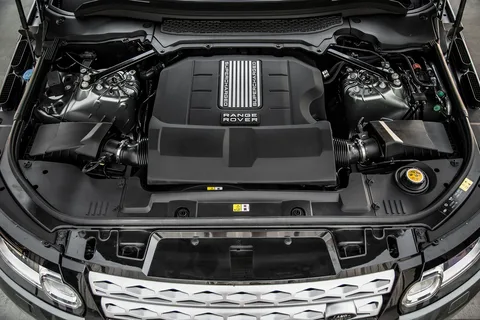
Luxury SUVs have evolved into highly sophisticated machines that combine power, refinement, and off-road capability. Few brands represent this blend better than Range Rover. Known for premium interiors, advanced technology, and exceptional off-road performance, these vehicles rely on complex engineering to deliver their signature driving experience. At the center of this engineering lies the engine, a system designed to balance strength and precision under demanding conditions.
Yet even the most refined luxury vehicles occasionally face mechanical challenges. Over the years, some owners have reported timing chain concerns in certain models. While these issues are not universal, they have sparked discussions among enthusiasts, mechanics, and prospective buyers who want to understand how engine design, maintenance habits, and driving conditions influence long-term reliability. Learning how a Range Rover Engine functions—and why timing chain wear can develop—helps owners protect their investment and maintain the performance expected from one of the world’s most iconic luxury SUVs.
The Role of Precision Engineering in a Range Rover Engine
A modern luxury SUV relies heavily on precise mechanical synchronization. The design of a Range Rover Engine reflects years of engineering refinement aimed at delivering both performance and durability. These engines must handle high torque, long highway journeys, and demanding off-road situations without compromising efficiency or comfort.
Luxury vehicle engineering focuses on balancing performance with reliability. High-performance SUV engines include advanced features such as variable valve timing, turbocharging systems, and electronic engine management systems. Each component must work together seamlessly.
Within this system, the timing chain ensures the camshaft and crankshaft rotate in perfect harmony. When synchronization is correct, the engine operates smoothly and efficiently. If the timing chain begins to stretch or tensioners lose their effectiveness, the engine’s internal timing can shift slightly. Even a minor misalignment can influence performance or trigger warning signals.
Because Range Rover Engines are designed to produce significant power for large vehicles, maintaining precise timing becomes especially important for long-term engine reliability.
Understanding Timing Chain Function in Luxury SUV Engines
Timing chains are often described as the backbone of engine synchronization. Unlike older timing belts that require periodic replacement, chains are usually designed to last much longer. Inside a Range Rover Engine, the timing chain connects rotating components and ensures valves open and close at the correct moment during combustion.
This synchronization directly affects fuel efficiency, engine power, and emissions performance. If the timing chain becomes loose or worn, the delicate balance between air intake, fuel injection, and exhaust release can be disrupted.
Modern luxury car technology makes engines more efficient but also more sensitive to small mechanical changes. A slight variation in timing can cause noticeable performance differences. Drivers may observe reduced power, rough idle behavior, or diagnostic warnings.
Because timing chains operate continuously while the engine runs, they are subject to constant mechanical stress. Over time, wear can develop, especially in engines that experience heavy loads or inconsistent maintenance.
Why Timing Chain Wear Appears in Some Range Rover Engine Designs
Timing chain concerns rarely result from a single cause. Instead, several factors may contribute to wear in a Range Rover Engine. One of the most common reasons involves the tensioning system that keeps the chain properly aligned. If tensioners weaken, the chain may loosen slightly and create irregular movement.
Another factor relates to lubrication quality. Engine oil must circulate efficiently to reduce friction between moving parts. When oil degrades or becomes contaminated, internal components—including the timing chain—experience increased stress.
Engine design also plays a role. Some high-output engines prioritize power and efficiency, which can place additional strain on mechanical parts. This is why discussions around Range Rover Evoque Engine Problems sometimes include references to timing chain noise or tensioner wear after extended mileage.
Despite these concerns, most engines operate reliably for many years. The key factor is how well the vehicle has been maintained and whether early symptoms are addressed quickly.
Warning Signs Owners Should Never Ignore
Timing chain wear typically develops gradually rather than suddenly. Owners may notice subtle changes in engine behavior before serious damage occurs. A common early symptom is a rattling sound during engine startup, especially after the vehicle has been parked overnight.
In a Range Rover Engine, that sound may indicate the chain tensioner is struggling to maintain proper alignment. Another warning sign can appear through dashboard alerts such as a Check Engine Range Rover notification. Diagnostic systems in modern vehicles monitor timing accuracy and may detect inconsistencies.
Drivers might also notice decreased fuel efficiency or hesitation during acceleration. While these symptoms can be linked to various mechanical issues, they sometimes point toward internal timing irregularities.
Ignoring these signals can allow wear to progress further, increasing the risk of internal engine damage.
How Driving Habits Influence Engine Longevity
Driving style plays a surprisingly important role in engine durability. A Range Rover Engine designed for premium off-road vehicles often experiences varied conditions, from highway cruising to steep terrain climbing.
Frequent short trips may prevent engine oil from reaching optimal temperature, reducing lubrication efficiency. On the other hand, aggressive acceleration or towing heavy loads places additional strain on engine components.
Luxury SUV performance engines operate best when driven consistently and serviced regularly. Owners who maintain stable driving patterns and avoid excessive engine stress often report fewer mechanical issues over time.
These real-world factors explain why two identical vehicles can show very different reliability histories depending on how they were used and maintained.
The Importance of Professional Diagnostics
When timing chain symptoms appear, professional inspection becomes essential. Many owners choose to consult a Range Rover Engine Specialist because these technicians understand the specific mechanical layouts used in different models.
Specialists typically perform detailed diagnostic checks, including electronic scans and mechanical inspections. They may evaluate chain tension, listen for abnormal sounds, and examine oil quality.
If internal damage has already occurred, some owners consider searching for a Range Rover Engine For Sale to replace the original unit. While full engine replacement is uncommon, it can sometimes be the most practical option for vehicles with extremely high mileage or severe mechanical wear.
Professional diagnosis helps determine whether a minor repair or a more significant solution is necessary.
Reliable Engines in the Range Rover Lineup
Not every engine generation has experienced the same level of scrutiny. In fact, several engines have developed strong reputations for durability. Among enthusiasts, the Range Rover I322 Best Engine is often praised for its reliability and robust performance.
Similarly, the Range Rover Velar Engine lineup showcases modern engineering designed to balance power with efficiency. These engines benefit from improved materials and refined lubrication systems that reduce long-term wear.
When discussing the Best Range Rover Engine, many mechanics emphasize that reliability often depends more on maintenance history than the engine model itself. Regular servicing, high-quality oil, and early problem detection can significantly extend the lifespan of any engine design.
How Discovery Models Share Engineering DNA
The broader Land Rover family provides useful comparisons when evaluating engine reliability. The Land Rover Land Rover Discovery range follows similar engineering principles, focusing on durability and off-road performance.
Vehicles like the Discovery 3 and later generations share components and mechanical concepts with certain Range Rover models. The Discovery Land Rover Car lineup demonstrates how the manufacturer applies consistent engineering philosophy across different vehicles.
In the used vehicle market, buyers frequently search listings such as Land Rover Discovery 3 For Sale or Used Land Rover Discovery 3 For Sale when evaluating alternatives to luxury SUVs. Options like Discovery 4 For Sale or a Used Land Rover Discovery also attract attention from drivers seeking capable off-road vehicles.
When browsing listings labeled Discovery For Sale, many buyers compare engine durability between Range Rover and Discovery models before making a purchase.
Why Timing Chain Issues Do Not Define Range Rover Reliability
Timing chain concerns have attracted attention in automotive discussions, but they represent only one aspect of overall engine reliability. A well-maintained Range Rover Engine often delivers exceptional performance and longevity.
Owners who follow proper SUV maintenance routines frequently report smooth engine operation even after many years of driving. High-quality oil, routine inspections, and professional diagnostics help prevent many mechanical issues before they escalate.
Because these vehicles are engineered for both luxury and capability, they remain among the most respected premium off-road vehicles in the world. Even when occasional mechanical challenges arise, the overall ownership experience continues to appeal to drivers seeking performance and refinement.
Timing chain problems in certain Range Rover models highlight the complexity of modern high-performance SUV engines. These systems operate under constant mechanical stress, and factors such as lubrication quality, driving conditions, and component wear can influence long-term reliability. In a Range Rover Engine, the timing chain plays a crucial role in maintaining perfect synchronization between internal parts, making early maintenance essential.
Fortunately, most timing chain concerns develop gradually and can be addressed through proactive servicing and professional diagnostics. Consulting an experienced specialist, monitoring dashboard alerts like a Check Engine Range Rover warning, and maintaining regular oil changes all contribute to preserving engine health.
Despite occasional challenges, Range Rover vehicles continue to represent the pinnacle of luxury SUV performance. Their advanced engineering, refined design, and exceptional capability ensure they remain highly respected in the global automotive market.
Author



Cox.net Yahoo Email: Guide to Fix Login, Sync & Email Issues

Best Air Cleaners for Home: Types, Benefits, and Maintenance Tips

Canon Printer Support: Quick Ways to Contact Customer Care

Packaging Companies: Trends, Top Players & Packaging Solutions

Web Scraping Statistics 2026: Market Size, Growth & Industry

AI-Driven Social Media Marketing Strategies for Modern Businesses

Ami Paris Pullover & Hoodie: The Ultimate Material & Care Guide

Radiopharmaceutical Therapeutic Market : Innovations in Oncology

North America Deflazacort Market: 2026 Outlook & 2031 Forecast

New Apartments in NT: Darwin Harbour & Tropical Living

Cybersecurity Consulting Company SequelNet Provides Critical IT Support Services to Medical Billing Firm, Medical Optimum

Team Communication Software Transforms Operations at Finance Innovate

Project Management Tool Transforms Long Island Business

How Alleviate Poverty Utilized IPPBX’s All-in-One Solution to Transform Lives in New York City

Breast Cancer: The Imperative Role of Mammograms in Screening and Early Detection

Unstoppable Collaboration: D.C.’s Citi Open and Silicon Valley Classic Unite to Propel Women’s Tennis to New Heights

Embracing Renewal: Sizdabedar Celebrations Unite Iranians in New York’s Eisenhower Park

The Benefits of Starting a Side Hustle for Financial Freedom

New Blood Donation Screening Questions What You Need to Know

Stylishly Timeless: The 5 Types of Sandals You Need in Your Closet
-

 Business3 years ago
Cybersecurity Consulting Company SequelNet Provides Critical IT Support Services to Medical Billing Firm, Medical Optimum
-
Business3 years ago
Team Communication Software Transforms Operations at Finance Innovate
-
Business3 years ago
Project Management Tool Transforms Long Island Business
-
Business3 years ago
How Alleviate Poverty Utilized IPPBX’s All-in-One Solution to Transform Lives in New York City
-
health3 years ago
Breast Cancer: The Imperative Role of Mammograms in Screening and Early Detection
-
Sports3 years ago
Unstoppable Collaboration: D.C.’s Citi Open and Silicon Valley Classic Unite to Propel Women’s Tennis to New Heights
-
Art /Entertainment3 years ago
Embracing Renewal: Sizdabedar Celebrations Unite Iranians in New York’s Eisenhower Park
-
Finance3 years ago
The Benefits of Starting a Side Hustle for Financial Freedom







