
Travel & Hospitality
How Roof Racks Make It Easier to Organize Your Travel Gear

By

Reviewed
By Ruby Taylor
Introduction
Traveling brings excitement, freedom, and new experiences, but packing for a trip can sometimes be stressful. Whether you’re heading to the mountains, the beach, or on a long road trip, organizing your travel gear can quickly become a challenge. This is where roof racks come in handy. They provide a smart, simple, and reliable way to carry extra luggage, sports equipment, or camping gear without cluttering your car. With a roof rack, every adventure becomes easier, more comfortable, and more organized from the moment you start your journey.
What Are Roof Racks and Why Are They Useful?
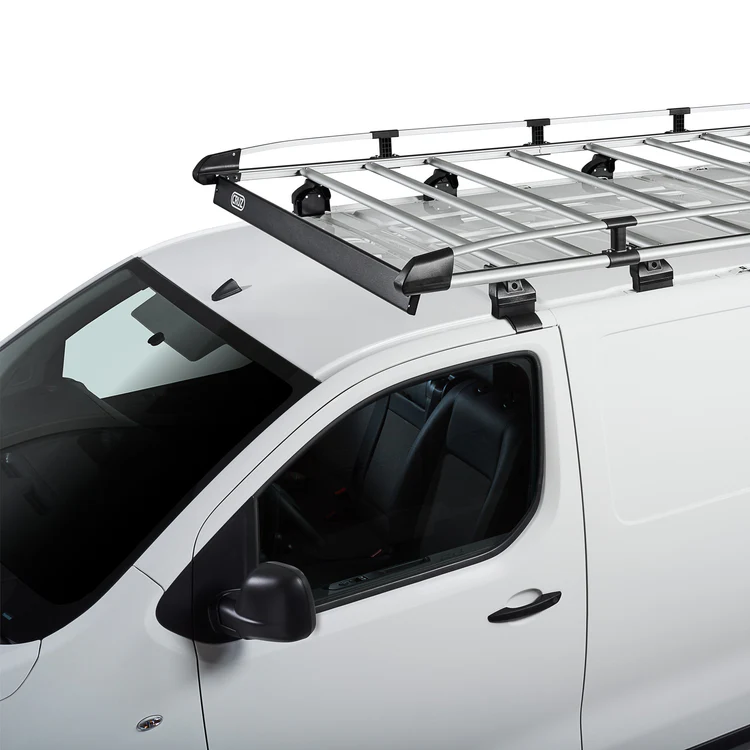
Roof racks are external storage systems installed on top of vehicles. They create extra space for gear that may not fit inside your car. You can use them to transport items such as bicycles, kayaks, surfboards, skis, or large suitcases. Roof racks are made from durable materials like steel or aluminum, ensuring they can hold heavy loads and endure various weather conditions.
The main reason travelers love roof racks is convenience. Instead of cramming everything inside your car, a roof rack helps distribute weight evenly and keeps your cabin spacious. This allows everyone to travel comfortably while keeping your gear safe and secure.
Benefits of Using Roof Racks for Travel Organization
Roof racks offer a long list of benefits for anyone who enjoys traveling. Here are some of the most important ones:
1. More Space for Everyone
One of the most obvious benefits of roof racks is the extra storage space. You can pack more items without making your car feel cramped. Passengers have more legroom, and you can enjoy a relaxed journey instead of sitting between piles of bags.

2. Perfect for Outdoor Adventures
If you love outdoor sports, roof racks are a must-have. They make it easy to carry equipment like mountain bikes, kayaks, snowboards, or surfboards. You don’t have to worry about damaging your gear or squeezing it into awkward spaces inside your vehicle.
3. Better Organization and Access
Roof racks help you organize your travel gear neatly. Instead of mixing camping gear with luggage, you can store bulky items on top and keep smaller essentials inside. This makes it easier to find what you need without unpacking everything.
4. Improved Safety
An overloaded car can be dangerous. Roof racks help distribute weight evenly, which improves your vehicle’s balance and handling. With gear properly secured on the roof, you reduce the risk of sudden shifting or blocked visibility inside the cabin.
5. Protection for Your Car’s Interior
When you carry muddy boots, wet tents, or sandy surfboards inside your car, it’s easy to make a mess. Roof racks help keep dirty or wet items outside, protecting your seats and carpet from damage. This keeps your car cleaner and extends its lifespan.
Types of Roof Racks for Different Needs
There are several types of roof racks, each designed for specific purposes. Knowing which one suits your travel style helps you make the best choice.
1. Cargo Boxes
Cargo boxes are enclosed containers that attach to the roof rack. They’re ideal for storing clothes, shoes, or small camping gear. They keep your belongings safe from rain, dust, and theft. Most cargo boxes are aerodynamic, which helps reduce wind noise and improves fuel efficiency.
2. Cargo Baskets
Cargo baskets are open racks with raised sides. They are perfect for carrying bulky or oddly shaped items. While they don’t protect gear from weather, they offer flexibility and easy loading for camping or off-road trips.
3. Bike Racks
If cycling is part of your travel plan, bike racks are a great choice. They securely hold your bikes on top of your car, freeing up interior space. Bike racks are designed to fit different frame sizes and keep your bicycles stable during travel.
4. Kayak and Canoe Carriers
Water lovers often use kayak or canoe carriers. These racks are specially made to fit the shape of boats and keep them steady. They come with straps or cradles that prevent slipping while driving, even on rough roads.
5. Ski and Snowboard Racks
For winter sports enthusiasts, ski and snowboard racks are essential. They hold your equipment safely, preventing scratches and damage. These racks are also easy to load and unload, saving time during cold weather trips.
How to Choose the Right Roof Rack
Choosing the right roof rack depends on your vehicle, the type of gear you carry, and how often you travel. Here are some key points to consider:
- Vehicle Compatibility: Always check if the roof rack fits your car’s roof type. Some cars have factory-installed rails, while others need a full mounting system.
- Load Capacity: Each rack has a weight limit. Make sure it can handle the total weight of your gear without affecting vehicle performance.
- Ease of Installation: Look for racks that are easy to install and remove. Some come with quick-release systems that save time.
- Aerodynamics: A well-designed rack reduces air resistance, which helps improve fuel efficiency and reduces noise.
- Security Features: If you often park in public places, choose a roof rack with locks or security cables to keep your gear safe.
Tips for Organizing Gear on a Roof Rack
Even with a good roof rack, proper organization is key. Here are a few practical tips:
- Distribute Weight Evenly: Place heavier items in the center of the rack and lighter ones toward the sides. This keeps your vehicle balanced.
- Use Straps and Nets: Secure your gear tightly using high-quality straps or cargo nets. Loose items can shift or fall during the trip.
- Protect Against Weather: If your rack is open, cover your gear with a waterproof bag or tarp to keep it dry.
- Check Height Clearance: Always remember that your vehicle is taller with a roof rack. Be careful in parking garages or under bridges.
- Perform Regular Checks: During long trips, stop occasionally to check that everything is still tight and secure.
The Environmental and Practical Impact
Roof racks not only make traveling easier but also encourage eco-friendly habits. Instead of using multiple cars to carry all your gear, a single well-equipped vehicle can handle everything. This reduces fuel consumption and lowers your carbon footprint. Additionally, investing in a roof rack reduces the need for trailers, which are harder to maneuver and park.
Practical benefits include having a clean and organized car, faster loading times, and better preparation for spontaneous trips. You can pack in minutes and be ready for your next outdoor escape without the usual packing chaos.
Conclusion
Roof racks are more than just a travel accessory—they’re a smart solution for organizing your adventures. They give you the space, safety, and freedom to carry everything you need while keeping your car clean and comfortable. Whether you’re heading out for a weekend camping trip, a cross-country road journey, or a beach getaway, a roof rack helps you stay organized and stress-free. With the right rack and a bit of planning, your travel experiences become smoother, safer, and far more enjoyable.
Also Read: contrank.com
Author



Planning a trip can be exciting, but it can also feel overwhelming when you have to think about destinations, transportation, accommodation, activities, budgets, and packing. A good travel plan helps you stay organized while still leaving room for spontaneous experiences.
Whether you are planning a weekend getaway, a family vacation, a solo adventure, or a longer international journey, knowing how to plan a trip can make the entire experience smoother and more enjoyable. With a few practical steps, you can create an itinerary that matches your interests, schedule, and budget.
1. Choose Your Destination
The first step in planning a trip is deciding where you want to go. Think about what type of experience you are looking for. You might want beaches, mountains, historical attractions, wildlife, food experiences, or a peaceful escape.
Consider the season, weather, travel time, and your available budget. If you have only a few days, choosing a destination that is relatively easy to reach can help you spend more time exploring rather than traveling.
Make a shortlist of destinations and compare their attractions, transportation options, accommodation costs, and typical expenses before making your final choice.
2. Decide on Your Travel Dates
Once you have selected a destination, decide when you want to visit. Your travel dates can significantly affect the cost and experience of your trip.
Peak seasons often attract more visitors and may have higher prices for flights and hotels. Shoulder seasons can sometimes offer a balance between pleasant weather, fewer crowds, and reasonable prices.
Also check public holidays, local festivals, school vacation periods, and major events at your destination. These can affect availability and prices.
3. Set a Realistic Travel Budget
Creating a budget is one of the most important parts of learning how to plan a trip. Start by estimating the major expenses:
- Transportation
- Accommodation
- Food and drinks
- Activities and entrance fees
- Local transportation
- Travel insurance
- Shopping
- Emergency expenses
Leave some extra money for unexpected costs. A small financial cushion can be useful if transportation changes, plans shift, or an unplanned activity catches your attention.
A daily spending limit can also make it easier to control expenses throughout your trip.
4. Research Transportation Options
Next, research how you will reach your destination and how you will get around once you arrive.
Compare flights, trains, buses, rental cars, taxis, and public transportation. Look beyond the ticket price and consider travel time, luggage fees, airport transfers, and convenience.
For international travel, check passport and visa requirements well in advance. Make sure your passport meets the destination’s entry requirements and has enough validity for your journey.
For road trips, plan fuel stops, driving distances, parking, tolls, and possible rest stops.
5. Book Your Accommodation
Choose accommodation based on your budget, location, comfort preferences, and travel style. Hotels are not your only option. Depending on your destination, you may find hostels, guesthouses, vacation rentals, resorts, or other lodging options.
Location is especially important. A cheaper hotel far from the main attractions may cost more in transportation and take additional time to reach.
Before booking, check recent reviews, cancellation policies, included facilities, check-in times, and additional fees.
6. Create a Flexible Itinerary
An itinerary gives your trip structure, but it does not need to control every minute of your day.
Start by making a list of places and activities you would like to experience. Group attractions that are close to one another so you can explore them efficiently.
Avoid putting too many activities into a single day. Give yourself time for meals, rest, transportation, unexpected discoveries, and simply enjoying the destination.
A flexible itinerary is often more enjoyable than a packed schedule.
7. Prioritize the Experiences That Matter Most
You probably cannot see everything during one trip. Instead of trying to visit every attraction, identify the experiences that are most important to you.
For example, a history lover might prioritize museums and historical landmarks, while a nature enthusiast may prefer hiking trails, national parks, or scenic viewpoints.
Create three categories:
- Must-see: Experiences you do not want to miss
- Would like to see: Activities you can do if time allows
- Optional: Things you can skip if necessary
This approach makes it easier to adjust your plans without feeling like you have failed to complete your itinerary.
8. Check Travel Documents and Requirements
Before leaving, make sure your important documents are ready. Depending on your destination, these may include:
- Passport
- Visa
- Identification documents
- Flight or train tickets
- Hotel reservations
- Travel insurance documents
- Driving license
- Emergency contact information
Keep digital copies of important documents in a secure location. Having backups can be useful if you lose a physical document while traveling.
Also check entry requirements, customs rules, health-related requirements, and local regulations before departure.
9. Plan What to Pack
Packing becomes much easier when you know your destination’s weather and planned activities.
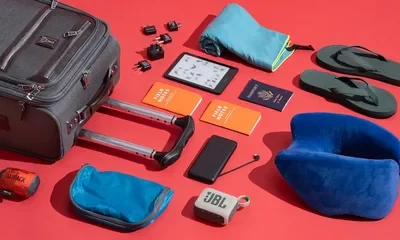
Make a simple packing list based on the length of your trip. Include clothing, comfortable shoes, toiletries, medications you normally use, chargers, travel documents, and other essentials.
Avoid packing too much. Choosing versatile clothing that can be mixed and matched can reduce luggage.
Remember that some destinations may have different dress expectations, weather conditions, or equipment requirements, so research these details beforehand.
10. Prepare for Food and Daily Expenses
Food is an important part of travel, both culturally and financially. Research typical meal prices so you can include realistic food costs in your budget.
Look for local restaurants, markets, cafés, and traditional food experiences. You can also save money by occasionally choosing affordable local meals rather than eating at tourist-focused restaurants.
If you have food allergies or dietary restrictions, learn a few useful phrases in the local language and research suitable restaurants before your trip.
11. Download Useful Travel Apps
Technology can make travel planning easier. Depending on your destination, useful apps may help with maps, navigation, translation, transportation, currency conversion, weather, accommodation, and reservations.
Download important information before leaving, especially if you may have limited internet access.
Offline maps can be particularly useful when exploring unfamiliar areas.
12. Think About Safety
Travel planning should include basic safety preparation. Research the destination before you leave and understand local laws, customs, transportation practices, and areas where visitors should take additional precautions.
Keep your valuables secure and avoid carrying unnecessary amounts of cash. Store important documents safely and share your basic itinerary with someone you trust.
If you are traveling internationally, consider travel insurance that fits your trip and activities.
13. Leave Room for Spontaneity
One of the best travel experiences can come from something that was never on your original itinerary.
You might discover a quiet café, meet interesting people, find a beautiful viewpoint, or hear about a local activity after arriving.
Planning is important, but you do not need to plan everything. Leave some free time so you can enjoy unexpected opportunities.
14. Review Your Plans Before Departure
A few days before your trip, review everything once more.
Confirm your transportation, accommodation, reservations, travel documents, weather forecast, packing list, and important contact information.
Check departure times and allow enough time to reach airports, railway stations, bus terminals, or other transportation points.
This final review can help you identify small problems before they become stressful during your journey.
Final Thoughts
Knowing how to plan a trip does not mean creating a perfect schedule. Good travel planning is about preparing for the important details while leaving enough flexibility to enjoy the journey.
Choose a destination that suits your interests, set a realistic budget, organize transportation and accommodation, create a flexible itinerary, pack thoughtfully, and prepare for unexpected situations. Most importantly, give yourself time to experience the destination rather than rushing from one attraction to another.
A well-planned trip can reduce stress, save money, and give you more opportunities to create meaningful travel memories.
FAQ: How To Plan A Trip
1. What is the first step in planning a trip?
The first step is choosing your destination. Consider your budget, available time, interests, weather, and travel requirements before making a decision.
2. How far in advance should I plan a trip?
The ideal planning period depends on the destination and type of trip. For popular destinations or international travel, starting several months ahead can give you more time to compare options and organize important documents.
3. How do I create a travel budget?
List expected expenses such as transportation, accommodation, food, activities, local travel, insurance, and shopping. Add an emergency amount to cover unexpected expenses.
4. Should I plan every day of my trip?
No. A basic itinerary is useful, but planning every minute can make a trip stressful. Leave some free time for rest and spontaneous activities.
5. What should I consider when choosing accommodation?
Consider location, price, reviews, transportation access, facilities, cancellation policies, and additional fees. A convenient location can save both time and transportation costs.
6. How can I avoid overpacking?
Create a packing list before you start. Pack versatile clothing, avoid unnecessary items, and consider the weather and activities you actually have planned.
7. What documents should I check before traveling?
Depending on your destination, check your passport, visa requirements, identification, tickets, accommodation confirmations, insurance information, and any required permits.
8. Is travel insurance necessary?
Travel insurance can provide protection against certain unexpected situations, depending on the policy. Review the coverage carefully and choose a policy appropriate for your destination and planned activities.
9. How can I make my itinerary flexible?
Prioritize your most important activities and leave gaps between major plans. Avoid booking every hour of the day so you have time to rest or change plans.
10. What is the biggest mistake people make when planning a trip?
Trying to do too much is a common mistake. A packed itinerary can leave little time to relax and may make travel feel rushed. Focus on meaningful experiences rather than checking off every attraction.
Author

Traveling is one of the best ways to experience new places, meet different people, discover cultures, and create unforgettable memories. However, every trip comes with situations that require awareness and preparation. Knowing how to stay safe while travelling can help you avoid common problems and feel more confident throughout your journey.
Whether you are traveling alone, with family, with friends, or for work, simple safety habits can make a significant difference. From protecting your belongings to understanding your destination, a little preparation before and during your trip can help you enjoy your travels more comfortably.
Research Your Destination Before You Go
One of the easiest ways to improve travel safety is to learn about your destination before leaving home. Research local customs, transportation, weather conditions, common tourist scams, important laws, and areas where visitors should take extra care.
Check official travel information when traveling internationally, particularly for entry requirements and local regulations. Understanding the environment before you arrive can help you make better decisions.
It is also useful to learn a few basic phrases in the local language. Knowing how to ask for help, find transportation, or communicate an emergency can be valuable.
Keep Important Documents Secure
Your passport, identification, tickets, accommodation details, and other important documents should be protected throughout your trip.
Carry only the documents you need for the day whenever possible. Keep your passport and other essential documents in a secure place while traveling.
Make digital or photocopies of important documents and store them separately from the originals. You can also keep secure digital backups so you can access essential information if a document is lost.
Protect Your Money and Valuables
Avoid carrying large amounts of cash when you do not need to. Use secure payment methods where appropriate and keep your cards and cash in different places.
When staying in a hotel or other accommodation, use available security facilities for valuables when appropriate. Avoid displaying expensive jewelry, electronics, or large amounts of money unnecessarily.
Be particularly attentive in crowded transportation areas, markets, tourist attractions, and other busy locations where distractions can make it easier to lose belongings.
Stay Aware of Your Surroundings
Situational awareness is an important part of travel safety. Pay attention to where you are going, especially when walking through unfamiliar areas.
Avoid becoming completely distracted by your phone while crossing roads or navigating unfamiliar streets. If you are using navigation, check your route before walking whenever possible.
At night, choose well-used and appropriately lit routes and use reliable transportation options. If something feels uncomfortable or unsafe, move toward a populated location and seek assistance.
Be Careful With Public Wi-Fi
Public Wi-Fi can be convenient, but travelers should be cautious when connecting to unfamiliar networks.
Avoid performing sensitive activities on unsecured public networks when possible. Use your mobile data or a trusted network for important transactions.
Keep your phone, operating system, and important apps updated. Use strong passwords and enable two-factor authentication on accounts that support it.
Choose Transportation Carefully
Transportation safety is another important part of learning how to stay safe while travelling.
Research common transportation options before your trip. Use reputable taxi companies, official transportation services, or trusted ride-booking platforms where available.
When using public transportation, keep your belongings secure and remain aware of your surroundings. If you rent a vehicle, understand local driving rules and make sure you have the required documents and insurance.
Avoid driving when you are extremely tired or unfamiliar with local road conditions.
Be Careful With Food and Water
Food and water safety can be especially important when visiting unfamiliar destinations.
Research whether tap water is considered safe to drink at your destination. If there are local concerns about water quality, follow reliable local guidance.
Choose food establishments that appear clean and properly maintained. Be cautious with food that has been stored improperly or has been exposed to unsafe conditions.
If you have allergies or dietary restrictions, communicate them clearly and research suitable food options before traveling.
Keep Friends or Family Informed
Someone you trust should know your general travel plans, especially when you are traveling alone.
Share important details such as your accommodation information, major transportation plans, and expected travel dates. You do not need to provide constant updates, but checking in periodically can provide an additional layer of security.
For outdoor activities such as hiking or remote travel, make sure someone knows your route and expected return time.
Prepare for Emergencies
Before your trip, identify important emergency numbers and locate nearby hospitals, police stations, or other relevant services when appropriate.
Keep essential contact information easily accessible. If you take regular medication, make sure you have enough for your trip and carry it appropriately.
Travel insurance can also be useful depending on your destination, activities, and personal circumstances. Review the policy carefully so you understand what it covers and any exclusions that may apply.
Respect Local Laws and Customs
Every destination has its own laws, traditions, and cultural expectations. Research these before traveling and respect local rules.
Dress appropriately where local customs require it, follow restrictions at religious or cultural sites, and ask before photographing people when appropriate.
Respecting local customs can help you avoid misunderstandings and make interactions with residents more positive.
Avoid Common Travel Scams
Tourists can sometimes be targeted by scams involving transportation, money exchanges, fake tickets, overpriced services, or misleading offers.
Research common scams associated with your destination before arriving. Be cautious when strangers offer unsolicited assistance involving money or purchases.
If an offer seems unusually urgent or too good to be true, take time to verify it. Use official websites, authorized ticket offices, reputable businesses, or trusted local sources whenever possible.
Trust Your Instincts
One of the simplest travel safety rules is to pay attention to your instincts. If a situation feels uncomfortable, you do not have to remain there simply because you made a plan.
Move toward a safe, public place and contact someone you trust if necessary. It is better to change your plans than to continue with a situation that makes you uncomfortable.
Final Thoughts
Knowing how to stay safe while travelling does not mean being worried about every possible problem. It means being prepared, staying aware, and making sensible decisions throughout your journey.
Research your destination, protect your documents and valuables, choose transportation carefully, stay connected with trusted people, respect local customs, and prepare for emergencies. At the same time, remember that travel should be enjoyable.
With thoughtful preparation and good awareness, you can reduce avoidable risks and focus more on discovering new places and creating memorable experiences.
FAQ: How To Stay Safe While Travelling
1. How can I stay safe while traveling alone?
Research your destination, stay aware of your surroundings, keep important documents secure, use reliable transportation, and share your general itinerary with someone you trust.
2. What should I do if I lose my passport?
Contact the nearest embassy or consulate of your country and follow its instructions for reporting the loss and obtaining appropriate travel documentation.
3. How should I protect my valuables while traveling?
Carry only what you need, keep valuables secure, avoid displaying expensive items unnecessarily, and use accommodation security facilities when available and appropriate.
4. Is public Wi-Fi safe while traveling?
Public Wi-Fi can carry security risks. Avoid accessing sensitive accounts on unfamiliar networks when possible, and use trusted networks or mobile data for important activities.
5. How can I avoid travel scams?
Research common scams at your destination, verify prices and services, use reputable providers, and be cautious about unsolicited offers or requests involving money.
6. Should I buy travel insurance?
Travel insurance can provide coverage for certain unexpected events, depending on the policy. Review the terms, limits, exclusions, and destination-specific coverage before purchasing.
7. What emergency information should I keep with me?
Keep local emergency numbers, accommodation details, important medical information, insurance information, and trusted emergency contacts easily accessible.
8. How can I stay safe when using public transportation?
Use reputable transportation services, keep your belongings secure, remain aware of your surroundings, and familiarize yourself with routes and local transportation practices before traveling.
9. What should I do if I feel unsafe?
Move to a populated and secure location, contact someone you trust, and seek assistance from appropriate local authorities or emergency services when necessary.
10. Is it safe to explore a destination at night?
Safety conditions vary by destination and neighborhood. Research the area beforehand, choose well-used routes, use reliable transportation, and avoid isolated locations when appropriate.
Author

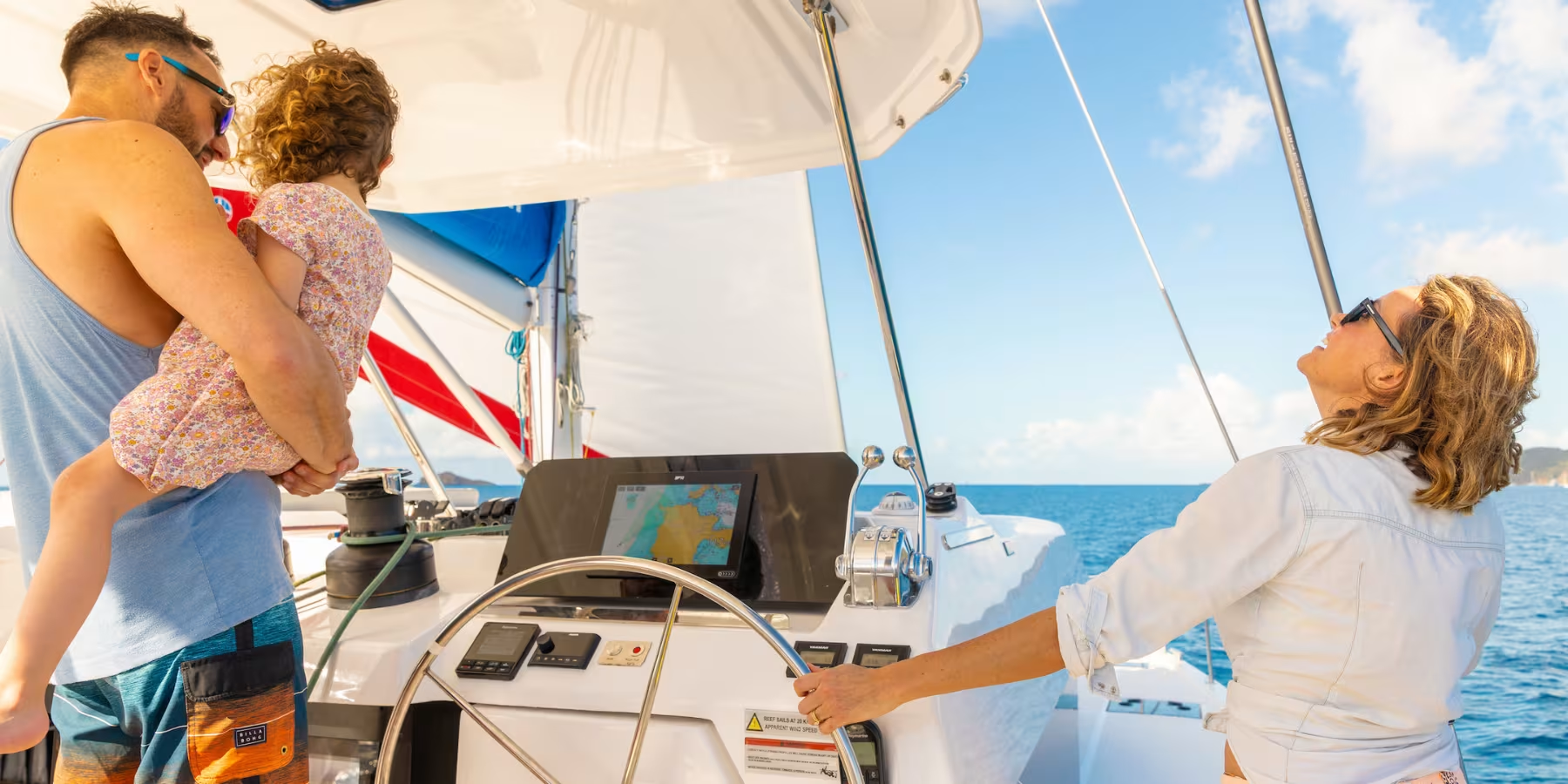
Owning a boat gives you the freedom to explore the water, enjoy weekends with family, and create unforgettable memories. However, boat ownership also comes with responsibilities. One of the most important is choosing suitable insurance protection.
Unfortunately, many boat owners still rely on outdated ideas when they think about insurance. These assumptions can lead to gaps in coverage or unnecessary expenses. In addition, every boat has different characteristics, and its insurance needs can change over time.
That is why it helps to separate facts from myths. Understanding the basics can make it easier to choose protection that matches your boat, activities, and level of risk.
All Boats Need the Same Insurance
Not every boat faces the same risks. A small recreational vessel has different needs than a large yacht used for long-distance trips. Likewise, a fishing boat may require different considerations than a boat used for racing.
The way you use your boat also matters. Your location, storage arrangements, sailing area, equipment, and experience can all influence your coverage needs.
Therefore, owners should not choose a policy simply because another boater recommends it. Instead, they should review their own circumstances and understand what the policy actually covers.
When comparing yacht insurance, look beyond the basic price. Check the limits, exclusions, deductibles, liability protection, and other important conditions.
Buying Insurance Online Is Not Reliable
Some boat owners still believe that online insurance options are risky or unreliable. However, the internet has made it easier to research policies and understand available choices.
Today, owners can review coverage details, request quotes, and compare different options online. They can also research common exclusions and learn which factors may affect the cost of their policy.
Still, convenience should not replace careful research. Read the policy documents before making a decision. If you do not understand a particular condition, ask the insurer for clarification.
Online tools work best when you use them as part of a careful decision-making process.
Small Motorboats Have Little Risk
A smaller boat may seem easier to manage. However, its size does not eliminate the possibility of accidents or damage. Motorboats can face many of the same problems as larger vessels. They may suffer damage during storms, experience mechanical problems, collide with another boat, or become involved in an accident. Common risks include:
- Storm and weather damage
- Theft or robbery
- Fire
- Collisions
- Accidental damage
- Third-party liability
For this reason, owners of smaller motorboats should still consider appropriate protection. Motorboat insurance can help address risks that owners might otherwise overlook.
The right coverage depends on the boat and how you use it. Therefore, avoid assuming that a smaller vessel automatically needs less protection.
Zodiacs Do Not Need Insurance
Inflatable boats, including Zodiacs, are popular for recreational activities. Owners may use them for short trips, fishing, water sports, or transportation between a larger vessel and the shore.
Because these boats are often smaller and easier to handle, some owners assume insurance is unnecessary. However, accidents can happen regardless of the vessel’s size.
Damage, theft, collisions, and liability issues can create unexpected costs. Depending on the boat, its use, and local requirements, insurance may provide valuable protection.
Before making assumptions, check the specific requirements that apply to your vessel. Also, consider how much financial risk you would face if an accident occurred.
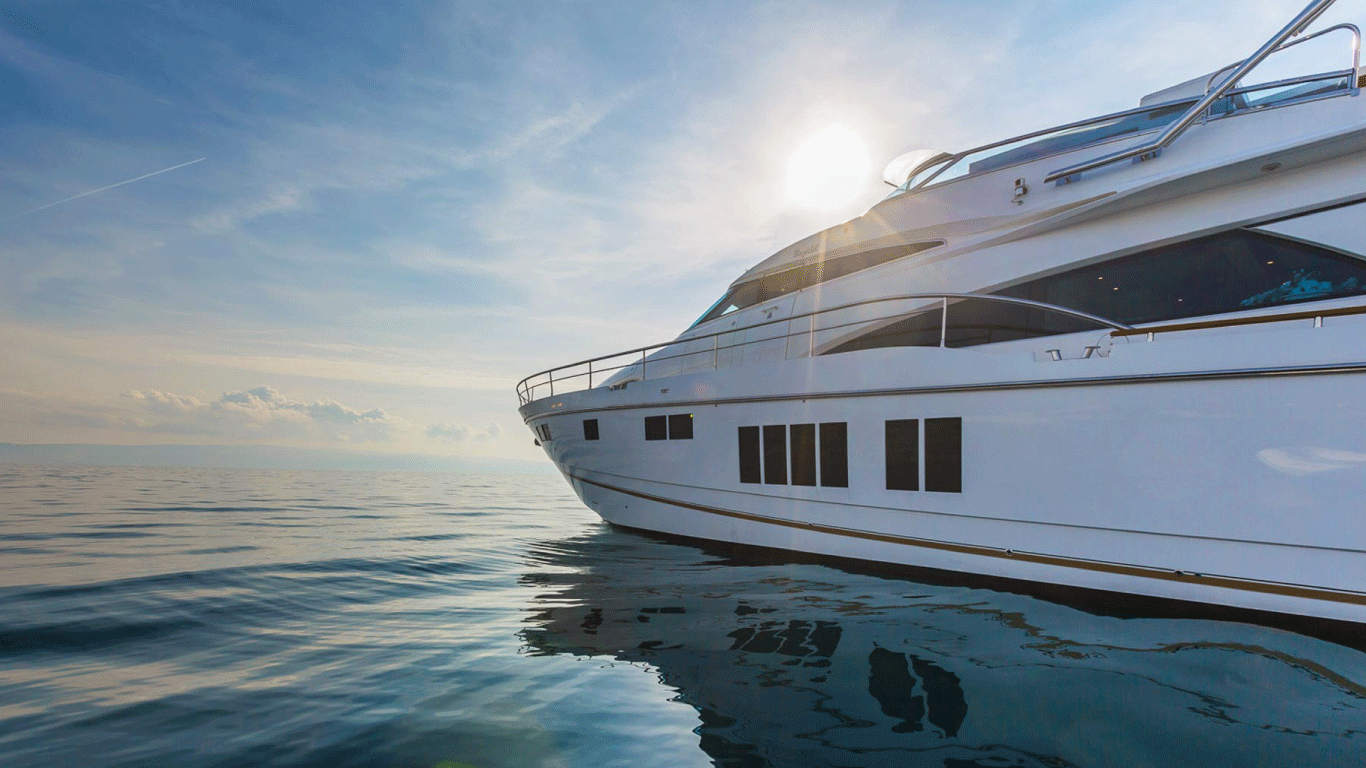
Only Professional Anglers Need Insurance
Fishing is not limited to professional anglers. Many people enjoy it as a weekend activity or seasonal hobby.
However, recreational fishing still involves risks. Boats can experience damage, equipment can become lost or stolen, and accidents can happen while passengers are onboard.
As a result, recreational anglers should not automatically dismiss insurance. Before the fishing season begins, owners can review insurance for fishing boats and consider whether their existing coverage still meets their needs.
It is also important to check whether the policy covers fishing equipment and activities. Different policies may have different limitations.
Racing Boats Have the Same Coverage as Recreational Boats
Boat racing creates conditions that differ from ordinary recreational sailing. Higher speeds, competitive environments, and organized events can increase certain risks.
Because of these differences, a standard recreational policy may not provide everything a racing boat owner expects. Competition-related activities may also have specific exclusions or conditions.
Therefore, racing enthusiasts should review their policy before entering an event. They should confirm whether racing activities fall within the coverage.
This step can prevent unpleasant surprises later. It also gives owners a better understanding of their financial responsibilities during competitions.
The Lowest Price Is Always the Best Choice
Price naturally matters when choosing insurance. However, the cheapest policy may not offer the protection you actually need.
A policy with a lower premium could have higher deductibles, lower coverage limits, or more exclusions. Consequently, saving money upfront may create larger expenses after an accident.
Instead, compare the cost with the protection provided. Look at what the policy covers and what it excludes. Also, consider liability protection, deductibles, and claims conditions.
When reviewing yacht insurance, focus on overall value rather than choosing the lowest number on a quote.
Insurance Never Needs to Be Updated
Your boat and your circumstances can change. Perhaps you move it to another marina. Maybe you install new navigation equipment or make significant upgrades.
You might also change how you use the boat. For example, you may begin taking longer trips, participating in races, or using the vessel for different recreational activities.
These changes can affect your insurance needs. Therefore, review your policy at least once a year. You should also contact your insurer when you make major changes to the boat or its use.
Specific policies, such as regatta yacht insurance, may also require careful review before participating in organized events.
Conclusion
Boat insurance does not need to be confusing. The first step is to stop relying on common myths and focus on your actual circumstances. Consider how you use your boat, where you keep it, and what risks you may face. Then compare coverage instead of focusing only on price. Most importantly, review your policy regularly. Your boat and your boating habits can change over time. With the right information and careful planning, you can make a more confident insurance decision and spend more time enjoying the water.
Author



Cash Only A Modern Approach to Everyday Streetwear

Kentucky Bourbon Trail Tours What Is Included and How to Plan a Trip

Point Cloud to BIM for Renovation Projects: From 3D Scanning

Malware Protection Solutions for Business Data Security

Balance With Dedicated Oversight From the Best Virtual Psychiatrist

Make Gifts Memorable with Custom Shaped Rigid Boxes

Brooklyn Creativity, Streetwear, Art, and Fashion

CAD vs. BIM: Which Workflow Is Right for Your Project?

Top 25 Podcast Marketing Firms Based in the United States

QuickBooks Bank Feeds Not Working: Expert Fix Guide

Cybersecurity Consulting Company SequelNet Provides Critical IT Support Services to Medical Billing Firm, Medical Optimum

Meet the Megalodon: The Shark Star of ‘Meg 2’

Reduce Video Game Lag: Level Up Your Gaming Performance

Balancing India’s Entertainment: Cricket vs. Bollywood

Jetsetter’s Secrets: Unveiling Our Favorite Travel Hacks for a Seamless Adventure

The 5 Best Live Sports Streaming Sites: Legal and Exciting!

Hollywood Labor Unrest: The Impact of ‘What About Us?’ Strikes

Unveiling the Magic of Dream Fulfillment at the Late NBA Draft

Illuminate Your Skin: Dr. Axe Unveils Natural Remedies for Lightening Knees and Elbows

Bright Choices: Navigating the Pros and Cons of Skin Whitening Creams with Dr. Axe
-

 Business3 years ago
Cybersecurity Consulting Company SequelNet Provides Critical IT Support Services to Medical Billing Firm, Medical Optimum
-
Entertainment3 years ago
Meet the Megalodon: The Shark Star of ‘Meg 2’
-
Entertainment3 years ago
Reduce Video Game Lag: Level Up Your Gaming Performance
-
 Sports3 years ago
Balancing India’s Entertainment: Cricket vs. Bollywood
-
Entertainment3 years ago
Jetsetter’s Secrets: Unveiling Our Favorite Travel Hacks for a Seamless Adventure
-
Productivity3 years ago
The 5 Best Live Sports Streaming Sites: Legal and Exciting!
-
Art /Entertainment3 years ago
Hollywood Labor Unrest: The Impact of ‘What About Us?’ Strikes
-
Sports3 years ago
Unveiling the Magic of Dream Fulfillment at the Late NBA Draft






