
Consumer Services
Home Elevator Canada: Guide to Retrofitting Homes 2026


Many property owners assume that residential elevators are exclusive luxuries. They often think these systems only belong inside sprawling multi-million-dollar mansions or new architectural builds. However, modern residential elevator engineering has completely shifted this narrative. Today, integrating an elevator into an existing house is not only possible, but it has also become a routine, accessible home improvement project across Canada.
Whether you are planning ahead to age in place safely, supporting a family member with limited physical mobility, or looking to add a premium convenience that enhances your daily routine, retrofitting a home lift completely transforms your living space. This comprehensive guide breaks down the technology, realistic costs, installation timelines, and design choices available to Canadian property owners.
Can You Put an Elevator in an Existing House?
The short answer is yes, you absolutely can. Thousands of Canadian homeowners successfully retrofit elevators into their properties every single year. You do not need to build a new home from scratch. Furthermore, you do not need to sacrifice massive amounts of square footage or possess an unlimited budget to make it happen.
Think of adding an elevator like executing a major kitchen renovation or building a structural room extension. With an experienced contractor and the right equipment, the process is streamlined and highly manageable. Breakthroughs like shaftless home lifts and compact, machine room-less (MRL) hydraulic systems have drastically lowered the structural barriers to entry. Most compact configurations can be integrated into your home with minimal disruption to your existing floor plan.
A modern shaftless home lift can often be fully installed on-site in just two to five days. This unique style requires very little structural alteration. It also completely eliminates the need to construct a traditional, enclosed concrete elevator shaft.

Canadian Home Elevator Expansion
The residential elevator market across Canada is experiencing unprecedented growth. This surge is driven by a combination of rapid demographic shifts and technological evolution:
-
Aging in Place Gracefully: Recent census data shows that over 7 million Canadians are aged 65 and older. Over 90% of seniors express a strong desire to remain in their own homes rather than relocating to assisted living facilities. A home elevator makes multi-story living completely safe, dignified, and sustainable.
-
Maximizing Real Estate Value: In highly competitive urban markets like Toronto, Vancouver, and the GTA, accessibility features drastically differentiate a property listing. An elevator turns into a major selling point for premium buyers and multi-generational families.
-
Financial Assistance Programs: Government accessibility grants, such as Canada’s Home Accessibility Tax Credit (HATC) and various provincial funding structures, drastically offset the upfront cost of mobility modifications.
-
Functional Everyday Convenience: Beyond medical or physical necessity, hauling heavy groceries, seasonal decorations, luggage, and laundry baskets between floors becomes effortless.

Types of Residential Elevators
Choosing the right drive system and cab style depends entirely on your home’s current architectural layout, available footprint, and personal aesthetic taste.
1. Shaftless Homelifts (The Retrofit Champion)
When space is at an absolute premium, shaftless home lifts are the premier choice for property owners. These self-contained units travel up and down on structural guide rails through a simple, clean floor cutout. When the lift rests on the lower floor, the upper floor space remains entirely usable and walkable. They feature an exceptionally small footprint and do not require a separate machine room or deep pit excavation.
2. Hydraulic Elevators (Smooth and Silent Performance)
Hydraulic systems utilize fluid pressure to move the cab with unmatched smoothness and whisper-quiet reliability. They are the heavy-duty workhorses of the residential mobility industry. Modern machine room-less (MRL) hydraulic models house all their necessary mechanical components cleanly within the elevator shaft itself. This smart engineering eliminates the need to sacrifice an entire closet or utility room just to hold machinery.
3. Glass Cab Elevators (Architectural Masterpieces)
If you prefer your home lift to serve as a stunning visual centerpiece rather than a hidden utility, glass cabs are the ideal choice. These panoramic models provide an open, airy feeling of transparency and safety. They look incredible when installed inside the center of a winding open staircase. Homeowners also love placing them alongside a windowed exterior wall to maximize their views.
Financial Breakdown: Home Elevator Costs in Canada
Understanding the financial investment is essential for accurate property planning. Total costs generally encompass the equipment purchase, customized interior finishes, engineering permits, and local structural labor.
For a baseline entry-level system, a shaftless homelift serves as the ultimate space saver because it requires no traditional shaft. Property owners can expect to invest between $\$20,000$ and $\$35,000$ CAD for this option, and the average on-site installation takes only two to three business days.
If you prefer a standard machine room-less hydraulic system that serves two to three stops, the price typically ranges from $\$30,000$ to $\$55,000$ CAD. This option delivers whisper-quiet operation and works beautifully for extensive home renovations, requiring three to five days to install.
For homeowners who want high visual transparency, a panoramic glass cab acts as a gorgeous architectural feature. This premium setup ranges from $\$45,000$ to $\$80,000$ CAD and takes four to six days to complete. Finally, a fully bespoke luxury or custom elevator matches high-end custom homes by offering unlimited material choices. This top-tier class ranges from $\$70,000$ to $\$120,000$ or more, with installation wrapping up in five to Severn business days.
Step-by-Step: The Retrofit Installation Journey
A common point of anxiety for property owners is the fear of turning their home into an active, messy construction zone for months on end. However, the professional installation timeline is highly structured and surprisingly efficient.
First, a certified mobility specialist conducts an initial assessment and site consultation. They evaluate your home’s floor plan, floor joists, and electrical setup to pinpoint the optimal structural location. Second, you enter the custom architectural engineering phase. You select your specific cab model and choose custom wood veneers, lighting profiles, and door orientations.
Next, the local installation team secures all mandatory municipal building permits. They also complete minor floor cuts or framing adjustments during the site preparation phase. Once prep work concludes, the mechanical installation begins. Elevator mechanics assemble the structural guide rails, mount the drive system, and suspend the cab. This phase typically takes just two to five days on-site for standard residential configurations. Finally, the system undergoes rigorous weight, balance, and emergency brake testing to ensure absolute compliance with ASME A17.1 and CSA B44 safety codes before final sign-off.
Essential Safety Protocols
Elevators vs. Stair Lifts for Seniors
While a basic mechanical stair lift might appear to be a cheaper quick-fix for elderly family members, it presents major long-term functional drawbacks. Stair lifts require a physically taxing transfer out of a wheelchair into a moving seat. They also leave a highly conspicuous track running up your staircase and cannot help transport heavy household goods. A dedicated home lift provides dignified, zero-transfer accessibility. It easily accommodates full-sized wheelchairs, walkers, and caregivers simultaneously.
Advanced Childproofing Measures
Modern home lifts are engineered with robust, multi-layered safety mechanisms to protect curious children and household pets:
-
Electromechanical Door Interlocks: These smart systems lock the landing doors completely, preventing them from opening unless the elevator cab rests safely at that exact floor.
-
Under-Cab Safety Sensors: Shaftless models feature highly sensitive pressure pads on the top and bottom of the cab structure. If a stray toy or object is left on the floor, the lift instantly halts its movement.
-
Keyed Access Control Switches: Homeowners can easily install digital keypads or key-operated call stations to prevent children from operating the machinery unsupervised.
Final Thoughts
Retrofitting a residential elevator completely shatters the old assumptions regarding excessive construction mess, massive space requirements, and unapproachable costs. Whether your property is a historic century home in Cambridge or a contemporary multi-story townhome in the heart of Toronto, a modern home lift is a smart, proactive upgrade. By integrating an elevator today, you actively eliminate physical barriers, protect your family’s long-term safety, and secure your property value for the competitive real estate market of tomorrow.
Frequently Asked Questions
1. Can an elevator be installed in an older home with plaster walls?
Yes, absolutely. Shaftless home lifts and specialized hydraulic systems transfer their weight directly down to the floor or independent guide rails. Because of this design, they do not rely on your existing walls for structural support. This unique setup makes them perfectly safe for historic or older homes.
2. What kind of power supply does a residential elevator require?
Most standard residential elevators and shaftless home lifts operate efficiently on a standard $220\text{V}$ single-phase electrical outlet. This setup is identical to the dedicated power supply used by a standard household clothes dryer or kitchen stove.
3. Are there tax credits available in Canada for installing a home lift?
Yes. Eligible Canadian seniors and citizens with disabilities can leverage the federal Home Accessibility Tax Credit (HATC) to claim non-refundable tax relief on qualifying upgrades. Many provinces also offer matching provincial tax credits to help offset the installation costs.
Author


How Trusted Air Duct Cleaners Help Prevent Dangerous Blockages and Improve Home Safety Standards
Most homeowners think about their heating and cooling system only when something goes wrong. The furnace stops on a cold January night, or the air feels stale and heavy for no obvious reason. Meanwhile, the ductwork that carries that air through your home spends years collecting dust, pet hair, construction debris, and moisture. Nobody sees it, so nobody thinks about it.
That hidden buildup is more than a cleanliness issue. When ducts clog, your system has to work harder, airflow becomes uneven, and in some cases the buildup creates real safety hazards. Families in Utah’s mountain and valley communities face these problems more often than they realize, thanks to dry air, seasonal temperature swings, and homes that stay sealed tight for months.
This is where professional help makes a difference. Whether you are searching for air duct cleaning services in Heber City Utah or asking neighbors about Logan’s trusted air duct cleaners, the goal is the same: a safer, healthier home that runs the way it should. Let’s look at what blockages really are, why they matter, and how experienced technicians prevent them.
What Actually Builds Up Inside Your Air Ducts
Picture the air in your home moving through a long, hidden network of metal or flexible tubing. Every time your system runs, it pulls in air from living spaces, and that air carries particles. Most get caught by the filter, but plenty slip through, especially if the filter is old, poorly fitted, or the wrong grade for your system.
Over time, those particles settle on the duct walls and stack up. The usual culprits include:
- Household dust and fine dirt tracked in from outside
- Pet dander and hair
- Insulation fibers and drywall dust left from remodeling
- Pollen and mold spores that enter through open windows and doors
- Moisture from humidifiers, leaky joints, or condensation
- Nesting material and droppings from pests that find their way into the system
A thin layer of dust is normal and not an emergency. The trouble starts when that layer turns into thick, compacted buildup, or when something larger lodges inside a duct. A dislodged piece of insulation, a toy that slipped through a floor register, or a rodent nest can restrict airflow sharply. Left alone, these blockages grow because new debris collects around the obstruction.
You may notice warning signs before you ever look inside a vent. Rooms that never seem to reach the right temperature, visible dust blowing from registers, a musty smell when the system kicks on, and rising energy bills can all point to restricted ducts. Many homeowners write these symptoms off as quirks of an older house, when they are really signals that the system is struggling to breathe.
The Safety Risks Most Homeowners Overlook
Dirty ducts are easy to dismiss as a comfort problem. In reality, severe blockages and heavy buildup connect to several safety concerns that deserve attention.
Fire hazard. Dust and lint are flammable. When airflow is restricted, your furnace or heat pump can overheat. Components that run too hot, combined with a heavy layer of combustible debris, raise the risk of ignition. Safety professionals regularly point out that overheating equipment is a leading factor in home heating fires, and clogged ducts contribute to that strain. A system that cannot move air freely also cycles more often and wears out faster, which compounds the danger.
Indoor air quality. Contaminated ducts can circulate allergens, mold spores, and fine particles into every room. For people with asthma, allergies, or respiratory sensitivities, this can mean persistent coughing, irritated eyes, and disrupted sleep. Children and older adults are especially vulnerable, and these are exactly the people who spend the most time at home.
Mold and moisture. Where moisture meets dust, mold can take hold. Ducts that run through unconditioned spaces such as crawl spaces and attics are prone to condensation, particularly in homes where temperatures drop sharply overnight. Once mold colonizes a duct, the system can spread spores through the whole house.
Carbon monoxide concerns. Ducts do not produce carbon monoxide, but a stressed or poorly ventilated heating system can. Restricted airflow can cause a heat exchanger to overheat and crack, creating a pathway for dangerous combustion gases. Annual system checks and clean ducts work together to lower this risk, and every home with fuel-burning appliances should have working carbon monoxide detectors regardless.
Pest infestations. Warm, dark, enclosed spaces attract mice, insects, and other pests. Their nests and waste add to blockages and introduce contaminants that no one wants circulating through the home.
Put together, these risks show why duct maintenance belongs in the same category as smoke detector checks and chimney inspections. It is preventive care that protects both people and property.
How Trusted Professionals Prevent Blockages Before They Become Emergencies
Anyone can buy a vacuum attachment and wave it near a vent. A trained crew does something very different, and the difference shows in both results and safety.
They start with a real inspection. A reputable technician examines the system before any cleaning begins. Using cameras and lighting, they look inside the ductwork to find buildup, damage, moisture, and obstructions. This step matters because it determines what the job actually requires. It also gives you a clear picture of your home’s condition, rather than a vague sales pitch.
They use professional-grade equipment. Proper duct cleaning relies on powerful negative-pressure vacuum systems that pull debris out of the system and away from your living space. Rotating brushes and compressed air tools loosen stubborn material from the walls of the ducts. Low-grade methods tend to stir up dust and push it around, which can leave your home dirtier than before.
They clean the whole system, not just the visible parts. Supply lines, return lines, registers, grilles, and often the blower assembly all deserve attention. Skipping components leaves contaminants that quickly recontaminate the cleaned sections.
They spot problems that go beyond dust. Experienced technicians notice disconnected joints, crushed flex duct, poor insulation, and signs of leaks. Catching these early prevents bigger repairs and keeps airflow where it belongs.
They give honest guidance. The best companies tell you when cleaning is not necessary. If your ducts are in good shape, a trustworthy provider will say so, then suggest better filters or a maintenance schedule instead of an unnecessary job. That kind of honesty is a large part of why people recommend Logan’s trusted air duct cleaners to friends and family year after year.
They work cleanly and respectfully. Floor protection, careful handling of registers, and tidy cleanup show that a company treats your home like a place where people live, not just a job site.
When you evaluate air duct cleaning services in Heber City Utah, look for these same signs: a thorough inspection, transparent pricing, proper equipment, clear communication, and willingness to explain what they find. Ask for before-and-after photos, and check whether technicians carry relevant certifications and insurance.
Why Local Conditions in Heber City and Logan Matter
Utah’s climate shapes how ducts behave. The state’s dry air carries fine dust that settles easily, and wind can push particles into homes through small gaps. In growing communities, ongoing construction adds drywall dust and debris to the mix, especially in newer homes where builders may not have sealed the ductwork during the final stages of construction.
In Heber City, homes sit at a higher elevation with cold, long winters. Heating systems run heavily from fall through spring, which means more air moving through ducts and more opportunity for buildup. Many properties here are also second homes or vacation rentals that sit empty for stretches, which can invite pests and let dust accumulate undisturbed. Homeowners who rely on air duct cleaning services in Heber City Utah often schedule service before the cold season starts, so the system is ready before it faces its heaviest workload.
In Cache Valley, residents face a different set of factors. Seasonal inversions can trap fine particles in the valley air, and agricultural activity contributes dust and pollen. Many Logan households also include students, pets, and large families, all of which add to the debris a system must handle. That is why Logan’s trusted air duct cleaners often emphasize regular maintenance rather than one-time fixes.
So how often should you schedule cleaning? A general guideline is every three to five years, but your situation may call for sooner. Consider an earlier appointment if you:
- Recently renovated or built your home
- Have pets that shed heavily
- Live with allergy or asthma sufferers
- Noticed visible mold or a persistent musty odor
- Found evidence of rodents or insects in the system
- Moved into a home and do not know its maintenance history
Between professional visits, simple habits go a long way. Replace filters on schedule, usually every one to three months depending on the type. Keep vents unblocked by furniture and rugs. Vacuum registers regularly. Have your heating system serviced each year, and keep humidity in a healthy range, generally between 30 and 50 percent.
Real Benefits You Can Expect After Professional Cleaning
Homeowners often find that the payoff extends beyond safety. Cleaner ducts allow air to move freely, so your system does not strain to reach the temperature you set. That can mean more consistent comfort from room to room, lower energy use, and less wear on expensive equipment. Many people report fresher-smelling air and less dust on surfaces within days of service.
There is also peace of mind. Knowing that your system is free of obstructions, moisture, and fire-prone buildup lets you run your heat and air without that quiet worry in the back of your mind. For families with young children or relatives with health conditions, that reassurance has real value.
It also supports your home’s long-term worth. Well-maintained mechanical systems are a selling point, and documented service records show that you have cared for the property.
Conclusion: Protect Your Home Before Small Problems Grow
Air ducts do their job silently, which makes them easy to forget. But blockages, hidden moisture, and years of accumulated debris can quietly undermine your comfort, your health, and your home’s safety. The good news is that prevention is simple when you work with the right people.
A trusted professional will inspect your system honestly, clean it thoroughly, and point out issues before they turn into costly repairs or hazards. Whether you are comparing air duct cleaning services in Heber City Utah or looking for Logan’s trusted air duct cleaners to care for your home, choose a team that values transparency, uses proper equipment, and treats your property with respect.
Author


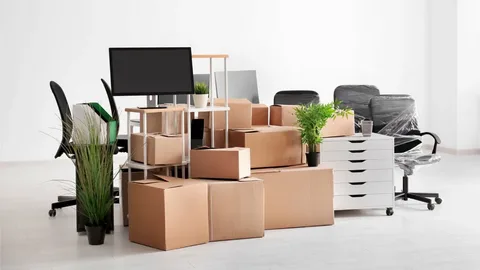
Moving to a new apartment is an exciting milestone, but it can also be one of the most demanding experiences. From packing household belongings to transporting furniture safely, every step requires careful planning and execution. If you’re relocating within Dubai, hiring Professional Apartment Movers in Business Bay can make the entire process faster, safer, and more convenient.
Business Bay is one of Dubai’s most sought-after residential and commercial communities. With its modern apartment towers, busy streets, and strict building regulations, moving in this area requires experience and proper coordination. Professional movers understand these challenges and provide efficient relocation services designed to simplify your move.
Why Hire Professional Apartment Movers?
Apartment moving involves much more than transporting boxes from one location to another. Professional movers handle every stage of the relocation process, reducing stress while protecting your belongings.
Some of the key benefits include:
- Safe packing of fragile and valuable items
- Professional furniture dismantling and reassembly
- Efficient loading and unloading
- Secure transportation
- Time-saving moving solutions
- Reduced risk of property damage
Instead of worrying about heavy lifting or damaged furniture, you can focus on settling into your new apartment.
Challenges of Moving in Business Bay
Business Bay is known for its luxury residential towers and vibrant business environment. While it offers an excellent lifestyle, relocating within the area presents several logistical challenges.
High-Rise Apartment Buildings
Many buildings require advance booking of service elevators and have specific moving hours. Professional movers coordinate with building management to ensure the relocation proceeds without delays.
Limited Parking Access
Finding parking for moving vehicles can be difficult in busy areas. Experienced movers understand local parking regulations and plan accordingly.
Heavy Traffic
Traffic congestion during peak hours can delay transportation. Professional moving companies schedule relocations strategically to minimize travel time.
Building Rules
Every residential tower may have different policies regarding moving permits, elevator reservations, and loading zones. Local movers are familiar with these procedures and help ensure compliance.
Services Offered by Professional Apartment Movers
Professional moving companies provide complete relocation solutions that cover every aspect of the moving process.
Packing Services
- Bubble wrap
- Strong moving boxes
- Stretch film
- Furniture blankets
- Packing paper
- Protective covers
These materials help prevent scratches, dents, and breakage during transit.
Furniture Disassembly and Assembly
Large furniture pieces often need to be dismantled before transportation. Professional movers carefully disassemble beds, wardrobes, dining tables, and office furniture before reassembling them at the destination.
Loading and Transportation
Heavy lifting requires proper equipment and trained professionals. Movers load items securely into specialized moving trucks to prevent shifting during transport.
Unloading and Placement
Upon arrival, the moving team unloads your belongings carefully and places furniture in the desired rooms, making the unpacking process much easier.
How Professional Movers Protect Your Belongings
Safety is one of the primary reasons people hire professional movers. Experienced teams follow proven handling techniques that reduce the risk of damage throughout the relocation.
Fragile items such as mirrors, televisions, artwork, glassware, and electronics receive extra protective wrapping before transportation. Furniture is covered with blankets and secured inside moving vehicles to prevent scratches and movement while traveling.

Choosing the Right Moving Company
Selecting a reliable moving company is essential for a successful relocation. Consider these factors before making your decision.
Experience
Choose movers with extensive experience handling apartment relocations in Business Bay. Local knowledge helps prevent unnecessary delays.
Transparent Pricing
A trustworthy moving company provides clear quotations without hidden charges. Always inquire about which services are part of the quoted price.
Professional Equipment
Modern moving trucks, quality packing materials, and lifting equipment indicate a well-established moving company.
Customer Reviews
Licensed Movers
Working with a licensed moving company offers greater confidence that your belongings will be handled responsibly.
Tips for a Smooth Apartment Move
Even when hiring professionals, preparing in advance makes the moving process easier.
- Declutter unnecessary items before packing.
- Label boxes according to their contents.
- Keep important documents with you.
- Pack personal valuables separately.
- Notify utility providers of your address change.
- Reserve building elevators in advance.
- Prepare an essentials bag for the first day.
These simple steps save time during unpacking and help you settle into your new apartment more quickly.
Why Local Expertise Matters
Hiring movers familiar with Business Bay offers significant advantages. Local professionals understand traffic conditions, building access requirements, and residential community regulations.
Their knowledge allows them to complete relocations more efficiently while minimizing delays caused by parking restrictions or elevator scheduling. This local experience becomes especially valuable when moving within busy residential towers.
What Affects Moving Costs?
Several factors influence the total cost of apartment relocation services.
These include:
- Apartment size
- Number of furniture items
- Packing requirements
- Moving distance
- Floor level
- Elevator availability
- Number of movers required
- Special handling for fragile or oversized items
Requesting a detailed estimate before moving helps you understand the overall cost and avoid unexpected expenses.
Why Choose Mehbob Mover Packer?
From packing and furniture dismantling to transportation and reassembly, every stage of the relocation is handled with professionalism and attention to detail. Their familiarity with Business Bay allows them to manage local regulations efficiently while completing moves on schedule.
Reliable Professional Apartment Movers in Business Bay
Choosing experienced Professional Apartment Movers in Business Bay ensures your relocation is completed with minimal stress and maximum efficiency. Professional movers understand the unique challenges of apartment relocations, including high-rise access, elevator scheduling, and secure transportation of valuable household items.
Whether you’re moving into a studio apartment, a family residence, or a luxury high-rise, working with trained professionals helps protect your belongings while saving valuable time and effort.
Final Thoughts
Relocating to a new apartment doesn’t have to be overwhelming. Hiring Professional Apartment Movers in Business Bay provides the expertise, equipment, and organization needed for a successful move. Professional movers handle packing, transportation, furniture assembly, and unloading while ensuring your belongings remain safe throughout the process.
By choosing experienced professionals like Mehbob Mover Packer, you can enjoy a smooth relocation experience without the physical strain and logistical challenges often associated with moving. Careful planning, professional handling, and local expertise make apartment moving in Business Bay faster, safer, and far more convenient.
Author



Hair loss affects people of different ages and can have a significant impact on confidence and self-image. As awareness about modern hair restoration continues to grow, more individuals are exploring advanced solutions. Many people are now considering Hair Transplant in Islamabad because of the availability of modern techniques and improved treatment outcomes. However, despite its increasing popularity, there are still many misconceptions surrounding the procedure. These myths often discourage people from making informed decisions or seeking professional advice. Understanding the truth behind these common beliefs is the first step toward choosing the right solution for long-term hair restoration.
Why Hair Transplants Are Often Misunderstood
Hair transplantation has evolved tremendously over the past decade. Unfortunately, outdated information and misleading online content continue to shape public opinion. Many myths originated years ago when techniques were less advanced, but today’s procedures are far more refined, natural-looking, and patient-focused. Separating facts from fiction allows individuals to make decisions based on accurate information instead of fear or misinformation.
Myth: Hair Transplants Always Look Fake
One of the most common misconceptions is that every hair transplant creates an unnatural appearance.
Modern hair transplantation focuses on creating a natural hairline that complements facial features and existing hair growth patterns. Skilled planning ensures that transplanted follicles blend seamlessly with surrounding hair. The goal is not simply to restore hair but to recreate a balanced and realistic appearance that is difficult for others to detect.
Myth: Hair Transplants Are Only for Older People
Hair loss is not limited to aging individuals. Genetics, hormonal changes, stress, medical conditions, and lifestyle factors can contribute to hair thinning at various stages of life.
Many younger adults begin exploring hair restoration after noticing progressive hair loss. Eligibility depends more on the pattern and stability of hair loss than on age alone. Each individual should be evaluated based on personal circumstances rather than assumptions related to age.
Myth: The Results Are Immediate
Some people expect to walk out with a full head of permanent hair overnight.
Hair restoration is a gradual process. After transplantation, the treated hairs usually shed before new growth begins. Fresh hair develops naturally over several months, and final results continue improving with time. Patience is essential because healthy hair growth follows the body’s natural cycle.
Myth: Hair Transplants Are Extremely Painful
Many individuals avoid treatment because they believe the procedure is unbearable. Modern techniques are designed with patient comfort in mind. Local anesthesia minimizes discomfort during the procedure, while most people describe recovery as manageable. Temporary soreness or mild sensitivity may occur, but severe pain is generally not part of the normal recovery experience.
Myth: Only Men Can Get Hair Transplants
Hair loss affects both men and women. Women experiencing thinning hair due to genetic factors or other conditions may also benefit from hair restoration, depending on the cause and pattern of hair loss. A personalized assessment helps determine whether the procedure is appropriate for each individual.
Myth: Transplanted Hair Requires Special Maintenance Forever
Another widespread misconception is that transplanted hair demands complicated maintenance. Once the transplanted follicles establish themselves, they behave much like natural hair. They can usually be washed, trimmed, and styled just like the rest of the hair. Maintaining a healthy lifestyle and following aftercare recommendations can help support long-term results.
Myth: Hair Transplants Leave Large Scars
Older techniques sometimes resulted in more noticeable scarring, which contributed to this belief. Today’s advanced methods focus on minimizing visible scarring while promoting faster healing. In many cases, tiny extraction points become difficult to notice once healing is complete. Proper aftercare also plays an important role in achieving the best cosmetic outcome.

Myth: Every Person with Hair Loss Is a Suitable Candidate
Although hair transplantation is highly effective, it is not suitable for everyone. Factors such as hair density, donor hair quality, overall health, and the cause of hair loss all influence eligibility. A proper evaluation helps determine whether transplantation or another treatment approach is more appropriate.
Myth: Hair Transplants Stop Future Hair Loss
A hair transplant restores hair in treated areas but does not prevent ongoing hair loss in untreated regions. Some individuals may require additional treatments or long-term hair care strategies to maintain overall appearance as natural hair changes over time. Understanding this distinction helps create realistic expectations.
Myth: The Procedure Looks the Same for Everyone
Every individual has unique facial proportions, hair texture, density, and growth patterns. Successful hair restoration is customized to suit each person’s appearance rather than following a one-size-fits-all approach. Personalized planning contributes significantly to natural-looking outcomes.
How to Avoid Hair Transplant Misinformation
The internet contains a mixture of reliable information and misleading claims.
To make informed decisions:
- Research evidence-based information.
- Understand modern treatment techniques.
- Learn about the complete recovery timeline.
- Set realistic expectations.
- Seek personalized professional guidance before making decisions.
Reliable information always provides a stronger foundation than online myths or outdated opinions.
The Importance of Realistic Expectations
Hair transplantation is designed to improve hair density and appearance, not create unrealistic perfection. People who understand the healing process, growth timeline, and expected outcomes are generally more satisfied with their results. Knowing what the procedure can realistically achieve helps reduce unnecessary anxiety and disappointment.
Final Thoughts
Believing outdated myths can prevent people from exploring effective solutions for hair restoration. Modern advancements have transformed the procedure into a reliable option for many individuals seeking natural-looking results. Taking time to separate myths from facts allows you to make confident decisions based on accurate information instead of misconceptions. If you are considering Hair Transplant in Islamabad, understanding the realities behind the procedure can help you approach the journey with realistic expectations, greater confidence, and a clearer understanding of what modern hair restoration can truly achieve.
Author



How Trusted Air Duct Cleaners Help Prevent Dangerous Blockages

How to Choose Quality Ayurvedic Herbal Products

Garage Door Repair Las Vegas: Red Flags When Hiring a Contractor

My Simple Snow Ride Turned Into Chaos

Herbal Ingredient Sourcing: From Farm to Formulation

How to Build a Low-Maintenance Balcony Garden

How to Buy Bulk Smoking Accessories for Retail Stores

Amazon Conversion Rate Optimization: 8 Ways to Get More Sales

Top 10 Psychology Conferences 2026 in the USA

Commercial Cabinet Shop Drawings: Key Details for Accurate Fabrication

Cybersecurity Consulting Company SequelNet Provides Critical IT Support Services to Medical Billing Firm, Medical Optimum

Meet the Megalodon: The Shark Star of ‘Meg 2’

Reduce Video Game Lag: Level Up Your Gaming Performance

Balancing India’s Entertainment: Cricket vs. Bollywood

Jetsetter’s Secrets: Unveiling Our Favorite Travel Hacks for a Seamless Adventure

The 5 Best Live Sports Streaming Sites: Legal and Exciting!

Hollywood Labor Unrest: The Impact of ‘What About Us?’ Strikes

Unveiling the Magic of Dream Fulfillment at the Late NBA Draft

Illuminate Your Skin: Dr. Axe Unveils Natural Remedies for Lightening Knees and Elbows

Bright Choices: Navigating the Pros and Cons of Skin Whitening Creams with Dr. Axe
-

 Business3 years ago
Cybersecurity Consulting Company SequelNet Provides Critical IT Support Services to Medical Billing Firm, Medical Optimum
-
Entertainment3 years ago
Meet the Megalodon: The Shark Star of ‘Meg 2’
-
Entertainment3 years ago
Reduce Video Game Lag: Level Up Your Gaming Performance
-
 Sports3 years ago
Balancing India’s Entertainment: Cricket vs. Bollywood
-
Entertainment3 years ago
Jetsetter’s Secrets: Unveiling Our Favorite Travel Hacks for a Seamless Adventure
-
Productivity3 years ago
The 5 Best Live Sports Streaming Sites: Legal and Exciting!
-
Art /Entertainment3 years ago
Hollywood Labor Unrest: The Impact of ‘What About Us?’ Strikes
-
Sports3 years ago
Unveiling the Magic of Dream Fulfillment at the Late NBA Draft






