
Real Estate
Going Green: The Future of Profitable Real Estate Investment

Introduction
As the world continues to grapple with the effects of climate change, many industries are turning towards sustainability for a solution. Real estate is no exception – in fact, it may hold some of the most exciting opportunities for investors looking to make an impact while still seeing returns. Going green isn’t just good for the planet; it’s also becoming increasingly profitable in real estate investment. In this blog post, we’ll explore why going green is the future of successful property investment and how you can get on board with this lucrative trend.
The Reality of Environmentalism and the Rise in Green Real Estate Investment
The environment is a hot topic in today’s society, and with good reason. The Earth is facing many challenges, including climate change and environmental degradation.
Environmentalism has been on the rise in recent years as more people become aware of the issues. This has created a market for green real estate investment. Investors are looking for properties that are sustainable, environmentally friendly, and have positive effects on the community.
There are several ways to invest in green real estate. One way is to purchase apartments or condos that have been certified by an organization such as LEED (Leadership in Energy and Environmental Design). Properties that are certified by LEED typically use less energy and water, have lower emissions, and create positive impacts on the community.
Another way to invest in green real estate is to purchase property that has been developed with sustainability in mind from the ground up. These types of developments typically use less energy, have lower emissions, and create positive impacts on the community long term.

Green real estate investments can be profitable if done correctly. It’s important to consult with a qualified real estate advisor who can help you identify which properties are sustainable and environmentally friendly, as well as provide tips on how to make your investment successful.
Benefits of Green Real Estate Investment
There are many benefits to investing in green real estate. Some of the most important benefits include:
1) Reduced environmental impact. By choosing green building materials and practices, you can reduce your environmental impact. This includes reducing energy use, water use, and waste production.
2) Increased resale value. When you invest in green real estate, you can be assured that the property will have a higher resale value due to its more environmentally friendly features.
3) Reduced risk. Investing in green real estate is typically considered a less risky investment than other forms of real estate. This is because there is a greater chance that the property will remain profitable over time, regardless of the market conditions.
4) Sustainable growth. Many people see investing in sustainable projects as a way to make long-term money while helping protect the environment. By choosing green real estate investments, you can help ensure that the growth of your portfolio always operates within sustainable boundaries.
The Different Types of Green Real Estate Investments
There are a variety of different types of green real estate investments that investors can pursue in order to make sustainable and environmentally friendly choices. Here are four of the most popular:
1. Sustainable Development Investments: In this type of investment, investors aim to support sustainable development practices while earning profits. These practices can include efforts to reduce or recycle materials, promote renewable energy sources, and protect natural resources.
2. Community Development investments: Similar to sustainable development investments, community development investments focus on supporting local communities and their residents by providing economic opportunities as well as social services. These opportunities could include business incubation and entrepreneurship programs, affordable housing developments, and more.
3. Homebuyership Investing: This type of investment is aimed at helping people become homeowners by purchasing homes that are typically not available to the general public (e.g., distressed properties). By doing so, investors can improve the overall economy by increasing demand for housing and stimulating the production of new homes.
4. Green Infrastructure Investing: This type of investment focuses on creating or improving environmentally friendly infrastructure such as green roofs, rain gardens, bike lanes, and more. By doing so, investors hope to help reduce environmental pollution while also improving city aesthetics and livability.
Tips for Making a Profitable Green Real Estate Investment
1. Do your homework before you invest: research the market and make sure the property is a good fit for your goals and budget.
2. Consider using a real estate agent: an experienced professional can help you find properties that fit your needs, provide advice on financing and market trends, and manage the investment process.
3. Get creative with your green real estate investment approach: many successful investors are turning to innovative financing tools, such as green mortgages or ESAs, to make their investments more sustainable.
4. Be patient: investing in green real estate takes time, patience and consistent effort. But with a little bit of hard work and creativity, it can be a very profitable venture!
Conclusion
The future of profitable real estate investment may lie in transitioning to a more environmentally conscious way of living. According to the National Association of Realtors, green homes have increased in popularity among buyers over the past few years, with environmental concerns cited as one of the main reasons for this trend. There are many benefits to going green when it comes to real estate investments, such as reducing your carbon footprint and conserving resources. If you’re interested in learning more about how green real estate can work for you, be sure to check out our blog posts on the topic.
Author

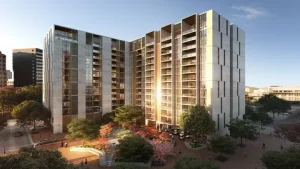
There is a particular kind of excitement that comes with being among the first to call a place home. No worn carpet, no ageing fittings, no history to inherit — just a clean, bright, purpose-built space that is entirely yours from day one. That feeling is exactly what buyers discover when they invest in brand new apartments in Clyde North, VIC, 3978. It is just one of many reasons why this southeastern Melbourne suburb has become one of Victoria’s most talked-about property destinations.
Getting to Know Clyde North, VIC, 3978
Situated within the City of Casey, Clyde North lies roughly 50 kilometers southeast of Melbourne’s central business district. It borders Cranbourne to the west and Clyde to the north, and it sits at the heart of one of the most significant growth corridors in metropolitan Victoria. The postcode 3978 has become shorthand for a particular kind of modern suburban living — master planned, well resourced, and built with community at its core.
Over the past several years, Clyde North has been shaped by a consistent wave of residential development that has transformed former farmland into connected, live able neighborhoods. Parks, wetlands, and green corridors have been woven through the streetscape alongside new schools, childcare centers, medical clinics, and local shopping destinations. For buyers eyeing new apartments in the area, the infrastructure is no longer aspirational — it is operational.
What Sets Brand New Apartments Apart
In a suburb experiencing the level of growth that Clyde North has. The quality gap between new and older stock can be considerable. Developers design and build brand new apartments in Clyde North to meet modern standards. Delivering real benefits for the people who live in them.
Beyond running costs, the design quality of new apartments in Clyde North reflects the expectations of today’s buyers. Generous open-plan living spaces that flow naturally to outdoor areas, stone or composite benchtops, integrated appliances, and master bedrooms with unsuited bathrooms are features buyers now consider standard rather than premium. Developments in this postcode have responded to that expectation, and the finishes on offer reflect a market that takes quality seriously.
For buyers purchasing off-the-plan, there is also the opportunity to personalize certain elements before construction is complete — a dimension of new apartment ownership that no resale property can replicate.
A Community Built for Modern Life
One of the most compelling arguments for buying in Clyde North is the nature of its community. This is a suburb with a young demographic profile — growing families, first-home buyers, and professionals. Who have chosen space and lifestyle over proximity to the city. That profile creates a particular kind of neighborhood energy. Active parks, well-attended community events, a genuine sense that people have invested not just financially but personally in the place they live.
Schooling is consistently cited as one of Clyde North’s strongest drawcards. The suburb is home to a growing number of well-regarded primary and secondary institutions, and the concentration of quality education options within a short drive makes it an easy choice for families. Who want their children to thrive without a long commute to school.
Retail and hospitality continue to develop in line with population growth. Local shopping centers, cafés, restaurants, and health and wellness facilities have expanded steadily. And the proximity of Clyde North to the established retail and dining precincts of Cranbourne and Berwick means residents are never far from a broader range of options.
Investing in Clyde North’s Future
For property investors, Clyde North represents a considered rather than speculative choice. The suburb’s rental market is supported by a steady stream of tenants — young families and professionals. Who want the lifestyle that Clyde North offers but are not yet ready to purchase. New apartments, with their low maintenance requirements and modern appeal, are consistently among the most sought-after rental properties in the area.
Victoria’s stamp duty concessions for eligible first-home buyers purchasing newly built properties can also significantly reduce the upfront cost of buying in this postcode. Making brand new apartments in Clyde North an even more accessible entry point into the market for those taking their first steps.
Start Your Search with New Squares
Finding the right new apartment in Clyde North is straightforward when you have access to the right platform. New Squares operates as an Australian property marketplace that exclusively showcases new and off-the-plan homes. Offering a curated selection of developments across Clyde North and the wider City of Casey.
With detailed listings, floor plan information, and developer backgrounds all in one place. New Squares takes the guesswork out of the search process. Whether you are buying to live or buying to let, the platform gives you everything. You need to make a confident, well-informed decision.
Explore brand new apartments in Clyde North, VIC, 3978 today at newsquares.com.au. And take the first step towards a home that is entirely, brilliantly new.
Author

Author
There’s a quiet confidence that comes with living in a suburb that has figured itself out. Carnegie, tucked neatly into Melbourne’s inner-south-east, is one of those places. It doesn’t shout. It doesn’t need to. With its leafy streets, buzzing café culture, and rock-solid transport links, Carnegie has steadily built a reputation as one of the most live able postcodes in the 3163 zone — and the wave of brand new apartments now arriving here is giving even more people the chance to experience it.
Whether you’re a first-time buyer, a downsizer ready for a low-maintenance lifestyle, or an investor with a sharp eye for long-term value, brand new apartments in Carnegie, VIC, 3163 deserve a serious look.
A Suburb That Delivers on Every Front
Carnegie’s appeal isn’t built on a single selling point — it’s the combination that makes it so compelling.
Sit on the Cranbourne or Pakenham lines and you’re looking at a roughly 15-minute journey into Melbourne’s CBD from Carnegie Station. For professionals who want to be close to the city without being in it, that commute is genuinely life-changing. Add trams running along Dandenong Road and you have the kind of connectivity that takes years off your daily travel grind.
Then there’s the lifestyle. Koornang Road is Carnegie’s social heart — a strip of independent cafés, restaurants, grocers, and specialty stores that has resisted the blandness of chain-store homogeny. On a Saturday morning, it hums. Locals know their barista by name. Weekend farmers’ markets, the Carnegie Library, and the lush expanse of Koornang Park round out a suburb that doesn’t ask residents to travel far for a full and enjoyable life.
Families are well catered for too, with a strong selection of primary and secondary schools within easy reach, including Malvern Central School, Carnegie Primary School, and numerous Catholic and independent options scattered through the surrounding suburbs.
What “Brand New” Actually Means in Carnegie
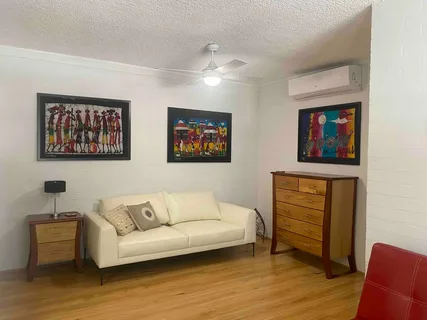
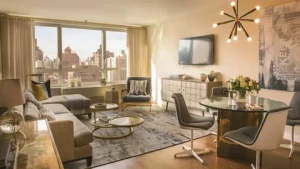
When people talk about brand new apartments in Carnegie, VIC, 3163, they’re talking about a genuine step-change in quality compared to older apartment stock. Modern builds here are responding to what buyers and renters actually want — not what developers could get away with a decade ago.
Expect open-plan living areas designed to maximize natural light, stone benchtops, integrated appliances, and ducted heating and cooling as standard rather than optional extras. Bathroom finishes that would have been considered luxury a few years ago now appear in many of Carnegie’s newest developments. Developers install floor-to-ceiling tiling, frameless shower screens, and freestanding baths in higher-end units as standard features.
Importantly, new builds also provide reassurance through structural warranties, energy ratings that lower utility bills, and full compliance with current building codes. Buyers who have experienced hidden maintenance costs in older apartments now value this peace of mind, and it saves them real money.
Many of the latest Carnegie developments also reflect the suburb’s community-focused character. Developers include rooftop terraces, communal gardens, secure bike storage, and EV charging infrastructure. These features show that they design buildings for how people live today, not for how apartment living worked twenty years ago.
The Investment Case Is Compelling
Carnegie’s fundamentals make it one of the more defensible places to invest in Melbourne’s inner-south-east corridor.
Rental demand in and around the 3163 postcode remains consistently strong. The suburb draws a diverse tenant pool — young professionals working in the CBD or Caulfield’s growing healthcare and education precinct, international students attending Monash University’s Caulfield Campus just one stop away, and downsizing locals who want to stay in the neighborhood they love but in a more manageable home.
Low vacancy rates are a product of that demand. Carnegie doesn’t suffer the oversupply concerns that have affected some inner-city postcodes, partly because large development sites are genuinely limited in an established suburb where much of the land is already built out. The apartment blocks going up here are typically boutique in scale — 20 to 80 dwellings rather than 300-unit towers — which preserves the neighborhood feel and keeps supply measured.
For long-term holders, Carnegie’s proximity to the broader Glen Waverley and Caulfield growth corridors, combined with its own ongoing café and retail evolution, suggests steady capital growth rather than the boom-and-bust volatility associated with speculative markets.
Who Is Carnegie For?
Honestly? A wide range of people find their fit here.
First-home buyers are discovering that a brand new apartment in Carnegie can deliver quality and location that would have been out of reach in neighboring Glen Huntly or Caulfield just a few years ago. The suburb offers a genuine entry point into Melbourne’s inner-south-east without the compromise.
Downsizers from Carnegie and its surrounds are choosing to stay local. Why uproot yourself from the coffee shop you’ve been going to for fifteen years, the walking routes you know by heart, the neighbors whose names you know? A brand new apartment in the same postcode offers a fresh chapter without a complete change of scene.
And for investors, the metrics — yield, vacancy, tenant quality, infrastructure — stack up in a way that requires less wishful thinking and more straightforward analysis.
The Right Time to Pay Attention
Carnegie has never been a secret, exactly — locals have known its value for years. But the arrival of genuinely high-quality new apartment stock is broadening its audience, bringing in buyers and investors who might once have defaulted to better-marketed suburbs without looking south.
Brand new apartments in Carnegie, VIC, 3163 represent something increasingly rare in Melbourne: a suburb that is already established and live able, with new stock that actually meets modern standards. That combination doesn’t stay overlooked for long.
If Carnegie isn’t already on your shortlist, it probably should be.
Author


New Apartments in Clyde North: Investment Opportunities

Custom Shoe Boxes: Durable Packaging Solutions for Brands

Non-Infused Pre-Rolls vs Infused: Guide to Choosing the Right One

Library Management Software for Student Progress Tracking

Roofing Services Bristol: Roof Repairs, Installation & Maintenance

The Drew House Streetwear Fashion: Oversized Hoodies & Tees

2 Flute Tools vs 4 Flute End Mills: CNC Machining Selection Guide

End Mill Practices for Smooth & Accurate CNC Cutting

1XBet Clone Software: Scalable Online Sports Betting Platform

Google My Business Experts: Improve Google Maps Rankings

Cybersecurity Consulting Company SequelNet Provides Critical IT Support Services to Medical Billing Firm, Medical Optimum

Team Communication Software Transforms Operations at Finance Innovate

Project Management Tool Transforms Long Island Business

How Alleviate Poverty Utilized IPPBX’s All-in-One Solution to Transform Lives in New York City

Breast Cancer: The Imperative Role of Mammograms in Screening and Early Detection

Unstoppable Collaboration: D.C.’s Citi Open and Silicon Valley Classic Unite to Propel Women’s Tennis to New Heights

Embracing Renewal: Sizdabedar Celebrations Unite Iranians in New York’s Eisenhower Park

The Benefits of Starting a Side Hustle for Financial Freedom

New Blood Donation Screening Questions What You Need to Know

Stylishly Timeless: The 5 Types of Sandals You Need in Your Closet
-

 Business3 years ago
Cybersecurity Consulting Company SequelNet Provides Critical IT Support Services to Medical Billing Firm, Medical Optimum
-
Business3 years ago
Team Communication Software Transforms Operations at Finance Innovate
-
Business3 years ago
Project Management Tool Transforms Long Island Business
-
Business3 years ago
How Alleviate Poverty Utilized IPPBX’s All-in-One Solution to Transform Lives in New York City
-
health3 years ago
Breast Cancer: The Imperative Role of Mammograms in Screening and Early Detection
-
Sports3 years ago
Unstoppable Collaboration: D.C.’s Citi Open and Silicon Valley Classic Unite to Propel Women’s Tennis to New Heights
-
Art /Entertainment3 years ago
Embracing Renewal: Sizdabedar Celebrations Unite Iranians in New York’s Eisenhower Park
-
Finance3 years ago
The Benefits of Starting a Side Hustle for Financial Freedom







