
Travel & Hospitality
Explore Where Ceylon Is Located Discover Sri Lanka

By

Reviewed
By Finn Gregory

Introduction
If you have ever wondered, “Where is Ceylon?” you are not alone. The name Ceylon evokes images of lush tea plantations, breathtaking landscapes, and a rich cultural heritage. While many people recognize the name, fewer know the exact location of this historically significant land. Ceylon is the former name of Sri Lanka, a beautiful island country located in South Asia. This article will explore where Ceylon is, its history, geography, and why it remains a fascinating destination.
Where is Ceylon Located?
Ceylon, now officially known as Sri Lanka, is an island nation situated in the Indian Ocean, just south of India. The country lies between latitudes 5° and 10° north and longitudes 79° and 82° east. It is separated from India by the Palk Strait and the Gulf of Mannar, making it a strategically important location in South Asia.
With a land area of approximately 65,610 square kilometers (25,332 square miles), Ceylon is the 25th largest island in the world. It is known for its diverse landscapes, from coastal beaches to mountainous regions covered with tea plantations.
The History Behind the Name Ceylon
The name Ceylon has a long and fascinating history. The island has been known by various names throughout different periods. The ancient Indians referred to it as “Lanka” or “Sinhala.” When the Portuguese arrived in the early 16th century, they called it “Ceilão,” which was later anglicized to “Ceylon” by the British when they took control in 1815.
Sri Lanka gained independence from British rule in 1948 but continued using the name Ceylon until 1972, when it officially changed to the Democratic Socialist Republic of Sri Lanka. However, remnants of the name Ceylon still exist today in brands like Ceylon Tea and Ceylon Cinnamon, which are globally recognized for their quality.

Geography and Climate of Ceylon (Sri Lanka)
Ceylon country, now Sri Lanka, is famous for its diverse geography. The island is divided into three main regions:
- The Coastal Plains: These regions feature stunning beaches, lagoons, and tropical coconut palms. Popular beach destinations include Bentota, Mirissa, and Arugam Bay.
- The Central Highlands: Home to the famous tea-growing regions like Nuwara Eliya and Ella, this area boasts scenic mountains, waterfalls, and cool climates.
- The Dry Zone: This region is known for its ancient cities like Anuradhapura and Polonnaruwa, as well as the famous Sigiriya Rock Fortress.
Sri Lanka experiences a tropical climate, with two main monsoon seasons. The southwest monsoon brings rain from May to September, while the northeast monsoon affects the island from December to February. This climate supports diverse wildlife, including elephants, leopards, and a wide variety of bird species.
Cultural Significance of Ceylon
Ceylon country has a rich cultural heritage influenced by Buddhism, Hinduism, and colonial history. The majority of the population follows Buddhism, and the country is home to many ancient Buddhist temples, including the famous Temple of the Tooth in Kandy.
Sri Lanka’s cultural festivals, such as the Esala Perahera in Kandy, attract thousands of tourists every year. The island is also famous for its traditional dances, cuisine, and warm hospitality.
Why is Ceylon (Sri Lanka) a Must-Visit Destination?
Tourists visit Ceylon for its incredible natural beauty, wildlife, and historical landmarks. Some of the top attractions include:
- Sigiriya Rock Fortress: A UNESCO World Heritage Site known for its ancient frescoes and breathtaking views.
- Ella: A picturesque hill station with tea plantations, hiking trails, and scenic train rides.
- Galle Fort: A well-preserved Dutch colonial town with charming streets and stunning ocean views.
- Yala National Park: One of the best places to see leopards in the wild.
- Nuwara Eliya: Often referred to as “Little England,” this town is famous for its cool climate and tea estates.
The Global Recognition of Ceylon Tea
One of the most famous exports from Ceylon country is its tea. Ceylon Tea is renowned for its unique flavor and high quality. Introduced by the British in the 19th century, tea plantations still cover vast areas of the central highlands, making Sri Lanka one of the world’s largest tea producers.
Ceylon Tea is categorized into different types based on altitude and flavor, including:
- High Grown Tea: Produced in regions like Nuwara Eliya, offering a light and delicate taste.
- Mid Grown Tea: Found in areas like Kandy, providing a balanced flavor.
- Low Grown Tea: Grown in warmer regions, producing a strong, bold taste.
Visit Demodara’s iconic Nine Arch Bridge and the surging Ravana Waterfall Capture postcard-worthy views of unbeatable scenery on a short train journey Unwind and soak in the beauty of Ella during a stop at the Ravana Pool Club Explore waterfalls and sweeping vistas in the heart of a natural paradise Learn about Sri Lanka’s rich tea heritage during a visit to a Halpewatte Tea Factory

Visitors to Sri Lanka can tour tea plantations and factories to experience the process of making Ceylon Tea firsthand.
Tips for Traveling in Ceylon
Traveling in Ceylon requires some planning to ensure a smooth and enjoyable experience. The best time to visit depends on the regions you plan to explore, as the island experiences two monsoon seasons. The southwest monsoon affects the southern and western regions from May to September, while the northeast monsoon brings rain to the northern and eastern regions from October to February. The dry seasons, from December to March in the south and west, and from May to September in the north and east, are ideal for travel.
When it comes to transportation, Ceylon offers a variety of options, including trains, buses, and tuk-tuks. The island’s scenic train journeys, particularly the route from Kandy to Ella, are a highlight for many travelers. Renting a car with a driver is also a convenient way to explore the island at your own pace. It’s important to respect local customs and traditions, especially when visiting religious sites. Dress modestly, remove your shoes before entering temples, and avoid taking photographs without permission.
Staying hydrated and using sunscreen is essential, as the tropical climate can be quite intense. The local cuisine can be spicy, so it’s advisable to start with milder dishes if you’re not accustomed to spicy food. Learning a few basic phrases in Sinhala or Tamil can enhance your interactions with locals, who are known for their warmth and hospitality. Finally, be mindful of the environment and practice responsible tourism, ensuring that your visit has a positive impact on the island and its people.
Ceylon, with its enchanting landscapes, rich history, and vibrant culture, is a hidden gem waiting to be discovered. The island’s diverse destinations, from the ancient cities of Anuradhapura and Polonnaruwa to the pristine beaches of the southern coast, offer a wealth of experiences for travelers of all interests. The unique flora and fauna, thriving arts and crafts, and delectable cuisine further enhance the allure of this captivating island.
Whether you’re seeking adventure, relaxation, or cultural immersion, Ceylon promises to deliver unforgettable memories and experiences. The warmth and hospitality of the local people, combined with the island’s natural beauty and cultural richness, create an inviting and enchanting atmosphere. Each corner of Ceylon has its own story to tell, inviting you to explore and uncover the secrets of this remarkable destination.
As you embark on your journey through Ceylon, you’ll be captivated by the island’s charm and diversity, leaving with a deep appreciation for its heritage and beauty. Whether it’s the breathtaking vistas of the Hill Country, the serene shores of the southern coast, or the vibrant cities and tranquil villages, Ceylon is a destination that will linger in your heart long after your voyage ends. Discover the hidden gem of Sri Lanka’s enchanting landscape and embark on an adventure of a lifetime.
Conclusion
Today known as Sri Lanka, Ceylon’s location at the crossroads of South Asia and the Indian Ocean has shaped its rich history, diverse ecosystems, and cultural tapestry. From the sandy beaches of Trincomalee to the misty tea hills of Nuwara Eliya, the island offers something for every traveler. Its strategic ports, vibrant wildlife reserves, and bustling cities like Colombo and Galle underscore why Ceylon remains a gem on the world map. Whether you seek adventure, relaxation, or cultural immersion, understanding where Ceylon is located is your first step toward an unforgettable journey. Pack your bags and discover the island where nature and heritage unite in perfect harmony.
Author














When travel plans change, flights get delayed, or you simply need assistance with booking, the first thought that comes to mind is how to talk to someone at JetBlue Airlines. With millions of passengers flying every year, quick access to JetBlue Airlines USA contact numbers has become essential. Whether you are dealing with cancellations, baggage issues, flight changes, or even loyalty program queries, having a direct way to connect with JetBlue’s customer service can save you time and stress. This detailed guide will walk you through all the ways to reach JetBlue Airlines in 2026 and get the support you need.
Why Contact JetBlue Airlines Customer Service Number?
Air travel often comes with unexpected challenges. Talking to JetBlue’s customer service team ensures that you get clear answers and fast solutions. Here are some common reasons people call JetBlue in the USA:
- To change or cancel flight bookings
- To check flight status and delays
- To get baggage information or report lost luggage
- To inquire about JetBlue travel policies and restrictions
- To redeem or check TrueBlue loyalty program points
- To request refunds, credits, or travel vouchers
- To manage seat selection and upgrades
With so many services handled through customer care, JetBlue ensures passengers are supported at every step of their journey.

JetBlue Airlines USA Contact Numbers
JetBlue provides multiple phone lines so travelers can connect easily with the right department. While the main contact number works for general queries, specialized numbers are also available for specific services.
- General Reservations and Customer Service: Available 24/7 for booking changes, cancellations, and general travel support.
- Baggage Assistance: Dedicated line to report delayed or lost baggage.
- TrueBlue Loyalty Program: Customer care agents assist with points, rewards, and promotions.
- Accessibility Services: Special contact numbers are available to support passengers with disabilities.
Having these numbers handy ensures you can quickly reach the right department without unnecessary waiting.
Other Ways to Contact JetBlue Airlines
While phone calls remain the fastest way to resolve urgent issues, JetBlue offers other convenient contact methods:
1. Live Chat
JetBlue’s official website and mobile app provide a live chat feature. This is useful for quick questions about flights, bookings +1-888-342-6125, or travel updates without waiting on hold.
2. Email Support
For non-urgent issues like refund requests or complaints, email is another reliable option. It allows passengers to keep a written record of communication.
Advertisement
3. Social Media
JetBlue actively responds to customers through platforms like Twitter and Facebook. Social media is often the quickest way to get attention for time-sensitive matters.
4. Airport Counters
If you’re already at the airport, JetBlue counters and service desks are always open for assistance with boarding passes, baggage, and last-minute booking changes.
Benefits of Speaking Directly with JetBlue
While self-service options like mobile apps and websites are helpful, there are moments when only human support makes sense +1-888-342-6125. Talking to a live agent provides:
- Personalized guidance for your travel situation
- Real-time updates and accurate information
- Faster resolution for refunds and complaints
- Support for special requests like medical assistance or group bookings
For passengers facing complex travel concerns, speaking to someone at JetBlue ensures peace of mind.
Tips for Calling JetBlue Airlines Customer Service Number
To save time and make your call more effective, here are some tips:
- Keep your booking reference or ticket number ready.
- Call during non-peak hours to avoid long wait times.
- Clearly explain your issue and provide details upfront.
- If the issue is not resolved, politely request to speak with a supervisor.
- Write down the agent’s name and any confirmation numbers provided.
Following these steps can help you get faster and smoother support when calling JetBlue.
Challenges with Customer Support
Although JetBlue works hard to provide excellent customer service, passengers sometimes face challenges:
Advertisement
- Long waiting times during peak travel seasons
- Difficulty reaching the correct department for specialized issues
- Communication barriers when traveling internationally
- Limited assistance for third-party bookings made through travel agencies
Being aware of these challenges helps passengers prepare and find alternative solutions, such as using the JetBlue app or live chat for quicker service.
Future of JetBlue Airlines Customer Service
In 2026, JetBlue continues to improve its customer support by integrating advanced technology and more self-service tools. Expect to see:
- AI-powered chatbots that can answer basic queries instantly
- Smarter mobile app features for booking and refunds
- Expanded multi-language support for international passengers
- Enhanced loyalty program management through digital channels
These innovations will make it easier for passengers to talk to JetBlue representatives and resolve issues without stress.
Conclusion
Talking to someone at JetBlue Airlines in the USA has never been easier, thanks to multiple customer service options. From contact numbers to live chat and social media, JetBlue ensures passengers receive quick solutions for flight changes, refunds, baggage, or loyalty programs. While challenges like long wait times may occur, the airline is continuously improving its services with technology-driven support. In 2026, passengers can rely on JetBlue’s customer care for both urgent and routine travel needs. Whether you are booking your first flight or managing a complex travel plan, having JetBlue Airlines Customer Service Number at your fingertips guarantees smoother journeys and peace of mind.
Author



Delta Air Lines operates a wide network of domestic and international flights from John F. Kennedy International Airport (JFK), making it one of the airline’s major hubs in the United States. The airline primarily uses Terminal 4, one of the most modern and busiest terminals at JFK, designed to handle high passenger volumes with efficiency and comfort. In the past, some domestic operations were also handled at Terminal 2, but Terminal 4 now serves as the main hub for most Delta flights. The Delta Airlines JFK Terminal is equipped with advanced technology, streamlined passenger flow, and a wide range of services to ensure a smooth and convenient travel experience for all passengers.
Delta Airlines Terminal at JFK Airport
The main Delta Airlines JFK Terminal is Terminal 4, where most arrivals and departures take place. Terminal 4 offers advanced passenger services, efficient check-in systems, and a wide range of airport facilities. Travelers flying with Delta Airlines should always check their flight details before departure to confirm the correct terminal and gate.
Departures from Delta Airlines JFK Terminal
Passengers departing from the Delta Airlines JFK Terminal are advised to arrive at least 2–3 hours before their scheduled flight, especially for international travel. The departure process is well-organized and includes several key steps:
- Check-in at Delta Airlines counters or self-service kiosks
- Baggage drop services for checked luggage
- Security screening conducted by airport authorities
- Access to departure gates displayed on real-time flight information screens
Once passengers clear security, they enter the departure lounge, which offers a wide range of amenities. Travelers can relax in comfortable seating areas, explore duty-free shopping outlets, or enjoy meals at various restaurants and cafes. Premium passengers also have access to Delta Sky Club lounges, which provide a more exclusive and comfortable pre-flight experience.

Arrivals at Delta Airlines JFK Terminal
Delta Airlines arrivals at John F. Kennedy International Airport are mainly handled at Terminal 4. Upon arrival, passengers follow a structured process to exit the airport:
- Immigration and passport control for international travelers
- Baggage claim area with clearly marked carousel numbers
- Customs clearance before entering the arrivals hall
After completing these steps, passengers can exit the terminal and access various ground transportation options. The arrivals area is well-organized, making it easy for travelers to find their way and continue their journey without confusion.
Airport Terminal Facilities at JFK
The Delta Airlines JFK Terminal offers a wide range of facilities designed to enhance passenger comfort and convenience. These include:
- Delta Sky Club lounges for premium travelers
- Duty-free shopping and retail stores
- Restaurants, cafes, and food courts with diverse options
- Free Wi-Fi connectivity throughout the terminal
- Currency exchange counters and ATMs
- Charging stations for electronic devices
- Clean restrooms and family-friendly facilities
- Customer service desks for assistance
These facilities ensure that passengers have access to everything they need while waiting for their flight or after arrival.
Airline Terminal Information and Services
At the Delta Airlines JFK Terminal, passengers can easily access essential airline services that support a smooth travel experience. These services include:
- Ticketing and reservation counters for booking and changes
- Baggage services, including lost and found assistance
- Flight information displays for real-time arrival and departure updates
- Special assistance services for elderly passengers and those with reduced mobility
- Airport information and help desks
These services are designed to provide support at every stage of the journey, from check-in to arrival.
Transportation to and from JFK Terminal
Passengers traveling to or from the Delta Airlines JFK Terminal have access to a variety of transportation options, making it easy to connect with New York City and surrounding areas. These options include:
- AirTrain JFK, which connects all terminals and links to subway and rail services
- Subway and train connections to Manhattan and other boroughs
- Taxis and ride-hailing services available outside the terminal
- Airport shuttle buses for shared transportation
- Car rental services for independent travel
JFK Airport’s strong connectivity ensures that passengers can travel conveniently to and from the airport.
Travel Tips for Passengers
To ensure a smooth experience at the Delta Airlines JFK Terminal, passengers should follow these helpful tips:
- Arrive early to allow enough time for check-in and security
- Check terminal and gate information before leaving for the airport
- Keep all travel documents easily accessible
- Use online check-in to save time at the airport
- Follow airport signage and instructions for easy navigation
Conclusion
The Delta Airlines JFK Terminal at John F. Kennedy International Airport offers complete airport terminal information, including arrivals, departures, and airline services. With modern facilities, efficient processes, and excellent connectivity, the Delta Airlines terminal ensures a smooth and comfortable travel experience for all passengers flying with Delta Airlines.
Delta Airlines JFK Terminal – FAQs
1. What terminal is Delta Airlines at JFK Airport?
Delta Air Lines primarily operates from Terminal 4 at John F. Kennedy International Airport (JFK). Some flights may operate from other terminals, so always check your ticket.
2. Which terminal is used for Delta Airlines arrivals at JFK?
Most Delta Airlines arrivals take place at Terminal 4 at John F. Kennedy International Airport. After landing, passengers proceed to immigration (if international), baggage claim, and customs.
3. Which terminal is used for Delta Airlines departures at JFK?
Delta Airlines departures are mainly from Terminal 4, where passengers can check in, drop baggage, clear security, and proceed to their boarding gates.
4. How early should I arrive for a Delta Airlines flight at JFK?
Passengers should arrive at least 2–3 hours before departure for domestic flights and 3 hours before international flights.
5. Does Delta Airlines JFK Terminal have lounges?
Yes, Terminal 4 offers Delta Sky Club lounges and other passenger facilities including restaurants, shopping, and seating areas.
6. Where is baggage claim for Delta Airlines at JFK?
Baggage claim for Delta Airlines is located in the Terminal 4 arrivals area after passengers complete immigration and customs procedures.
7. How can I get to the Delta Airlines JFK Terminal?
Passengers can reach Terminal 4 via AirTrain JFK, taxis, ride-sharing services, subway connections, or airport shuttle buses.
8. Are there food and shopping options at Delta Airlines JFK Terminal?
Yes, Terminal 4 at John F. Kennedy International Airport offers a wide range of restaurants, cafes, and duty-free shopping options.
9. Can I check in online for Delta Airlines flights at JFK?
Yes, Delta Air Lines provides online check-in, allowing passengers to save time before arriving at the airport.
10. Is transportation available from JFK Terminal 4?
Yes, passengers can access taxis, ride-sharing services, AirTrain, public transport, and car rentals from Terminal 4 for easy onward travel.
Author


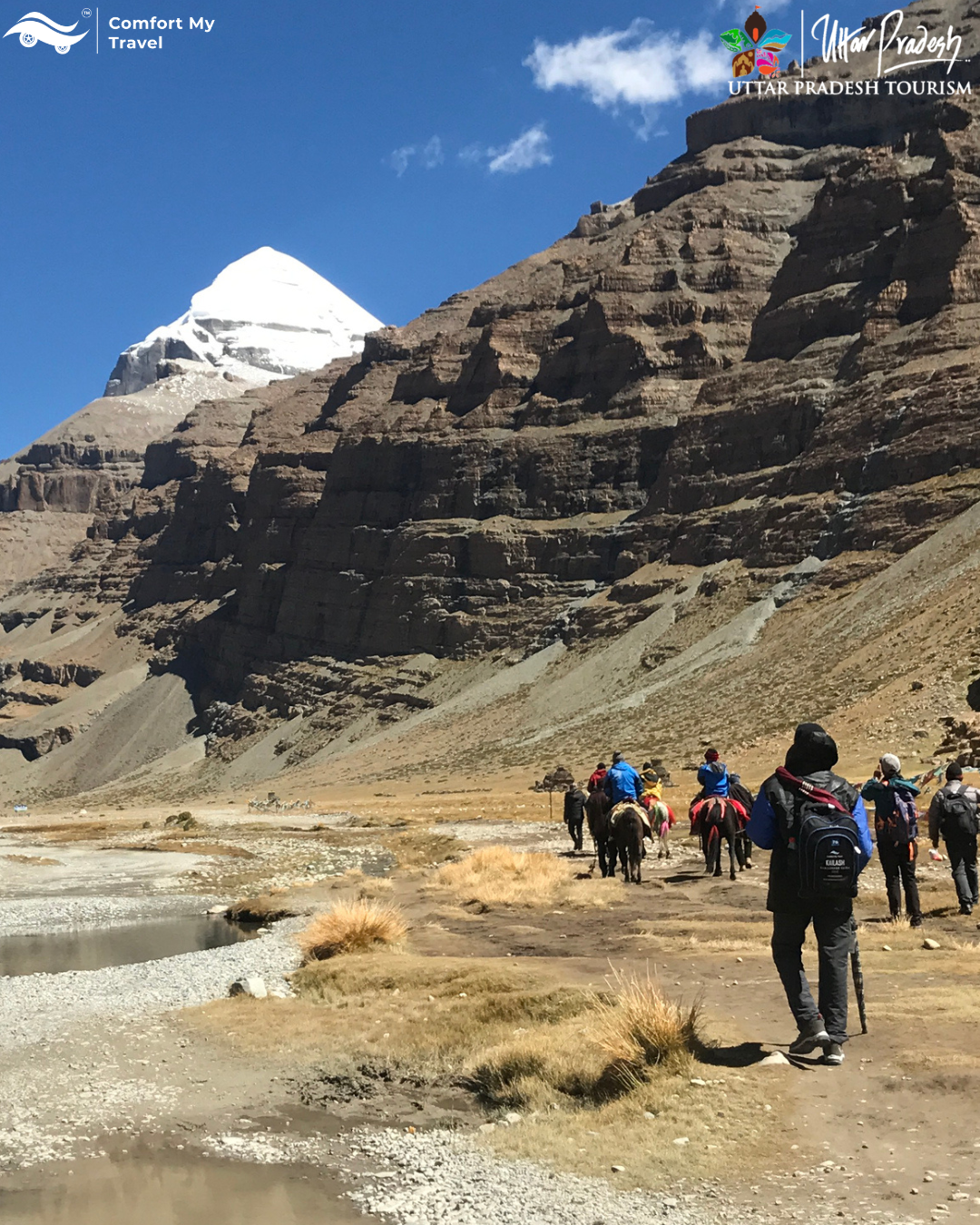
For devotees residing in Lucknow, the Kailash Mansarovar Yatra from Lucknow represents a sacred dream—one that goes beyond travel and touches the deepest layers of spirituality. This extraordinary pilgrimage takes travelers to the remote and mystical region of Tibet, where nature’s grandeur meets divine presence in its purest form.
Mount Kailash: The Axis of Spiritual Energy
Towering high in the Himalayas, Mount Kailash is considered the spiritual center of the universe by millions of believers. It is revered as the sacred abode of Lord Shiva, symbolizing stillness, power, and eternal consciousness.
Unlike other peaks that attract climbers, Mount Kailash remains untouched, enhancing its divine aura. Pilgrims believe that even a distant glimpse of this holy mountain can awaken a sense of inner peace and spiritual clarity.
Mansarovar Lake: A Mirror of the Soul
Close to the sacred mountain lies Lake Mansarovar, a place where spirituality feels tangible. Its calm, crystal-clear waters are believed to cleanse the soul and bring enlightenment.
Sitting by the lake, pilgrims often experience a profound silence that allows them to reflect deeply. The reflection of the sky and surrounding peaks in its waters creates a mesmerizing दृश्य that feels both peaceful and powerful.

The Path from Lucknow to the Himalayas
The journey begins in Lucknow, where pilgrims start preparing for this life-changing expedition. From Delhi, the yatra continues through two major routes. The traditional Indian route passes through Uttarakhand, crossing rugged terrains and the high-altitude Lipulekh Pass. Alternatively, the Nepal route via Kathmandu offers a more accessible journey with better travel facilities.
A Gradual Transformation of Landscapes
As pilgrims move forward from Lucknow, the journey becomes a visual narrative of changing landscapes. The urban environment fades into lush greenery, which eventually gives way to the stark beauty of high-altitude terrain.
Snow-covered mountains, wide open plateaus, and endless skies dominate the horizon. This transition reflects not only the outer journey but also the inner transformation of the pilgrim, moving towards peace and spiritual awareness.
Best Season to Undertake the Yatra
The ideal time for the Kailash Mansarovar Yatra falls between May and September. During this period, the weather is relatively stable, and routes remain accessible for travel.
However, conditions in the mountains can change rapidly. Pilgrims from Lucknow should be prepared for cold temperatures, strong winds, and lower oxygen levels as they ascend to higher altitudes.
Preparing for the Sacred Challenge
The yatra is physically demanding and requires proper preparation. Pilgrims are encouraged to build stamina through regular exercise and walking. Breathing exercises and yoga can also help in adapting to high-altitude conditions.
Mental strength is equally important. The journey often tests patience and determination, making it essential to maintain a calm and focused mindset. Faith and positivity become guiding forces throughout the yatra.
The presence of Mount Kailash is said to radiate a unique spiritual vibration. Pilgrims often describe an inexplicable sense of peace and connection upon first seeing it, making the journey truly unforgettable.
Registration and Travel Formalities
Pilgrims opting for the official route must register through the Ministry of External Affairs, which manages the entire process, including medical examinations and approvals.
For those seeking a more convenient option, private tour operators offer packages in Nepal that handle visas, permits, and travel arrangements.
Travelers often prefer this route for its shorter duration and ease of access.
Spiritual Practices Along the Journey
Spiritual practices root the Kailash Mansarovar Yatra deeply in tradition. Pilgrims engage in prayers, meditation, and rituals that enhance their connection with the divine. The parikrama (circumambulation) of Mount Kailash stands as one of the journey’s most significant aspects. Devotees believe this sacred walk purifies the soul and brings immense spiritual merit.
Challenges that Shape the Experience
Despite its beauty, the yatra presents several challenges. High altitude, unpredictable weather, and limited facilities can make the journey difficult. Pilgrims from Lucknow must prepare themselves with proper clothing, medications, and acclimatization strategies. Pilgrims, however, often view these challenges as an essential part of the spiritual journey that strengthens their faith and resilience.
A Journey of Inner Awakening
The Kailash Mansarovar Yatra is not just about reaching a destination—it is about discovering a deeper connection with oneself. The silence of the mountains, the purity of the surroundings, and the devotion of fellow pilgrims create a transformative experience.
Many pilgrims return with a renewed sense of clarity, peace, and purpose, carrying the essence of the journey within them.
The mountain is often described as a cosmic center, drawing pilgrims not just physically but spiritually. The mere sight of Mount Kailash is said to fill the heart with peace and devotion, making every step of the journey worthwhile.
Embarking on the Kailash Mansarovar Yatra from Lucknow is a profound spiritual adventure. From the divine presence of Mount Kailash to the शांत waters of Lake Mansarovar, every moment of the journey offers a deeper connection to faith and self.
With dedication, preparation, and unwavering belief, this sacred pilgrimage becomes an unforgettable experience—one that leaves a lasting imprint on the soul and guides the path towards spiritual fulfillment.
Author



CNC Tools in Modern Manufacturing: Benefits & Future Trends

Avoid Costly Document Mistakes with Professional Notary Services

Mini vs Full Tummy Tuck: Complete Guide Islamabad

Formulation Development in 2026: Drug Delivery Innovations

Luxury RV Resorts Texas vs Standard RV Parks: The Difference?

Best Hair Transplant Clinic in Pakistan – JJ Aesthetics

Essentials Tracksuit UK Guide: Styles, Fits, Colors & Buying Tips

Working Capital Finance: Guide for MSMEs, Types & Benefits

Beard Hair Transplant: Procedure, Benefits And Recovery

Corteiz Cargos Official Store: Streetwear Style & Sustainability

Cybersecurity Consulting Company SequelNet Provides Critical IT Support Services to Medical Billing Firm, Medical Optimum

Team Communication Software Transforms Operations at Finance Innovate

Project Management Tool Transforms Long Island Business

How Alleviate Poverty Utilized IPPBX’s All-in-One Solution to Transform Lives in New York City

Breast Cancer: The Imperative Role of Mammograms in Screening and Early Detection

Unstoppable Collaboration: D.C.’s Citi Open and Silicon Valley Classic Unite to Propel Women’s Tennis to New Heights

Embracing Renewal: Sizdabedar Celebrations Unite Iranians in New York’s Eisenhower Park

The Benefits of Starting a Side Hustle for Financial Freedom

New Blood Donation Screening Questions What You Need to Know

Stylishly Timeless: The 5 Types of Sandals You Need in Your Closet
-

 Business3 years ago
Cybersecurity Consulting Company SequelNet Provides Critical IT Support Services to Medical Billing Firm, Medical Optimum
-
Business3 years ago
Team Communication Software Transforms Operations at Finance Innovate
-
Business3 years ago
Project Management Tool Transforms Long Island Business
-
Business3 years ago
How Alleviate Poverty Utilized IPPBX’s All-in-One Solution to Transform Lives in New York City
-
health3 years ago
Breast Cancer: The Imperative Role of Mammograms in Screening and Early Detection
-
Sports3 years ago
Unstoppable Collaboration: D.C.’s Citi Open and Silicon Valley Classic Unite to Propel Women’s Tennis to New Heights
-
Art /Entertainment3 years ago
Embracing Renewal: Sizdabedar Celebrations Unite Iranians in New York’s Eisenhower Park
-
Finance3 years ago
The Benefits of Starting a Side Hustle for Financial Freedom







