
Business industrial
Eve and Blade Take to the Skies: ‘Flying Car’ Partnership Expands Across Europe


Introduction
The concept of flying cars has long captivated our imaginations, and now, through the partnership between Eve and Blade, it is becoming a reality. By combining their expertise in urban air mobility and ride-sharing, Eve and Blade are poised to transform how we navigate cities and travel short distances.
The Partnership Between Eve and Blade
Eve, a subsidiary of EmbraerX, and Blade, a well-established helicopter ride-sharing platform, have formed a strategic partnership to accelerate the deployment of eVTOL aircraft. Eve brings its expertise in designing and manufacturing advanced air mobility solutions, while Blade contributes its operational and customer experience in the aviation sector. Together, they aim to create a seamless and efficient urban transportation network.
Electric Vertical Takeoff and Landing (eVTOL) Technology
eVTOL technology lies at the heart of this partnership. These electric-powered aircraft are designed to take off and land vertically, eliminating the need for traditional runways. They utilize multiple rotors and advanced flight control systems to achieve vertical flight and transition to horizontal flight for efficient travel over short distances. eVTOLs offer a promising solution for urban congestion and provide a more sustainable mode of transportation.
Advantages of Flying Cars for Urban Transportation
The introduction of flying cars presents several advantages for urban transportation. Firstly, they have the potential to significantly reduce congestion on roads by utilizing the airspace, alleviating the burden on existing infrastructure. Secondly, eVTOLs are electrically powered, contributing to a cleaner and more sustainable urban environment. Lastly, their ability to take off and land vertically allows for convenient access to densely populated areas, bypassing the limitations of ground-based transportation.
Expansion Plans across Europe
The partnership between Eve and Blade is set to expand its operations across Europe. Initially focusing on key cities known for their traffic congestion and high population density, they aim to provide efficient and time-saving transportation options. By leveraging Blade’s existing network and operational expertise, the partnership will offer a seamless experience for passengers traveling short distances within urban areas.

Addressing Challenges and Ensuring Safety
As with any emerging technology, there are challenges to address, particularly in terms of safety and regulatory frameworks. Eve and Blade are committed to ensuring the highest safety standards for their operations. They will work closely with aviation authorities and regulators to develop robust safety protocols and establish guidelines for eVTOL operations. Safety will remain a top priority as this transformative technology expands across Europe.
Potential Implications for the Future of Transportation
The partnership between Eve and Blade marks a significant step forward in the future of transportation. It sets a precedent for collaboration between established aviation players.
Author

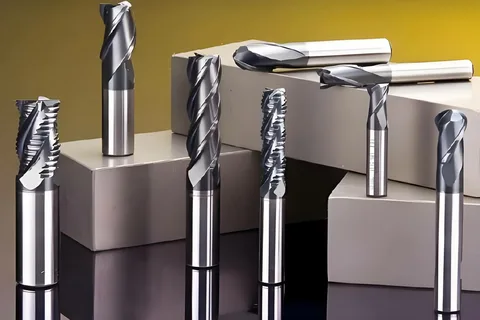
Modern CNC machining demands high precision, faster production speeds, and consistent cutting performance. Whether manufacturing aerospace components, automotive parts, or industrial molds, selecting the right cutting tool plays a major role in machining success. Choosing the Perfect Endmills for complex CNC jobs helps improve surface finish, reduce machining errors, and increase overall productivity.
However, not every cutting tool is suitable for every application. Material hardness, tool geometry, cutting speed, and machining conditions all influence tool performance. This guide explains how machinists can choose the perfect cutting tools for demanding CNC operations while improving efficiency and reducing operational costs.
Tool Selection Matters in CNC Machining
CNC machining involves high-speed and high-precision operations. Using the wrong cutting tool can lead to:
- Poor surface finish
- Excessive vibration
- Tool breakage
- Increased machining time
- Higher production costs
The correct tooling setup ensures smooth machining performance and helps maintain dimensional accuracy in complex parts.
Understanding the Machining Application
Before selecting a cutting tool, machinists should carefully analyze the machining operation.
Important Factors to Consider
- Workpiece material
- Cutting depth
- Machine spindle capability
- Surface finish requirements
- Tool path complexity
- Production volume
Complex machining applications often involve difficult geometries and tight tolerances, which require highly precise tooling solutions.
Perfect Endmills Used in CNC Machining
There are many types of end mills available for different machining tasks. Understanding their applications helps operators choose the right tool for the job.
1. Flat End Mills
These are commonly used for:
- General milling
- Slotting
- Side cutting
They provide sharp edges and efficient material removal.
2. Ball Nose End Mills
Ideal for:
- 3D contouring
- Mold machining
- Curved surface finishing
These tools help create smooth surface finishes on complex parts.
3. Corner Radius End Mills
These tools combine strength and precision by reducing edge chipping during heavy cuts.
4. Roughing End Mills
Designed for aggressive material removal while reducing cutting forces.
Choosing the correct tool geometry improves cutting efficiency and tool life.
Why Carbide Tools Are Popular
Most modern CNC operations rely on carbide endmills because they provide superior durability and cutting performance.
Advantages of Carbide Tools
- Better heat resistance
- Higher cutting speeds
- Improved rigidity
- Longer tool life
Carbide tools maintain sharp cutting edges even during high-temperature machining operations.
Benefits of Solid Carbide Tools
For demanding machining applications, many professionals prefer solid carbide endmills due to their excellent strength and precision.
Key Benefits
- Improved vibration resistance
- Better machining stability
- Increased dimensional accuracy
- Longer operational life
These tools are widely used in industries such as aerospace, automotive, and medical manufacturing, where precision is critical.
Selecting the Correct Tool Diameter
Tool diameter significantly affects machining stability and cutting efficiency.
Smaller Diameter Tools
Suitable for:
- Intricate details
- Tight corners
- Precision work
Larger Diameter Tools
Best for:
- Heavy material removal
- Increased rigidity
- Faster machining
Selecting the correct diameter helps maintain balance between precision and productivity.

Importance of Tool Coatings
Advanced coatings improve cutting efficiency and extend tool durability.
Common CNC Tool Coatings
- TiAlN (Titanium Aluminum Nitride)
- TiCN (Titanium Carbonitride)
- DLC (Diamond-Like Carbon)
These coatings:
- Reduce friction
- Improve heat resistance
- Enhance wear protection
Proper coating selection helps improve performance in difficult machining conditions.
Precision Machining with Micro Tools
For highly detailed and miniature components, micro Perfect Endmills are widely used.
These tools are common in:
- Electronics manufacturing
- Medical devices
- Mold making
- Jewelry production
Advantages
- High precision machining
- Ability to create tiny features
- Better detail accuracy
Because of their small diameter, micro tools require highly stable setups and carefully optimized cutting parameters.
Importance of Speed and Feed Optimization
Even the best cutting tool will fail without proper machining parameters.
Important Cutting Parameters
- Spindle speed
- Feed rate
- Depth of cut
Incorrect settings may cause:
- Tool wear
- Excessive heat
- Poor surface finish
- Tool breakage
Balanced machining conditions improve both cutting performance and tool life.
Chip Evacuation and Cooling
Proper chip evacuation is essential for complex CNC operations.
Poor chip removal can cause:
- Heat buildup
- Surface scratches
- Tool clogging
- Reduced cutting efficiency
Solution
Use proper coolant systems and tools designed for efficient chip evacuation.
Coolant helps reduce friction and maintain cutting stability during high-speed machining.
Tool Holding and Machine Stability
Stable machining setups are necessary for precision cutting.
A Rigid Setup Helps:
- Reduce vibration
- Improve surface finish
- Increase tool life
- Enhance dimensional accuracy
High-quality holders and proper clamping systems improve machining consistency.
Common Mistakes When Selecting CNC Tools
Many machining problems occur because of poor tool selection.
Common Errors
- Using incorrect tool geometry
- Ignoring material hardness
- Running excessive spindle speeds
- Using worn-out tools
- Selecting the wrong flute design
Avoiding these mistakes improves machining performance and reduces operational downtime.
Advanced CNC Machining Strategies
Modern manufacturing industries use advanced machining strategies to improve cutting efficiency.
Popular Techniques
- High-speed machining
- Adaptive toolpaths
- Trochoidal milling
- AI-assisted machining optimization
These methods reduce cutting load and improve overall productivity.
Future Trends in CNC Tooling
The CNC tooling industry continues to evolve with:
- Smart cutting tools
- Advanced coatings
- Real-time tool monitoring
- Automated machining systems
Manufacturers are investing in innovative tooling technologies to achieve better precision and faster production.
Conclusion
Selecting the right cutting tools is one of the most important factors in successful CNC machining. The correct choice of Perfect Endmills helps improve machining accuracy, surface finish, and production efficiency in complex operations. By understanding tool geometry, coatings, cutting parameters, and material compatibility, manufacturers can achieve reliable and cost-effective machining performance.
Careful tool selection not only reduces machining challenges but also improves long-term productivity and operational efficiency.
Author



The frozen dessert industry continues to grow across South Africa, with customers constantly looking for delicious soft-serve treats, frozen yoghurt, and dessert options. For restaurants, cafés, food trucks, dessert bars, and convenience stores, investing in a quality ice cream machine for sale can create a profitable new revenue stream while attracting more customers.
Commercial soft-serve machines are designed to produce fresh, creamy desserts quickly and consistently. Whether you are starting a dessert business or adding frozen treats to your menu, the right machine can increase sales, improve customer satisfaction, and deliver long-term returns.
Why Commercial Ice Cream Machines Are in High Demand
Soft-serve ice cream remains one of the most profitable dessert products in food service. It has relatively low ingredient costs but high customer appeal, making it an excellent menu addition for businesses of all sizes.
Industry experts note that commercial soft-serve machines are specifically designed to freeze, aerate, and dispense fresh soft-serve efficiently, allowing businesses to serve customers quickly while maintaining consistent texture and quality.
This is why many business owners continue searching for a reliable ice cream machine for sale to expand their dessert offerings.
What Makes a 3-Lever Ice Cream Machine Special?
A 3-lever soft-serve machine is one of the most versatile options for commercial use. It typically offers:
- Two individual flavor dispensers
- One center lever for mixed swirl combinations
- Fast dispensing speed
- Continuous commercial operation
- Consistent freezing performance
Foodservice buying guides explain that dual-flavor soft-serve machines with twist functionality are highly popular because they allow businesses to offer greater menu variety without needing multiple machines.
This flexibility gives customers more choice while helping businesses maximize profits.

Business Benefits of Owning an Ice Cream Machine
Increased Revenue Opportunities
Soft-serve desserts often have excellent profit margins. Low ingredient costs combined with premium selling prices can create strong returns on investment.
Restaurant operators often highlight soft serve as one of the highest-margin menu additions available in modern food service.
Attract More Customers
Ice cream naturally attracts customers of all ages. Adding frozen desserts to your menu can increase foot traffic, especially during warmer months.
Soft serve is particularly popular because it offers quick service and visual appeal that encourages impulse purchases.
Expand Your Menu
An ice cream machine allows businesses to offer:
- Soft-serve cones
- Sundaes
- Milkshakes
- Frozen yoghurt
- Dessert cups
- Ice cream floats
- Seasonal dessert specials
This versatility helps businesses increase average order values while keeping menus exciting.
Consistent Product Quality
Commercial machines are engineered for stable temperature control and consistent aeration, ensuring every serving meets customer expectations. Experts explain that consistent overrun and controlled freezing are essential for producing smooth, professional-quality soft serve.
Features to Look for When Buying an Ice Cream Machine
When choosing an ice cream machine for sale, several features matter.
Output Capacity
Choose a machine that matches your customer volume. Larger operations need higher-capacity units capable of continuous service during busy periods.
Cooling System
Commercial machines generally use air-cooled or water-cooled systems. Air-cooled models are easier to install, while water-cooled systems may perform better in hotter environments.
Easy Cleaning
Cleaning efficiency matters for food safety and daily operation. Modern machines often include cleaning cycles that simplify maintenance.
Durable Build Quality
Stainless steel construction improves hygiene, durability, and long-term performance in commercial kitchens.
User-Friendly Controls
Digital displays and simple controls reduce staff training time and improve consistency.
Why Businesses Prefer Soft Serve Machines
Business owners often choose soft-serve equipment because it delivers immediate product with minimal preparation time.
Online foodservice discussions frequently highlight commercial soft serve machines as practical profit centers due to fast serving speed and strong customer demand.
Unlike many desserts that require preparation in advance, soft serve can be dispensed fresh at the point of sale, reducing waste and improving efficiency.
Industries That Benefit from Ice Cream Machines
A quality machine is ideal for:
- Restaurants
- Cafés
- Dessert shops
- Shopping center kiosks
- Food trucks
- Hotels
- Convenience stores
- School tuck shops
- Entertainment venues
The ability to offer quick, high-margin desserts makes soft-serve machines valuable across multiple industries.
Tips for Maintaining Your Ice Cream Machine
To keep your machine performing properly:
- Clean daily
- Follow manufacturer maintenance schedules
- Use quality ice cream mix
- Inspect seals and moving parts regularly
- Ensure proper ventilation
Regular maintenance extends lifespan and ensures food safety compliance.
Why Now Is the Perfect Time to Invest
Customer demand for frozen desserts continues to grow, especially during South Africa’s warmer seasons. Businesses that add soft serve often gain a competitive advantage through impulse sales and family-friendly menu options.
Investing in a professional ice cream machine for sale gives your business the tools needed to generate consistent dessert revenue for years to come.
Author


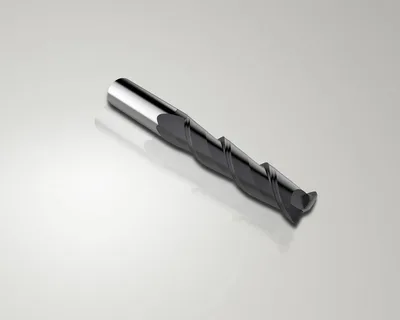
In CNC machining, selecting the right cutting tool is critical for achieving better surface finish, machining speed, and tool life. One of the most common questions machinists face is whether to use 2 flute or 4-flute cutting tools for a specific application. The answer depends on factors such as material type, cutting conditions, chip evacuation, and machining goals.
Understanding the differences between these two tool designs helps CNC operators improve machining efficiency and avoid common production problems. This guide explains the advantages, disadvantages, and applications of 2 flute and 4 flute endmills in modern CNC machining.
Flutes in CNC Cutting Tools
Flutes are the grooves or cutting edges on a milling tool that remove material and evacuate chips during machining.
The number of flutes directly affects:
- Chip evacuation
- Surface finish
- Feed rate
- Tool strength
- Heat generation
Both 2 flute and 4 flute tools are widely used in CNC machining, but each serves different machining purposes.
What Are 2 Flute Tools?
2 flute tools have two cutting edges and larger flute spaces. These larger spaces allow chips to evacuate more efficiently during machining.
Main Characteristics:
- Better chip evacuation
- Higher material removal capability
- Lower heat buildup
- Suitable for softer materials
These tools are commonly used for:
- Aluminum machining
- Plastics
- Slotting operations
- High chip-load applications
Because of their efficient chip clearance, 2 flute tools are ideal for operations where chip buildup is a concern.
Advantages of 2 Flute Tools
1. Excellent Chip Evacuation
Larger flute valleys help remove chips quickly, reducing heat generation and tool clogging.
2. Better for Soft Materials
Soft materials such as aluminum produce larger chips, which require more space for evacuation.
3. Reduced Heat Generation
Improved chip removal reduces friction and heat buildup during machining.
4. Ideal for Deep Slotting
These tools perform well in slotting operations where efficient chip clearance is necessary.
Limitations of 2 Flute Tools
Despite their advantages, 2 flute tools also have some limitations.
Common Drawbacks:
- Lower rigidity compared to multi-flute tools
- Less suitable for hard materials
- Surface finish may not be as smooth in finishing operations
For heavy-duty or precision finishing work, machinists often prefer tools with more cutting edges.
What Are 4 Flute Tools?
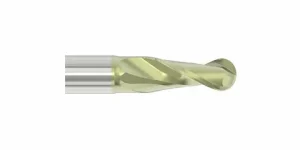
4 flute cutting tools contain four cutting edges with smaller flute valleys. These tools are designed for greater rigidity and smoother finishing performance.
Main Characteristics:
- Higher strength
- Better surface finish
- Increased feed rates
- More contact points during cutting
These tools are widely used in:
- Steel machining
- Hardened materials
- Finishing operations
- High-speed CNC applications
Because of their rigidity, they are suitable for demanding machining environments.
Advantages of 4 Flute Tools
1. Improved Surface Finish
More cutting edges create smoother surfaces during machining.
2. Greater Tool Strength
Additional flutes increase rigidity and reduce vibration.
3. Higher Feed Rates
More cutting edges allow higher feed rates in certain applications.
4. Better for Hard Materials
4 flute tools perform effectively in steel and other difficult-to-machine materials.
Limitations of 4 Flute Tools
Although strong and efficient, 4 flute tools can create chip evacuation issues in some operations.
Common Challenges:
- Reduced chip clearance
- Higher heat generation in soft materials
- Increased clogging risk during slotting
Improper chip evacuation may cause overheating and premature tool wear.
Right Tool for the Application
Selecting between 2 flute and 4 flute tools depends on the machining application.
Choose 2 Flute Tools When:
- Machining aluminum or plastics
- Performing deep slotting operations
- High chip removal is required
Choose 4 Flute Tools When:
- Machining steel or hard alloys
- Finishing operations require smoother surfaces
- Greater rigidity is needed
The correct choice improves productivity and machining quality.
Importance of Tool Material
The performance of cutting tools also depends on the tool material itself.
High-performance carbide endmills are preferred in CNC machining because they provide:
- Better heat resistance
- Longer tool life
- Improved cutting efficiency
- Higher machining speeds
Carbide tools maintain sharp edges even under demanding conditions.
Solid Carbide Tools Are Popular
Many machinists prefer solid carbide end mills because of their strength and precision.
Benefits Include:
- Excellent rigidity
- Better vibration resistance
- Improved dimensional accuracy
- Long-lasting performance
These tools are especially effective in high-speed machining and hard materials.
Understanding Different Tool Designs
There are many types of endmills available for specific CNC operations.
Common Tool Types:
- Flat end mills
- Ball nose tools
- Corner radius tools
- Roughing cutters
Each design serves different machining requirements and influences cutting performance.
Choosing the right geometry improves efficiency and reduces machining problems.
Precision Machining with Micro Tools
For intricate and miniature machining applications, micro endmills are widely used.
These tiny tools are common in:
- Electronics manufacturing
- Medical industries
- Mold making
- Jewelry machining
Because of their small diameter, they require highly stable machining conditions and precise cutting parameters.
Factors to Consider
Before selecting a cutting tool, machinists should evaluate:
- Workpiece material
- Surface finish requirements
- Machine capability
- Cutting speed
- Chip evacuation needs
- Tool rigidity
Proper planning improves machining performance and reduces tool wear.
Common Mistakes Operators Should Avoid
Many machining problems occur because of poor tool selection or incorrect cutting parameters.
Common Errors:
- Using 4 flute tools for deep aluminum slotting
- Running excessive spindle speeds
- Ignoring chip evacuation problems
- Using worn-out cutting tools
Avoiding these mistakes helps improve machining efficiency and tool life.
Future Trends in CNC Tooling
Modern CNC tooling technology is evolving with:
- Advanced tool coatings
- Smart machining systems
- AI-based parameter optimization
- High-speed machining strategies
These innovations improve cutting efficiency and machining precision.
Conclusion
Choosing between 2 flute and 4-flute cutting tools depends on machining material, cutting conditions, and production goals. While 2 flute tools provide better chip evacuation for softer materials, 4 flute designs offer greater rigidity and improved finishing performance in harder materials. Selecting the correct endmills for the application helps improve productivity, reduce tool wear, and achieve better machining accuracy.
Understanding flute design and machining requirements allows CNC operators to optimize cutting performance and avoid common production issues.
Author



Custom Clothing Tags: Brand Identity and Customer Experience

Custom Swing Tags: Brand Identity and Product Presentation

Custom Luggage Tags: Brand Identity and Travel Experience

Tax Planning Strategies: Business Growth and Financial Efficiency

Domestic Storage: Solution for Modern Home Space Management

Pilonidal Sinus Treatment: Causes, Symptoms, and Laser Care

Perfect Endmills for Complex CNC Machining Jobs

Dubai Road and Driving: Cinematic Paradise for Car Content

Thumb Tissue Forceps: Engineering for Surgical Excellence

Trapstar Clothing: The Rise of a Global Streetwear Icon

Cybersecurity Consulting Company SequelNet Provides Critical IT Support Services to Medical Billing Firm, Medical Optimum

Team Communication Software Transforms Operations at Finance Innovate

Project Management Tool Transforms Long Island Business

How Alleviate Poverty Utilized IPPBX’s All-in-One Solution to Transform Lives in New York City

Breast Cancer: The Imperative Role of Mammograms in Screening and Early Detection

Unstoppable Collaboration: D.C.’s Citi Open and Silicon Valley Classic Unite to Propel Women’s Tennis to New Heights

Embracing Renewal: Sizdabedar Celebrations Unite Iranians in New York’s Eisenhower Park

The Benefits of Starting a Side Hustle for Financial Freedom

New Blood Donation Screening Questions What You Need to Know

Stylishly Timeless: The 5 Types of Sandals You Need in Your Closet
-

 Business3 years ago
Cybersecurity Consulting Company SequelNet Provides Critical IT Support Services to Medical Billing Firm, Medical Optimum
-
Business3 years ago
Team Communication Software Transforms Operations at Finance Innovate
-
Business3 years ago
Project Management Tool Transforms Long Island Business
-
Business3 years ago
How Alleviate Poverty Utilized IPPBX’s All-in-One Solution to Transform Lives in New York City
-
health3 years ago
Breast Cancer: The Imperative Role of Mammograms in Screening and Early Detection
-
Sports3 years ago
Unstoppable Collaboration: D.C.’s Citi Open and Silicon Valley Classic Unite to Propel Women’s Tennis to New Heights
-
Art /Entertainment3 years ago
Embracing Renewal: Sizdabedar Celebrations Unite Iranians in New York’s Eisenhower Park
-
Finance3 years ago
The Benefits of Starting a Side Hustle for Financial Freedom







