
Lifestyle
Essential Conversations to Have Before Marriage

By

Reviewed
By Greg Ellis

Marriage is a lifelong commitment that requires open communication, understanding, and shared values. Before tying the knot, it is essential couples to have honest and meaningful conversations about important topics that can impact their relationship. These conversations can help build a strong foundation for a successful marriage, foster mutual respect, and enhance emotional intimacy. Let’s delve into the essential conversations every couple should have before saying “I do.”
1. Financial Compatibility:
Discussing finances is crucial before marriage to ensure both partners are on the same regarding budgeting, saving, spending habits, and long-term financial goals. Addressing topics such as debt, savings accounts, investments, and financial responsibilities can help prevent misunderstandings and conflicts related to money management.
2. Family Planning and Children:
Talking about family planning, parenting styles, and the desire to have children is essential for couples considering marriage. Understanding each other’s visions for starting a family, raising children, and managing responsibilities can lay the groundwork for a shared approach to building a family unit and nurturing children.
3. Career Goals and Aspirations:

Image by: Bing.com
Openly discussing career goals, ambitions, and work-life balance is important to support each other’s professional growth and personal development. Understanding each other’s career aspirations, job expectations, and future plans can help couples navigate challenges, make informed decisions, and provide mutual encouragement and support in pursuing their individual goals.
4. Communication Styles and Conflict Resolution:
Exploring how you communicate, address conflicts, and express emotions can help improve the overall quality of your relationship. Understanding each other’s communication styles, conflict resolution strategies, and emotional needs can foster empathy, strengthen emotional bonds, and enhance your ability to navigate disagreements and challenges together.
5. Religious and Spiritual Beliefs:
Discussing religious beliefs, spiritual practices, and values is essential to ensure compatibility in beliefs, rituals, and traditions. Understanding each other’s perspectives on faith, spirituality, and religion can help couples respect and support each other’s beliefs, navigate interfaith dynamics, and create a harmonious spiritual foundation in their marriage.

6. Household Responsibilities and Expectations:
Clarifying expectations regarding household chores, domestic responsibilities, and shared tasks is essential for creating a balanced and harmonious living environment. Discussing division of labor, household roles, and expectations for managing household responsibilities can promote cooperation, teamwork, and a shared commitment to maintaining a comfortable home environment.
7. Health and Wellness Priorities:
Talking about health, wellness practices, and priorities is important for supporting each other’s physical, emotional, and mental well-being. Sharing information about health history, lifestyle preferences, and wellness goals can help couples provide mutual encouragement, establish healthy habits, and prioritize each other’s overall health and happiness.
8. Relationship Expectations and Boundaries:
Setting clear expectations, defining boundaries, and discussing relationship dynamics is essential for establishing a strong and healthy partnership. Identifying each other’s needs, desires, and boundaries can help couples build trust, respect individual autonomy, and create a safe and supportive environment for open communication and emotional connection.
9. Life Goals and Long-Term Plans:

Image by: Bing.com
Talking about life goals, dreams, and long-term plans can help couples align their aspirations, visions, and priorities for the future. Sharing ambitions, travel goals, career milestones, and personal aspirations can foster mutual support, alignment of values, and a shared vision for building a fulfilling and purposeful life together.
10. Commitment to Growth and Adaptation:
Expressing a willingness to grow together, adapt to changes, and navigate life’s challenges as a team is essential for a successful and enduring marriage. Embracing a mindset of continuous learning, personal development, and mutual growth can strengthen the partnership, deepen emotional connection, and foster resilience in the face of life’s ups and downs.
Conclusion:
Having essential conversations before marriage is a cornerstone of building a strong, resilient, and fulfilling partnership. By engaging in open, honest, and meaningful dialogue on key topics such as finances, family planning, communication styles, and life goals, couples can lay a solid foundation for a harmonious, supportive, and lasting union. Prioritizing these conversations can enhance mutual understanding, strengthen emotional bonds, and set the stage for a successful marriage based on shared values, respect, and commitment to each other’s happiness and well-being.
Author


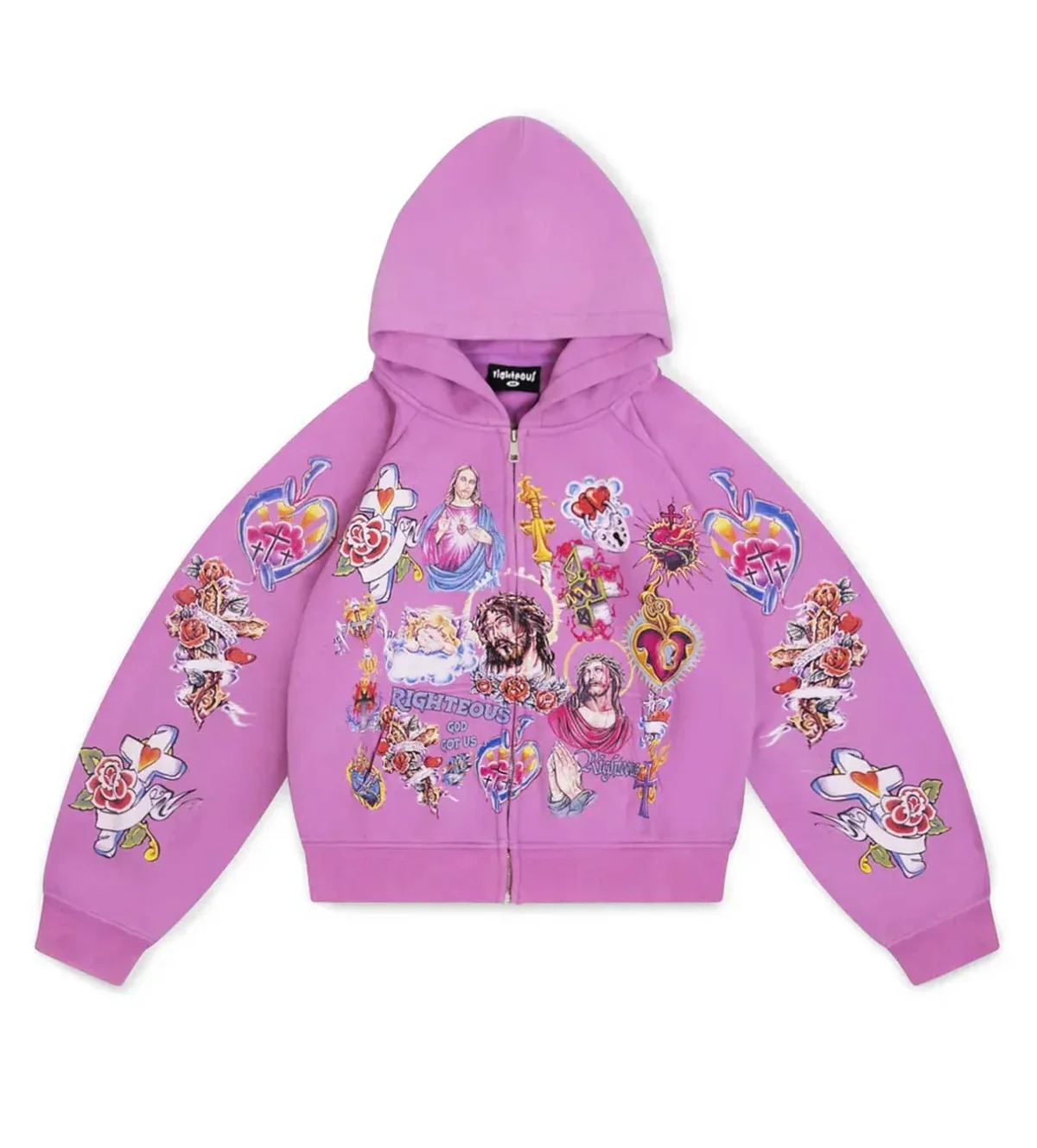
Righteous Hoodie – The Ultimate Blend of Comfort, Style & Streetwear
When comfort and fashion come together, the result is an everyday essential that never goes out of style. The Righteous Hoodie is designed for those who want a casual wardrobe piece that delivers both effortless style and everyday comfort. Whether you are heading out with friends, relaxing at home, traveling, or building a modern streetwear outfit, a versatile hoodie can quickly become one of the most useful pieces in your closet.
The Righteous Hoodie brings a contemporary feel to classic hoodie fashion. With its relaxed silhouette and easy-to-style design, it can be worn in countless ways while maintaining a confident and casual appearance.
What Makes the Righteous Hoodie Special?
Hoodies have become much more than simple cold-weather clothing. Today, they are an important part of casual fashion and modern streetwear. The Righteous Hoodie reflects this evolution by combining a relaxed everyday look with a distinctive sense of style.
A good hoodie should be easy to wear, easy to match, and comfortable enough for long periods. The Righteous Hoodie offers the kind of versatility that makes it suitable for a variety of outfits. Instead of being restricted to one particular occasion, it can be incorporated into your daily wardrobe throughout the year.
Its casual appearance makes it a natural choice for people who prefer clothing that looks fashionable without feeling overly complicated.
Comfortable Style for Everyday Life
Comfort is one of the biggest reasons hoodies remain popular. From busy mornings to relaxed evenings, a comfortable hoodie can provide an effortless option when you want to look good without spending too much time choosing an outfit.
The Righteous Hoodie is ideal for everyday activities such as running errands, meeting friends, traveling, attending casual gatherings, or simply relaxing. Its familiar hoodie design creates a laid-back appearance while allowing you to express your personal style.
For people who appreciate practical fashion, having a dependable hoodie in their wardrobe can make getting dressed much easier.
How to Style a Righteous Hoodie
One of the best things about the Righteous Hoodie is its styling flexibility. You can create several different outfits using basic pieces that are already in your wardrobe.
For a classic casual look, pair the Righteous Hoodie with your favorite jeans and sneakers. This combination is simple, comfortable, and suitable for everyday activities.
For a relaxed streetwear-inspired outfit, try wearing the hoodie with joggers and casual sneakers. Add a cap or another simple accessory to complete the look.
During cooler weather, the Righteous Hoodie can also work as a layering piece. Wear it underneath a denim jacket, bomber jacket, or casual coat. Layering adds visual interest while providing additional warmth.
A Modern Streetwear Essential
Streetwear has become one of the most influential styles in modern fashion. Comfortable silhouettes, casual layers, sneakers, and statement pieces are all commonly associated with the streetwear aesthetic.
The Righteous Hoodie fits naturally into this style. Its relaxed design can serve as the foundation for an outfit while allowing other pieces to stand out. Whether you prefer minimalist streetwear or a more expressive look, a versatile hoodie gives you plenty of options.
The key to streetwear is often confidence and individuality. Instead of following complicated fashion rules, you can experiment with different combinations and find a style that feels authentic to you.
Why Hoodies Remain Popular
The popularity of hoodies has continued to grow because they combine several qualities people look for in modern clothing. They are casual, versatile, comfortable, and easy to style.
A hoodie can transition between different parts of the day. You might wear one while traveling in the morning, continue wearing it while meeting friends in the afternoon, and use it as a comfortable layer during the evening.
This versatility makes hoodies especially valuable for modern wardrobes. Rather than buying clothing that works for only one occasion, many people prefer pieces that can be styled in multiple ways.
The Righteous Hoodie follows this practical approach while adding a distinctive fashion-focused identity.
Perfect for Different Occasions
The Righteous Hoodie can be suitable for many casual situations. Wear it on a relaxed weekend, during a casual trip, while spending time outdoors, or when meeting friends.
It can also be a great choice for travel. Hoodies are easy to combine with other clothing, and their casual appearance works well with comfortable travel outfits.
While the Righteous Hoodie is primarily designed for casual styling, its versatility means you can adapt it to your own personal wardrobe. Your choice of pants, shoes, and accessories can completely change the overall appearance.
Build Your Own Look
Fashion is ultimately about personal expression. The Righteous Hoodie provides a simple foundation that allows you to create a look that reflects your personality.
Choose denim and sneakers for a timeless appearance. Select joggers and athletic-inspired footwear for a relaxed look. Add layers and accessories when you want a more detailed streetwear outfit.
The possibilities are flexible because the hoodie does not demand one specific styling approach. You can keep your outfit minimal or make the hoodie part of a more expressive combination.
Final Thoughts
The Righteous Hoodie is a versatile addition to any casual wardrobe. Combining the familiar comfort of a hoodie with a modern streetwear-inspired aesthetic, it offers an easy way to create stylish everyday outfits.
Whether you are looking for comfortable clothing for daily activities or a versatile piece for your streetwear collection, the Righteous Hoodie can be styled in numerous ways. Pair it with jeans, joggers, sneakers, or your favorite layers to create an outfit that matches your personal style.
As fashion continues to move toward comfortable and versatile clothing, the hoodie remains a timeless choice. The Righteous Hoodie brings that timeless appeal together with a distinctive modern identity, making it a practical and stylish option for everyday wear.
Author

American Made Hoodies for Modern Everyday Style
Hoodies have become one of the most popular pieces of casual clothing. They are comfortable, versatile, easy to style, and suitable for almost every season. Among the many options available today, American made hoodies stand out for shoppers who value quality, practical design, and a strong connection to American-made apparel.
Whether you are looking for a comfortable hoodie for everyday activities, a stylish graphic design, or a dependable layer for cooler weather, the right hoodie can quickly become a favorite part of your wardrobe.
Why Choose American Made Hoodies?
Choosing an American made hoodie can be an appealing option for customers who care about where their clothing is produced. Many shoppers want apparel that reflects quality craftsmanship and attention to detail while also supporting domestic manufacturing.
A well-designed hoodie should provide more than an attractive appearance. It should feel comfortable, fit naturally, and be practical enough for regular use. From the fabric to the stitching and finishing details, quality construction can make a noticeable difference in how a hoodie performs over time.
American made hoodies are available in many different styles, allowing customers to find options that suit their individual preferences.
Comfort for Everyday Wear
Comfort is one of the main reasons hoodies remain popular. A soft and comfortable material can make a hoodie ideal for long days, relaxing at home, traveling, or spending time outdoors.
A traditional pullover hoodie usually includes a spacious front pocket, adjustable hood, and comfortable cuffs. These features provide both practicality and a relaxed appearance. Zip-up hoodies offer another convenient option because they can be easily opened or closed as temperatures change.
For everyday wear, comfort and flexibility are essential. A good hoodie should allow you to move freely while providing the cozy feeling that people expect from casual clothing.
Versatile Hoodie Designs
One of the best things about American made hoodies is the variety of available designs. Some people prefer classic, minimal styles with small logos or simple graphics. Others enjoy bold artwork, creative prints, and eye-catching designs.
Graphic hoodies can be an excellent way to express your personality. A unique design can turn a basic outfit into something more memorable without requiring complicated styling.
For a more traditional appearance, neutral colors such as black, gray, navy, white, and brown can easily be paired with other clothing. If you prefer a more noticeable look, colorful hoodies and distinctive graphics can help create a stronger fashion statement.
Easy to Style
Hoodies are incredibly easy to incorporate into an everyday wardrobe. For a classic casual outfit, pair an American made hoodie with jeans and sneakers. This simple combination works well for shopping trips, casual meetups, travel, or weekend activities.
For a more relaxed outfit, wear your hoodie with joggers or sweatpants. This combination is particularly useful for lounging, exercising, or running everyday errands.
During colder months, a hoodie can also be worn underneath a jacket or coat. Layering provides additional warmth while giving your outfit more visual depth.
Because hoodies work with so many different clothing items, they are a practical investment for anyone who wants versatile casual apparel.
Hoodies for Different Seasons
Although many people associate hoodies with fall and winter, they can actually be worn throughout the year. Lightweight hoodies are useful during cool spring mornings and summer evenings, while heavier designs are better suited to colder temperatures.
A hoodie can also be useful when traveling because temperatures can change throughout the day. Wearing a comfortable hoodie gives you an easy layer that can be removed or added whenever necessary.
This versatility makes hoodies a useful choice for people who want clothing that can adapt to different environments.
Quality and Long-Term Value
When purchasing clothing, quality is an important consideration. A hoodie that looks good but does not hold up to regular use may not provide the value customers expect.
A quality hoodie should have comfortable fabric, reliable stitching, and a construction designed for everyday use. Proper care can also help maintain its appearance and comfort.
Following the manufacturer’s washing and drying instructions is one of the simplest ways to help your favorite hoodie stay in good condition. Avoiding unnecessary high heat and following recommended care instructions can help protect the fabric and printed designs.
American Made Hoodies as Gifts
A comfortable hoodie can also make a practical gift. Because hoodies are available in so many styles, colors, and designs, it is easy to find an option that matches someone’s personality.
Graphic hoodies can be especially appealing for friends and family members who enjoy expressive fashion. Classic designs are a safer choice when you are looking for something simple and versatile.
Whether it is for a birthday, holiday, special occasion, or just a thoughtful surprise, a quality hoodie is a useful gift that can be worn regularly.
Finding the Right Hoodie
With so many hoodie options available, choosing the right one depends on your personal preferences. Consider the fit, material, design, color, and intended use before making a purchase.
If you want something for everyday wear, choose a comfortable design that works with different outfits. If you want a statement piece, look for bold graphics or distinctive artwork. For outdoor activities, consider a hoodie that provides the appropriate level of warmth and comfort.
The goal is to find a hoodie that looks good while fitting naturally into your lifestyle.
The Timeless Appeal of American Made Hoodies
Fashion trends come and go, but the hoodie remains a reliable part of casual fashion. Its combination of comfort, functionality, and style makes it suitable for people of different ages and lifestyles.
American made hoodies offer an appealing choice for shoppers looking for versatile casual apparel with a focus on American production. From simple everyday designs to creative graphic styles, there is a hoodie for almost every preference.
Whether you are relaxing at home, heading out for the weekend, traveling, or enjoying a cool evening outdoors, a comfortable hoodie can help complete your outfit.
Conclusion
American made hoodies combine the qualities that make hoodies so popular: comfort, versatility, practicality, and personal style. With different fits, colors, materials, and designs available, shoppers can find options that match their everyday needs and fashion preferences.
If you are looking for a reliable addition to your casual wardrobe, an American made hoodie can be a great choice. Select a design that reflects your personality, choose a comfortable fit, and enjoy a timeless piece of clothing that can be worn in countless ways.
Author

Streetwear is all about wearing clothes that feel good and show your personal style. From relaxed hoodies to graphic shirts and casual jeans, the right outfit can make everyday dressing simple.
kapital brings together casual fashion, creative designs, and a relaxed look. Whether you want a comfortable hoodie, a new shirt, or shorts for warm days, there are plenty of ways to build an outfit that fits your daily life.
In this guide, we will look at different streetwear styles, how to wear them, and what to consider when choosing pieces for your wardrobe.
What Is Kapital Clothing?
Kapital clothing is known among fashion fans for its connection to Japanese casual fashion and creative streetwear. The name Kapital is associated with denim, workwear-inspired pieces, and designs that stand out from basic everyday clothes.
For shoppers, the appeal is simple: clothes that can be worn in different ways without making an outfit feel too complicated.
A good streetwear wardrobe does not need to be full of expensive or hard-to-match pieces. A few useful items can help you create many different looks.
What Makes Streetwear Different?
Streetwear focuses on comfort, personal style, and everyday use. It often includes:
-
Relaxed hoodies and sweatshirts.
-
Graphic T-shirts and casual shirts.
-
Denim jeans and easy-fit trousers.
-
Shorts for warmer weather.
-
Hats and other simple accessories.
These pieces are easy to mix and match. You can wear a graphic shirt with jeans or add a hoodie when the weather gets cooler.
Kapital Hoodie: A Comfortable Everyday Choice

A hoodie is one of the easiest pieces to wear throughout the year. It works for casual outings, travel, weekends, and relaxed days at home.
A kapital hoodie can be styled in several ways, depending on the fit, color, and design you choose.
How to Style a Hoodie
Here are a few simple outfit ideas:
-
With jeans: Pair a hoodie with straight-leg or relaxed jeans for a classic streetwear look.
-
With shorts: Wear a hoodie with casual shorts when you want a relaxed outfit for mild weather.
-
With joggers: Combine a hoodie and joggers for an easy outfit on travel days or weekends.
-
With a jacket: Add a jacket over your hoodie when you need another layer.
For a simple look, choose colors that work well together, such as black, gray, white, navy, or brown.
What to Check Before Buying
When shopping for hoodies, consider these details:
-
Fit: Choose a regular or relaxed fit based on how you like your clothes to sit.
-
Material: Check the product details for fabric information and care instructions.
-
Design: Pick a plain style for easy matching or a graphic design for a more noticeable look.
-
Size: Review the available size chart before placing your order.
A comfortable hoodie should work with clothes you already own, making it easier to wear more often.
Kapital Shirts and T-Shirts for Daily Wear

A good T-shirt is useful in almost every wardrobe. It can be worn alone during warm weather or under a hoodie, jacket, or overshirt when temperatures drop.
Kapital shirts and graphic tees offer inspiration for casual outfits that feel personal without being difficult to style.
Kapital T-Shirt Outfit Ideas
A graphic T-shirt can be the main piece of an outfit. Keep the rest simple so the design gets attention.
Try these combinations:
-
A graphic T-shirt with blue denim jeans and sneakers.
-
A plain shirt with black jeans and a casual jacket.
-
A relaxed T-shirt with shorts and everyday shoes.
-
A T-shirt under an open button-up shirt for an easy layered look.
When choosing a shirt, check the product description for its fit, fabric, available colors, and washing instructions.
If you prefer a simple wardrobe, start with a few basic colors. Black, white, and gray shirts are easy to wear with different bottoms.
Choosing Between Shirts and Hoodies
A shirt is useful when you want a light outfit, while a hoodie adds warmth and another layer.
You do not need to choose one over the other. Keeping both in your wardrobe gives you more options for changing weather and different occasions.
Kapital Jeans: Easy Denim Styling

Jeans are a regular part of casual fashion because they work with so many different tops. You can wear them with a T-shirt, hoodie, sweatshirt, or casual jacket.
When shopping for kapital jeans, think about the shape and fit you prefer rather than choosing a style only because it is popular.
Popular Jeans Fits to Consider
Here are a few common denim fits:
-
Straight-leg jeans: A simple option that works with many types of shirts and shoes.
-
Relaxed-fit jeans: Give you more room through the legs and suit casual outfits.
-
Wide-leg jeans: Create a loose silhouette and pair well with relaxed tops.
-
Tapered jeans: Offer more room around the upper leg with a narrower shape near the ankle.
The right fit depends on your comfort and the overall look you want.
For a balanced outfit, try relaxed jeans with a regular-fit T-shirt or wide-leg jeans with a hoodie that is not too long.
How to Wear Denim Throughout the Year
In warmer months, pair jeans with a lightweight T-shirt and sneakers. When the weather gets colder, add a sweatshirt or jacket.
Dark denim works well with neutral tops, while lighter denim can create a more casual daytime look.
Before buying, check the garment measurements and size information. Different cuts can fit differently, even when the label shows the same size.
Kapital Shorts for Warm Weather

Shorts are a useful choice for summer, holidays, and casual weekends. They offer a relaxed feel and can be styled with simple tops and everyday shoes.
Kapital shorts can be part of a casual streetwear wardrobe when you choose a fit and color that work with your other clothes.
Easy Ways to Wear Shorts
Try these outfit combinations:
-
Graphic T-shirt and shorts: A simple choice for warm days and casual outings.
-
Hoodie and shorts: Works for cooler summer evenings or relaxed weekends.
-
Button-up shirt and shorts: Creates a neat but casual outfit.
-
Plain T-shirt and denim shorts: A classic combination for everyday wear.
When choosing shorts, look at the length, waist fit, and material listed on the product page.
Neutral colors such as black, beige, navy, and olive are easy to match with different shirts.
Kapital Hats and Accessories
Accessories can change the look of a simple outfit without adding too many extra pieces.
A hat, beanie, or simple bag can work with jeans, shorts, hoodies, and T-shirts.
How to Choose Everyday Accessories
Consider these options when putting together your outfit:
-
Hats: A cap can add a casual touch to a T-shirt and jeans.
-
Beanies: A useful option for cooler weather and layered outfits.
-
Bags: Choose a practical style that fits your daily needs.
-
Sneakers: Simple sneakers work with most casual streetwear combinations.
The main idea is to keep your outfit comfortable and easy to wear. You do not need to add several accessories at once.
Choose one or two items that match the colors and overall style of your clothes.
How to Build a Streetwear Wardrobe
Building a wardrobe is easier when you start with pieces that work together. Instead of buying many items at once, think about what you wear most often.
For shoppers exploring kapital clothing, a useful starting point is a mix of casual tops, denim, and a few accessories.
Start With Everyday Basics
These are some practical pieces to consider:
|
Clothing item |
How to wear it |
|---|---|
|
Hoodie |
With jeans, joggers, or shorts |
|
Graphic T-shirt |
With denim or casual trousers |
|
Plain T-shirt |
Under jackets or worn alone |
|
Jeans |
With hoodies, shirts, and sweatshirts |
|
Shorts |
With tees and lightweight tops |
|
Hat or beanie |
With casual outfits for an extra detail |
You can build several outfits from just a few items.
For example, one black hoodie can work with blue jeans, black jeans, or casual shorts. A white T-shirt can be worn alone or layered under a jacket.
Choose Clothes That Fit Your Lifestyle
Think about where you plan to wear your clothes.
If you spend most of your time in casual settings, comfortable shirts, hoodies, and jeans may be useful choices.
If you travel often, look for pieces that are easy to combine and comfortable to wear for longer periods.
For warmer weather, focus on T-shirts and shorts. For cooler days, consider sweatshirts, hoodies, and jackets.
The goal is to find clothes that suit your daily routine rather than buying items that only work for one outfit.
Shopping for Kapital Clothing in the USA
When shopping online in the United States, take a little time to review the product information before placing an order.
A clear product page should help you understand what you are buying.
Check These Details Before Ordering
-
Size chart: Compare the measurements with clothes you already own.
-
Product photos: Look at the design, color, and fit shown in the images.
-
Material details: Read the listed fabric composition and care instructions.
-
Shipping information: Check the estimated delivery time and shipping costs.
-
Return policy: Review the return period and conditions before buying.
These steps can help you make a more informed purchase and avoid surprises after your order arrives.
If you are buying from an online store, check its contact information and business policies. Make sure the product description matches the item you intend to purchase.
A Note About Brand Names and Product Details
Kapital is a brand name associated with Japanese fashion. If you are shopping through a third-party store, check whether the products are officially branded items, inspired designs, or another type of product.
Product names, materials, and brand relationships should be described accurately. Always use the details provided by the seller and verify them when necessary.
This is especially useful when shopping for graphic shirts, denim, hoodies, or accessories online.
Frequently Asked Questions
1. What is Kapital clothing known for?
Kapital is associated with Japanese fashion, denim, workwear-inspired clothing, and creative designs. Its name is often linked to casual styles with a distinctive look.
2. How do you style a Kapital hoodie?
Pair a hoodie with straight-leg jeans, relaxed trousers, or casual shorts. Add sneakers for an easy everyday outfit. Choose colors that match your other clothes.
3. What should I wear with Kapital jeans?
T-shirts, hoodies, sweatshirts, and casual jackets all work well with jeans. Choose straight, relaxed, or wide-leg fits based on your personal style and comfort.
4. Are Kapital shirts suitable for everyday wear?
T-shirts and casual shirts can be worn for everyday activities, weekends, and casual outings. Check the product’s fabric, fit, and care details before buying.
5. How do I choose the right size when shopping online?
Check the seller’s size chart and compare the measurements with a similar item you already own. Review the return policy in case the fit is not what you expected.
Author



Traditional Ayurvedic Herbs and Their Place in Modern Wellness

Why a Good Bassinet Makes Life Easier for NZ Parents

Work Visas, Job Changes, and the Details That Decide NZ Visa

Why take Private tour of Gibbston Valley

Haffele Kitchen Dealer in Thrissur: Upgrade Your Home in Style

Project Capri Clothing: Hoodies, Jorts & Modern Streetwear 2026

Why Continuous Learning Matters for Business Leaders

Accurate As-Built Drawings Are the Foundation of Successful Commercial

The Best Asset Management System in UAE

Kentucky Bourbon Trail Tours What Is Included and How to Plan a Trip

Cybersecurity Consulting Company SequelNet Provides Critical IT Support Services to Medical Billing Firm, Medical Optimum

Meet the Megalodon: The Shark Star of ‘Meg 2’

Reduce Video Game Lag: Level Up Your Gaming Performance

Balancing India’s Entertainment: Cricket vs. Bollywood

Jetsetter’s Secrets: Unveiling Our Favorite Travel Hacks for a Seamless Adventure

The 5 Best Live Sports Streaming Sites: Legal and Exciting!

Hollywood Labor Unrest: The Impact of ‘What About Us?’ Strikes

Unveiling the Magic of Dream Fulfillment at the Late NBA Draft

Illuminate Your Skin: Dr. Axe Unveils Natural Remedies for Lightening Knees and Elbows

Bright Choices: Navigating the Pros and Cons of Skin Whitening Creams with Dr. Axe
-

 Business3 years ago
Cybersecurity Consulting Company SequelNet Provides Critical IT Support Services to Medical Billing Firm, Medical Optimum
-
Entertainment3 years ago
Meet the Megalodon: The Shark Star of ‘Meg 2’
-
Entertainment3 years ago
Reduce Video Game Lag: Level Up Your Gaming Performance
-
 Sports3 years ago
Balancing India’s Entertainment: Cricket vs. Bollywood
-
Entertainment3 years ago
Jetsetter’s Secrets: Unveiling Our Favorite Travel Hacks for a Seamless Adventure
-
Productivity3 years ago
The 5 Best Live Sports Streaming Sites: Legal and Exciting!
-
Art /Entertainment3 years ago
Hollywood Labor Unrest: The Impact of ‘What About Us?’ Strikes
-
Sports3 years ago
Unveiling the Magic of Dream Fulfillment at the Late NBA Draft






