
Technology
Ericsson Braces for Tough 2023 Despite Better-Than-Expected Earnings


Ericsson, the Swedish multinational networking and telecommunications company, recently reported better-than-expected earnings for the first quarter of 2023. However, the company’s future prospects appear to be less optimistic, as Ericsson faces numerous challenges that could impact its growth and profitability in the coming year.
According to the company’s Q1 2023 report, Ericsson’s net sales increased by 12% year-on-year to SEK 56.6 billion (approximately $6.6 billion). The company’s gross margin also improved, reaching 43.7%, up from 39.9% in the same period last year. Additionally, Ericsson’s operating income rose by 58% year-on-year to SEK 7.3 billion (approximately $854 million).
Despite these positive results, Ericsson’s leadership remains cautious about the future. Ericsson CEO Börje Ekholm acknowledged that the company’s Q1 results were “strong,” but he also warned that Ericsson expects a “challenging” year ahead due to factors such as the ongoing global semiconductor shortage, supply chain disruptions, and geopolitical risks.
The semiconductor shortage has been affecting multiple industries worldwide, including telecommunications. Ericsson has warned that the shortage could impact the company’s ability to meet demand for its products and services in the coming months, which could affect its financial performance.
Additionally, Ericsson’s business in China has been declining, with the company losing out on several major contracts to its Chinese competitors in recent years. The company has also faced pressure from the Swedish government to reduce its reliance on Chinese components and technology in its networks, which could add to Ericsson’s costs and limit its growth potential.

Furthermore, the ongoing COVID-19 pandemic has also had a significant impact on Ericsson’s business. The pandemic has disrupted supply chains, delayed network deployment projects, and affected demand for the company’s products and services in some regions.
In response to these challenges, Ericsson has been pursuing cost-cutting measures to improve its profitability. The company announced in March 2023 that it would be cutting approximately 3,000 jobs in Sweden, where the majority of its workforce is located, as part of its ongoing efficiency program. Ericsson has also been investing in research and development, including 5G technology, to remain competitive in the telecommunications industry.
Ericsson’s future prospects will depend on its ability to navigate these challenges and continue to innovate in the fast-paced telecommunications industry. The company will need to manage the impact of the semiconductor shortage, reduce its reliance on Chinese technology, and address the ongoing effects of the COVID-19 pandemic on its business.
In conclusion, while Ericsson’s Q1 2023 earnings report was better than expected, the company’s future prospects appear to be challenging as it faces numerous obstacles that could impact its growth and profitability in the coming year. Ericsson’s leadership will need to remain vigilant and adaptable to succeed in an increasingly competitive and uncertain industry.
Author


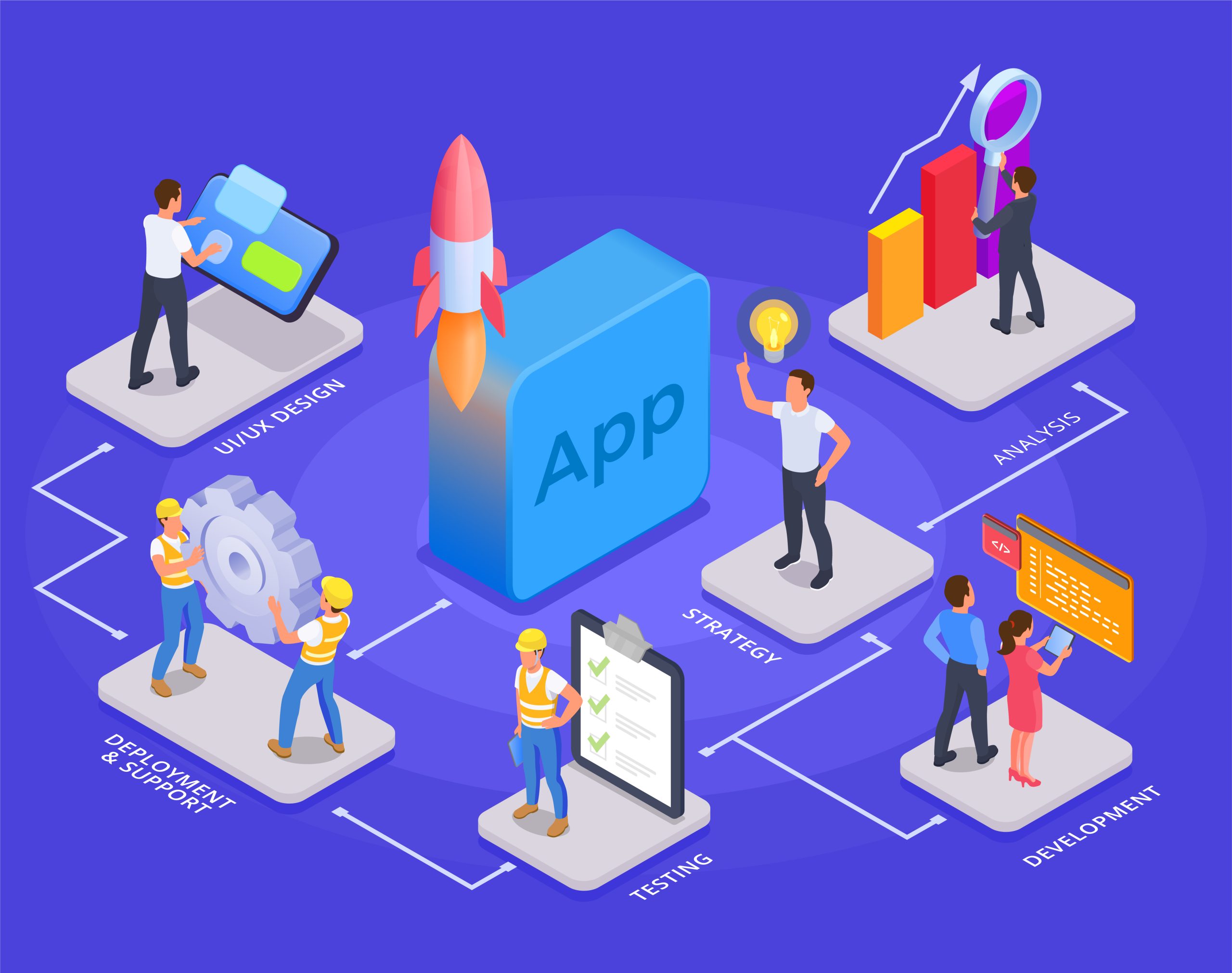
In 2026, the global business landscape is moving faster than ever. To remain competitive, organizations must innovate at the speed of thought. However, many companies find themselves held back by a silent enemy: legacy systems. These aging applications are often the backbone of an enterprise, yet they act as anchors. They limit scalability, drain budgets, and create massive security risks. This is why application modernization services have become a strategic necessity for survival.
Modernization is not just a simple software update. It is a comprehensive reimagining of how your business software functions, integrates, and delivers value. By transforming outdated code into agile, cloud-ready solutions, you can finally unlock the true power of your digital assets.
Understanding Application Modernization Services
At its core, application modernization involves updating legacy software to align with contemporary infrastructure and business needs. This process often focuses on moving monolithic applications toward microservices and cloud environments like Microsoft Azure.
In the past, companies viewed modernization as a “technical chore.” Today, it is a business driver. It allows you to adopt Agentic AI, real-time data analytics, and high-performance edge computing. Without a modern foundation, these advanced tools remain out of reach.
Why Modernization is a Mechanical Necessity
The “if it isn’t broken, don’t fix it” mentality is dangerous in 2026. Legacy systems are often “broken” in ways that aren’t immediately visible. Here is why you must prioritize modernization today:
-
Eliminating Performance Bottlenecks: Older systems cannot handle the massive data loads required by modern users. Modernized apps can scale dynamically, ensuring a smooth experience during peak traffic.
-
Hardening Security: Hackers target legacy systems because they often lack modern encryption and “Zero Trust” protocols. Modernizing your stack allows you to implement the latest security standards.
-
Cost Realignment: Maintaining “on-premise” servers is expensive. Cloud solutions like app modernization Azure allow you to pay only for what you use, drastically reducing hardware overhead.
-
Accelerating Time-to-Market: Modern architectures support DevOps and continuous delivery. This means you can release new features in days rather than months.
The Four Pillars of Modernization Strategy
Not every application requires a total rewrite. Depending on your goals and budget, you can choose from four primary approaches:
1. Rehosting (Lift and Shift) This is the fastest path to the cloud. You move your application to a new environment with minimal changes. While it doesn’t solve internal code issues, it reduces immediate hardware costs.
2. Replatforming In this scenario, you make small code adjustments so the application can better utilize cloud features. For example, you might move a local database to a managed service like Azure SQL.
3. Refactoring Refactoring involves modifying the application’s internal structure to improve performance. This is the “sweet spot” for many businesses. It allows you to take full advantage of cloud-native features without rebuilding everything from scratch.
4. Rebuilding If an application is too far gone, you must rebuild it. By using microservices and containerization, you create a modular system that is easy to update and scale for the next decade.
The Role of Microsoft Azure in 2026
Microsoft Azure has become the preferred ecosystem for enterprise modernization. Its flexibility and enterprise-grade security make it a natural fit for complex transformations. Solutions like Azure app and data modernization allow companies to update their software and their databases simultaneously.
Azure provides a suite of high-performance tools, including:
-
Azure Kubernetes Service (AKS): The industry standard for managing containers.
-
Azure DevOps: A platform that automates the software development lifecycle.
-
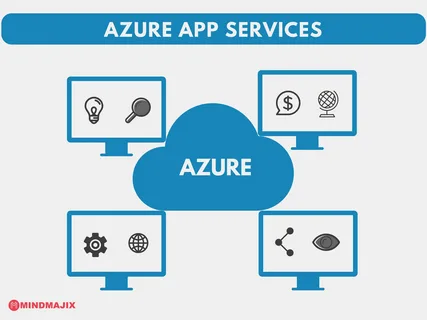
Azure App Services: A managed environment that lets developers focus on code instead of servers.
By using these tools, organizations in the USA and across the globe are turning brittle legacy apps into resilient, cloud-native powerhouses.
Data Modernization: Feeding the AI Engine
An application is only as good as the data it processes. Therefore, data modernization is a critical, yet often overlooked, component of the process. Legacy databases are often siloed, making it impossible to gain a “single view” of the customer.
Azure data modernization involves migrating these isolated databases to unified cloud platforms. This shift enables real-time insights and advanced business intelligence. In the era of AI, having clean, accessible data is the difference between leading the market and falling behind.
Overcoming the Challenges of Change
Modernization is rewarding, but it is not without hurdles. Organizations must prepare for several common challenges:
-
Complex Dependencies: Legacy apps are often “spaghetti code.” Untangling these connections requires expert guidance and thorough planning.
-
Skill Gaps: Your team may be experts in old languages but lack experience in cloud-native practices. Training or partnering with specialists is essential.
-
Data Integrity Risks: Moving massive amounts of data is risky. You must ensure that no information is lost or corrupted during the migration.
This is why partnering with experienced providers of application modernization services is vital. They provide the roadmap and the safety net needed for a successful transition.
Best Practices for a Successful Journey
To maximize your return on investment, follow these industry-standard best practices:
-
Start with an Assessment: Audit your entire portfolio. Determine which apps provide the most value and modernize those first.
-
Define Clear KPIs: What does success look like? Whether it is 20% faster load times or a 30% reduction in hosting costs, set measurable goals.
-
Choose the Right Approach: Don’t rebuild every app. Use “lift and shift” for simple apps and save “refactoring” for your core business tools.
-
Prioritize Security: Do not treat security as an afterthought. Build it into the architecture from day one.
-
Implement Automation: Use CI/CD pipelines to ensure that every update is tested and deployed automatically.
The Future: AI and Beyond
Looking ahead, application modernization will continue to evolve. We are already seeing the integration of AI agents directly into modernized architectures. These agents can self-heal code, optimize resource usage, and provide proactive support to users. Organizations that embrace modernization today will be the first to benefit from these future innovations.
With platforms like Azure leading the way, the possibilities are endless. You can build resilient, intelligent, and scalable applications that don’t just “keep up”—they lead.
Conclusion: Break Free from the Past
Application modernization services empower your organization to break free from the limitations of the past. By moving away from legacy debt and embracing the cloud, you create a more agile and efficient future.
Whether you are adopting Azure application modernization or a full Azure app and data modernization plan, the goal is the same: continuous innovation. The cloud offers a level of security and performance that on-premise systems simply cannot match.
If you are ready to transform your legacy systems and accelerate your digital journey, now is the time to act. Partner with experts who understand the complexities of Azure and can guide you through a smooth, successful transition. Your legacy systems served you well in the past—but your future belongs in the cloud.
Author

In today’s high-velocity digital economy, standing still is the same as moving backward. While many organizations strive for innovation, they often find themselves tethered to legacy systems that act like anchors. These outdated structures limit scalability, drain budgets through high maintenance costs, and slow down the ability to react to market changes.
This is where application modernization services become a mechanical necessity. Modernization isn’t just a technical “patch-up.” It is a strategic transformation. It involves taking your existing software and reimagining it for a cloud-native world. By converting monolithic, aging applications into agile, cloud-ready solutions, businesses can finally unlock the true potential of their digital assets.
Understanding Application Modernization
Application modernization is the process of updating legacy software to align with contemporary infrastructure, such as the cloud. In 2026, this usually means moving away from on-premise servers and toward ecosystems like Microsoft Azure.
The goal is to change how applications function and integrate. Whether it involves re-hosting, refactoring, or a complete rebuild, the objective remains the same: to deliver more value to the end-user with less operational friction.
Why Modernization is No Longer Optional
The risks of maintaining legacy systems are growing every year. Organizations that delay modernization face several critical disadvantages:
-
Performance Bottlenecks: Older systems simply cannot handle the massive data loads and high user concurrency of the modern web.
-
Security Vulnerabilities: Legacy apps often lack the “security-by-design” principles required to fight 2026’s sophisticated cyber threats.
-
Prohibitive Costs: The “technical debt” of maintaining old hardware and patching ancient code often exceeds the cost of a full cloud migration.
-
Stagnant Innovation: You cannot implement AI, machine learning, or real-time analytics on a system that was built before these technologies existed.
Strategic Approaches to Transformation
Not every application requires the same level of intervention. Experts generally categorize modernization into four primary strategies:
1. Rehosting (Lift and Shift)
This is the fastest route to the cloud. You move the application to a cloud environment with minimal changes to the code. It is an excellent starting point for businesses looking to reduce immediate hardware costs.
2. Replatforming
In this approach, you make small optimizations so the application can better utilize cloud features without a massive overhaul. Think of it as “tuning” the engine rather than replacing it.
3. Refactoring
This is the most popular choice for Azure application modernization. Developers modify the internal code to improve scalability and performance. This allows the app to take full advantage of cloud-native features like auto-scaling and managed databases.
4. Rebuilding
When an application is too far gone, it is often better to start fresh. Rebuilding involves using microservices and containerization to create a modular, future-proof solution from the ground up.
The Dominance of Microsoft Azure in 2026
Microsoft Azure has solidified its place as the premier platform for enterprise transformation. Its flexibility and deep integration with existing Microsoft tools make it a natural fit for most organizations.
Key services driving Azure app modernization include:
-
Azure Kubernetes Service (AKS): The gold standard for managing containers, allowing for seamless deployment and scaling.
-
Azure DevOps: Provides the CI/CD pipelines necessary for rapid, automated software releases.
-
Azure App Services: A fully managed platform that removes the burden of managing infrastructure, allowing developers to focus solely on code.
By leveraging these tools, businesses in the USA and globally are turning clunky legacy apps into resilient, high-performance assets.
Data Modernization: The Invisible Half
An application is only as good as the data that powers it. This is why data modernization must happen alongside application updates. Legacy databases are often siloed and slow, creating bottlenecks that hinder the entire system.
Azure data modernization focuses on migrating these databases to managed cloud environments like Azure SQL or Cosmos DB. This shift enables real-time analytics and breaks down data silos. Without a modern data architecture, your applications will never truly be agile.
Overcoming the Hurdles of Transition
While the benefits are clear, the path to a modernized stack has its challenges. Organizations must be prepared to navigate:
-
Complex Dependencies: Legacy apps are often “spaghetti code” with hidden connections that make migration tricky.
-
Skill Gaps: Moving to the cloud requires a team fluent in DevOps, containerization, and cloud security.
-
Migration Risks: Data integrity must be protected at all costs during the transfer process.
Partnering with experienced providers is often the best way to mitigate these risks. Experts can conduct thorough assessments to ensure the right strategy is applied to the right application, preventing “cloud sprawl” and runaway costs.
Best Practices for Success
To ensure your modernization efforts yield a high return on investment, follow these core principles:
-
Assess First: Don’t modernize for the sake of it. Audit your entire portfolio to identify which apps will provide the most value once updated.
-
Prioritize Security: Implement a “Zero Trust” architecture from day one.
-
Automate Everything: Use CI/CD pipelines to ensure that updates are frequent, safe, and efficient.
-
Monitor and Optimize: The cloud is not a “set it and forget it” environment. Continuous monitoring is required to manage costs and performance.
Final Thoughts: Preparing for the Decade Ahead
Application modernization is the engine of digital transformation. In 2026, the gap between “modernized” and “legacy” companies is wider than ever. Organizations that embrace platforms like Azure to transform their applications and data systems are seeing faster innovation, lower costs, and much higher resilience.
The future belongs to the agile. By breaking free from the constraints of the past, your business can finally build the scalable, intelligent, and secure applications required to lead in the years to come. If you are ready to start your journey, the time to assess your legacy stack is now. The cloud is waiting, and the competitive advantages are too significant to ignore.
Author


In the fast-paced world of modern research, speed is no longer the only metric that matters. To truly lead a market, organizations need data that is accurate, structured, and immediately ready for high-stakes decision-making. This is why Computer-Assisted Personal Interviewing (CAPI) has emerged as the gold standard for high-quality field research. By blending the nuance of face-to-face interaction with the precision of digital technology, CAPI services provide a level of insight that traditional methods simply cannot match.
What Exactly Are CAPI Services?
CAPI refers to interviewer-led, in-person surveys where responses are recorded directly into a digital device, such as a tablet or smartphone. Think of it as the digital evolution of the traditional clipboard-and-pen survey. Instead of dealing with messy handwriting and manual data entry, CAPI uses sophisticated, pre-programmed questionnaires. This ensures that every interview follows a strict, logical flow and that data is captured with 100% accuracy from the very first tap.
Key features that define CAPI include:
-
Interviewer-Led Interaction: Maintains the personal touch needed for complex topics.
-
Digital Survey Programming: Eliminates “human error” in following survey paths.
-
Smart Skip Logic: Automatically hides irrelevant questions based on previous answers.
-
Real-Time Monitoring: Supervisors can track progress as it happens.
-
Offline Capability: Critical for research in remote or low-connectivity areas.

How CAPI Market Research Works: A Step-by-Step Breakdown
A professional CAPI project is a structured journey from a raw question to a refined insight. Here is how the process typically unfolds:
1. Advanced Questionnaire Programming
Before anyone enters the field, the survey is digitally “built.” This phase involves setting up mandatory fields, multi-language support, and validation rules. These rules act as a safety net; for example, if an interviewer enters an age that doesn’t make sense for the study, the device will flag it instantly. This eliminates manual errors before they ever reach the database.
2. Strategic Field Data Collection
Trained interviewers head into the field equipped with secure mobile devices. One of the most powerful aspects of CAPI is its offline functionality. Interviewers can collect hundreds of responses in rural areas or basements without an internet connection. Once they return to a Wi-Fi zone, the data syncs perfectly to the central server.
3. Real-Time Quality Control
Gone are the days of waiting weeks to see if a field team is performing well. Supervisors use live dashboards to monitor interview lengths, response patterns, and even GPS locations. This ensures the data is being collected ethically, accurately, and according to the set quotas.
4. Automated Data Cleaning and Delivery
Because the data is digital from the start, the “cleaning” phase is incredibly fast. Clients receive a structured dataset, complete with codebooks, that is ready for immediate analysis. There is no downtime for manual data entry, which drastically shortens the project timeline.
Comparing Methodologies: Why Choose CAPI?
To understand the value of CAPI, it helps to see where it sits among other common research methods:
-
CAPI: Face-to-face and digital. Offers the highest data depth and accuracy.
-
CATI (Telephone): Great for speed, but lacks the non-verbal cues of in-person meetings.
-
CAWI (Online): Cost-effective, but relies on the respondent’s self-discipline and internet access.
-
PAPI (Paper): The traditional method. Slow, prone to errors, and expensive to digitize.
CAPI stands out because it offers the best of both worlds: the personal connection of an interview with the digital guardrails of a computer.
The Practical Advantages of the CAPI Approach
Organizations across the globe are shifting to CAPI for several clear reasons:
-
Zero Entry Errors: The software handles the data, so there are no “typos” or illegible notes.
-
Superior Consistency: Every respondent experiences the survey exactly as intended.
-
Rapid Turnaround: You get insights in days, not months.
-
Enhanced Supervision: You have total visibility into the fieldwork at all times.
-
Complexity Management: Easily handle studies with 10+ languages or complex branching logic.
Who Benefits Most from CAPI?
While versatile, CAPI is particularly transformative for specific sectors:
-
Market Research: Ideal for brand tracking and consumer behavior studies across diverse regions.
-
Healthcare & Life Sciences: Perfect for facility assessments and sensitive patient feedback.
-
Government & Public Sector: The standard for household surveys and social impact assessments in rural communities.
When should you look at other options? If your budget is extremely tight, the topic requires total anonymity without an interviewer present, or your audience is exclusively reachable via a quick phone call, a different method might be more efficient.
The Value of Professional Execution
Data is only as good as the process used to collect it. Partnering with a professional CAPI provider ensures:
-
Elite Interviewer Training: Professionals who know how to build rapport and handle technical devices.
-
Data Security: Encrypted devices and secure cloud storage to protect respondent privacy.
-
Actionable Outputs: Datasets that are cleaned and formatted for your specific analysis software.
When your decisions carry significant weight, you cannot afford to rely on shaky data. Professional oversight turns a simple survey into a powerful strategic tool.
Conclusion: Turning Field Data into Success
CAPI Services represent the future of field data collection. By combining the empathy of human interaction with the ironclad logic of digital tools, CAPI enhances every stage of the research process. It allows you to explore diverse geographies and complex topics with total confidence.
Whether you are conducting large-scale social research or a multi-region brand study, CAPI provides the scalability and reliability you need to succeed. With the right expertise, you can transform raw field data into the meaningful insights that drive your organization forward.
Ready to start your next research project with precision? Tell us what you are exploring today. Our team is ready to propose a practical research plan, a clear timeline, and a strategy that turns your data into decisions.
Let’s connect and turn your vision into a successful reality. Explore more about modern research techniques, including our guide on CATI: Turning Telephone Conversations into Reliable Research.
Author



CNC Tools in Modern Manufacturing: Benefits & Future Trends

Avoid Costly Document Mistakes with Professional Notary Services

Mini vs Full Tummy Tuck: Complete Guide Islamabad

Formulation Development in 2026: Drug Delivery Innovations

Luxury RV Resorts Texas vs Standard RV Parks: The Difference?

Best Hair Transplant Clinic in Pakistan – JJ Aesthetics

Essentials Tracksuit UK Guide: Styles, Fits, Colors & Buying Tips

Working Capital Finance: Guide for MSMEs, Types & Benefits

Beard Hair Transplant: Procedure, Benefits And Recovery

Corteiz Cargos Official Store: Streetwear Style & Sustainability

Cybersecurity Consulting Company SequelNet Provides Critical IT Support Services to Medical Billing Firm, Medical Optimum

Team Communication Software Transforms Operations at Finance Innovate

Project Management Tool Transforms Long Island Business

How Alleviate Poverty Utilized IPPBX’s All-in-One Solution to Transform Lives in New York City

Breast Cancer: The Imperative Role of Mammograms in Screening and Early Detection

Unstoppable Collaboration: D.C.’s Citi Open and Silicon Valley Classic Unite to Propel Women’s Tennis to New Heights

Embracing Renewal: Sizdabedar Celebrations Unite Iranians in New York’s Eisenhower Park

The Benefits of Starting a Side Hustle for Financial Freedom

New Blood Donation Screening Questions What You Need to Know

Stylishly Timeless: The 5 Types of Sandals You Need in Your Closet
-

 Business3 years ago
Cybersecurity Consulting Company SequelNet Provides Critical IT Support Services to Medical Billing Firm, Medical Optimum
-
Business3 years ago
Team Communication Software Transforms Operations at Finance Innovate
-
Business3 years ago
Project Management Tool Transforms Long Island Business
-
Business3 years ago
How Alleviate Poverty Utilized IPPBX’s All-in-One Solution to Transform Lives in New York City
-
health3 years ago
Breast Cancer: The Imperative Role of Mammograms in Screening and Early Detection
-
Sports3 years ago
Unstoppable Collaboration: D.C.’s Citi Open and Silicon Valley Classic Unite to Propel Women’s Tennis to New Heights
-
Art /Entertainment3 years ago
Embracing Renewal: Sizdabedar Celebrations Unite Iranians in New York’s Eisenhower Park
-
Finance3 years ago
The Benefits of Starting a Side Hustle for Financial Freedom







