
Art /Entertainment
Diversity in Voice Acting: New Voices Shaping Animation

By

Reviewed
By Dana Malayah

Introduction
The world of animation is experiencing a renaissance, driven by technological advancements and creative storytelling. However, one of the most significant shifts in recent years is the increasing emphasis on diversity in voice acting. This transformation is not only refreshing but essential for an industry that reaches audiences of all ages and backgrounds. This article delves into the importance of diversity in voice acting, the challenges faced, and the new voices that are shaping the future of animation.
The Importance of Diversity in Voice Acting

Image by freepik
-
Representation Matters
In a world where media consumption is at an all-time high, the characters we see and hear on screen play a crucial role in shaping our perceptions of the world. Historically, voice acting in animation has been dominated by a relatively homogenous group, often sidelining diverse voices. This lack of representation can perpetuate stereotypes and limit the scope of storytelling.
-
Authenticity and Relatability
When characters are voiced by actors who share similar backgrounds or experiences, the authenticity of the portrayal is significantly enhanced. This not only makes the character more relatable to audiences but also enriches the narrative. Authentic representation can foster a deeper connection between the audience and the characters, making the stories more impactful.
Breaking Stereotypes Through Voice Acting
One of the key contributions of diverse voice actors is their ability to break away from long-held stereotypes. In the past, animated characters from underrepresented communities were often portrayed using clichés or caricatures. However, with more inclusive casting, voice actors can give depth and dignity to characters who may have previously been reduced to stereotypical roles. This shift allows for more nuanced storytelling and greater respect for different cultures.
Challenges in Achieving Diversity
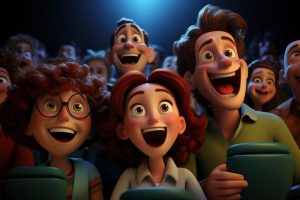
Image by freepik
-
Historical Barriers
The voice acting industry, like many other sectors, has been influenced by historical biases and systemic barriers. These barriers have often made it difficult for actors from diverse backgrounds to break into the industry. From casting practices to typecasting, various factors have contributed to the underrepresentation of diverse voices.
-
Industry Norms and Practices
Traditional industry norms and practices have also played a role in limiting diversity. For instance, the practice of casting well-known actors for voice roles, regardless of their suitability, can overshadow talented but lesser-known actors from diverse backgrounds. Additionally, there has been a tendency to cast actors for roles that do not align with their cultural or ethnic identities, leading to issues of cultural appropriation and misrepresentation.
New Voices Shaping the Future
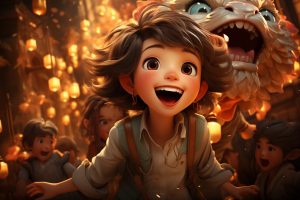
Image by freepik
-
Emerging Talent
In recent years, there has been a concerted effort to identify and nurture emerging talent from diverse backgrounds. Initiatives and programs aimed at providing training, mentorship, and opportunities for underrepresented groups are making a significant impact. These efforts are helping to level the playing field and bring fresh voices into the industry.
-
Inclusive Casting Practices
Casting directors and studios are increasingly recognizing the importance of inclusive casting practices. By actively seeking out diverse talent and prioritizing authenticity in casting, the industry is moving towards more inclusive and representative storytelling. This shift is not only beneficial for the actors but also for the audiences, who get to experience a richer and more varied tapestry of stories.
Case Studies and Success Stories

Image by freepik
-
Animated Series and Films Leading the Way
Several animated series and films have set exemplary standards for diversity in voice acting. Productions like “Steven Universe,” “Coco,” and “Spider-Man: Into the Spider-Verse” have been lauded for their inclusive casting and authentic representation. These projects demonstrate how diversity can enhance storytelling and resonate with audiences on a deeper level.
-
Voices of Change
Actors like Auli’i Cravalho, who voiced Moana, and Shameik Moore, who voiced Miles Morales in “Spider-Man: Into the Spider-Verse,” are prime examples of how diverse voices can bring characters to life in unique and compelling ways. Their performances have not only been critically acclaimed but have also inspired a new generation of voice actors.
The Role of Technology and Social Media
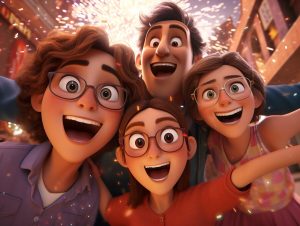
Image by freepik
-
Democratizing the Industry
Technology and social media have played a crucial role in democratizing the voice-acting industry. Platforms like YouTube, TikTok, and Instagram have given aspiring voice actors a space to showcase their talent and build a following. This has opened up new avenues for discovery and has made it easier for diverse voices to break into the industry.
-
Virtual Auditions and Remote Work
The rise of virtual auditions and remote work, accelerated by the COVID-19 pandemic, has also contributed to increased diversity in voice acting. These practices have made it easier for actors from different geographical locations and backgrounds to audition for roles, breaking down geographical and logistical barriers.
Comparative Analysis of Representation: Then vs. Now
| Aspect | Then (Pre-2000s) | Now (2020s and beyond) |
| Casting | Limited diversity; mostly white actors | Emphasis on casting actors from diverse backgrounds |
| Cultural Authenticity | Minimal cultural accuracy was secondary | Priority on authentic portrayals and cultural representation |
| Opportunities for Minority Actors | Restricted to stereotypical roles | Broader opportunities, more complex and lead characters |
| Technology | In-person recording required | Remote recording has expanded access to diverse talent |
| Industry Awareness | Low awareness of the importance of diversity | Strong demand for inclusivity from both audiences and creators |
Impact of Diversity on Animated Content
| Aspect | Impact of Limited Diversity | Impact of Greater Diversity |
| Character Depth | Often shallow, one-dimensional characters | More complex, relatable characters with rich cultural backgrounds |
| Audience Engagement | Limited resonance with minority audiences | Stronger connection with diverse viewers |
| Cultural Accuracy | Frequently overlooked | Celebrated and central to storytelling |
| Industry Representation | Underrepresentation of marginalized communities | Increased visibility and influence for underrepresented groups |
| Storytelling Authenticity | Often generalized and inauthentic | More genuine, culturally relevant narratives |
Conclusion
The push for diversity in voice acting is not just a trend but a necessary evolution for the animation industry. By embracing diverse voices, the industry can tell richer, more authentic stories that resonate with a global audience. The new voices shaping animation today are paving the way for a more inclusive and representative future, one where every viewer can see and hear themselves in the characters they love.
As the industry continues to evolve, the importance of diversity in voice acting cannot be overstated. It is through these diverse voices that animation can truly reflect the multifaceted world we live in, fostering understanding, empathy, and connection among audiences everywhere.
Author



Styling a black essentials hoodie for winter across the United States requires combining heavy organic fleece insulation, structured outer coats, thermal base layers, and weather-ready footwear. Winter conditions across the United States demand functional cold-weather apparel that retains core body heat without sacrificing modern street style aesthetics. Because an authentic black essentials hoodie features a dense 380+ GSM cotton construction, a spacious hood, and a broad boxy drape, it serves as an exceptional middle layer under heavy winter jackets. Exploring insulated coat combinations, winter footwear pairings across the United States, complementary bottom choices, and proper laundering care helps you build sophisticated cold-weather outfits with total ease.
Winter Thermal Dynamics, Heavy Coat Layering, and US Cold-Weather Aesthetics
Mastering cold-weather fashion across snow-prone regions in the United States relies on building a smart three-tier layering system using dense fleece base tops and heavyweight outerwear. Sourcing high-grade winter fleece garments directly from black essentials hoodie arms fashion buyers in the United States with durable, high-density cotton pieces built for severe thermal insulation.
When navigating freezing temperatures in the United States, wearing a solid dark pullover from black essentials hoodie underneath an oversized down puffer jacket, a heavy shearling coat, or a long wool trench provides maximum protection against cold winds. The broad boxy drape of a top from black essentials hoodie allows thermal long-sleeve shirts to sit comfortably underneath while leaving enough room for heavy outer sleeves. For evening events or indoor gatherings, you can transition your outfit smoothly by exploring our nightlife styling guide to maintain a sharp appearance.
Winter Outfit Guidelines, Weatherproof Footwear, and Coordinated Sets for US Buyers
Building a complete winter outfit in the United States involves combining dark, broad-cut fleece uppers with insulated cargo pants, heavyweight denim, waterproof boots, and winter accessories.
Key winter styling recommendations for cold-weather fashion across the United States include:
-
Waterproof Insulated Leather Boots: Pair dark upper fleece layers with rugged leather boots or weather-ready lug-sole boots to navigate snowy city streets in the United States.
-
Heavy Down Puffer Jackets: Layer your pullover under a high-loft down puffer coat to lock in body heat during freezing outdoor excursions.
-
Thick Fleece-Lined Cargo Trousers: Match broad fleece tops with heavy wool-blend or fleece-lined cargo pants to keep your legs warm against bitter winds.
-
Ribbed Wool Beanies and Gloves: Accentuate your winter outfit with thick knit beanies, wool scarves, and insulated leather gloves for maximum coverage.
During indoor winter lounging, heated home office sessions, or casual gym warmups across winter states in the United States, pairing your upper fleece layer with matching black essential shorts creates a balanced indoor lounge set. Wearing high-grade black essential shorts alongside your top layer keeps your legs relaxed inside heated rooms while keeping your upper torso insulated. Coordinating your preferred black essential shorts guarantees exact color matching, uniform fabric weight, and consistent spatial proportions across every indoor setting.
United States Winter Guideline: Layer your dark organic cotton fleece top under heavy puffer coats or wool overcoats, pairing with insulated bottoms and waterproof boots for total cold-weather comfort in the United States.
Garment Preservation Protocols for Heavy Winter Apparel Care
To ensure your luxury organic cotton fleece retains its deep carbon shade, soft interior plushness, and broad spatial shape through heavy winter rotation in the United States, proper laundering care is essential:
-
Inverted Cold Machine Washing: Always turn your black essentials hoodie inside out before washing to protect outer badging, subtle branding, and dark dyes from drum friction.
-
Cold Water Temperature Controls: Wash high-rotation winter fleece using cold water settings (30°C or below) on gentle cycles to preserve fabric fibers and prevent heat shrinkage.
-
Mild Dark Liquid Detergents: Clean heavy cold-weather garments like a black essentials hoodie using gentle liquid detergents formulated specifically for dark clothes to preserve deep carbon depth.
-
Horizontal Mesh Rack Drying: Air-dry heavy cotton fleece flat on an open mesh drying rack in a shaded indoor area across the United States to avoid hanger stretch caused by heavy wet fabric.
By understanding winter insulation needs, choosing a dark black essentials hoodie for severe cold weather, pairing tops with flexible black essential shorts, and using careful cold-water wash methods, you master winter street style. Following these practical styling and care guidelines guarantees your collection retains its broad spatial drape, rich visual appeal, and outstanding comfort across the United States.Shop the Black Essentials Hoodie collection, premium quality streetwear for Unisex Order your perfect essentials hoodie black today!Shop the Black Essentials Hoodie collection, premium quality streetwear for Unisex Order your perfect essentials hoodie black today!Shop the Black Essentials Hoodie collection, premium quality streetwear for Unisex Order your perfect essentials hoodie black today!Shop the Black Essentials Hoodie collection, premium quality streetwear for Unisex Order your perfect essentials hoodie black today!Shop the Black Essentials Hoodie collection, premium quality streetwear for Unisex Order your perfect essentials hoodie black today!
Author


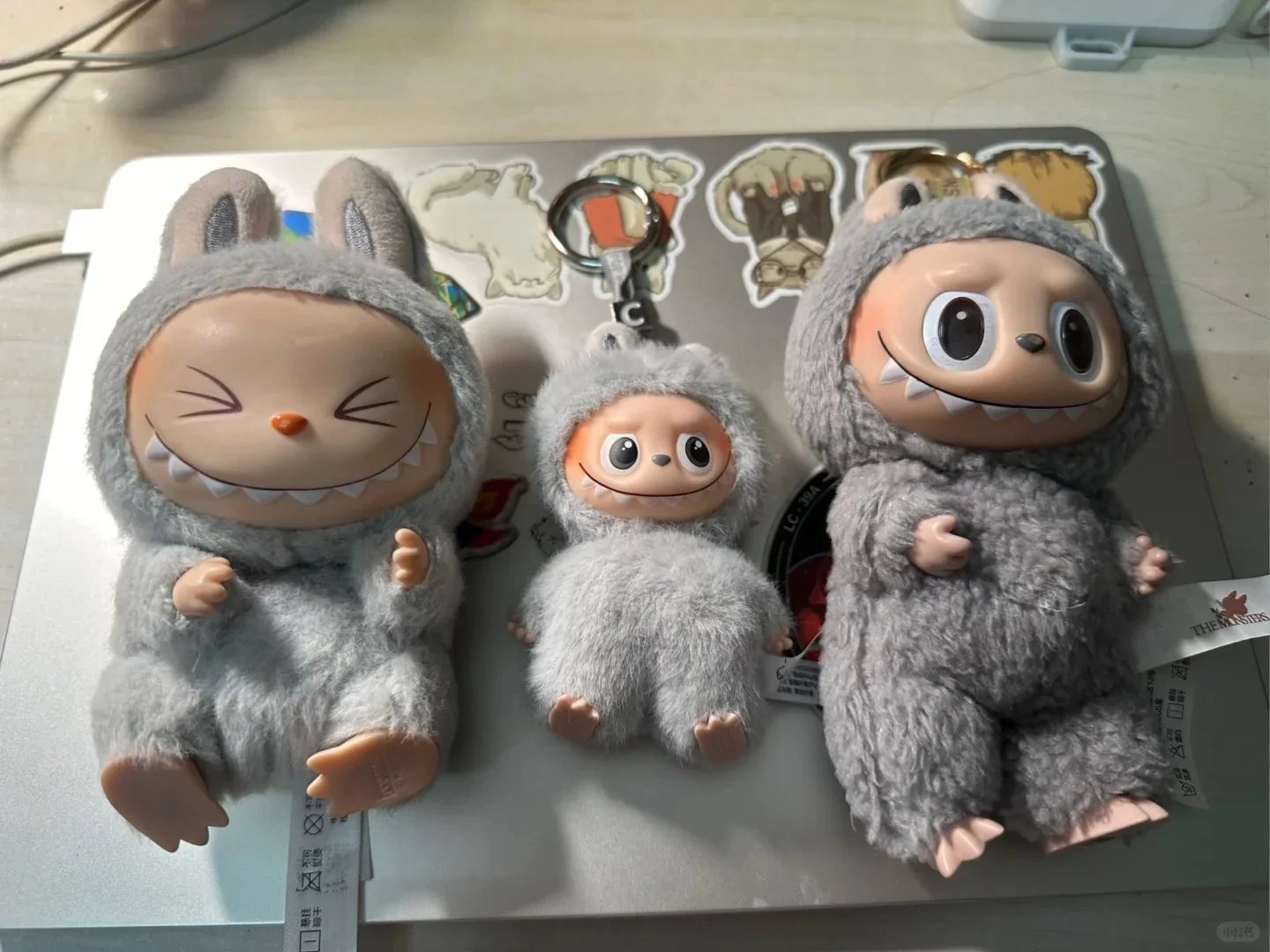
Opening a sealed Labubu Blind box can create a surprisingly exciting moment. You know something waits inside, but you do not know exactly what you will find. That small element of uncertainty has helped blind boxes become a major part of modern collectible culture.
Among the characters that have gained strong attention, Labubu stands out for its unusual appearance and playful personality. Collectors, fashion enthusiasts, and casual buyers all enjoy exploring its different designs. The experience goes beyond simply purchasing a toy. Each opening brings curiosity, anticipation, and the possibility of finding a favorite character.
What Is a Blind Box?
A blind box contains a collectible that stays hidden until you open the package. Buyers usually know the collection or series before purchasing. However, they cannot choose the exact figure inside.
That mystery creates the main appeal. Instead of selecting a figure directly from a display, you discover it during the unboxing. As a result, the opening becomes part of the fun.
Collectors may receive a design they already wanted. They might also discover something completely unexpected. In some collections, they can even find a less common or special design. This combination keeps the experience interesting.
Why Do People Enjoy Mystery Collectibles?
Curiosity plays a major role in the popularity of blind boxes. People naturally want to discover unknown outcomes. A sealed package turns that simple curiosity into an interactive experience.
Furthermore, social media has added another layer to the hobby. Collectors often share unboxing videos, display their collections, compare designs, and discuss their favorite releases. These posts can introduce new people to the hobby and encourage existing collectors to explore additional series.
The community aspect also matters. Fans can trade figures, exchange opinions, and share collecting tips. Therefore, the hobby can become a social experience rather than a simple purchase.
Why Does Labubu Fit the Blind-Box Format?
Labubu has a distinctive appearance that makes it easy to recognize. Its pointed ears, expressive face, and mischievous personality give designers plenty of creative opportunities.
They can place the character in different outfits, themes, colors, and settings. One release might feature a seasonal design, while another could use a fantasy or fashion-inspired theme.
This variety keeps collectors interested. Someone may prefer a cute and colorful version, while another person might choose a darker or more unusual design. The character maintains its recognizable identity while offering plenty of room for creative changes by Labubu Blind box.
What Makes Collecting Exciting?
The excitement often begins before the package opens. You may already have several figures from a collection, yet another unopened box still creates curiosity.
That anticipation gives each purchase a small sense of occasion. You might find a design that completes part of your collection. Alternatively, you could discover a figure that quickly becomes your new favorite.
Duplicates can also create opportunities. Rather than viewing an extra figure as a wasted purchase, collectors can trade it with other fans. This process can help them find designs they still need.
Do Rare Figures Matter?
Rare figures can certainly increase excitement. Some collections include special designs that appear less frequently than standard figures. Collectors may enjoy the challenge of finding these unusual releases.
However, rarity does not determine personal value. A common figure may hold more meaning for one collector than a rare version. Color, character expression, outfit, and personal memories can all influence a person’s favorite.
Therefore, collectors should focus on enjoyment rather than rarity alone. A collection should reflect personal taste instead of simply following market trends.
How Social Media Influences Collecting
Social media has changed how people discover and enjoy collectibles. Short videos can show an entire unboxing experience within a few seconds.
The format works particularly well for mystery products. Viewers see the sealed package and wait for the reveal. They may also react to the collector’s excitement when a favorite design appears.
Creators can then encourage conversations around specific figures. Followers may share their own experiences or discuss which designs they hope to find. As a result, one unboxing can create an ongoing conversation within the collecting community.
Why Do Collectors Trade Duplicates?
Buying multiple blind boxes naturally creates the possibility of receiving the same figure more than once. Instead of keeping several identical pieces, many collectors choose to trade them.
Trading can make completing a collection easier. For example, you may have three figures from a series but still need one particular design. Another collector might have that figure but want one of your duplicates. This simple exchange creates connections between fans. It also gives collectors another reason to participate in the community.
Are Blind Boxes Still Popular?
The blind-box format continues to attract attention in 2026. Although trends can change quickly, mystery collectibles remain popular across toy, fashion, and lifestyle communities.
The appeal now extends beyond traditional toy collecting. People may display figures at home, share them online, or use smaller versions as accessories.
This broader appeal has helped collectibles become part of everyday personal style. The hobby no longer belongs only to dedicated toy collectors.
Why Are Collectible Bag Charms Popular?
Small collectible charms have helped move the hobby from shelves into everyday life. People can attach plush pendants and character accessories to handbags, backpacks, and other personal items.
This approach allows fans to show their interests wherever they go. A character can become a small part of an outfit rather than something that stays inside a display cabinet. For many people, that combination of fashion and collecting makes the hobby even more appealing for Labubu Blind box.
Can Collectibles Become Fashion Accessories?
Absolutely. Fashion and collectible culture increasingly overlap. A small character charm can add personality to a simple bag. Meanwhile, a larger plush accessory can become the centerpiece of a carefully styled look.
This crossover also attracts people who do not consider themselves traditional collectors. They may purchase a character because it matches their personal style or complements an outfit. Consequently, collectibles can serve both decorative and personal purposes.
Tips for New Collectors
If you want to start collecting, choose a series you genuinely enjoy. Do not buy something simply because social media makes it popular.
Next, establish a comfortable budget. The surprise element can encourage you to purchase another box when you do not get the design you wanted. Setting a limit helps keep the hobby enjoyable.
You should also research sellers before buying. Look at product photographs, packaging details, reviews, and seller information. Popular collectibles can attract counterfeit products, so careful shopping matters.
How to Identify Authentic Products
Buyers should pay attention to quality and packaging. Genuine products usually feature consistent printing, branding, materials, and finishing details.
An unusually low price can also deserve closer attention. While discounts do happen, an extreme price difference may indicate a questionable listing.
When possible, purchase from established retailers or trusted sellers. Taking a few minutes to check the product can help you avoid disappointment later.

What Makes a Collectible Worth Owning?
Personal enjoyment remains the most important factor. One collector may love a rare design. Another may prefer a colorful figure that reminds them of a favorite theme.
The best collection reflects the owner’s personality. Trends can influence what people notice, but personal attachment often determines which figures remain favorites. That idea explains why two collectors can own completely different collections while enjoying the hobby equally.
Understanding the Term “La Bubu”
Some people use the spelling “La Bubu” when searching for the character online. This variation can appear through social media conversations, informal references, or people hearing the name rather than reading it.
The established character name remains Labubu. However, alternative searches can still lead people toward discussions about the character, collectibles, accessories, and blind-box releases.
Trading helps people exchange duplicates and find designs they still want. It also creates a more interactive collecting experience
Final Thoughts
A Labubu Blind box turns a simple purchase into a small experience filled with anticipation and discovery. Each opening offers something different, whether you find a favorite design, discover a surprise, or receive a figure you can trade with another collector.
The hobby has also grown beyond traditional collecting. Social media, fashion accessories, trading, and online communities now play important roles in the experience.
For new collectors, the best approach remains simple. Choose designs you genuinely enjoy, set a comfortable budget, and purchase from reliable sellers. Most importantly, focus on the fun of collecting rather than chasing rarity alone. A Labubu box may only take a few seconds to open, but the excitement can become part of a much larger collecting journey.
Author


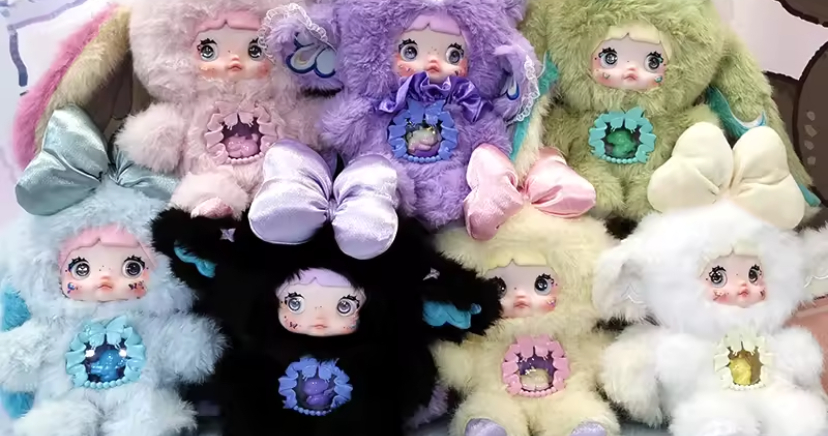
The world of collectible figures has changed dramatically in recent years. People no longer see toys only as items for children. Today, many collectors choose figures because they appreciate their artistic details, creative concepts, and emotional appeal. This shift has helped Designer Toys become an important part of modern pop culture and collectible art.
Among the brands gaining attention in this space, Nommi offers a distinctive experience. The brand combines charming characters, imaginative themes, detailed designs, and collectible formats. Its range includes mystery blind boxes, vinyl figures, and soft plush companions. Each product brings its own personality to the collection.
Rather than focusing only on appearance, Nommi creates characters that feel connected to a larger world. This approach gives collectors more reasons to explore different releases and discover new favorites.
What Makes Nommi Unique?
Nommi creates more than attractive collectible figures. Its characters often have a playful personality and a sense of adventure. Different collections introduce new outfits, settings, themes, and character concepts. As a result, collectors can create displays that feel connected rather than random.
The storytelling element adds another layer to the experience. Fans can imagine relationships between characters and build their own interpretations of the Nommi universe. This emotional connection can make collecting feel more personal.
The brand also maintains a recognizable visual identity. Soft colors, rounded shapes, expressive faces, and carefully selected accessories give the characters a warm and approachable appearance.
The Appeal of Blind Box Collectibles
Blind boxes have become a major part of modern collectible culture. These sealed packages keep the identity of the figure hidden until the buyer opens the box. That simple idea creates an element of surprise and anticipation.
Nommi uses this format to make each unboxing feel exciting. A collection may contain several standard characters along with a rare secret figure. Collectors who want to complete a series may purchase multiple boxes or trade duplicates with other fans.
The surprise does not end with the purchase. It can also encourage conversations within collector communities. Fans often share their latest discoveries and compare figures from the same series.
Creative Character Designs
Design plays a major role in the popularity of Designer Toys, and Nommi places strong emphasis on visual details. Its characters often feature gentle expressions, rounded proportions, colorful outfits, and carefully designed accessories.
The collections can explore many different themes. Some may take inspiration from nature, while others focus on fantasy, food, seasonal moments, or dreamy environments. This variety keeps the product line fresh without losing its recognizable style.
For collectors, these differences make each series interesting. Someone may prefer woodland-inspired characters, while another collector may enjoy fantasy creatures or dessert-themed designs.
Attention to Quality
A collectible needs more than an appealing concept. It also needs quality construction. Nommi focuses on details such as sculpting, color application, materials, and finishing.
These elements help each figure look polished when displayed. Collectors can place their pieces on shelves, desks, cabinets, or dedicated display areas. The figures can therefore work as decorative objects as well as collectibles.
Plush products add another dimension to the brand. Their soft materials and embroidered details create a different experience from vinyl figures. Fans can display plush companions beside their figures to create a more complete collection.

Creating a Collection That Feels Personal
Collecting Designer Toys does not follow one strict formula. Every enthusiast can develop a collection around personal interests. Some people collect specific characters. Others choose figures based on color, theme, rarity, or design.
Nommi gives collectors plenty of ways to create a personalized display. Someone might focus on a single series, while another person may combine characters from several releases.
Collectors can also arrange their figures according to seasonal themes or color palettes. This freedom makes the hobby more creative. Instead of simply owning several figures, collectors can turn their shelves into a small visual story.
Why Limited Releases Matter
Limited editions create another source of excitement. When a figure has a smaller production run, collectors may consider it more exclusive. Special editions and secret figures can become particularly appealing because fans have fewer opportunities to find them.
However, rarity does not define the entire collecting experience. Many enthusiasts choose figures simply because they love the character or design. Personal preference often matters more than potential resale value.
Finding an unexpected, rare figure can still feel rewarding. It adds an element of discovery that keeps collectors interested in future releases.
A Growing Collector Community
The collecting experience extends beyond the figures themselves. Online communities allow fans to share photographs, unboxing experiences, display ideas, and collection updates.
Social platforms also make it easier for new collectors to discover Nommi. Experienced enthusiasts can showcase their shelves and explain why they enjoy particular characters. Collectors can also exchange duplicate figures and discuss new releases.
This community aspect helps transform collecting into a shared hobby. Fans do not simply purchase products. They participate in conversations surrounding characters, designs, and upcoming collections.
Caring for Your Collection
Good care can help collectible figures maintain their appearance for a long time. Keep them away from direct sunlight because prolonged exposure can affect colors. Dust them gently with a soft microfiber cloth.
Collectors should also avoid extreme heat and excessive moisture. Keep delicate accessories in safe places and handle small parts carefully. If a figure comes in special packaging, keeping the original box can also help protect it during storage or transportation.
A clean and stable display area will make the collection look better while reducing the risk of accidental damage.
The Future of Nommi and Collectible Art
The popularity of Designer Toys continues to grow as artists and brands explore new ways to combine storytelling with physical products. Nommi fits naturally into this movement by offering characters that appeal to collectors who value both design and personality.
Its combination of imaginative concepts, collectible formats, plush companions, and detailed craftsmanship gives fans plenty of ways to engage with the brand. New themes can also attract collectors who want to explore something different without moving away from the familiar Nommi aesthetic.
Final Thoughts
Nommi demonstrates how modern collectibles can combine art, storytelling, and community. Its colorful characters and creative collections offer something beyond ordinary toys. They give collectors an opportunity to express their personal interests through carefully designed pieces.
For anyone interested in Toys, Nommi provides an approachable and imaginative place to begin exploring collectible art. Whether you prefer blind boxes, detailed figures, or soft plush companions, each format offers a different way to enjoy the brand.
As collectible culture continues to evolve, Nommi has the potential to remain an engaging name for fans who value creativity, character design, and the excitement of discovering something new.
Author



Haffele Kitchen Dealer in Thrissur: Upgrade Your Home in Style

Project Capri Clothing: Hoodies, Jorts & Modern Streetwear 2026

Why Continuous Learning Matters for Business Leaders

Accurate As-Built Drawings Are the Foundation of Successful Commercial

The Best Asset Management System in UAE

Kentucky Bourbon Trail Tours What Is Included and How to Plan a Trip

Point Cloud to BIM for Renovation Projects: From 3D Scanning

Cash Only A Modern Approach to Everyday Streetwear

Balance With Dedicated Oversight From the Best Virtual Psychiatrist

Malware Protection Solutions for Business Data Security

Cybersecurity Consulting Company SequelNet Provides Critical IT Support Services to Medical Billing Firm, Medical Optimum

Meet the Megalodon: The Shark Star of ‘Meg 2’

Reduce Video Game Lag: Level Up Your Gaming Performance

Balancing India’s Entertainment: Cricket vs. Bollywood

Jetsetter’s Secrets: Unveiling Our Favorite Travel Hacks for a Seamless Adventure

The 5 Best Live Sports Streaming Sites: Legal and Exciting!

Hollywood Labor Unrest: The Impact of ‘What About Us?’ Strikes

Unveiling the Magic of Dream Fulfillment at the Late NBA Draft

Illuminate Your Skin: Dr. Axe Unveils Natural Remedies for Lightening Knees and Elbows

Bright Choices: Navigating the Pros and Cons of Skin Whitening Creams with Dr. Axe
-

 Business3 years ago
Cybersecurity Consulting Company SequelNet Provides Critical IT Support Services to Medical Billing Firm, Medical Optimum
-
Entertainment3 years ago
Meet the Megalodon: The Shark Star of ‘Meg 2’
-
Entertainment3 years ago
Reduce Video Game Lag: Level Up Your Gaming Performance
-
 Sports3 years ago
Balancing India’s Entertainment: Cricket vs. Bollywood
-
Entertainment3 years ago
Jetsetter’s Secrets: Unveiling Our Favorite Travel Hacks for a Seamless Adventure
-
Productivity3 years ago
The 5 Best Live Sports Streaming Sites: Legal and Exciting!
-
Art /Entertainment3 years ago
Hollywood Labor Unrest: The Impact of ‘What About Us?’ Strikes
-
Sports3 years ago
Unveiling the Magic of Dream Fulfillment at the Late NBA Draft






