
Beauty Fitness
Customizing Your Hair Care Routine: Tips for Strengthening and Growing Your Unique Hair Type


Welcome to our blog on customizing your hair care routine! Your hair is unique and deserves a customized approach to achieve the strength and growth you desire. Whether you have straight, curly, fine, or thick hair, there are specific tips and products tailored to suit your individual needs. In this article, we’ll explore how to determine your hair type and customize your routine accordingly. We’ll also provide expert advice on maintaining healthy locks and troubleshooting common issues. Get ready to unlock the secrets of your luscious locks!
What is your hair type?
Understanding your hair type is essential to customizing a hair care routine that works for you. The first step in identifying your hair type is to determine its texture, which can range from fine to coarse. Fine hair tends to be fragile and prone to breakage, while coarse hair is thicker and more resilient.
Another factor to consider when determining your hair type is its porosity or the amount of moisture it can retain. Low porosity hair repels moisture, making it difficult for products like oils and conditioners to penetrate the strands. High porosity hair absorbs moisture quickly but also loses it just as fast.
Identify whether you have straight, wavy, curly or coily/kinky textured locks. Straight-haired individuals have smooth strands with little-to-no curl pattern while those with wavy locks have a slight “S” shape throughout their tresses. Curly haired individuals may have loose ringlets while kinky/coily textures feature tight coils resembling spirals.
By understanding these factors about your unique tresses, you can tailor an effective regimen that targets both moisturizing and strengthening properties based on what will work best for your specific needs!

How to customize your hair care routine for your hair type
Customizing your hair care routine is essential for maintaining healthy and beautiful hair. Each person’s hair type is unique, and therefore requires a customized approach to caring for it. Knowing your hair type can help you determine the best products to use and how often to use them.
Firstly, identify your hair type – whether it’s straight, wavy, curly or coily. Then consider its texture – fine or coarse? Hair porosity: low (hard to absorb moisture), medium (absorbs well) or high (loses moisture quickly)? And density – thin, average or thick?
Once you have identified these factors, select products specifically designed for your hair type that address its needs. For example, if you have dry scalp on a regular basis choose moisturizing shampoos rather than ones containing sulfates which strip natural oils out of the scalp.
Additionally, consider adjusting the frequency of washing and conditioning based on what works best for your individual needs. Those with oily scalps should wash more frequently while those with dry scalps may benefit from less frequent washing.
Ultimately customizing your hair care routine means finding what works best for YOU! Don’t be afraid to experiment with different products and techniques until you find what gives you optimal results.
The best products for your hair type
Finding the right hair products can be difficult, but it’s essential to use ones that are specifically designed for your unique hair type. Here are some of the best product recommendations for different hair types.
For those with fine or thin hair, volumizing shampoos and conditioners can help add body and fullness to your locks. Look for lightweight formulas that won’t weigh down your strands or leave them feeling greasy.
If you have curly or coily hair, moisturizing products are a must-have. A hydrating shampoo and conditioner combo will keep curls defined and prevent frizz. Additionally, using curl-enhancing styling products like gels or mousses can help enhance natural wave patterns.
For those with color-treated hair, sulfate-free shampoos and conditioners are crucial to maintain vibrancy and prevent fading. Deep conditioning treatments also help repair any damage caused by processing while keeping color looking fresh.
Those with oily scalps should look for clarifying shampoos that remove excess oil without stripping away essential moisture from the rest of their tresses.
If you have dry or damaged locks, opt for nourishing masks or serums packed with ingredients like keratin or argan oil to restore hydration levels and promote healthy growth.
Remember: investing in quality products tailored to your specific needs is key to achieving strong, healthy-looking locks!
Tips for healthy hair
Healthy hair is a sign of good overall health, and who doesn’t want that? But achieving healthy hair can be easier said than done. Here are some tips to help you maintain healthy locks.
Firstly, make sure to keep your scalp clean. This means washing your hair regularly with a gentle shampoo that won’t strip away natural oils. Avoid using hot water as it can dry out your scalp and cause damage to your hair.
Secondly, avoid using heat styling tools too often. Heat can cause irreparable damage to the strands of our hair, leading to breakage and split ends. Instead, let your hair air dry naturally or use a cool setting on your blow dryer.
Thirdly, protect your hair from environmental factors such as UV rays and pollution by wearing hats or scarves when outside for an extended period of time.
Nourish your body with a healthy diet full of vitamins and minerals essential for strong and healthy hair growth like biotin-rich foods (eggs), vitamin C-rich fruits (citrus) and omega-3 fatty acids found in fish oil supplements.
By following these simple tips regularly you will have healthier-looking tresses in no time!
How to troubleshoot common hair problems
Hair problems can be frustrating, but they don’t have to ruin your day. From frizz and split ends to dryness and breakage, there are many common hair issues that people face. Fortunately, with a little knowledge and effort, these problems can often be resolved.
One of the most common hair problems is frizz. Frizz occurs when the cuticle layer on our strands becomes raised or lifted due to humidity, heat styling or excessive brushing. To combat this issue, use a deep conditioning treatment once a week and always apply anti-frizz products before blow-drying.
Split ends are another pesky problem that can make our hair look dull and unhealthy. The best way to avoid them is by getting regular trims every six to eight weeks. Additionally, using heat protectant sprays before styling tools like flat irons or curling wands will help prevent damage that can lead to split ends.
Dryness is yet another common complaint among people with all types of hair textures – especially curly or coily ones! To add moisture back into your locks without weighing them down with heavy oils or creams try using a leave-in conditioner after washing your tresses.
Hair loss is also something many individuals struggle with at some point in their lives- whether it’s caused by genetics or stress factors such as illnesses like cancer treatments or thyroid issues- it’s important not only do you consult medical professional for advice but also incorporate gentle scalp massages while shampooing & conditioning with strengthening ingredients in order promote better circulation which supports healthy growth over time!
In conclusion taking care of your unique type of Hair may seem intimidating at first but remember that identifying what kind of Hair you have then customizing its maintenance routine accordingly will ensure long-term health benefits making both you AND those luscious locks happy!
Conclusion
Customizing your hair care routine for your unique hair type is crucial for achieving healthy and strong locks. By identifying your hair type and using the appropriate products, you can strengthen and grow your hair to its fullest potential. Remember to nourish your locks with a balanced diet, protect them from heat damage, and troubleshoot common problems like split ends or dandruff. With these tips in mind, you can create a customized hair care routine that works best for you and helps you achieve the luscious locks of your dreams!
Author



In the fast-paced world of 2026, maintaining peak health is a top priority for residents in the UAE. The Immune Boost IV Drip in Dubai has evolved into a vital medical tool for those who value efficiency. While many people rely on oral vitamins, clinical evidence shows that intravenous therapy offers superior results. By delivering nutrients directly into your bloodstream, this treatment ensures your body receives the full benefit of every vitamin. It is the gold standard for anyone looking to strengthen their natural defenses against the stressors of urban life.
Immune Boost IV Drip in Dubai
A medical IV drip is more than just a hydration tool. It is a precise blend of pharmaceutical-grade micronutrients. The Immune Boost IV Drip in Dubai typically contains high doses of Vitamin C, Zinc, and B-complex vitamins. It also often includes Glutathione, which is the body’s most powerful antioxidant.
Treatment Strengthens Your Body
The science behind the Immune Boost IV Drip in Dubai focuses on cellular saturation. When the concentration of vitamins in your blood rises, your cells can absorb them more effectively. This surge in nutrients triggers several positive biological responses.
First, the infusion rehydrates your body at a deep cellular level. This is crucial in the arid climate of Dubai, where dehydration can weaken your mucosal barriers. Second, the high dose of Vitamin C empowers your white blood cells. These cells act as your body’s primary soldiers against viruses. Finally, the electrolytes in the saline solution restore your internal balance. This helps you recover from the physical exhaustion that often leads to illness.
Choosing Clinical IV Therapy
Many professionals in Dubai choose this therapy as a proactive measure. It serves a specific purpose in a high-demand environment.
-
Fast Recovery: It shortens the duration of seasonal colds or flu symptoms.
-
Travel Readiness: It protects frequent flyers from germs in crowded airports.
-
Stress Management: It replenishes the nutrients that your body burns through during high-pressure work weeks.
-
Systemic Detox: It helps the liver filter out pollutants and metabolic waste.

Benefits for Your Health and Vitality
Choosing an Immune Boost IV Drip in Dubai provides systemic benefits that improve your daily life. Most patients notice an immediate lift in their mood and energy levels.
The most significant benefit is the rapid increase in viral resistance. Because the nutrients are already in your blood, your immune response becomes much faster. Additionally, the antioxidants in the drip help reduce systemic inflammation. This can lead to better sleep quality and clearer skin. Furthermore, the B-vitamins in the formula support your brain health. This ensures you stay focused and productive throughout your busy schedule.
The Procedure
-
Medical Consultation: A licensed professional reviews your health history and checks your vital signs.
-
Custom Mixing: The Immune Boost IV Drip in Dubai is prepared using sterile, high-potency ingredients.
-
Quick Placement: A nurse inserts a tiny, flexible tube into a vein in your arm with very little discomfort.
-
Relaxing Infusion: You rest in a comfortable chair for about 45 minutes while the drip works.
-
Post-Care Review: The nurse removes the tube and provides tips on how to maintain your energy boost.
Impact on Your Biological Target Zones
Once the nutrients enter your system, they head straight to where they are needed most. The Immune Boost IV Drip in Dubai targets your lymphatic system first. This system is responsible for moving immune cells around your body. Next, the vitamins reach your adrenal glands. These glands control your stress hormones. By supporting these specific areas, the drip helps “reset” your internal clock. As a result, you feel more resilient and less prone to the “burnout” that many residents experience.
Cost and Medical Standards in Dubai
The cost of an Immune Boost IV Drip in Dubai reflects the quality of the medical care you receive. At a professional clinic, you pay for pharmaceutical-grade ingredients and expert supervision. It is important to avoid low-quality “wellness bars” that do not follow strict medical guidelines. A licensed facility ensures that your drip is safe and effective. Therefore, investing in a clinical-grade drip is the best way to guarantee a therapeutic result for your health.
Expect During Your Recovery
There is no downtime after an IV session. You can walk out of the clinic and return to your normal routine immediately.
Safety Protocols and Clinical Integrity
Safety is our top priority for every patient. Before we administer an Immune Boost IV Drip in Dubai, we perform a thorough screening. We check for allergies and ensure your kidneys are functioning well. While side effects are very rare, they are usually limited to small bruises at the injection site. By following these strict 2026 medical protocols, we provide a wellness experience that is both comfortable and secure.
Tips for Maintaining Your Results
To make the most of your Immune Boost IV Drip in Dubai, you should follow a few simple steps.
First, continue to drink plenty of water. Hydration helps your kidneys process the vitamins effectively. Second, try to get at least seven hours of sleep. Your body does its best repair work while you rest. Finally, eat a balanced diet full of fresh vegetables. These healthy habits work together with the IV drip to keep your immune system in top shape for the long term.
Conclusion
Your health is the foundation of your success. By choosing an Immune Boost IV Drip in Dubai, you are taking a proactive step to protect your future. At Tajmeels Clinic, we combine medical expertise with personalized care to help you feel your best. We believe that everyone deserves access to high-quality cellular support. Whether you want to avoid a cold or simply boost your energy, we are here to help you reach your goals. Invest in your resilience today with the power of professional IV therapy.
Author


Cosmetic Peptides have become one of the most popular ingredients in modern skincare. You can now find them in serums, creams, masks, and anti-aging products. Their growing popularity comes from their ability to target different skin concerns while remaining gentle on the skin.
This is where cosmetic peptides play an important role. Different types of peptides support the skin in different ways. Some stimulate collagen production, while others help reduce wrinkles, improve hydration, or repair damaged skin. Understanding how these peptides work can help you choose the right skincare products for your needs.
What Are Cosmetic Peptides?
Cosmetic peptides are bioactive ingredients used in skincare products to improve skin health and appearance. Because peptides are small molecules, they can penetrate the outer layer of the skin more effectively than larger proteins.
Once absorbed, peptides send signals to skin cells and encourage specific biological activities. Depending on the peptide type, they may help repair the skin barrier, stimulate collagen production, reduce muscle contractions, or improve skin tone.
Peptides are popular because they provide visible benefits without being overly harsh. Unlike some active ingredients that may irritate sensitive skin, peptides are generally suitable for most skin types.
Signal Peptides
Signal peptides are among the most commonly used peptides in anti-aging skincare. These peptides send messages to skin cells, encouraging them to produce more collagen, elastin, and other important structural proteins.
As collagen levels increase, the skin appears firmer and smoother. Fine lines and wrinkles become less noticeable over time.
Main Benefits of Signal Peptides
- Stimulate collagen and elastin production
- Improve skin firmness and elasticity
- Support skin repair
- Reduce the appearance of fine lines
Common Examples
- Palmitoyl Pentapeptide
- Palmitoyl Tripeptide
Signal peptides work gradually, which makes them ideal for long-term skincare routines. Consistent use can improve skin texture and help maintain a youthful appearance.
Carrier Peptides
Carrier peptides help transport essential minerals and trace elements into the skin. These minerals, such as copper and magnesium, support important enzymatic functions involved in healing and collagen production.
One of the most well-known carrier peptides is Copper Tripeptide-1, often called GHK-Cu. This peptide is widely used in products designed for skin repair and rejuvenation.
Main Benefits of Carrier Peptides
- Deliver essential minerals to skin cells
- Promote skin regeneration
- Improve wound healing
- Support collagen production
Common Example
- Copper Tripeptide-1 (GHK-Cu)
Carrier peptides are especially useful for mature or damaged skin. They help strengthen the skin barrier while improving overall skin health.
Neurotransmitter Inhibitory Peptides
Neurotransmitter inhibitory peptides are often called “Botox-like peptides.” These peptides work by reducing muscle contractions in the face. As facial muscles relax, expression lines and dynamic wrinkles become less visible.
Unlike injectables, these peptides offer a non-invasive way to soften wrinkles gradually.
Main Benefits of Neurotransmitter Inhibitory Peptides
- Relax facial tension
- Reduce dynamic wrinkles
- Smooth fine lines
- Improve skin appearance without invasive procedures
Common Examples
- Argireline (Acetyl Hexapeptide-3)
- SNAP-8 (Acetyl Octapeptide-3)
These peptides work particularly well around the forehead, eyes, and mouth because these areas experience constant facial movement.
Enzyme Inhibitor Peptides
Enzyme inhibitor peptides protect the skin by blocking enzymes that contribute to aging and pigmentation. Some enzymes break down collagen and elastin, while others increase melanin production.
By slowing these processes, enzyme inhibitor peptides help maintain smoother, firmer, and more even-toned skin.
Main Benefits of Enzyme Inhibitor Peptides
- Reduce collagen breakdown
- Minimize pigmentation
- Support skin firmness
- Improve overall skin tone
Common Examples
- Tripeptide-1
- Pentapeptide Derivatives
These peptides are commonly included in anti-aging and brightening formulations because they help preserve the skin’s natural structure.
How to Choose the Right Peptide
Choosing the right peptide depends on your skincare goals. Different peptides target different concerns, so understanding your skin’s needs is important.
For example:
- If your goal is anti-aging, signal peptides are an excellent option.
- If you want skin repair and regeneration, carrier peptides work well.
- If you want to reduce expression lines, neurotransmitter inhibitory peptides are ideal.
- If uneven skin tone is your concern, enzyme inhibitor peptides can help.
Many skincare brands combine multiple peptides in one formula to provide broader benefits. This combination approach often delivers better overall results.
Factors That Affect Peptide Effectiveness
Even the best peptides may not work properly if the formulation is poor. Several factors influence how effective peptides are in skincare products.
Concentration
Peptides must be present in effective amounts. Very low concentrations may not provide visible results.
Stability
Some peptides are sensitive to heat, air, and pH changes. Proper formulation and packaging help maintain their stability.
Skin Penetration
Smaller peptides usually penetrate the skin more effectively. Some products also use delivery systems to improve absorption.
Combination with Other Ingredients
Peptides often work better when combined with ingredients like:
- Hyaluronic acid
- Antioxidants
- Niacinamide
- Vitamins C and E
These ingredients support hydration and improve the overall performance of peptide-based skincare products.
Why Peptides Are Popular in Modern Skincare
Peptides have become increasingly popular because they offer targeted skincare benefits without causing excessive irritation. Many people prefer peptides because they support the skin naturally rather than forcing rapid exfoliation or aggressive renewal.
Additionally, peptides work well in both preventive and corrective skincare routines. Younger individuals use them to maintain collagen levels, while mature users rely on them to improve firmness and reduce visible aging signs.
Another major advantage is versatility. Peptides can address multiple concerns at once, including wrinkles, dullness, dehydration, and skin damage.
Conclusion
Cosmetic peptides have transformed the skincare industry by offering scientifically supported solutions for healthier and younger-looking skin. Signal peptides, carrier peptides, neurotransmitter inhibitory peptides, and enzyme inhibitor peptides each play unique roles in improving skin function and appearance.
These peptides can boost collagen production, reduce wrinkles, improve skin texture, support healing, and protect the skin from damage. However, choosing the right peptide depends on your skincare goals and the quality of the formulation.
When combined with proper skincare habits and consistent use, peptide-based products can deliver noticeable and long-lasting improvements. As skincare technology continues to evolve, peptides will likely remain one of the most trusted and effective ingredients in modern cosmetic formulations.
Author


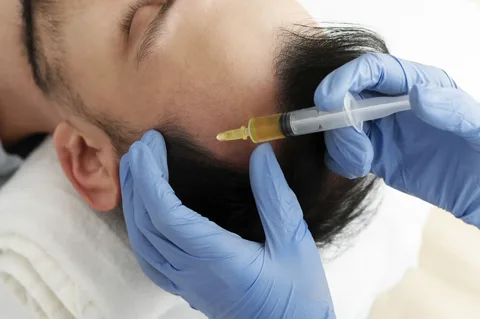
PRP (Platelet-Rich Plasma) therapy has quickly become one of the most sought-after treatments for skin rejuvenation and hair restoration. It is natural, minimally invasive, and delivers long-lasting results. However, one of the most common questions people ask is: How often should you get PRP therapy? If you are considering PRP in Islamabad, understanding the ideal treatment frequency is essential to achieve the best possible results.
This guide will explain how often PRP sessions are needed, factors that influence frequency, and how to maintain long-term benefits.
What is PRP Therapy?
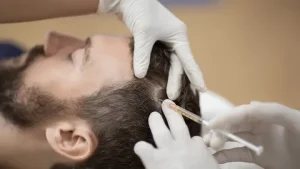
PRP therapy involves extracting a small amount of your blood, processing it to isolate platelet-rich plasma, and applying it to the skin or scalp. The growth factors in PRP stimulate collagen production, tissue repair, and hair follicle regeneration.
Key Benefits:
- Improves skin texture and tone
- Reduces wrinkles and fine lines
- Promotes hair growth
- Enhances overall skin health
Because PRP works gradually, multiple sessions are required for optimal results.
Why Multiple PRP Sessions Are Necessary
Unlike instant cosmetic treatments, PRP relies on your body’s natural healing process. This means results develop over time.
Reasons for Multiple Sessions:
- Gradual collagen production
- Progressive tissue repair
- Long-term improvement
- Enhanced effectiveness with repetition
Each session builds upon the previous one, leading to better and longer-lasting results.
Recommended PRP Treatment Frequency
The frequency of PRP therapy depends on your goals and treatment area.
General Guidelines:
| Treatment Phase | Frequency |
|---|---|
| Initial Phase | 3–4 sessions |
| Interval Between Sessions | Every 4–6 weeks |
| Maintenance Phase | Every 6–12 months |
This schedule is widely recommended for both skin and hair treatments.
PRP Frequency for Skin Rejuvenation
If you are using PRP for facial treatments, the schedule may vary slightly.
Typical Plan:
- 3 sessions initially
- Sessions spaced 4–6 weeks apart
- Maintenance every 6–12 months
Expected Results:
- Improved skin texture
- Reduced fine lines
- Brighter complexion
Regular sessions help maintain youthful skin.
PRP Frequency for Hair Restoration
Hair growth requires consistent stimulation of hair follicles.
Recommended Plan:
- 3–4 sessions initially
- Sessions every 4 weeks
- Maintenance every 4–6 months
Results Include:
- Reduced hair shedding
- Stronger hair roots
- Gradual hair regrowth
Consistency is key for achieving noticeable hair improvement.
Factors That Affect PRP Frequency
Not everyone requires the same number of sessions.
Key Factors:
- Age and skin condition
- Severity of hair loss
- Treatment goals
- Lifestyle habits
- Overall health
A personalized treatment plan ensures the best results.
Signs You May Need More PRP Sessions
Some individuals may require additional sessions beyond the standard plan.
Indicators:
- Slow improvement
- Severe hair loss
- Deep wrinkles or scars
- Lack of maintenance
Your practitioner will adjust your schedule accordingly
Can You Get PRP Too Often?
While PRP is safe, excessive treatments are not necessary.
Why Over-Treatment Isn’t Recommended:
- The body needs time to heal and regenerate
- Too frequent sessions may not enhance results
- Proper intervals ensure maximum effectiveness
Following a professional schedule is essential.
How Long Do PRP Results Last?
PRP results are not permanent but can last for several months.
Duration:
- Skin results: 6–12 months
- Hair results: 4–6 months (with maintenance)
Regular sessions help sustain the benefits.
Tips to Maintain PRP Results
To extend the effects of PRP therapy, follow these tips:
Do’s:
- Maintain a healthy diet
- Stay hydrated
- Follow a good skincare routine
- Use recommended hair care products
Don’ts:
- Avoid smoking
- Limit alcohol consumption
- Avoid excessive sun exposure
These habits enhance and prolong PRP results.
Benefits of Regular PRP Therapy
Sticking to a consistent schedule offers multiple advantages.
Key Benefits:
- Long-lasting results
- Improved skin and hair health
- Prevents aging signs
- Boosts confidence
PRP works best when done regularly and correctly.
Cost of PRP in Islamabad
The cost depends on the number of sessions and treatment area.
Estimated Cost:
- Per session: 15,000 – 35,000 PKR
- Full package: 40,000 – 120,000 PKR
Investing in multiple sessions ensures better outcomes.
FAQs About PRP Frequency
1. How often should I get PRP therapy?
Typically every 4–6 weeks during the initial phase.
2. How many sessions are needed?
Usually 3–4 sessions for best results.
3. Can I stop PRP after one session?
One session may not provide noticeable results.
4. How often is maintenance required?
Every 6–12 months for skin and 4–6 months for hair.
5. Is PRP safe for frequent use?
Yes, but it should follow a proper schedule.
6. Can PRP be combined with other treatments?
Yes, it is often combined with micro needling or laser treatments.
Final Thoughts
PRP therapy is a powerful and natural treatment that delivers gradual yet long-lasting results for both skin and hair. However, consistency is the key to success. Following the recommended schedule ensures optimal outcomes and helps maintain your results over time. Whether you are targeting skin rejuvenation or hair restoration, understanding how often to get PRP therapy allows you to make informed decisions and achieve the best results.
If you are planning to start your PRP journey, choosing a trusted clinic is essential. For expert guidance and advanced treatments, visit SKN Cosmetic Clinic. Their experienced professionals create personalized PRP plans tailored to your needs, ensuring safe, effective, and long-lasting results.
Author



Custom Clothing Tags: Brand Identity and Customer Experience

Custom Swing Tags: Brand Identity and Product Presentation

Custom Luggage Tags: Brand Identity and Travel Experience

Tax Planning Strategies: Business Growth and Financial Efficiency

Domestic Storage: Solution for Modern Home Space Management

Pilonidal Sinus Treatment: Causes, Symptoms, and Laser Care

Perfect Endmills for Complex CNC Machining Jobs

Dubai Road and Driving: Cinematic Paradise for Car Content

Thumb Tissue Forceps: Engineering for Surgical Excellence

Trapstar Clothing: The Rise of a Global Streetwear Icon

Cybersecurity Consulting Company SequelNet Provides Critical IT Support Services to Medical Billing Firm, Medical Optimum

Team Communication Software Transforms Operations at Finance Innovate

Project Management Tool Transforms Long Island Business

How Alleviate Poverty Utilized IPPBX’s All-in-One Solution to Transform Lives in New York City

Breast Cancer: The Imperative Role of Mammograms in Screening and Early Detection

Unstoppable Collaboration: D.C.’s Citi Open and Silicon Valley Classic Unite to Propel Women’s Tennis to New Heights

Embracing Renewal: Sizdabedar Celebrations Unite Iranians in New York’s Eisenhower Park

The Benefits of Starting a Side Hustle for Financial Freedom

New Blood Donation Screening Questions What You Need to Know

Stylishly Timeless: The 5 Types of Sandals You Need in Your Closet
-

 Business3 years ago
Cybersecurity Consulting Company SequelNet Provides Critical IT Support Services to Medical Billing Firm, Medical Optimum
-
Business3 years ago
Team Communication Software Transforms Operations at Finance Innovate
-
Business3 years ago
Project Management Tool Transforms Long Island Business
-
Business3 years ago
How Alleviate Poverty Utilized IPPBX’s All-in-One Solution to Transform Lives in New York City
-
health3 years ago
Breast Cancer: The Imperative Role of Mammograms in Screening and Early Detection
-
Sports3 years ago
Unstoppable Collaboration: D.C.’s Citi Open and Silicon Valley Classic Unite to Propel Women’s Tennis to New Heights
-
Art /Entertainment3 years ago
Embracing Renewal: Sizdabedar Celebrations Unite Iranians in New York’s Eisenhower Park
-
Finance3 years ago
The Benefits of Starting a Side Hustle for Financial Freedom







