
Beauty Fitness
Conquering Perpetually Greasy Hair Troubles: Insider Tips from a Stylist


Introduction:
Perpetually greasy hair can be a frustrating and challenging issue to deal with. Many factors contribute to this problem, including overactive oil glands, poor hair care habits, and hormonal imbalances. Understanding the challenges associated with greasy hair is crucial in finding effective solutions.
One of the main challenges of having perpetually greasy hair is the constant need for washing. Grease buildup makes hair look dirty and unkempt, so frequent washing becomes necessary. However, excessive washing can strip the scalp of its natural oils, leading to even more oil production as a result.
Another challenge is finding suitable hair care products that balance oil production without drying out or weighing down the hair. It can be a trial-and-error process to find shampoos and conditioners that effectively cleanse and moisturize without leaving behind residue or adding excessive shine.

Photo by Monstera: https://www.pexels.com/photo/asian-female-with-rhinestones-in-shape-of-hearts-on-cheeks-6973945/
Styling also presents challenges for those with perpetually greasy hair
Grease tends to weigh down hairstyles and inhibit volume and hold. It becomes difficult to achieve desired looks that last throughout the day.
Social implications are also worth considering when dealing with perpetually greasy hair. People may make assumptions about personal hygiene based on appearance alone, leading to potential self-consciousness or embarrassment.
Addressing these challenges requires a multifaceted approach. Proper scalp hygiene plays a significant role in managing oily roots; avoiding harsh shampoos or hot water helps maintain balance without stripping essential oils entirely.

Choosing lightweight styling products formulated specifically for oily-prone locks allows individuals to achieve their desired styles while minimizing buildup or grease accumulation throughout the day.
Additionally, adopting lifestyle changes such as managing stress levels and maintaining a balanced diet can help regulate hormonal imbalances that contribute to excessive oil production.
While dealing with perpetually greasy hair poses numerous challenges, understanding them empowers individuals to take action towards healthier-looking locks. Through proper care routines tailored for oily-prone scalps and experimenting with different products suited for their specific needs, people can find effective solutions and regain confidence in their hair’s appearance.
Having constantly oily hair can be quite irritating. Excessive sebum production by the scalp leads to greasy hair, causing it to look oily and heavy. This condition can be influenced by a variety of factors, including hormonal imbalances, genetic predisposition, and inadequate hair care routines. Acknowledging the unique difficulties associated with constantly oily hair is the initial stage in discovering successful remedies.
Creating a personalized hair care routine for greasy hair can help manage excessive oil production and keep your hair looking fresh. Here are some tips to customize a routine that suits your needs:
1. Use a clarifying shampoo: Start your routine by using a clarifying shampoo once or twice a week. This will help remove build-up and excess oil from your scalp.
2. Avoid over-washing: While it may be tempting to wash greasy hair frequently, over-washing can strip away natural oils and actually increase oil production. Aim to wash your hair every other day or every two days.
3. Focus on the roots: When washing, pay extra attention to the roots of your hair where oil tends to accumulate the most. Gently massage the shampoo into your scalp to cleanse thoroughly.
4. Use a lightweight conditioner: To avoid adding unnecessary heaviness or additional oils to your hair, choose a lightweight conditioner specifically formulated for oily/greasy hair types. Apply it mainly on the ends of your hair, avoiding the roots.
5. Try dry shampoo: On non-wash days, opt for dry shampoo in between washes as it helps absorb excess oil at the roots and provides volume.
6. Limit heat styling: Excessive heat styling can stimulate oil production in the scalp, so try to limit the use of hot tools like curling irons or straighteners.
7.Train Your Hair: If you find that you need frequent daily washing due very oily locks then consider training you’re here by gapping out one day between shampoos gradually working up two skipping three days etc this is not doable right up front but with time you’ll see results
8.Style wisely- Choose hairstyles that don’t touch too much with her face or use heavy products like gels mousses pomades etc
Remember that everyone’s hair is unique, so feel free to adjust this routine based on what works best for you. It may take some trial and error to find the perfect products and techniques for managing your greasy hair, but with consistency, you can achieve healthier-looking locks.
It is essential to develop a personalized hair care regimen that specifically addresses your oily hair in order to effectively manage and regulate the excess oil. Consider the following steps:
Select a clarifying shampoo that is specifically formulated for oily hair. Check for components like tea tree oil, salicylic acid, or citrus extracts in the product. They can effectively clean and restore the scalp’s natural oil balance without removing necessary oils.
Emphasize scalp cleansing: Direct the shampoo primarily to your scalp rather than focusing on the rest of your hair. Carefully rub the shampoo into your scalp to eliminate any excessive oil, dirt, or buildup from hair products.
Make sure to rinse your hair completely to eliminate any leftover shampoo and conditioner. Product residue can make your hair heavy and contribute to oiliness.
Avoid heavy conditioners. Use a small amount of conditioner and target the tips of your hair to avoid making your scalp oily. Seek out weightless conditioners that are free of oil to avoid weighing down your hair.
Coping with constantly oily hair necessitates specialized advice and techniques.
1. Wash your face twice a day using a gentle cleanser that is specifically formulated for oily or greasy skin. Avoid using harsh soaps or scrubbing too vigorously, as this can strip the skin of its natural oils and cause it to produce even more oil.
2. Use oil-free and non-comedogenic skincare products, such as moisturizers, sunscreens, and makeup. Look for labels that say “oil-free” or “non-comedogenic” to ensure that they won’t clog your pores and contribute to greasiness.
3. Exfoliate your skin regularly to remove dead skin cells and unclog pores. Opt for gentle exfoliants like salicylic acid or glycolic acid, which can help regulate oil production.
4. Use blotting papers throughout the day to absorb excess oil from your face without disturbing your makeup. Simply press the blotting paper onto oily areas of the skin, such as the forehead, nose, and chin.
5. Avoid touching your face with dirty hands as this can transfer bacteria and oils onto the skin, leading to breakouts and increased greasiness.
6. Consider using a clay mask once or twice a week to absorb excess oil from the skin’s surface and tighten pores.
7. Be mindful of the types of foods you consume as some studies suggest that certain foods high in sugar or unhealthy fats can contribute to oily skin. Opt for a balanced diet consisting of fruits, vegetables, lean proteins, whole grains, and healthy fats like omega-3 fatty acids found in fish.
8.Try not stress too much since stress can increase oil production on your face causing it seem more greasy
9.Make sure cover any open wounds by either keeping them bandaged up properly cleaned/sterilized so u don’t have any extra oils/bacteria entering into an open wound
Wash your hair appropriately
Maintain regular hair washing routines, but be cautious not to overdo it, as excessive washing can stimulate the scalp to produce excess oil. Discover a routine that suits your needs, usually alternating days or when necessary.
Use water that is comfortably warm: Using hot water can cause your sebaceous glands to produce more oil. Choose lukewarm water when cleansing your hair to keep your scalp balanced.
Don’t skip conditioner entirely. Avoiding conditioner completely can result in dry and imbalanced hair and scalp. Apply a gentle, weightless conditioner to the ends of your hair to retain moisture without weighing down the roots.
Consider trying natural treatments to manage oiliness. Using a diluted solution of apple cider vinegar to rinse your hair can help eliminate residue and bring back harmony to the scalp.
Tips to Achieve Beautiful, Oil-Free Hair
You can still create stunning hairstyles even if you have constantly oily hair. Consider the following styling hacks:
Consider using dry shampoo to combat oily hair. Massage the product into the roots, paying extra attention to oily sections, in order to soak up any extra oil and create more body.
Try different hairstyles like updos, braids, and textured looks to hide oily hair. These hairstyles can conceal any greasy hair and give your locks a clean and trendy appearance.
Minimize the use of heat styling tools to prevent excess oiliness from being more apparent. To decrease the accumulation of oil, try using heatless techniques for styling instead of relying on hot tools.
Ensure you regularly clean your styling tools to prevent the transfer of oil and product buildup onto your hair. Regularly cleaning your brushes, combs, and hair accessories is important for keeping a clean and oil-free atmosphere.
By incorporating these professional tips and techniques, you can overcome your persistent issue of oily hair. Say farewell to oily hair and welcome vibrant, clean, and revitalized locks. Adopt these techniques and regain your self-assurance with beautiful, oil-free hair.
Author

Author


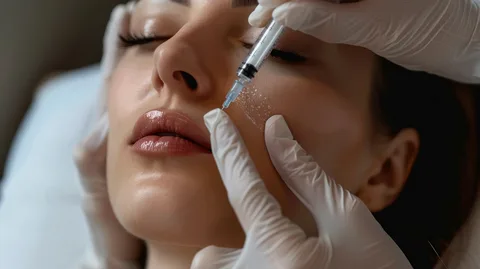
If you’re noticing hollow cheeks, deeper smile lines, or sunken temples, you’re experiencing what millions face as they age: facial volume loss. While these changes are natural, they can make you look tired or older than you feel. The good news? Modern dermal filler treatments offer a safe, effective solution to restore youthful volume without surgery. But one question remains top of mind for most people considering treatment: how long will the results actually last?
Understanding the longevity of facial volume loss treatments is essential for planning your aesthetic journey and budget. Whether you’re exploring options for facial volume loss Boca Raton or simply researching, this comprehensive guide will help you understand what to expect from your investment.

Understanding Facial Volume Loss
It is a natural part of aging, as the fat pads beneath our skin diminish, and collagen production slows. This process typically begins in our mid-to-late twenties and accelerates as we enter our thirties and beyond.
Several factors contribute to facial volume loss, including genetics, sun exposure, weight fluctuations, stress, and lifestyle habits like smoking. The loss doesn’t happen uniformly across the face. Common areas affected include the cheeks, temples, under-eye hollows, lips, chin, and jawline. These changes can create a gaunt appearance, deepen wrinkles, and alter facial contours that once defined your youthful look.
The impact goes beyond aesthetics. Many people report feeling less confident or concerned that their appearance doesn’t match how vibrant they feel inside. This disconnect drives many to seek treatments that can restore their natural volume and refresh their appearance.
Dermal Fillers: The Leading Solution
Dermal fillers have emerged as the gold standard for treating facial volume loss. These injectable gel-like substances, most commonly made from hyaluronic acid, replenish lost volume beneath the skin’s surface. Hyaluronic acid is a naturally occurring substance in the body that helps maintain skin hydration and plumpness.
When strategically injected by a skilled practitioner, dermal fillers can restore fullness to hollow areas, smooth wrinkles and folds, enhance facial contours, and create overall facial harmony. The procedure is minimally invasive, involves minimal recovery time, and delivers noticeable results right away—enhancing further as mild swelling gradually resolves.
Popular filler brands used for facial volume restoration include Juvederm, Restylane, and Sculptra, each formulated for specific areas and treatment goals. The choice of filler depends on the treatment area, the desired outcome, and the individual patient’s needs.
Duration of Results: What to Expect
The longevity of dermal filler results varies based on several factors, but most patients can expect their results to last between 6 and 18 months. However, this timeline isn’t one-size-fits-all.
Treatment Area Impact
Different areas of the face experience varying levels of movement and muscle activity, which affects how long fillers last. Lips typically see results lasting 6 to 9 months due to constant movement from talking, eating, and facial expressions. Cheeks and mid-face areas usually maintain results for 9 to 12 months, while under-eye fillers can last 9 to 12 months or longer. Chin and jawline fillers often provide the longest-lasting results, typically 12 to 18 months, as these areas experience less dynamic movement.
Filler Type Matters
Different formulations have varying durations. Traditional hyaluronic acid fillers last 6 to 12 months on average. More robust formulations designed for deeper volumization can last 12 to 18 months. Biostimulatory fillers such as Sculptra operate by encouraging collagen production and can yield results that last for 2 years or longer.
Individual Factors
Your body’s unique metabolism plays a significant role in how quickly filler breaks down. Those with faster metabolisms may find their results fade more quickly. Age also matters, as younger patients with better skin elasticity may experience longer-lasting results. Lifestyle factors, including exercise intensity, sun exposure, and smoking, can all affect longevity. Additionally, first-time patients may notice that their initial treatment doesn’t last as long, while maintenance treatments often do.
Maximizing Your Results
While the natural breakdown of fillers is inevitable, you can take steps to extend your results and maintain your refreshed appearance.
Immediate Aftercare
Following your treatment, avoid strenuous exercise for 24 to 48 hours, as elevated heart rate and blood pressure can increase swelling. Stay away from excessive heat, including saunas, hot tubs, and direct sunlight. Don’t massage or apply pressure to treated areas unless your provider instructs you to do so. Keep your head raised while sleeping for the initial nights to reduce swelling.
Long-Term Maintenance
Protect your investment by using broad-spectrum SPF daily, as sun damage accelerates the breakdown of fillers and contributes to further volume loss. Keep a regular skincare regimen using high-quality products that promote skin wellness.
Stay well-hydrated, as hyaluronic acid fillers attract and retain water. Consider scheduling maintenance appointments before your results completely fade for optimal ongoing results.
Follow-Up Treatments
Most providers recommend touch-up appointments every 9 to 12 months to maintain your desired look. These maintenance sessions typically require less product than initial treatments, making them more cost-effective over time.
Choosing the Right Provider in Boca Raton
The skill and experience of your injector significantly impact both the quality and longevity of your results. When seeking treatment for facial volume loss in Boca Raton, prioritize providers with proper credentials, including board certification and specialized training in aesthetic injectables.
Look for practitioners who take a personalized approach, carefully assessing your unique facial anatomy and creating customized treatment plans. Review before-and-after photos of actual patients to evaluate their aesthetic style and skill level. A provider who stays current with the latest techniques and products can offer you the most advanced, effective treatments available.
During your consultation, a qualified provider should thoroughly discuss your goals, explain which fillers are best suited to your needs, set realistic expectations for results and longevity, and create a comprehensive treatment plan that may include multiple areas for balanced facial rejuvenation.
Conclusion
Understanding how long facial volume loss treatment results last helps you make informed decisions about your aesthetic journey. While most dermal filler results last between 6 and 18 months, depending on various factors, the confidence and refreshed appearance they provide can be truly transformative.
The key to maximizing your investment lies in choosing an experienced provider, following proper aftercare instructions, and maintaining your results with scheduled touch-up treatments. With the right approach, you can enjoy natural-looking, age-defying results that help you look and feel your best.
Author




Explore a stunning range of these outfits by visiting our curated selection . Here, you’ll discover designs that marry cultural heritage with current trends, ensuring a sophisticated addition to your collection.
Ideal for weddings, festivals, or formal events, these suits provide versatility and elegance. The vibrant colors and detailed craftsmanship allow for personalized style statements. Embrace the beauty of cultural fusion and find your perfect outfit today to enhance your wardrobe with timeless appeal.
Author



Understanding the Role of Assessment in Education

Can Window Tinting Improve Fuel Efficiency in Boynton Beach?
Navigating Health in a Busy World: Your Guide to Wellness

How Ceramic Coating Improves Resale Value in Long Beach

Moonga (Red Coral): Astrological Significance and Benefits

Baby Rashes: Common Types, Causes, and Care Tips

Fixing AOL Mail Crashes: Common Causes and Easy Solutions

Understanding Istikhara: Your Guide to Seeking Allah’s Guidance

Hellstar Clothing: The Bold Brand Everyone’s Talking About in 2026

AI and Automation: Transforming Business Workflows for Efficiency

Cybersecurity Consulting Company SequelNet Provides Critical IT Support Services to Medical Billing Firm, Medical Optimum

Team Communication Software Transforms Operations at Finance Innovate

Project Management Tool Transforms Long Island Business

How Alleviate Poverty Utilized IPPBX’s All-in-One Solution to Transform Lives in New York City

Breast Cancer: The Imperative Role of Mammograms in Screening and Early Detection

Unstoppable Collaboration: D.C.’s Citi Open and Silicon Valley Classic Unite to Propel Women’s Tennis to New Heights

Embracing Renewal: Sizdabedar Celebrations Unite Iranians in New York’s Eisenhower Park

The Benefits of Starting a Side Hustle for Financial Freedom

New Blood Donation Screening Questions What You Need to Know

Stylishly Timeless: The 5 Types of Sandals You Need in Your Closet
-

 Business3 years ago
Cybersecurity Consulting Company SequelNet Provides Critical IT Support Services to Medical Billing Firm, Medical Optimum
-
Business3 years ago
Team Communication Software Transforms Operations at Finance Innovate
-
Business3 years ago
Project Management Tool Transforms Long Island Business
-
Business2 years ago
How Alleviate Poverty Utilized IPPBX’s All-in-One Solution to Transform Lives in New York City
-
health3 years ago
Breast Cancer: The Imperative Role of Mammograms in Screening and Early Detection
-
Sports3 years ago
Unstoppable Collaboration: D.C.’s Citi Open and Silicon Valley Classic Unite to Propel Women’s Tennis to New Heights
-
Art /Entertainment3 years ago
Embracing Renewal: Sizdabedar Celebrations Unite Iranians in New York’s Eisenhower Park
-
Finance3 years ago
The Benefits of Starting a Side Hustle for Financial Freedom







