
Beauty Fitness
Conquering Perpetually Greasy Hair Troubles: Insider Tips from a Stylist

Introduction:
Perpetually greasy hair can be a frustrating and challenging issue to deal with. Many factors contribute to this problem, including overactive oil glands, poor hair care habits, and hormonal imbalances. Understanding the challenges associated with greasy hair is crucial in finding effective solutions.
One of the main challenges of having perpetually greasy hair is the constant need for washing. Grease buildup makes hair look dirty and unkempt, so frequent washing becomes necessary. However, excessive washing can strip the scalp of its natural oils, leading to even more oil production as a result.
Another challenge is finding suitable hair care products that balance oil production without drying out or weighing down the hair. It can be a trial-and-error process to find shampoos and conditioners that effectively cleanse and moisturize without leaving behind residue or adding excessive shine.

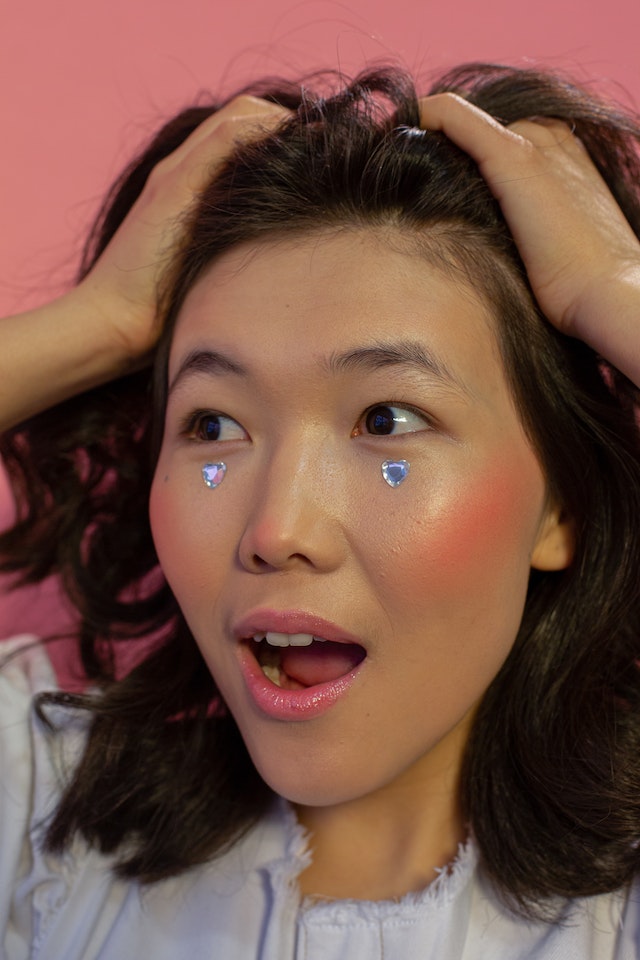
Photo by Monstera: https://www.pexels.com/photo/asian-female-with-rhinestones-in-shape-of-hearts-on-cheeks-6973945/
Styling also presents challenges for those with perpetually greasy hair
Grease tends to weigh down hairstyles and inhibit volume and hold. It becomes difficult to achieve desired looks that last throughout the day.
Social implications are also worth considering when dealing with perpetually greasy hair. People may make assumptions about personal hygiene based on appearance alone, leading to potential self-consciousness or embarrassment.
Addressing these challenges requires a multifaceted approach. Proper scalp hygiene plays a significant role in managing oily roots; avoiding harsh shampoos or hot water helps maintain balance without stripping essential oils entirely.

Choosing lightweight styling products formulated specifically for oily-prone locks allows individuals to achieve their desired styles while minimizing buildup or grease accumulation throughout the day.
Additionally, adopting lifestyle changes such as managing stress levels and maintaining a balanced diet can help regulate hormonal imbalances that contribute to excessive oil production.
While dealing with perpetually greasy hair poses numerous challenges, understanding them empowers individuals to take action towards healthier-looking locks. Through proper care routines tailored for oily-prone scalps and experimenting with different products suited for their specific needs, people can find effective solutions and regain confidence in their hair’s appearance.
Having constantly oily hair can be quite irritating. Excessive sebum production by the scalp leads to greasy hair, causing it to look oily and heavy. This condition can be influenced by a variety of factors, including hormonal imbalances, genetic predisposition, and inadequate hair care routines. Acknowledging the unique difficulties associated with constantly oily hair is the initial stage in discovering successful remedies.
Creating a personalized hair care routine for greasy hair can help manage excessive oil production and keep your hair looking fresh. Here are some tips to customize a routine that suits your needs:
1. Use a clarifying shampoo: Start your routine by using a clarifying shampoo once or twice a week. This will help remove build-up and excess oil from your scalp.
2. Avoid over-washing: While it may be tempting to wash greasy hair frequently, over-washing can strip away natural oils and actually increase oil production. Aim to wash your hair every other day or every two days.
3. Focus on the roots: When washing, pay extra attention to the roots of your hair where oil tends to accumulate the most. Gently massage the shampoo into your scalp to cleanse thoroughly.
4. Use a lightweight conditioner: To avoid adding unnecessary heaviness or additional oils to your hair, choose a lightweight conditioner specifically formulated for oily/greasy hair types. Apply it mainly on the ends of your hair, avoiding the roots.
5. Try dry shampoo: On non-wash days, opt for dry shampoo in between washes as it helps absorb excess oil at the roots and provides volume.
6. Limit heat styling: Excessive heat styling can stimulate oil production in the scalp, so try to limit the use of hot tools like curling irons or straighteners.
7.Train Your Hair: If you find that you need frequent daily washing due very oily locks then consider training you’re here by gapping out one day between shampoos gradually working up two skipping three days etc this is not doable right up front but with time you’ll see results
8.Style wisely- Choose hairstyles that don’t touch too much with her face or use heavy products like gels mousses pomades etc
Remember that everyone’s hair is unique, so feel free to adjust this routine based on what works best for you. It may take some trial and error to find the perfect products and techniques for managing your greasy hair, but with consistency, you can achieve healthier-looking locks.
It is essential to develop a personalized hair care regimen that specifically addresses your oily hair in order to effectively manage and regulate the excess oil. Consider the following steps:
Select a clarifying shampoo that is specifically formulated for oily hair. Check for components like tea tree oil, salicylic acid, or citrus extracts in the product. They can effectively clean and restore the scalp’s natural oil balance without removing necessary oils.
Emphasize scalp cleansing: Direct the shampoo primarily to your scalp rather than focusing on the rest of your hair. Carefully rub the shampoo into your scalp to eliminate any excessive oil, dirt, or buildup from hair products.
Make sure to rinse your hair completely to eliminate any leftover shampoo and conditioner. Product residue can make your hair heavy and contribute to oiliness.
Avoid heavy conditioners. Use a small amount of conditioner and target the tips of your hair to avoid making your scalp oily. Seek out weightless conditioners that are free of oil to avoid weighing down your hair.
Coping with constantly oily hair necessitates specialized advice and techniques.
1. Wash your face twice a day using a gentle cleanser that is specifically formulated for oily or greasy skin. Avoid using harsh soaps or scrubbing too vigorously, as this can strip the skin of its natural oils and cause it to produce even more oil.
2. Use oil-free and non-comedogenic skincare products, such as moisturizers, sunscreens, and makeup. Look for labels that say “oil-free” or “non-comedogenic” to ensure that they won’t clog your pores and contribute to greasiness.
3. Exfoliate your skin regularly to remove dead skin cells and unclog pores. Opt for gentle exfoliants like salicylic acid or glycolic acid, which can help regulate oil production.
4. Use blotting papers throughout the day to absorb excess oil from your face without disturbing your makeup. Simply press the blotting paper onto oily areas of the skin, such as the forehead, nose, and chin.
5. Avoid touching your face with dirty hands as this can transfer bacteria and oils onto the skin, leading to breakouts and increased greasiness.
6. Consider using a clay mask once or twice a week to absorb excess oil from the skin’s surface and tighten pores.
7. Be mindful of the types of foods you consume as some studies suggest that certain foods high in sugar or unhealthy fats can contribute to oily skin. Opt for a balanced diet consisting of fruits, vegetables, lean proteins, whole grains, and healthy fats like omega-3 fatty acids found in fish.
8.Try not stress too much since stress can increase oil production on your face causing it seem more greasy
9.Make sure cover any open wounds by either keeping them bandaged up properly cleaned/sterilized so u don’t have any extra oils/bacteria entering into an open wound
Wash your hair appropriately
Maintain regular hair washing routines, but be cautious not to overdo it, as excessive washing can stimulate the scalp to produce excess oil. Discover a routine that suits your needs, usually alternating days or when necessary.
Use water that is comfortably warm: Using hot water can cause your sebaceous glands to produce more oil. Choose lukewarm water when cleansing your hair to keep your scalp balanced.
Don’t skip conditioner entirely. Avoiding conditioner completely can result in dry and imbalanced hair and scalp. Apply a gentle, weightless conditioner to the ends of your hair to retain moisture without weighing down the roots.
Consider trying natural treatments to manage oiliness. Using a diluted solution of apple cider vinegar to rinse your hair can help eliminate residue and bring back harmony to the scalp.
Tips to Achieve Beautiful, Oil-Free Hair
You can still create stunning hairstyles even if you have constantly oily hair. Consider the following styling hacks:
Consider using dry shampoo to combat oily hair. Massage the product into the roots, paying extra attention to oily sections, in order to soak up any extra oil and create more body.
Try different hairstyles like updos, braids, and textured looks to hide oily hair. These hairstyles can conceal any greasy hair and give your locks a clean and trendy appearance.
Minimize the use of heat styling tools to prevent excess oiliness from being more apparent. To decrease the accumulation of oil, try using heatless techniques for styling instead of relying on hot tools.
Ensure you regularly clean your styling tools to prevent the transfer of oil and product buildup onto your hair. Regularly cleaning your brushes, combs, and hair accessories is important for keeping a clean and oil-free atmosphere.
By incorporating these professional tips and techniques, you can overcome your persistent issue of oily hair. Say farewell to oily hair and welcome vibrant, clean, and revitalized locks. Adopt these techniques and regain your self-assurance with beautiful, oil-free hair.
Author

Stubborn fat can be difficult to manage, especially when certain areas remain unchanged despite regular exercise and a healthy lifestyle. Many people experience concerns with localized fat deposits around areas such as the double chin, abdomen, arms, thighs, and waist. These areas may affect overall body confidence even when a person maintains healthy habits.
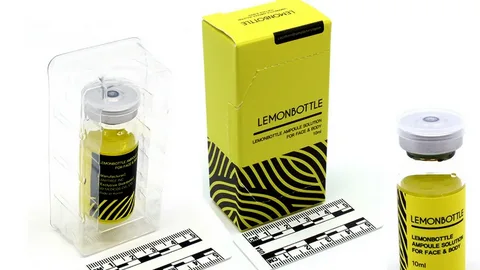
For individuals looking for a non-surgical approach to improve body contours, Lemon Bottle Injection offers a modern aesthetic treatment option. This minimally invasive procedure focuses on targeted areas of unwanted fat and helps create a more refined appearance without surgical incisions or extended recovery periods.
Unlike traditional surgical procedures, Lemon Bottle Injection provides a convenient option for people who want gradual body contouring results while continuing their normal routines.
What Is Lemon Bottle Injection?
Lemon Bottle Injection is a non-surgical injectable treatment designed to target localized fat deposits. The procedure involves applying a specialized solution directly into areas where stubborn fat is present. Over time, the body naturally processes the treated fat cells.
The treatment focuses on improving body shape rather than providing overall weight reduction. It works best for individuals who are already close to their desired weight but struggle with specific areas that do not respond well to diet and exercise.
Unlike surgical fat-removal treatments, Lemon Bottle Injection does not involve large incisions, stitches, or lengthy recovery periods. This makes it an appealing option for people who want a less invasive approach to body contouring.
How Does Lemon Bottle Injection Work?
The process begins with a consultation where a qualified aesthetic professional evaluates your goals, concerns, and suitability for treatment. This step helps determine the most appropriate areas for treatment and allows the practitioner to create a personalized plan.
During the procedure, the practitioner carefully applies the solution into selected fat deposits. The body then gradually works to process and remove the treated fat cells naturally.
The treatment process generally includes:
- Cleaning and preparing the treatment area.
- Identifying and marking the targeted sections.
- Injecting the Lemon Bottle solution into the selected areas.
- Allowing the body to gradually respond to the treatment.
Results usually develop over time rather than appearing immediately. The number of sessions required may vary depending on the treatment area, individual goals, and professional assessment.
Areas That Can Be Treated With Lemon Bottle Injection
Lemon Bottle Injection can help improve the appearance of several areas where stubborn fat commonly develops. These areas may include:
- Double chin
- Jawline
- Upper arms
- Abdomen
- Waist area
- Love handles
- Back fat
- Inner thighs
- Outer thighs
- Knees
Many people choose targeted fat reduction because these areas can sometimes remain resistant despite consistent fitness routines. A personalized treatment plan helps determine which areas may benefit most from the procedure.
Benefits of Lemon Bottle Injection
Non-Surgical Fat Reduction
One of the main benefits of Lemon Bottle Injection is that it provides a fat-reduction option without surgery. The treatment does not require traditional surgical procedures, making it suitable for individuals who prefer minimally invasive solutions.
Without surgical incisions, patients can avoid many concerns associated with more invasive treatments. This allows them to focus on gradual improvement with less disruption to their daily routines.
Targeted Body Contouring
Lemon Bottle Injection focuses on specific areas rather than treating the entire body. This targeted approach allows practitioners to address individual concerns and create a more customized contouring plan.
Whether the goal is improving jawline definition or refining body proportions, targeted treatment can help create a more balanced appearance.
Minimal Downtime
Many individuals choose this treatment because it typically requires little recovery time. Most patients can return to regular activities shortly after the procedure, depending on their individual response and professional guidance.
This makes it a convenient option for people with busy schedules who want to improve their appearance without significant interruptions.
Quick Treatment Sessions
Lemon Bottle Injection sessions are generally completed within a short period. The exact duration depends on the number of areas being treated and the personalized treatment plan.
The shorter appointment time makes it easier for individuals to include the procedure within their existing schedules.
Natural-Looking Results
Because the body gradually responds to the treatment, changes often appear progressively. This gradual process can create a smoother and more natural-looking improvement compared with sudden changes.
Patients usually appreciate results that enhance their appearance while maintaining their natural body shape.
What to Expect After Lemon Bottle Injection
After treatment, some temporary effects may occur as the body responds to the procedure. These effects are generally mild and improve naturally over time.
Common temporary reactions may include:
- Mild swelling
- Redness
- Tenderness
- Minor bruising
Following professional aftercare advice can help support a comfortable recovery experience.
Your practitioner may recommend:
- Drinking sufficient water
- Following specific aftercare instructions
- Avoiding intense physical activity for a short period
- Attending recommended follow-up appointments
Each person’s recovery experience can vary depending on the treatment area and individual healing response.
Who Is a Good Candidate for Lemon Bottle Injection?
Lemon Bottle Injection may be suitable for individuals who want targeted fat reduction and improved body contours. Good candidates often share several characteristics, including:
- Having localized stubborn fat areas
- Maintaining a relatively stable weight
- Wanting a non-surgical aesthetic option
- Having realistic expectations
- Being generally healthy
It is important to understand that Lemon Bottle Injection is not a replacement for weight-loss programs or healthy lifestyle habits. The treatment works best as a body contouring solution for specific areas.
A consultation with a qualified professional can help determine whether the procedure matches your goals and expectations.
Maintaining Your Results After Treatment
Maintaining body contouring results requires continued healthy lifestyle choices. While the treatment can help improve specific areas, long-term results depend on maintaining overall wellness.
Helpful habits include:
- Following a balanced diet
- Exercising regularly
- Drinking enough water
- Maintaining a stable weight
- Following professional recommendations
These habits support overall health and can help preserve improved body contours over time.
Importance of Choosing a Qualified Professional
Selecting an experienced and qualified practitioner is an important part of achieving safe and satisfying results. A professional provider understands proper techniques, evaluates individual needs, and creates an appropriate treatment plan.
During a consultation, your practitioner can discuss your goals, review your medical background, explain expectations, and answer questions about the procedure. Choosing a reputable clinic helps ensure that treatment follows appropriate standards and that patients receive personalized care throughout their experience.
Final Thoughts
Lemon Bottle Injection provides a modern non-surgical option for individuals who want to address stubborn fat and enhance their body contours. With targeted treatment, minimal downtime, and gradual improvements, it offers a convenient approach for people seeking a more refined appearance.
Although results can vary between individuals, a personalized treatment plan and professional guidance play an important role in achieving satisfying outcomes. If you are considering Lemon Bottle Injection, consulting with a qualified aesthetic professional can help you understand whether this treatment aligns with your goals and expectations.
Author



Many people struggle with stubborn areas of fat that remain even after maintaining a healthy diet and exercising regularly. These concerns often lead individuals to explore cosmetic body contouring options that can help improve body shape and proportions. However, inaccurate information about liposuction can create confusion and unnecessary fear among potential patients.
If you are researching Liposuction in Pakistan, you may find many opinions and misconceptions about the procedure. Some people believe it is a weight loss solution, while others worry about unnatural results, severe pain, or long recovery periods. Understanding the facts behind these common myths allows you to make better decisions and approach the procedure with realistic expectations.
Why Are Liposuction Myths So Common?
Liposuction has been performed for many years, yet misconceptions about the procedure continue to spread. Social media discussions, outdated information, and personal experiences shared without medical context can often create unrealistic ideas about what liposuction can achieve. Many people misunderstand the purpose of the procedure because they compare it with weight loss methods rather than body contouring treatments.
The primary goal of liposuction is to reshape specific areas of the body by removing localized fat deposits. It is not designed to replace healthy habits or create dramatic weight reduction. Once people understand this purpose, many common concerns become easier to address.
Myth: Liposuction Is a Weight Loss Procedure
One of the biggest misunderstandings about liposuction is that it works as a weight loss treatment. Many people assume the procedure can help them lose a large amount of weight, but that is not its intended purpose.
Liposuction focuses on removing stubborn fat pockets from specific areas such as the abdomen, thighs, hips, arms, back, or chin. It is generally more suitable for individuals who are already near their healthy weight but have areas that do not improve despite proper nutrition and exercise. Maintaining a balanced lifestyle remains important after treatment. Healthy eating habits and regular physical activity help support long-term body contouring results.
Myth: Fat Always Comes Back After Liposuction
Another common belief is that removed fat automatically returns after liposuction. This misconception often creates doubt among people considering the procedure. During liposuction, targeted fat cells are permanently removed from the treated areas. However, the procedure does not prevent future weight gain because remaining fat cells in the body can still increase in size if a person gains significant weight. Maintaining a stable weight and following healthy lifestyle habits can help preserve the improved body shape achieved after treatment.
Myth: Liposuction Is Only for Women
Many people still associate cosmetic procedures with women only, but this belief does not reflect modern trends. Men also choose liposuction to improve body contours and address stubborn fat deposits. Male patients commonly seek treatment for areas such as the abdomen, waist, chest, neck, and back. The goal is usually to create a more defined and balanced appearance while maintaining natural masculine proportions.
Body contouring decisions depend on personal goals and health considerations rather than gender. Both men and women may consider liposuction when they want to improve specific areas of concern.
Myth: Liposuction Creates an Unnatural Appearance
Some individuals avoid liposuction because they worry the results will look artificial. This concern often comes from outdated examples or unrealistic expectations.
Modern liposuction techniques focus on creating smoother contours and improving body proportions. Skilled surgeons carefully remove fat from selected areas while considering the patient’s natural shape and overall appearance. The best outcomes usually come from realistic goals, proper treatment planning, and allowing the body enough time to heal after the procedure.
Myth: Liposuction Recovery Takes Several Months
Many people believe recovery after liposuction requires an extremely long period before returning to normal activities. While healing does take time, the recovery process is often more manageable than people expect. Patients may experience temporary swelling, bruising, tightness, or mild discomfort after treatment. These effects gradually improve as the body heals. Following postoperative instructions can support a smoother recovery process. Every patient’s recovery timeline differs depending on factors such as the treatment area, amount of fat removed, and individual healing response.
Myth: Liposuction Is Extremely Painful
Fear of pain is one of the main reasons some people avoid cosmetic procedures. However, many patients describe liposuction recovery as manageable rather than unbearable. Temporary soreness, swelling, and sensitivity are common during the healing period. These symptoms usually decrease gradually as recovery progresses. Understanding the expected recovery experience can help patients feel more prepared and reduce unnecessary anxiety before treatment.
Myth: Exercise Is No Longer Needed After Liposuction
A common misconception is that liposuction eliminates the need for exercise or healthy eating. In reality, the procedure works best when combined with a healthy lifestyle.
Liposuction removes resistant fat deposits, but it does not replace regular physical activity, balanced nutrition, or overall wellness habits. Maintaining healthy routines helps protect the results and supports long-term body confidence. Patients should view liposuction as a body contouring procedure that complements healthy habits rather than replacing them.
Myth: Older Adults Cannot Have Liposuction
Some people believe liposuction is only suitable for younger individuals. However, age alone does not determine whether someone is a suitable candidate.
Factors such as overall health, skin elasticity, medical history, and personal goals play a much more important role in determining eligibility. Healthy adults from different age groups may consider liposuction after proper evaluation. A professional consultation helps determine whether the procedure matches an individual’s needs and expectations.
Myth: Liposuction Leaves Large Scars
Visible scarring is another concern that prevents some people from considering liposuction. However, modern techniques typically use small incisions designed to minimize noticeable marks. With proper care, these small scars usually become less visible over time as the skin continues to heal. Following postoperative instructions can support better healing and recovery. Patients should discuss incision placement and expected healing with their surgeon before treatment.
Myth: Liposuction Results Are Immediate
Many people expect to see their final body shape immediately after surgery. However, the body requires time to heal before the complete results become visible. Swelling after treatment can temporarily hide the final contours. As the swelling decreases and tissues settle, the treated areas gradually become more refined. Patience is an important part of the recovery process because the body continues improving over time.
Who Can Benefit From Liposuction?
Liposuction may be suitable for individuals who have specific areas of stubborn fat that do not respond well to lifestyle changes. Good candidates often share several characteristics, including:
- Having localized fat deposits
- Maintaining a relatively stable weight
- Having realistic expectations
- Following healthy lifestyle habits
- Wanting improved body contours rather than major weight loss
A consultation with a qualified professional helps determine whether liposuction is an appropriate option based on individual needs.
How to Separate Liposuction Facts From Fiction
With so much information available online, separating reliable facts from myths can be challenging. Social media opinions and personal stories may not always represent the actual medical reality of the procedure.
Learning from trusted medical sources, asking detailed questions, and understanding both benefits and limitations can help individuals make informed decisions. A clear understanding of the procedure often reduces uncertainty and improves confidence.
Final Thoughts
Liposuction remains one of the most recognized body contouring procedures for addressing stubborn fat deposits and improving body proportions. However, myths surrounding the treatment can prevent people from understanding its actual purpose and potential benefits.
Whether concerns involve pain, recovery, results, or long-term maintenance, accurate information is the best way to approach the decision-making process. For individuals considering Liposuction in Pakistan, learning the facts and maintaining realistic expectations can help create a more informed and positive experience.
When combined with healthy lifestyle habits and proper medical guidance, liposuction can help suitable patients achieve improved body contours and greater confidence.
Author

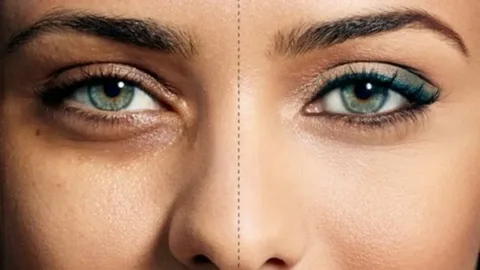
Tired-looking eyes can affect your confidence and make you appear older than you actually are. Many people struggle with under-eye bags caused by aging, genetics, poor sleep, or lifestyle habits. While countless home remedies and beauty tips promise quick fixes, not all of them deliver real results. Understanding the truth behind these claims is essential before making any decisions about Eye Bag Removal in Islamabad. Learning the difference between myths and facts can help you choose the right approach for achieving a fresher and more youthful appearance.
Understanding Eye Bags
Eye bags are mild swelling or puffiness that develop beneath the eyes. They become more noticeable as the skin loses elasticity with age and the muscles supporting the eyelids weaken. Fat that normally supports the eyes can shift downward, creating a puffy appearance. Fluid retention, allergies, lack of sleep, stress, and genetics can also contribute to under-eye bags.
Although eye bags are usually harmless, many people seek treatment because they can make the face look constantly tired, stressed, or older than expected.
Why So Many Myths Exist
The internet is filled with beauty advice, DIY remedies, and viral skincare trends. While some suggestions may temporarily reduce puffiness, others create unrealistic expectations. This has led to confusion about what truly works and what doesn’t.
Knowing the facts can prevent disappointment and help you make informed choices based on science rather than social media trends.
Myth: Eye Bags Are Only Caused by Lack of Sleep
One of the biggest misconceptions is that eye bags appear only because of poor sleep.
Fact
Although sleep deprivation can make puffiness worse, it is not the only cause. Aging, genetics, allergies, fluid retention, and weakening skin tissues all play significant roles. Even people who sleep well every night may still develop under-eye bags.
Myth: Eye Creams Can Permanently Remove Eye Bags
Many skincare products claim to erase eye bags completely.
Fact
Quality eye creams may improve hydration, reduce temporary puffiness, and make the skin appear smoother. However, they cannot permanently remove fat deposits or tighten significantly stretched skin beneath the eyes.
Consistent skincare helps maintain healthy skin, but permanent structural changes require different treatment approaches.
Myth: Drinking More Water Instantly Removes Eye Bags
Hydration is important for overall skin health, but many people expect immediate results.
Fact
Drinking enough water supports healthy skin and may reduce puffiness caused by dehydration. However, eye bags caused by aging or genetics usually remain even with excellent hydration.
A balanced lifestyle provides better long-term benefits than relying on water alone.
Myth: Only Older Adults Get Eye Bags
Many people believe under-eye bags appear only after middle age.
Fact
Eye bags can develop at almost any age. Younger individuals may experience them because of inherited facial structure, allergies, stress, or poor lifestyle habits. Age simply increases their visibility due to natural changes in skin elasticity.
Myth: Home Remedies Can Permanently Fix Eye Bags
Cold spoons, cucumber slices, tea bags, and chilled compresses are popular home remedies.
Fact
These methods may temporarily reduce swelling by cooling the area and improving circulation. However, they do not eliminate the underlying cause of persistent eye bags.
Home remedies are useful for short-term improvement but should not be considered permanent solutions.
Myth: Makeup Can Completely Hide Eye Bags
Concealers and cosmetic products are often promoted as complete solutions.
Fact
Good makeup techniques can reduce the appearance of eye bags and brighten the under-eye area. However, prominent puffiness can still create shadows that makeup alone cannot fully conceal.
Using skincare alongside proper makeup techniques usually delivers better cosmetic results.
Myth: Eye Bags Always Mean You Have a Health Problem
Many people become worried when they notice under-eye puffiness.
Fact
Most eye bags are a normal cosmetic concern rather than a medical condition. They commonly result from aging, genetics, or lifestyle factors. However, sudden swelling accompanied by pain, redness, or vision changes should always be evaluated by a healthcare professional.
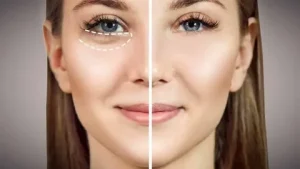
Lifestyle Habits That Support Healthier Eyes
Daily habits can influence how noticeable eye bags become. Consider these simple practices:
- Get consistent and restful sleep.
- Stay properly hydrated throughout the day.
- Reduce excessive salt intake.
- Protect your skin from sun exposure.
- Avoid smoking.
- Follow a balanced skincare routine.
- Manage allergies when necessary.
- Reduce prolonged screen time and eye strain.
These habits may not completely remove eye bags, but they can improve the overall appearance of your eyes and skin.
When Should You Consider Professional Advice?
If eye bags remain noticeable despite healthy lifestyle habits or begin affecting your confidence, seeking professional guidance can help you understand the available options. Every individual has different facial anatomy and skin quality, making personalized evaluation important.
Understanding the underlying cause allows for realistic expectations and more suitable treatment planning.
Choosing Reliable Information
Because cosmetic information spreads rapidly online, always rely on trustworthy educational resources instead of believing every beauty trend. Comparing myths with scientifically supported facts allows you to make smarter decisions and avoid wasting time on ineffective solutions.
Well-informed choices often produce better long-term satisfaction than following unrealistic promises.
Final Thoughts
Eye bags are a common concern that affects people of different ages for many different reasons. While myths continue to circulate across the internet, understanding the facts helps you make informed decisions based on realistic expectations rather than false promises. Whether your eye bags are related to genetics, aging, or lifestyle, knowing the truth empowers you to choose the most suitable path toward refreshed-looking eyes. By staying informed about Eye Bag Removal in Islamabad, you can confidently separate myths from facts and make choices that support healthier, more youthful-looking skin.
Author


How Trusted Air Duct Cleaners Help Prevent Dangerous Blockages

How to Choose Quality Ayurvedic Herbal Products

Garage Door Repair Las Vegas: Red Flags When Hiring a Contractor

My Simple Snow Ride Turned Into Chaos

Herbal Ingredient Sourcing: From Farm to Formulation

How to Build a Low-Maintenance Balcony Garden

How to Buy Bulk Smoking Accessories for Retail Stores

Amazon Conversion Rate Optimization: 8 Ways to Get More Sales

Top 10 Psychology Conferences 2026 in the USA

Commercial Cabinet Shop Drawings: Key Details for Accurate Fabrication

Cybersecurity Consulting Company SequelNet Provides Critical IT Support Services to Medical Billing Firm, Medical Optimum

Meet the Megalodon: The Shark Star of ‘Meg 2’

Reduce Video Game Lag: Level Up Your Gaming Performance

Balancing India’s Entertainment: Cricket vs. Bollywood

Jetsetter’s Secrets: Unveiling Our Favorite Travel Hacks for a Seamless Adventure

The 5 Best Live Sports Streaming Sites: Legal and Exciting!

Hollywood Labor Unrest: The Impact of ‘What About Us?’ Strikes

Unveiling the Magic of Dream Fulfillment at the Late NBA Draft

Illuminate Your Skin: Dr. Axe Unveils Natural Remedies for Lightening Knees and Elbows

Bright Choices: Navigating the Pros and Cons of Skin Whitening Creams with Dr. Axe
-

 Business3 years ago
Cybersecurity Consulting Company SequelNet Provides Critical IT Support Services to Medical Billing Firm, Medical Optimum
-
Entertainment3 years ago
Meet the Megalodon: The Shark Star of ‘Meg 2’
-
Entertainment3 years ago
Reduce Video Game Lag: Level Up Your Gaming Performance
-
 Sports3 years ago
Balancing India’s Entertainment: Cricket vs. Bollywood
-
Entertainment3 years ago
Jetsetter’s Secrets: Unveiling Our Favorite Travel Hacks for a Seamless Adventure
-
Productivity3 years ago
The 5 Best Live Sports Streaming Sites: Legal and Exciting!
-
Art /Entertainment3 years ago
Hollywood Labor Unrest: The Impact of ‘What About Us?’ Strikes
-
Sports3 years ago
Unveiling the Magic of Dream Fulfillment at the Late NBA Draft






