The Oracle 1Z0-1048-25 certification is an important step for professionals who want to become experts in Oracle Time and Labor Cloud. In the modern workplace managing employee time work schedules and labor costs is very important. Oracle has developed a strong system that makes these tasks easier faster and more accurate. The Oracle 1Z0-1048-25 certification proves that you have the skills to set up and manage this system. In this complete guide we will explain everything about the Oracle 1Z0-1048-25 certification in simple words including its importance exam topics career benefits preparation methods and future scope.
What Is Oracle 1Z0-1048-25 Certification?
The Oracle 1Z0-1048-25 certification is officially known as Oracle Time and Labor Cloud 2025 Implementation Professional. This certification focuses on Oracle’s advanced cloud based time management solution. The Oracle 1Z0-1048-25 certification proves that you can configure time rules design approval workflows manage schedules and integrate the system with payroll and projects. It also shows that you can make use of the Oracle Redwood interface and automation features.
The Oracle 1Z0-1048-25 certification is designed for consultants administrators and HR professionals who want to show that they are capable of handling modern workforce systems.
Why Choose Oracle 1Z0-1048-25 Certification?
There are many reasons to choose the Oracle 1Z0-1048-25 certification. First, it improves your skills and helps you become more valuable to employers. Companies want professionals who can make systems efficient and accurate. The Oracle 1Z0-1048-25 certification proves that you can handle these responsibilities. Second the certification helps you stay up to date with the latest cloud technologies. The Oracle 1Z0-1048-25 certification includes modern features such as mobile access artificial intelligence and Redwood design. This makes your profile stronger in the market.
Finally the Oracle 1Z0-1048-25 certification helps you grow in your career. Whether you want a better salary a promotion or a global career opportunity this certification gives you an edge over others.
Advertisement
Who Should Take Oracle 1Z0-1048-25 Certification?
The Oracle 1Z0-1048-25 certification is perfect for a variety of professionals. People working as Oracle HCM consultants system administrators HR managers payroll specialists and project managers can all benefit from this certification. Even new graduates who want to start a career in Oracle Cloud can prepare for the Oracle 1Z0-1048-25 certification.
The certification is especially useful for those who want to work on real world implementation projects. The Oracle 1Z0-1048-25 certification ensures that you can deliver practical results to organizations.
Exam Structure of Oracle 1Z0-1048-25 Certification
The Oracle 1Z0-1048-25 certification exam has a simple structure but it requires proper preparation. The exam includes multiple choice questions. You will need to answer a set number of questions within a fixed time limit. To pass the Oracle 1Z0-1048-25 certification exam you must score at or above the passing percentage defined by Oracle.
The exam covers all areas of Oracle Time and Labor Cloud including setup rules workflows schedules and integrations. This means you must study each topic carefully to perform well in the Oracle 1Z0-1048-25 certification exam.
Main Topics in Oracle 1Z0-1048-25 Certification
The Oracle 1Z0-1048-25 certification syllabus covers several important areas. Some of the main topics are:
Advertisement
System Setup: Configuring profiles enabling features and managing audit options.
Time Card Layouts: Designing user friendly layouts for time entry.
Rules and Profiles: Creating rules to control time entry and linking them to employee groups.
Approval Workflows: Building workflows for time card approvals.
Schedules and Shifts: Setting up weekly and monthly schedules for employees.
Integration: Connecting Time and Labor Cloud with payroll projects and absence systems.
Redwood Interface: Using the modern Oracle Redwood design for better user experience.
Automation and AI: Applying smart tools to improve accuracy and save time.
The Oracle 1Z0-1048-25 certification requires you to understand and apply all of these topics in read world situations.
The Oracle 1Z0-1048-25 certification offers many career benefits. Certified professionals often get better job offers compared to non certified candidates. With this certification you can qualify for roles such as Oracle HCM consultant Time and Labor specialist or payroll integration manager. Another major benefit of the Oracle 1Z0-1048-25 certification is salary growth. On average certified professionals earn 20-30% higher salaries. This is because employers value the real world skills that come with certification.
The Oracle 1Z0-1048-25 certification also builds confidence. When you know that you are certified in a globally recognized system you feel more prepared to take on bigger responsibilities.
Benefits for Employers
The Oracle 1Z0-1048-25 certification is not only useful for employees but also for employers. Companies that hire certified professionals benefit from accurate payroll processing, efficient scheduling and fewer errors in time tracking. The Oracle 1Z0-1048-25 certification ensures that professionals can integrate systems automate approvals and provide real time data for managers. This saves both time and money for the organization.
Global Demand for Oracle 1Z0-1048-25 Certification
The Oracle 1Z0-1048-25 certification is in high demand across the world. As more companies move to cloud based HR systems the need for certified experts grows. Industries such as healthcare finance technology and retail are actively hiring professionals with the Oracle 1Z0-1048-25 certification.
Advertisement
In countries like the United States Canada the United Kingdom and Australia the certification is highly valued. The same demand can also be seen in Asia and the Middle East. This global recognition makes the Oracle 1Z0-1048-25 certification an excellent choice for professionals who want international career opportunities.
Real World Use Cases of Oracle 1Z0-1048-25 Certification
The Oracle 1Z0-1048-25 certification helps professionals apply their knowledge in real world situations. For example a company with thousands of employees can use Oracle Time and Labor Cloud to manage time entry leave requests and shift schedules. The Oracle 1Z0-1048-25 certification ensures that professionals can configure the system to handle such large scale needs.
Another use case is payroll integration. With the Oracle 1Z0-1048-25 certification professionals can connect time data directly with payroll systems. This reduces errors improves accuracy and ensures employees are paid correctly.
Step by Step Preparation Strategy
Preparing for the Oracle 1Z0-1048-25 certification requires a step by step plan. Here is a simple roadmap:
Understand the Syllabus: Review each exam topic.
Make a Study Plan: Dedicate time daily or weekly for preparation.
Use Training Materials: Explore Oracle guides and official documents.
Practice in Labs: Apply your knowledge in practical environments.
Take Practice Exams: Identify weak areas and focus on them.
Revise Regularly: Keep reviewing until you are confident.
Stay Updated: Follow Oracle updates and new features.
By following this plan you can succeed in the Oracle 1Z0-1048-25 certification exam.
Comparison with Other Oracle Certifications
The Oracle 1Z0-1048-25 certification is part of the larger Oracle HCM suite. Compared to other certifications it focuses specifically on time and labor management. While certifications like payroll and core HCM are also useful the Oracle 1Z0-1048-25 certification is unique because it deals with scheduling shifts approvals and time tracking. This makes it an essential certification for workforce management specialists.
Advertisement
Challenges Without Certification
Companies that do not hire certified professionals often face challenges in managing their systems. Without the Oracle 1Z0-1048-25 certification employees may lack the deep knowledge needed to configure complex workflows. This can result in payroll errors poor scheduling and wasted time. The Oracle 1Z0-1048-25 certification helps avoid these issues by ensuring professionals are properly trained.
The Oracle 1Z0-1048-25 certification is not just useful today it is valuable in the long term. Oracle continues to update its systems and certified professionals remain in demand. The certification keeps you relevant and prepared for future advancements in workforce management.
The Oracle 1Z0-1048-25 certification is one of the most powerful credentials for professionals in the field of Oracle HCM. It proves your ability to manage time schedules and labor processes effectively. The certification is globally recognized offers better job opportunities and ensures long term career growth. With the Oracle 1Z0-1048-25 certification you can bring real value to organizations and secure your place as a skilled professional in cloud workforce management.
QuickBooks Desktop makes it easier for businesses to manage accounting records, invoices, payroll, customer information, and financial reports.
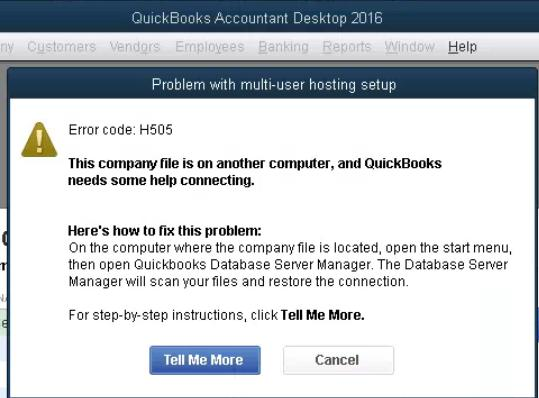
When several employees need access to the same company file, network communication becomes essential. An interrupted connection can trigger QuickBooks Error H505.
QuickBooks Error H505 often occurs when users access a company file stored on another computer or switch to multi-user mode. The server may open the file successfully, yet connected workstations cannot establish the required network connection.
The important thing to understand is that QuickBooks Error H505 usually indicates a hosting, network, firewall, or database-service communication problem. It does not automatically mean that the company file is damaged.
This guide explains what the error means, why it occurs, how to identify its underlying cause, and how to troubleshoot it safely. It also covers Windows services, QuickBooks Database Server Manager, firewall configuration, network connectivity, and preventive measures that help maintain a stable multi-user environment.
Advertisement
Understanding QuickBooks Desktop H505 and its connection to multi-user hosting.
What Is QuickBooks Error H505?
QuickBooks Error H505 is a multi-user hosting and network communication error associated with QuickBooks Desktop. It occurs when a workstation cannot establish the required connection to the computer hosting the company file.
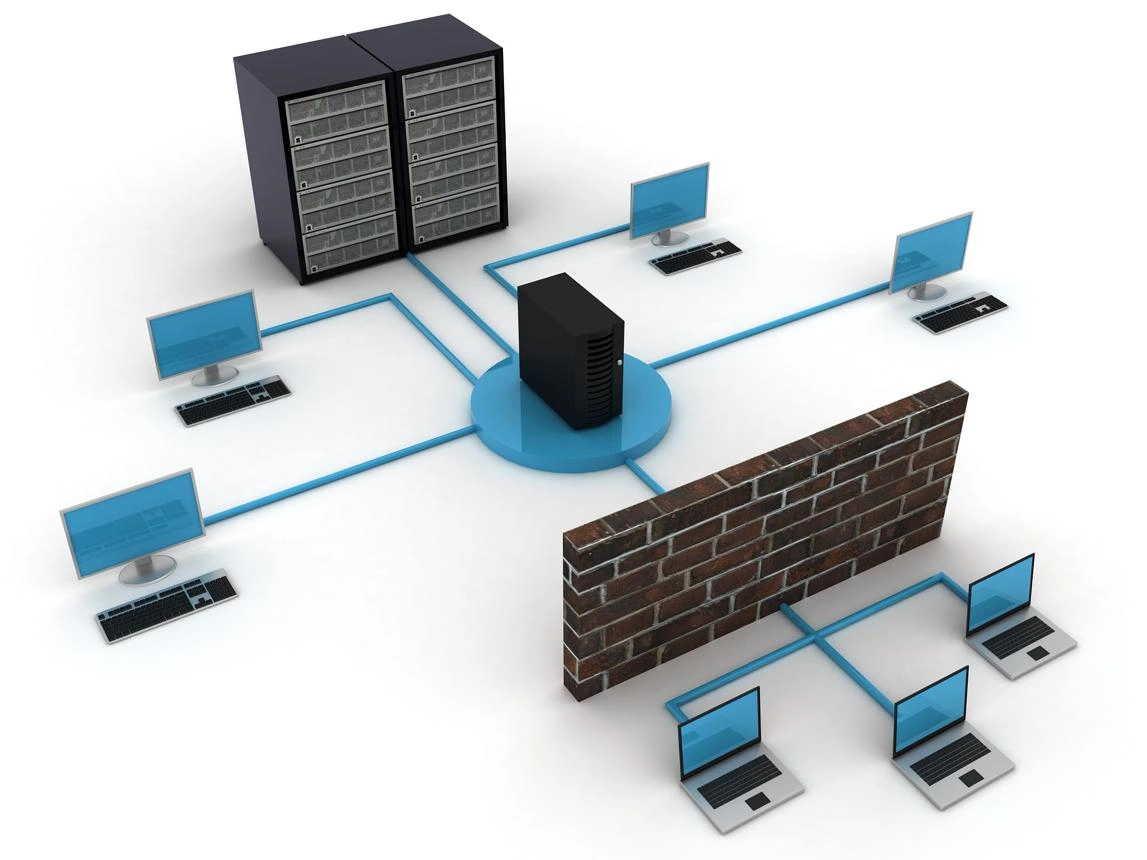
In a typical multi-user environment, one computer stores the company file and provides access to other authorized computers on the same network. This hosting computer uses QuickBooks Database Server Manager and related Windows services to manage company-file access.
When a workstation cannot communicate with the hosting computer correctly, QuickBooks may display an H505 error message.
The error belongs to the same general H-series troubleshooting group as H101, H202, and H303. However, these codes can point to different hosting or communication problems, so users should not assume that every solution applies identically.
A typical H505 situation looks like this:
The company file opens successfully on the server computer.
One or more workstations cannot access the same file.
Switching to multi-user mode produces an error.
QuickBooks cannot establish a reliable connection with the hosting system.
The objective is to restore the correct hosting configuration and network communication without unnecessarily modifying the company file.
What Causes QuickBooks Error H505?
Identifying the cause before changing system settings can prevent unnecessary troubleshooting. Several network and hosting conditions can trigger this error.
Advertisement
1. Incorrect Hosting Configuration
QuickBooks Desktop requires an appropriate hosting arrangement. In a conventional setup, the computer storing the company file should be responsible for hosting multi-user access.
If a workstation that does not store the company file is also configured to host multi-user access, it can create hosting conflicts.
This is one of the first conditions worth checking when troubleshooting H505.
2. QuickBooks Database Server Manager Is Not Working Properly
QuickBooks Database Server Manager helps manage access to company files stored on a server computer.
If it is missing, improperly configured, or unable to scan the company-file folder, workstations may fail to establish the necessary database connection.
Advertisement
The problem can also occur when the Database Server Manager installation does not properly support the QuickBooks Desktop versions being used.
3. Windows Firewall Blocks Network Communication
Windows Firewall helps protect computers from unauthorized network connections. However, an incorrectly configured firewall may also block legitimate QuickBooks communication.
This can prevent workstations from reaching the database service on the hosting computer.
The issue may occur after a Windows update, security software change, or firewall configuration adjustment.
4. QuickBooks Windows Services Are Stopped
QuickBooks Desktop relies on Windows services to support multi-user access.
Advertisement
Two important services to investigate are:
QuickBooksDBXX: The QuickBooks Database Server service associated with the installed version.
QBCFMonitorService: A supporting service used in QuickBooks multi-user environments.
If the relevant service is stopped, disabled, or unable to start correctly, network access may fail.
5. Company File Folder Permissions Are Incorrect
The Windows account and the QuickBooks database service need appropriate access to the folder containing the company file.
If permissions are restricted, the database service might not be able to access the required files.
This is especially important when company files are stored in shared folders with customized Windows security settings.
6. Network Connectivity Is Interrupted
QuickBooks workstations must communicate with the hosting computer through a reliable network connection.
Advertisement
Common problems include:
An incorrect server name.
A disconnected Ethernet cable.
Unstable Wi-Fi connectivity.
Network discovery being disabled.
Incorrect DNS or network configuration.
Network segmentation or routing restrictions.
Even if the internet works normally, the local network connection required by QuickBooks may still be unavailable.
7. Incorrect Firewall Port Configuration
QuickBooks Desktop uses specific TCP ports for multi-user communication. These port requirements depend on the installed product version.
If the required ports are blocked or incorrectly configured, workstations may be unable to connect to the database server.
Using outdated port information can also cause problems after upgrading QuickBooks Desktop.
8. Multiple Hosting or Server Configurations
A business may use several computers, multiple QuickBooks Desktop versions, or a dedicated hosting arrangement.
Advertisement
If the hosting configuration is inconsistent, the database service may not operate as expected.
In these environments, administrators should verify which computer actually stores the company file and which computer is responsible for hosting it.
How to Identify the Cause Before Fixing QuickBooks Error H505
A reliable connection between the hosting computer and workstations is essential for multi-user access.
Before applying troubleshooting methods, determine whether the issue affects one workstation or the entire network.
This simple diagnostic process can save time.
What you observe
What to investigate
Company file opens on the server but not on workstations
Network and database communication
Only one workstation displays H505
That workstation’s network and hosting configuration
All workstations display H505
Server, hosting, firewall, or database services
Error appeared after a Windows update
Firewall and network settings
Error appeared after changing the company-file location
Folder permissions and Database Server Manager scanning
Server computer cannot open the file either
Company-file access, storage, or file-related problems
Important: These observations help narrow down the investigation. They do not independently prove the cause.
Before making changes, confirm the following:
Advertisement
Identify the computer storing the company file.
Confirm the exact company-file location.
Identify the QuickBooks Desktop version installed on each computer.
Check whether the server computer can open the company file.
Record any recent network, Windows, firewall, or software changes.
Once these details are clear, proceed with the solutions below.
How to Fix QuickBooks Error H505: 9 Troubleshooting Methods
The following methods focus on the most relevant hosting and network conditions. Start with the configuration checks before changing firewall rules or advanced Windows settings.
Solution 1: Verify QuickBooks Hosting Settings on Every Workstation
Incorrect hosting configuration is an important cause of H505.
The computer hosting the company file should be the only computer responsible for hosting multi-user access in a conventional setup.
Follow these instructions:
Step 1: Open QuickBooks Desktop on a workstation displaying Error H505.
Step 2: Do not open the company file. If a company file is already open, close it first.
Step 3: Select the File menu.
Step 4: Choose Utilities.
Step 5: Check the available hosting option.
If you see Host Multi-User Access, do not select it. This indicates that multi-user hosting is not enabled on this workstation.
If you see Stop Hosting Multi-User Access, select it to turn off hosting on that workstation.
Step 6: Repeat the process on other workstations that do not store the company file.
Now check the actual server computer.
Step 7: Open QuickBooks Desktop on the hosting computer.
Step 8: Select File > Utilities.
Step 9: If Host Multi-User Access is available, select it. If Stop Hosting Multi-User Access is displayed, leave the setting unchanged.
Step 10: Reopen the company file from a workstation and test multi-user access.
Why this works: It establishes a consistent hosting arrangement and prevents non-hosting workstations from attempting to act as the server.
Solution 2: Check QuickBooks Database Server Manager
QuickBooks Database Server Manager is an important component of a multi-user environment.
Advertisement
It helps identify company-file folders and supports the database service required for other computers to access shared company files.
Follow these steps:
Step 1: Close QuickBooks Desktop on the server computer.
Step 2: Open QuickBooks Tool Hub. If it is not installed, download the current version from the official Intuit website.
Step 3: Select Network Issues.
Step 4: Open QuickBooks Database Server Manager.
Step 5: Locate the folder containing your company file.
Step 6: If the folder is already listed, select Start Scan.
Step 7: If it is not listed, use Browse to locate the correct company-file folder.
Step 8: Start the scan and allow the utility to complete its process.
Step 9: Close the utility after scanning finishes.
Step 10: Open QuickBooks Desktop on a workstation and test multi-user access.
The scan can help identify company-file folders and update relevant firewall permissions.
However, make sure you select the actual folder containing your company file rather than an unrelated directory.
Important: QuickBooks Database Server Manager does not support Network Attached Storage (NAS) devices. If your company file is stored on unsupported NAS storage, changing firewall settings may not resolve the underlying compatibility problem.
Solution 3: Check QuickBooksDBXX and QBCFMonitorService
If the database services are not running properly, workstations may be unable to connect to the hosting computer.
Advertisement
You can inspect their status through Windows Services.
Step 1: On the server computer, press Windows + R.
Step 2: Type:
services.msc
Step 3: Press Enter.
Step 4: Find the QuickBooksDBXX service associated with your installed QuickBooks version.
The XX portion varies according to the version. For example:
QuickBooks Desktop 2022 uses QuickBooksDB32.
QuickBooks Desktop 2023 uses QuickBooksDB33.
QuickBooks Desktop 2024 uses QuickBooksDB34.
Do not select a service simply because its name looks similar. Confirm that it corresponds to the installed version.
Step 5: Double-click the appropriate service.
Step 6: Check the Startup type. Set it to Automatic if required by the Intuit troubleshooting instructions.
Step 7: Check Service status. If the service is stopped, select Start.
Step 8: Open the Recovery tab.
Step 9: Where appropriate, configure First failure, Second failure, and Subsequent failures to Restart the Service.
Step 10: Select Apply and OK.
Repeat the relevant checks for QBCFMonitorService.
Afterward, test company-file access from the workstations.
What if the service does not start?
Do not repeatedly attempt to restart it without investigating the reason. Check Windows service permissions, installation status, and available error information. An administrator may need to repair the server installation.
Solution 4: Configure Windows Firewall for QuickBooks Desktop
Firewall restrictions can prevent QuickBooks from communicating with the database server.
Advertisement
The correct approach is to allow the required QuickBooks programs and version-specific TCP ports rather than disabling Windows Firewall entirely.
Step 1: Open Windows Security on the server computer.
Step 2: Select Firewall & network protection.
Step 3: Open Allow an app through the firewall.
Step 4: Review the existing QuickBooks-related entries.
Step 5: Make sure the necessary QuickBooks programs have the appropriate permissions for the network profile being used.
If the required entries are missing, follow Intuit’s official firewall configuration instructions to add the relevant program exceptions.
Important QuickBooks-related executables can include:
QBDBMgrN.exe
QBServerUtilityMgr.exe
QBCFMonitorService.exe
QBLaunch.exe
QBUpdate.exe
The actual program paths depend on the installed version and system configuration.
Configure TCP port exceptions carefully
If application exceptions alone do not resolve the issue, check the TCP ports required by your installed QuickBooks Desktop version.
To configure a port:
Advertisement
Open Windows Defender Firewall with Advanced Security.
Select Inbound Rules.
Choose a New Rule.
Select Port.
Choose TCP.
Enter the version-specific port number supplied by Intuit.
Select Allow the connection.
Apply the appropriate network profiles.
Give the rule a descriptive name.
Save the rule.
If necessary, configure corresponding outbound rules according to your network security policy.
Important: Do not copy port numbers from an older QuickBooks installation or another version without checking compatibility. When multiple QuickBooks Desktop versions are installed, each version may require its own port configuration.
Solution 5: Check Server Connectivity Using the Ping Command
A workstation may display H505 because it cannot communicate reliably with the hosting computer.
The Windows Ping command helps test basic network reachability.
First, identify the server name.
Stage First: On the server computer, press Windows + R.
Advertisement
Stage 2: Enter:
cmd
Method 3: Press Enter.
Method Four: Type:
ipconfig /all
Task 5: Press Enter.
Task Six: Find the Host Name under Windows IP Configuration.
Write down the server name.
Now test the connection from an affected workstation.
Action 7: Open Command Prompt on that workstation.
Action 8: Enter:
ping SERVERNAME
Replace SERVERNAME with the actual server hostname.
For example:
ping OFFICE-SERVER
Advertisement
Step 9: Press Enter.
Understanding the results
If you receive replies, the workstation can reach the server at the basic network level.
If you receive Request timed out or Destination host unreachable, investigate network discovery, DNS resolution, routing, firewall restrictions, and physical connectivity.
Important diagnostic distinction: A successful ping does not prove that QuickBooks database communication is working. It only confirms basic network reachability. TCP port access and database-service availability must also be checked.
Solution 6: Verify Company File Folder Permissions
Incorrect Windows permissions can prevent QuickBooks services from accessing company files.
Before changing permissions, identify the actual folder containing the company file.
Advertisement
Step 1: Navigate to the company-file folder on the server.
Step 2: Right-click the folder.
Step 3: Select Properties.
Step 4: Open the Security tab.
Step 5: Review the users and groups listed.
Step 6: Confirm that the relevant Windows accounts and database-service account have the access required by Intuit’s shared-folder configuration instructions.
Step 7: Check the folder’s Sharing settings as well.
Step 8: Verify that authorized users can access the shared location.
Do not grant Everyone unrestricted Full Control simply to eliminate H505. Instead, configure the minimum permissions needed for the actual hosting arrangement.
After updating permissions, test access from an authorized workstation.
Solution 7: Check Antivirus and Network Security Software
Third-party antivirus applications and endpoint security tools can sometimes block QuickBooks programs or network connections.
If the Windows Firewall settings appear correct but H505 continues, inspect the security software installed on the server and affected workstations.
Review whether:
QuickBooks executables have been blocked.
Database services have been restricted.
Network protection features are preventing local communication.
Add appropriate exceptions only after verifying the executable paths and required ports.
Avoid permanently disabling antivirus protection. If a temporary diagnostic test is necessary, perform it only with appropriate authorization and restore protection immediately.
Advertisement
Solution 8: Run QuickBooks File Doctor When Appropriate
QuickBooks File Doctor is available through QuickBooks Tool Hub and can help investigate certain company-file and network-related issues.
Use QuickBooks File Doctor’s Check Your Network option to identify network-related problems that may be preventing workstations from connecting to the company file.
Follow these steps:
Step 1: Close QuickBooks Desktop.
Step 2: Open QuickBooks Tool Hub.
Step 3: Select Company File Issues.
Step 4: Choose Run QuickBooks File Doctor.
Step 5: Wait for the utility to open.
Step 6: Select the company file from the list. If it is not listed, browse to its location.
Step 7: Select the network-related diagnostic option, Check your Network, where available.
Step 8: Follow the on-screen instructions.
Step 9: Enter the authorized QuickBooks administrator credentials when requested.
Step 10: Allow the diagnostic process to finish and review the results.
If File Doctor cannot open, follow the official Intuit instructions for locating and launching the utility.
Remember that File Doctor is not a substitute for correcting an incorrect hosting configuration or blocked firewall port.
Solution 9: Restart the Server and Test the Multi-User Connection
Once the configuration checks and necessary corrections are complete, restart the relevant systems in a controlled manner.
Advertisement
Step 1: Close QuickBooks Desktop on all workstations.
Step 2: Make sure all users have saved their work and closed the company file.
Step 3: Restart the hosting computer if required by the changes made.
Step 4: Allow Windows services and network connections to initialize.
Step 5: Confirm that the QuickBooks database service is running.
Step 6: Open QuickBooks Desktop on the server computer.
Step 7: Open the company file in the correct hosting environment.
Step 8: Launch QuickBooks on a workstation.
Step 9: Select File and then Switch to Multi-user Mode, if necessary.
Step 10: Confirm that authorized users can access the company file.
If the error disappears, test the connection on the remaining workstations before returning the system to normal business use.
QuickBooks Error H505 vs. H101, H202, and H303
QuickBooks Desktop uses several H-series error codes associated with multi-user hosting and network communication.
Although they share a common troubleshooting area, understanding their differences helps avoid applying unrelated solutions.
Error code
General meaning
H101
Hosting configuration or connection problem
H202
Workstation cannot communicate with the server hosting the company file
H303
Hosting or network communication problem involving the company-file location
H505
Workstation cannot establish the required connection to the hosting computer
These descriptions are general troubleshooting indicators, not definitive diagnoses.
H202 and H505 may both result from communication failures between a workstation and the server. H505 troubleshooting requires particular attention to the computer assigned to host multi-user access.
Advanced Troubleshooting for Persistent QuickBooks Error H505
Persistent H505 errors may require a closer inspection of server settings, network communication, and database service configuration.
Advertisement
Check Whether the Company File Location Changed
Moving or renaming the company file can leave Database Server Manager scanning its previous folder location. Verify the current file path and update the scanned folder settings accordingly.
Verify the actual file path and update the scanned folder configuration where necessary.
Review the Windows Event Logs
Windows Event Viewer can help identify service failures, application errors, or permission-related problems.
To open it:
Press Windows + R.
Enter eventvwr.msc.
Press Enter.
Open Windows Logs.
Review the Application and System logs around the time the error occurred.
Look for entries involving QuickBooks database services, service startup failures, or network-related problems.
Do not assume every Windows warning is related to H505. Match the event’s timestamp and details with the actual failure.
Advertisement
Check DNS and Hostname Resolution
A successful IP connection with a failed hostname connection may indicate a DNS or local name-resolution problem.
Compare both connectivity tests to identify whether the hostname is resolving correctly. Check the workstation’s server configuration for outdated entries that may point to the wrong hosting computer.
Investigate VPNs and Network Segmentation
Businesses using VPNs, VLANs, managed switches, or separate network segments may have additional connectivity restrictions.
The workstation and hosting computer must be able to communicate through the required network paths and ports.
Advertisement
A network administrator should verify routing, access-control rules, and TCP connectivity without weakening the organization’s security controls.
Verify the Hosting Environment
Company files hosted by third-party providers may require a different troubleshooting approach. Contact the hosting provider for assistance with server-side settings, database services, or network configurations that fall under its management.
Changing local firewall settings will not necessarily resolve an issue originating within a managed hosting platform.
How to Prevent QuickBooks Error H505 in the Future
Once multi-user access is restored, a few routine checks can help reduce the likelihood of similar interruptions.
Maintain a Consistent Hosting Configuration
Keep the hosting role assigned to the intended server computer. Avoid enabling hosting on ordinary workstations.
Advertisement
Keep QuickBooks Desktop and Server Components Updated
Install supported updates and ensure that the appropriate Database Server Manager components are available for the versions being used.
Review Firewall Rules After Updates
Windows or security-software updates may change existing application permissions. Periodically verify that the required QuickBooks applications and TCP ports remain permitted.
Monitor Database Services
Check that QuickBooksDBXX and QBCFMonitorService are configured and operating correctly.
Maintain Reliable Network Connectivity
Use a stable business network and investigate recurring connection drops, DNS problems, or routing changes.
Protect Company Files With Verified Backups
Maintain regular backups using an appropriate backup process. Verify that backups can be restored before relying on them during an emergency.
Advertisement
Document Server and Workstation Settings
Keep records of the company-file location, hosting computer, installed QuickBooks versions, firewall rules, and service configuration.
This makes future troubleshooting considerably easier.
When Is Professional IT Assistance Necessary?
Not every H505 problem should be resolved by changing settings independently.
Professional network or server assistance is appropriate when:
The database service repeatedly stops or fails to start.
Multiple computers lose access simultaneously.
Firewall or router changes require administrative approval.
The network uses complex domain policies or VLANs.
Company-file permissions are customized.
The company file is hosted through a managed service.
Network connectivity is inconsistent despite apparently correct local settings.
Keep a record of the displayed error, affected workstations, installed QuickBooks versions, company-file path, and recent network or system modifications. Share these details with technical support to help identify the underlying issue.
This information can help the technician isolate the problem more efficiently.
Advertisement
Frequently Asked Questions About QuickBooks Error H505
1. What does QuickBooks Error H505 mean?
QuickBooks Error H505 indicates that a workstation cannot establish a network connection with the computer hosting the company file. It is commonly associated with hosting configuration, firewall restrictions, database services, and network communication problems.
2. Why does QuickBooks Error H505 appear in multi-user mode?
The error may appear when QuickBooks cannot communicate with the hosting computer. Incorrect workstation hosting settings, stopped database services, restricted TCP ports, and network connectivity problems are possible causes.
3. Can Windows Firewall cause QuickBooks Error H505?
Yes. Windows Firewall or third-party security software can block the network communication required for multi-user access. Check QuickBooks application exceptions and version-specific TCP port rules. Keep Windows Firewall enabled to maintain network security.
4. How do I check whether QuickBooks Database Server Manager is working?
Open QuickBooks Database Server Manager on the hosting computer through QuickBooks Tool Hub. Verify the company-file folder and run a scan where appropriate. Inspect the corresponding Windows database service using the Services console (services.msc).
5. Should every workstation enable Host Multi-User Access?
No. In a conventional dedicated hosting arrangement, the computer hosting the company file should be responsible for multi-user hosting. Ordinary workstations should not independently host the company file.
Advertisement
6. Can QuickBooks Tool Hub fix H505?
QuickBooks Tool Hub provides utilities that can help diagnose and resolve certain network and company-file problems. Its Database Server Manager and File Doctor utilities can be useful, but the underlying hosting and network configuration must also be correct.
7. Does QuickBooks Error H505 mean my company file is corrupted?
Not necessarily. H505 primarily points to a hosting or network communication problem. Investigate company-file damage separately when the observed symptoms or diagnostic results indicate a potential data-integrity issue.
8. Can restarting the server resolve H505?
Restarting the server may restore services or network components that have stopped responding. Persistent firewall restrictions, incorrect hosting settings, permission issues, or network misconfigurations require separate troubleshooting.
9. Is QuickBooks Error H505 the same as H202?
No. Both errors involve multi-user communication problems, but their troubleshooting details can differ. H505 deserves particular attention to workstation hosting settings and the intended server configuration.
10. Can I store a QuickBooks company file on a NAS device?
Intuit’s guidance states that QuickBooks Database Server Manager does not support Network Attached Storage (NAS) devices. QuickBooks hosting requirements must be checked for the new storage location before the company file is moved.
Final Thoughts
QuickBooks Error H505 can disrupt daily accounting tasks when several employees rely on the same company file. The error does not necessarily mean that financial records are damaged or lost.
Advertisement
The most effective troubleshooting approach is to identify the hosting computer, verify workstation hosting settings, inspect QuickBooks Database Server Manager, check Windows services, and review firewall and network communication.
QuickBooks Error H505 troubleshooting should begin with basic hosting and network configuration checks. Create and validate a company-file backup before changing system configurations or troubleshooting network settings. Keep firewall and antivirus protections enabled throughout the process.
A properly configured hosting environment, reliable network communication, and routine maintenance can help businesses maintain more consistent access to QuickBooks Desktop in multi-user mode.
About the Author – Steven Moody
Steven Moody is a content writer at Data Service Team who focuses on accounting software, QuickBooks troubleshooting, and business technology. He creates informative guides that help readers understand technical issues through practical explanations and step-by-step solutions.
Disclaimer: This article is intended for general informational and educational purposes only. The troubleshooting methods described here should be followed carefully, with appropriate backups and consideration of your system configuration. Some procedures may require administrator privileges or assistance from a qualified IT professional.
QuickBooks and QuickBooks Desktop are trademarks of Intuit Inc. This article is independently prepared and is not affiliated with, endorsed by, or sponsored by Intuit Inc. Product names are mentioned solely for identification and informational purposes.
Steven Moody is a tech-savvy accounting professional at Data Service Team, dedicated to resolving complex technical issues with fast and reliable. For expert assistance, Call: +1-(888)-718-7888.
Footwear often decides whether an everyday combination feels ordinary or deliberate. Comme Des Garcons Converse sneakers carry a refined take on a classic silhouette, marked by cleaner proportions and the recognizable heart logo that adds quiet identity. When paired with thoughtful clothing choices, the shoes can shift simple outfits into more intentional looks without requiring complicated styling. The strongest results come from contrast, controlled volume, and clear hierarchy rather than stacking multiple loud pieces. Understanding how the sneakers interact with trousers, upper layers, and color keeps the overall appearance balanced. The following outfit directions show practical ways to create statement looks around Comme Des Garcons Converse.
Clean Contrast With Dark Straight Denim
Dark straight-leg denim provides a stable and familiar base that lets the sneakers stand out. Comme Des Garcons Converse in white or light tones create immediate contrast against deep indigo or black jeans. The clean lower line keeps the focus on the shoes while the upper half stays simple with a plain tee or light knit. Minimal branding on the clothing prevents visual competition. This combination works for daily movement and still feels considered. Strong contrast between footwear and denim remains one of the most reliable ways to give the sneakers presence.
Tonal Dressing for Quiet Impact
A near-monochrome system allows the heart logo and silhouette of the sneakers to become the main point of interest. Comme Des Garcons Converse in black or grey integrate smoothly with matching or closely related trousers and upper layers. The absence of strong color breaks draws attention to shape and small design details. Fabric texture can vary slightly to avoid flatness while the palette stays controlled. The result feels refined rather than loud. Tonal outfits demonstrate that a statement does not require high contrast or multiple bold elements.
Soft Volume on Top, Clean Line Below
Pairing a relaxed upper piece with neater trousers creates productive tension. Comme Des Garcons Converse sit effectively under straight or gently tapered pants while a soft hoodie or oversized shirt adds comfort and presence above. The sneakers ground the combination and prevent the relaxed upper half from appearing unfinished. Keeping the lower leg clean maintains a clear vertical flow to the shoes. Neutral colors across the clothing keep the focus balanced. This contrast in volume produces a modern casual outline with minimal effort.
Sharp Trousers for Elevated Casual Energy
Moving away from denim shifts the sneakers into slightly more intentional territory. CDG Converse paired with structured cotton or lightweight wool trousers create a refined casual contrast. The classic sneaker shape softens the sharper lower half while still looking deliberate. A simple crewneck or collared shirt tucked or half-tucked keeps the upper half controlled. Footwear remains the distinctive element that prevents the outfit from reading as formal. Clean trousers offer an effective way to make the sneakers feel more elevated.
Advertisement
Layered Neutrals for Depth Without Noise
Light layering adds dimension while preserving the sneakers as a focal point. Comme Des Garcons Converse work well beneath an open overshirt or unstructured jacket in a related neutral tone. The extra layer introduces texture and seasonal flexibility without covering the shoes. Straight trousers maintain a clear path to the footwear. Keeping the full palette restrained ensures the heart logo and sneaker shape stay visible in the overall composition. Layered neutrals support statement-making through depth rather than bright color or heavy graphics.
Unexpected Lower Textures
Introducing a different fabric at the trouser level creates subtle interest. Comme Des Garcons Converse paired with corduroy, heavy cotton, or technical trousers produce quiet surface contrast. The sneakers keep the combination grounded in casual territory while the textured lower half adds character. Related tones prevent the fabrics from competing. Simple upper pieces allow the texture and footwear to share attention. This approach refreshes standard formulas without relying on bold prints or complicated styling.
Minimal Upper, Strong Footwear Focus
Reducing detail above the waist pushes more attention downward. Comme Des Garcons Converse become the clearest design element when the t-shirt or knit remains plain and well-fitted. Straight or tapered trousers in a solid color complete the clean frame. The heart logo and silhouette of the shoes register more strongly against this simplicity. Accessories stay minimal so the hierarchy remains obvious. A restrained upper half is one of the most direct ways to let the sneakers make the statement.
Consistent Footwear Across Multiple Formulas
Repeating the same sneakers with small variations in clothing builds a recognizable personal style. Comme Des Garcons Converse can anchor several outfits that differ only in trouser type, layer, or color temperature. Consistency in footwear reduces decision fatigue while still allowing daily variety. The heart logo becomes a steady signature rather than a one-off accent. Over time the repeated element strengthens the overall impression. Reliable repetition often creates a stronger statement than constant change.
FAQs
Advertisement
How can Comme Des Garcons Converse create a statement without loud clothing?
Pair them with clean, simple upper pieces and well-proportioned trousers so the silhouette and heart logo become the clear focal point.
What trouser styles work best for stronger presence?
Straight or gently tapered dark denim, structured cotton trousers, and tonal neutral pants all provide clean lines that highlight the sneakers.
Why does tonal dressing work well with these sneakers?
A restrained color palette reduces visual competition and allows the shape and small design details of the Comme Des Garcons Converse to stand out more clearly.
A customer expects the correct products in the correct quantities to be delivered at the correct time. In back of this simple expectation are a series of warehouse operations: checking if the requested product(s) are in stock; allocating inventory for each item; selecting the requested products from their location(s); verifying that the total quantity selected matches what was ordered; packaging the products for shipment; and documenting the transaction in the company’s system.
When your company’s business functions depend upon separate systems or manual procedures, even a slight delay in communicating information about what’s going on will delay how fast you can deliver products to customers. It may appear as though there is enough product available for purchase; however, that product could be previously purchased and therefore no longer available for customer use. Warehouse employees could use old picking instructions, while sales employees would not know where in the process each customer order was located.
An ERP warehouse management system addresses these issues by linking warehouse operations to other aspects of the business. Rather than having a single department in charge of order fulfillment (the warehouse), companies can use information from different departments such as inventory, sales, purchasing, and logistics to coordinate all activities.
Why Order Fulfilment Depends on More Than Inventory Availability
A company having product available in the warehouse doesn’t necessarily indicate that an order is ready for delivery.
Product is on-hand but in the wrong spot; There are units that have been sold to other people; The number of units needed is located throughout many different places; Inventory records may not show exactly what is on hand.
Advertisement
The disparity created by these circumstances is the difference between what was available at recording time, and how prepared it was for delivery.
The difference between “how many items” and “where are the items” has implications for both warehouse and distribution teams. Both will need to be aware of how much inventory exists, where it is stored within the facility, if that inventory is available for sale (allocation), and what steps must occur in order to complete a customer’s order.
A structured Warehouse Management System (WMS) is used to help manage the day-to-day operations within a warehouse; whereas, an ERP system links these same daily operational tasks to other parts of the business that are related to sales/purchasing and accounting/administration.
When you have both of your systems working in conjunction with each other, it makes it much simpler for you to manage the order fulfillment process by coordinating and monitoring what is happening.
How an ERP Warehouse Management System Improves the Fulfilment Process
A connected ERP and WMS system will allow for the processing of orders through different stages of an operation.
Advertisement
Improve Stock Visibility Before Promising an Order
An accurate inventory is essential to provide reliable service when delivering an order.
Sales teams must have reliable inventory data to verify whether a product is in stock before placing an order with a client. Warehouse workers must be aware of what products can be picked from the warehouse shelves. Procurement staff will need to see shortages so they can determine if they will need to replenish their inventory.
When these functions are performed with different sets of data, there may be inconsistencies in the stock data.
An Integrated ERP Warehouse Management System connects inventory records to warehouse activity. Therefore, all affected parties will have a consistent picture of stock levels, reservation, and movement.
For organizations that have several warehouse sites, this association is especially critical. Products located in one area may not be readily available for orders being processed from another site.
Advertisement
In addition to better decision making about how resources are allocated, improved visibility will allow companies to make better decisions regarding the delivery of their products.
Organize Picking and Packing Activities
The most critical stage of the warehouse process, order picking, will affect the rate at which you can fulfill orders, how accurately those orders are fulfilled, and the amount of labor needed to complete the process.
Unorganized warehouse processes can lead to workers spending excessive amounts of time trying to find items, verifying inventory levels, and/or clarifying confusing directions.
Warehouse management software assists in organizing and managing the various functions involved in the storage and movement of products within a warehouse. This assistance includes but is not limited to, managing where products are located, creating picking lists for employees to follow when retrieving products from their storage location, and tracking product movement throughout the warehouse.
A more organized picking process can help businesses:
Advertisement
Reduce unnecessary movement within storage areas.
Improve coordination between picking and packing.
Minimize incorrect product selection.
Identify incomplete orders earlier.
Maintain clearer records of warehouse activity.
Advertisement
The packaging of the product needs to be considered. Prior to shipping from the warehouse, it is important to verify that all of the requested items are included and that the correct quantity has been supplied.
This verification will help reduce errors which could cause return shipments, dissatisfied customers, and increased transportation expenses.
Connect Warehouse Activity with Sales Orders
Warehouse teams should not have to work independently from the sales department.
When an order is confirmed, the warehouse will require access to the correct product and quantity of the item that has been ordered. When the picking and packing process begins, the sales team will need to be provided with up-to-date information so they can provide customers with accurate delivery times and allow customers to have realistic expectations for their orders.
This is where ERP and WMS Integration becomes valuable.
Advertisement
The ERP system contains all of the company’s other data (such as customer orders, business transactions, and inventory). The WMS handles the actual work being done in the warehouse, including managing how items move around.
In general, when data moves from one environment to another, it allows companies to minimize the amount of time they spend on hand-offs and maintain accuracy in their records of orders and warehouse activities.
An example of this is when a customer places an order, but you cannot complete that order due to a lack of available quantities of the product they ordered. At that point, the appropriate teams can see the problem before it becomes worse and decide what to do next – either replenish your inventory, transfer inventory from another location, or fulfill some portion of the original order.
The goal of making sure that every department has access to the most up-to-date information regarding the status of the order is not merely about exchanging data from one application to another.
Building a More Connected Fulfilment Operation with Deister Software
Organizations experience unnecessary delays and operational risk when they do not connect the flow of information among their various business functions such as inventory, sales, purchasing, and warehouse operations. To improve the order fulfillment process, organizations must coordinate the efforts of their business management team with the execution by their warehouse personnel.
Advertisement
Deister Software creates commercial software applications that assist with complicated organizational processes. The Axional ERP (Enterprise Resource Planning) and Axional WMS (Warehouse Management System) are two components of the Deister Software commercial software package, providing solutions for larger scale organizations in terms of both managing their overall business operations and also organizing their warehouse facilities.
The most critical factor for an organization that is considering using an ERP based warehouse management system is whether the technology chosen will support the organization’s unique processes and connect its warehouse operations to other parts of the organization.
A well-connected fulfillment environment enables businesses to have improved visibility into their operations, organize tasks more efficiently and make intelligent decisions based on the increasing volume of orders.
Building a More Efficient and Connected Fulfilment Process
Order fulfillment doesn’t take place in only one warehouse. Instead it results from a series of coordinated choices that involve how much product you have on hand (inventory), how orders are processed, what products will be picked from the shelves, how those products will be packaged, when they will leave your facility (dispatch), and how they will get to their final destination (logistics).
ERP Warehouse Management Systems (WMS) assist businesses to develop more connected operational environments through bringing together all relevant business activities. Organizations may decrease information gaps and improve fulfillment accuracy as well as create processes that are better suited for growth when they combine their company-wide information with structured warehouse executions.
Advertisement
Value comes from selecting technology that supports how your business functions and allows all teams with need for access to the information they require.
Read More:Enterprise Software Company for Long-Term Business Growth