Connect with us

Fashion

Comme des Garçons (CDG) is a trailblazing fashion house

Published

on

Introduction

Comme des Garçons (CDG) is a trailblazing fashion house that has continuously redefined the landscape of contemporary fashion through its bold designs, conceptual artistry, and radical approach to clothing. Founded in 1969 by visionary designer Rei Kawakubo in Tokyo, the brand has since evolved into a global symbol of innovation, intellectual rigor, and cultural disruption. This article delves into the history, philosophy, and impact of Comme des Garçons, unveiling why it remains a vital force in fashion today.

Origins and Evolution of Comme des Garçons

Rei Kawakubo launched Comme des Garçons (“Like Boys” in French) during a period when Western fashion norms dominated globally. Her intent was to question and upend established standards of beauty, creating garments that challenged assumptions about form, gender, and function. From their first collection in 1973, Kawakubo’s designs embraced asymmetry, imperfection, and unconventional silhouettes—an arresting contrast to the polished, formulaic trends prevalent at the time.

The brand’s Paris debut in 1981 marked its international breakthrough, introducing European audiences to Kawakubo’s intellectual and artistic vision. Since then, Comme des Garçons has continued to push boundaries, expanding its reach across menswear, womenswear, accessories, and perfumes, while maintaining a fiercely independent creative direction.

Philosophy and Design Language

Comme des Garçons is not merely a fashion label it’s a philosophy and an artistic exploration. Kawakubo approaches fashion as a medium to question societal narratives and expectations by experimenting with structure, texture, and proportion. Some defining principles include:

  • Deconstruction: Exposed seams, unfinished hems, asymmetrical cuts, and intentionally distorted shapes challenge conventional garment construction.
  • Androgyny: The brand frequently blurs gender lines, offering fluid sizing and designs that reject rigid categories.
  • Monochrome Palette: Predominantly black, white, and shades of grey dominate collections, emphasizing silhouette and texture over color.
  • Conceptual Narrative: Each collection tells a story or explores a theme, often conveyed through dramatic runway presentations incorporating performance art.
  • Balance Between Minimalism and Maximalism: Collections vary widely—from stark, clean lines to voluminous, sculptural forms.

Iconic Sublabels and Collections

Comme des Garçons includes various sublines catering to different audiences and aesthetics, unified by Kawakubo’s overarching vision:  comme-des-garcons.uk

  • Comme des Garçons Mainline: The heart of CDG’s avant-garde fashion complex, innovative pieces shown during Paris Fashion Week.
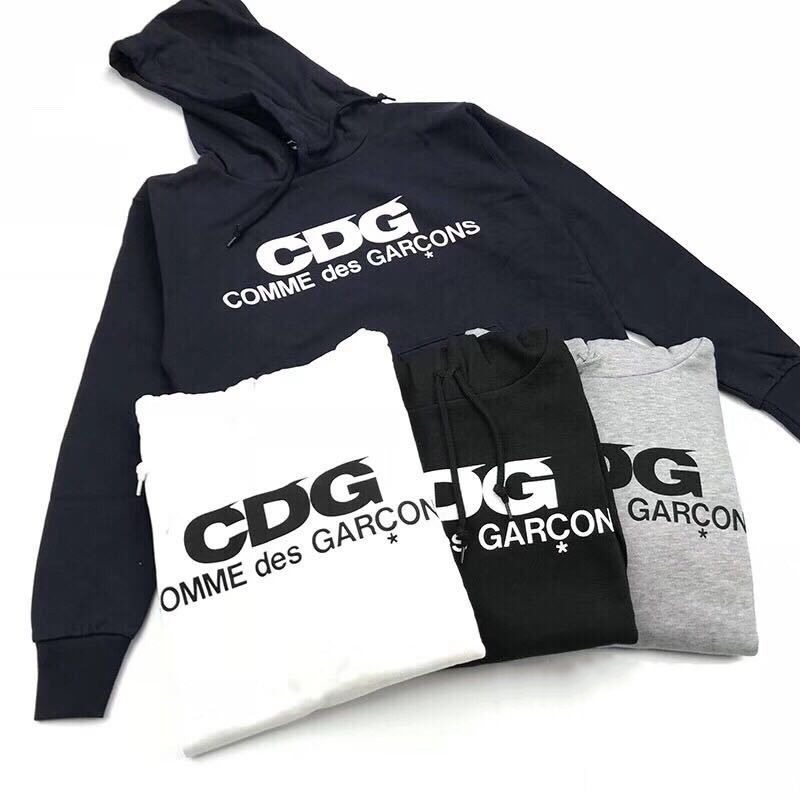
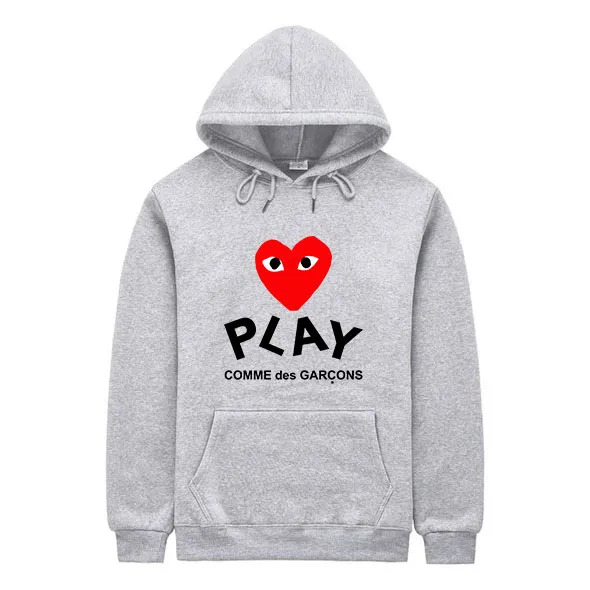
  • Comme des Garçons Play: Featuring the beloved heart logo by Filip Pagowski, this line offers casual, streetwear-inspired garments accessible to a broader market.
  • Comme des Garçons Homme and Homme Plus: Menswear lines ranging from wearable to highly experimental.
  • Comme des Garçons Shirt: A focus on shirts and blouses, reinterpreted through asymmetric cuts and textural contrasts.
  • Collaborations: CDG frequently collaborates with brands like Nike, Supreme, and Converse, creating high-demand limited-edition pieces.

Cultural Impact and Contributions

Comme des Garçons has profoundly influenced both the fashion industry and wider cultural dialogues:

  • Redefining Fashion Norms: The brand challenged perfection-driven fashion, championing imperfection and asymmetry.
  • Pioneering Androgyny: Long before gender-fluid fashion became mainstream, CDG celebrated non-binary expression.
  • Blurring Fashion and Art: Kawakubo’s runway shows transcend mere clothing presentations, incorporating theatrical and conceptual performance.
  • Inspiring Generations: Designers and creatives worldwide cite CDG as a seminal influence.
  • Streetwear Integration: Through Play and collaborations, CDG bridged the gap between haute couture and street culture.

How to Wear Comme des Garçons

Integrating CDG into your wardrobe depends on your style and comfort level:

  • For the Bold: Embrace statement mainline pieces—layer, contrast textures, and play with asymmetry.
  • Casual Wear: The Play line offers T-shirts, hoodies, and sneakers with subtle branding perfect for daily wear.
  • Mix and Match: Pair avant-garde CDG garments with minimalist basics for balance.
  • Gender-Neutral Styling: Feel free to blur masculine/feminine conventions with layering and contrasting silhouettes.
  • Accessorize Lightly: Often, CDG pieces are the focal point—keep accessories minimal.

Sustainability Efforts

Comme des Garçons is increasingly attentive to sustainable fashion, focusing on producing long-lasting, thoughtful pieces rather than mass-produced fast fashion. The brand explores sustainable fabrics, ethical production, and encourages consumer mindfulness around style longevity.

The Power of CDG in Streetwear and Collaboration

While CDG is famous for high fashion, it has also made a big impact on streetwear. In fact, many people today recognize CDG through its sub-label Comme des Garçons PLAY. This line features the iconic heart logo with eyes and has become a favorite in casual wear.

Advertisement

PLAY offers items like t-shirts, hoodies, and sneakers, often made in collaboration with other brands. One of the most popular partnerships is with Converse, where CDG’s logo appears on classic Chuck Taylor sneakers.

CDG has also worked with Nike, Supreme, and even Louis Vuitton. These partnerships bring together art, fashion, and culture in fresh ways. They allow the brand to reach a wider audience without losing its unique style.

CDG Stores: More Than Just Shops

CDG also changed the way fashion is sold. Instead of making typical retail stores, Rei Kawakubo launched Dover Street Market—a multi-brand fashion and concept store that feels more like an art gallery. Located in cities like London, New York, and Tokyo, Dover Street Market mixes high-end fashion with street style, sculpture, music, and pop-up shops.

These spaces allow customers to explore fashion in a new way. The stores don’t follow standard layouts. Instead, they are designed to inspire, surprise, and make you feel part of the creative process.

Why CDG Matters in Today’s Fashion World

In today’s world of fast fashion and social media trends, CDG continues to stand out because it refuses to follow the crowd. It reminds us that fashion isn’t just about looking good—it’s about expressing ideas, asking questions, and exploring new possibilities.

Advertisement

CDG is also important because it opened doors for other Asian designers in the global fashion world. It showed that you don’t need to follow Western rules to be successful. You can bring your own vision, your own story, and still be heard.

In fact, many modern designers—from Yohji Yamamoto to Demna Gvasalia—have been inspired by CDG’s fearless spirit. And fans of the brand continue to grow, from fashion lovers to artists and musicians.

A Brand That Continues to Evolve

One reason CDG has stayed strong for over 50 years is because it keeps evolving. It now has many sub-labels, each with its own identity. Some of the most well-known include:

  • Comme des Garçons Homme Plus: Known for more wearable menswear with a twist
  • Comme des Garçons Noir: Focused on classic black designs
  • Comme des Garçons Shirt: More playful and graphic styles
  • Comme des Garçons PLAY: Casual and accessible fashion

These lines allow the brand to explore different ideas while staying true to its roots.

Conclusion

Comme des Garçons remains a revolutionary force, constantly redefining fashion as a form of artistic expression and social commentary. Through its fearless creativity and deep conceptual roots, CDG empowers wearers to challenge norms and embrace individuality, making every piece not just clothing but a statement. Whether through the bold gravity of runway collections or the approachable charm of the Play line, Comme des Garçons continues to inspire and innovate in equal measure.

FAQs About Comme des Garçons

Q1: What does “Comme des Garçons” mean?
It translates from French as “Like Boys,” reflecting the brand’s early interest in androgyny and challenging gender norms.

Advertisement

Q2: Who founded Comme des Garçons?
Rei Kawakubo is the founder and creative director of the brand.

Q3: What sets CDG apart from other fashion houses?
Its avant-garde philosophy, experimental aesthetics, deconstruction techniques, and conceptual approach distinguish it from conventional luxury brands.

Q4: What is the difference between CDG’s mainline and Play?
The mainline focuses on high-fashion, conceptual collections, while Play offers casual, accessible streetwear featuring the heart logo.

Q5: Can Comme des Garçons be worn casually?
Yes, especially pieces from the Play line which are designed for everyday wear without sacrificing style.

Q6: Does CDG offer menswear?
Yes, through its Homme and Homme Plus collections.

Advertisement

Q7: Is CDG clothing unisex?
Many CDG pieces are designed with fluidity in mind and can be worn by all genders.

Q8: Where can I purchase authentic Comme des Garçons apparel?
Authorized boutiques, flagship CDG stores, and reputable retailers such as Dover Street Market and SSENSE.

Q9: How do I care for Comme des Garçons garments?
Follow specific garment care labels due to delicate fabrics and intricate construction, often recommending gentle washing and air drying.

Q10: Does Comme des Garçons focus on sustainability?
The brand is committed to exploring sustainable practices including ethical manufacturing and durable design.

Author

Clothing

Clothing Fashion: Express Your Personality Through Personal Style

Published

on

Clothing Fashion

Fashion plays an important role in the way people present themselves. What someone wears can communicate personality, mood, confidence, creativity, and lifestyle. People often make quick impressions based on clothing, even before they start a conversation. However, modern style has moved beyond simply following popular trends. Today, many people want outfits that reflect who they are and how they want to feel.

Clothing Fashion gives people the freedom to explore different looks while building a style that feels personal. Instead of copying every new trend, individuals can choose pieces that match their preferences and daily routines. This approach makes dressing more enjoyable. It also allows people to create an appearance that feels natural and authentic.

Clothing as a Form of Self-Expression

Everyone develops personal preferences when choosing clothes. Some people enjoy relaxed and oversized outfits, while others prefer clean and fitted designs. Likewise, some individuals love bold colors and noticeable accessories. Others feel more comfortable with neutral shades and simple combinations.

Clothing allows people to communicate these preferences without saying a word. A carefully selected outfit can show confidence, creativity, or a relaxed attitude. Moreover, the same piece of clothing can create completely different impressions when someone styles it in a new way.

We Are Righteous clothing can support this creative approach by giving wearers a foundation for personal styling. A hoodie, sweatshirt, or casual top can work with different pieces depending on the occasion. Therefore, one garment does not have to follow only one style direction.

Advertisement

Finding Your Personal Style

Personal style rarely develops in a single day. Most people discover their preferences through trial and experience. They experiment with colors, fits, patterns, layers, and accessories. Over time, they learn which combinations make them feel comfortable and confident.

This process also helps people understand their lifestyle. Someone who spends most of the day on the move may prefer relaxed and practical clothing. Meanwhile, someone who enjoys social events may experiment with more expressive combinations.

Clothing Fashion becomes more meaningful when people use it to develop their own identity. Instead of purchasing every popular item, they can focus on pieces that work with their existing wardrobe. They can also take inspiration from different styles without copying another person’s entire appearance.

Confidence Makes a Difference

Confidence can completely change the way an outfit looks. When people feel comfortable in what they wear, they often carry themselves differently. Their posture may improve, and they may feel more willing to interact with others.

For this reason, people should not choose clothing only because someone else considers it fashionable. Personal comfort and confidence matter just as much. A simple outfit can look impressive when it suits the person wearing it.

Advertisement

We Are Righteous clothing can fit naturally into a casual wardrobe. Wearers can combine familiar pieces with their own favorite jeans, trousers, sneakers, or jackets. As a result, they can create an outfit that feels personal instead of forced.

Comfort and Style Can Work Together

Modern wardrobes increasingly combine comfort with visual appeal. People want clothing that looks good but also allows them to move freely throughout the day. This demand has helped casual styles become a major part of everyday dressing.

Hoodies, sweatshirts, relaxed trousers, sneakers, and comfortable tops can work for many situations. People can wear them while traveling, meeting friends, running errands, or relaxing during the weekend. With the right combination, comfortable clothing can still create a polished appearance.

Furthermore, comfortable clothes give people more freedom to focus on styling. When an outfit feels physically easy to wear, the person can pay more attention to colors, layers, footwear, and accessories.

I'm a 57-year-old fashion editor - here's how to work out your style personality | Woman & Home

Building Unique Outfit Combinations

Personal style often comes from the way people combine individual pieces. A single hoodie may look casual with jeans but appear more contemporary when paired with relaxed trousers and stylish sneakers. Adding a jacket can create another completely different impression.

Advertisement

This flexibility gives people plenty of room to experiment. They do not need a huge wardrobe to create different looks. Instead, they can learn how to style the same pieces in several ways.

Clothing Fashion encourages this kind of creativity because it focuses on personal interpretation. People can take a basic item and turn it into something that matches their personality. Small changes can make a familiar outfit feel fresh and different.

The Growing Influence of Streetwear

Streetwear has strongly influenced modern casual dressing. Its relaxed shapes and expressive designs have changed the way people view everyday clothing. Items such as hoodies, sweatshirts, graphic tops, sneakers, and loose-fitting trousers now appear in many modern wardrobes.

Streetwear also gives people more freedom. It does not always require strict styling rules. Instead, individuals can mix casual pieces with different textures, colors, and accessories.

We Are Righteous clothing can complement this environment by giving wearers flexible pieces for casual styling. People can keep their outfits simple or build a more expressive streetwear-inspired look. The choice depends entirely on their preferences.

Advertisement

Using Color to Reflect Your Mood

Color can influence the overall feeling of an outfit. Neutral shades often create a calm and understated appearance. On the other hand, brighter colors can add energy and visual interest.

People naturally develop favorite colors based on their personalities and lifestyles. Some prefer black, white, gray, and earthy tones. Others enjoy brighter shades that make their outfits stand out.

Choosing colors based on personal preference can make clothing feel more authentic. Seasonal trends can provide inspiration, but individuals do not need to follow them closely. A color combination that feels right can remain useful long after a particular trend disappears.

Adding Personality Through Layers and Accessories

Layering provides another simple way to change an outfit. A hoodie under a jacket can create a different appearance from wearing the hoodie alone. Similarly, adding a shirt, overshirt, or coat can introduce more depth to a basic combination.

Accessories can also transform an outfit. Sneakers, caps, watches, bags, jewelry, and sunglasses can add subtle or noticeable details. Even a simple outfit can become distinctive when someone chooses accessories that reflect their personality.

Advertisement

Ultimately, personal style does not depend on expensive or unusual clothing. It depends on how confidently someone chooses and combines their pieces. Clothing gives individuals an opportunity to experiment, express themselves, and develop a style that feels genuinely their own. When comfort, creativity, and confidence come together, everyday clothing becomes much more than something people simply wear. It becomes a reflection of identity.

Final Thoughts

Clothing offers more than protection or comfort. It gives people a simple way to express their personality, mood, and lifestyle. Personal style grows through experimentation, confidence, and a willingness to try new combinations. Therefore, people do not need to follow every trend to look stylish. They can choose pieces that feel comfortable and meaningful to them. With the right colors, layers, accessories, and combinations, everyday outfits can become a true reflection of individuality. Ultimately, Clothing Fashion is about feeling confident in what you wear and making your personal style your own.

Author

Continue Reading

Clothing

Essentials Tracksuit: How to Style It for Modern Streetwear

Published

on

Essentials Tracksuit

Essentials Tracksuits have moved far beyond the world of sports. Today, they form an important part of casual streetwear. People wear them for travel, relaxed weekends, coffee runs, casual meetups, and everyday city life. Their popularity comes from a simple combination of comfort, practicality, and easy styling.

A coordinated set also saves time. You do not need to spend long choosing matching tops and bottoms. Instead, you can put on the set, select suitable footwear, and finish the outfit with a few simple accessories.

However, creating a good tracksuit outfit involves more than picking a colour. Fit, fabric, layering, footwear, and personal style all influence the final appearance. With a few useful guidelines, you can create outfits that feel comfortable while still looking considered.

Why Tracksuits Work So Well for Streetwear

Streetwear continues to evolve. Sportswear now appears regularly in everyday outfits, and tracksuits have become one of its most practical choices.

A matching set creates an instant foundation. The jacket and trousers already share a similar colour and design, so you can keep the rest of the outfit simple.

Advertisement

Tracksuits also work particularly well in the UK. The weather can change quickly, so flexible clothing makes sense. You can wear a lightweight set during mild weather or add warmer layers when temperatures fall. Several benefits make tracksuits useful for everyday wardrobes:

  • They provide freedom of movement.
  • They create an effortless casual look.
  • You can style the pieces together or separately.
  • They work well for travel.
  • They suit different seasons with proper layering.
  • They pair easily with many types of trainers.

Most importantly, choose clothing that fits your routine. A popular style may look great, but it should also work with the way you actually dress.

Finding the Right Fit

Fit can make or break a streetwear outfit. A well-fitting tracksuit should give you enough room to move without making the clothing look unnecessarily large. Modern streetwear often uses relaxed proportions. However, relaxed does not mean shapeless. The shoulders should sit comfortably, while the trousers should allow movement without dragging across the floor.

You can generally choose between three approaches. A regular fit creates a cleaner silhouette. It suits people who prefer a simple and understated appearance. A relaxed fit gives you more room while maintaining structure. This option works well for everyday wear because it balances comfort and shape.

An oversized fit creates a stronger streetwear appearance. It works particularly well with chunky trainers and layered tops. When you shop online, always check garment measurements. Your usual size may fit differently across different brands and cuts.

Styling an Essentials Tracksuit

Think of the tracksuit as the foundation of your outfit rather than the complete look. This approach gives you more freedom. Start with a simple T-shirt underneath the jacket. Choose a neutral cooler if the tracksuit already has a strong shade. Then add clean trainers and one or two practical accessories.

Advertisement

A crossbody bag can add function without creating too much visual clutter. Likewise, a cap or simple watch can provide a small finishing touch.

You can also separate the pieces. Wear the trousers with a sweatshirt and trainers. Alternatively, combine the jacket with relaxed jeans or casual trousers. This strategy increases the number of outfits you can create from the same clothing.

Essentials Tracksuit Style Guide: How to Wear the Boxy Set

Layering for Unpredictable Weather

British weather often makes layering essential. Temperatures can change during the day, so flexible clothing can help you stay comfortable. During colder conditions, place a hoodie or sweatshirt underneath the tracksuit jacket. Choose a jacket or coat with enough room to accommodate the extra layer. For mild weather, keep the outfit lighter. A basic T-shirt can provide enough comfort without adding unnecessary bulk.

A practical layering system might include a lightweight T-shirt as the base, a sweatshirt or hoodie as the middle layer, and a jacket or coat as the outer layer. You do not need every layer at once. Adjust your clothing according to the weather and your plans.

Choosing the Right Footwear

Footwear strongly influences the overall character of a tracksuit outfit. Low-profile trainers can create a clean and understated appearance. Retro running shoes can give the outfit a more relaxed feel. Meanwhile, chunky trainers can create a bolder streetwear silhouette.

Advertisement

White trainers work especially well with darker outfits. They create contrast and keep the look fresh. Black trainers offer a more streamlined appearance and can work well with darker clothing.

Pay attention to trouser length too. Excess fabric around the ankles can make the outfit look untidy. If your trousers have a wider or longer cut, chunkier footwear can help balance the proportions.

Choosing Colours That You Can Rewear

Color plays an important role when building a useful wardrobe. Neutral shades usually offer the most flexibility. Black, grey, cream, beige, charcoal, and muted green can work with many other coolers. They also transition easily between seasons.

Lighter shades can create a fresh spring or summer outfit. Earthy colours work naturally during autumn. Darker tones often suit winter styling and can make everyday maintenance easier.

Still, you do not need to avoid bold colours. If you choose a bright tracksuit, keep your other clothing relatively simple. This approach allows the main piece to stand out without making the outfit feel excessive.

Advertisement

Avoiding an Overstyled Look

Streetwear does not always require multiple statement pieces. In fact, simple outfits often look more polished. If your trainers have a bold design, keep your clothing relatively understated. If your tracksuit features prominent branding, choose simple accessories.

The same rule applies to colours. Too many competing shades can make an outfit look disconnected. Instead, select two or three complementary colours and build around them.

Proportion also matters. A loose top can work with relaxed trousers, but adding several oversized layers may create too much volume. Focus on balance. Good proportions can make a simple outfit look intentional.

Caring for Your Tracksuit

Proper care helps clothing maintain its appearance. Before washing anything, read the care label carefully. Follow the recommended temperature and drying instructions. Avoid unnecessarily hot washes. Excessive heat can affect some fabrics and may cause unwanted shrinkage. Also, avoid overloading the washing machine because clothing needs enough space to move during the wash.

Turn garments inside out when appropriate. This step can help protect certain prints, colours, and surface details. After washing, dry the clothing according to the manufacturer’s instructions. Avoid excessive heat when the care label recommends air drying.

Advertisement

Storage also matters. Keep your clothes in a clean, dry space. Fold suitable garments neatly, or use appropriate hangers for pieces that benefit from hanging.

Building a Flexible Wardrobe

A good tracksuit should complement the rest of your wardrobe. Avoid buying several sets that all serve exactly the same purpose. Instead, build around versatile basics. A couple of plain T-shirts, a quality hoodie, relaxed jeans, everyday trainers, a lightweight jacket, and a winter coat can create many combinations.

For example, you can wear the tracksuit trousers with a plain T-shirt and casual jacket. You can also pair the jacket with jeans and trainers. A hoodie can work underneath a coat during colder days. This approach helps you create more outfits without constantly buying new clothing.

Everyday Styling Made Simple

The biggest advantage of an Essentials Tracksuit comes from its versatility. You can dress it up slightly with clean trainers and minimal accessories. Alternatively, you can create a relaxed outfit with a hoodie, casual footwear, and a practical bag.

The key involves understanding your proportions and choosing pieces that work together. You do not need complicated combinations to create a strong streetwear look.

Advertisement

Comfort should also remain a priority. Clothing that looks good but feels uncomfortable will rarely become a regular part of your wardrobe.

Final Thoughts

An Essentials Tracksuit can provide a reliable starting point for modern casual dressing. Its coordinated design makes outfit planning easier, while separate pieces give you plenty of styling options.

Choose your fit carefully. Think about color, footwear, and layering before you buy. Also, consider how the set will work with clothes you already own. Good maintenance can extend the useful life of your clothing. Simple washing and storage habits can help preserve its appearance.

Ultimately, successful streetwear does not require a complicated wardrobe. A comfortable tracksuit, suitable trainers, practical layers, and a few well-chosen accessories can create numerous everyday outfits. Focus on versatility, balance, and personal comfort. Those qualities will help you build a style that feels natural rather than forced.

Author

Continue Reading

Clothing

War Jeans: Inside the Story of Who Decides Fashion

Published

on

War Jeans

Fashion brands often use names that capture attention. However, few names create as much curiosity as Who Decides War. The name sounds direct, emotional, and even confrontational. It asks a question instead of simply presenting a label.

That approach reflects the brand’s wider identity. Who Decides War jeans combines streetwear influences with detailed craftsmanship, distressed textures, bold graphics, and carefully developed silhouettes. The label has also built a strong connection with contemporary fashion culture. Yet, before people recognized its distinctive denim and statement pieces, they first noticed the unusual name. So, where did the name come from? More importantly, what does it represent?

The Early Story of Ev Bravado

The brand’s history begins with Everard Best, who works under the name Ev Bravado. Best developed his interest in fashion independently. He also used social media to introduce his ideas to a growing audience.

During the early days of Instagram and Tumblr-driven streetwear culture, emerging designers could connect directly with consumers. Best took advantage of that opportunity. He shared his work online and gradually developed a community around his designs.

In 2015, he launched a label under the Ev Bravado name. The project eventually moved in a different direction. Best later transformed the label into Who Decides War.

Advertisement

The change represented more than a new name. It helped establish a broader creative identity. Instead of centering the brand entirely around the designer, the new name created space for a larger concept.

A Creative Partnership

Who Decides War also grew through collaboration. Best met Téla D’Amore in New York’s Lower East Side. Their shared interest in fashion and creative culture eventually developed into both a personal and professional partnership.

D’Amore brought her own perspective to the creative process. Her influence helped expand the brand’s approach to clothing and design. Together, Best and D’Amore developed a visual language that combines streetwear with detailed construction and strong storytelling.

Their partnership helped the label gain recognition within the wider fashion industry. The brand later received attention from major fashion institutions and competitions. Those achievements helped demonstrate that the label could move beyond underground streetwear and enter a broader contemporary fashion conversation.

Why the Name Stands Out

Many fashion brands choose short names, invented words, or simple initials. Who Decides War takes a different approach. It presents a complete question.

Advertisement

The phrase naturally makes people think about power and responsibility. Who makes important decisions? Who controls conflict? How faces the consequences of those decisions? The brand does not need to provide one simple answer. Instead, the question creates room for interpretation.

That ambiguity also fits the label’s visual identity. Its garments often combine contrasting elements. Rough textures meet detailed artwork. Traditional silhouettes meet unexpected treatments. Familiar clothing becomes something more expressive. As a result, the name feels connected to the clothing rather than functioning as a simple trademark.

How Denim Became Part of the Identity

Denim plays an important role in the brand’s visual language. The label approaches jeans as more than basic wardrobe essentials. Designers can manipulate denim through distressing, reconstruction, appliqué work, and other techniques.

This approach creates garments with a worn and carefully developed appearance. Instead of making every pair look perfectly uniform, the design process can emphasize texture and individuality.

That philosophy becomes especially clear through War Jeans. The denim can feature dramatic treatments that immediately attract attention. Distressed areas, layered details, and unusual finishes create a visual story across the garment.

Advertisement

The result feels connected to the brand’s broader interest in transformation. Designers take a familiar clothing category and push it into a more expressive direction.

Who Decides War 2024 Spring Summer Runway Collection | Denim Jeans Observer  | Fashion Trends, Runway Collections & Curated Looks

The Role of Hoodies

Hoodies remain an important part of modern streetwear. They combine comfort with plenty of space for graphics, artwork, and other design elements. Who Decides War uses that space creatively. Some designs feature faded imagery or layered graphics. Others emphasize construction details, hardware, or distinctive textures.

The hoodie therefore becomes more than a casual layer. It can communicate the brand’s attitude while remaining practical enough for everyday outfits. This balance helps explain why the label attracts people who enjoy streetwear but also want stronger design elements.

Extending the Idea to Shorts

The same design philosophy appears in the brand’s shorts. The smaller silhouette does not mean the label reduces its visual impact. Designers can apply distressing, graphics, appliqué, and other treatments to create recognizable pieces. These details help maintain consistency across different categories.

War Jeans may receive the most attention because denim has become closely associated with the brand. However, the label’s creative direction extends well beyond jeans. Shorts, hoodies, jackets, and other garments can all carry elements of the same design language.

Advertisement

Craftsmanship and Individuality

One of the strongest themes within the brand involves craftsmanship. Many of its garments feature details that require careful attention. Distressing can create texture. Appliqué can introduce depth. Reworked materials can give familiar garments a completely different character.

These techniques also support the idea of individuality. Two heavily treated garments may share the same overall concept while still showing subtle differences.

That quality appeals to consumers who want clothing that feels distinctive. Instead of choosing something that disappears into a crowd, they can choose a piece with a stronger visual identity.

The Meaning Behind the Question

The phrase Who Decides War can also encourage people to think beyond fashion. It raises questions about authority, responsibility, and the people affected by major decisions. That makes the brand name more than a decorative phrase. It can encourage conversation.

Fashion often communicates ideas without using traditional written statements. A name, graphic, silhouette, or material choice can influence how people interpret a garment. Who Decides War uses that principle effectively. Its identity invites viewers to look beyond the surface.

Advertisement

Why the Brand Continues to Attract Attention

Contemporary fashion increasingly values originality. Consumers can find countless brands offering similar hoodies, jeans, sneakers, and casual basics. Standing apart requires a recognizable point of view. Who Decides War has developed that point of view through its name, design process, and cultural references.

Its clothing combines familiar streetwear categories with more experimental treatments. At the same time, the brand maintains a recognizable identity across its collections. Jeans remain a strong example of that approach. Their distressed construction and detailed finish demonstrate how the brand can transform an everyday garment into a statement piece.

Final Thoughts

The story behind Who Decides War goes far beyond an unusual fashion name. The label grew from Ev Bravado’s early independent work and developed through his creative partnership with Téla D’Amore.

The name itself creates an open-ended question about power and responsibility. Meanwhile, the clothing reinforces that sense of curiosity through distressed materials, bold graphics, reconstruction, and detailed craftsmanship.

War Jeans capture this philosophy particularly well. They take a familiar piece of clothing and give it a more distinctive identity.

Advertisement

Ultimately, Who Decides War succeeds because it connects its name with its design language. The brand does not simply ask people to look at clothing. It encourages them to think about the ideas behind it.

Author

Continue Reading

Readers like you help support Contrank. When you make a purchase using links on our site, we may earn an affiliate commission. Read More.

Advertisement

Trending

Disclaimer:
This blogging site is operated as part of PAEA Foundation Inc. (www.paeafoundation.org), a registered nonprofit organization. All content published here is contributed voluntarily by a global community of over 1,000 writers and content creators who support our mission to foster open knowledge, creativity, and community learning. The views expressed in each post are those of the respective authors and do not necessarily reflect the views of the PAEA Foundation. We do not accept payment for publishing articles and do not engage in commercial content promotion. Our platform is maintained for educational and nonprofit purposes in line with our mission. For inquiries about our nonprofit status or use of this platform under nonprofit licensing (e.g., WHM), please contact us.
Copyright ©2025. Contrank