
Business
Choose the Right Asphalt Shingle Shape for Home’s Style

By

Reviewed
By Eliana Scarlett

Introduction
When most people think about asphalt roofing, they picture the familiar rectangular shingles seen on homes across America. But in today’s world of home design, roofing has become much more than just a way to keep the rain out. The shape, texture, and pattern of your shingles now play a major role in how your home looks and feels from the street.
At Republic Roofing & Restoration, we know that choosing the right shingle shape is about more than curb appeal it’s about personality, value, and protecting what matters most. Whether you’re planning a new roof installation or need roof repair in Collierville, TN, understanding how shingle shapes influence style and perception can help you make the best choice for your home.
Why Shingle Shape Matters
Your roof covers a huge portion of your home’s exterior. Because of that, its design heavily influences your home’s overall look. The shape and pattern of shingles create rhythm and texture guiding how the eye moves across the surface.
Think of it like this: the geometry of your shingles can either emphasize your home’s lines or soften them. A steep roofline with strong, dimensional shingles can appear bold and dramatic, while smoother patterns can make the same roof look balanced and understated. Even subtle differences, like curved edges or tab spacing, change how light reflects across the surface.
These small design choices make a big difference. They define your home’s character and affect how others perceive its style and quality.

Common Asphalt Shingle Shapes and Their Visual Roles
Modern asphalt roofing gives homeowners a wide range of shingle shapes to match any architectural style. Here are some of the most common and what they bring to the table:
1. Rectangular (Three-Tab) Shingles
These are the classic shingles most homeowners recognize. Their clean, even lines give roofs a neat, traditional appearance. If your home has a simple or minimal design, three-tab shingles can keep things looking crisp and orderly. They’re also a cost-effective choice, making them popular for many roof repair projects across Collierville and surrounding Tennessee towns.
2. Architectural or Dimensional Shingles
If you’re after a high-end look without paying for natural slate or wood shakes, dimensional shingles are the way to go. Their layered construction adds thickness and texture, creating shadows that shift throughout the day. These shingles mimic the depth and irregularity of natural materials perfect for homeowners who want to boost curb appeal while maintaining durability.
3. Scalloped or Hexagonal Shingles
For something more distinctive, scalloped or honeycomb-shaped shingles bring charm and character. These shapes often appear on historic or cottage-style homes, adding an elegant, handcrafted touch. Their curved edges soften the roofline and add visual interest, especially when paired with decorative trim or colorful siding.
No matter which shape you choose, remember that your roofing style can dramatically shift your home’s personality even if the color stays exactly the same.
Light, Shadow, and Visual Depth
One of the most underrated aspects of shingle design is how it interacts with light. Architectural shingles, with their layered cuts and contours, naturally cast shadows that give a sense of movement and depth. Throughout the day, as sunlight shifts, your roof subtly changes appearance — adding richness and dimension that make your home stand out.
On the other hand, flat rectangular shingles reflect light evenly, producing a smoother and more uniform look. This makes them an excellent match for modern or minimalist homes where simplicity is the goal.
At Republic Roofing, we help homeowners choose the right shingle shape to complement their home’s style whether that means embracing dramatic contrast or keeping things sleek and simple.
Matching Shingle Shape to Your Home’s Architecture
Choosing a shingle shape isn’t just about what you like it’s about what fits your home’s design language. The right shape enhances your architecture, while the wrong one can throw off the visual balance.
Here’s a quick guide:
- Traditional Homes (Colonial, Ranch, Craftsman): Stick with rectangular or slightly dimensional shingles to preserve structure and symmetry.
- Historic or Cottage-Style Homes: Rounded or scalloped shingles echo old-world charm and highlight the craftsmanship of classic architecture.
- Contemporary Homes: Architectural shingles with sharp edges and layered shadowing add sophistication without overcomplicating the design.
A skilled Collierville, TN roofing contractor can help you visualize how different shapes will look on your specific roofline before you commit. That way, you’ll be confident your new roof fits your home’s personality like a glove.
How Shingle Shape Influences Perceived Value
Here’s something you might not expect the shape of your shingles can subtly influence how others view your home’s value. Even if neighbors or potential buyers don’t consciously notice it, they’ll feel it.
A roof with dimensional or patterned shingles looks more customized, which signals care and investment. This can make your home appear newer, more luxurious, and better maintained. In competitive housing markets like Collierville and Germantown, that curb appeal boost can make a real difference.
At Republic Roofing & Restoration, we’ve seen firsthand how a new roof — especially one designed with modern shingle styles — can transform the look and feel of an entire property.
The Role of Professional Installation and Roof Repair
Of course, even the best shingles won’t perform well without expert installation. Poor alignment or sloppy placement can ruin the intended pattern and shorten the lifespan of your roof. That’s why choosing an experienced roofing contractor in Collierville, TN is so important.
Whether you’re replacing an old roof or scheduling preventive roof repair, our team at Republic Roofing ensures your shingles are installed with precision and care. We focus on the details clean lines, proper ventilation, and durable sealing so your roof looks stunning and stands strong against Tennessee’s changing weather.
We also provide maintenance and repair services designed to extend the life of your investment. If you notice missing shingles, leaks, or uneven patterns, our experts can inspect your roof and restore it to peak condition before small issues become costly problems.
Final Thoughts: Design Is in the Details
Your roof does more than protect your home it defines its personality. The shape of your shingles affects how your roof interacts with light, complements your home’s architecture, and expresses your sense of style.
So when it’s time for a roof repair or replacement, don’t just think about color or cost. Think about shape, depth, and the impression you want your home to make.
At Republic Roofing & Restoration, we believe great design starts at the top. From helping you select the perfect shingle shape to expert installation, we make sure your roof looks beautiful and lasts for years to come.
If you’re ready to enhance your home’s curb appeal, call Republic Roofing & Restoration today at +1 (901) 446-3651 or visit republicexteriors.com. We proudly serve homeowners in Arlington, Bartlett, Collierville, Cordova, Germantown, Lakeland, Memphis, Oakland, Rossville, and Somerville, TN.
blog post here: https://contrank.com/
Author







When your air conditioning system stops working properly, it can quickly turn your home or workplace into an uncomfortable environment. That’s why professional Air con repair Gloucester services are essential for maintaining a consistent and comfortable indoor climate throughout the year.
Whether you’re dealing with poor cooling, strange noises, or complete system failure, understanding how air conditioning repairs work can help you make informed decisions and avoid unnecessary expenses.
Why Air Conditioning Repair is Important
Air conditioning systems are designed to provide comfort, but like any mechanical system, they are prone to wear and tear. Over time, components can degrade, leading to reduced efficiency and potential breakdowns.
Ignoring small issues can result in:
- Higher energy bills
- Reduced cooling performance
- Poor indoor air quality
- Expensive repairs or system replacement
Timely repairs ensure your system runs efficiently and lasts longer.

Common Air Conditioning Problems
Understanding common issues can help you identify when your system needs professional attention.
1. Insufficient Cooling
One of the most common problems is when the air conditioner runs but does not cool the room effectively. This can be caused by:
- Low refrigerant levels
- Dirty air filters
- Faulty compressor
If left unresolved, this issue can worsen and increase energy consumption.
2. Weak Airflow
Poor airflow can make your system less effective. Causes include clogged filters, blocked ducts, or malfunctioning fans.
3. Strange Noises
Unusual sounds such as banging, grinding, or squealing often indicate mechanical problems. These should be addressed immediately to prevent further damage.
4. Water Leakage
Water leaking from the unit can be due to blocked drainage pipes or frozen evaporator coils. This can damage walls, ceilings, or floors if not fixed quickly.
5. Frequent Cycling
If your system turns on and off frequently, it may be due to thermostat issues, electrical problems, or an improperly sized unit.
Signs You Need Air Con Repair
Recognizing early warning signs can save you from costly repairs. Contact an Air con repair Gloucester professional if you notice:
- Sudden increase in energy bills
- Warm air coming from vents
- Unpleasant odors
- Inconsistent temperatures
- Excess humidity indoors
Benefits of Professional Air Con Repair Services
Hiring a professional repair service offers several advantages:
Accurate Diagnosis
Experienced technicians can quickly identify the root cause of the problem and recommend the best solution.
Long-Lasting Repairs
Professionals use high-quality parts and proper techniques to ensure durable repairs.
Safety
Air conditioning systems involve electrical components and refrigerants, which can be hazardous if handled improperly.
Improved Efficiency
Timely repairs restore your system’s efficiency, reducing energy consumption and lowering utility bills.
Cost of Air Con Repair in Gloucester
The cost of repairs can vary depending on several factors:
- Type of problem
- Complexity of the repair
- Age of the system
- Availability of parts
Minor repairs, such as cleaning filters or fixing small leaks, are generally affordable. However, major repairs like compressor replacement can be more expensive.
Despite the cost, repairing your system promptly is usually more economical than replacing it entirely.
Preventive Maintenance Tips
Regular maintenance is the best way to avoid frequent repairs and extend the lifespan of your air conditioning system.
Here are some practical tips:
- Clean or replace filters every few weeks
- Keep outdoor units free from dirt and debris
- Schedule professional servicing at least once a year
- Check for unusual noises or performance issues
Preventive maintenance not only reduces repair costs but also ensures consistent performance.
Repair vs Replacement – What Should You Choose?
In some cases, replacing your air conditioning system may be a better option than repairing it. Consider replacement if:
- Your system is more than 10–15 years old
- Repairs are becoming frequent
- Energy efficiency has significantly decreased
- Repair costs are close to the cost of a new unit
A professional Air con repair Gloucester technician can help you evaluate whether repair or replacement is the best choice.
Energy Efficiency and Environmental Benefits
A well-maintained air conditioning system consumes less energy, which not only reduces your electricity bills but also minimizes your environmental impact.
Modern systems are designed to be eco-friendly, using advanced technologies to improve efficiency. By repairing and maintaining your system, you contribute to a more sustainable environment.
Tips to Improve System Efficiency
To get the most out of your air conditioning system, follow these energy-saving tips:
- Set your thermostat to an optimal temperature
- Use programmable or smart thermostats
- Ensure proper insulation in your home
- Keep doors and windows closed when the system is running
These small changes can make a big difference in performance and cost savings.
Choosing the Right Air Con Repair Service in Gloucester
Selecting a reliable repair service is crucial for ensuring quality work and long-term performance. When choosing a provider, look for:
Experience and Expertise
Choose a company with experienced technicians who are familiar with different types of air conditioning systems.
Customer Reviews
Positive feedback from previous customers is a good indicator of reliable service.
Fast Response Time
Quick service is essential, especially during hot weather when a malfunctioning system can be uncomfortable.
Transparent Pricing
A trustworthy company provides clear pricing without hidden charges.
Warranty and Support
Look for providers that offer warranties on repairs and ongoing support.
Why Professional Help is Better Than DIY
While it may be tempting to fix minor issues yourself, DIY repairs can often lead to bigger problems. Without proper knowledge and tools, you risk damaging the system or compromising safety.
Professional Air con repair Gloucester services ensure:
- Proper diagnosis
- Safe handling of components
- Long-term reliability
Final Thoughts
Air conditioning systems are an essential part of modern living, providing comfort and improving indoor air quality. When problems arise, timely and professional repairs are key to maintaining efficiency and avoiding costly breakdowns.
By choosing expert Air con repair Gloucester services, you can ensure your system operates smoothly, efficiently, and reliably for years to come.
Author



Denver is a competitive city that is growing fast, and it takes more than a site to be noticeable on the internet. The businesses require a targeted approach that would bridge them to local customers at the point when they are in search. It is in this area that a business can have a quantifiable difference with a professional Denver SEO Agency– by transforming search intent into actual business opportunities.
Why Local Search Matters More Than Ever
The modern consumers are so dependent on search engines when seeking products and services in the vicinity. Most customers initiate their experience online, whether they go to a restaurant, law firm or even a home service provider. An honest Denver SEO Company makes sure that your business is featured in the right people at the right time.
The local search engine optimization is not only a matter of positioning but being visible on the map, on the local lists and on the search results that can lead to action. A powerful SEO Marketing Denver will help your business to be visible on regular high-intent search engagements, which creates more trust, traffic, and converts.

Turning Search Intent into Real Customers
The determinant of success in SEO is the part of knowing the intent of users. An effective Denver SEO Firm is concerned with matching the content in your web site with what your potential customers are searching. This involves page optimization, developing specific content and making sure that your web site provides answers to actual user questions.
The intent-driven strategies make the businesses get users that will be more likely to convert. This is not only an increase in traffic, but an increase in traffic of a better quality which translates to real money.
The Role of Local Optimization
Local optimization is very important in enhancing visibility. One of the strategic plans of Denver SEO Services is the optimization of your Google Business Profile, the management of local citations, and directory consistency.
When properly executed, these will make your business be featured in local search results and the map pack. Such coverage is necessary to win customers who are in the vicinity and are willing to act. Companies investing in the Denver Colorado SEO will have a great edge over those who do not pay attention to local optimization.
Content That Connects with Your Audience
One of the best pillars of SEO is content. Yet it is not merely content creation but relevant content creation, valuable content creation, engaging content creation, that appeals to your audience. When a professional Denver SEO Agency comes up with content strategies, it does not overload with the content and aims at both the major and secondary keywords.
This involves blog posts, service pages and location specific content that develops authority and trust. The businesses can be the leaders of the industry by offering useful information as well as enhancing search ranking.
Technical SEO: The Foundation of Performance
Any successful SEO strategy has a technically sound website behind it. Having an optimized site makes your pages to be able to be crawled and indexed by search engines. A reputable Denver SEO Company is concerned with speeding up the site, making it mobile friendly and efficient.
Other activities of technical SEO include the repair of broken links, optimization of web architecture and the use of organized data. The elements not only serve to increase rankings but also help to improve user experience, which is extremely important in conversions.
Building Authority Through Quality Links
Building of links has been an aspect of the success of SEO. A reputable Denver SEO Firm is one that focuses on high-quality of backlinks that are of the authoritative sources. These links become an indication of trust and credibility, which will make your site to rank better in the search engine.
Instead of emphasizing in the number of results, modern SEO stresses on quality and relevance. Link building is also a strategic way of providing businesses with authority within their niche and enhance performance in the long-term.
Measuring What Truly Matters
SEO is not a one time activity it is a continuation process which requires continuous monitoring and enhancement. The tracked key performance metrics in Professional Denver SEO Services are traffic, rankings, and conversions.
Through this data, the businesses will know what is working and where they should improve.
The business environment in Denver is dynamic. It is therefore necessary to stay ahead of the pack. An experienced Denver SEO Agency stays informed of new algorithm changes. They track industry trends and best practices to keep your business competitive.
Search habits are shifting toward mobile-first indexing. Keeping up with these new tendencies enables companies to maintain their edge in the digital environment.
Conclusion
You must convert local searches into customers in a methodical manner. This requires a carefully planned strategy. A trusted Denver SEO Company produces real results. They combine technical expertise, quality content, and local knowledge.
Companies can enhance their visibility through effective optimization strategies. A unique SEO Marketing Denver strategy helps you attract high-intent customers and attain sustainable growth. You may need to enhance your online presence or win local search markets. The right Denver SEO Agency helps you transform opportunities into long-term success.
Author



As we navigate through 2026, Sri Lanka’s packaging sector has transformed into a critical pillar of the nation’s export-led recovery. No longer just a supporting player for tea and apparel, the local packaging industry is now a hub for high-tech, sustainable solutions that meet strict global standards. With a projected export value for plastic packaging alone hitting $50 million this year, the competition among local manufacturers has reached new heights.
Whether you are a startup looking for custom branding or a global exporter needing durable logistics solutions, choosing the right partner is essential. This guide explores the top-tier companies defining the landscape of Sri Lankan packaging today.
1. Akthari Packaging: The Vanguard of Flexible Solutions
With over 55 years of heritage, Akthari Packaging remains a dominant force in the flexible packaging arena. In 2026, they have solidified their reputation by focusing on high-barrier films that extend product shelf life without compromising on design.
-
Core Strengths: Their ISO-certified facility in Colombo produces an impressive 200 million pouches annually. They specialize in stand-up pouches, zipper bags, and multilayer films.
-
Why They Lead: Akthari is often the first choice for the FMCG and pharmaceutical sectors. Their ability to deliver “bespoke” barrier properties ensures that delicate products—like premium Ceylon tea or spices—retain their aroma and potency during long-haul shipping.
2. Printcare PLC: The Global Printing Powerhouse
Printcare PLC is a household name in the Sri Lankan corporate world. Despite facing broader market fluctuations, the company maintains a massive market capitalization of over Rs. 4 billion as of March 2026.
-
Specialization: They are masters of high-end printing and flexible packaging. From intricate tea envelopes to sophisticated digital labeling, Printcare combines artistry with industrial scale.
-
The 2026 Edge: Printcare has heavily invested in “smart packaging” technologies. This includes QR-linked traceability, which is now a mandatory requirement for many European and North American retail markets.
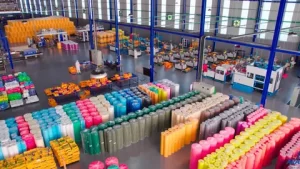
3. Lanka Corrugated Industries (LCI): The Logistics Backbone
For the heavy-duty needs of the apparel and agricultural sectors, Lanka Corrugated Industries provides the essential “armor” for products.
-
The Sustainability Shift: LCI is a pioneer in eco-conscious manufacturing. By 2026, the company has transitioned almost entirely to solar energy at its 100,000 sq. ft. facility.
-
Product Range: They produce everything from standard RSC cartons to reinforced die-cut boxes. Their strategic location near the Southern Highway ensures that exporters can move goods from the factory floor to the Port of Colombo with unmatched speed.
4. Hayleys Printing & Packaging: The ESG Innovator
As part of the massive Hayleys Group conglomerate, this division benefits from world-class research and development. In 2026, they are at the forefront of the ESG (Environmental, Social, and Governance) movement in Sri Lanka.
-
Innovation Spotlight: Hayleys has gained international recognition for their circular economy initiatives. They utilize recycled PET (polyethylene terephthalate) gathered from ocean plastics to create durable, high-visibility packaging materials.
-
Market Impact: Their focus is on high-tier sports and lingerie brands in Europe and North America. These clients demand “Net Zero” commitments, which Hayleys fulfills through aggressive carbon footprint reduction and water recycling protocols.
5. Emerging Specialists and Niche Players
While the giants lead the way, several other companies provide critical specialized services:
-
Ceylon Flexible Packaging: Known for their high-clarity films used in the snack and confectionery markets.
-
Ex-pack Corrugated Cartons PLC: A major competitor in the paperboard sector, currently boasting a market cap of Rs. 4.20 billion, reflecting strong investor confidence in the corrugated market.
-
PGP Glass Ceylon: The nation’s lone integrated glass producer. They support a circular “high-cullet” (recycled glass) model, which is vital for the premium spirits and Ayurveda-based nutraceutical industries.
Key Industry Trends for 2026
The Sri Lankan packaging landscape is no longer driven by price alone. To stay competitive in 2026, these companies are focusing on three main pillars:
1. The “Green” Mandate
Sustainability is no longer a differentiator; it is a baseline requirement. Companies like Varna Limited and LCI are leading the charge with biodegradable pouches and 100% recycled corrugated boards. The “war on single-use plastics” has shifted the market toward mono-material formats that are easier to recycle.
2. Supply Chain Resilience
With global shipping still feeling the ripples of past volatility, local manufacturers are prioritizing integrated supply chains. By sourcing raw materials like recycled kraft paper locally (from mills like KSPA Embilipitiya), they reduce dependency on expensive imports.
3. Digital and Smart Packaging
In the age of information, the package is a digital interface. 2026 has seen a surge in “active packaging” that can monitor freshness or authenticate products via smartphone scans. This technology is particularly vital for Sri Lanka’s high-value exports like gems and organic spices.
Summary of the Top Packaging Suppliers
| Company | Core Packaging Strength | Key Industry Served |
| Akthari Packaging | Flexible Pouching & Films | FMCG, Tea, Pharma |
| Printcare PLC | High-End Printing & Labeling | Global Beverage, Retail |
| LCI | Sustainable Corrugated Boxes | Export Logistics, Apparel |
| Hayleys Printing | Eco-Friendly Circular Materials | High-End Apparel, Exports |
| PGP Glass Ceylon | Container Glass & Cullet Models | Spirits, Wellness, Cosmetics |
Conclusion: Navigating the 2026 Selection Process
The packaging industry in Sri Lanka has evolved into a sophisticated, multi-billion rupee sector. When choosing a partner, modern businesses are looking beyond the box. They want a supplier that aligns with their sustainability goals, offers rapid turnaround times, and provides a “brand-ready” aesthetic for global markets.
Whether you rely on the legacy expertise of Akthari or the diversified strength of Hayleys, the current market offers a wealth of world-class options. In 2026, the right packaging doesn’t just protect your product; it tells your brand’s story of innovation and responsibility to the world.
Author



Air Con Repair Gloucester: Fast, Reliable AC Service

Dandy Worldwide Streetwear: Hoodies, Hats & Urban Style Trends

Denver SEO Agency: Turn Local Searches into Real Customers

Mutual Fund Investment Guide 2026: Build Wealth with Strategies

White & Oak Staircase Renovations for Modern Home Design

Orientalist Art: History, Themes, and Collecting Guide

Substation Engineering Design for Modern Power Systems

Divorce Appraisal Portland: Fair Home Valuation for Settlements

Food packaging companies in sri lanka

Bing Homepage Quiz: Play Daily Trivia & Earn Rewards

Cybersecurity Consulting Company SequelNet Provides Critical IT Support Services to Medical Billing Firm, Medical Optimum

Team Communication Software Transforms Operations at Finance Innovate

Project Management Tool Transforms Long Island Business

How Alleviate Poverty Utilized IPPBX’s All-in-One Solution to Transform Lives in New York City

Breast Cancer: The Imperative Role of Mammograms in Screening and Early Detection

Unstoppable Collaboration: D.C.’s Citi Open and Silicon Valley Classic Unite to Propel Women’s Tennis to New Heights

Embracing Renewal: Sizdabedar Celebrations Unite Iranians in New York’s Eisenhower Park

The Benefits of Starting a Side Hustle for Financial Freedom

New Blood Donation Screening Questions What You Need to Know

Stylishly Timeless: The 5 Types of Sandals You Need in Your Closet
-

 Business3 years ago
Cybersecurity Consulting Company SequelNet Provides Critical IT Support Services to Medical Billing Firm, Medical Optimum
-
Business3 years ago
Team Communication Software Transforms Operations at Finance Innovate
-
Business3 years ago
Project Management Tool Transforms Long Island Business
-
Business3 years ago
How Alleviate Poverty Utilized IPPBX’s All-in-One Solution to Transform Lives in New York City
-
health3 years ago
Breast Cancer: The Imperative Role of Mammograms in Screening and Early Detection
-
Sports3 years ago
Unstoppable Collaboration: D.C.’s Citi Open and Silicon Valley Classic Unite to Propel Women’s Tennis to New Heights
-
Art /Entertainment3 years ago
Embracing Renewal: Sizdabedar Celebrations Unite Iranians in New York’s Eisenhower Park
-
Finance3 years ago
The Benefits of Starting a Side Hustle for Financial Freedom







