
Clothing
The Ultimate Guide to Chamfering Tools for CNC Machining

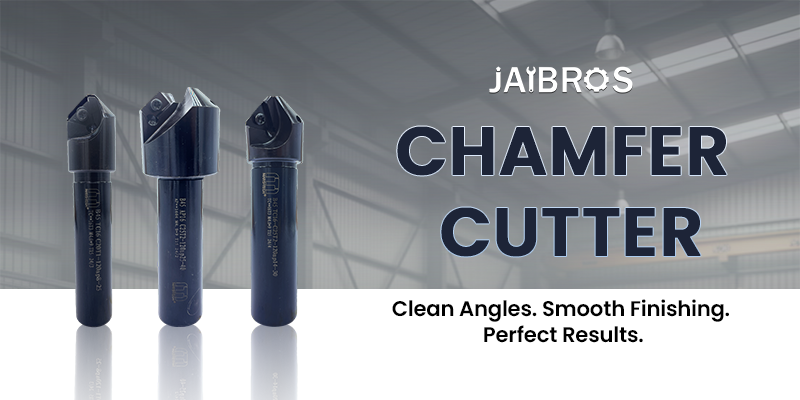
Precision machining requires more than just accurate dimensions. The quality of edges and surface finishes plays a significant role in the functionality, safety, and appearance of manufactured components. One machining process that contributes to these goals is chamfering.
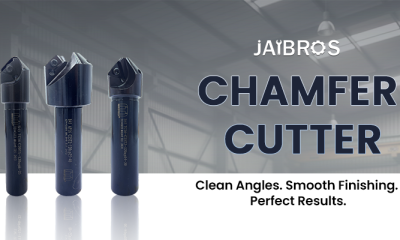
Chamfering involves creating a bevelled edge between two surfaces of a workpiece. This simple yet essential operation helps eliminate sharp corners, improve assembly, and enhance the overall quality of machined parts. To perform this task efficiently, manufacturers rely on a chamfer tool.
Whether you work in aerospace, automotive manufacturing, metal fabrication, woodworking, or general engineering, understanding chamfering tools can help improve productivity and machining results. This guide covers everything you need to know, including tool types, applications, benefits, selection factors, and best practices.
What Is a Chamfering Tool?
A chamfering tool is a cutting instrument designed to create angled edges on a workpiece. Instead of leaving a sharp 90-degree corner, the tool removes material at a specified angle to form a bevel.
Chamfers are commonly applied to:

- Remove sharp edges
- Improve safety
- Prepare parts for assembly
- Improve aesthetics
- Facilitate welding operations
- Reduce stress concentration
The process can be performed manually or through automated CNC equipment depending on production requirements.
Why Chamfering Matters in CNC Machining
Many people view chamfering as a finishing operation, but its benefits extend far beyond appearance.
Improved Safety
Sharp metal edges can cause injuries during handling and assembly. Chamfering eliminates these risks by creating smooth transitions.
Better Component Assembly
Chamfered edges help guide mating components into place, reducing assembly time and minimizing alignment issues.
Enhanced Product Quality
Products with clean and consistent edges appear more professional and meet higher quality standards.
Reduced Material Stress
Sharp corners often become stress concentration points. Chamfered edges help distribute loads more evenly.
Improved Surface Finishing
Coatings, paints, and surface treatments often adhere better to properly finished edges.
Common Applications of Chamfering Tools
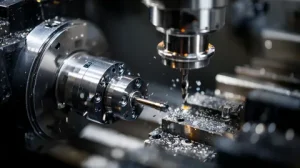
Chamfering tools are used in numerous industries and manufacturing environments.
Edge Breaking
One of the most common applications is removing sharp corners left after machining.
Deburring
Machining processes frequently create burrs. Chamfering helps eliminate these unwanted imperfections.
Countersinking
Chamfering prepares holes for fasteners such as flat-head screws.
Weld Preparation
Beveled edges improve weld penetration and joint strength.
Decorative Finishing
Certain products use chamfers to enhance visual appeal and provide a premium appearance.
Thread Entry Preparation
Chamfered openings make it easier to start screws, bolts, and threaded components.
Types of Chamfering Tools
Selecting the correct tool depends on the application and machining requirements.
Standard Chamfer Mills
These are widely used for creating angled edges and removing burrs. They are available in multiple sizes and angles.
Countersink Tools
Countersinks create conical openings that allow screw heads to sit flush with the surface.
Spotting and Chamfer Combination Tools
These tools perform spotting and chamfering in a single operation, improving efficiency.
Indexable Chamfering Tools
Designed for high-volume production, these tools use replaceable inserts to reduce tooling costs.
Back Chamfering Tools
A back chamfer tool is designed to machine difficult-to-reach internal surfaces. These tools are commonly used in aerospace, hydraulic systems, and precision engineering applications.
Understanding Chamfer Angles
Chamfer angles vary depending on the application.
Common angles include:
- 30°
- 45°
- 60°
- 90°
The 45-degree angle is the most frequently used because it works well for general edge finishing and assembly preparation.
Always follow engineering specifications when selecting a chamfer angle.
Tool Materials Used in Chamfering
Tool material significantly affects cutting performance and durability.
High-Speed Steel (HSS)
Advantages include:
- Lower cost
- Good toughness
- Suitable for light-duty machining
However, HSS tools generally wear faster than carbide tools.
Solid Carbide
Carbide tools offer:
- Longer tool life
- Higher cutting speeds
- Better wear resistance
- Improved productivity
For most CNC applications, carbide is the preferred option.
CNC Chamfering Operations
Modern manufacturing increasingly relies on automated chamfering solutions.
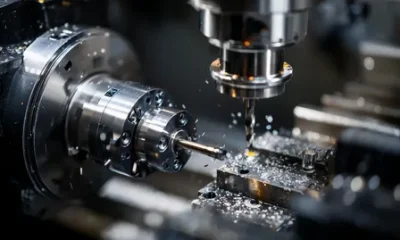
A dedicated chamfer tool cnc setup provides several advantages:
- Consistent quality
- High repeatability
- Faster production cycles
- Reduced operator intervention
- Improved dimensional accuracy
CNC-controlled chamfering is especially valuable when producing large quantities of precision components.
Chamfering on Lathes
Turning operations often require edge finishing after machining cylindrical components.
A chamfer tool lathe is designed specifically for creating beveled edges during turning operations. These tools help improve part appearance, remove burrs, and prepare components for assembly.
Common applications include:
- Shafts
- Bushings
- Fasteners
- Threaded components
- Precision turned parts
Lathe chamfering can often be completed during the primary machining cycle, reducing secondary operations.
Chamfering in Woodworking
Although commonly associated with metalworking, chamfering is also widely used in woodworking.
A chamfer tool for wood helps create decorative and functional beveled edges on furniture, cabinets, doors, and architectural elements.
Benefits in woodworking include:
- Improved aesthetics
- Reduced splintering
- Better edge durability
- Enhanced product value
Woodworkers frequently use routers and specialized cutters to achieve clean chamfered profiles.
Factors to Consider When Selecting a Chamfering Tool
Choosing the right tool can significantly impact machining performance.
Workpiece Material
Different materials require different cutting geometries and coatings.
Examples include:
- Aluminum
- Steel
- Stainless steel
- Titanium
- Plastics
- Wood
Chamfer Size
The required chamfer dimensions influence tool diameter and geometry selection.
Machine Capability
Tool selection should match spindle speed, machine rigidity, and available tooling systems.
Production Volume
High-volume production often benefits from indexable tooling solutions.
Surface Finish Requirements
Applications requiring premium finishes may require specialized geometries and coatings.
Selecting the proper chamfer tool ensures optimal performance and longer tool life.
Benefits of Using Chamfering Tools
The advantages of chamfering extend throughout the manufacturing process.
Increased Productivity
Efficient tooling reduces machining time and minimizes secondary finishing operations.
Improved Product Consistency
Proper tooling ensures repeatable results across production batches.
Lower Manufacturing Costs
Reduced rework and longer tool life help lower overall production expenses.
Enhanced Safety
Removing sharp edges protects workers and end users.
Better Component Performance
Chamfered parts often assemble more easily and experience lower stress concentrations.
A high-quality chamfer tool contributes directly to achieving these benefits.
Best Practices for Chamfering Operations
Following proper machining practices helps maximize productivity and quality.
Use Correct Speeds and Feeds
Follow manufacturer recommendations to achieve optimal performance.
Monitor Tool Wear
Regular inspection helps prevent poor surface finishes and dimensional inaccuracies.
Maintain Proper Coolant Flow
Coolant reduces heat buildup and extends tool life.
Ensure Machine Rigidity
Stable setups reduce vibration and improve edge quality.
Use Quality Tool Holders
Proper tool holding improves accuracy and cutting performance.
Common Chamfering Mistakes
Avoiding common mistakes can save time and reduce production costs.
Using the Wrong Tool Geometry
Incorrect geometry may lead to poor finishes and excessive tool wear.
Ignoring Material Requirements
Tool selection should always match the workpiece material.
Excessive Cutting Speeds
Overly aggressive parameters can shorten tool life.
Poor Maintenance
Neglecting tool inspection often leads to inconsistent machining results.
Conclusion
Chamfering tool is an essential machining process that improves safety, functionality, appearance, and assembly performance. By understanding different tool types, applications, materials, and machining strategies, manufacturers can achieve superior results while improving productivity.
Whether you’re performing basic edge breaking, advanced CNC finishing, or specialized tool chamfer operations, selecting the right tooling solution is critical for success. With proper planning and tool selection, chamfering can significantly enhance overall machining quality and operational efficiency.
Frequently Asked Questions
1. What is the purpose of a chamfering tool?
A chamfering tool creates beveled edges that improve safety, appearance, and assembly while reducing stress concentrations.
2. Which chamfer angle is most commonly used?
A 45-degree chamfer is the most common because it is suitable for general machining and assembly applications.
3. What is a back chamfer tool used for?
It is used to create chamfers on internal or difficult-to-access surfaces that standard tools cannot easily reach.
4. Can chamfering tools be used on wood?
Yes, specialized chamfering tools are commonly used in woodworking for decorative and functional edge finishing.
5. Why is CNC chamfering preferred in manufacturing?
CNC chamfering provides higher precision, repeatability, faster production, and improved quality consistency.
Author







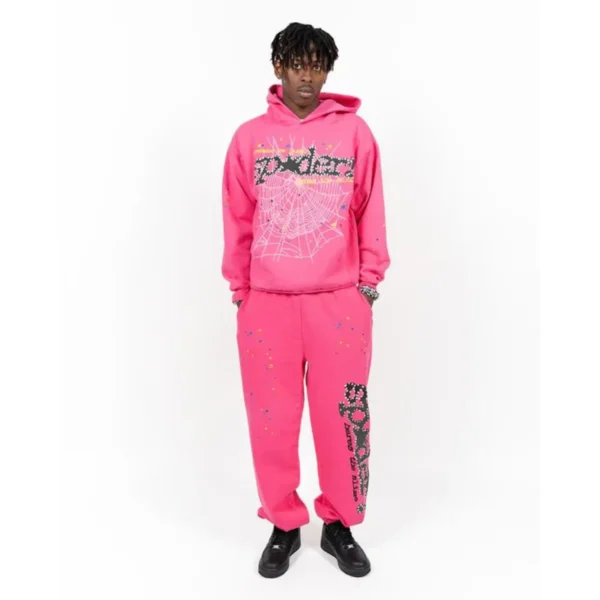
Sweatpants are one of those items people buy on impulse and then wear every day for two years, so it is worth spending ten minutes thinking before the money leaves your account. The first decision is the silhouette, because it determines everything else that follows. A wide-leg pair with an open hem drapes over a shoe and stacks at the ankle, which suits chunky sneakers and skate footwear and gives a relaxed, street-ready line. A cuffed jogger gathers above the ankle instead, shows more of the shoe and keeps the leg from trailing on the ground, which is easier to wear with slimmer trainers and better for anything active. Between those two poles there are relaxed cuts, jumbo cuts and the occasional slight flare, and the difference between two pairs that both call themselves baggy can be a good few inches of excess length, so it is never safe to assume that two size charts are telling you the same story. Inseam and leg opening tell you more about how a pair will actually look than the waist measurement does, and the amount of fabric that pools over a shoe is the single clearest sign of whether a cut is right for you.
Fabric comes second, and it decides how the pants behave in wear long after the tags are off. Heavyweight cotton fleece holds a structured line, traps warmth and only gradually settles into the shape of the body, while a thinner track fabric falls immediately, dries faster and suits warmer weather or actual training. Brushed fleece on the inside feels soft against the skin and is what gives a pair its warmth, though that pile will flatten after eight or ten washes, which is normal ageing rather than damage. Print and embellishment change the hang as much as the cloth does: a heavy puff print or a large 3D graphic stiffens the panel it covers so the front falls straighter than the back, an all-over print spreads its weight evenly and moves with the body, and rhinestone work adds a raised dimension that catches light and needs careful handling. A heavier fleece will also make a matching set read heavier than its two halves worn separately, which is worth knowing if you plan to wear the top and bottom together. None of this is better or worse, it simply tells you what the pair will feel like in week one and in year two.
This is where the sweatpants stocked at https://sp5derrr.com/sweatpants/ are worth looking at, because the range covers that whole spread in one place: wide-leg and cuffed silhouettes, heavyweight fleece with puff-printed webs and 555 angel-number graphics, all-over prints, and rhinestone-encrusted styles like Beluga and VVS, alongside thinner track pants from the adidas collaboration. Named lines include OG Web, 555, P*NK V2, Atlanta, Legacy, Souvenir, Wait, Phantom Web, Nocturnal and Stadium, and prices sit between roughly $150 and $180 across the listings, with past-season colourways discounted by up to half while sizes last. Every pair is checked by hand through an authentication check that looks at the woven waistband tag, the weight and feel of the fleece, pocket stitching and the depth of any print or the setting of any stone, and the shop offers free insured US shipping with 30-day returns. The cut you choose matters more than the colourway here, so it helps to see the silhouettes side by side rather than hunting through separate pages.
Colour and styling are the third decision. Black and grey are the most subdued and the easiest to match, while blue, pink, camo and garment-dyed pairs make the web print far more obvious and ask for plainer shoes and a quieter top. Since most sweatpants carry a lot of graphic already, a plain tee or a matching hoodie is usually the answer, though it is worth remembering that two pieces described as the same colour are not always the same shade, and printing can differ between a hoodie and its matching pants. A tonal set is the safest route; mixing releases is fine as long as one piece leads and the other supports it. Wider legs look good dragged over chunky sneakers, while cuffed joggers show more of the shoe and keep the outfit tidier, so the choice of footwear should really come before the choice of pant.
Finally, sizing and care. Expect a generous fit that runs big, so there is no reason to go up two sizes, and measure your waist and inseam against each style’s size chart rather than trusting the letter on the label. Pay attention to the waist-to-inseam ratio and to how much excess length an uncuffed pair will have, especially if you are shorter, and check whether the cord is internal or external and whether the pockets are deep enough to actually use, since some fleece styles have shallow ones. Wash printed pairs cold and inside out, dry them flat, keep irons away from puff print and rhinestones, and knot the cord ends so they cannot pull back through the eyelet. Buy with silhouette, fabric and honest measurements in mind and a good pair of sweatpants will soften in all the right places while holding its line where it counts, which is exactly what you want from something you will reach for more than anything else in the drawer.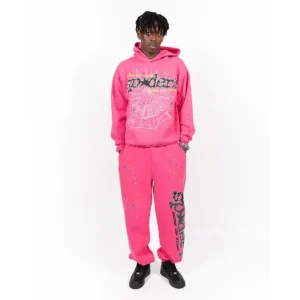
Author


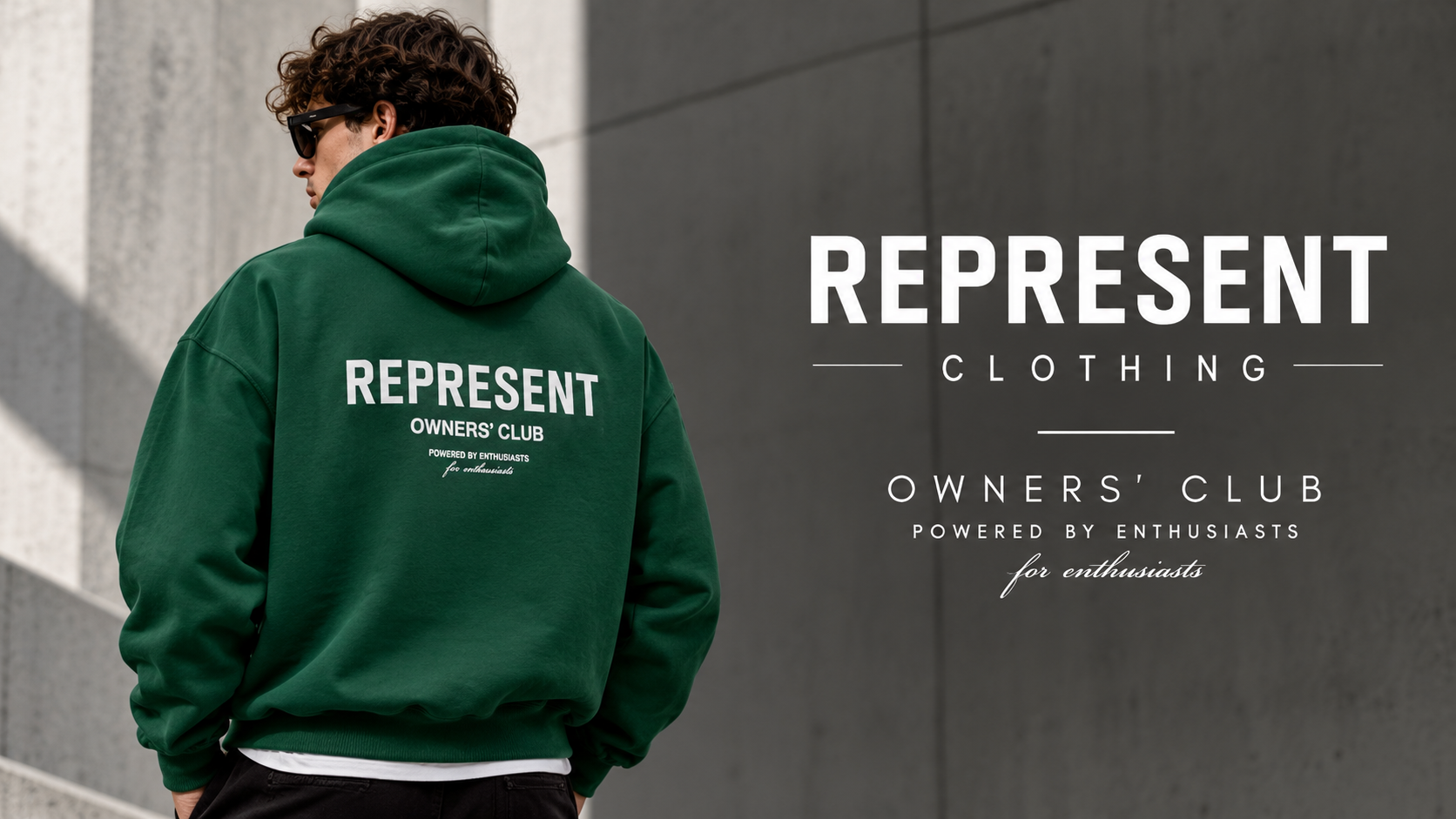
Comfort and style used to pull in opposite directions. Comfortable clothes looked casual, and stylish clothes felt restrictive. Contemporary men’s fashion has closed that gap. Men now expect clothes that feel good and look intentional at the same time. Represent clothing and the Represent hoodie sit right in that space, offering relaxed streetwear that works in daily life. This article explains how comfort and fashion now connect, and how to build outfits that deliver both.
How Comfort Became a Style Priority
Comfort became a style priority as lifestyles changed. People work in flexible spaces, travel often, and move between settings without changing clothes. At the same time, fashion began to value relaxed shapes, softer silhouettes, and everyday basics. Social listening research from Brandwatch notes that the shift toward casual fashion accelerated as consumers prioritized comfortable clothes, and that people want a blend of style and usability, as described in its fashion social index report. That blend is the center of contemporary men’s fashion today.
Comfort as a Starting Point at Represent Clothing
Begin with comfort, then add style. When you browse Represent clothing, look at the categories that suit daily life: hoodies, shirts, joggers, and shorts. Choose pieces you can picture wearing for a full day. Check the size chart for each item, and compare it with clothes you already find comfortable. Pick related colors so outfits come together quickly. The Owners Club range makes this easy, since several items share a name and a palette. Comfort-first shopping usually leads to wardrobes you wear often.
The Hoodie as the Meeting Point
The hoodie is where comfort and fashion meet most clearly. It feels relaxed, yet it carries a strong visual identity. When you choose a Represent hoodie, think about both sides. For comfort, check the size chart and compare shoulder, chest, and length measurements with a hoodie you love. For style, decide on color and shape. The Black Heavyweight Represent Hoodie gives you a neutral base, and its page has details to review. The Owners Club Pink Represent Hoodie brings a softer accent that still pairs with dark bottoms.
Making Comfortable Clothes Look Intentional
alone does not make an outfit look good. Comfortable clothes look intentional when the details are controlled. Choose a size that fits your shoulders properly, keep colors in a small palette, and wear clean shoes. Avoid mixing several strong ideas in one outfit, such as a bold graphic, a bright color, and heavy layers together. When one element leads and the rest stays calm, relaxed piece
Outfits That Balance Both
Here are outfit ideas that balance comfort and style. For a relaxed workday, wear a plain tee under a neutral hoodie with dark jeans and clean sneakers. For a weekend, pair the Icarus Represent Merch Shirt with the Owners Club Mesh Represent Short and a cap. For travel, choose the Owners Club Represent Grey Jogger with a hoodie in a matching tone, so everything mixes easily. For an evening out, wear a dark hoodie, dark trousers, and a simple jacket. Each outfit feels easy while still looking planned.
Choosing Bottoms and Layers for Ease
Bottoms and layers decide how comfortable an outfit feels through the day. Joggers such as the Owners Club Represent Storm Jogger and the Initial Wide Leg Represent Jogger offer different shapes, so test each one by walking, sitting, and climbing stairs. In warm weather, shorts such as the Towelling Represent Black Short suit lighter outfits. Layer with a tee, a hoodie, and a light jacket, so you can adjust to temperature changes. Check the size chart on every piece, and compare measurements with clothes you already wear comfortably.
Shop authentic Represent clothing in the USA. Explore iconic streetwear, luxury hoodies, tees, & more. Enjoy fast US shipping & easy returns!Shop authentic Represent clothing in the USA. Explore iconic streetwear, luxury hoodies, tees, & more. Enjoy fast US shipping & easy returns!Shop authentic Represent clothing in the USA. Explore iconic streetwear, luxury hoodies, tees, & more. Enjoy fast US shipping & easy
Frequently Asked Questions
How can comfortable clothes still look stylish?
Choose a good fit, keep colors in a small palette, wear clean shoes, and let one element lead the outfit.
What should I check first when choosing a comfortable hoodie?
Start with the size chart. Compare shoulder, chest, and length measurements with a hoodie you already love.
Do comfortable outfits need many pieces?
No. A hoodie, a couple of tees, joggers, and shorts can create many combinations when you layer and rotate them.
How do I test comfort when my order arrives?
Wear it around the house, and check how it feels when you sit, bend, reach, and walk.
How can I keep comfortable clothes feeling good for longer?
Follow the care label, wash similar colors together, avoid unnecessary heat, and fold hoodies rather than hanging them.
Author

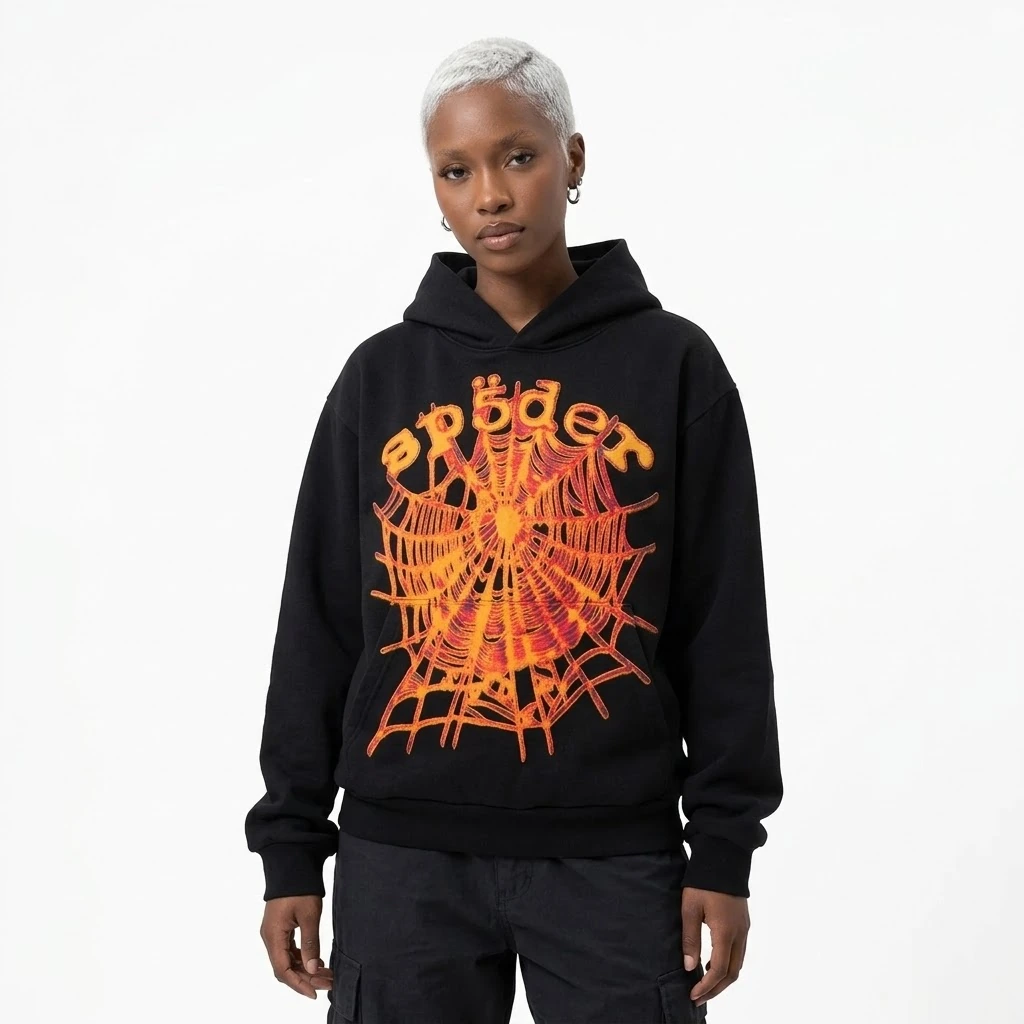
Most people buy a hoodie on colour and regret it on fit, so it helps to know what actually matters before the money leaves your account. Fabric comes first, because it decides how the garment behaves long after the tags are off. A dense brushed fleece traps warmth and holds a structured line, standing away from the shoulder at first and only gradually settling into the shape of the body, while a lighter weight falls against the frame within the hour and never quite holds that architectural look. Neither is better, they do different jobs, and the same design can feel like two different garments depending on which one it uses. The inside face is what your hand meets first: short raised fibres holding a layer of air against the skin, which is where the warmth comes from. That pile flattens after eight or ten washes, the hood softens, and the garment begins to drape where it once stood firm. That is wearing in, not wearing out, and the shoulder seam and cuff ribbing should keep their shape long after the surface has gone soft. Print carries weight of its own. A heavy screen print across the chest stiffens that panel so the front hangs straighter than the back, an all over print spreads evenly and moves with the body, and rhinestone or puff print work adds a raised dimension that catches light and sits exactly where the cloth has to flex. Cut is the second decision, and the one most people get wrong. An oversized piece drops the shoulder seam past the natural shoulder point, runs wide through the body and long in the sleeve, so your usual size gives a relaxed fit while one size up gives the proportion the cut was drawn for, and the difference shows mostly in sleeve length and hem rather than in the chest. A double layered hood adds height and bulk at the neck, so a hooded piece reads bigger on the frame than its chest measurement suggests, while a hoodless crewneck sits closer to a standard fit through the shoulders. Shorts and sweatpants with a drawstring waist forgive a size either way at the waist, but the rise and leg opening do not, so sizing up means a longer and wider leg rather than simply more room. When you are between sizes, trust flat measurements, chest across and length from the seam, over the letter on the label, because numbers travel between garments and letters do not, and remember that sizing up moves a large back graphic lower on the body, which on a shorter wearer can finish below the line it was drawn for.
Shopping online works best when the shop is honest about what it actually holds, and at https://sp5derrr.com/ the catalogue stays deliberately narrow: pullover hoodies, a crewneck sweatshirt, shorts, sweatpants and matching sweatsuits, each carrying the sp5der name on its label. The hoodies run from the Juice Wrld Spider Hoodie and the Light Blue Spider Hoodie through to the Acai Hoodie in purple, alongside the All Over Print Hoodie Brown, the Araignee Hoodie in brown and the AOP Web Hoodie in heather grey, with the Atlanta Hoodie in navy and pink and the Beluga Hoodie in grey, orange and sand. The single piece without a hood is the Adult Sweatshirt Navy, a crewneck for anyone who wants the graphic print without bulk at the neck. Prices across the range run from $110 to $340, every item is inspected by hand before it ships, and the site lists only what it actually has in stock rather than promising a warehouse it does not have. That narrowness is the point: a shop that stocks one category can look at every piece that arrives, and a buyer who knows exactly what the catalogue contains can make a decision without guessing.
Care is where most garments are lost, and it costs nothing to get right. Wash printed pieces inside out and cold, then dry them flat, because heat lifts puff print and screen print off the fabric long before the cloth itself is finished. Knot the ends of drawstrings so they cannot pull back through the eyelet, and check the bar tacks at the corners of a kangaroo pocket when the piece first arrives, since that stitching takes the most daily strain, a phone, keys and two hands pulling down at once, and a weak tack opens into a split that runs along the pocket edge. A pale sand or heather grey shows the flattening of brushed fleece sooner than a deep dye, which is worth knowing when choosing between two otherwise identical pieces, and a five minute repair in matching thread before the first wear can be the difference between years and a single winter. Buy with those three things in mind, fabric weight, honest measurements and a care routine you will actually follow, and a well built garment will soften in all the right places while holding its line where it counts.
Author


QuickBooks Error H505: 9 Ways to Fix It

QuickBooks Migration Failed Unexpectedly: 9 Fixes That Work

Marriage Green Card Denied? What Happens Next and Can You Reapply?

Phantom Stock in India: Meaning, Benefits, Taxation, and How It Works

How to Choose Sweatpants: A Practical Guide

Are Chrome Hearts Tshirt Still Worth Buying in 2026?

Comme Des Garcons Converse Outfits That Make a Statement

Are Chrome Hearts Hoodies Still Worth Buying in 2026?

The New Parke Hoodie Looks Changing Everyday Streetwear

The Texas Guide to Booking Wellness and Longevity Care Online

Cybersecurity Consulting Company SequelNet Provides Critical IT Support Services to Medical Billing Firm, Medical Optimum

Meet the Megalodon: The Shark Star of ‘Meg 2’

Reduce Video Game Lag: Level Up Your Gaming Performance

Balancing India’s Entertainment: Cricket vs. Bollywood

Jetsetter’s Secrets: Unveiling Our Favorite Travel Hacks for a Seamless Adventure

The 5 Best Live Sports Streaming Sites: Legal and Exciting!

Hollywood Labor Unrest: The Impact of ‘What About Us?’ Strikes

Unveiling the Magic of Dream Fulfillment at the Late NBA Draft

Illuminate Your Skin: Dr. Axe Unveils Natural Remedies for Lightening Knees and Elbows

Bright Choices: Navigating the Pros and Cons of Skin Whitening Creams with Dr. Axe
-

 Business3 years ago
Cybersecurity Consulting Company SequelNet Provides Critical IT Support Services to Medical Billing Firm, Medical Optimum
-
Entertainment3 years ago
Meet the Megalodon: The Shark Star of ‘Meg 2’
-
Entertainment3 years ago
Reduce Video Game Lag: Level Up Your Gaming Performance
-
 Sports3 years ago
Balancing India’s Entertainment: Cricket vs. Bollywood
-
Entertainment3 years ago
Jetsetter’s Secrets: Unveiling Our Favorite Travel Hacks for a Seamless Adventure
-
Productivity3 years ago
The 5 Best Live Sports Streaming Sites: Legal and Exciting!
-
Art /Entertainment3 years ago
Hollywood Labor Unrest: The Impact of ‘What About Us?’ Strikes
-
Sports3 years ago
Unveiling the Magic of Dream Fulfillment at the Late NBA Draft






