
Autos & Vehicles
Bottega Desires: A Modern Approach to Streetwear and Everyday Style


Streetwear has evolved far beyond simple casual clothing. What once represented a small collection of relaxed garments has become a broad expression of personality, culture, creativity, and everyday confidence. Bottega Desires fits naturally into this changing fashion landscape by focusing on clothing that can feel contemporary without becoming difficult to wear. Its appeal comes from the idea that modern fashion should work with real lifestyles rather than exist only for special occasions. Hoodies, shorts, sweatshirts, shirts, and other casual pieces can become meaningful parts of a wardrobe when they combine a recognizable visual identity with comfort and versatility. This approach reflects how people increasingly dress today, mixing relaxed silhouettes with distinctive details and creating outfits that feel personal rather than overly planned.
A Distinctive Identity Through Clothing
A strong clothing identity is not created simply by placing a name across a garment. It develops through consistency, design language, proportions, materials, colors, and the way individual pieces work together. Bottega Desires can be viewed through this broader perspective, where Bottega Desires becomes part of a visual conversation between contemporary streetwear and personal expression. The attraction of this style is its ability to remain noticeable without requiring an outfit to become complicated. A well-designed hoodie can establish the foundation of an entire look, while a pair of casual shorts or relaxed trousers can keep the outfit balanced and practical. This creates a wardrobe where individual garments have their own character but can still be combined naturally.
Comfort as a Foundation of Everyday Fashion
Comfort has become one of the defining elements of modern clothing. People want garments that look considered while still allowing them to move through busy days with ease. Bottega Desires reflects this direction by placing casual silhouettes at the center of its style identity. A hoodie can be worn during a relaxed afternoon, layered under a jacket when temperatures change, or paired with simple trousers for a cleaner streetwear appearance. The same principle applies to shorts and other relaxed pieces, which can provide an effortless foundation for everyday outfits. When comfort and visual character exist together, clothing becomes easier to wear repeatedly, making individual pieces more useful rather than limiting them to one specific styling idea.
Streetwear Built Around Personal Expression
One of the most interesting qualities of streetwear is that it gives people room to interpret clothing in their own way. Two people can wear a similar garment and create completely different results through their choice of footwear, accessories, layering, colors, and proportions. Bottega Desires Hoodie works within this idea of personal interpretation, allowing garments to become starting points rather than strict fashion instructions. A bold piece can become the central feature of an outfit, while understated clothing can provide balance around it. This flexibility makes streetwear especially relevant to younger fashion audiences and anyone who prefers clothing that supports individuality. Instead of following one rigid formula, personal style develops through experimentation and everyday experience.
The Role of the Bottega Desires Hoodie
The hoodie remains one of the most recognizable garments in contemporary streetwear because it combines practicality with strong cultural influence. For Bottega Desires, the hoodie can represent the relationship between comfort and visual identity. Its relaxed structure makes it naturally suited to casual outfits, while distinctive graphics, branding, colors, or construction can give it a stronger presence. A hoodie can be styled with denim for an uncomplicated everyday look or combined with matching casual pieces for a coordinated appearance. Layering also gives the garment greater versatility, allowing it to move between seasons and different settings. This adaptability explains why the hoodie continues to hold such an important position within modern wardrobes.

Shorts and Relaxed Summer Style
Shorts have also become an important part of contemporary streetwear, particularly as casual fashion increasingly values freedom of movement and relaxed proportions. Bottega Desires Shorts can complement oversized tops, fitted shirts, hoodies, or coordinated sets depending on the desired appearance. Their simplicity creates room for experimentation, allowing footwear and upper layers to influence the overall character of an outfit. During warmer weather, shorts can become more than basic seasonal clothing; they can serve as a central component of a complete streetwear look. When combined with thoughtful proportions and complementary colors, relaxed shorts can create an appearance that feels comfortable without appearing careless.
Creating Versatile Wardrobes With Strong Pieces
A modern wardrobe does not necessarily need a large number of garments. More important is having pieces that can work in different combinations and settings. Bottega Desires represents this practical side of contemporary fashion by emphasizing garments that can become repeat choices. A versatile hoodie can work with different trousers, while a reliable pair of shorts can be styled with multiple tops throughout the warmer months. This approach reduces the pressure to constantly search for something completely new and instead encourages people to develop a recognizable personal wardrobe. Over time, favorite pieces often become associated with specific memories, places, and routines, giving everyday clothing a meaning that goes beyond its original purpose.
Fashion That Connects With Contemporary Culture
Clothing has always reflected the culture surrounding it, and streetwear has become particularly connected with music, art, social media, sport, and creative communities. Modern brands operate within an environment where a single garment can travel quickly between different cities and cultural spaces. Bottega Desires Hat exists within this broader movement toward fashion that feels expressive, accessible, and connected to everyday life. The appeal of streetwear is partly its ability to cross boundaries. A garment can be influenced by urban culture while being interpreted differently by someone in another country or community. This constant exchange keeps contemporary fashion evolving and gives brands space to develop identities that feel current.
Building Confidence Through Individual Style
Personal confidence in fashion rarely comes from wearing the most complicated outfit. It often comes from understanding what feels natural and choosing garments that reflect that preference. Bottega Desires can be approached as a way to explore this relationship between clothing and confidence. A familiar hoodie, a comfortable pair of shorts, or a coordinated casual outfit can make getting dressed feel straightforward while still allowing personality to appear. When clothing fits comfortably into someone’s routine, it becomes easier to wear with confidence. This is one reason contemporary streetwear continues to influence everyday fashion: it gives people the freedom to look expressive without sacrificing practicality.
The Future of Bottega Desires and Modern Fashion
Fashion will continue changing as people search for clothing that combines individuality, comfort, and relevance. Bottega Desires represents a style direction shaped around these priorities, where streetwear can remain relaxed while still carrying a distinctive identity. The future of modern fashion is likely to involve even more flexibility, with people combining different influences instead of following one fixed category. Brands that understand this changing relationship between clothing and lifestyle can remain meaningful because their garments become part of how people actually live. Bottega Desires has room to develop within this environment by continuing to explore contemporary silhouettes, expressive design, and versatile everyday clothing.
A Style Defined by Individuality
Ultimately, Bottega Desires can be understood through the idea that fashion becomes more interesting when it reflects the person wearing it. Streetwear is not simply about oversized clothing, recognizable graphics, or seasonal trends. It is about creating an appearance that feels connected to personality and everyday life. By bringing together relaxed garments, contemporary design, comfort, and opportunities for personal styling, Bottega Desires represents a modern approach to casual fashion. Its strongest quality is the freedom it gives people to interpret clothing in their own way. In a fashion world that constantly changes, that sense of individuality can remain one of the most lasting elements of personal style.
Author







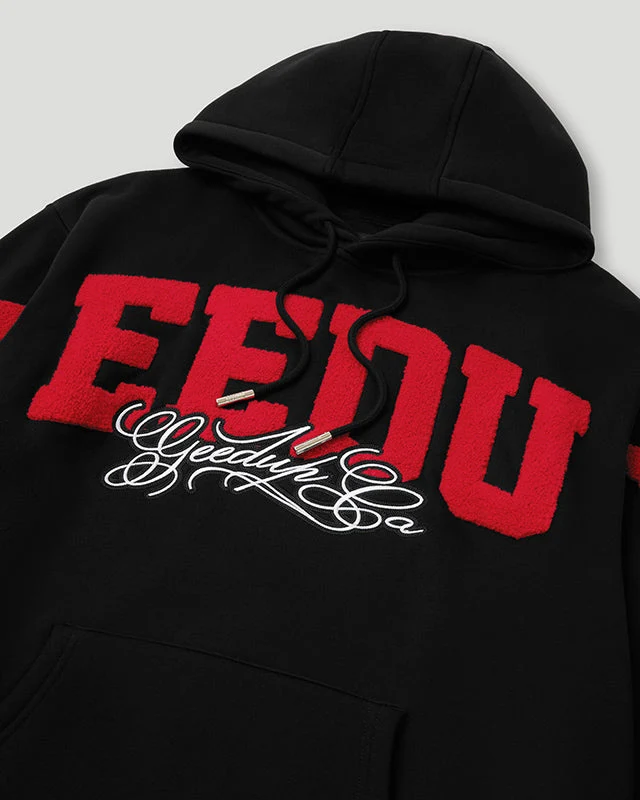
Streetwear has become one of the most recognizable expressions of contemporary fashion, combining everyday comfort with strong visual identity. What once existed mainly within local youth and urban communities has developed into a worldwide fashion language influenced by music, sport, art, social media, and changing lifestyles. Geedup represents this modern movement through an approach to clothing that places personality and attitude at the center of everyday dressing. Its appeal is connected to the idea that casual clothing does not have to be ordinary. A hoodie, T-shirt, tracksuit, or pair of shorts can become part of a recognizable personal style when the design, fit, and overall presentation work together. This perspective has helped streetwear develop into something more meaningful than a passing trend.
Geedup and a Strong Fashion Identity
A distinctive identity is one of the most important elements of a contemporary streetwear label. In an increasingly crowded fashion environment, people often look for clothing that feels recognizable and connected to a particular attitude. Geedup has developed its presence around a bold streetwear aesthetic that emphasizes confidence, community, and individuality. Rather than depending entirely on traditional fashion conventions, this type of clothing communicates through silhouettes, graphics, branding, and styling. The result is an aesthetic that can be immediately recognizable while still leaving room for individuals to interpret garments according to their own preferences. This balance between a clear identity and personal expression is an important reason streetwear continues to attract attention from different generations.
The Geedup Hoodie as a Streetwear Essential
The hoodie has become one of the defining garments of modern streetwear, and its popularity comes from a combination of comfort, practicality, and visual impact. A Geedup hoodie can function as the central piece of a relaxed outfit or become part of a layered look during colder weather. Its casual shape allows it to work naturally with sweatpants, denim, shorts, and other everyday garments. The hoodie also provides a large visual surface for distinctive graphics and branding, making it an effective way to communicate the identity of a label. Beyond its practical purpose, the hoodie has become a cultural symbol of relaxed confidence. It fits into everyday life while maintaining enough character to make a complete outfit feel intentional.
Comfort Meets Character
Modern consumers increasingly expect clothing to work with their daily routines rather than restrict them. Comfort has therefore become an important part of contemporary fashion, particularly within streetwear. Geedup reflects this wider movement by placing casual silhouettes at the heart of its aesthetic. Comfortable clothing can make sense for travel, weekends, social occasions, outdoor activities, or simply spending time in the city. However, comfort alone does not create a memorable style. Character comes from the combination of design, proportions, graphics, color choices, and the way individual garments are styled. When these elements work together, casual clothing can feel purposeful rather than basic. This combination gives streetwear its ability to remain practical while still making a visual statement.
Personal Expression Through Everyday Clothing
Fashion becomes more interesting when people use it to communicate something about themselves. Personal expression does not always require dramatic or unusual outfits. Sometimes a familiar combination of a hoodie, trousers, sneakers, and a few carefully selected accessories can Geedup Hoodie communicate a strong sense of identity. Geedup fits into this idea by offering pieces that can be incorporated into different personal wardrobes. Some wearers may build an outfit around a prominent hoodie, while others may prefer a quieter combination of streetwear essentials. The important factor is that clothing provides a foundation for individual choices. Streetwear encourages people to experiment with proportions, layers, textures, and combinations, allowing the same garment to take on different meanings depending on how it is worn.
The Importance of Community in Streetwear
Streetwear has always had a strong relationship with community. Clothing can create connections between people who share similar interests, cultural influences, or creative perspectives. In this environment, a fashion label can become more than a producer of garments because its identity can become connected with a particular group or movement. Geedup’s presence within streetwear reflects this broader relationship between clothing and community. The appeal of a recognizable label can come from more than the appearance of its products; it can also involve the sense of belonging created around shared fashion interests. This community-driven element is one reason streetwear often feels different from more traditional approaches to fashion.
Building a Flexible Streetwear Wardrobe
A strong streetwear wardrobe does not need to depend on constantly purchasing new trends. Instead, it can be developed around versatile pieces that can be combined in different ways. Hoodies, T-shirts, sweatpants, jackets, shorts, and relaxed trousers can provide a foundation for numerous outfits throughout the year. Geedup-inspired styling works naturally with this approach because casual garments can be layered and rearranged according to weather, occasion, and personal preference. A hoodie can become a statement piece one day and a simple layering garment the next. The same pair of shorts can look different when combined with different tops and footwear. This flexibility gives streetwear a practical advantage for people who want a wardrobe that feels creative without becoming complicated.
Streetwear Beyond Temporary Trends
Trends will always influence fashion, but not every successful streetwear style depends on short-lived popularity. Certain garments remain relevant because they solve practical needs while maintaining a recognizable visual character. The Geedup Clothing is a clear example of this relationship between function and style. T-shirts, sweatpants, shorts, and jackets have similar qualities because they can remain useful regardless of seasonal changes. Geedup’s place within contemporary streetwear can therefore be considered through this wider idea of lasting casual fashion. When clothing becomes part of a person’s everyday routine, its value often comes from how naturally it fits into real life rather than simply how fashionable it appears at a particular moment.
The Role of Confidence in Modern Streetwear
Confidence is often associated with streetwear because the style encourages people to make clear choices about how they want to present themselves. Oversized silhouettes, recognizable graphics, layered outfits, and strong footwear choices can all contribute to a distinctive appearance. Yet confidence does not come from a particular garment alone. It comes from feeling comfortable with the way an outfit represents personal taste. Geedup provides a framework that can be interpreted differently by different people, allowing wearers to create combinations that suit their own preferences. This freedom is central to contemporary streetwear because there is no single formula for looking authentic. Individuality remains one of its strongest characteristics.
Geedup and the Evolution of Urban Fashion
Urban fashion continues to evolve as cultural influences move across cities, countries, and online communities. Social platforms have made it easier for people to discover new labels, styling ideas, and creative movements, while streetwear itself has become increasingly global. Geedup exists within this changing environment where local identity and international attention can exist together. Its aesthetic connects with the wider demand for clothing that feels expressive, comfortable, and culturally relevant. As streetwear continues to develop, labels with clear identities can contribute to the ongoing conversation about what modern casual fashion represents.
The Future of Geedup and Contemporary Streetwear
The future of streetwear will likely continue to revolve around individuality, community, comfort, and recognizable design. Consumers are becoming more interested in clothing that feels connected to their lifestyles rather than simply following seasonal fashion cycles. Geedup reflects this broader direction through an aesthetic built around everyday garments with a strong sense of character. Hoodies, T-shirts, shorts, sweatpants, and other casual essentials can remain relevant because they adapt easily to different environments and personal styles. Ultimately, modern streetwear is about more than clothing itself. It is about creating an appearance that feels authentic, practical, and connected to the culture surrounding it. Geedup’s continuing presence within this fashion landscape demonstrates how everyday pieces can become powerful tools for personal expression while remaining grounded in comfort and contemporary style.
Author


Transportation businesses are under increasing pressure to improve service reliability, control operating expenses, and meet evolving compliance requirements. As fleets expand, managing vehicles, drivers, schedules, and operational data becomes more challenging. A connected approach helps organizations simplify these responsibilities, improve visibility, and make better decisions. By combining solutions such as Mobility and Transport Platform technology with real-time monitoring, businesses can build more efficient and scalable transportation operations and asset management system
Building Safer Fleet Operations with Sharjah SecurePath
Safety and compliance are essential for transportation companies operating in regulated environments. Fleet managers need clear procedures for monitoring vehicle activity, maintaining records, and responding to operational issues. Without organized information, these responsibilities can become time-consuming and difficult to manage consistently.
Sharjah SecurePath is relevant to businesses looking to strengthen fleet oversight and support safer, more compliant operations in Sharjah. By incorporating appropriate monitoring practices and organized operational information, companies can improve visibility across their vehicles.
Furthermore, a structured approach to fleet compliance helps managers identify issues earlier and coordinate corrective action. Vehicle information, trip records, and operational reports can support internal reviews and help teams maintain consistent procedures.
For businesses with large fleets, these capabilities are particularly valuable. A centralized approach makes it easier to maintain oversight across multiple vehicles while reducing dependence on fragmented records and manual communication.
Managing Transport Requirements with Asateel
Regulatory responsibilities can become more complex when transportation businesses manage multiple vehicles, drivers, and operating locations. Maintaining accurate information and understanding applicable requirements are therefore important parts of fleet administration.
Asateel is a relevant solution area for UAE transport operators who need to understand transport-related requirements and organize their operational processes accordingly. Businesses should confirm the latest requirements with the appropriate authorities and ensure that their vehicles and operations meet the rules applicable to their activities.
In addition, digital systems can help organizations organize vehicle information and coordinate operational records more effectively. When information is readily available, teams can respond to administrative requests and review relevant details with less manual effort.
However, compliance requires more than technology alone. Businesses should establish clear responsibilities, review records regularly, and ensure that their procedures remain aligned with current regulations.
Connecting Transportation Activities Through a Mobility and Transport Platform
Transportation services involve multiple connected activities, including scheduling, dispatching, route planning, passenger coordination, and vehicle allocation. When each activity is managed separately, communication gaps can affect service quality and increase administrative work.
A well-designed Mobility and Transport Platform can help bring these processes into a more coordinated digital environment. Depending on the solution, businesses may be able to manage bookings, organize schedules, monitor journeys, and review service performance from a centralized interface.
For example, passenger transport operators need to coordinate pickup schedules with vehicle availability. Meanwhile, corporate transport teams may need to manage recurring employee journeys and adjust routes when requirements change. An integrated platform can help simplify these activities and improve communication between teams.
Moreover, centralized scheduling information helps managers respond to unexpected changes. If a vehicle becomes unavailable, they can review alternative resources and adjust assignments where possible.
As operations grow, this connected approach supports consistency across locations and departments. It also helps businesses identify process bottlenecks and improve service delivery over time.
Improving Visibility with Telematics Fleet Management
Knowing where vehicles are located is important, but understanding how they operate provides additional value. Fleet managers need information about vehicle movements, fuel usage, driving behavior, and mechanical performance to evaluate operational efficiency.
Telematics Fleet Management combines vehicle data with tracking and reporting capabilities to help organizations understand fleet activity. Depending on the installed technology, telematics may provide insights into trip history, idling, fuel consumption, engine condition, and driver behavior.
These insights help managers identify opportunities for improvement. For instance, repeated route delays may indicate that schedules require adjustment. Similarly, excessive idling can increase fuel consumption without contributing to productive work.
Telematics information can also support maintenance planning. Vehicle diagnostic data may help maintenance teams identify potential issues and investigate problems before they cause significant operational disruption.
Furthermore, historical information allows businesses to compare performance over time. Managers can use these trends to assess whether changes to routing, driver training, or maintenance procedures are producing the desired results.
The best asset management system in UAE
Asset Tracking:
En Route Technologies offers a comprehensive asset tracking system that can monitor all kinds of assets including food, machinery, generators, etc. There are specialized containers for various types of foods with sensors installed to ensure the ideal environment for transportation.
For more information regarding EnRoute Technologies asset management system.
Choosing the Right Fleet Telematics Technology Providers
Selecting a fleet technology solution is an important decision because it can influence daily workflows, data quality, and long-term operating efficiency. Businesses should evaluate their requirements before selecting a platform or implementation partner.
When reviewing Fleet Telematics Technology Providers, organizations should consider tracking accuracy, reporting functionality, integration options, scalability, technical support, and compatibility with their vehicles.
First, managers should identify their main operational challenges. A delivery company may need improved route visibility, while a construction business may require vehicle and heavy-equipment monitoring. Passenger transport operators, on the other hand, may prioritize scheduling, journey coordination, and service reporting.
Next, businesses should assess how a proposed system will fit into their existing processes. Solutions that connect with relevant operational tools can reduce duplicate work and make information easier to access.
Scalability is equally important. As an organization adds vehicles, locations, or users, its technology should continue to support the growing operation. Therefore, evaluating future requirements alongside current needs can help businesses make a more sustainable decision.
Strengthening Vehicle Security with a Vehicle GPS Tracker
Vehicle security and accountability remain important priorities for organizations that depend on mobile resources. Unexpected vehicle movements, unauthorized use, and limited trip visibility can create operational and financial risks.
A vehicle gps tracker helps businesses monitor vehicle locations and review movement history. Depending on the device and platform, tracking capabilities may also include location alerts, route monitoring, and geofence notifications.
These features can help managers identify unusual activity and review vehicle usage against established procedures. In addition, historical trip data can support internal investigations and help businesses understand how vehicles are being used during working hours.
For organizations with vehicles distributed across different sites, remote monitoring also reduces the need for repeated manual updates. Managers can access available tracking information and coordinate responses more efficiently.
Nevertheless, a GPS tracker works best as part of a wider security strategy. Businesses should combine monitoring technology with clear vehicle-use policies, appropriate access controls, driver guidance, and compliant data-handling practices.
Improving Coordination Between Fleet and Operations Teams
Transportation efficiency depends on cooperation between several departments. Dispatch teams coordinate journeys, fleet managers monitor vehicles, maintenance staff handle servicing, and administrative teams maintain records.
When these groups rely on separate information sources, delays and misunderstandings can occur. An integrated operational environment helps teams work with more consistent information and coordinate activities more effectively.
For example, dispatchers can consider vehicle availability when assigning journeys. Fleet managers can review tracking data to understand operational activity, while maintenance teams can plan servicing around vehicle schedules.
Consequently, businesses can reduce unnecessary communication delays and improve the use of available resources. Clearer information also helps managers identify responsibilities and follow up on outstanding tasks.
Using Operational Data to Reduce Costs
Controlling costs requires a clear understanding of how vehicles and other resources are being used. Fuel, maintenance, driver activity, and inefficient scheduling can all affect fleet profitability.
Connected systems help managers examine these factors through operational reports and performance indicators. Metrics such as vehicle utilization, idle time, route efficiency, fuel consumption, and maintenance frequency can reveal areas that require attention.
For instance, repeated delays may increase operating hours and affect customer service. Low vehicle utilization may indicate that resources could be reassigned. Likewise, unusual fuel patterns may justify further investigation.
By reviewing these indicators regularly, businesses can prioritize improvements based on evidence rather than assumptions. Over time, this can support more disciplined budgeting and better resource allocation.
Preparing for Growth with Scalable Transportation Technology
As transportation businesses expand, their requirements often change. Additional vehicles, new service areas, larger teams, and more complex reporting needs can place pressure on existing processes.
Scalable technology helps organizations accommodate this growth while maintaining consistent operational visibility. A connected platform can support additional users, vehicles, and workflows as business requirements evolve.
However, successful implementation also depends on staff training, accurate data, and clear procedures. Businesses should ensure that teams understand how to use the system and how operational information should be maintained.
Regular performance reviews are equally valuable. By measuring outcomes and collecting feedback, organizations can identify gaps, improve workflows, and adjust their technology strategy as necessary.
Creating a More Connected Transportation Future
The future of transportation management depends on better coordination between vehicles, people, systems, and operational data. Tracking tools provide location visibility, telematics helps explain vehicle performance, and digital platforms support scheduling and coordination.
When these capabilities work together, businesses can move away from fragmented processes toward more informed management. This improves their ability to respond to operational changes, maintain oversight, and identify opportunities for greater efficiency.
Ultimately, technology should support practical business goals. By selecting suitable solutions and integrating them into everyday workflows, transportation companies can improve reliability, strengthen accountability, and prepare for long-term growth.
Conclusion
Smart transportation technology gives businesses better ways to manage vehicles, coordinate services, and maintain operational visibility. Solutions supporting compliance, transport planning, telematics, and vehicle tracking can help organizations improve efficiency while addressing changing business requirements.
By combining connected systems with clear processes and regular performance reviews, fleet operators can make better decisions, manage resources more effectively, and build a more reliable transportation operation.
Read more in this website
Author



Knowing what your car is worth can make the selling process much easier. It can help you choose a sensible asking price, negotiate with confidence, and decide whether a part-exchange offer is fair.
However, no single figure applies to every vehicle. Several factors can affect its market value. These include age, mileage, condition, service history, specification, and current demand. Even two cars of the same make and model can have noticeably different values.
If you plan to sell or part-exchange your vehicle, a Car Valuation can give you a useful starting point. It can help you understand where your car sits in the current market before you speak to buyers or dealers.
What Does a Car Valuation Mean?
A Valuation provides an estimated figure for what your vehicle may be worth in the current market. The amount can change depending on how you plan to sell the car.
For instance, a dealer may offer less than the advertised price of a similar vehicle. Dealers need to cover several costs before reselling a car. These can include preparation, repairs, warranty coverage, staff costs, and their expected profit margin.
A private seller may achieve a different price because they sell directly to another consumer. However, private sales can take more time and require more effort from the seller.
It is also important to understand the difference between an advertised price and the final selling price. A vehicle might appear online at a certain price, but that does not mean it will actually sell for that amount. Therefore, treat a valuation as an informed estimate rather than a guaranteed final figure.
What Can Affect Your Car’s Value?
A Car Valuation considers several factors when determining a vehicle’s worth. Age, mileage, condition, service history, specification, and current market demand can all influence the final price.
Age and Mileage
Age and mileage often provide the first indication of a vehicle’s value. In general, newer cars tend to command higher prices. As a vehicle gets older, depreciation usually reduces its market value.
Mileage also matters because it shows how much use the car has had. However, you should not look at mileage on its own. A higher-mileage vehicle with excellent maintenance records may attract more interest than a low-mileage car that has received little care.
Overall Condition
Your car’s physical and mechanical condition can make a significant difference. Scratches, dents, worn tyres, damaged wheels, interior marks, and dashboard warning lights can all affect what buyers are willing to pay.
Be honest when describing your vehicle. Overstating its condition may produce an unrealistic estimate. It could also lead to a lower offer after a dealer or buyer inspects the car.
Service and MOT History
A complete service history can give potential buyers greater confidence. It shows that you have maintained the vehicle and kept up with important servicing requirements.
Keep service invoices, digital records, and maintenance receipts wherever possible. These documents can support your car’s condition and maintenance history.
Your MOT record can also provide useful information. Frequent failures or serious advisories may make buyers more cautious. On the other hand, a clean and well-maintained history can make your vehicle more attractive.
Specification and Market Demand
Your car’s specification can also influence its value. The trim level, engine, gearbox, colour, and optional equipment can affect demand.
Certain features may appeal strongly to buyers. These can include automatic transmission, parking sensors, reversing cameras, upgraded infotainment systems, and other desirable technology.
Market demand matters as well. A popular model with plenty of interested buyers may hold its value better than a less desirable vehicle.

Why Can Online Valuations Differ?
You may receive different estimates from different websites. That does not necessarily mean one service has made a mistake. Each valuation provider can use different data sources and calculation methods. Some may also make different assumptions about mileage, condition, specification, and local market demand.
Online tools usually rely on information such as your registration number, mileage, model, and specification. However, they cannot always identify smaller details. They may not know about a damaged alloy wheel, worn interior, new tyres, or a complete set of service records.
For that reason, an online Car Valuation should serve as a guide. It gives you an approximate idea of your vehicle’s market position, but it cannot guarantee the exact amount you will receive.
How to Prepare for a Valuation
Accurate information can help you get a more realistic estimate. Before requesting a valuation, take a few minutes to check your vehicle’s details.
Confirm the current mileage and check the MOT history. Gather your service records, maintenance receipts, and important vehicle documents. Also, make a note of the exact trim level, engine, gearbox, and optional features.
Next, inspect the vehicle carefully. Check the tyres, wheels, bodywork, lights, and interior. Make a note of any cosmetic or mechanical issues that could affect the final offer.
It can also help to clean your car before an inspection. Cleaning will not change the underlying market value, but it can make the vehicle look better and create a stronger first impression.
Is an Online Valuation Worth Using?
An online valuation offers a quick and convenient way to estimate your car’s worth. It can give you a starting point before you decide how to sell the vehicle.
However, accuracy depends on the information you provide. Entering the wrong mileage or leaving out important details can affect the result. Likewise, describing the vehicle as being in better condition than it really can create unrealistic expectations.
For a better understanding of your car’s potential selling price, compare the estimate with similar vehicles currently advertised. Look at differences in age, mileage, specification, condition, and location.
Final Thoughts
A Car Valuation involves more than entering a registration number and accepting the first estimate you receive. Your vehicle’s age, mileage, condition, history, specification, and current demand all play a role.
Therefore, use an online estimate as a starting point. Provide accurate information and compare the result with similar cars on the market. Most importantly, understand why your vehicle has a particular value. That knowledge can help you negotiate more effectively and make a confident decision when selling or part-exchanging your car.
Author



A Distinctive Identity Through Cole Buxton Clothing

Deputy Department and the Evolution of Contemporary Streetwear

Geedup: The Growing Influence of Modern Streetwear Culture

Bottega Desires: A Modern Approach to Streetwear and Everyday Style

Custom Soap Display Boxes for Attractive Retail Packaging

How to Choose the Right Pregnancy Ultrasound Package for Your Journey

MEP Drawings for Energy-Efficient Building Projects

Do Small Businesses Really Need a Digital Marketing Agency?

Chrome Hearts Necklace: Discover New Ways to Style Accessories

How a Psychiatrist Houston Can Support ADHD Care and Mental Health

Cybersecurity Consulting Company SequelNet Provides Critical IT Support Services to Medical Billing Firm, Medical Optimum

Meet the Megalodon: The Shark Star of ‘Meg 2’

Reduce Video Game Lag: Level Up Your Gaming Performance

Balancing India’s Entertainment: Cricket vs. Bollywood

Jetsetter’s Secrets: Unveiling Our Favorite Travel Hacks for a Seamless Adventure

The 5 Best Live Sports Streaming Sites: Legal and Exciting!

Hollywood Labor Unrest: The Impact of ‘What About Us?’ Strikes

Unveiling the Magic of Dream Fulfillment at the Late NBA Draft

Illuminate Your Skin: Dr. Axe Unveils Natural Remedies for Lightening Knees and Elbows

Bright Choices: Navigating the Pros and Cons of Skin Whitening Creams with Dr. Axe
-

 Business3 years ago
Cybersecurity Consulting Company SequelNet Provides Critical IT Support Services to Medical Billing Firm, Medical Optimum
-
Entertainment3 years ago
Meet the Megalodon: The Shark Star of ‘Meg 2’
-
Entertainment3 years ago
Reduce Video Game Lag: Level Up Your Gaming Performance
-
 Sports3 years ago
Balancing India’s Entertainment: Cricket vs. Bollywood
-
Entertainment3 years ago
Jetsetter’s Secrets: Unveiling Our Favorite Travel Hacks for a Seamless Adventure
-
Productivity3 years ago
The 5 Best Live Sports Streaming Sites: Legal and Exciting!
-
Art /Entertainment3 years ago
Hollywood Labor Unrest: The Impact of ‘What About Us?’ Strikes
-
Sports3 years ago
Unveiling the Magic of Dream Fulfillment at the Late NBA Draft






