
Business
Banquet Hall Advertising Ideas to Keep Your Venue Fully Booked

By

Reviewed
By Summer Rae

Introduction
In the world of event planning, a beautiful banquet hall is only as successful as the number of events it hosts. With the increasing number of venues entering the market, it’s essential to have innovative and targeted advertising strategies that bring in consistent bookings. Whether you’re targeting weddings, corporate events, or birthdays, your marketing efforts must speak directly to your ideal audience.
This blog explores creative banquet hall advertising ideas and how AAJneeti Connect Ltd. can help elevate your marketing efforts to convert more leads and drive revenue.
Tell Your Story Through Video Marketing
People don’t just book banquet halls—they book experiences. With video marketing, you can showcase:
- The ambiance of your venue
- Decor transformations
- Client testimonials
- Behind-the-scenes setups
Platforms like Instagram Reels, YouTube, and Facebook Watch are perfect for short, engaging clips. At AAJneeti Connect Ltd., we help you plan, shoot, and distribute high-converting video ads that emotionally engage your target audience.
Target Micro-Events with Niche Ads
Don’t just focus on weddings or large functions. Micro-events like baby showers, product launches, and retirement parties are growing. Create custom ad campaigns targeting these segments with tailored messages.
Example:

- “Perfect venue for your baby’s 1st birthday”
- “Host elegant corporate dinners in style”
AAJneeti crafts data-driven micro-campaigns that speak directly to each audience segment and increase inquiries.
Use Lead Magnets to Capture Interest
A lead magnet is something valuable you offer in exchange for contact information. For banquet halls, this could be:
- A downloadable wedding planning checklist
- A guide to budget-friendly event decoration
- A free 15-minute consultation
These tools build your email list and initiate communication. With AAJneeti’s funnel-building expertise, you’ll turn cold traffic into warm leads.
Leverage Local SEO for Organic Reach
When someone searches “banquet hall near me,” you want to be at the top. That’s where Local SEO comes in. Optimize for:
- Google Maps visibility
- City-specific keywords
- Mobile responsiveness
- Customer reviews
AAJneeti Connect Ltd. uses advanced SEO tools and content strategies to increase your rankings and drive more organic traffic that actually converts.
Run Festive Campaigns Around Local Events
Tap into the local calendar. During wedding seasons, festivals, or regional celebrations, people are actively planning events. Use this as an opportunity to:
- Launch festive discounts
- Promote combo offers with caterers or decorators
- Host a themed open house
AAJneeti helps you create timely and culturally relevant campaigns that capitalize on seasonal demand and spike engagement.
Start a Referral Program
Happy clients are your best promoters. Encourage them to refer others by offering:
- Discounts on future bookings
- Gift cards
- Free add-ons like extra lighting or décor items
AAJneeti will set up and automate a structured referral program that runs seamlessly in the background and keeps the leads flowing in.
Create a Brand Identity that Reflects Luxury and Trust
A professional brand isn’t just about a logo—it’s how people perceive your venue. Make sure your branding includes:
- A memorable name and tagline
- A cohesive color palette
- Professional photos and brochures
- A responsive and elegant website
AAJneeti Connect Ltd. specializes in branding for hospitality and event spaces, ensuring your banquet hall stands out at every touchpoint.
Use WhatsApp Business for Quick Conversions
In India, WhatsApp is a direct line to your customers. With WhatsApp Business, you can:
- Send brochures instantly
- Share videos of your venue
- Set automated greetings and FAQs
- Schedule follow-ups with ease
AAJneeti integrates WhatsApp with your ad funnels so that leads never go cold and every query receives a professional response.
Collaborate with Local Wedding and Event Influencers
Modern buyers trust social proof. Team up with wedding planners, event bloggers, or local influencers who can:
- Tour your venue on video
- Tag you in real-time stories
- Create content that highlights your hall’s unique charm
AAJneeti has a vast network of regional influencers and handles all coordination to deliver influencer-led results without the hassle.
Use Testimonials as Social Proof Across All Platforms
Don’t let good feedback go to waste. Feature glowing reviews:
- On your website
- In ads
- On social media
- In printed brochures
Video testimonials especially work wonders. AAJneeti helps capture and format client feedback for use across platforms in ways that build instant trust.
Why AAJneeti Connect Ltd. Is the Right Partner for Your Banquet Hall Ads
At AAJneeti Connect Ltd., we offer end-to-end digital marketing solutions tailored specifically for banquet halls and event spaces. Our services include:
- Social media and Google ad campaigns
- Branding, logo design, and brochures
- SEO and website development
- Lead generation through landing pages and funnels
- WhatsApp and email automation
- Influencer and PR outreach
- Performance tracking and ROI reporting
We go beyond just creating ads—we build your brand and generate consistent bookings that grow your business.
Partner with Event Planners and Influencers
Strategic partnerships extend your reach:
- Event Planner Referrals: Establish referral agreements with freelance planners and agencies. Offer them commission or special discounts for clients they bring.
- Corporate Tie-Ins: Reach out to HR departments of local businesses for offsite meetings, seminars, and holiday parties.
- Influencer Collaborations: Invite lifestyle or wedding influencers to host a styled shoot or small gathering. Their posts expose your hall to thousands of engaged followers.
Strong partnerships drive consistent bookings through trusted recommendations.
Offer Seasonal and Themed Packages
Keep your offerings fresh and attractive:
- Holiday Specials: Create themed décor and menu packages for Ramadan Iftars, Diwali celebrations, and Christmas parties.
- Off-Peak Discounts: Weekday or winter rates at a reduced price can fill slow months and maintain cash flow.
- Themed Experiences: Host “Retro Nights,” “Bollywood Evenings,” or “Corporate Wellness Days” with bespoke décor, music, and menus.
Seasonal packages give planners easy, turnkey options and boost bookings during traditionally quiet periods.
Leverage Email Marketing and CRM
Stay top-of-mind with past and potential clients:
- Segmented Lists: Group contacts by event type (wedding, corporate, social) and send tailored offers.
- Monthly Newsletters: Share upcoming open houses, new décor options, client success stories, and promotions.
- Automated Follow-Ups: After an inquiry or site visit, send timely emails thanking prospects and outlining next steps.
- Feedback Requests: Email post-event surveys to collect testimonials and reviews you can use in marketing.
A strong CRM strategy nurtures leads and encourages repeat bookings.
Encourage and Showcase Client Reviews
Positive reviews influence new customers:
- Review Platforms: Encourage satisfied clients to leave feedback on Google, Facebook, and wedding/event sites.
- Testimonial Videos: Film short client interviews sharing highlights and why they chose your hall.
- Website Reviews Section: Display star ratings and quotes prominently.
- Social Proof: Share screenshots of glowing reviews on social media and in email campaigns.
Authentic reviews build trust and improve your SEO-ranking in local search.
Invest in Paid Advertising
Complement organic efforts with targeted ads:
- Google Ads: Bid on keywords like “banquet hall Dubai,” “event space Sharjah,” and “Abu Dhabi wedding venues.”
- Facebook & Instagram Ads: Use geo-targeting to reach engaged couples, corporate planners, and party hosts within a 20–50 km radius.
- LinkedIn Sponsored Content: Promote corporate packages to HR and procurement professionals in relevant industries.
- Retargeting Campaigns: Show ads to website visitors who viewed your pricing or photo gallery but didn’t inquire.
Paid ads drive immediate leads and reinforce your brand message across channels.
Measure Results and Refine Strategies
Track performance to maximize ROI:
MetricTools/MethodsWebsite Traffic & InquiriesGoogle Analytics, CRM dashboardsLocal Search RankingsLocal SEO tools (BrightLocal)Social Media EngagementPlatform analyticsEmail Open & Click RatesMailchimp, HubSpotAd CTR & Conversion RateGoogle Ads, Facebook AdsBooking Conversion RateCRM reports
Review these metrics monthly to see which channels perform best. Double down on winning tactics and tweak or pause underperforming campaigns.
Conclusion
Effective banquet hall advertising combines online visibility, engaging events, strategic partnerships, and data-driven marketing. By mastering local SEO, showcasing your space with virtual tours, leveraging social media, and hosting open houses, you draw in diverse clients. Seasonal packages and influencer collaborations keep your offerings fresh, while targeted ads and email campaigns nurture leads. Most importantly, track your results and refine your approach regularly. With these ideas, your banquet hall in Dubai, Abu Dhabi, Sharjah, or anywhere in the UAE will stay fully booked, ensuring a thriving, sustainable venue business in 2025 and beyond.
Final Thoughts
The banquet hall business thrives on visibility, trust, and strategic outreach. With the right advertising mix—creative campaigns, SEO, lead magnets, and a strong brand—you can stay ahead of the competition and keep your venue fully booked all year round.
Whether you’re just starting or looking to scale, AAJneeti Connect Ltd. offers the expertise, tools, and creativity needed to transform your advertising into a lead-generating engine.
Ready to grow your banquet hall bookings? Let AAJneeti guide the way.
Author



The automotive industry has become highly competitive in the digital era. Most car buyers begin their search online before visiting a dealership. Because of this shift in consumer behavior, car dealerships must build a strong online presence to attract potential buyers. This is where an experienced Automotive SEO Company plays a crucial role.
Search engine optimization helps dealerships appear in search results when potential customers look for vehicles, dealerships, or automotive services online. With effective automotive dealer SEO, dealerships can increase website traffic, generate qualified leads, and boost vehicle sales.
In this blog, we will explore the importance of SEO for automotive businesses, key strategies used by SEO experts, and how SEO for car dealerships can drive long-term growth.
What is Automotive SEO?
Automotive SEO is the process of optimizing a car dealership’s website so it ranks higher in search engine results. The goal is to attract people searching for vehicles, car dealerships, financing options, and related services.
An experienced Automotive SEO Company uses various strategies to improve search rankings and online visibility.
These strategies include:
- Keyword optimization
- Local SEO strategies
- Website content optimization
- Technical SEO improvements
- Link building
- Online reputation management
These techniques help dealerships reach potential customers at the exact moment they are searching for a vehicle.
Why SEO is Important for Car Dealerships
Modern car buyers rely heavily on online research before making purchasing decisions. If your dealership does not appear in search results, potential customers may never find your business.
Here are several reasons why SEO for car dealerships is essential.
Increase Online Visibility
Search engine optimization ensures that your dealership appears when users search for cars, dealerships, or automotive services in your area.
Generate Qualified Leads
People searching for vehicles online often have strong purchase intent. SEO helps bring these potential buyers directly to your website.
Improve Brand Credibility
Websites that appear at the top of search results are often perceived as more trustworthy by customers.
Reduce Advertising Costs
SEO generates organic traffic, reducing the need for expensive paid advertising campaigns.
Because of these benefits, many dealerships partner with a professional Automotive SEO Company to manage their digital marketing efforts.
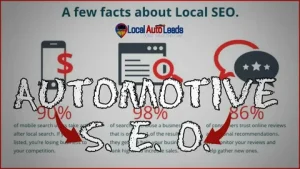
Key Strategies Used in Automotive Dealer SEO
Successful automotive dealer SEO requires a combination of technical, content, and local optimization strategies.
Keyword Optimization
Keyword research helps identify search terms that potential customers use when looking for vehicles or dealerships.
Examples include:
- Car dealerships near me
- Used cars for sale
- Best SUV dealership
- Vehicle financing options
These keywords are strategically integrated into website content, product pages, and blog posts.
Local SEO for Dealerships
Most car buyers search for dealerships near their location. Local SEO ensures your dealership appears in location-based searches.
Important local SEO strategies include:
- Optimizing Google Business Profile
- Adding accurate contact information
- Collecting customer reviews
- Creating location-based content
Local optimization is one of the most important aspects of SEO for car dealerships.
Website Optimization
A well-structured website improves both search rankings and user experience.
A professional Automotive SEO Company ensures that your website includes:
- Fast loading pages
- Mobile-friendly design
- Clear navigation
- Optimized images
- Proper heading structure
These factors help search engines understand your website and improve its ranking potential.
Content Marketing for Automotive Websites
Content marketing plays a major role in automotive dealer SEO. High-quality content helps attract visitors who are researching vehicles or automotive topics.
Examples of useful content include:
- Vehicle comparison guides
- Car buying tips
- Maintenance advice
- Financing information
Educational content builds trust with potential buyers and encourages them to explore your dealership.
Link Building Strategies
Backlinks from reputable websites help improve domain authority and search rankings.
An experienced Automotive SEO Company uses ethical link-building strategies to acquire high-quality backlinks from:
- Automotive blogs
- Industry websites
- Local directories
- News platforms
These links signal to search engines that your website is credible and valuable.
Benefits of Hiring an Automotive SEO Company
Managing SEO requires technical knowledge, time, and continuous optimization. Partnering with a professional Automotive SEO Company offers several advantages.
Industry Expertise
SEO agencies that specialize in automotive marketing understand the unique challenges faced by car dealerships.
Data-Driven Strategies
Professional agencies use analytics and SEO tools to track performance and refine strategies.
Long-Term Growth
SEO provides sustainable traffic growth compared to short-term advertising campaigns.
Increased Vehicle Sales
Higher search visibility leads to more website visitors, showroom visits, and vehicle sales.
Because of these advantages, many dealerships rely on professional automotive dealer SEO services.
Best Practices for SEO for Car Dealerships
To maximize the effectiveness of SEO for car dealerships, businesses should follow these best practices.
Optimize Vehicle Inventory Pages
Each vehicle listing should include detailed descriptions, high-quality images, and relevant keywords.
Encourage Customer Reviews
Positive reviews improve online reputation and influence purchasing decisions.
Use Structured Data Markup
Structured data helps search engines understand your vehicle listings and display rich results.
Maintain an Active Blog
Publishing regular blog content helps attract organic traffic and improve search rankings.
Monitor Performance Metrics
Tracking website traffic, keyword rankings, and conversions helps measure SEO success.
Professional Automotive SEO Company teams monitor these metrics to ensure consistent improvement.
The Future of Automotive SEO
The digital automotive market continues to evolve as new technologies influence how customers search for vehicles.
Emerging trends include:
- Voice search optimization
- AI-driven search algorithms
- Video marketing for dealerships
- Mobile-first search experiences
Dealerships that invest in professional automotive dealer SEO services will be better prepared to adapt to these changes and remain competitive in the online marketplace.
Conclusion
The automotive industry has become increasingly digital, making search engine optimization a critical marketing strategy for dealerships. With the help of an experienced Automotive SEO Company, businesses can improve their online visibility and attract more potential buyers.
Effective automotive dealer SEO strategies help dealerships rank higher in search results, generate qualified leads, and increase vehicle sales. From keyword optimization and local SEO to content marketing and link building, every aspect of SEO contributes to long-term digital growth.
By investing in professional SEO for car dealerships, automotive businesses can build a strong online presence and stay ahead of the competition in an increasingly digital marketplace.
Author



When it comes to your child’s daily routine, few things matter as much as safe and reliable transportation. Dubai is a fast-moving city with busy roads, high traffic during peak hours, and a wide range of schools located across different areas. For parents, finding the right solution for Dubai school transport services can make a huge difference in peace of mind, punctuality, and overall comfort.
A good school transport service does more than just move a child from home to school. It builds trust, reduces stress for families, and ensures children are transported in a safe, supervised, and structured way every day.
Below is a complete guide to help you understand what Dubai parents should look for in school transport services—especially when safety and timely pickups are your top priorities.
Why Parents Choose Dubai School Transport Services
Many parents choose professional school transport because it removes uncertainty from their mornings. Instead of rushing to drive, manage parking, or worry about traffic delays, a reliable transport provider ensures your child has a scheduled pickup and a consistent daily routine.
Here are the most important reasons:
1) Safety First
School transport should include safety-focused practices such as trained drivers, supervised pick-up/drop-off routines, and attention to safe driving habits. Parents want confidence that their child is in capable hands.
2) Timely Pickups
A major concern for parents is lateness. When your child misses school or arrives after morning instructions, it can impact learning. Reliable services prioritize punctual routing and clear pickup timing.
3) Professional Drivers
Professional drivers understand the responsibilities that come with transporting children. They follow school-related schedules, maintain a calm approach, and drive responsibly.
4) Structured and Reliable Routing
Good school transport services use planned routes that minimize delays while covering different neighborhoods efficiently. Children benefit from consistent pickup points and routines.
5) Reduced Parent Stress
Morning drop-offs can become exhausting over time. With school transport, parents can focus on work, preparing for their day, and managing other responsibilities without rushing every morning.
What “Safe & Timely Pickups” Should Look Like
When you search for Dubai school transport services – safe & timely pickups, it’s important to know what features indicate a high-quality provider. Safety and punctuality should be measurable through daily operations, not just promises.
Safety Elements Parents Should Expect
A strong provider typically includes:
- Trained and licensed drivers who understand safe driving in busy urban conditions.
- Child-focused discipline (how children are handled during boarding and exiting).
- Safe vehicles maintained regularly for reliability.
- Clear pickup and drop-off procedures to prevent confusion.
- Supervision practices depending on route rules and school policies.

Timeliness Elements Parents Should Expect
For timely pickups, look for:
- Reliable scheduled arrival windows at pickup points.
- Route planning based on traffic patterns and school start times.
- Consistent daily operations (not random delays without communication).
- Ability to manage unexpected delays using contingency planning.
- Clear communication when changes occur.
The combination of safety and punctuality is what truly helps children feel secure and allows parents to plan their mornings confidently.
How School Transport Supports Children’s Daily Routine
Children thrive on consistency. When transportation is reliable, it supports their emotional comfort and academic performance. A safe, punctual ride helps them:
- Start the day calmer
- Arrive before key morning activities begin
- Avoid unnecessary stress from rushing or waiting too long
- Build trust in a familiar routine
Additionally, some families prefer transport services because it allows children to develop independence gradually—learning how to board, stay seated, and follow pickup/drop-off rules.
Common Pickup and Drop-Off Models in Dubai
Depending on your child’s school and your location, school transport services usually work in one of these ways:
- Fixed Pickup Point Service
Children are picked up at designated locations (for example, community pickup points). This is common and often helps routes stay efficient. - Home-to-School Direct Transfer
Some providers may offer more direct pickup and drop-off if your area and school arrangements support it. - Zone-Based Routing
Routes are organized by area zones to reduce travel time and keep pickup windows predictable.
Choosing the right model depends on your neighborhood, your school’s policies, and your preferred level of convenience.
Benefits for Parents and Families
Investing in professional Dubai school transport services benefits the entire household. Beyond safety and punctuality, it can improve family life in practical ways.
1) Time Savings
Parents save time every morning and afternoon, which can be used for work responsibilities, breakfast routines, or preparing for the day.
2) Better Planning
When pickup and drop-off times are consistent, parents can schedule their transport, appointments, and work shifts more accurately.
3) Peace of Mind
Knowing your child is safely transported reduces worry, especially for busy parents who have limited time.
4) More Reliable Attendance
Arriving on time supports children’s attendance and helps them participate fully in morning lessons.
How to Choose the Right School Transport Service in Dubai
Choosing the right provider is crucial. Here’s a simple checklist to help you decide confidently.
1) Confirm Safety Standards
Ask questions about drivers, vehicle maintenance, and daily pickup/drop-off procedures. A responsible provider should be able to explain safety practices clearly.
2) Check Punctuality Performance
Reliable transport providers should have consistent pickup timing. If the service frequently runs late, it affects your child’s routine and can create ongoing stress.
3) Understand Pickup Points and Route Coverage
Confirm your closest pickup location and whether it aligns with your home’s practical access. Also check whether the route fits your schedule after school.
4) Look for Professional Customer Support
Good providers communicate clearly with parents and respond quickly when concerns arise, especially regarding timing and safety.
5) Match the Service to Your Child’s Needs
Some children may need extra attention—whether due to age, comfort with routines, or other factors. A strong provider will support safe onboarding into the transport system.
Tips for Parents Before the First Day
Even with the best service, a smooth start depends on a few steps from parents:
- Confirm your pickup point and understand exactly where the vehicle stops.
- Share important instructions (for example, how your child should board, any special rules, or key contacts).
- Prepare your child for routine boarding and safe behavior.
- Send your child with essentials such as water, school items, and weather-appropriate clothing.
- Talk about timing expectations so your child knows what to do each day.
With preparation, the first days become easier and your child can adapt quickly.
Conclusion
Dubai is a city where time matters, and mornings can be demanding. That’s why Dubai school transport services – safe & timely pickups are essential for families who want reliability, comfort, and peace of mind.
A quality school transport provider helps children start the day safely, arrive on time, and follow a predictable routine that supports learning and confidence. For parents, it reduces stress and provides a dependable daily solution.
Author


Hiring a personal driver in Dubai can be one of the smartest decisions you make—especially when you’re traveling for work, planning an extended stay, or simply want to enjoy the city without the stress of driving. Dubai is fast-paced, traffic patterns can change quickly, and navigating routes in unfamiliar areas can take time. With a professional personal driver, you can save energy, stay punctual, and enjoy a smoother travel experience from the moment you land.
If you’ve been searching for a way to hire a personal driver in Dubai UAE today, this guide will help you understand what to look for, why it matters, and how to choose the right service for your needs.
Why Hire a Personal Driver in Dubai?
Dubai is not just another city—it’s a global business hub and a major travel destination. People visit for meetings, tourism, shopping, events, and luxury experiences. In such a busy environment, convenience becomes essential. Here are a few reasons why many visitors and residents prefer hiring a personal driver:
1) Stress-Free Mobility
When you have a driver, you don’t have to worry about maps, parking, tolls, or complex traffic. Your time is protected, and you can stay focused on your schedule.
2) Professional and Reliable Service
A trusted personal driver typically arrives on time and knows the best routes for different times of day. This is especially useful for airport pickups, business meetings, and time-sensitive plans.
3) Comfort and Safety
Driving in a new city can be tiring. With an experienced driver, you can travel comfortably—whether it’s a short trip across town or a longer journey to a hotel, event, or destination outside the city center.
4) Flexible Scheduling
Unlike public transportation or car rentals that limit your time, personal drivers are often available for hourly service, full-day hire, or special arrangements.
5) Ideal for Business Travelers
If you’re in Dubai for work, punctuality matters. A personal driver helps you arrive with confidence, manage your day more effectively, and reduce stress between appointments.
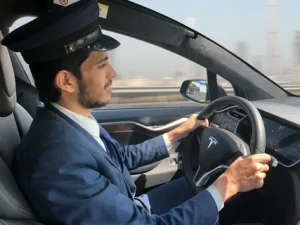
Common Situations Where a Personal Driver Helps
If you’re wondering whether hiring a personal driver is worth it, consider these common scenarios:
Airport Transfer
After a flight, you want an easy arrival. A personal driver can meet you at the airport, help you with luggage, and take you to your hotel directly—so you can rest and settle in quickly.
City Tours and Sightseeing
Dubai offers world-class attractions. Whether you’re visiting iconic landmarks or exploring neighborhoods at your pace, a personal driver allows you to move efficiently without spending time coordinating transport.
Business Meetings and Corporate Travel
Going from one meeting to another can be time-consuming when you’re driving yourself. With a personal driver, you can travel between locations smoothly, potentially using the ride to review documents or prepare for presentations.
Family Travel
Traveling with family often requires careful planning. A personal driver can make family trips more comfortable and safer, especially if you’re managing children, elders, or multiple stops.
Events and Special Occasions
Weddings, VIP events, conferences, and dinners are important moments. Arriving comfortably and on time improves the experience—especially when you don’t want to worry about traffic or parking.
What to Look For When You Hire a Personal Driver in Dubai UAE Today
To ensure you get a high-quality experience, use this checklist before you confirm your booking.
1) Experience and Local Knowledge
A good driver knows Dubai roads, traffic patterns, and the best routes. This helps reduce delays and ensures smoother travel.
2) Clean and Comfortable Vehicle
Your comfort matters. Choose a service that provides well-maintained vehicles suitable for your travel purpose—whether you need standard comfort or more premium options.
3) Punctuality and Professional Behavior
You should expect a driver who is respectful, well-presented, and punctual. If your schedule is tight, reliability becomes even more important.
4) Transparent Pricing
Look for clear pricing details. Avoid hidden charges or unclear policies. A trusted personal driver service will explain the booking options and provide a straightforward quote.
5) Booking Flexibility
Choose a service that allows you to book by hour, by day, or for specific routes. Flexibility helps you match your driver service to your plans.
6) Support for Special Requests
If you need child seats, specific pickup points, luggage assistance, or itinerary changes, select a service that can support requests smoothly.
How Booking Works (Simple Steps)
Most people want the same outcome: quick booking and dependable service. While each provider may differ, a typical process looks like this:
- Choose your booking type (hourly, daily, or airport transfer).
- Share key details such as pickup location, destination, date, and time.
- Confirm your vehicle preference (if applicable).
- Provide any special instructions (luggage, family travel, route priorities).
- Get confirmation and enjoy your ride with a professional driver.
When you search hire a personal driver in Dubai UAE today, you’re likely looking for convenience and speed—so make sure your booking method is easy and your confirmation is clear.
Benefits of Hiring a Personal Driver for Tourists
Tourists often underestimate how quickly a driving schedule becomes stressful. Dubai is spread out, and distances can feel longer depending on the route and time of day. With a personal driver:
- You can enjoy the city without worrying about directions.
- You can visit multiple attractions in one day efficiently.
- You can handle last-minute changes easily.
- You avoid parking stress and reduce time wasted on transportation.
Tourist-friendly personal driver services are particularly helpful if you’re visiting for a short stay and want to cover more highlights without rushing.
Benefits of Hiring a Personal Driver for Residents
Even residents in Dubai sometimes prefer a personal driver. Common reasons include:
- Less time spent commuting during busy weeks
- Travel support for visiting family or VIP guests
- Convenience for special events
- Support when you need a dedicated driver for work
Having a personal driver can turn hectic schedules into smoother routines.
Is a Personal Driver Worth It in Dubai?
In many cases, yes—especially if you value convenience, time savings, and stress reduction. When you compare the cost of parking, fuel, time spent driving, and the hassle of finding routes, personal driver services can be a practical option. Additionally, for business travel or VIP experiences, the benefits go beyond convenience—they support professionalism and improved time management.
The real value is the experience: arriving comfortably, traveling safely, and making the most of your time in Dubai.
Tips to Get the Best Experience
To make sure your trip is smooth, consider these practical tips:
- Book in advance if you have a fixed schedule (especially during peak seasons).
- Share your itinerary clearly so the driver can plan routes effectively.
- Confirm pickup details like exact location and time.
- Ask about waiting time policies if you expect delays.
- Choose a vehicle type that matches your comfort needs and group size.
Final Thoughts
Dubai is exciting, but it’s also demanding—especially when you’re managing multiple commitments. Hiring a personal driver helps you stay in control of your schedule, travel comfortably, and focus on what matters most.
If you’re searching to hire a personal driver in Dubai UAE today, the best approach is to choose a reliable service with professional drivers, clean vehicles, transparent pricing, and flexible booking options. With the right driver, your Dubai experience becomes easier, safer, and far more enjoyable—from airport pickup to city tours and business appointments.
Author


Lifestyle Benefits of Queensland Retirement Villages

Automotive SEO Company: How SEO Helps Dealers Attract More Customers

Rhinestone Jackets Outfit Guide: Shine in Style Anywhere

Safe and Smooth Late Night After Party Chauffeur Dubai

Dubai School Transport Services – Safe & Timely Pickups

Hire a Personal Driver in Dubai UAE Today

Peptide Treatment Near Me | Dubai’s Trusted Clinic

What Is a 24/7 Pet Clinic in Dubai and When to Seek One

Comme Des Garcons Clothing Bold Style for Modern Fashion Lovers

DevOps Vs Traditional IT

Cybersecurity Consulting Company SequelNet Provides Critical IT Support Services to Medical Billing Firm, Medical Optimum

Team Communication Software Transforms Operations at Finance Innovate

Project Management Tool Transforms Long Island Business

How Alleviate Poverty Utilized IPPBX’s All-in-One Solution to Transform Lives in New York City

Breast Cancer: The Imperative Role of Mammograms in Screening and Early Detection

Unstoppable Collaboration: D.C.’s Citi Open and Silicon Valley Classic Unite to Propel Women’s Tennis to New Heights

Embracing Renewal: Sizdabedar Celebrations Unite Iranians in New York’s Eisenhower Park

The Benefits of Starting a Side Hustle for Financial Freedom

New Blood Donation Screening Questions What You Need to Know

Stylishly Timeless: The 5 Types of Sandals You Need in Your Closet
-

 Business3 years ago
Cybersecurity Consulting Company SequelNet Provides Critical IT Support Services to Medical Billing Firm, Medical Optimum
-
Business3 years ago
Team Communication Software Transforms Operations at Finance Innovate
-
Business3 years ago
Project Management Tool Transforms Long Island Business
-
Business3 years ago
How Alleviate Poverty Utilized IPPBX’s All-in-One Solution to Transform Lives in New York City
-
health3 years ago
Breast Cancer: The Imperative Role of Mammograms in Screening and Early Detection
-
Sports3 years ago
Unstoppable Collaboration: D.C.’s Citi Open and Silicon Valley Classic Unite to Propel Women’s Tennis to New Heights
-
Art /Entertainment3 years ago
Embracing Renewal: Sizdabedar Celebrations Unite Iranians in New York’s Eisenhower Park
-
Finance3 years ago
The Benefits of Starting a Side Hustle for Financial Freedom







