
health
Could Your Allergies Be Making Your Snoring Worse?


Understanding the Link Between Allergies and Snoring
Allergies, whether seasonal or perennial, can wreak havoc on your nasal passages. When exposed to allergens such as pollen, dust mites, pet dander, or mold spores, your body’s immune system may react by triggering inflammation and congestion in the nasal passages. This inflammation can lead to nasal congestion, obstruction, and ultimately, difficulty breathing through the nose. You Need To Know About Other Health Problems Or Their Solutions (Dehydration Triggers Headache)
How Nasal Congestion Contributes to Snoring
Nasal congestion is a common culprit behind snoring. When your nasal passages are congested, airflow becomes restricted, forcing you to breathe through your mouth instead. Mouth breathing during sleep can lead to the relaxation of throat tissues and muscles, increasing the likelihood of snoring. Additionally, the turbulent airflow caused by nasal congestion can result in vibrations of the soft tissues in the throat, further amplifying the sound of snoring.

Image by: yendex.com
Identifying Allergy-Related Snoring
Symptoms to Watch Out For
If you suffer from allergies and notice an increase in snoring intensity or frequency, it’s essential to consider the possibility of allergy-related snoring. Common symptoms to watch out for include:
- Persistent Nasal Congestion: Difficulty breathing through the nose, especially at night.
- Frequent Sneezing: Allergic reactions often manifest as sneezing fits, particularly in response to specific allergens.
- Itchy or Watery Eyes: Allergic rhinitis can cause eye symptoms such as itchiness, redness, and excessive tearing.
- Postnasal Drip: The sensation of mucus dripping down the back of the throat can contribute to throat irritation and snoring.
- Worsening Symptoms at Night: Allergy symptoms may worsen during sleep due to changes in posture and environmental triggers.
Keeping a Symptom Diary
To better understand the relationship between your allergies and snoring, consider keeping a symptom diary. Note any patterns or correlations between allergy flare-ups and nights of increased snoring. This information can be valuable when discussing your symptoms with a healthcare professional.
Managing Allergies to Reduce Snoring
Allergen Avoidance Strategies
One of the most effective ways to manage allergy-related snoring is to minimize exposure to allergens. Here are some practical tips to reduce allergen exposure:
- Dust Mite Control: Encase mattresses, pillows, and bedding in allergen-proof covers. Wash bedding regularly in hot water.
- Pet Allergy Management: Keep pets out of the bedroom and invest in air purifiers with HEPA filters to remove pet dander from the air.
- Pollen Avoidance: Stay indoors on high pollen days, keep windows closed, and use air conditioning with a clean filter.
Nasal Irrigation and Saline Sprays
Nasal irrigation, using a saline solution, can help clear out mucus and allergens from the nasal passages, providing relief from congestion and reducing snoring. Saline nasal sprays can also provide temporary relief from nasal congestion, making it easier to breathe through the nose during sleep.

Image by: yendex.com
Over-the-Counter and Prescription Medications
For persistent allergy symptoms, over-the-counter or prescription medications may be necessary. Antihistamines, decongestants, and nasal corticosteroids can help alleviate nasal congestion, sneezing, and other allergy symptoms, ultimately reducing snoring severity.
Allergen Avoidance Strategies
| Strategy | Effectiveness | Implementation |
|---|---|---|
| Dust Mite Control | High | Encase bedding, wash regularly in hot water |
| Pet Allergy Management | Moderate | Keep pets out of the bedroom, use air purifiers with HEPA filters |
| Pollen Avoidance | Moderate to High | Stay indoors on high pollen days, keep windows closed, use air conditioning with clean filters |
| Nasal Irrigation | Moderate | Use saline solution to clear nasal passages |
| Saline Nasal Sprays | Moderate | Provide temporary relief from nasal congestion during sleep |
| Over-the-Counter Medications | Variable depending on the individual and severity of symptoms | Antihistamines, decongestants, and nasal corticosteroids are available over-the-counter or by prescription |
When to Seek Medical Advice
While lifestyle modifications and over-the-counter remedies can often effectively manage allergy-related snoring, it’s essential to seek medical advice if:
- Symptoms Persist or Worsen: If your snoring and allergy symptoms persist despite conservative measures, consult a healthcare professional for further evaluation.
- Daytime Fatigue or Sleepiness: Chronic snoring can disrupt sleep patterns, leading to daytime fatigue, irritability, and impaired cognitive function. If you experience excessive daytime sleepiness, it may indicate an underlying sleep disorder such as obstructive sleep apnea, which requires medical attention.
- Allergy Complications: Allergies can sometimes lead to complications such as sinus infections or asthma exacerbations. If you experience recurrent sinus infections, difficulty breathing, or wheezing, consult a healthcare provider promptly.
Conclusion
In conclusion, allergies can significantly impact snoring by causing nasal congestion and inflammation, ultimately leading to disrupted airflow during sleep. By understanding the link between allergies and snoring and implementing appropriate management strategies, individuals can effectively reduce snoring severity and improve overall sleep quality. If allergy-related snoring persists despite conservative measures, seeking medical advice is recommended to rule out underlying sleep disorders or complications. By addressing allergies comprehensively, individuals can enjoy quieter nights and more restful sleep.

Author


Most of us know what it feels like when our emotions start running the show. Sleep gets shaky, small problems feel enormous, and the things that used to bring joy start to feel like chores. Many people push through for months or even years, assuming this is just how adult life feels. It does not have to be.
Emotional balance is not about feeling happy all the time. It means having the steadiness to handle stress, recover from setbacks, and show up for your life without being overwhelmed. Reaching that steadiness often takes more than willpower or a good self-care routine. It takes informed, consistent guidance from a trained professional.
That is where a virtual psychiatrist can change things. Care that once meant long waitlists, commutes, and awkward waiting rooms is now available from your own living room. In this article, we look at why lasting balance requires ongoing oversight, how virtual care works, what to look for in a provider, and how to build habits that support your progress. This is where Modern Mental Health and Wellness is heading, and it is more accessible than most people realize.
Why Emotional Balance Needs Ongoing Oversight
Many people treat mental health like a car problem. Something breaks, they get it fixed, and they expect to drive away without another thought. Emotional wellbeing is closer to physical fitness or blood pressure. It shifts with sleep, stress, hormones, relationships, work demands, and life transitions. A plan that works in spring may need adjusting by winter.
This is why a one-time appointment rarely delivers lasting results. A psychiatrist is a medical doctor who specializes in mental health, which means they can evaluate the biological, psychological, and situational factors behind how you feel. They can diagnose conditions, discuss treatment options including medication when appropriate, and monitor how your body and mind respond over time.
That monitoring is the key. Consider someone starting a new treatment plan for anxiety or low mood. In the first few weeks, there are questions to answer. Is the approach working? Are there side effects? Is the dose right? Has anything in life changed that calls for a different strategy? Without regular check-ins, people often give up too early, stay on an ineffective plan too long, or simply stop talking about what is not working.
Dedicated oversight closes that gap. It turns mental health care from a series of isolated events into a continuous, responsive relationship. Over time, your provider learns your patterns, notices subtle shifts before they become crises, and helps you make small adjustments that keep you steady. That consistency is what separates temporary relief from lasting balance.
How a Virtual Psychiatrist Makes Consistent Care Realistic
The biggest enemy of consistent care is friction. Taking time off work, finding parking, sitting in a waiting room, and then driving home can turn a 30-minute visit into a three-hour ordeal. When life gets busy, those appointments are the first thing to slip. For people already struggling with low energy or anxiety, the barriers can feel impossible.
A virtual psychiatrist removes most of that friction. Sessions happen over secure video, so you can attend from home, from a private room at work, or from anywhere with a stable internet connection. Here are some practical advantages worth noting:
Easier scheduling. Without travel time, it is simpler to find a slot that fits around your job, family, or studies. Evening and early morning options are often more available than at traditional offices.
Access beyond your zip code. In many areas, psychiatrists are in short supply. Telehealth lets you work with a specialist who fits your needs, even if there is no suitable provider within driving distance.
A more comfortable setting. Speaking from a familiar space helps many people open up more easily. For those dealing with social anxiety, agoraphobia, or the stigma that still surrounds mental health care, this comfort can make the difference between seeking help and putting it off.
Better continuity. When appointments are easy to keep, follow-ups actually happen. Medication reviews, progress check-ins, and treatment adjustments stay on schedule rather than drifting for months.
Research over the past several years has generally found that telepsychiatry can be as effective as in-person care for many common conditions, including depression, anxiety, and ADHD. It is not the right fit for every situation, and a good provider will tell you honestly if you need a higher level of in-person support. But for a large number of people, virtual care offers the same expertise with far fewer obstacles.
What to Look for in the Best Virtual Psychiatrist
Not every telehealth provider is the same, and the word “best” means something different for each person. Still, there are qualities worth prioritizing as you compare your options.
Proper credentials and licensure. Confirm that the psychiatrist is board certified and licensed in your state or region. This is a basic requirement, and a reputable practice will make this information easy to find.
A thorough initial evaluation. A strong first visit is not a rushed 15-minute chat. Look for a provider who takes time to understand your history, symptoms, sleep, stress levels, medical background, family history, and goals. That depth shapes everything that follows.
A collaborative approach. The best clinicians treat you as a partner. They explain options clearly, answer your questions without jargon, and respect your preferences. You should never feel talked down to or pressured into a decision.
A whole-person perspective. Emotional balance is influenced by many things, including nutrition, movement, relationships, and routine. A psychiatrist who considers these factors, and who is willing to coordinate with therapists or primary care doctors, offers a more complete kind of care.
Reliable follow-up. Ask how often check-ins happen, how you can reach the practice between visits, and what happens if you need to adjust your plan quickly. Responsiveness is a strong sign of a practice that values long-term outcomes.
Privacy and security. Your sessions should take place on a secure, HIPAA-compliant platform, with clear policies on how your information is stored and used.
Taking a little time to evaluate these points can save you months of frustration. The right fit makes it far more likely that you will stay engaged long enough to see real, lasting change.
Building Habits That Support Your Progress
Professional oversight works best when it is paired with daily habits that reinforce it. Think of your psychiatrist as the guide, and your routines as the road you travel every day. The principles of Modern Mental Health and Wellness recognize that clinical care and lifestyle support each other.
Protect your sleep. Sleep and mood are tightly connected. Keeping a consistent bedtime, limiting screens late at night, and reducing caffeine in the afternoon can improve emotional stability more than most people expect.
Move your body regularly. You do not need a gym membership. A daily walk, light stretching, or a short home workout can lift mood and reduce tension. Consistency matters more than intensity.
Track how you feel. A simple journal or notes app can help you spot patterns. When you notice that your mood dips after poor sleep or a stressful meeting, you gain useful information to share during your appointments. Specific observations help your provider fine-tune your care.
Build real connection. Isolation tends to make emotional struggles heavier. Reach out to a friend, join a community group, or schedule regular time with people who support you. Even small interactions count.
Set realistic expectations. Progress is rarely a straight line. There will be good weeks and difficult ones. A setback does not mean treatment has failed; it is information, and a dedicated provider can help you interpret it and respond.
Take your treatment plan seriously. If you are prescribed medication, take it as directed and do not change or stop it without talking to your psychiatrist first. If something feels off, say so. Open communication is one of the most powerful tools you have.
Over time, these habits and professional guidance start to work together. Your routines create a stable foundation, and your psychiatrist helps you adjust when life inevitably shifts.
Take the Next Step Toward Steadier Days
Lasting emotional balance is not a luxury, and it is not out of reach. It is built gradually, through informed care, honest conversations, and small daily choices that add up. The people who make the most progress are usually not the ones who tried to tough it out alone. They are the ones who asked for support and stayed with it.
A virtual psychiatrist makes that support more accessible than ever. You can receive expert evaluation and continuing oversight without rearranging your whole life to do it. That convenience matters, because consistent care is what turns short-term relief into long-term stability.
If you have been feeling stretched thin, stuck in patterns that do not serve you, or simply curious about what better could look like, today is a good day to start. Reach out to Mind Align Psychiatry to schedule a consultation and take the first step toward the steady, grounded life you deserve. You do not have to figure it out alone, and you do not have to wait until things feel unbearable. Support is closer than you think.
Author


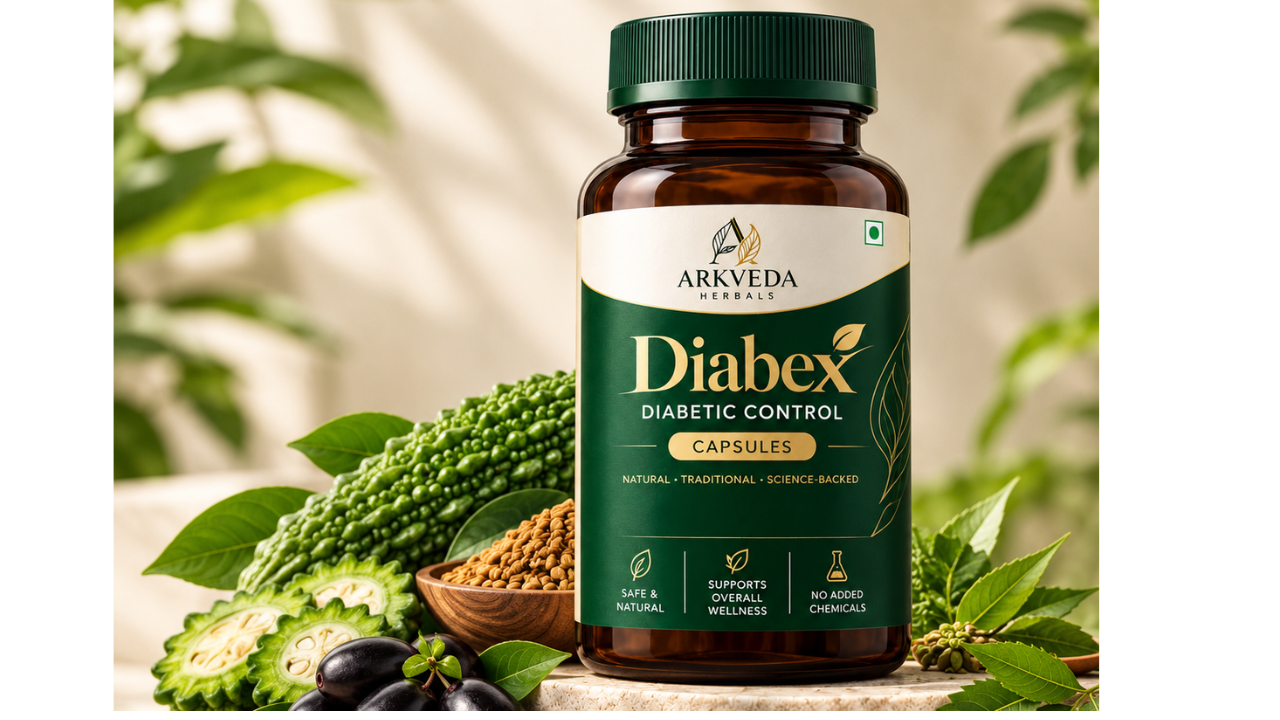
Navigating the constant demands of a busy modern lifestyle often leaves little room for prioritizing core metabolic health, steady digestion, and consistent daily energy. In our fast-paced society, many individuals struggle with mid-day fatigue, irregular eating patterns, and sudden sugar cravings that disrupt their overall sense of physical well-being. While contemporary health crazes and quick-fix dietary trends come and go with changing seasons, ancient Ayurvedic wisdom has relied on time-tested botanicals for thousands of years to maintain natural equilibrium. Among the most revered natural remedies in this holistic healthcare system is the potent combination of Karela (Bitter Gourd) and Jamun (Indian Black Plum). Known for their distinct, sharp taste profiles and rich therapeutic properties, these two traditional ingredients work synergistically to support your body’s overall vitality from the inside out.
The Ayurvedic Perspective: Restoring Internal Harmony
In traditional Ayurvedic philosophy, optimal physical health and mental clarity rely on keeping the body’s three fundamental biological energies—known as the doshas: Vata, Pitta, and Kapha—in complete equilibrium. Every individual possesses a unique constitutional blend of these energetic principles, and maintaining their stability is considered the key to preventing physical disharmony.
Unfortunately, contemporary diets are heavily tilted toward sweet, salty, and heavily processed foods. These modern eating habits can easily throw these natural bio-energies off balance, leading directly to sluggish digestive flow, internal heat accumulation, and metabolic fatigue. When Kapha becomes overly aggravated by heavy or refined foods, the body’s internal fire, or Agni, dims, causing slow food breakdown and an accumulation of unwanted metabolic byproduct known as Ama.
To counteract these pervasive imbalances, foundational Ayurvedic principles highlight the importance of incorporating all six fundamental tastes (Rasas) into daily nutrition:
- Sweet (Madhura)
- Sour (Amla)
- Salty (Lavana)
- Pungent (Katu)
- Bitter (Tikta)
- Astringent (Kashaya)
Most daily modern meals overemphasize the sweet and salty flavors while almost entirely excluding bitter and astringent tones. This is precisely where traditional botanicals step in to bridge the nutritional gap. Karela delivers an intensely bitter note (Tikta), while Jamun adds a cooling, astringent quality (Kashaya). Together, they act as an ideal functional counterweight to modern dietary habits. By reintroducing these crucial flavors into your daily regimen, this powerful herbal pair helps clear metabolic sluggishness, flush out accumulated toxins, soothe excess internal heat, and bring the physical body back into its natural biological rhythm.
Essential Health Benefits of Karela (Bitter Gourd)
While Karela’s sharp bitterness undoubtedly makes it an acquired taste at the dinner table, its functional benefits for overall metabolic wellness are extensively documented in both ancient classical texts and contemporary botanical studies.
- Cellular Glucose Regulation: Karela naturally contains a complex array of active plant compounds, most notably charantin, vicine, and polypeptide-p. The latter is a naturally occurring plant protein that functions similarly to human insulin. These active bio-compounds work together at a cellular level to encourage efficient glucose uptake into tissue cells. Consequently, regular intake helps maintain healthy blood sugar levels already within a normal range.
- Liver Support and Detoxification: Bitter botanicals are celebrated across traditional medicine systems for acting as natural tonics for the liver—the central filtration organ of the human body. Karela gently stimulates liver activity, encouraging smooth bile flow and supporting essential enzymatic activity. This process aids the body’s natural detoxification pathways, clearing metabolic waste and promoting healthy, radiant skin from within.
- Enhanced Digestive Secretions: The intense bitter taste of Karela actively stimulates taste receptors on the tongue, triggering a physiological cascade that increases saliva and gastric juice production. As a result, it helps prevent post-meal bloating, heaviness, and sluggish gastrointestinal movement.
The Unique Therapeutic Strengths of Jamun (Indian Black Plum)
Jamun complements Karela perfectly by providing targeted carbohydrate management and exceptional antioxidant support. Indigenous to the Indian subcontinent, every part of the Jamun tree—including its rich fruit pulp, bark, and nutrient-packed seeds—holds immense therapeutic value in classic Ayurvedic practice.
- Managing Carbohydrate Absorption: The seeds of the Jamun fruit are particularly prized for harboring beneficial plant glycosides, most notably jamboline. This unique bio-compound plays a vital role in slowing down the enzymatic conversion of complex starches into simple sugars within the digestive tract. By moderating this breakdown process, Jamun helps prevent rapid post-meal spikes in blood glucose and supports sustained, even-keeled energy levels throughout the afternoon.
- Potent Antioxidant Protection: The vibrant, deep purple color of the Jamun fruit stems from dense concentrations of anthocyanins and polyphenols. These natural antioxidants effectively neutralize harmful free radicals generated by environmental stress, poor diet, and natural biological processes. Consequently, they help protect tissue cells against oxidative damage and support long-term cellular integrity.
- Pancreatic Health and Endurance: Classical texts frequently reference Jamun for its gentle, restorative action on the pancreas. By supporting the organ responsible for insulin synthesis, Jamun fosters long-term pancreatic resilience and maintains healthy metabolic endurance across every stage of life.
How Their Synergy Enhances Daily Wellness
While each botanical offers remarkable health benefits when used independently, pairing Karela and Jamun creates a multi-targeted, synergistic formula. Their combined activity addresses metabolic and digestive health far more comprehensively than either ingredient can achieve alone.
| Health Focus | Karela (Bitter Gourd) | Jamun (Black Plum) | Combined Synergistic Action |
| Metabolic Care | Facilitates cellular glucose uptake via polypeptide-p | Regulates starch conversion via jamboline | Dual-action approach regulating both absorption and cellular utilization |
| Digestion & Gut | Stimulates digestive enzymes with bitter Tikta taste | Tones intestinal lining with astringent Kashaya taste | Tones gastrointestinal tract, eliminates heaviness, and curbs sugar cravings |
| Energy & Stamina | Prevents rapid glucose accumulation in the bloodstream | Moderates post-meal sugar release | Minimizes afternoon energy slumps and promotes sustained daily stamina |
Dual-Action Metabolic Support: While Karela actively assists your body’s cells with effective glucose utilization, Jamun works upstream in the digestive system to regulate carbohydrate breakdown and starch absorption. This dual mechanism creates a balanced environment for maintaining healthy blood sugar parameters throughout the day.- Improved Digestion and Craving Control: The combination of bitter and astringent properties works like a natural broom for the digestive tract. It tones the mucosal lining of the stomach and intestines, soothes minor digestive discomfort, and helps eliminate accumulated metabolic waste. Furthermore, regularly tasting bitter and astringent flavors naturally recalibrates the palate, making it significantly easier to curb sudden cravings for refined sugars and heavily processed snacks.
- Sustained Energy and Stamina: Fluctuations in blood sugar are often the primary culprit behind feeling exhausted or foggy a few hours after eating. By promoting steady, gradual glucose absorption and efficient cellular fuel delivery, this pairing prevents dramatic mid-afternoon energy slumps, helping you maintain sharp mental clarity and physical vigor all day long.
Simple Ways to Make Karela and Jamun Part of Your Daily Routine
Despite their proven health benefits, preparing fresh Karela and Jamun on a daily basis can be challenging for most people. Fresh Jamun is highly seasonal, available for only a short window during the summer months, while the raw preparation of Karela requires extensive washing, peeling, and juicing to manage its intense taste profile.
Fortunately, modern botanical extractions, organic standardized juices, and pure liquid formulations allow you to experience their full range of therapeutic benefits conveniently every single day without the hassle of manual preparation.
To discover authentic, meticulously crafted wellness solutions made from traditional herbs, explore Arkveda Herbals. Incorporating a single serving of high-quality Karela-Jamun liquid extract or pure juice into your morning routine roughly 20 to 30 minutes before breakfast is one of the simplest, most effective steps you can take toward encouraging lifelong metabolic health. Drinking this functional blend first thing in the morning allows the active bio-compounds to interact directly with your digestive tract, waking up your metabolism and preparing your system for the day ahead.
Embracing Long-Term Botanical Care
Sustainable, long-term health rarely demands complicated lifestyle overhauls, expensive equipment, or extreme diets. More often than not, the simplest habits rooted in nature offer the most meaningful and enduring rewards. By welcoming the functional goodness of Karela and Jamun into your daily routine, you actively nourish your digestive core, support your metabolic vitality, and establish a meaningful connection with centuries of natural herbal care.
Whether you are looking to manage post-meal sluggishness, support healthy blood sugar balance, or simply introduce traditional Ayurvedic principles into your modern lifestyle, this dynamic botanical duo offers a reliable, time-tested foundation. If you have specific questions about integrating these natural remedies into your personal daily schedule or want to discover which herbal formulations best align with your current health goals, visit the Arkveda Herbals Contact Page to reach out for guidance on your personal journey toward natural wellness. Start nurturing your body with the pure power of Ayurveda today!
Author



Sport massage is a type of massage therapy that focuses on the physical demands of exercise, training, and sport. Instead of treating every part of the body in the same way, a therapist can focus on muscle groups that receive the most stress. For example, a runner may need attention around the calves, thighs, hamstrings, and hips. A weightlifter may need more focus on the shoulders, upper back, arms, or legs.
The therapist can also adjust the pressure according to the purpose of the session. A lighter approach may suit someone preparing for an event. A recovery session may allow more focused work. Therefore, sports massage does not always mean an extremely deep or painful treatment.
Who Can Benefit?
Sports massage does not only suit professional athletes. Recreational runners, cyclists, football players, swimmers, gym users, hikers, and fitness enthusiasts may also choose this treatment. People with physically demanding jobs may also experience muscle tension alongside their regular exercise.
However, persistent or unexplained pain needs proper attention. Do not automatically assume that every painful area simply needs massage. A healthcare professional can help identify the cause when symptoms continue or become severe.
Potential Benefits
One of the main reasons active people choose sports massage involves post-workout soreness. Delayed-onset muscle soreness, or DOMS, often appears after unfamiliar or demanding exercise. Massage may help reduce the perception of this soreness in some situations.
Research also suggests that massage may offer small flexibility benefits. It can make certain movements feel more comfortable for a short period. However, massage alone cannot create permanent improvements in mobility. Consistent exercise, mobility work, strength training, and proper rehabilitation play a larger role in long-term movement improvements.
In addition, a massage session can provide a chance to relax after demanding physical activity. Training can create both physical and mental fatigue. Taking time to slow down may help some people feel more comfortable and prepared for their next session.
Massage Techniques
A therapist may combine several techniques during a session. Effleurage uses smooth, gliding movements across the muscles. It can help introduce touch and prepare an area for more focused work.
Petrissage involves kneading, squeezing, or lifting muscle tissue. This technique can help a therapist work across larger muscle groups, such as the thighs, shoulders, or upper back.
Compression involves controlled pressure followed by release. A therapist can adjust this technique according to the client’s comfort and the treatment goal.
Some sessions may also include focused work around areas of muscular tension. The therapist should always control the intensity. Severe pain does not automatically indicate an effective treatment.
Gentle assisted movement or stretching may also form part of a session. The therapist should keep these movements controlled and avoid forcing a joint or muscle through painful ranges.
Pre-Event Massage
A massage before training or competition should have a different purpose from an intensive recovery session. The goal should not involve leaving the muscles tender before activity.
A pre-event treatment may use lighter pressure, shorter techniques, rhythmic movements, and attention to key muscle groups. Athletes should also combine this approach with an appropriate warm-up.
If you plan to try a pre-event massage for the first time, test it during regular training. Avoid experimenting with unfamiliar treatment immediately before an important competition.
Post-Workout Recovery
After demanding exercise, a massage can form part of a wider recovery routine. A therapist may focus on muscles that feel tired or tight. However, massage should work alongside other recovery habits.
Sleep, hydration, nutrition, rest days, and sensible training loads remain essential. Massage cannot make up for repeatedly training beyond your ability to recover.
The same principle applies to soreness. If pain feels severe, appears on only one side, causes weakness, or comes with swelling, seek appropriate medical advice instead of relying only on massage.
Sports Massage for Runners
Running creates repeated movement and loading throughout the body. As a result, some runners regularly notice tension around the calves, hamstrings, quadriceps, glutes, hips, or lower back.
A sport massage session can focus on areas that receive heavy training loads. Some runners prefer treatment during a lighter training week. Others schedule sessions after demanding workouts.
However, new running pain requires more care. A persistent injury may need assessment, rest, rehabilitation, or changes to training. Deeper massage cannot solve every type of running problem.
Sports Massage for Gym Users
Strength training can place significant stress on specific muscle groups. A challenging workout may leave muscles feeling tired or sore during the following days.
For upper-body training, a therapist may focus on the shoulders, upper back, arms, and forearms. For lower-body sessions, attention may shift toward the glutes, quadriceps, hamstrings, calves, and hips.
The treatment should complement your workout programmer. It should not encourage you to ignore serious pain and continue training without addressing the underlying problem.
Sports Massage vs. Deep Tissue Massage
Sports massage and deep tissue massage can overlap, but they do not always have the same purpose. Sports massage considers exercise, training schedules, sporting movements, and recovery goals. Deep tissue massage generally focuses more on deeper muscular tension.
Neither option works best for everyone. Your choice should depend on your reason for seeking treatment, your current condition, and the therapist’s assessment.

Does It Hurt?
A sport massage can feel firm or intense in certain areas. However, it should not become a test of how much pain you can tolerate. Tell your therapist if you experience sharp pain, burning, numbness, tingling, or extreme discomfort. You can also request lighter pressure or a different technique. Good communication helps the therapist provide a more suitable treatment.
What to Expect
A professional session usually begins with a short consultation. The therapist may ask about your exercise routine, recent training, upcoming competitions, previous injuries, current discomfort, medications, and treatment preferences. The therapist can then identify the areas that need attention. You may not need full-body treatment during every appointment.
Throughout the session, communicate openly. If you want less pressure, more attention on a particular area, or no work on a sensitive area, tell the therapist. After treatment, you may feel relaxed, less tense, or mildly tender. Your response can depend on the techniques and pressure used. Severe pain, significant swelling, unusual weakness, or increasing symptoms require proper medical attention.
Aftercare Tips
You do not need an elaborate routine after a massage. Maintain normal hydration and continue gentle movement if it feels comfortable. Walking can provide an easy way to stay active without adding heavy stress.
If your muscles feel tender, consider adjusting your next workout. An intense training session may not feel appropriate immediately after firm treatment.
Most importantly, continue prioritizing sleep, nutrition, hydration, recovery time, and sensible training. These habits provide the foundation for long-term performance.
How Often Should You Get It?
There is no universal schedule. Your ideal frequency depends on your training volume, sport, competition calendar, recovery needs, budget, and personal response.
Some recreational athletes may book occasional sessions after demanding training periods. Competitive athletes may use massage more regularly. However, more treatment does not always mean better results.
If frequent massage leaves you sore or becomes necessary to continue training through pain, review your overall training and recovery strategy.
When Should You Avoid Massage?
Massage may not suit every injury or medical condition. Speak with an appropriate healthcare professional if you have severe unexplained pain, significant swelling, recent surgery, open wounds, suspected blood clots, certain bleeding conditions, or other serious health concerns.
A therapist should also avoid directly treating an area that may have suffered a significant acute injury until you receive an appropriate assessment.
Final Thoughts
Sport massage can complement a balanced recovery routine for active people. It may help with muscle soreness, temporary flexibility, relaxation, and overall comfort. The most useful approach involves realistic expectations. Massage should support good training and recovery habits rather than replace them. With appropriate timing, communication, and professional guidance, it can become a practical addition to an active lifestyle.
Author



Haffele Kitchen Dealer in Thrissur: Upgrade Your Home in Style

Project Capri Clothing: Hoodies, Jorts & Modern Streetwear 2026

Why Continuous Learning Matters for Business Leaders

Accurate As-Built Drawings Are the Foundation of Successful Commercial

The Best Asset Management System in UAE

Kentucky Bourbon Trail Tours What Is Included and How to Plan a Trip

Point Cloud to BIM for Renovation Projects: From 3D Scanning

Cash Only A Modern Approach to Everyday Streetwear

Balance With Dedicated Oversight From the Best Virtual Psychiatrist

Malware Protection Solutions for Business Data Security

Cybersecurity Consulting Company SequelNet Provides Critical IT Support Services to Medical Billing Firm, Medical Optimum

Meet the Megalodon: The Shark Star of ‘Meg 2’

Reduce Video Game Lag: Level Up Your Gaming Performance

Balancing India’s Entertainment: Cricket vs. Bollywood

Jetsetter’s Secrets: Unveiling Our Favorite Travel Hacks for a Seamless Adventure

The 5 Best Live Sports Streaming Sites: Legal and Exciting!

Hollywood Labor Unrest: The Impact of ‘What About Us?’ Strikes

Unveiling the Magic of Dream Fulfillment at the Late NBA Draft

Illuminate Your Skin: Dr. Axe Unveils Natural Remedies for Lightening Knees and Elbows

Bright Choices: Navigating the Pros and Cons of Skin Whitening Creams with Dr. Axe
-

 Business3 years ago
Cybersecurity Consulting Company SequelNet Provides Critical IT Support Services to Medical Billing Firm, Medical Optimum
-
Entertainment3 years ago
Meet the Megalodon: The Shark Star of ‘Meg 2’
-
Entertainment3 years ago
Reduce Video Game Lag: Level Up Your Gaming Performance
-
 Sports3 years ago
Balancing India’s Entertainment: Cricket vs. Bollywood
-
Entertainment3 years ago
Jetsetter’s Secrets: Unveiling Our Favorite Travel Hacks for a Seamless Adventure
-
Productivity3 years ago
The 5 Best Live Sports Streaming Sites: Legal and Exciting!
-
Art /Entertainment3 years ago
Hollywood Labor Unrest: The Impact of ‘What About Us?’ Strikes
-
Sports3 years ago
Unveiling the Magic of Dream Fulfillment at the Late NBA Draft






