
Autos & Vehicles
Stainless Steel: The Key Material for Modern Metro Rail Coaches

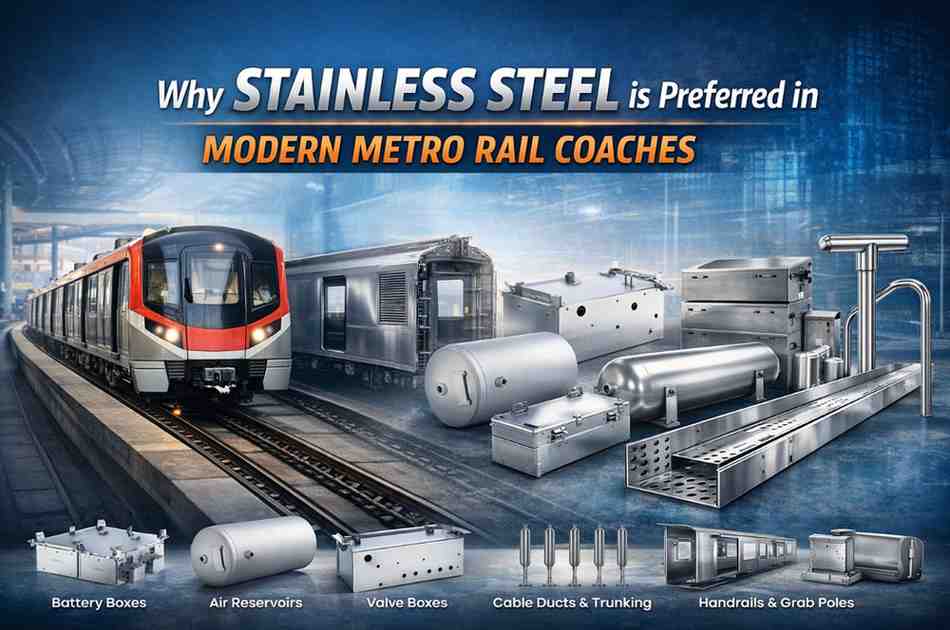
Metro rail systems are expanding rapidly across major cities in India and across the globe. With rising urban populations, increasing passenger density, and growing expectations for sustainable infrastructure, metro coaches must be built using materials that offer durability, safety, and long-term value. The material ensures long-term reliability without adding unnecessary weight.
From underground tunnels exposed to moisture to elevated corridors facing pollution and extreme weather, rolling stock materials must withstand harsh operating conditions every day. In this environment, stainless steel has emerged as the preferred material for modern metro rail coaches. It offers the right combination of structural strength, corrosion resistance, safety performance, and lifecycle efficiency.
This blog explains why stainless steel metro coaches dominate modern rail manufacturing and why stainless steel railway components are widely used in today’s metro systems.
Evolution of Materials in Metro Coach Manufacturing
Mild Steel in Early Railway Coaches
In the early years of rail transport, mild steel was commonly used for coach construction. While it provided reasonable structural strength, it required frequent maintenance due to rust and corrosion. Regular repainting and structural repairs increased long-term operational costs.
Aluminum as a Lightweight Alternative
To reduce overall train weight and improve energy efficiency, aluminum was later introduced in rail coach manufacturing. Although aluminum reduced mass, it has certain limitations:

- Lower fatigue strength under repetitive loading
- Higher susceptibility to dents and deformation
- Limited performance under high-impact stress
Transition to Stainless Steel
Over time, manufacturers began adopting stainless steel metro coaches because of their superior mechanical properties and durability. Stainless steel combines strength, corrosion resistance, and long service life, making it more suitable for demanding metro environments.
High Strength-to-Weight Ratio
One of the main reasons stainless steel is preferred in metro rail manufacturing is its excellent strength-to-weight ratio. Advanced stainless steel grades such as 200 series, 300 series, 400 series, and duplex variants provide:
- High tensile strength
- Strong fatigue resistance
- Structural stability
- Reduced thickness without compromising safety
This allows engineers to design lightweight yet strong metro coach bodies capable of handling high passenger density and operational stress.
Structural elements such as underframes, side walls, and roof panels benefit significantly from stainless steel’s strength characteristics. The substance guarantees enduring dependability while not increasing unnecessary heft.
Superior Corrosion Resistance
Metro trains operate in challenging environments that can accelerate material degradation. These include:
- Underground tunnels with high humidity
- Coastal regions with salt exposure
- Industrial zones with airborne pollutants
- Frequent temperature variations
Stainless steel contains chromium, which forms a protective passive layer on the surface. This layer prevents rust and corrosion even under harsh environmental conditions.
Corrosion-resistant railway materials such as stainless steel significantly reduce maintenance requirements. This improves operational efficiency and ensures long-lasting metro coach durability.
Long Service Life and Lower Maintenance
Metro systems are long-term infrastructure investments. Coaches are expected to operate efficiently for several decades. Lifecycle cost becomes more important than initial material cost.
Stainless steel offers:
- Minimal repainting requirements
- Reduced corrosion-related repairs
- Extended service intervals
- Lower replacement frequency
Because stainless steel retains its structural integrity over time, metro operators benefit from reduced downtime and maintenance expenses. Over a 30–40 year operational period, stainless steel metro coaches often prove more economical than alternative materials.
Fire Resistance and Passenger Safety
Safety is a critical priority in metro rail systems. Materials used in coach construction must comply with strict fire safety and structural standards.
Stainless steel provides:
- High melting point
- Resistance to flame spread
- Structural stability during high-temperature exposure
In the event of fire incidents, stainless steel maintains its strength longer than many other materials. This enhances passenger protection and supports evacuation procedures.
Fire-resistant railway materials are essential for regulatory approvals, and stainless steel consistently meets these requirements.
Sustainability and Recyclability
Sustainability is increasingly influencing infrastructure decisions. Metro authorities aim to reduce environmental impact and improve material efficiency.
Stainless steel supports sustainable metro infrastructure in several ways:
- It is 100% recyclable
- It has an extended service life
- It reduces material replacement frequency
- It supports environmentally responsible manufacturing practices
At the end of a metro coach’s life cycle, stainless steel components can be recycled without losing their essential properties. This makes stainless steel an environmentally responsible choice for long-term urban transit systems.
Applications of Stainless Steel in Metro Coaches
Stainless steel is widely used in both structural and functional components of metro coaches.
Structural Shell Components
- Side walls
- Roof panels
- Underframes
- Car body shells
Enclosures and Protective Housing
Metro coaches contain several mechanical and electrical systems that require protection, including:
- Battery boxes
- Air reservoirs
- Valve boxes
Stainless steel enclosures protect these systems from corrosion, physical damage, and environmental exposure.
Interior Fittings and Safety Elements
Passenger safety and comfort rely on durable interior fittings such as:
- Handrails
- Grab poles
- Cable ducts
- Seating frames
Stainless steel interior components resist wear caused by continuous passenger use. They also maintain a clean and professional finish over time.
Stainless Steel vs Aluminum in Metro Coaches
When comparing stainless steel and aluminum in metro coach construction, several factors must be evaluated.
Structural Strength
Stainless steel generally offers higher tensile and fatigue strength, making it more suitable for structural applications subject to repeated loading.
Corrosion Performance
Both materials resist corrosion, but stainless steel performs better in polluted, humid, and coastal environments without requiring protective coatings.
Lifecycle Cost
Although aluminum reduces weight, stainless steel often provides better long-term value due to lower maintenance and higher durability.
Maintenance Requirements
Stainless steel requires minimal repainting and surface treatment, reducing operational downtime.
For these reasons, many metro manufacturers prefer stainless steel for critical structural and safety components.
Importance of Certifications and Standards
Metro rail manufacturing operates under strict global standards to ensure safety and reliability.
Key certifications include:
- IRIS (International Railway Industry Standard)
- EN15085 welding certification
- ISO quality management systems
These certifications ensure consistent quality, proper welding procedures, material traceability, and structural integrity. Stainless steel railway components manufactured under certified systems provide greater confidence to metro authorities and rolling stock manufacturers.
Role of Advanced Fabrication and Testing
Precision engineering is essential in metro coach manufacturing. Stainless steel fabrication involves advanced processes such as:
- Robotic welding
- Fiber laser cutting
- CNC bending and forming
- Non-destructive testing
Each component undergoes thorough testing for:
- Tensile strength
- Corrosion resistance
- Weld integrity
- Dimensional accuracy
Advanced manufacturing capabilities ensure that stainless steel metro components perform reliably under real-world conditions.
Choosing the Right Stainless Steel Metro Component Manufacturer
Material selection alone does not guarantee performance. The expertise and capability of the manufacturer play a critical role in ensuring compliance and reliability.
When selecting a stainless steel metro component manufacturer, decision-makers should evaluate:
- IRIS certification
- EN15085 welding compliance
- Production capacity
- In-house testing facilities
- Experience in metro and railway projects
- Capability to work with multiple stainless steel grades
Jindal Mobility specializes in stainless steel components for metro systems. With experience in manufacturing structural shells, enclosures, and interior fittings, the company supports metro projects from design and prototyping to mass production. Its certified processes, integrated facilities, and strong quality control systems make it a reliable partner for metro OEMs and system integrators.
Partnering with a qualified manufacturer reduces supply chain risks, ensures consistent quality, and supports the long-term success of metro projects.
Conclusion
Modern metro rail systems demand materials that deliver durability, safety, efficiency, and sustainability. Stainless steel meets these requirements effectively.
Its high strength-to-weight ratio, excellent corrosion resistance, long lifecycle performance, fire safety characteristics, and recyclability make it the preferred material for modern metro rail coaches.
From structural shells and underframes to interior fittings and protective enclosures, stainless steel railway components form the backbone of reliable urban transit systems. When combined with certified manufacturing processes and advanced fabrication technology, stainless steel enables metro networks to operate safely and efficiently for decades.
As metro infrastructure continues to expand worldwide, stainless steel will remain central to the future of rolling stock material innovation.
Author


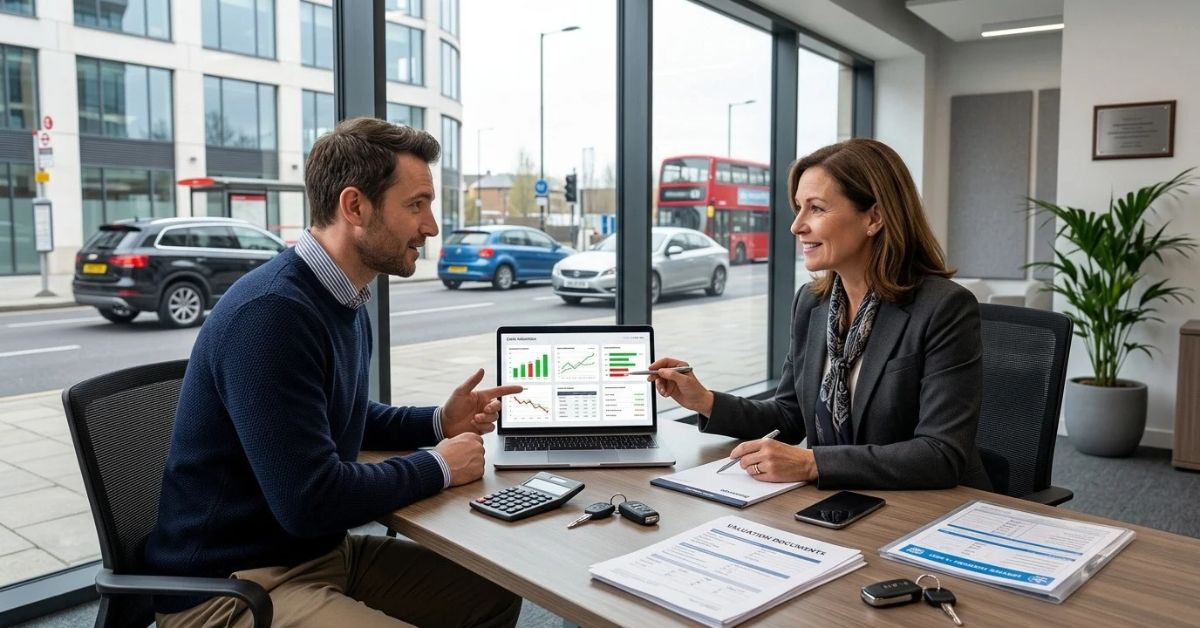
Knowing what your car is worth can make the selling process much easier. It can help you choose a sensible asking price, negotiate with confidence, and decide whether a part-exchange offer is fair.
However, no single figure applies to every vehicle. Several factors can affect its market value. These include age, mileage, condition, service history, specification, and current demand. Even two cars of the same make and model can have noticeably different values.
If you plan to sell or part-exchange your vehicle, a Car Valuation can give you a useful starting point. It can help you understand where your car sits in the current market before you speak to buyers or dealers.
What Does a Car Valuation Mean?
A Valuation provides an estimated figure for what your vehicle may be worth in the current market. The amount can change depending on how you plan to sell the car.
For instance, a dealer may offer less than the advertised price of a similar vehicle. Dealers need to cover several costs before reselling a car. These can include preparation, repairs, warranty coverage, staff costs, and their expected profit margin.
A private seller may achieve a different price because they sell directly to another consumer. However, private sales can take more time and require more effort from the seller.
It is also important to understand the difference between an advertised price and the final selling price. A vehicle might appear online at a certain price, but that does not mean it will actually sell for that amount. Therefore, treat a valuation as an informed estimate rather than a guaranteed final figure.
What Can Affect Your Car’s Value?
A Car Valuation considers several factors when determining a vehicle’s worth. Age, mileage, condition, service history, specification, and current market demand can all influence the final price.
Age and Mileage
Age and mileage often provide the first indication of a vehicle’s value. In general, newer cars tend to command higher prices. As a vehicle gets older, depreciation usually reduces its market value.
Mileage also matters because it shows how much use the car has had. However, you should not look at mileage on its own. A higher-mileage vehicle with excellent maintenance records may attract more interest than a low-mileage car that has received little care.
Overall Condition
Your car’s physical and mechanical condition can make a significant difference. Scratches, dents, worn tyres, damaged wheels, interior marks, and dashboard warning lights can all affect what buyers are willing to pay.
Be honest when describing your vehicle. Overstating its condition may produce an unrealistic estimate. It could also lead to a lower offer after a dealer or buyer inspects the car.
Service and MOT History
A complete service history can give potential buyers greater confidence. It shows that you have maintained the vehicle and kept up with important servicing requirements.
Keep service invoices, digital records, and maintenance receipts wherever possible. These documents can support your car’s condition and maintenance history.
Your MOT record can also provide useful information. Frequent failures or serious advisories may make buyers more cautious. On the other hand, a clean and well-maintained history can make your vehicle more attractive.
Specification and Market Demand
Your car’s specification can also influence its value. The trim level, engine, gearbox, colour, and optional equipment can affect demand.
Certain features may appeal strongly to buyers. These can include automatic transmission, parking sensors, reversing cameras, upgraded infotainment systems, and other desirable technology.
Market demand matters as well. A popular model with plenty of interested buyers may hold its value better than a less desirable vehicle.
Why Can Online Valuations Differ?
You may receive different estimates from different websites. That does not necessarily mean one service has made a mistake. Each valuation provider can use different data sources and calculation methods. Some may also make different assumptions about mileage, condition, specification, and local market demand.
Online tools usually rely on information such as your registration number, mileage, model, and specification. However, they cannot always identify smaller details. They may not know about a damaged alloy wheel, worn interior, new tyres, or a complete set of service records.
For that reason, an online Car Valuation should serve as a guide. It gives you an approximate idea of your vehicle’s market position, but it cannot guarantee the exact amount you will receive.
How to Prepare for a Valuation
Accurate information can help you get a more realistic estimate. Before requesting a valuation, take a few minutes to check your vehicle’s details.
Confirm the current mileage and check the MOT history. Gather your service records, maintenance receipts, and important vehicle documents. Also, make a note of the exact trim level, engine, gearbox, and optional features.
Next, inspect the vehicle carefully. Check the tyres, wheels, bodywork, lights, and interior. Make a note of any cosmetic or mechanical issues that could affect the final offer.
It can also help to clean your car before an inspection. Cleaning will not change the underlying market value, but it can make the vehicle look better and create a stronger first impression.
Is an Online Valuation Worth Using?
An online valuation offers a quick and convenient way to estimate your car’s worth. It can give you a starting point before you decide how to sell the vehicle.
However, accuracy depends on the information you provide. Entering the wrong mileage or leaving out important details can affect the result. Likewise, describing the vehicle as being in better condition than it really can create unrealistic expectations.
For a better understanding of your car’s potential selling price, compare the estimate with similar vehicles currently advertised. Look at differences in age, mileage, specification, condition, and location.
Final Thoughts
A Car Valuation involves more than entering a registration number and accepting the first estimate you receive. Your vehicle’s age, mileage, condition, history, specification, and current demand all play a role.
Therefore, use an online estimate as a starting point. Provide accurate information and compare the result with similar cars on the market. Most importantly, understand why your vehicle has a particular value. That knowledge can help you negotiate more effectively and make a confident decision when selling or part-exchanging your car.
Author


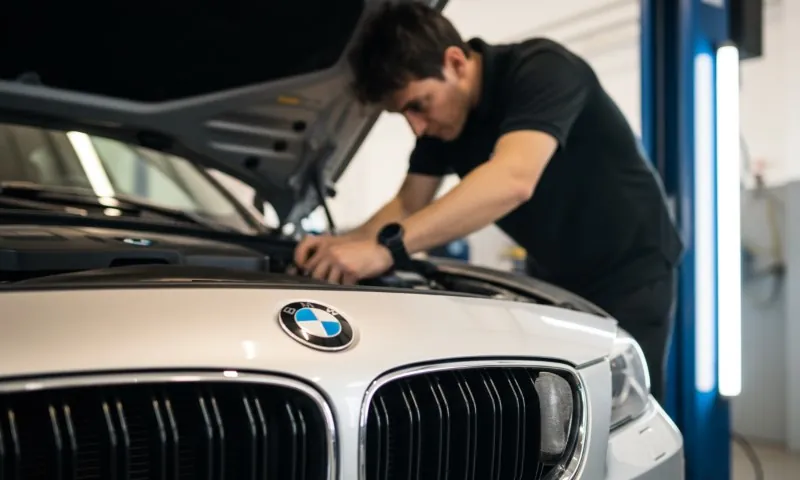
A BMW Headlight system does much more than brighten the road ahead. It helps you spot hazards, follow the road clearly, and stay visible to other drivers. Modern BMW models also use advanced lighting technology, including LED, xenon, and adaptive systems. These features improve visibility, but they also contain delicate electronic components that can develop faults over time.
That is why professional headlight repair London services can make a real difference. A small lighting problem may seem harmless at first. However, ignoring it can allow moisture, electrical faults, or damaged components to cause more serious problems. Getting an issue checked early can protect your vehicle and help you avoid unnecessary costs.
Why Healthy Headlights Matter
Good headlights play an important role in safe driving, especially after sunset. They help you see bends, pedestrians, road signs, parked vehicles, and unexpected obstacles. They also help other road users notice your BMW from a safe distance.
Furthermore, clear lighting becomes even more important during rain, fog, and poor weather. Dirty, dim, or poorly aligned lights can reduce visibility when you need it most. As a result, a properly working lighting system gives you better awareness and more confidence behind the wheel.
Your Headlight also needs to produce a consistent beam. If one side looks noticeably brighter than the other, you may have an underlying fault. A professional inspection can identify the cause before the issue affects your daily driving.
What Causes BMW Headlight Problems?
BMW lighting systems contain several electronic and mechanical components. These parts work together every time you switch on your lights. Over the years, regular use, weather conditions, and road debris can affect their performance. Several common problems can lead to lighting faults, including:
- Water entering the headlight housing
- Damaged or worn seals
- Cracked or scratched lenses
- Faulty wiring or electrical connections
- Failing LED components
- Problems with xenon lighting systems
- Damaged daytime running lights
- Impact from stones or other road debris
- Electrical faults that trigger dashboard warnings
In many cases, the problem starts with one small component. For example, a damaged seal can allow moisture to enter the housing. That moisture can then affect electrical connections and create further problems.
Common Warning Signs You Should Not Ignore
Headlight faults often show warning signs before the system stops working completely. Paying attention to these signs can help you deal with the problem while the repair remains manageable.
Watch for condensation or visible water inside the housing. You should also take note if your lights flicker, appear unusually dim, or produce an uneven beam. A dashboard warning can also indicate an electrical or lighting fault.
Other signs include cracked lenses, broken daytime running lights, and headlights that switch off unexpectedly. If you notice any of these problems, arrange an inspection instead of waiting for the system to fail completely.
Why Moisture Can Cause Serious Damage
Condensation inside a headlight may look like a simple cosmetic issue. In reality, repeated moisture exposure can create much bigger problems. Water can reach wiring, connectors, control modules, and other sensitive components. Over time, it can encourage corrosion and affect electrical performance. The lighting system may then become dim, flicker, or stop working correctly.
A small amount of condensation may sometimes disappear after normal use. However, persistent moisture deserves attention. If water keeps returning, a technician should inspect the housing, seals, and surrounding components to find the source.
When Should You Repair Your BMW Headlights?
Many drivers wait until a light stops working before they seek help. Unfortunately, this approach can turn a relatively simple fault into a more expensive repair.
You should consider professional assistance if you notice repeated condensation, dim lighting, flickering beams, cracked lenses, or dashboard warning messages. You should also arrange an inspection if one light behaves differently from the other.
Early action can prevent secondary damage. It may also allow a technician to repair the affected component instead of replacing the complete unit.

Repair or Replacement: Which Option Makes Sense?
Not every lighting fault requires a complete replacement. A skilled technician can inspect the unit and determine whether repair makes sense.
Damaged seals, certain wiring faults, moisture problems, and some electronic issues may respond well to professional repair. Minor lens damage may also have repair options, depending on its condition and location.
Replacement may become necessary when the housing has severe damage or when important internal components have suffered extensive failure. Therefore, a proper diagnosis should come before you decide to buy a new unit.
Repairing the original BMW Headlight can often provide better value when the main components remain in good condition. It can also help you retain the original fit and appearance of your vehicle.
Why Professional Repairs Matter
Modern BMW lighting systems can contain complex electronics and precisely designed components. For that reason, repairs require suitable equipment, technical knowledge, and careful handling.
An experienced technician can diagnose the fault before starting the repair. This approach reduces the risk of replacing parts that still work. It also helps protect the surrounding electrical system from unnecessary damage.
Professional servicing can address the actual cause of the problem rather than simply treating the visible symptom. That difference can improve reliability and help prevent the same issue from returning.
Benefits of Early Headlight Repairs
Dealing with lighting problems early offers several practical advantages. First, it restores clear visibility and helps you see the road more effectively. Second, it can reduce the risk of further damage inside the lighting unit.
Early repairs can also help maintain correct beam alignment. Proper alignment matters because an incorrectly positioned beam can reduce your visibility or disturb other drivers.
In addition, timely maintenance may extend the useful life of your lighting components. It can also reduce the chance of facing a larger and more expensive repair later.
Keep Your BMW Lighting in Good Condition
Regular inspections can help identify developing faults before they become major problems. During routine checks, look for cracks, condensation, unusual brightness, flickering, or warning messages.
If you notice a change in lighting performance, do not ignore it. A quick professional inspection can often identify the cause and give you clear repair options.
A reliable BMW Headlight repair service can restore visibility, protect valuable components, and help your vehicle perform as it should. Home of Headlights provides headlight restoration, maintenance, and bespoke lighting enhancements for different makes and models across London. Its technicians focus on practical repairs that improve visibility and help drivers avoid unnecessary replacement costs.
Whether you have condensation, dim bulbs, faulty LED or xenon lighting, broken daytime running lights, flickering, or dashboard warnings, early attention can make a significant difference. Taking action at the first sign of trouble can protect your lighting system and make every journey safer and more comfortable.
Final Thoughts
A BMW Headlight plays an important role in both visibility and road safety. Small issues such as condensation, flickering, dim lighting, cracked lenses, or dashboard warnings can quickly become bigger problems if you ignore them.
Therefore, it makes sense to address headlight faults as soon as you notice them. Early repairs can protect electrical components, improve visibility, and help you avoid unnecessary replacement costs. Professional inspection also ensures that technicians identify the actual cause instead of simply treating the visible symptom.
If your BMW headlights are showing signs of trouble, do not wait for complete failure. Choosing a reliable BMW repair London service can help restore proper lighting performance and keep your vehicle ready for every journey. Regular checks and timely repairs will also help your lighting system remain dependable for longer.
Author



Author



Cylinder Volume: The Complete Guide to Calculating Volume Accurately

Best Bourbon Tours in Kentucky: Choosing the Right Tour for You

Cabinet Shop Drawings for Precise Fabrication and Installation

Auto Repair Digital Marketing: Grow Your Automotive Business Online

Residential Drafting Services for Remodeling and Renovation Plans

Raised Bed Soil Calculator: How Much Soil Do You Really Need?

3 Best Rhude Hoodies for UK Style 2026

Revit Drafting Solutions for Accurate BIM Projects

How to Find Mobile App Developers in Dubai for Android & iOS Apps

How Do IDA Jacket Designs Balance Function, Comfort, and Style?

Cybersecurity Consulting Company SequelNet Provides Critical IT Support Services to Medical Billing Firm, Medical Optimum

Meet the Megalodon: The Shark Star of ‘Meg 2’

Reduce Video Game Lag: Level Up Your Gaming Performance

Balancing India’s Entertainment: Cricket vs. Bollywood

Jetsetter’s Secrets: Unveiling Our Favorite Travel Hacks for a Seamless Adventure

The 5 Best Live Sports Streaming Sites: Legal and Exciting!

Hollywood Labor Unrest: The Impact of ‘What About Us?’ Strikes

Unveiling the Magic of Dream Fulfillment at the Late NBA Draft

Illuminate Your Skin: Dr. Axe Unveils Natural Remedies for Lightening Knees and Elbows

Bright Choices: Navigating the Pros and Cons of Skin Whitening Creams with Dr. Axe
-

 Business3 years ago
Cybersecurity Consulting Company SequelNet Provides Critical IT Support Services to Medical Billing Firm, Medical Optimum
-
Entertainment3 years ago
Meet the Megalodon: The Shark Star of ‘Meg 2’
-
Entertainment3 years ago
Reduce Video Game Lag: Level Up Your Gaming Performance
-
 Sports3 years ago
Balancing India’s Entertainment: Cricket vs. Bollywood
-
Entertainment3 years ago
Jetsetter’s Secrets: Unveiling Our Favorite Travel Hacks for a Seamless Adventure
-
Productivity3 years ago
The 5 Best Live Sports Streaming Sites: Legal and Exciting!
-
Art /Entertainment3 years ago
Hollywood Labor Unrest: The Impact of ‘What About Us?’ Strikes
-
Sports3 years ago
Unveiling the Magic of Dream Fulfillment at the Late NBA Draft






