
Business
Phoenix Coffee Catering: Local Espresso Cart & Weddings


In the heart of the Sonoran Desert, Phoenix is defined by its people, its places, and its pride. Hosting an event here means more than gathering guests. It means telling a story. It means celebrating what makes this city unique.
For organizers who value genuine connection, every detail matters. The food, the atmosphere, and even the coffee all contribute to the experience. Selecting a beverage service rooted in local craftsmanship shows intention. It reflects a commitment to quality and community. At Brew Avenue Coffee, we offer exactly that. Our mobile espresso service brings the spirit of Phoenix directly to your guests, one cup at a time.
Why Local Identity Elevates an Event
Today’s guests seek authenticity. They want to feel the character of a place, not just see it. A Phoenix-themed event offers more than desert decor. It delivers a sensory experience rooted in local taste and narrative.
When you prioritize local identity, you create emotional resonance. Attendees no longer feel like passive observers. They become participants in a shared celebration of home. Simple offerings become meaningful touchpoints. Conversation flows more naturally. A genuine sense of belonging emerges and lingers long after the event ends.

The Brew Avenue Approach: Coffee with Character
We are based in Phoenix. Our mission is local. Every part of our service reflects the city we call home. From bean selection to barista interaction, we prioritize partnerships rooted in Arizona soil.

Our mobile espresso cart functions as a traveling exhibit. It highlights the talent, flavor, and innovation found within our region.
Our Local Commitment in Practice:
-
Bean Sourcing: We partner exclusively with Phoenix-area roasters. This guarantees freshness and supports neighborhood businesses. It also reduces the carbon footprint associated with long-distance shipping.
-
Signature Menu: Our drinks draw direct inspiration from the Arizona landscape. Offerings like the Prickly Pear Latte and Sunset Spice Mocha tell a flavor story unique to the Southwest. Even our traditional espresso drinks are crafted using locally roasted beans. The difference in taste is unmistakable.
-
Visual Presentation: Our cart features clean, modern design. It can be customized with Phoenix-themed branding or color palettes to align with your event’s aesthetic.
-
Barista Engagement: Our team does more than pour espresso. They share the origin story behind each bean and ingredient. This transforms a coffee stop into an interactive, educational moment.
-
Economic Impact: Revenue generated through our service remains within the local economy. We support small-scale roasters, artisans, and suppliers across the Valley.
The Real Impact of Locally Curated Coffee
Choosing a locally anchored coffee service delivers more than good flavor. It elevates the entire guest experience.
Superior Taste
Coffee roasted just miles away arrives at peak freshness. The result is a cleaner, brighter, more nuanced cup. Even discerning coffee drinkers take notice.
A Story Worth Sharing
Every sip carries context. Our baristas explain where the beans were grown, who roasted them, and what makes them distinctive. Guests walk away with more than caffeine. They leave with a story.
Brand Affiliation with Place
For corporate hosts, this choice signals authentic community investment. For couples honoring Arizona roots, it reinforces personal narrative. For community organizers, it builds trust and goodwill. Selecting a Phoenix-based provider communicates values: authenticity, quality, and local stewardship.
Seamless Service for Any Occasion
Our mobile espresso experience adapts effortlessly to a wide range of events.
Corporate Gatherings: Reinforce company culture with a thoughtful, high-quality perk. Encourage team connection during meetings, milestones, or employee appreciation days.
Weddings and Private Celebrations: Introduce an element of elevated hospitality. A custom coffee bar complements desert-modern or rustic Phoenix themes. Guests remember the gesture.
Festivals and Public Events: Activate your presence with local flavor. A branded coffee cart draws foot traffic and signals grassroots authenticity. It transforms a booth into a destination.
Grand Openings and Retail Activations: Welcome guests with warmth. Create a sensory anchor that aligns your brand with comfort, craft, and community.
Conclusion: Make Your Next Gathering Uniquely Phoenix
Great events are defined by intention. The details you choose—especially those guests interact with directly—shape how your gathering is remembered.
By selecting a mobile espresso service rooted in local identity, you offer more than refreshment. You offer recognition and honor the place your guests call home. You invest in the people and businesses that shape this city.
Let us help you pour something meaningful. Partner with Brew Avenue Coffee and bring the authentic taste of Phoenix to your next celebration. From the first pull of espresso to the final sip, we are here to help your event leave a lasting impression.
Frequently Asked Questions
Q: What defines a “Phoenix-themed” coffee drink?
A: We incorporate regional ingredients such as prickly pear syrup, mesquite powder, and local citrus or honey. Each signature beverage is designed to reflect the flavors and visual identity of the Southwest. We are also happy to collaborate on a custom drink for your specific event theme.
Q: Can we select a specific local roaster for our event?
A: Yes. If you have a preferred Phoenix-based roaster, we will gladly feature them. If they are not yet part of our network, we are open to building a new partnership. This is an excellent way to personalize your guest experience.
Q: Is a locally sourced coffee service more expensive?
A: Our pricing is competitive with other premium mobile espresso providers. While local ingredients may carry a modest premium, the value delivered—superior taste, guest engagement, and community support—consistently exceeds the investment.
Q: Does the mobile cart function well at outdoor Phoenix venues?
A: Absolutely. Our cart is self-contained and designed for both indoor and outdoor operation. It requires only a standard electrical outlet. We are experienced in navigating Phoenix weather and can provide seamless service in gardens, plazas, parks, and downtown settings.
Author



Launceston businesses have always valued reputation, referrals and strong local connections. These traditional methods still bring valuable customers. However, the way people research businesses has changed.
Today, even a customer who receives a personal recommendation will often search online before making a decision. They may visit your website, check Google reviews, compare competitors and browse your social media profiles. If they cannot find your business easily, they may simply choose another provider.
That is why a strong online presence matters. An experienced digital marketing agency in Launceston can help your business improve visibility, build trust and turn online visitors into genuine enquiries.
Bolder Digital brings SEO, lead generation, CRM systems, artificial intelligence and automation together. This connected approach helps Australian businesses manage the entire customer journey.
Why Word of Mouth Alone Is Not Enough
Word-of-mouth referrals can introduce highly valuable customers. However, referrals can also be unpredictable. You cannot always control when the next recommendation will arrive.
Digital marketing gives your business another way to attract potential customers. People can discover your company while searching Google, comparing local providers or asking AI tools for recommendations.
Your online presence can also strengthen referrals. When someone recommends your company, the potential customer can visit your website and confirm the information for themselves. They can read reviews, explore your services and decide whether your business meets their needs.
The goal is not to replace personal relationships. Instead, your digital presence should support those relationships and make your business easier to find, trust and contact.
Turn Visibility Into Valuable Enquiries
Getting noticed online is only the first step. A website can attract plenty of visitors without generating meaningful business.
The same applies to social media. A post may receive likes and comments but produce very few enquiries. An advertisement can attract clicks without creating worthwhile opportunities.
Effective digital marketing connects visibility with action. It focuses on reaching the right audience, communicating the right message and giving visitors a clear reason to take the next step.
Bolder Digital looks beyond individual campaign statistics. The team considers what happens after someone discovers your business. This approach creates a complete customer-acquisition process instead of disconnected promotional activities.
Improve Search Visibility With SEO
Search engine optimization helps your website appear when potential customers search for relevant products and services. For example, someone may search for a Launceston accountant, builder, consultant, healthcare provider or property professional. Strong search visibility gives your business a better opportunity to attract that person.
SEO involves more than adding keywords to webpages. Your content should explain your services clearly and answer the questions customers ask. Your website should also load quickly, work well on mobile devices and provide simple navigation.
Technical problems can create frustration for visitors. Broken links, slow pages and confusing menus can also make it harder for search engines to understand your website.
Bolder Digital can develop an SEO strategy around commercially valuable searches. The focus remains on attracting people who genuinely need your products or services.
Reach Nearby Customers With Local SEO
Local SEO helps businesses connect with customers in the areas they serve. Google uses information from your website, Google Business Profile and other online sources when deciding which local businesses to show. Therefore, accurate business details matter.
Your website should clearly explain where you operate and what services you provide. Useful location pages and locally relevant content can also help potential customers understand whether your business suits their needs.
However, local content should feel natural. Repeating the same generic text across multiple suburb pages does not provide much value. Each page should offer useful information for the people searching in that area.
Make Your Google Business Profile Work Harder
Your Google Business Profile may be among the initial things a prospective customer notices. It can show your opening hours, contact details, services, photos, location and customer reviews. Sometimes, people may decide whether to contact your business without even visiting your website.
That makes accuracy essential. Incorrect opening hours or outdated information can quickly reduce customer confidence. Bolder Digital can help optimize your profile and keep important information consistent. A clear profile gives customers the information they need while supporting your presence across Google Search and Maps.
Prepare for AI-Powered Search
Search behavior continues to evolve. Customers now use AI assistants and answer engines to research businesses, compare services and find solutions. As a result, companies need content that people and digital platforms can understand easily.
Answer Engine Optimization aims to deliver straightforward responses to frequently asked questions. Generative Engine Optimization considers how AI-powered search systems may interpret and present business information.
Digital marketing clear service pages, useful FAQs and consistent company details can support this visibility. Most importantly, the content should provide genuine value instead of trying to manipulate search systems.
Bolder Digital combines SEO, AEO and GEO principles to help businesses strengthen their existing search presence while preparing for new ways of finding information.
Build a Website That Generates Enquiries
Your website should do more than display information. It should guide visitors towards taking action. Customers should quickly understand what you offer, who you help and where you operate. They should also find your contact details without having to search for them.
Trust signals can make a major difference. Testimonials, genuine photographs, professional credentials and detailed service information can help reduce uncertainty.
Your website should also work smoothly across phones, tablets and computers. Contact forms need to stay simple, while calls to action should remain visible.
Bolder Digital can review the complete customer journey and identify areas where visitors may leave without making contact. Improving website structure, messaging and conversion paths can help you gain more value from your existing traffic.

Generate Better Leads
More leads do not always mean better results. A large number of unsuitable enquiries can consume time without creating meaningful revenue. Successful lead generation begins with comprehending your target customer. Their location, needs, priorities and buying stage should shape your campaigns.
SEO can reach people who actively search for a service. Paid advertising can create immediate visibility, while social media can help build awareness and trust.
Bolder Digital can build campaigns around the enquiries your business actually wants. This focus helps your team spend more time with suitable prospects.
Manage Leads With a CRM
The customer journey does not end when someone submits an enquiry. Without an organized system, customer details can become scattered across emails, spreadsheets and phones. Employees may also lose track of follow-ups.
A CRM creates one central place for customer information, conversations, appointments and sales progress. Each enquiry can enter the right pipeline, receive an owner and move through clearly defined stages.
Bolder Digital can help create CRM processes that match your existing customer journey. This makes opportunities easier to manage and reduces the risk of losing valuable leads.
Save Time With Automation and AI
Customers often contact several businesses at once. A fast and helpful response can therefore make a significant difference. Automation can acknowledge new enquiries, send reminders, confirm appointments and continue follow-ups. These processes can keep communication moving even when employees are busy.
AI voice and chat tools can also provide support outside normal business hours. Depending on the setup, they can answer common questions, collect customer information, qualify leads or arrange appointments.
Automation should not remove the human element. Instead, it should handle repetitive tasks while employees focus on conversations that need experience, empathy and judgement.
Build Trust With Reviews and Social Media
Online reviews influence how potential customers perceive a business. Recent and genuine feedback can provide valuable reassurance before someone makes contact. A structured review process can encourage satisfied customers to share their experiences at the right time. Bolder Digital can help integrate review requests into your wider customer journey.
Social media can also support your reputation. However, businesses should avoid posting simply for the sake of staying active. Useful content can answer common questions, demonstrate expertise, showcase completed projects or introduce products and services. Each post should have a clear purpose, whether that means educating customers, building trust or encouraging website visits.
A Strategy for Different Launceston Industries
Every industry has different customers and buying processes. Trades may benefit from local SEO, project galleries and quick quotation follow-ups. Professional service firms may need detailed service pages, consultation forms and lead-nurturing systems. Healthcare providers can use local search, reviews and appointment reminders to create a smoother customer experience. Property businesses may benefit from targeted lead generation and structured CRM pipelines.
Retail and hospitality businesses can strengthen their presence through Google Business Profile management, visual content and reputation building. A successful strategy should reflect the business rather than force every company into the same marketing package.
Measure What Drives Business Growth
Online platforms provide countless statistics. However, not every number represents commercial success. Website traffic, impressions and engagement can provide useful information. Yet qualified leads, bookings, enquiries and sales often provide a clearer picture of business performance.
Connecting marketing activity with CRM data can show which channels create genuine opportunities. This allows businesses to make decisions based on results rather than surface-level numbers.
Why Choose Bolder Digital?
Bolder Digital connects SEO, local search, lead generation, CRM, reputation management, AI communication and automation into one customer-acquisition system. The team looks at the complete journey. If a business needs more visibility, it can address search performance. If it already receives leads but struggles with follow-up, it can improve the CRM and automation process. This connected approach helps businesses identify gaps and build systems around their actual goals.
Grow Your Launceston Business With Bolder Digital
Choosing an experienced digital marketing agency in Launceston can help your company become easier to find, easier to trust and easier to contact. Bolder Digital combines modern search strategies with CRM technology, artificial intelligence and automation. Whether you want stronger Google rankings, more qualified leads or faster customer follow-ups, the right strategy can help turn online attention into measurable opportunities. Ready to build a stronger customer-acquisition system? Contact Bolder Digital to explore how a connected approach can support your Launceston business.
Final Thoughts
A strong online presence can help Launceston businesses attract more customers and build lasting trust. The right strategy goes beyond getting noticed. It connects SEO, local visibility, lead generation, CRM and automation to create a smoother customer journey.
With Bolder Digital, businesses can turn online searches into genuine opportunities and build a more reliable path to growth. The key is to use the right digital tools with a clear focus on real business results.
Author



Business Opportunities Brazil remains one of the largest economies in Latin America. Its large population, diverse industries, natural resources, and growing consumer market create opportunities for entrepreneurs and investors. However, choosing the right business requires more than spotting a popular industry.
You need to understand market demand, investment requirements, competition, regulations, and your own skills. Most importantly, the opportunity should match your long-term goals.
In 2026, sectors such as technology, healthcare, renewable energy, agribusiness, logistics, tourism, infrastructure, retail, and professional services can attract attention. However, every sector comes with its own risks and requirements. This guide explains how you can research the Brazilian market and identify an opportunity that fits your plans.
Start by Understanding the Brazilian Market
Before investing money, take time to understand the market. Brazil covers a vast geographic area, and customer preferences can differ significantly between regions.
A product that performs well in São Paulo may not generate the same demand in a smaller city. Operating expenses, competition, workforce availability, infrastructure, and customer income can also vary by location. Start your research by examining:
- Customer demand
- Market size
- Local competitors
- Consumer spending
- Operating costs
- Workforce availability
- Infrastructure
- Local regulations
- Future growth potential
This information can help you identify markets with genuine demand instead of relying on assumptions.
Explore Industries With Growth Potential
One effective way to identify Business Opportunities in Brazil involves studying sectors with consistent demand and room for innovation. However, you should look beyond industry popularity. Focus on specific problems that businesses and consumers need to solve.
Technology and Digital Services
Brazil’s expanding digital economy creates opportunities for technology companies and service providers. Entrepreneurs can explore software development, e-commerce, fintech, cybersecurity, IT support, digital marketing, and other technology services.
Instead of trying to serve everyone, consider targeting a specific customer group. For example, you could develop software that solves a particular problem for small businesses. A focused solution can help a new company stand out in a competitive market.
Renewable Energy
Brazil has significant potential across renewable energy. Solar power, wind energy, and bioenergy can create opportunities for companies that support the growing clean-energy sector. Entrepreneurs can consider equipment distribution, installation, maintenance, consulting, energy management, and related services.
Before entering the sector, research project costs, regulations, customer demand, and local infrastructure. A strong understanding of these factors can help you avoid expensive mistakes.
Agribusiness
Agriculture plays a major role in Brazil’s economy. However, you do not necessarily need to operate a farm to participate in the sector. Supporting businesses can offer interesting possibilities. These include food processing, agricultural equipment, packaging, storage, logistics, farm technology, distribution, and agricultural services.
Such businesses can benefit from agricultural activity while focusing on a specific part of the supply chain.
Healthcare
Healthcare can also provide opportunities across different segments. Entrepreneurs can explore medical services, diagnostics, healthcare technology, home healthcare, wellness, and support services.
However, healthcare often involves strict rules and licensing requirements. Therefore, research the regulations that apply to your chosen activity before investing.
Research Your Target Customers
Once you choose a sector, focus on the people who will actually buy your product or service. Ask yourself several practical questions. Who needs the solution? What problem does it solve? How often will customers use it? What alternatives already exist? How much will customers pay?
Also, study your competitors. A growing industry does not automatically guarantee a successful business. Your specific product or service must offer enough value to attract customers. Therefore, customer research should come before a major financial commitment.
Compare Different Business Models
You can enter the same industry through several business models. For instance, a healthcare entrepreneur could launch a service company, distribute medical products, develop healthcare software, or operate a franchise.
Technology entrepreneurs have similar choices. They can build a new company, acquire an existing business, form a partnership, or choose a franchise model. Compare each option according to:
- Initial investment
- Operating expenses
- Revenue potential
- Competition
- Management requirements
- Scalability
- Risk
- Expected returns
The best model should fit both the market and your resources.
Consider Franchise Opportunities
Franchising can appeal to entrepreneurs who want to follow an established business model. A franchise may provide brand recognition, training, operational systems, marketing support, and established processes. However, you should never assume that every franchise will succeed.
Before investing, examine franchise fees, ongoing costs, territory rights, training, marketing support, local competition, and customer demand. Also, consider whether the business model fits your skills and preferred level of involvement.

Choose the Right Location
Location can strongly influence business performance in Brazil. Different cities offer different customer bases, operating costs, industries, and levels of competition.
When comparing locations, examine population size, customer demand, rental costs, workforce availability, infrastructure, supplier access, and transport connections.
Large cities can provide access to bigger markets. On the other hand, smaller cities may offer lower operating expenses and less competition. The right choice depends on your business model and target customers.
Calculate the Investment Required
Before selecting among different Business Opportunities, create a realistic financial plan. Include the cost of equipment, property or rent, employees, technology, marketing, taxes, licenses, inventory, and working capital. You should also estimate how long the business may take to reach its break-even point. Do not focus only on expected sales. A company can generate strong revenue and still struggle if expenses remain too high. A realistic budget can help you understand how much capital you need and how much financial pressure the business could create.
Understand Legal and Regulatory Requirements
Every business must follow applicable laws and regulations. Requirements can vary depending on the industry, company structure, location, and activities.
You may need business registration, tax arrangements, employment compliance, licenses, permits, or industry-specific approvals.
Regulated sectors require additional attention. Healthcare, financial services, energy, food production, and certain industrial activities can involve specific requirements. Working with qualified legal and financial professionals can help you understand the rules before you invest.
Study Your Competitors
Competition can provide valuable information. Identify companies that already serve your target market and examine their pricing, services, locations, customer reviews, and marketing strategies. Look for gaps rather than simply copying successful businesses.
Perhaps customers complain about slow service. Maybe a particular area lacks a specialised provider. You might also find an opportunity to offer greater convenience or better customer support. These gaps can help you develop a stronger business concept.
Solve a Real Customer Problem
Many successful businesses begin with a simple question: What problem can I solve? Look for situations where customers face high prices, poor service, limited availability, slow processes, difficult access, or outdated solutions.
Then consider whether you can offer a more convenient, affordable, or effective alternative. A business built around a genuine problem often has a stronger foundation than one created simply because an industry looks popular.
Think About Long-Term Growth
Do not evaluate an opportunity only by its first-year potential. Consider what the business could become over time. Ask whether you can expand into additional cities, introduce new products, attract repeat customers, develop partnerships, or create additional revenue streams.
Technology can also help businesses improve efficiency and scale operations. Long-term planning can help you build a company that remains useful as customer needs and market conditions change.
Test Your Idea Before Investing Heavily
Before committing significant capital, validate your idea. Speak with potential customers, suppliers, industry professionals, and competitors where appropriate.
You can also test a product or service on a smaller scale. This approach can reveal problems before they become expensive. Use customer feedback to improve your offering. If the response remains weak, reconsider the concept before expanding.
Match the Opportunity With Your Strengths
The most profitable sector may not always be the right choice for you. Your experience, capital, professional network, management skills, and interests should influence your decision.
For example, someone with technology experience may have an advantage when launching a digital service. Meanwhile, a professional with healthcare experience may understand the challenges of a healthcare business more effectively. The strongest Business Opportunities usually appear where market demand and your capabilities overlap.
Final Thoughts
Finding the right business idea in Brazil requires research, patience, and realistic financial planning. Popular industries can provide potential, but success depends on how well you understand the market and solve a genuine customer problem. Technology, renewable energy, healthcare, agribusiness, logistics, infrastructure, tourism, and professional services all offer areas worth researching in 2026. However, every option comes with different costs, regulations, competition, and risks.
Take time to compare business models, study customer demand, assess locations, understand legal requirements, and validate your idea before making a major investment.
When you combine market knowledge with your own experience and resources, you can make more informed decisions and identify Business Opportunities in Brazil that align with your long-term goals.
Author



Managing personal debt can become difficult when unexpected financial problems arise. A job loss, medical expense, reduced income, or sudden emergency can affect your ability to make regular loan payments. When these challenges continue, borrowers may start looking for alternatives to full repayment.
One option that may come up is Loan Settlement. It can reduce the amount you need to repay, but it can also affect your credit history and future borrowing options. Therefore, you should understand the process before making a decision.
A careful review of your finances can help you determine whether settlement makes sense. You can also use financial planning tools to understand your current obligations and prepare for future payments.
What Does Loan Settlement Mean?
Loan happens when a borrower and lender agree on an amount that is lower than the total outstanding loan balance. The borrower pays the agreed amount, usually as a lump sum, and the lender closes the account according to the settlement agreement.
People generally consider this option when they face serious financial difficulty and cannot repay the entire outstanding amount. However, lenders do not automatically accept every settlement request. They usually review the borrower’s situation before deciding whether to negotiate.
From the lender’s perspective, accepting a reduced payment may sometimes make more sense than continuing collection efforts when the borrower cannot afford the full amount.
For borrowers, settlement can reduce immediate financial pressure. However, it does not come without consequences. You should understand both the short-term relief and the possible long-term effects before proceeding.
How Does the Settlement Process Work?
Loan Settlement can reduce the immediate burden when full repayment becomes difficult. However, borrowers should carefully review the financial and credit-related consequences before choosing this option.
Review Your Financial Situation
Start by looking at your income, expenses, savings, debts, and available cash. Determine whether you can realistically make regular payments or arrange a lump-sum amount. A personal loan EMI calculator can help you understand your current monthly obligations. It can also show how your loan amount, interest rate, and repayment period affect your monthly payment.
Contact Your Lender
Once you understand your financial position, contact the lender. Explain your circumstances clearly and honestly. If you experienced a significant change in income or unexpected expenses, provide relevant information when requested. Open communication can help the lender understand why you cannot continue with the original repayment schedule.
Discuss the Settlement Amount
If the lender agrees to discuss settlement, you can negotiate the amount and terms. Do not rely only on verbal promises. Ask the lender to provide the complete agreement in writing.
Review the settlement amount, payment deadline, account status, and any information related to your credit report before making a payment.
Make the Agreed Payment
After both sides finalize the agreement, make the payment within the specified period. Keep proof of payment and copies of all related documents. Missing the agreed deadline could create additional complications, so make sure you understand the payment conditions.
Obtain Written Confirmation
After making the payment, request written confirmation from the lender. Keep this document with your financial records. It can help you prove that you completed the agreed arrangement if questions arise later.
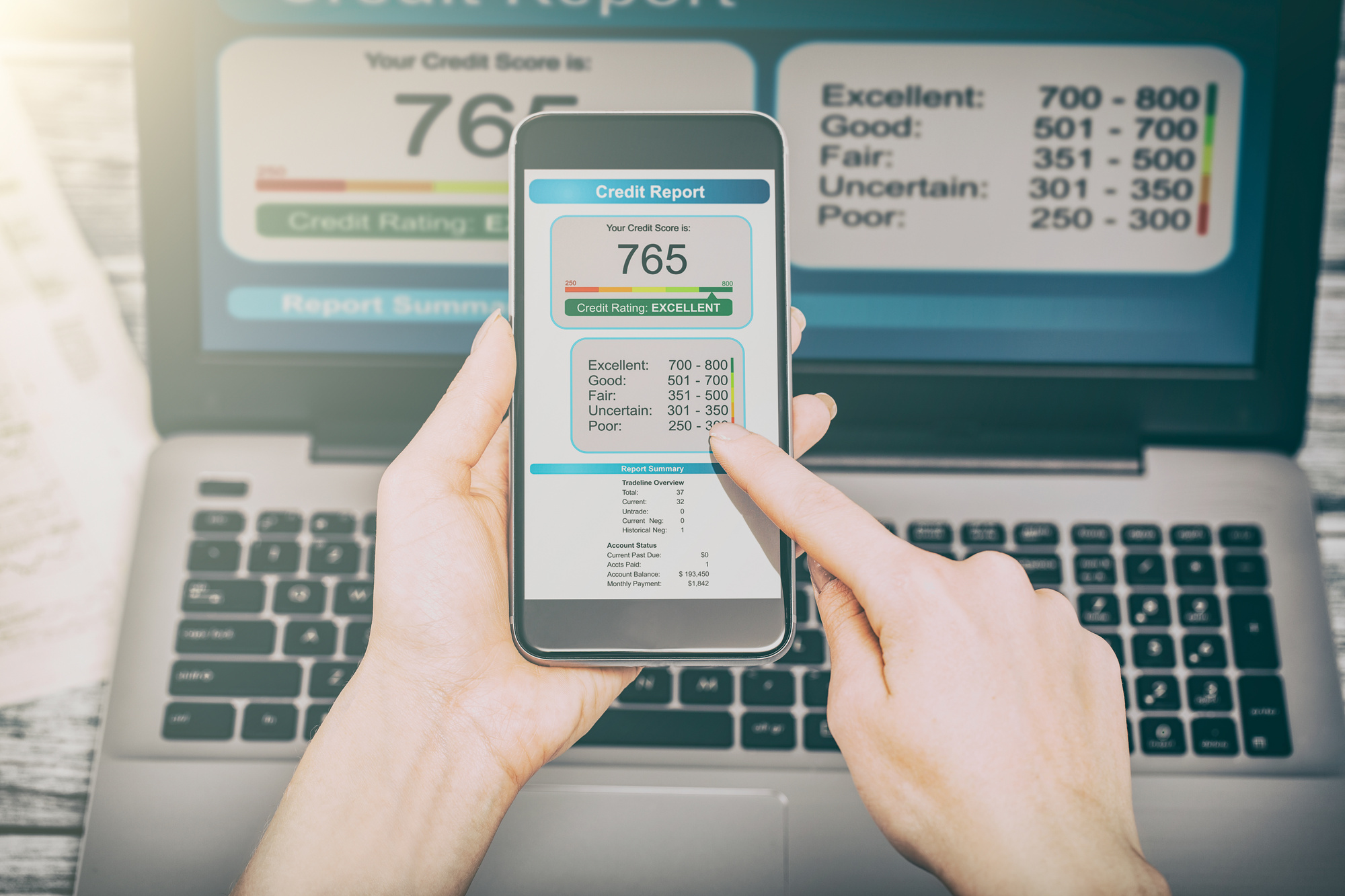
How Can Settlement Affect Your Credit Score?
Loan Settlement can provide immediate relief, but it may negatively affect your credit profile. A lender may report the account as settled rather than fully paid.
This distinction matters because future lenders can see that you paid less than the original amount owed. As a result, they may consider you a higher-risk borrower.
Credit Report Impact
A settled account can appear differently from an account that you paid in full. Lenders reviewing your credit history may take this information into account when evaluating future applications.
Possible Credit Score Reduction
Your credit score may fall after settlement. The impact depends on your overall credit history, payment behavior, existing accounts, and other factors.
The effect can vary from one borrower to another. Therefore, you should not assume that every settlement will produce the same result.
Future Borrowing Challenges
After settlement, obtaining a new loan or credit card may become more difficult. Some lenders may offer credit only at higher interest rates or with stricter conditions. For this reason, borrowers should consider their future financial needs before choosing this route.
Steps to Rebuild Your Credit
A settlement does not mean that you cannot improve your credit profile. You can take several practical steps after resolving the account. First, make every future loan and credit payment on time. Consistent payment behavior can help demonstrate better financial management.
Next, keep your credit utilization under control. Using a smaller portion of your available credit can support healthier credit management.
You should also review your credit report regularly. Check for inaccurate information and monitor changes in your credit profile. If you find an error, contact the appropriate credit reporting agency or lender. Most importantly, avoid taking on unnecessary debt while rebuilding your financial position.
How a Personal Loan EMI Calculator Can Help
Financial planning becomes especially important when you face repayment difficulties. A personal loan EMI calculator can help you understand how much you currently pay each month.
To use one, enter details such as the loan principal, interest rate, and repayment tenure. The calculator can then estimate your monthly EMI.
This information can help you review your budget. You can compare your monthly loan payment with your income and regular expenses.
You can also experiment with different loan amounts and repayment periods. This can help you understand how changing the loan structure may affect your monthly obligations.
However, an EMI calculator only provides an estimate. It cannot determine whether a lender will accept a settlement request or predict the exact impact on your credit score.
Consider Your Long-Term Financial Health
Before choosing settlement, consider all available options. Depending on your situation, you may be able to negotiate a revised repayment schedule, request temporary relief, refinance the debt, or adjust your monthly budget.
Each option has different advantages and risks. Therefore, avoid making a quick decision based only on immediate financial pressure.
If you have enough savings to make a settlement payment, think carefully about how that payment will affect your emergency fund. Using all your available cash may leave you vulnerable to another unexpected expense.
You should also understand the terms provided by your lender. If the financial situation feels complicated, consider speaking with a qualified financial professional before making a decision.
Final Thoughts
Loan Settlement can provide relief when financial difficulties make regular repayments unrealistic. However, borrowers should consider the wider consequences before accepting an agreement.
Understand your finances, communicate clearly with your lender, review every term in writing, and keep proof of all payments. At the same time, use tools such as a personal loan EMI calculator to understand your monthly obligations and plan your finances more effectively.
After resolving the debt, focus on rebuilding healthy financial habits. Make payments on time, manage credit carefully, and monitor your credit report.
Most importantly, look beyond the immediate relief. A decision that helps today should also support your financial stability in the years ahead.
Author



Car Maintenance: 7 Essential Summer Checks for Safer Driving

Digital Marketing Launceston: Grow Your Business Online

Drafting Services: Accurate CAD Solutions for Construction

Ghostwriter Cost 2026: Pricing, Services and Hiring

Carsicko Hoodie’s: Modern Streetwear Styling and Outfit Ideas

Business Opportunities in Brazil 2026: Ideas & Investment Tips

Best Cashback Mortgages UK: Compare Deals & Savings

Loan Settlement: Process, Credit Score Impact & Repayment Tips

Everyday Style: Common Projects Sneakers UK Styling Tips

Commercial Truck Financing Options for Business Owners

Cybersecurity Consulting Company SequelNet Provides Critical IT Support Services to Medical Billing Firm, Medical Optimum

Meet the Megalodon: The Shark Star of ‘Meg 2’

Reduce Video Game Lag: Level Up Your Gaming Performance

Balancing India’s Entertainment: Cricket vs. Bollywood

Jetsetter’s Secrets: Unveiling Our Favorite Travel Hacks for a Seamless Adventure

The 5 Best Live Sports Streaming Sites: Legal and Exciting!

Hollywood Labor Unrest: The Impact of ‘What About Us?’ Strikes

Unveiling the Magic of Dream Fulfillment at the Late NBA Draft

Illuminate Your Skin: Dr. Axe Unveils Natural Remedies for Lightening Knees and Elbows

Bright Choices: Navigating the Pros and Cons of Skin Whitening Creams with Dr. Axe
-

 Business3 years ago
Cybersecurity Consulting Company SequelNet Provides Critical IT Support Services to Medical Billing Firm, Medical Optimum
-
Entertainment3 years ago
Meet the Megalodon: The Shark Star of ‘Meg 2’
-
Entertainment3 years ago
Reduce Video Game Lag: Level Up Your Gaming Performance
-
 Sports3 years ago
Balancing India’s Entertainment: Cricket vs. Bollywood
-
Entertainment3 years ago
Jetsetter’s Secrets: Unveiling Our Favorite Travel Hacks for a Seamless Adventure
-
Productivity3 years ago
The 5 Best Live Sports Streaming Sites: Legal and Exciting!
-
Art /Entertainment3 years ago
Hollywood Labor Unrest: The Impact of ‘What About Us?’ Strikes
-
Sports3 years ago
Unveiling the Magic of Dream Fulfillment at the Late NBA Draft






