
Art /Entertainment
7 Trendy Curtains to Elevate Your Living Room Styles for 2026


Trending Curtains for Living Room: You Will Love
Do you love changing the look of your living room as often as your mood? Or maybe you’re someone who enjoys those little details that instantly make a space feel fresh and inviting? If yes, then the curtains you choose aren’t just functional; they’re statement pieces that can transform the entire vibe of your room.
Curtains bring texture, color, and personality to your living space.
With so many curtains for the living room this year, there’s something for everyone; from bold and luxurious to light and airy.
Let’s take a look at the trending curtains for the living room that are turning heads in home décor circles right now.

Trending Curtains for Living Room
1. Heavy Satin Curtains: Luxury That Lasts
If you’re a fan of elegance and drama, heavy satin curtains are for you. They drape beautifully, catch the light in the right way, and add a sense of grandeur to your living room.

Imagine your living room bathed in soft evening light, the satin folds reflecting a subtle shimmer — it feels like stepping into a boutique hotel. Satin works best with neutral shades, deep jewel tones, or rich metallic like gold and bronze.
Tip: Heavy satin curtains are perfect for rooms where you want to block sunlight or add privacy. Pair them with sheer layers if you want flexibility for daytime light.
2. Boho Curtains: Free-Spirited and Fun
Are you someone who loves colors, patterns, and a little bit of whimsy in your space? Boho curtains might just be your dream pick. With eclectic patterns, tassels, and earthy tones, they bring warmth and a lived-in charm to your living room.
Boho isn’t about matching everything perfectly. It’s about feeling cozy and personal. Mix them with plants, woven rugs, and handmade décor for a layered, inviting space.
Tip: These curtains work beautifully in casual, relaxed living rooms where comfort and creativity take center stage.
3. Sheer Curtains: Airy and Light
Do you love a living room that feels open, airy, and bathed in natural light? Sheer curtains are timeless for a reason. They soften sunlight, create a gentle glow, and instantly make a room feel bigger.
Sheers come in various textures — crinkled, embroidered, or plain — and colors from crisp white to pastel shades. They’re perfect if you want a light, dreamy aesthetic without heavy maintenance.
Tip: Layer sheer curtains with heavier drapes to enjoy the best of both worlds: privacy when needed and sunlight when desired.
4. Branch Print Curtains: Nature-Inspired Style
Do you find yourself drawn to nature-inspired décor? Branch print curtains bring the outdoors in. Whether it’s delicate vines, leafy patterns, or subtle branches, they add a serene, calming vibe to your living room.
These prints work especially well in minimalist, Scandinavian, or modern interiors. The beauty lies in their subtlety — they enhance the room without overwhelming it.
Tip: Pair branch prints with neutral sofas and wooden furniture to create a balanced, nature-inspired space.
5. Gold Foil Printed Curtains: Sparkle and Glam
If you love a touch of luxury and a hint of sparkle, gold foil printed curtains are a must-see. They bring instant glamour to your living room without feeling over the top.
The metallic touch catches the light beautifully, especially in evening settings, making your room feel elegant and celebratory. These curtains are perfect for accent walls or rooms where you host guests frequently.
Tip: Keep surrounding décor simple when using metallic curtains — they shine best without competing with bold patterns.
6. Digital Printed Curtains: Art Meets Fabric
Are you someone who loves personalization and unique designs? Digital printed curtains allow you to choose almost any pattern or photograph to bring your walls to life. From abstract art to cityscapes or floral motifs, the options are limitless.
Digital printing gives a crisp, modern look and works for homes where you love experimenting with design. It’s an easy way to create a focal point without repainting or adding heavy décor.
Tip: Pair digital prints with solid-colored furniture to avoid visual clutter and let your curtains take center stage.
7. Semi Transparent Curtains: Subtle Elegance
Do you want your curtains to be functional but not overpowering? Semi transparent curtains are the perfect balance. They filter light gently, provide moderate privacy, and add texture without heavy draping.
These curtains are perfect for those who like to switch things up frequently. They give a light, fresh feeling in the room, making it easier to experiment with other décor elements like cushions or rugs.
Tip: Semi transparent fabrics work well in layered looks. Combine them with heavier curtains if you need a flexible solution for day and night.
How to Choose the Right Curtain Trend for Your Living Room?
With so many trending curtains for the living room, it’s easy to get confused. Here’s a simple approach:
- Think about your lifestyle: Do you entertain often? Do you have children or pets? Heavy or metallic curtains might not be practical for everyday use.
- Consider natural light: Sheers or semi transparent curtains are ideal for rooms that need light during the day. Heavy drapes work best for sunlit rooms that need shade.
- Layering is your friend: Mixing textures — like pairing sheers with heavy satin — gives you versatility and keeps your living room dynamic.
- Play with patterns: Don’t be afraid to try branch prints, Boho, or digital prints — they bring character and a personal touch.
Conclusion
Curtains are more than just window coverings — they are mood makers. Whether you love the luxurious drape of satin, the airy lightness of sheers, or the playful charm of Boho prints, there’s a trending curtain that can instantly refresh your living room.
So, if you love decorating your home and switching things up with the seasons, curtains are the easiest and most impactful way to do it. Ask yourself:
Do you want light and breezy, bold and dramatic, or subtle and elegant today? Your curtains can answer that — and change your living room from ordinary to extraordinary.
Explore the top trending curtains for your living room with GM Fabrics, where contemporary designs meet quality fabrics to help you refresh your space effortlessly.
Author






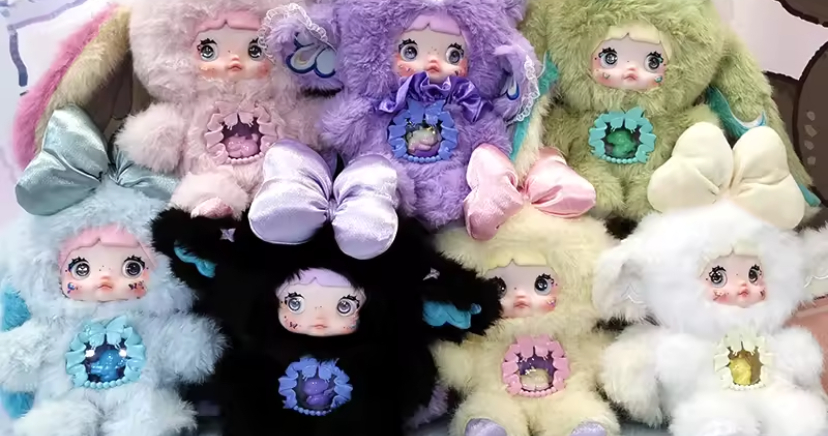
The world of collectible figures has changed dramatically in recent years. People no longer see toys only as items for children. Today, many collectors choose figures because they appreciate their artistic details, creative concepts, and emotional appeal. This shift has helped Designer Toys become an important part of modern pop culture and collectible art.
Among the brands gaining attention in this space, Nommi offers a distinctive experience. The brand combines charming characters, imaginative themes, detailed designs, and collectible formats. Its range includes mystery blind boxes, vinyl figures, and soft plush companions. Each product brings its own personality to the collection.
Rather than focusing only on appearance, Nommi creates characters that feel connected to a larger world. This approach gives collectors more reasons to explore different releases and discover new favorites.
What Makes Nommi Unique?
Nommi creates more than attractive collectible figures. Its characters often have a playful personality and a sense of adventure. Different collections introduce new outfits, settings, themes, and character concepts. As a result, collectors can create displays that feel connected rather than random.
The storytelling element adds another layer to the experience. Fans can imagine relationships between characters and build their own interpretations of the Nommi universe. This emotional connection can make collecting feel more personal.
The brand also maintains a recognizable visual identity. Soft colors, rounded shapes, expressive faces, and carefully selected accessories give the characters a warm and approachable appearance.
The Appeal of Blind Box Collectibles
Blind boxes have become a major part of modern collectible culture. These sealed packages keep the identity of the figure hidden until the buyer opens the box. That simple idea creates an element of surprise and anticipation.
Nommi uses this format to make each unboxing feel exciting. A collection may contain several standard characters along with a rare secret figure. Collectors who want to complete a series may purchase multiple boxes or trade duplicates with other fans.
The surprise does not end with the purchase. It can also encourage conversations within collector communities. Fans often share their latest discoveries and compare figures from the same series.
Creative Character Designs
Design plays a major role in the popularity of Designer Toys, and Nommi places strong emphasis on visual details. Its characters often feature gentle expressions, rounded proportions, colorful outfits, and carefully designed accessories.
The collections can explore many different themes. Some may take inspiration from nature, while others focus on fantasy, food, seasonal moments, or dreamy environments. This variety keeps the product line fresh without losing its recognizable style.
For collectors, these differences make each series interesting. Someone may prefer woodland-inspired characters, while another collector may enjoy fantasy creatures or dessert-themed designs.
Attention to Quality
A collectible needs more than an appealing concept. It also needs quality construction. Nommi focuses on details such as sculpting, color application, materials, and finishing.
These elements help each figure look polished when displayed. Collectors can place their pieces on shelves, desks, cabinets, or dedicated display areas. The figures can therefore work as decorative objects as well as collectibles.
Plush products add another dimension to the brand. Their soft materials and embroidered details create a different experience from vinyl figures. Fans can display plush companions beside their figures to create a more complete collection.

Creating a Collection That Feels Personal
Collecting Designer Toys does not follow one strict formula. Every enthusiast can develop a collection around personal interests. Some people collect specific characters. Others choose figures based on color, theme, rarity, or design.
Nommi gives collectors plenty of ways to create a personalized display. Someone might focus on a single series, while another person may combine characters from several releases.
Collectors can also arrange their figures according to seasonal themes or color palettes. This freedom makes the hobby more creative. Instead of simply owning several figures, collectors can turn their shelves into a small visual story.
Why Limited Releases Matter
Limited editions create another source of excitement. When a figure has a smaller production run, collectors may consider it more exclusive. Special editions and secret figures can become particularly appealing because fans have fewer opportunities to find them.
However, rarity does not define the entire collecting experience. Many enthusiasts choose figures simply because they love the character or design. Personal preference often matters more than potential resale value.
Finding an unexpected, rare figure can still feel rewarding. It adds an element of discovery that keeps collectors interested in future releases.
A Growing Collector Community
The collecting experience extends beyond the figures themselves. Online communities allow fans to share photographs, unboxing experiences, display ideas, and collection updates.
Social platforms also make it easier for new collectors to discover Nommi. Experienced enthusiasts can showcase their shelves and explain why they enjoy particular characters. Collectors can also exchange duplicate figures and discuss new releases.
This community aspect helps transform collecting into a shared hobby. Fans do not simply purchase products. They participate in conversations surrounding characters, designs, and upcoming collections.
Caring for Your Collection
Good care can help collectible figures maintain their appearance for a long time. Keep them away from direct sunlight because prolonged exposure can affect colors. Dust them gently with a soft microfiber cloth.
Collectors should also avoid extreme heat and excessive moisture. Keep delicate accessories in safe places and handle small parts carefully. If a figure comes in special packaging, keeping the original box can also help protect it during storage or transportation.
A clean and stable display area will make the collection look better while reducing the risk of accidental damage.
The Future of Nommi and Collectible Art
The popularity of Designer Toys continues to grow as artists and brands explore new ways to combine storytelling with physical products. Nommi fits naturally into this movement by offering characters that appeal to collectors who value both design and personality.
Its combination of imaginative concepts, collectible formats, plush companions, and detailed craftsmanship gives fans plenty of ways to engage with the brand. New themes can also attract collectors who want to explore something different without moving away from the familiar Nommi aesthetic.
Final Thoughts
Nommi demonstrates how modern collectibles can combine art, storytelling, and community. Its colorful characters and creative collections offer something beyond ordinary toys. They give collectors an opportunity to express their personal interests through carefully designed pieces.
For anyone interested in Toys, Nommi provides an approachable and imaginative place to begin exploring collectible art. Whether you prefer blind boxes, detailed figures, or soft plush companions, each format offers a different way to enjoy the brand.
As collectible culture continues to evolve, Nommi has the potential to remain an engaging name for fans who value creativity, character design, and the excitement of discovering something new.
Author



Few classic sitcoms have achieved the recognition of Gilligan’s Island. The series first captured audiences with its unusual setting, colorful characters, and lighthearted stories. Even decades later, people still remember the castaways, their adventures, and their endless attempts to escape the island. The show’s simple concept helped it become a memorable part of American television.
Exploring the history of Gilligan’s Island also reveals why the series still matters. It showed that a comedy did not need complicated plots or expensive ideas to entertain viewers. Instead, strong characters, creative situations, and consistent humor could keep audiences coming back. In many ways, the series helped shape the style of Television Comedy that viewers continue to enjoy today.
What Was Gilligan’s Island About?
Gilligan’s Island followed seven people who became stranded on a remote tropical island after a boating accident. The group included people from very different backgrounds. Despite their differences, they had to live together and find ways to survive.
Each episode presented a new problem. Sometimes the characters searched for food or shelter. At other times, they tried to contact the outside world or escape the island. Their plans often failed in amusing ways.
This fundamental concept provided authors numerous chances for imaginative narratives. The island became more than just a setting. It became the perfect stage for character driven.
How the Series Began
The creators of Gilligan’s Island developed a simple but unusual idea for a sitcom. Instead of placing characters in a home, office, or neighborhood, they put seven very different people in an isolated location.
That decision gave the series its distinctive identity. The writers could create new situations without changing the main setting. As a result, viewers always knew the world of the show while still expecting something new in every episode.
The familiar setting also allowed the characters to remain the main focus. Their personalities, relationships, and reactions created much of the humor.
Why Audiences Loved the Show
Several qualities helped Gilligan’s Island stand apart from other programs of its era. First, the stories were easy to understand. Viewers could watch an episode without knowing every detail from previous episodes.
The characters also played a major role in the show’s appeal. Each castaway had a distinct personality. Their different attitudes often created amusing conflicts and misunderstandings.
Most importantly, the series offered accessible humor. Families could watch it together without relying on complicated themes or inappropriate jokes. This quality strengthened its position in classic Television Comedy.
Memorable Characters Made the Difference
The show’s characters remain one of its greatest strengths. Gilligan’s innocent personality often created unexpected problems. The Skipper tried to maintain order, while the Professor frequently used his knowledge to solve difficult situations.
Other characters brought their own personalities to the group. Their differences created natural opportunities for humor. One character might approach a problem logically, while another might react emotionally or impulsively.
This contrast kept the stories entertaining. Instead of depending only on jokes, the writers allowed personalities to generate comedy. That character-focused approach became an important feature of successful Television Comedy.
A Fresh Approach to Sitcom Storytelling
Many sitcoms of the period centered on families, jobs, or everyday neighborhood life. Gilligan’s Island took a completely different direction. The island setting allowed writers to introduce unusual adventures. The characters could discover strange objects, encounter unexpected situations, or develop creative plans to return home. This approach gave the show a sense of adventure while keeping its comedic foundation. It also proved that sitcoms could combine several genres without losing their identity.

The Power of Simple Stories
One of the biggest lessons from Gilligan’s Island involves the value of simplicity. The show did not need complicated storylines to keep viewers interested. Instead, it used familiar problems and gave them a humorous twist. A basic challenge could become an entertaining adventure because of the way the characters responded. This approach remains useful in modern Television Comedy. Writers still rely on relatable situations, recognizable personalities, and unexpected reactions to create engaging stories.
Family-Friendly Entertainment
Another reason the series continues to attract audiences involves its broad appeal. Parents could watch the show with their children, and different generations could enjoy the same episodes for different reasons.
The comedy often came from misunderstandings, physical humor, clever conversations, and unusual situations. These elements allowed the show to entertain without depending on complicated references.
Consequently, Gilligan’s Island became the kind of program that families could enjoy together. That quality helped strengthen its place in television history.
Creativity Behind the Scenes
The island may have looked simple on screen, but the production required considerable creativity. Writers had to develop new stories while keeping the same basic setting. Designers and production teams also had to make the island feel believable and interesting.
Costumes, props, sets, camera work, and visual effects all contributed to the show’s identity. The production team used the resources available at the time to support the stories.
These creative choices helped turn a limited setting into an entertaining world. They also demonstrated how thoughtful production can strengthen Television Comedy.
Its Influence on Later Comedies
The success of Gilligan’s Island helped demonstrate the potential of ensemble-based sitcoms. The series showed how several characters could share the spotlight while contributing different types of humor.
Its combination of adventure, comedy, and character relationships also offered a useful model for later programs. Writers could place familiar characters in unusual situations and create fresh stories from their reactions. This formula still appears in modern Television Comedy, especially in shows that combine ensemble casts with unusual circumstances.
Why People Still Watch It
Time has changed television dramatically. Viewers now have access to countless channels and streaming services. Yet Gilligan’s Island continues to attract people who appreciate classic entertainment.
For longtime fans, the series can create a strong sense of nostalgia. Younger viewers can also enjoy its straightforward humor and memorable characters.
The show offers something increasingly valuable: uncomplicated entertainment. Viewers can relax, follow the story, and enjoy the personalities without having to solve complex mysteries or follow complicated plotlines.
Lessons About Teamwork and Imagination
Although Gilligan’s Island primarily aims to entertain, it also presents positive ideas about cooperation. The castaways often need to work together when they face problems.
They do not always agree. However, they frequently put their differences aside when a challenge requires teamwork. Their experiences show how communication, creativity, and cooperation can help people overcome difficult situations.
The characters also demonstrate the value of imagination. With limited resources, they constantly invent new solutions. Their creativity drives many of the show’s funniest moments.
The Cultural Legacy of Gilligan’s Island
The influence of Gilligan’s Island extends beyond its original episodes. The characters, setting, and recognizable theme remain familiar parts of popular culture.
The series also represents an important period in American television. It reflects a time when sitcoms relied heavily on strong personalities, simple premises, and accessible humor.
That legacy explains why the show remains relevant when people discuss classic Television Comedy. Its success came from combining a memorable concept with characters audiences could easily recognize and enjoy.
Conclusion
The story of Gilligan’s Island demonstrates the lasting power of simple ideas. The series created an unusual situation, filled it with memorable personalities, and used humor to turn everyday problems into entertaining adventures. Its legacy reaches far beyond a group of fictional castaways. The show helped demonstrate how character-driven stories could support successful for generations.
Even today, audiences can return to Gilligan’s Island and discover something enjoyable. Its humor remains approachable, its characters remain memorable, and its imaginative stories continue to entertain. Most importantly, the series proves that great comedy does not always need complexity. Sometimes, a simple idea and the right characters can create a television classic that lasts for decades.
Author



With countless digital platforms available today, finding the right place to enjoy songs can feel overwhelming. Every listener has different expectations. Some people want high-quality audio, while others focus on music variety, easy navigation, or personalized recommendations.
The right choice depends on what creates a better listening experience for you. Instead of selecting a platform only because many people use it, you should understand the features that truly matter.
A reliable music website should offer more than just a large collection of songs. It should make listening simple, enjoyable, and convenient. When a platform combines useful features with a smooth experience, users can discover new music while enjoying their favorite tracks without difficulty.
Focus on Music Collection and Variety
One of the first things to check is the size and diversity of the music library. A good platform should include different genres, artists, languages, and musical styles. This variety allows listeners to explore new sounds and discover songs they may not find elsewhere. For example, some people enjoy pop and modern releases. Others prefer classical music, independent artists, jazz, electronic sounds, or traditional compositions. A platform with a broad collection gives every listener more opportunities to explore.
Moreover, variety helps people match music with different moments. You might desire soothing music following a hectic day. You may also need energetic tracks during exercise or travel. A strong music collection supports every mood and activity.
Choose a Platform That Feels Easy to Use
A complicated interface can quickly reduce the enjoyment of listening. Therefore, a good platform should have simple menus, clear categories, and an effective search option. Finding a song, album, or artist should not make unnecessary effort. Users should move smoothly from one section to another. A clean design saves time and allows people to focus on enjoying music. A well-organized music website helps listeners explore content without confusion. When features feel natural and easy to access, the overall experience becomes much more satisfying.
Consider Your Personal Listening Habits
Every listener has unique preferences. Some people enjoy discovering new artists every day. Others prefer creating collections of familiar songs and returning to their favorites.
Before choosing a platform, think about how you normally listen to music. Do you search for specific songs? Do you enjoy exploring new genres? Do you prefer playlists created around activities, emotions, or seasons?
Understanding your habits can help you find a platform that matches your lifestyle. For instance, a person who loves discovering fresh artists may value strong recommendation features. Meanwhile, someone who listens to classic albums may care more about library depth and search accuracy.
Explore Discovery and Recommendation Features
Digital platforms have changed the way people discover music. In the past, many listeners depended on radio stations, television, or personal recommendations. Today, online platforms can introduce users to thousands of new artists and songs. Recommendation tools can make this process easier. They analyze listening patterns and suggest tracks based on interests. Curated playlists can also help users find music for different situations, such as studying, relaxing, working, or exercising. However, recommendations should support your choices rather than limit them. A great platform gives suggestions while still allowing users to search freely and create their own playlists.
Pay Attention to Sound Quality and Performance
Sound quality plays an important role in the listening experience. People who use quality headphones or speakers often notice differences in clarity, balance, and detail. A good platform should provide clear audio and smooth playback. Technical problems, repeated loading issues, or interruptions can make listening frustrating. Therefore, performance matters just as much as the music collection.
You should also consider device compatibility. Many people listen through smartphones, tablets, laptops, or smart devices. A platform that works smoothly across different devices provides more flexibility. A dependable music website should deliver consistent performance so users can enjoy their favorite tracks without unnecessary problems.

Look for Accessibility and Convenience
Accessibility affects how comfortable a platform feels for different users. Simple controls, readable text, and organized layouts create a better experience for everyone.
Mobile access has also become essential. Many listeners enjoy music while commuting, exercising, working, or traveling. A platform should provide a smooth experience on smaller screens without making important features difficult to find.
Convenience matters because music should fit naturally into daily life. Users should quickly search, play, pause, save, and organize songs without dealing with complicated steps.
Understand Personalization Options
Personalization has become a major part of modern music experiences. Instead of searching for every song manually, listeners can use customized playlists and recommendations. These features help people discover music that matches their interests. They can also save time when someone wants background music for a specific activity. At the same time, personal control remains important. Many listeners enjoy creating their own playlists and organizing songs based on their memories or preferences. The best platforms provide both automated suggestions and user-created collections. A balanced music website gives listeners freedom while also helping them discover something new.
Review Privacy and Platform Reliability
While features and convenience matter, privacy should not be ignored. Users should understand how platforms handle personal information and listening activity. Checking privacy settings can help people make smarter choices. A trustworthy service should provide clear information about data collection and account protection. Reliability also affects long-term satisfaction. A platform that works consistently creates a better experience than one that frequently has technical problems. Before making a final decision, consider whether the platform meets your expectations for security, performance, and ease of use.
Make a Choice That Matches Your Needs
There is no single platform that works perfectly for everyone. Different listeners have different priorities. Some want unlimited discovery, while others want simplicity and convenience. Create a list of features that matter most to you. Consider music selection, sound quality, recommendations, accessibility, personalization, privacy, and reliability. This approach helps you choose based on your needs instead of following trends. The right music website should make listening enjoyable and effortless. It should help you find the songs you love while introducing you to new musical experiences.
Conclusion
Choosing an online music platform becomes easier when you know what features matter. A good platform should provide variety, quality sound, simple navigation, useful recommendations, and reliable performance. Instead of focusing only on popularity, think about your personal listening habits. The best choice will always be the one that fits your routine and helps you enjoy music in a comfortable way.
With the right platform, everyday listening can become more engaging, convenient, and enjoyable. A suitable music website can help you explore new artists, discover different genres, and create a more personalized listening experience. It allows you to enjoy your favorite songs while also finding fresh sounds that match your interests.
Before making a final decision, take time to compare different features and understand what works best for you. A platform that offers flexibility, easy access, and a smooth experience can make a noticeable difference in your daily music routine. Ultimately, the perfect choice is the one that brings your favorite music closer and makes every listening moment more enjoyable.
Author



Car Maintenance: 7 Essential Summer Checks for Safer Driving

Digital Marketing Launceston: Grow Your Business Online

Drafting Services: Accurate CAD Solutions for Construction

Ghostwriter Cost 2026: Pricing, Services and Hiring

Carsicko Hoodie’s: Modern Streetwear Styling and Outfit Ideas

Business Opportunities in Brazil 2026: Ideas & Investment Tips

Best Cashback Mortgages UK: Compare Deals & Savings

Loan Settlement: Process, Credit Score Impact & Repayment Tips

Everyday Style: Common Projects Sneakers UK Styling Tips

Commercial Truck Financing Options for Business Owners

Cybersecurity Consulting Company SequelNet Provides Critical IT Support Services to Medical Billing Firm, Medical Optimum

Meet the Megalodon: The Shark Star of ‘Meg 2’

Reduce Video Game Lag: Level Up Your Gaming Performance

Balancing India’s Entertainment: Cricket vs. Bollywood

Jetsetter’s Secrets: Unveiling Our Favorite Travel Hacks for a Seamless Adventure

The 5 Best Live Sports Streaming Sites: Legal and Exciting!

Hollywood Labor Unrest: The Impact of ‘What About Us?’ Strikes

Unveiling the Magic of Dream Fulfillment at the Late NBA Draft

Illuminate Your Skin: Dr. Axe Unveils Natural Remedies for Lightening Knees and Elbows

Bright Choices: Navigating the Pros and Cons of Skin Whitening Creams with Dr. Axe
-

 Business3 years ago
Cybersecurity Consulting Company SequelNet Provides Critical IT Support Services to Medical Billing Firm, Medical Optimum
-
Entertainment3 years ago
Meet the Megalodon: The Shark Star of ‘Meg 2’
-
Entertainment3 years ago
Reduce Video Game Lag: Level Up Your Gaming Performance
-
 Sports3 years ago
Balancing India’s Entertainment: Cricket vs. Bollywood
-
Entertainment3 years ago
Jetsetter’s Secrets: Unveiling Our Favorite Travel Hacks for a Seamless Adventure
-
Productivity3 years ago
The 5 Best Live Sports Streaming Sites: Legal and Exciting!
-
Art /Entertainment3 years ago
Hollywood Labor Unrest: The Impact of ‘What About Us?’ Strikes
-
Sports3 years ago
Unveiling the Magic of Dream Fulfillment at the Late NBA Draft






