
Consumer Services
Cocoa Powder: The Premium Choice for Baking and Confectionery


Cocoa powder holds a cherished spot in the world of baking and confectionery, renowned for its rich, decadent flavor and remarkable versatility. Among the array of brands available, Mauri Cocoa Powder has surfaced as a favorite due to its deep color, intense taste, and high-quality ingredients.
This article explores the essence of Mauri Cocoa Powder, delving into its origins, properties, benefits, uses, and tips for making the most of this delightful ingredient.
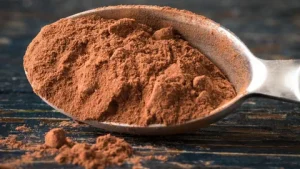
What is Mauri Dark Brown Cocoa Powder?
Mauri Dark Brown Cocoa Powder is a premium cocoa product, artfully processed from top-quality cocoa beans. It is recognized for its rich brown hue and robust flavor, making it the perfect choice for various culinary applications.
Key Features:
- Deep Color: The dark brown color indicates a high cocoa content, which enhances the chocolate experience.
- Intense Flavor: It provides a rich chocolate taste that elevates baked goods and confections.
- Smooth Texture: The finely processed powder ensures even mixing in recipes.
- Low Fat Content: This emphasizes the pure cocoa flavor without unnecessary additives.
- Dutch-Processed: The alkalization process enhances solubility and enriches the flavor profile.
Origins and Manufacturing of Mauri Cocoa
Mauri as a Brand
Mauri has established itself as a purveyor of high-quality baking ingredients known globally. The brand is lauded for its commitment to reliable, consistent products that cater to both home bakers and professional chefs.
Cocoa Bean Sources
Mauri sources its cocoa beans from the heart of cocoa-producing regions, including West Africa, South America, and Southeast Asia. Adhering to sustainable and ethical sourcing practices, Mauri ensures that fair trade principles are upheld while minimizing environmental impact.

Processing Techniques
The cocoa beans undergo a meticulous manufacturing process:
- Dutch-Process Alkalization: This treatment neutralizes the natural acidity of cocoa beans, resulting in a smoother taste.
- Refinement: The beans are roasted, winnowed, and ground into a fine powder, ready for packaging.
Advantages of Using Mauri Dark Brown Cocoa Powder
This cocoa powder offers multiple culinary and nutritional benefits:
Culinary Benefits
- Rich Chocolate Flavor: It enhances the taste of baked goods, ensuring a chocolatey delight in every bite.
- Moisture and Structure: Mauri Cocoa Powder contributes to the texture of cakes, cookies, and brownies, providing essential moisture.
- Visual Appeal: Its dark color adds an alluring touch to your recipes.
Nutritional and Health Aspects
Mauri Cocoa Powder is not just about taste; it also packs a nutritional punch:
- Antioxidants: Rich in flavonoids, it offers health benefits that can enhance overall well-being.
- Mineral Content: It contains essential minerals like magnesium, iron, and zinc.
- Low in Fat: Comparatively lower fat content makes it a smart choice for health-conscious bakers.
Versatility in the Kitchen
The uses of Mauri Cocoa Powder are boundless, covering various culinary realms, including baking, beverages, and even savory dishes.
Common Uses of Mauri Dark Brown Cocoa Powder
Baking:
- Cakes: Perfect for chocolate cakes and devil’s food varieties.
- Brownies: Ideal for rich, fudgy brownies that melt in your mouth.
- Cookies: Adds depth to classic cookies and biscuits.
- Muffins and Cupcakes: Enhances the sweetness and chocolate flavor in baked treats.
Beverages:
- Hot Chocolate: A deliciously creamy beverage for cold days.
- Chocolate Milkshakes: Perfect for a refreshing treat.
- Mocha Drinks: Combines beautifully with coffee for a rich experience.
Other Culinary Applications:
- Chocolate Frosting: Elevate your cakes with homemade chocolate frosting.
- Nutritional Smoothies: Blend into smoothies for added flavor and nutrition.
- Chocolate Sauces and Syrups: Create decadent sauces to complement desserts.
- Flavor Enhancer: Use in yogurt, ice cream, and other desserts for added richness.
Advice for Cooking and Baking with Mauri Dark Brown Cocoa Powder
Maximizing the benefits of Mauri Cocoa Powder is easy with these tips:
- Storage: Keep it in a cool, dry place out of direct sunlight to retain freshness.
- Measurement: Use accurately as dictated by your recipe, generally around 1-2 tablespoons per serving.
- Mixing: Sift the cocoa powder before use to eliminate clumps and achieve an even distribution.
- Complementary Ingredients: Pair with flavors like vanilla, cinnamon, or coffee to elevate your recipes.
- Balancing Bitterness: Adjust sugar levels in your recipes to counterbalance the cocoa’s intensity.
Choosing Quality Mauri Dark Brown Cocoa Powder
When selecting Mauri Cocoa Powder, consider these factors:
- Brand Reputation: Trustworthy brands like Mauri are more likely to deliver consistent quality.
- Packaging: Opt for vacuum-sealed or airtight containers for better freshness.
- Labeling: Look for certifications such as Fair Trade or Organic if preferred.
- Appearance and Scent: Dark, fragrant cocoa that is free of clumps indicates quality.
Recipes Featuring Mauri Dark Brown Cocoa Powder
Classic Chocolate Brownies
Ingredients:
- 1 cup Mauri Dark Brown Cocoa Powder
- 1 cup all-purpose flour
- 1/2 cup butter
- 2 cups sugar
- 3 eggs
- 1 teaspoon vanilla extract
Instructions:
- Preheat your oven to 180°C (356°F) and grease a baking pan.
- Melt the butter and combine it with the sugar in a mixing bowl.
- Incorporate the eggs and vanilla, blending until thoroughly mixed.
- Sift the cocoa powder and flour, then fold gently to mix.
- Transfer the batter into the prepared pan and bake for 25-30 minutes or until a toothpick inserted comes out clean
Rich Hot Chocolate
Ingredients:
- 2 tablespoons Mauri Dark Brown Cocoa Powder
- 2 cups milk
- 2 tablespoons sugar
- Whipped cream or marshmallows (optional)
Instructions:
- In a small bowl, whisk the cocoa powder and sugar into a small amount of hot milk until well mixed.
- In a saucepan, heat the remaining milk until steaming.
- Whisk the cocoa mixture into the hot milk until smooth.
-
Serve warm, garnished with whipped cream or marshmallows if preferred
Final Thoughts on Mauri Cocoa Powder
Mauri Dark Brown Cocoa Powder stands out as a premium ingredient, delivering intense chocolate flavor and versatility across various culinary applications. With its balanced profile of taste and health benefits, it has become a staple in both home kitchens and professional baking environments.
By following tips for storage and usage, you can unlock the full potential of this incredible cocoa powder in your favorite recipes, from decadent brownies to luxurious hot chocolate.
Author



Moving to a new apartment is an exciting milestone, but it can also be one of the most demanding experiences. From packing household belongings to transporting furniture safely, every step requires careful planning and execution. If you’re relocating within Dubai, hiring Professional Apartment Movers in Business Bay can make the entire process faster, safer, and more convenient.
Business Bay is one of Dubai’s most sought-after residential and commercial communities. With its modern apartment towers, busy streets, and strict building regulations, moving in this area requires experience and proper coordination. Professional movers understand these challenges and provide efficient relocation services designed to simplify your move.
Why Hire Professional Apartment Movers?
Apartment moving involves much more than transporting boxes from one location to another. Professional movers handle every stage of the relocation process, reducing stress while protecting your belongings.
Some of the key benefits include:
- Safe packing of fragile and valuable items
- Professional furniture dismantling and reassembly
- Efficient loading and unloading
- Secure transportation
- Time-saving moving solutions
- Reduced risk of property damage
Instead of worrying about heavy lifting or damaged furniture, you can focus on settling into your new apartment.
Challenges of Moving in Business Bay
Business Bay is known for its luxury residential towers and vibrant business environment. While it offers an excellent lifestyle, relocating within the area presents several logistical challenges.
High-Rise Apartment Buildings
Many buildings require advance booking of service elevators and have specific moving hours. Professional movers coordinate with building management to ensure the relocation proceeds without delays.
Limited Parking Access
Finding parking for moving vehicles can be difficult in busy areas. Experienced movers understand local parking regulations and plan accordingly.
Heavy Traffic
Traffic congestion during peak hours can delay transportation. Professional moving companies schedule relocations strategically to minimize travel time.
Building Rules
Every residential tower may have different policies regarding moving permits, elevator reservations, and loading zones. Local movers are familiar with these procedures and help ensure compliance.
Services Offered by Professional Apartment Movers
Professional moving companies provide complete relocation solutions that cover every aspect of the moving process.
Packing Services
- Bubble wrap
- Strong moving boxes
- Stretch film
- Furniture blankets
- Packing paper
- Protective covers
These materials help prevent scratches, dents, and breakage during transit.
Furniture Disassembly and Assembly
Large furniture pieces often need to be dismantled before transportation. Professional movers carefully disassemble beds, wardrobes, dining tables, and office furniture before reassembling them at the destination.
Loading and Transportation
Heavy lifting requires proper equipment and trained professionals. Movers load items securely into specialized moving trucks to prevent shifting during transport.
Unloading and Placement
Upon arrival, the moving team unloads your belongings carefully and places furniture in the desired rooms, making the unpacking process much easier.
How Professional Movers Protect Your Belongings
Safety is one of the primary reasons people hire professional movers. Experienced teams follow proven handling techniques that reduce the risk of damage throughout the relocation.
Fragile items such as mirrors, televisions, artwork, glassware, and electronics receive extra protective wrapping before transportation. Furniture is covered with blankets and secured inside moving vehicles to prevent scratches and movement while traveling.

Choosing the Right Moving Company
Selecting a reliable moving company is essential for a successful relocation. Consider these factors before making your decision.
Experience
Choose movers with extensive experience handling apartment relocations in Business Bay. Local knowledge helps prevent unnecessary delays.
Transparent Pricing
A trustworthy moving company provides clear quotations without hidden charges. Always inquire about which services are part of the quoted price.
Professional Equipment
Modern moving trucks, quality packing materials, and lifting equipment indicate a well-established moving company.
Customer Reviews
Licensed Movers
Working with a licensed moving company offers greater confidence that your belongings will be handled responsibly.
Tips for a Smooth Apartment Move
Even when hiring professionals, preparing in advance makes the moving process easier.
- Declutter unnecessary items before packing.
- Label boxes according to their contents.
- Keep important documents with you.
- Pack personal valuables separately.
- Notify utility providers of your address change.
- Reserve building elevators in advance.
- Prepare an essentials bag for the first day.
These simple steps save time during unpacking and help you settle into your new apartment more quickly.
Why Local Expertise Matters
Hiring movers familiar with Business Bay offers significant advantages. Local professionals understand traffic conditions, building access requirements, and residential community regulations.
Their knowledge allows them to complete relocations more efficiently while minimizing delays caused by parking restrictions or elevator scheduling. This local experience becomes especially valuable when moving within busy residential towers.
What Affects Moving Costs?
Several factors influence the total cost of apartment relocation services.
These include:
- Apartment size
- Number of furniture items
- Packing requirements
- Moving distance
- Floor level
- Elevator availability
- Number of movers required
- Special handling for fragile or oversized items
Requesting a detailed estimate before moving helps you understand the overall cost and avoid unexpected expenses.
Why Choose Mehbob Mover Packer?
From packing and furniture dismantling to transportation and reassembly, every stage of the relocation is handled with professionalism and attention to detail. Their familiarity with Business Bay allows them to manage local regulations efficiently while completing moves on schedule.
Reliable Professional Apartment Movers in Business Bay
Choosing experienced Professional Apartment Movers in Business Bay ensures your relocation is completed with minimal stress and maximum efficiency. Professional movers understand the unique challenges of apartment relocations, including high-rise access, elevator scheduling, and secure transportation of valuable household items.
Whether you’re moving into a studio apartment, a family residence, or a luxury high-rise, working with trained professionals helps protect your belongings while saving valuable time and effort.
Final Thoughts
Relocating to a new apartment doesn’t have to be overwhelming. Hiring Professional Apartment Movers in Business Bay provides the expertise, equipment, and organization needed for a successful move. Professional movers handle packing, transportation, furniture assembly, and unloading while ensuring your belongings remain safe throughout the process.
By choosing experienced professionals like Mehbob Mover Packer, you can enjoy a smooth relocation experience without the physical strain and logistical challenges often associated with moving. Careful planning, professional handling, and local expertise make apartment moving in Business Bay faster, safer, and far more convenient.
Author



Hair loss affects people of different ages and can have a significant impact on confidence and self-image. As awareness about modern hair restoration continues to grow, more individuals are exploring advanced solutions. Many people are now considering Hair Transplant in Islamabad because of the availability of modern techniques and improved treatment outcomes. However, despite its increasing popularity, there are still many misconceptions surrounding the procedure. These myths often discourage people from making informed decisions or seeking professional advice. Understanding the truth behind these common beliefs is the first step toward choosing the right solution for long-term hair restoration.
Why Hair Transplants Are Often Misunderstood
Hair transplantation has evolved tremendously over the past decade. Unfortunately, outdated information and misleading online content continue to shape public opinion. Many myths originated years ago when techniques were less advanced, but today’s procedures are far more refined, natural-looking, and patient-focused. Separating facts from fiction allows individuals to make decisions based on accurate information instead of fear or misinformation.
Myth: Hair Transplants Always Look Fake
One of the most common misconceptions is that every hair transplant creates an unnatural appearance.
Modern hair transplantation focuses on creating a natural hairline that complements facial features and existing hair growth patterns. Skilled planning ensures that transplanted follicles blend seamlessly with surrounding hair. The goal is not simply to restore hair but to recreate a balanced and realistic appearance that is difficult for others to detect.
Myth: Hair Transplants Are Only for Older People
Hair loss is not limited to aging individuals. Genetics, hormonal changes, stress, medical conditions, and lifestyle factors can contribute to hair thinning at various stages of life.
Many younger adults begin exploring hair restoration after noticing progressive hair loss. Eligibility depends more on the pattern and stability of hair loss than on age alone. Each individual should be evaluated based on personal circumstances rather than assumptions related to age.
Myth: The Results Are Immediate
Some people expect to walk out with a full head of permanent hair overnight.
Hair restoration is a gradual process. After transplantation, the treated hairs usually shed before new growth begins. Fresh hair develops naturally over several months, and final results continue improving with time. Patience is essential because healthy hair growth follows the body’s natural cycle.
Myth: Hair Transplants Are Extremely Painful
Many individuals avoid treatment because they believe the procedure is unbearable. Modern techniques are designed with patient comfort in mind. Local anesthesia minimizes discomfort during the procedure, while most people describe recovery as manageable. Temporary soreness or mild sensitivity may occur, but severe pain is generally not part of the normal recovery experience.
Myth: Only Men Can Get Hair Transplants
Hair loss affects both men and women. Women experiencing thinning hair due to genetic factors or other conditions may also benefit from hair restoration, depending on the cause and pattern of hair loss. A personalized assessment helps determine whether the procedure is appropriate for each individual.
Myth: Transplanted Hair Requires Special Maintenance Forever
Another widespread misconception is that transplanted hair demands complicated maintenance. Once the transplanted follicles establish themselves, they behave much like natural hair. They can usually be washed, trimmed, and styled just like the rest of the hair. Maintaining a healthy lifestyle and following aftercare recommendations can help support long-term results.
Myth: Hair Transplants Leave Large Scars
Older techniques sometimes resulted in more noticeable scarring, which contributed to this belief. Today’s advanced methods focus on minimizing visible scarring while promoting faster healing. In many cases, tiny extraction points become difficult to notice once healing is complete. Proper aftercare also plays an important role in achieving the best cosmetic outcome.

Myth: Every Person with Hair Loss Is a Suitable Candidate
Although hair transplantation is highly effective, it is not suitable for everyone. Factors such as hair density, donor hair quality, overall health, and the cause of hair loss all influence eligibility. A proper evaluation helps determine whether transplantation or another treatment approach is more appropriate.
Myth: Hair Transplants Stop Future Hair Loss
A hair transplant restores hair in treated areas but does not prevent ongoing hair loss in untreated regions. Some individuals may require additional treatments or long-term hair care strategies to maintain overall appearance as natural hair changes over time. Understanding this distinction helps create realistic expectations.
Myth: The Procedure Looks the Same for Everyone
Every individual has unique facial proportions, hair texture, density, and growth patterns. Successful hair restoration is customized to suit each person’s appearance rather than following a one-size-fits-all approach. Personalized planning contributes significantly to natural-looking outcomes.
How to Avoid Hair Transplant Misinformation
The internet contains a mixture of reliable information and misleading claims.
To make informed decisions:
- Research evidence-based information.
- Understand modern treatment techniques.
- Learn about the complete recovery timeline.
- Set realistic expectations.
- Seek personalized professional guidance before making decisions.
Reliable information always provides a stronger foundation than online myths or outdated opinions.
The Importance of Realistic Expectations
Hair transplantation is designed to improve hair density and appearance, not create unrealistic perfection. People who understand the healing process, growth timeline, and expected outcomes are generally more satisfied with their results. Knowing what the procedure can realistically achieve helps reduce unnecessary anxiety and disappointment.
Final Thoughts
Believing outdated myths can prevent people from exploring effective solutions for hair restoration. Modern advancements have transformed the procedure into a reliable option for many individuals seeking natural-looking results. Taking time to separate myths from facts allows you to make confident decisions based on accurate information instead of misconceptions. If you are considering Hair Transplant in Islamabad, understanding the realities behind the procedure can help you approach the journey with realistic expectations, greater confidence, and a clearer understanding of what modern hair restoration can truly achieve.
Author


Author



Car Maintenance: 7 Essential Summer Checks for Safer Driving

Digital Marketing Launceston: Grow Your Business Online

Drafting Services: Accurate CAD Solutions for Construction

Ghostwriter Cost 2026: Pricing, Services and Hiring

Carsicko Hoodie’s: Modern Streetwear Styling and Outfit Ideas

Business Opportunities in Brazil 2026: Ideas & Investment Tips

Best Cashback Mortgages UK: Compare Deals & Savings

Loan Settlement: Process, Credit Score Impact & Repayment Tips

Everyday Style: Common Projects Sneakers UK Styling Tips

Commercial Truck Financing Options for Business Owners

Cybersecurity Consulting Company SequelNet Provides Critical IT Support Services to Medical Billing Firm, Medical Optimum

Meet the Megalodon: The Shark Star of ‘Meg 2’

Reduce Video Game Lag: Level Up Your Gaming Performance

Balancing India’s Entertainment: Cricket vs. Bollywood

Jetsetter’s Secrets: Unveiling Our Favorite Travel Hacks for a Seamless Adventure

The 5 Best Live Sports Streaming Sites: Legal and Exciting!

Hollywood Labor Unrest: The Impact of ‘What About Us?’ Strikes

Unveiling the Magic of Dream Fulfillment at the Late NBA Draft

Illuminate Your Skin: Dr. Axe Unveils Natural Remedies for Lightening Knees and Elbows

Bright Choices: Navigating the Pros and Cons of Skin Whitening Creams with Dr. Axe
-

 Business3 years ago
Cybersecurity Consulting Company SequelNet Provides Critical IT Support Services to Medical Billing Firm, Medical Optimum
-
Entertainment3 years ago
Meet the Megalodon: The Shark Star of ‘Meg 2’
-
Entertainment3 years ago
Reduce Video Game Lag: Level Up Your Gaming Performance
-
 Sports3 years ago
Balancing India’s Entertainment: Cricket vs. Bollywood
-
Entertainment3 years ago
Jetsetter’s Secrets: Unveiling Our Favorite Travel Hacks for a Seamless Adventure
-
Productivity3 years ago
The 5 Best Live Sports Streaming Sites: Legal and Exciting!
-
Art /Entertainment3 years ago
Hollywood Labor Unrest: The Impact of ‘What About Us?’ Strikes
-
Sports3 years ago
Unveiling the Magic of Dream Fulfillment at the Late NBA Draft






