
Autos & Vehicles
Signs Indicating Your Car Needs Professional Auto Detailing

By

Reviewed
By Delaney Hooper
Introduction
Your car is more than just a vehicle it’s a trusted companion that gets you to work, helps you travel, and carries memories of road trips, errands, and family outings. Over time, however, exposure to sunlight, pollution, road grime, and everyday wear can take a toll on your car’s appearance and comfort. While regular washing helps maintain cleanliness, it often falls short of addressing deeper issues like paint oxidation, interior odors, and stubborn stains.
That’s where professional auto detailing comes in. Auto detailing goes beyond a standard car wash to deliver a complete deep-cleaning, polishing, and restoration process that revitalizes your vehicle inside and out. But how do you know when your car truly needs a professional touch? Here are the top signs indicating it’s time to schedule an auto detailing session.
Signs Indicating Your Car Needs Professional Auto Detailing
1. Faded, Dull, or Oxidized Paint
One of the most obvious signs your car needs detailing is when the paint looks faded or dull. Over time, UV rays, acid rain, and pollutants can cause oxidation—a process that breaks down the paint’s protective layer, leaving it chalky and lackluster.
If you run your hand over the car’s surface and it feels rough or gritty, contaminants like tar, brake dust, and sap may have bonded to the paint. Professional detailing includes paint decontamination, polishing, and waxing that restore your car’s original gloss while adding a durable protective coating to prevent future damage.
2. Stained or Dirty Interior
Your car’s interior is constantly exposed to dust, spills, food crumbs, and body oils. Over time, this leads to stained seats, discolored carpets, and a buildup of grime that even regular vacuuming can’t remove.

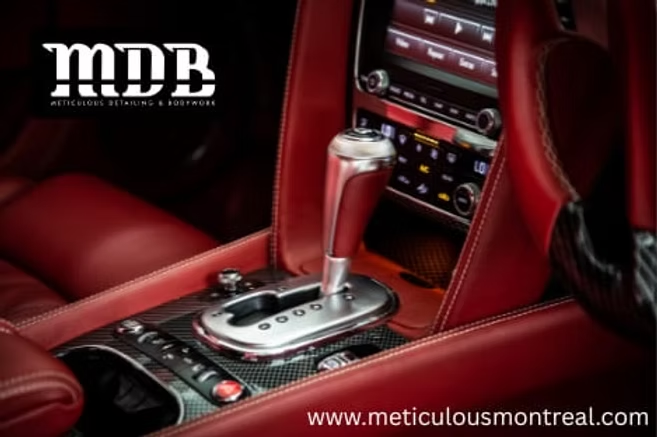
Professional interior detailing involves a deep-cleaning process that targets every corner—from the dashboard and vents to seat crevices and floor mats. Specialized equipment and cleaning agents remove tough stains, sanitize upholstery, and restore surfaces to a like-new condition.
If your car’s interior looks tired, feels sticky, or smells unpleasant, it’s a clear sign that it’s due for a professional refresh.
3. Cloudy or Yellowed Headlights
Cloudy headlights don’t just affect your car’s appearance they’re a safety hazard. Oxidation, UV exposure, and environmental pollutants cause headlight lenses to become yellow and hazy, significantly reducing nighttime visibility.
Professional auto detailers use headlight restoration techniques to remove oxidation, restore clarity, and apply UV protection. The result? Improved illumination, enhanced safety, and a cleaner, more polished look for your vehicle.
4. Persistent Odors That Won’t Go Away
Does your car still smell musty no matter how many air fresheners you hang from the mirror? Lingering odors often indicate bacteria, mold, or mildew trapped deep within your upholstery, carpets, or air vents.
Professional detailers use steam cleaning, ozone treatment, and deep fabric extraction to neutralize these odors at the source rather than just masking them. After a detailing session, your car will smell genuinely clean and refreshing—making every drive more enjoyable.
5. Scratches, Swirl Marks, and Scuffs
If your car’s surface has visible swirl marks or scratches, chances are improper washing techniques or contact with abrasive materials caused them. These fine imperfections may not affect performance, but they definitely dull the finish and lower your vehicle’s aesthetic value.
Professional detailing services offer paint correction, a process that safely removes surface defects using high-quality polishes and buffers. It restores a smooth, glossy, mirror-like finish and enhances your car’s overall appearance.
6. Dusty Dashboard and Sticky Surfaces
A dusty dashboard or sticky cup holders might seem like minor issues, but they can make your car feel old and neglected. Over time, UV rays also cause dashboard materials to fade, dry, or crack.
Detailing professionals use specialized cleaners and conditioners to rejuvenate interior surfaces, prevent cracking, and add a protective layer that resists dust and UV damage. The result is a cleaner, safer, and more visually appealing cabin environment.
7. Water Spots and Contaminated Windows
If you’ve noticed stubborn water spots, greasy film, or streaks on your windshield and windows, it’s another sign your car needs detailing. These spots don’t just reduce visibility—they can also damage glass if left untreated.
Professional detailers use deionized water, glass polishers, and hydrophobic coatings to eliminate residue and improve clarity. Clean, streak-free windows enhance both safety and the overall look of your vehicle.
8. Rough or Contaminated Exterior Surface
When your car’s paint no longer feels smooth and silky after a wash, contaminants like tar, tree sap, or industrial fallout have likely bonded to the surface. These particles can cause long-term damage if not properly removed.
Detailers use a clay bar treatment to safely extract embedded contaminants, leaving behind a clean, glass-like finish. This step also prepares the paint surface for polishing and waxing, ensuring maximum shine and protection.
9. You’re Planning to Sell or Trade-In Your Car
If you’re preparing to sell your car or trade it in, professional auto detailing can make a significant difference in the resale value. A clean, well-maintained car instantly creates a positive impression on potential buyers and dealerships.
Detailing can enhance your car’s curb appeal, eliminate odors, and give it that “showroom” freshness that justifies a higher asking price. Think of it as an affordable investment that yields a strong return.
10. You Simply Want That “New Car Feel” Again
Sometimes, you don’t need a reason other than wanting your car to look and feel brand new again. A thorough detailing session can transform your driving experience—making every trip more comfortable, enjoyable, and stylish.
Whether it’s reviving faded paint, restoring soft leather, or cleaning air vents, professional detailing provides the satisfaction of stepping into a vehicle that feels rejuvenated and well cared for.
Final Thoughts
Auto detailing isn’t just about aesthetics—it’s about preserving your car’s condition, comfort, and value. Regular detailing protects your paint, prevents premature wear, and ensures a cleaner, healthier driving environment.
If your car shows any of the signs above—faded paint, bad odors, dull headlights, or a tired interior—it’s time to give it the professional attention it deserves.
At MDB, we offer expert auto detailing services tailored to every car’s unique needs. Our trained specialists use top-quality products and techniques to bring your vehicle back to life—inside and out.
Protect your investment, enhance your car’s appeal, and rediscover the joy of driving a spotless, refreshed vehicle. Contact MDB today to schedule your professional auto detailing session!
Author


Transportation businesses are under increasing pressure to improve service reliability, control operating expenses, and meet evolving compliance requirements. As fleets expand, managing vehicles, drivers, schedules, and operational data becomes more challenging. A connected approach helps organizations simplify these responsibilities, improve visibility, and make better decisions. By combining solutions such as Mobility and Transport Platform technology with real-time monitoring, businesses can build more efficient and scalable transportation operations and asset management system
Building Safer Fleet Operations with Sharjah SecurePath
Safety and compliance are essential for transportation companies operating in regulated environments. Fleet managers need clear procedures for monitoring vehicle activity, maintaining records, and responding to operational issues. Without organized information, these responsibilities can become time-consuming and difficult to manage consistently.
Sharjah SecurePath is relevant to businesses looking to strengthen fleet oversight and support safer, more compliant operations in Sharjah. By incorporating appropriate monitoring practices and organized operational information, companies can improve visibility across their vehicles.
Furthermore, a structured approach to fleet compliance helps managers identify issues earlier and coordinate corrective action. Vehicle information, trip records, and operational reports can support internal reviews and help teams maintain consistent procedures.
For businesses with large fleets, these capabilities are particularly valuable. A centralized approach makes it easier to maintain oversight across multiple vehicles while reducing dependence on fragmented records and manual communication.
Managing Transport Requirements with Asateel
Regulatory responsibilities can become more complex when transportation businesses manage multiple vehicles, drivers, and operating locations. Maintaining accurate information and understanding applicable requirements are therefore important parts of fleet administration.
Asateel is a relevant solution area for UAE transport operators who need to understand transport-related requirements and organize their operational processes accordingly. Businesses should confirm the latest requirements with the appropriate authorities and ensure that their vehicles and operations meet the rules applicable to their activities.
In addition, digital systems can help organizations organize vehicle information and coordinate operational records more effectively. When information is readily available, teams can respond to administrative requests and review relevant details with less manual effort.
However, compliance requires more than technology alone. Businesses should establish clear responsibilities, review records regularly, and ensure that their procedures remain aligned with current regulations.
Connecting Transportation Activities Through a Mobility and Transport Platform
Transportation services involve multiple connected activities, including scheduling, dispatching, route planning, passenger coordination, and vehicle allocation. When each activity is managed separately, communication gaps can affect service quality and increase administrative work.
A well-designed Mobility and Transport Platform can help bring these processes into a more coordinated digital environment. Depending on the solution, businesses may be able to manage bookings, organize schedules, monitor journeys, and review service performance from a centralized interface.
For example, passenger transport operators need to coordinate pickup schedules with vehicle availability. Meanwhile, corporate transport teams may need to manage recurring employee journeys and adjust routes when requirements change. An integrated platform can help simplify these activities and improve communication between teams.
Moreover, centralized scheduling information helps managers respond to unexpected changes. If a vehicle becomes unavailable, they can review alternative resources and adjust assignments where possible.
As operations grow, this connected approach supports consistency across locations and departments. It also helps businesses identify process bottlenecks and improve service delivery over time.
Improving Visibility with Telematics Fleet Management
Knowing where vehicles are located is important, but understanding how they operate provides additional value. Fleet managers need information about vehicle movements, fuel usage, driving behavior, and mechanical performance to evaluate operational efficiency.
Telematics Fleet Management combines vehicle data with tracking and reporting capabilities to help organizations understand fleet activity. Depending on the installed technology, telematics may provide insights into trip history, idling, fuel consumption, engine condition, and driver behavior.
These insights help managers identify opportunities for improvement. For instance, repeated route delays may indicate that schedules require adjustment. Similarly, excessive idling can increase fuel consumption without contributing to productive work.
Telematics information can also support maintenance planning. Vehicle diagnostic data may help maintenance teams identify potential issues and investigate problems before they cause significant operational disruption.
Furthermore, historical information allows businesses to compare performance over time. Managers can use these trends to assess whether changes to routing, driver training, or maintenance procedures are producing the desired results.
The best asset management system in UAE
Asset Tracking:
En Route Technologies offers a comprehensive asset tracking system that can monitor all kinds of assets including food, machinery, generators, etc. There are specialized containers for various types of foods with sensors installed to ensure the ideal environment for transportation.
For more information regarding EnRoute Technologies asset management system.
Choosing the Right Fleet Telematics Technology Providers
Selecting a fleet technology solution is an important decision because it can influence daily workflows, data quality, and long-term operating efficiency. Businesses should evaluate their requirements before selecting a platform or implementation partner.
When reviewing Fleet Telematics Technology Providers, organizations should consider tracking accuracy, reporting functionality, integration options, scalability, technical support, and compatibility with their vehicles.
First, managers should identify their main operational challenges. A delivery company may need improved route visibility, while a construction business may require vehicle and heavy-equipment monitoring. Passenger transport operators, on the other hand, may prioritize scheduling, journey coordination, and service reporting.
Next, businesses should assess how a proposed system will fit into their existing processes. Solutions that connect with relevant operational tools can reduce duplicate work and make information easier to access.
Scalability is equally important. As an organization adds vehicles, locations, or users, its technology should continue to support the growing operation. Therefore, evaluating future requirements alongside current needs can help businesses make a more sustainable decision.
Strengthening Vehicle Security with a Vehicle GPS Tracker
Vehicle security and accountability remain important priorities for organizations that depend on mobile resources. Unexpected vehicle movements, unauthorized use, and limited trip visibility can create operational and financial risks.
A vehicle gps tracker helps businesses monitor vehicle locations and review movement history. Depending on the device and platform, tracking capabilities may also include location alerts, route monitoring, and geofence notifications.
These features can help managers identify unusual activity and review vehicle usage against established procedures. In addition, historical trip data can support internal investigations and help businesses understand how vehicles are being used during working hours.
For organizations with vehicles distributed across different sites, remote monitoring also reduces the need for repeated manual updates. Managers can access available tracking information and coordinate responses more efficiently.
Nevertheless, a GPS tracker works best as part of a wider security strategy. Businesses should combine monitoring technology with clear vehicle-use policies, appropriate access controls, driver guidance, and compliant data-handling practices.
Improving Coordination Between Fleet and Operations Teams
Transportation efficiency depends on cooperation between several departments. Dispatch teams coordinate journeys, fleet managers monitor vehicles, maintenance staff handle servicing, and administrative teams maintain records.
When these groups rely on separate information sources, delays and misunderstandings can occur. An integrated operational environment helps teams work with more consistent information and coordinate activities more effectively.
For example, dispatchers can consider vehicle availability when assigning journeys. Fleet managers can review tracking data to understand operational activity, while maintenance teams can plan servicing around vehicle schedules.
Consequently, businesses can reduce unnecessary communication delays and improve the use of available resources. Clearer information also helps managers identify responsibilities and follow up on outstanding tasks.
Using Operational Data to Reduce Costs
Controlling costs requires a clear understanding of how vehicles and other resources are being used. Fuel, maintenance, driver activity, and inefficient scheduling can all affect fleet profitability.
Connected systems help managers examine these factors through operational reports and performance indicators. Metrics such as vehicle utilization, idle time, route efficiency, fuel consumption, and maintenance frequency can reveal areas that require attention.
For instance, repeated delays may increase operating hours and affect customer service. Low vehicle utilization may indicate that resources could be reassigned. Likewise, unusual fuel patterns may justify further investigation.
By reviewing these indicators regularly, businesses can prioritize improvements based on evidence rather than assumptions. Over time, this can support more disciplined budgeting and better resource allocation.
Preparing for Growth with Scalable Transportation Technology
As transportation businesses expand, their requirements often change. Additional vehicles, new service areas, larger teams, and more complex reporting needs can place pressure on existing processes.
Scalable technology helps organizations accommodate this growth while maintaining consistent operational visibility. A connected platform can support additional users, vehicles, and workflows as business requirements evolve.
However, successful implementation also depends on staff training, accurate data, and clear procedures. Businesses should ensure that teams understand how to use the system and how operational information should be maintained.
Regular performance reviews are equally valuable. By measuring outcomes and collecting feedback, organizations can identify gaps, improve workflows, and adjust their technology strategy as necessary.
Creating a More Connected Transportation Future
The future of transportation management depends on better coordination between vehicles, people, systems, and operational data. Tracking tools provide location visibility, telematics helps explain vehicle performance, and digital platforms support scheduling and coordination.
When these capabilities work together, businesses can move away from fragmented processes toward more informed management. This improves their ability to respond to operational changes, maintain oversight, and identify opportunities for greater efficiency.
Ultimately, technology should support practical business goals. By selecting suitable solutions and integrating them into everyday workflows, transportation companies can improve reliability, strengthen accountability, and prepare for long-term growth.
Conclusion
Smart transportation technology gives businesses better ways to manage vehicles, coordinate services, and maintain operational visibility. Solutions supporting compliance, transport planning, telematics, and vehicle tracking can help organizations improve efficiency while addressing changing business requirements.
By combining connected systems with clear processes and regular performance reviews, fleet operators can make better decisions, manage resources more effectively, and build a more reliable transportation operation.
Read more in this website
Author


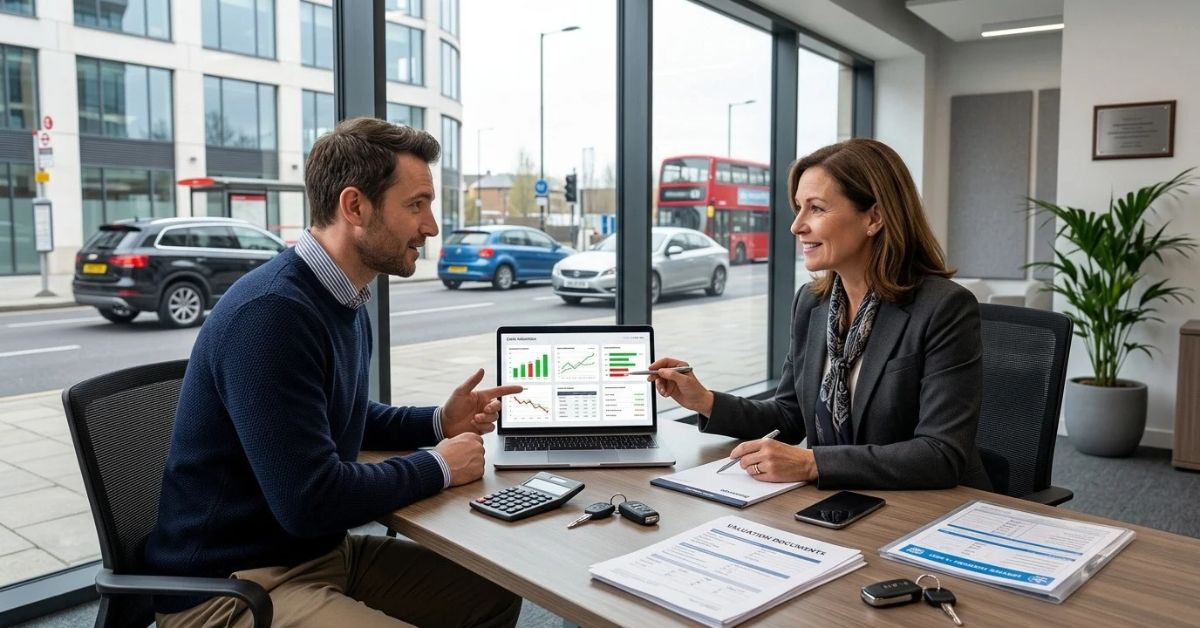
Knowing what your car is worth can make the selling process much easier. It can help you choose a sensible asking price, negotiate with confidence, and decide whether a part-exchange offer is fair.
However, no single figure applies to every vehicle. Several factors can affect its market value. These include age, mileage, condition, service history, specification, and current demand. Even two cars of the same make and model can have noticeably different values.
If you plan to sell or part-exchange your vehicle, a Car Valuation can give you a useful starting point. It can help you understand where your car sits in the current market before you speak to buyers or dealers.
What Does a Car Valuation Mean?
A Valuation provides an estimated figure for what your vehicle may be worth in the current market. The amount can change depending on how you plan to sell the car.
For instance, a dealer may offer less than the advertised price of a similar vehicle. Dealers need to cover several costs before reselling a car. These can include preparation, repairs, warranty coverage, staff costs, and their expected profit margin.
A private seller may achieve a different price because they sell directly to another consumer. However, private sales can take more time and require more effort from the seller.
It is also important to understand the difference between an advertised price and the final selling price. A vehicle might appear online at a certain price, but that does not mean it will actually sell for that amount. Therefore, treat a valuation as an informed estimate rather than a guaranteed final figure.
What Can Affect Your Car’s Value?
A Car Valuation considers several factors when determining a vehicle’s worth. Age, mileage, condition, service history, specification, and current market demand can all influence the final price.
Age and Mileage
Age and mileage often provide the first indication of a vehicle’s value. In general, newer cars tend to command higher prices. As a vehicle gets older, depreciation usually reduces its market value.
Mileage also matters because it shows how much use the car has had. However, you should not look at mileage on its own. A higher-mileage vehicle with excellent maintenance records may attract more interest than a low-mileage car that has received little care.
Overall Condition
Your car’s physical and mechanical condition can make a significant difference. Scratches, dents, worn tyres, damaged wheels, interior marks, and dashboard warning lights can all affect what buyers are willing to pay.
Be honest when describing your vehicle. Overstating its condition may produce an unrealistic estimate. It could also lead to a lower offer after a dealer or buyer inspects the car.
Service and MOT History
A complete service history can give potential buyers greater confidence. It shows that you have maintained the vehicle and kept up with important servicing requirements.
Keep service invoices, digital records, and maintenance receipts wherever possible. These documents can support your car’s condition and maintenance history.
Your MOT record can also provide useful information. Frequent failures or serious advisories may make buyers more cautious. On the other hand, a clean and well-maintained history can make your vehicle more attractive.
Specification and Market Demand
Your car’s specification can also influence its value. The trim level, engine, gearbox, colour, and optional equipment can affect demand.
Certain features may appeal strongly to buyers. These can include automatic transmission, parking sensors, reversing cameras, upgraded infotainment systems, and other desirable technology.
Market demand matters as well. A popular model with plenty of interested buyers may hold its value better than a less desirable vehicle.

Why Can Online Valuations Differ?
You may receive different estimates from different websites. That does not necessarily mean one service has made a mistake. Each valuation provider can use different data sources and calculation methods. Some may also make different assumptions about mileage, condition, specification, and local market demand.
Online tools usually rely on information such as your registration number, mileage, model, and specification. However, they cannot always identify smaller details. They may not know about a damaged alloy wheel, worn interior, new tyres, or a complete set of service records.
For that reason, an online Car Valuation should serve as a guide. It gives you an approximate idea of your vehicle’s market position, but it cannot guarantee the exact amount you will receive.
How to Prepare for a Valuation
Accurate information can help you get a more realistic estimate. Before requesting a valuation, take a few minutes to check your vehicle’s details.
Confirm the current mileage and check the MOT history. Gather your service records, maintenance receipts, and important vehicle documents. Also, make a note of the exact trim level, engine, gearbox, and optional features.
Next, inspect the vehicle carefully. Check the tyres, wheels, bodywork, lights, and interior. Make a note of any cosmetic or mechanical issues that could affect the final offer.
It can also help to clean your car before an inspection. Cleaning will not change the underlying market value, but it can make the vehicle look better and create a stronger first impression.
Is an Online Valuation Worth Using?
An online valuation offers a quick and convenient way to estimate your car’s worth. It can give you a starting point before you decide how to sell the vehicle.
However, accuracy depends on the information you provide. Entering the wrong mileage or leaving out important details can affect the result. Likewise, describing the vehicle as being in better condition than it really can create unrealistic expectations.
For a better understanding of your car’s potential selling price, compare the estimate with similar vehicles currently advertised. Look at differences in age, mileage, specification, condition, and location.
Final Thoughts
A Car Valuation involves more than entering a registration number and accepting the first estimate you receive. Your vehicle’s age, mileage, condition, history, specification, and current demand all play a role.
Therefore, use an online estimate as a starting point. Provide accurate information and compare the result with similar cars on the market. Most importantly, understand why your vehicle has a particular value. That knowledge can help you negotiate more effectively and make a confident decision when selling or part-exchanging your car.
Author



A BMW Headlight system does much more than brighten the road ahead. It helps you spot hazards, follow the road clearly, and stay visible to other drivers. Modern BMW models also use advanced lighting technology, including LED, xenon, and adaptive systems. These features improve visibility, but they also contain delicate electronic components that can develop faults over time.
That is why professional headlight repair London services can make a real difference. A small lighting problem may seem harmless at first. However, ignoring it can allow moisture, electrical faults, or damaged components to cause more serious problems. Getting an issue checked early can protect your vehicle and help you avoid unnecessary costs.
Why Healthy Headlights Matter
Good headlights play an important role in safe driving, especially after sunset. They help you see bends, pedestrians, road signs, parked vehicles, and unexpected obstacles. They also help other road users notice your BMW from a safe distance.
Furthermore, clear lighting becomes even more important during rain, fog, and poor weather. Dirty, dim, or poorly aligned lights can reduce visibility when you need it most. As a result, a properly working lighting system gives you better awareness and more confidence behind the wheel.
Your Headlight also needs to produce a consistent beam. If one side looks noticeably brighter than the other, you may have an underlying fault. A professional inspection can identify the cause before the issue affects your daily driving.
What Causes BMW Headlight Problems?
BMW lighting systems contain several electronic and mechanical components. These parts work together every time you switch on your lights. Over the years, regular use, weather conditions, and road debris can affect their performance. Several common problems can lead to lighting faults, including:
- Water entering the headlight housing
- Damaged or worn seals
- Cracked or scratched lenses
- Faulty wiring or electrical connections
- Failing LED components
- Problems with xenon lighting systems
- Damaged daytime running lights
- Impact from stones or other road debris
- Electrical faults that trigger dashboard warnings
In many cases, the problem starts with one small component. For example, a damaged seal can allow moisture to enter the housing. That moisture can then affect electrical connections and create further problems.
Common Warning Signs You Should Not Ignore
Headlight faults often show warning signs before the system stops working completely. Paying attention to these signs can help you deal with the problem while the repair remains manageable.
Watch for condensation or visible water inside the housing. You should also take note if your lights flicker, appear unusually dim, or produce an uneven beam. A dashboard warning can also indicate an electrical or lighting fault.
Other signs include cracked lenses, broken daytime running lights, and headlights that switch off unexpectedly. If you notice any of these problems, arrange an inspection instead of waiting for the system to fail completely.
Why Moisture Can Cause Serious Damage
Condensation inside a headlight may look like a simple cosmetic issue. In reality, repeated moisture exposure can create much bigger problems. Water can reach wiring, connectors, control modules, and other sensitive components. Over time, it can encourage corrosion and affect electrical performance. The lighting system may then become dim, flicker, or stop working correctly.
A small amount of condensation may sometimes disappear after normal use. However, persistent moisture deserves attention. If water keeps returning, a technician should inspect the housing, seals, and surrounding components to find the source.
When Should You Repair Your BMW Headlights?
Many drivers wait until a light stops working before they seek help. Unfortunately, this approach can turn a relatively simple fault into a more expensive repair.
You should consider professional assistance if you notice repeated condensation, dim lighting, flickering beams, cracked lenses, or dashboard warning messages. You should also arrange an inspection if one light behaves differently from the other.
Early action can prevent secondary damage. It may also allow a technician to repair the affected component instead of replacing the complete unit.

Repair or Replacement: Which Option Makes Sense?
Not every lighting fault requires a complete replacement. A skilled technician can inspect the unit and determine whether repair makes sense.
Damaged seals, certain wiring faults, moisture problems, and some electronic issues may respond well to professional repair. Minor lens damage may also have repair options, depending on its condition and location.
Replacement may become necessary when the housing has severe damage or when important internal components have suffered extensive failure. Therefore, a proper diagnosis should come before you decide to buy a new unit.
Repairing the original BMW Headlight can often provide better value when the main components remain in good condition. It can also help you retain the original fit and appearance of your vehicle.
Why Professional Repairs Matter
Modern BMW lighting systems can contain complex electronics and precisely designed components. For that reason, repairs require suitable equipment, technical knowledge, and careful handling.
An experienced technician can diagnose the fault before starting the repair. This approach reduces the risk of replacing parts that still work. It also helps protect the surrounding electrical system from unnecessary damage.
Professional servicing can address the actual cause of the problem rather than simply treating the visible symptom. That difference can improve reliability and help prevent the same issue from returning.
Benefits of Early Headlight Repairs
Dealing with lighting problems early offers several practical advantages. First, it restores clear visibility and helps you see the road more effectively. Second, it can reduce the risk of further damage inside the lighting unit.
Early repairs can also help maintain correct beam alignment. Proper alignment matters because an incorrectly positioned beam can reduce your visibility or disturb other drivers.
In addition, timely maintenance may extend the useful life of your lighting components. It can also reduce the chance of facing a larger and more expensive repair later.
Keep Your BMW Lighting in Good Condition
Regular inspections can help identify developing faults before they become major problems. During routine checks, look for cracks, condensation, unusual brightness, flickering, or warning messages.
If you notice a change in lighting performance, do not ignore it. A quick professional inspection can often identify the cause and give you clear repair options.
A reliable BMW Headlight repair service can restore visibility, protect valuable components, and help your vehicle perform as it should. Home of Headlights provides headlight restoration, maintenance, and bespoke lighting enhancements for different makes and models across London. Its technicians focus on practical repairs that improve visibility and help drivers avoid unnecessary replacement costs.
Whether you have condensation, dim bulbs, faulty LED or xenon lighting, broken daytime running lights, flickering, or dashboard warnings, early attention can make a significant difference. Taking action at the first sign of trouble can protect your lighting system and make every journey safer and more comfortable.
Final Thoughts
A BMW Headlight plays an important role in both visibility and road safety. Small issues such as condensation, flickering, dim lighting, cracked lenses, or dashboard warnings can quickly become bigger problems if you ignore them.
Therefore, it makes sense to address headlight faults as soon as you notice them. Early repairs can protect electrical components, improve visibility, and help you avoid unnecessary replacement costs. Professional inspection also ensures that technicians identify the actual cause instead of simply treating the visible symptom.
If your BMW headlights are showing signs of trouble, do not wait for complete failure. Choosing a reliable BMW repair London service can help restore proper lighting performance and keep your vehicle ready for every journey. Regular checks and timely repairs will also help your lighting system remain dependable for longer.
Author



How Trusted Air Duct Cleaners Help Prevent Dangerous Blockages

How to Choose Quality Ayurvedic Herbal Products

Garage Door Repair Las Vegas: Red Flags When Hiring a Contractor

My Simple Snow Ride Turned Into Chaos

Herbal Ingredient Sourcing: From Farm to Formulation

How to Build a Low-Maintenance Balcony Garden

How to Buy Bulk Smoking Accessories for Retail Stores

Amazon Conversion Rate Optimization: 8 Ways to Get More Sales

Top 10 Psychology Conferences 2026 in the USA

Commercial Cabinet Shop Drawings: Key Details for Accurate Fabrication

Cybersecurity Consulting Company SequelNet Provides Critical IT Support Services to Medical Billing Firm, Medical Optimum

Meet the Megalodon: The Shark Star of ‘Meg 2’

Reduce Video Game Lag: Level Up Your Gaming Performance

Balancing India’s Entertainment: Cricket vs. Bollywood

Jetsetter’s Secrets: Unveiling Our Favorite Travel Hacks for a Seamless Adventure

The 5 Best Live Sports Streaming Sites: Legal and Exciting!

Hollywood Labor Unrest: The Impact of ‘What About Us?’ Strikes

Unveiling the Magic of Dream Fulfillment at the Late NBA Draft

Illuminate Your Skin: Dr. Axe Unveils Natural Remedies for Lightening Knees and Elbows

Bright Choices: Navigating the Pros and Cons of Skin Whitening Creams with Dr. Axe
-

 Business3 years ago
Cybersecurity Consulting Company SequelNet Provides Critical IT Support Services to Medical Billing Firm, Medical Optimum
-
Entertainment3 years ago
Meet the Megalodon: The Shark Star of ‘Meg 2’
-
Entertainment3 years ago
Reduce Video Game Lag: Level Up Your Gaming Performance
-
 Sports3 years ago
Balancing India’s Entertainment: Cricket vs. Bollywood
-
Entertainment3 years ago
Jetsetter’s Secrets: Unveiling Our Favorite Travel Hacks for a Seamless Adventure
-
Productivity3 years ago
The 5 Best Live Sports Streaming Sites: Legal and Exciting!
-
Art /Entertainment3 years ago
Hollywood Labor Unrest: The Impact of ‘What About Us?’ Strikes
-
Sports3 years ago
Unveiling the Magic of Dream Fulfillment at the Late NBA Draft






