
Technology
Inside The Google Secure AI Framework (SAIF)

By

Reviewed
By Kaia Peyton
Introduction
Artificial intelligence is transforming industries faster than any previous technology wave, driving automation, decision-making, and innovation across every sector. Yet as AI systems become more powerful, they also become more vulnerable to exploitation. From model poisoning and data leaks to deepfake manipulation and biased decision engines, AI presents a new category of risk that traditional cybersecurity controls were never designed to handle.
Recognizing this growing challenge, Google introduced the Secure AI Framework (SAIF). A comprehensive blueprint for safeguarding artificial intelligence across its entire lifecycle. SAIF redefines what “responsible AI security” means by combining decades of security expertise with modern risk governance, ensuring that innovation does not come at the expense of safety or ethics.
In this article, Dr. Ondrej Krehel explores how Google’s Secure AI Framework sets a new global benchmark for trust, transparency, and resilience in the age of intelligent systems.
Why AI Security Has Become a Global Priority
AI adoption is accelerating at record speed. Gartner predicts that by 2026, more than 80% of enterprises will have integrated generative AI into their business processes, up from less than 5% in 2023. However, the same speed that fuels innovation also expands the attack surface.
The World Economic Forum lists “malicious AI use” among the top five global risks in the next two years, and according to IBM’s 2024 Cost of a Data Breach Report, the average breach involving AI or automation now costs $5.36 million, nearly 20% higher than non-AI incidents.

These numbers highlight a crucial reality: while AI enables progress, it also magnifies existing vulnerabilities. Without structured governance, machine learning systems can be manipulated, data integrity can be compromised, and automated decisions can propagate systemic bias.
That’s why Google’s Secure AI Framework is more than just another policy. It’s a fundamental shift toward secure-by-design artificial intelligence.
What Is the Google Secure AI Framework (SAIF)?
The Google Secure AI Framework (SAIF) is a layered security and governance model designed to protect AI systems from data ingestion to model deployment. It integrates six guiding principles aimed at reducing vulnerabilities while ensuring ethical and transparent AI usage.
In Google’s words, SAIF is built to “secure the AI ecosystem through shared responsibility.” It draws from decades of Google’s security architecture experience and aligns closely with existing global frameworks such as NIST’s AI Risk Management Framework and ISO/IEC 42001 (AI management system standard).
The framework applies not only to Google’s internal models but also to organizations developing or integrating AI across industries. By providing open guidance, SAIF enables businesses to replicate Google’s defensive posture and adapt it to their own infrastructures.
The Six Core Principles of the Secure AI Framework
1. Secure the AI Supply Chain
AI systems rely heavily on open-source libraries, third-party datasets, and pre-trained models, all of which can be targeted for tampering. SAIF emphasizes end-to-end supply chain security, including code provenance, model validation, and dependency monitoring.
A recent MITRE study revealed that 43% of AI incidents in the last three years stemmed from unverified datasets or compromised libraries, an issue SAIF directly addresses through continuous integrity verification.
2. Implement Strong Identity and Access Controls
AI pipelines often involve multiple users, APIs, and automated agents. SAIF enforces strict identity and access management (IAM) measures to ensure that only authorized entities can train, modify, or deploy AI models.
By adopting zero-trust principles, organizations can prevent unauthorized access to sensitive datasets and model architectures, a vital step in reducing insider threats.
3. Ensure Data Privacy and Protection
Since AI systems learn from massive datasets, ensuring data privacy is critical. SAIF promotes privacy-preserving techniques such as differential privacy, encrypted computation, and anonymization.
According to McKinsey’s 2025 Tech Report, 64% of enterprises plan to increase investment in privacy-enhancing AI technologies, aligning perfectly with SAIF’s approach.
This principle guarantees that AI learns responsibly without compromising user confidentiality.
4. Monitor and Detect AI-Specific Threats
Traditional monitoring tools are insufficient for AI-driven systems. SAIF recommends building specialized detection pipelines that identify adversarial inputs, model drift, and prompt injection attacks in real time.
For example, Google’s own AI Red Team regularly stress-tests its large models using synthetic attacks to uncover vulnerabilities before adversaries do.
This proactive testing culture embodies the SAIF vision, treating AI like a living system that requires continuous security validation.
5. Adopt Secure Deployment and Continuous Testing
Once models go live, continuous verification becomes essential. SAIF urges the adoption of runtime monitoring and secure deployment pipelines, ensuring that updates don’t introduce new vulnerabilities.
Research from Stanford’s AI Index 2024 shows that over 56% of production AI failures occur during deployment or retraining not during initial development. SAIF’s emphasis on runtime safety directly reduces these risks.
6. Promote Transparency and Responsible Governance
Finally, SAIF encourages responsibility, documentation, and explainability in AI systems. Every decision made by a model should be traceable and auditable.
By integrating explainability frameworks and ethics oversight, organizations can align with global mandates like the EU AI Act, which requires transparency across automated decision-making systems.
Google’s framework turns these regulatory expectations into operational standards — ensuring AI remains accountable to both users and society.
Why the Secure AI Framework Matters in 2025
The need for structured AI governance has never been greater. As machine learning penetrates finance, healthcare, marketing, and national security, each misused or unsecured system carries the potential for societal harm.
In 2025, more than 60% of businesses report using AI to handle customer data or strategic decision-making. Without a consistent security baseline, these implementations risk exposing intellectual property or amplifying misinformation.
Google’s Secure AI Framework stands out because it merges technical rigor with ethical design, allowing developers and regulators to speak a common language of responsibility. It’s not merely about preventing attacks; it’s about maintaining public trust in an AI-driven world.
How Organizations Can Implement the Secure AI Framework
For most companies, implementing SAIF begins with evaluating their current AI maturity and identifying areas of risk.
A cybersecurity consultant typically guides this process through structured assessments, mapping existing controls against SAIF’s six principles. The roadmap often includes:
- Inventorying AI assets cataloging datasets, models, and APIs.
- Evaluating data hygiene removing unverified or sensitive information from training pipelines.
- Integrating IAM protocols applying least-privilege access and encryption controls.
- Embedding model monitoring tools detecting bias, drift, and anomalies.
- Establishing governance boards ensuring ethical oversight and compliance documentation.
Organizations that take these steps can align with not just Google’s SAIF but also with broader compliance frameworks such as NIST, GDPR, and ISO AI risk standards.
Benefits of Adopting the Google Secure AI Framework
Implementing the Secure AI Framework delivers multi-dimensional benefits:
- Enhanced trust and transparency: Users and stakeholders gain confidence in the fairness and accountability of AI systems.
- Reduced risk of attacks: Early detection and zero-trust architecture lower exposure to model manipulation and data breaches.
- Regulatory compliance: Organizations can demonstrate adherence to emerging AI legislation.
- Operational efficiency: Standardized processes streamline AI development, testing, and deployment cycles.
- Ethical alignment: Integrating responsibility into every AI stage strengthens brand reputation and user trust.
As Dr. Krehel emphasizes, “Security is not a single control but a mindset. The Secure AI Framework doesn’t just protect technology, it protects credibility.”
Challenges in Implementation
While SAIF offers a robust blueprint, practical challenges remain. Smaller organizations may lack the resources or expertise to deploy AI-specific security infrastructure. Moreover, the evolving nature of AI threats, such as generative model abuse or automated misinformation, means the framework must be continuously updated.
According to Accenture’s 2025 AI Resilience Report, nearly 48% of businesses cite “lack of AI security skills” as their primary obstacle to safe deployment. Engaging experts and adopting modular frameworks like SAIF can bridge this gap.
For this reason, an information security consultant often plays a key role in translating high-level frameworks into actionable, scalable practices.
The Future of Responsible AI Security
The launch of the Google Secure AI Framework represents a milestone in AI governance, but it’s only the beginning.
Future iterations will likely integrate with machine learning security operations (MLSecOps), automating risk management throughout the AI lifecycle.
In parallel, governments and global organizations are developing complementary standards:
- The EU AI Act focuses on risk categorization and transparency.
- The U.S. NIST AI Risk Management Framework emphasizes accountability and resilience.
- OECD AI Principles promote fairness, explainability, and privacy.
As these efforts converge, frameworks like SAIF will form the backbone of a global responsible AI ecosystem, shaping how industries innovate safely.
Conclusion
The Google Secure AI Framework (SAIF) is an important step toward making AI safe, fair, and trustworthy. By focusing on privacy, security, ethics, and accountability, SAIF helps protect users and businesses from the risks that come with AI technology. It ensures that AI systems are built with care and responsibility, so they can be used with confidence.
As AI becomes more a part of our daily lives, frameworks like SAIF will be essential for guiding its growth. Choosing secure and ethical AI is no longer optional—it is necessary for a better and safer future.
Read More: Cybersecurity in a Hyper-Connected World: Protecting Your Digital Life in 2025
Author




Author



Dallas has emerged as one of the most competitive commercial hubs in Texas. Companies across the city compete for attention on Google, social media, paid advertising platforms, and local search results. As competition grows, simply having a website no longer guarantees visibility.
Businesses need a clear strategy that matches how local customers search, compare, and choose services. They also need to reach potential customers at the right stage of the buying journey.
A strong Digital Marketing strategy can help businesses attract relevant visitors, generate qualified leads, and build long-term brand visibility. It can combine search engine optimization, content creation, paid advertising, social media, website improvements, and local search tactics.
Why Dallas Businesses Need a Strong Online Strategy
Dallas has a diverse and rapidly growing business environment. Local companies often compete within specific neighborhoods, while others target customers throughout the wider Dallas-Fort Worth area.
A company may serve customers in Uptown, Downtown Dallas, Oak Lawn, Lake Highlands, or Bishop Arts. Meanwhile, businesses targeting the larger DFW market may also compete with companies in Plano, Irving, Frisco, and Fort Worth.
Customers seldom reach out to a company without conducting some research beforehand. They may search Google, read reviews, compare prices, explore services, or visit several websites before making a decision.
Therefore, businesses need to remain visible throughout this process. A well-planned online strategy can help them appear when potential customers actively look for their products or services.
Build a Strong Local Search Presence
Local search can provide significant value for businesses that serve customers in specific areas. A company can improve its local visibility by optimizing its website, Google Business Profile, service pages, location pages, and customer reviews.
For example, a Dallas home improvement company could create content around searches such as kitchen remodeling in Dallas or bathroom renovation near me. These searches often show stronger buying intent than broad searches.
Instead of trying to reach everyone, local optimization focuses on people who already need a particular service. This approach can bring more relevant traffic and improve the chances of generating inquiries.
Create Content That Answers Customer Questions
Good content should help people make decisions. It should not simply repeat keywords across multiple pages.
A strong Digital Marketing plan can include service pages, location-based content, blog posts, guides, FAQs, and comparison articles. Each piece should address a genuine customer question or concern.
For instance, a local business could explain pricing factors, expected timelines, service options, common mistakes, or preparation steps. This information gives potential customers useful answers before they contact the company.
Helpful content can also build trust. When a business consistently provides clear and relevant information, customers may view it as a knowledgeable option within its industry.
Turn Website Visitors Into Leads
Generating website traffic represents only one part of the process. Businesses also need to turn that traffic into meaningful actions.
A confusing website can cause visitors to leave before they make an inquiry. Therefore, companies should make the next step simple and obvious.
A conversion-friendly website should include:
- Clear descriptions of products or services
- Strong and relevant calls to action
- Easy-to-find contact information
- Simple inquiry forms
- Click-to-call options for mobile users
- Customer reviews and trust signals
- Straightforward navigation
- Fast-loading pages
- Mobile-friendly design
These improvements can make the customer journey smoother. They can also help businesses get more value from the traffic they already receive.
Combine SEO With Paid Advertising
Search engine optimization can build visibility over time. Paid advertising, on the other hand, can place a business in front of potential customers much faster.
A balanced strategy can combine organic search with Google Ads, remarketing, social media advertising, digital marketing and targeted campaigns. Businesses can then compare performance across different channels.
Paid campaigns can also provide valuable insights. For example, advertising data may reveal which search terms generate the most inquiries. Businesses can use those findings to improve their website content and organic search strategy.
However, paid advertising should not operate without a clear goal. Campaigns need relevant landing pages, suitable audiences, strong offers, and ongoing performance monitoring.

Strengthen Your Social Media Presence
Social media gives Dallas businesses another opportunity to connect with customers. The appropriate platform varies based on the audience and sector. Facebook and Instagram can work well for local services and visual businesses. LinkedIn can support B2B companies and professional services. Meanwhile, TikTok and YouTube can help brands reach audiences through short-form and educational video content.
Businesses can use social media to showcase completed projects, customer experiences, team members, product demonstrations, special offers, and community involvement.
Most importantly, businesses should focus on consistency. Posting random content simply to remain active rarely creates meaningful results. Instead, each post should have a clear purpose and provide something useful or interesting to the audience.
Use Data to Make Better Marketing Decisions
One major advantage of online marketing involves access to measurable data. Businesses can track website traffic, search rankings, leads, conversions, advertising results, engagement, and other important metrics. This data assists businesses in knowing what is effective and what requires enhancement.
For example, a service page may receive hundreds of visitors but generate very few inquiries. That result could indicate a weak call to action, unclear messaging, poor user experience, or an offer that does not match customer expectations. Data gives businesses an opportunity to investigate the problem. Instead of guessing, marketers can make changes based on actual customer behavior.
What to Look for in a Dallas Marketing Agency
Choosing an agency should involve more than comparing monthly fees. Businesses need a partner that understands their industry, customers, competitors, and service area.
A reliable agency should offer a clear strategy and explain how each activity supports the company’s goals. It should also provide transparent reporting and regular performance updates.
Look for experience in areas such as:
- Local SEO
- Content strategy
- Competitor research
- Website conversion optimization
- Paid advertising
- Social media marketing
- Performance tracking
- Reputation management
Most importantly, avoid agencies that offer the exact same package to every client. Your business has different customers, challenges, and goals. Your strategy should reflect those differences.
Create a Connected Growth Strategy
Successful online growth rarely comes from one marketing channel. SEO, content, paid advertising, social media, local search, reputation management, and website optimization should work together.
A Dallas marketing agency can connect these channels around shared business objectives. This approach creates a smoother path from initial search to website visit, inquiry, and eventual customer.
For example, local SEO can attract people searching for a service. Helpful content can answer their questions. A strong website can encourage them to contact the business. Reviews can then provide additional confidence before they make a decision.
This connected approach can create more consistent results than relying on one tactic alone.
Final Thoughts
Dallas businesses operate in a competitive digital environment. Customers have more choices, and they can compare companies within seconds. As a result, businesses need more than an attractive website. They need a strategy that puts them in front of the right audience and makes it easy for potential customers to take action.
Effective Digital Marketing combines visibility with trust, useful content, strong websites, and measurable campaigns. Businesses that continually review their data and improve their strategy can build stronger online visibility over time.
The key is to focus on the customer first. Understand what people search for, answer their questions, remove obstacles, and provide a clear reason to choose your business. With a consistent and connected approach, Dallas companies can attract better prospects and create sustainable opportunities for growth.
Author

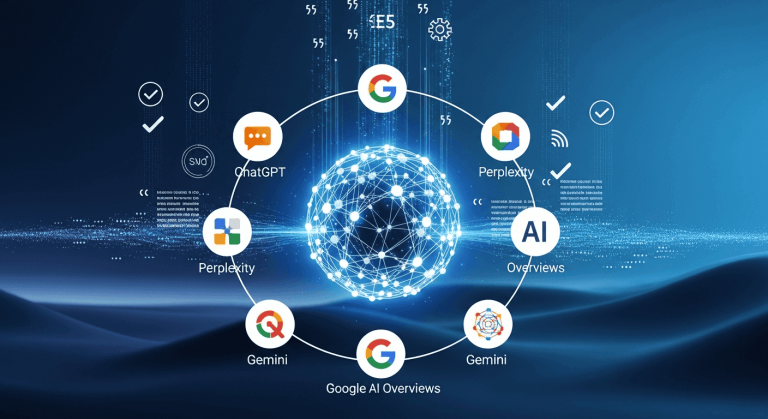
AI tools such as ChatGPT Search have transformed the way people find information online. In the past, most people entered a few keywords into a search box and opened several websites to find the right answer. Today, you can ask a complete question and receive a direct, conversational response with relevant sources.
However, better technology does not always guarantee better results. Search Engine quality of your answer often depends on the quality of your question. A vague prompt may produce a general response, while a detailed prompt can help you find information that closely matches your needs.
That means you need to rethink how you search. Instead of treating AI like a traditional search box, you can treat it like a research assistant. Here are five practical ways to get more useful and accurate answers.
Ask a Clear and Specific Question
One of the easiest ways to improve your results is to stop relying on short keywords. A traditional Search Engine can work well with simple phrases, but AI tools can understand complete questions and detailed instructions.
For example, instead of searching for:
- Keyword search: “AI marketing tools”
- Try asking:
- AI prompt: “What are the best AI marketing tools for small businesses in 2026? Compare their main features, pricing, and best use cases.”
The second prompt gives the AI much more information. It explains what you are looking for, who the tools should suit, and which details matter most.
As a result, you are more likely to receive a focused answer instead of a general list. You can also mention your goal directly. For example, tell the AI whether you want to increase website traffic, create social media content, generate leads, or improve email marketing. The more clearly you describe the task, the easier it becomes for the AI to understand what you actually need.

Give Context Before You Search
Context can make a major difference. AI can provide more relevant recommendations when it understands your situation. For instance, searching “Which laptop is best?” leaves many important questions unanswered. Instead, you could write: “I am a computer science college student. I need a laptop under $1,000 for programming, research, and video calls. Which models should I consider?”
Now the AI knows your budget, your field of study, and the tasks you need to perform. Therefore, it can focus on options that fit your requirements rather than suggesting every popular laptop.
This approach works for many types of research. You can provide your location when looking for restaurants or travel destinations. You can mention your experience level when searching for software or courses. Likewise, you can include your budget when comparing products.
In short, context helps the Search Engine understand why you are searching. It can then narrow down the information and make the results more useful.
Tell the AI How You Want the Information Presented
You should not assume that the AI will automatically organize information in the way you prefer. Instead, tell it what the final answer should look like. For example, rather than asking: “Compare SEO tools.”
You could ask: “Compare these five SEO tools based on keyword research, pricing, ease of use, and features. Present the information in a simple table and recommend the best option for a small business.”
This simple instruction can save you considerable time. Instead of reading several long paragraphs, you can receive information in a format that makes comparison easier.
You can request bullet points, step-by-step instructions, pros and cons, summaries, checklists, or comparison tables. You can also ask for a short answer when you only need the main points.
Furthermore, you can tell the AI how detailed you want the response to be. If you are a beginner, ask for simple explanations. If you already understand the subject, request a more advanced response.
Use Follow-Up Questions to Explore the Topic
Another major advantage of AI search is the ability to continue a conversation. You do not need to create a completely new search whenever you think of another question. Instead, you can begin with a broad question and gradually explore the subject. For example, your research might begin with: What are the main benefits of solar energy for a small business? Then you could ask: “What are the biggest disadvantages?” After that, you might ask: “Which government incentives are currently available?” Finally, you could say: “Summarize the benefits, risks, and incentives in a simple comparison.”
This approach makes research feel more natural. You can respond to the information you receive and ask for clarification when something seems unclear. It also prevents you from creating one extremely long prompt that tries to cover everything at once. Start with the main question. Then use follow-ups to explore specific areas. Think of AI as a conversational research assistant rather than a traditional Search Engine. You can guide the conversation until you find the information you need.
Always Check the Sources
AI can make research faster, but you should not assume every answer is automatically accurate. AI tools can occasionally provide outdated information, misunderstand a source, or make factual errors.
This matters even more when you research health, finance, law, technology, or current events. Information in these areas can change quickly, so older sources may no longer provide an accurate picture.
Therefore, take a moment to review the citations and links included with the answer. Look for information from reliable sources, including government agencies, official company websites, universities, academic publications, and established news organizations.
You can also ask the AI to verify important claims. For example, ask, “What sources support this information?” You can also request, “Verify these statistics using reliable sources published within the last year.” This extra step can help you identify outdated or questionable information before you rely on it.
Final Thoughts
AI has made online research faster and more conversational Search Engine. However, the quality of your results still depends heavily on the way you ask questions. Start with a clear goal. Add useful context. Tell the AI how you want the answer organized. Then, use follow-up questions to explore the subject further. Finally, verify important information through reliable sources.
These habits can improve your research whether you are studying for school, working on a business project, comparing products, or learning something new. The key is simple: the clearer your question, the more useful your answer is likely to be. With practice, you can turn AI into a much more effective research tool and find relevant information with less effort.
Author


Car Maintenance: 7 Essential Summer Checks for Safer Driving

Digital Marketing Launceston: Grow Your Business Online

Drafting Services: Accurate CAD Solutions for Construction

Ghostwriter Cost 2026: Pricing, Services and Hiring

Carsicko Hoodie’s: Modern Streetwear Styling and Outfit Ideas

Business Opportunities in Brazil 2026: Ideas & Investment Tips

Best Cashback Mortgages UK: Compare Deals & Savings

Loan Settlement: Process, Credit Score Impact & Repayment Tips

Everyday Style: Common Projects Sneakers UK Styling Tips

Commercial Truck Financing Options for Business Owners

Cybersecurity Consulting Company SequelNet Provides Critical IT Support Services to Medical Billing Firm, Medical Optimum

Meet the Megalodon: The Shark Star of ‘Meg 2’

Reduce Video Game Lag: Level Up Your Gaming Performance

Balancing India’s Entertainment: Cricket vs. Bollywood

Jetsetter’s Secrets: Unveiling Our Favorite Travel Hacks for a Seamless Adventure

The 5 Best Live Sports Streaming Sites: Legal and Exciting!

Hollywood Labor Unrest: The Impact of ‘What About Us?’ Strikes

Unveiling the Magic of Dream Fulfillment at the Late NBA Draft

Illuminate Your Skin: Dr. Axe Unveils Natural Remedies for Lightening Knees and Elbows

Bright Choices: Navigating the Pros and Cons of Skin Whitening Creams with Dr. Axe
-

 Business3 years ago
Cybersecurity Consulting Company SequelNet Provides Critical IT Support Services to Medical Billing Firm, Medical Optimum
-
Entertainment3 years ago
Meet the Megalodon: The Shark Star of ‘Meg 2’
-
Entertainment3 years ago
Reduce Video Game Lag: Level Up Your Gaming Performance
-
 Sports3 years ago
Balancing India’s Entertainment: Cricket vs. Bollywood
-
Entertainment3 years ago
Jetsetter’s Secrets: Unveiling Our Favorite Travel Hacks for a Seamless Adventure
-
Productivity3 years ago
The 5 Best Live Sports Streaming Sites: Legal and Exciting!
-
Art /Entertainment3 years ago
Hollywood Labor Unrest: The Impact of ‘What About Us?’ Strikes
-
Sports3 years ago
Unveiling the Magic of Dream Fulfillment at the Late NBA Draft






